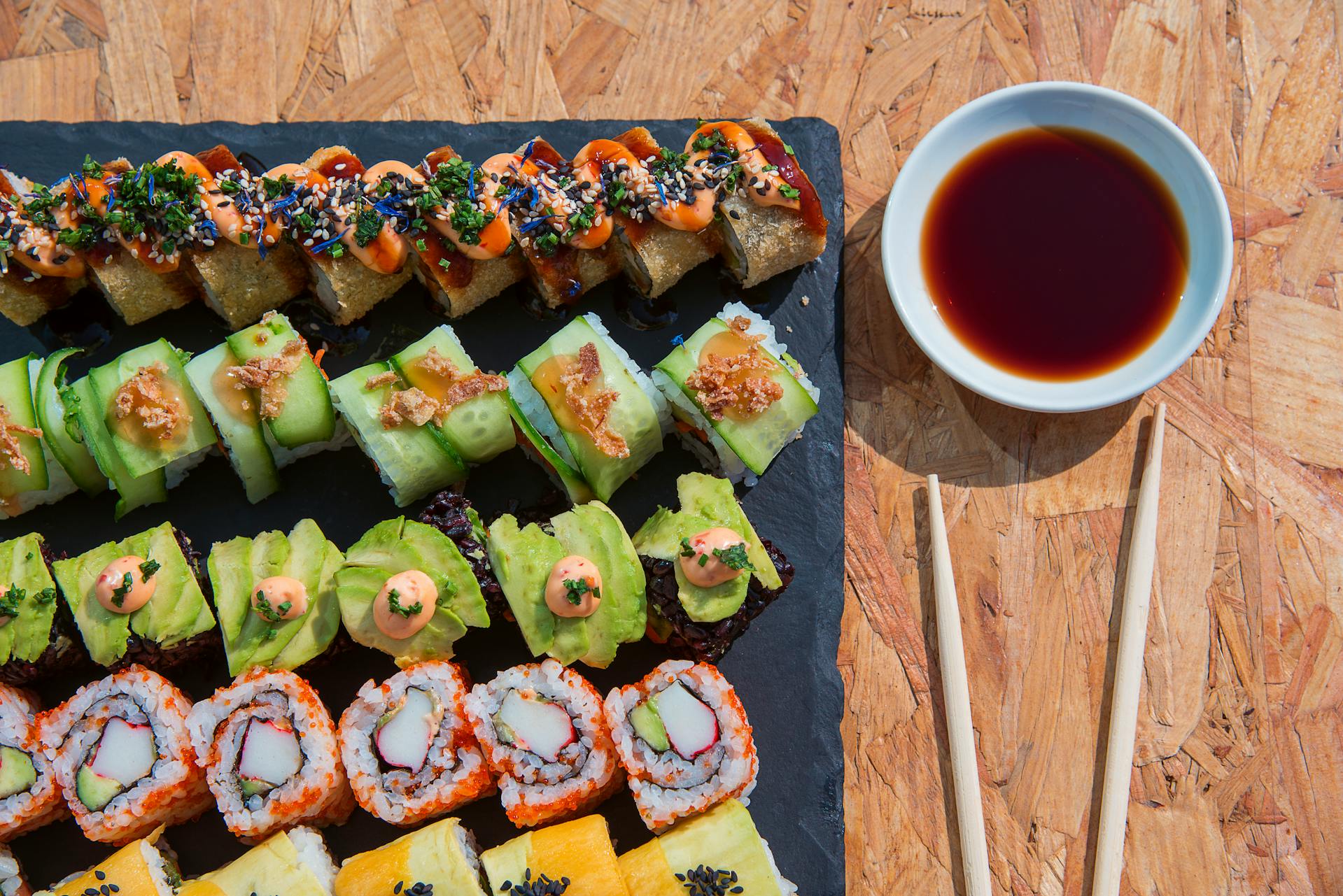
Sushi Grade Freezer
Understanding Sushi Grade Freezers
What is a Sushi Grade Freezer?
A sushi grade freezer is a specialized appliance designed to freeze fish at extremely low temperatures to ensure it is safe for raw consumption. These freezers reach temperatures much lower than standard freezers, typically around -31°F (-35°C) or below. This rapid freezing process is crucial for maintaining the texture, flavor, and safety of sushi-grade fish.
Importance of Proper Freezing for Sushi-Grade Fish
Proper freezing is essential for sushi-grade fish to eliminate parasites and preserve quality. Freezing fish at temperatures of -4°F (-20°C) for seven days or flash freezing at -31°F (-35°C) until solid ensures that any potential parasites are killed. This process not only makes the fish safe to eat but also helps in retaining its freshness and taste.
For more on proper storage practices, check out our guide on how to store dry ice in the freezer.
| Freezing Method | Temperature (°F) | Duration |
|---|---|---|
| Standard Freezing | -4°F | 7 Days |
| Flash Freezing | -31°F | Until Solid |
Incorporating a sushi grade freezer into your kitchen can provide numerous benefits, such as ensuring food safety and maintaining the high quality of your sushi-grade fish. To learn more about the benefits and features of these freezers, explore our article on energy efficient freezer.
Types of Freezers for Sushi Grade
When selecting a sushi grade freezer, it's essential to consider the different types available. Each type offers unique features that can cater to your specific needs.
Upright Freezers
Upright freezers are a popular choice for many homeowners due to their vertical design, which allows for easy access and organization. These freezers often come with adjustable shelves, making it simple to store various items.
| Feature | Description |
|---|---|
| Temperature Range | -10°F to -20°F |
| Storage Capacity | 10 - 25 cubic feet |
| Energy Efficiency | High |
For more details on upright freezers, visit our section on upright chest freezer sale.
Chest Freezers
Chest freezers are known for their large storage capacity and energy efficiency. They are ideal for storing bulky items and can maintain a consistent temperature, which is crucial for preserving sushi-grade fish.
| Feature | Description |
|---|---|
| Temperature Range | -10°F to -20°F |
| Storage Capacity | 15 - 30 cubic feet |
| Energy Efficiency | Very High |
For tips on what to store in a chest freezer, check our guide on what to keep in a chest freezer.
Drawer Freezers
Drawer freezers offer a unique design with multiple pull-out drawers, providing excellent organization and accessibility. These freezers are perfect for smaller spaces and allow you to easily categorize and access your frozen items.
| Feature | Description |
|---|---|
| Temperature Range | -10°F to -20°F |
| Storage Capacity | 5 - 15 cubic feet |
| Energy Efficiency | Moderate |
For more information on drawer freezers, explore our section on vertical freezer with drawers.
Combination Refrigerator-Freezer Units
Combination refrigerator-freezer units offer the convenience of both refrigeration and freezing in one appliance. These units are perfect for smaller kitchens or those who prefer a compact solution.
| Feature | Description |
|---|---|
| Temperature Range | -10°F to -20°F (Freezer) |
| Storage Capacity | 15 - 25 cubic feet |
| Energy Efficiency | High |
For more about combination units, see our section on 20 cu ft french door fridge.
Selecting the right type of freezer depends on your specific needs, space, and preference. For more information on maintaining your sushi grade freezer, check our articles on defroster for freezer and charging an upright freezer.
Features to Look for in a Sushi Grade Freezer
Temperature Control
Proper temperature control is essential in a sushi grade freezer. You need to maintain extremely low temperatures to ensure the fish remains safe for consumption. Look for a freezer with precise temperature settings that can reach at least -31°F (-35°C). Digital temperature displays can be especially helpful for monitoring and maintaining the desired temperature.
| Feature | Requirement |
|---|---|
| Temperature Range | At least -31°F (-35°C) |
| Temperature Display | Digital |
Energy Efficiency
Energy efficiency is another crucial factor when selecting a sushi grade freezer. An energy-efficient freezer not only saves on electricity bills but also reduces your carbon footprint. Look for freezers with Energy Star certifications or other energy-efficient ratings. These models are designed to use less power while maintaining optimal performance.
| Feature | Benefit |
|---|---|
| Energy Star Certification | Reduces electricity consumption |
| Efficient Insulation | Maintains temperature, saves energy |
Storage Capacity
Storage capacity is vital for accommodating different types of sushi-grade fish and other ingredients. The size you need will depend on how much you plan to store. Make sure the freezer has enough space for your needs without overcrowding, which can affect airflow and freezing efficiency.
| Freezer Type | Storage Capacity (cu ft) |
|---|---|
| Upright | 10 - 20 |
| Chest | 15 - 25 |
| Drawer | 12 - 18 |
Organization and Accessibility
Effective organization and easy accessibility can make a significant difference in how you use your sushi grade freezer. Look for features like adjustable shelving, compartments, and drawers that help keep your items organized and easily accessible. Proper organization ensures that you can quickly find and retrieve your sushi-grade fish without compromising the freezer’s efficiency.
| Feature | Benefit |
|---|---|
| Adjustable Shelves | Customizable storage |
| Compartments and Drawers | Better organization and access |
Incorporating these features into your sushi grade freezer will ensure that you maintain the quality and safety of your sushi-grade fish. For more on freezer types, visit our article on 13 cubic feet standing freezer. Additionally, proper storage practices, such as how to store dry ice in the freezer, are crucial for maintaining optimal conditions.
Proper Storage Practices
Ensuring the optimal storage of sushi-grade fish in your freezer involves several key practices. By adhering to these guidelines, you can maintain the quality and safety of your fish.
Temperature Requirements
Maintaining the correct temperature is crucial for preserving sushi-grade fish. Sushi-grade freezers are designed to reach very low temperatures to prevent the growth of harmful bacteria and parasites. The ideal temperature for a sushi-grade freezer is -31°F (-35°C) or lower.
| Temperature (°F) | Storage Duration |
|---|---|
| -31°F (-35°C) | Indefinitely |
| -4°F (-20°C) | 7 days |
| 14°F (-10°C) | 15 hours |
These temperatures ensure that the fish remains safe for consumption. For more on maintaining freezer temperatures, check out our article on charging an upright freezer.
Airflow and Moisture Control
Proper airflow and moisture control within your sushi-grade freezer help in preserving the texture and flavor of your fish. It's important to avoid overcrowding the freezer, which can obstruct airflow and lead to uneven freezing. Ensure that there's enough space between items for air to circulate freely.
Moisture control is equally important. Excess moisture can lead to freezer burn, which affects the quality of the fish. Using airtight containers or vacuum-sealed bags can help in reducing moisture exposure. For additional tips on freezer management, you may want to visit our article on defroster for freezer.
Packaging and Labeling
Proper packaging and labeling are essential for maintaining the quality and organization of your sushi-grade fish. When packaging fish, use vacuum-sealed bags or airtight containers to minimize exposure to air and moisture. Ensure that the packaging is secure and free from leaks.
Labeling your packages with the date of freezing and the type of fish helps in keeping track of storage times and ensures that you use the oldest fish first. This practice also aids in preventing food waste. For more information on organizing your freezer, check out our article on creating a sushi grade freezer inventory.
By following these proper storage practices, you can ensure the quality and safety of your sushi-grade fish, making your sushi preparation both enjoyable and safe.
Benefits of Owning a Sushi Grade Freezer
Ensuring Food Safety
A sushi grade freezer plays a crucial role in maintaining the safety of your seafood. By rapidly freezing fish at extremely low temperatures, it helps to eliminate parasites and bacteria that can be harmful when consuming raw fish. This ensures that your sushi-grade fish is safe to eat and meets the highest standards of food safety. For detailed guidelines on safe freezing practices, refer to our article on how to store dry ice in the freezer.
Cost Savings
Investing in a sushi grade freezer can lead to significant cost savings over time. By purchasing fish in bulk and freezing it yourself, you can take advantage of lower prices and avoid the premium costs associated with pre-frozen sushi-grade fish. Additionally, a sushi grade freezer allows you to store other perishable items, reducing food waste and saving money on groceries.
| Benefit | Description |
|---|---|
| Bulk Purchasing | Lower prices for bulk fish purchases |
| Reduced Food Waste | Longer shelf life for perishable items |
| Lower Grocery Costs | Save money by freezing and storing food |
Convenience and Accessibility
Having a sushi grade freezer in your home provides unparalleled convenience and accessibility. You can enjoy sushi-grade fish whenever you want without needing to make frequent trips to specialty stores. This is especially beneficial for those who love to entertain guests or prepare meals in advance. For tips on meal prep and batch cooking, check out our article on chicken meals to freeze.
A sushi grade freezer also allows you to keep a well-organized inventory of your frozen items. By labeling and categorizing your fish and other stored foods, you can easily access what you need and ensure that nothing goes to waste. For more ideas on how to organize your freezer, visit our guide on creating a sushi grade freezer inventory.
By owning a sushi grade freezer, you can enhance your culinary experience, save money, and ensure the safety of your food. Whether you're a professional chef or a home cook, the benefits of having a dedicated sushi grade freezer are undeniable.
Maintaining Your Sushi Grade Freezer
Proper maintenance of your sushi grade freezer ensures its longevity and optimal performance. Regular upkeep can also help prevent common issues and keep your freezer running efficiently.
Cleaning and Defrosting
To maintain your sushi grade freezer, regular cleaning and defrosting are essential. Over time, ice buildup can reduce the efficiency of your freezer. Follow these steps to clean and defrost your unit:
- Unplug the Freezer: Always unplug your freezer before cleaning or defrosting to ensure safety.
- Remove Contents: Take out all contents and store them in a cooler to keep them cold.
- Defrosting: Allow the ice to melt naturally or use a defroster. Avoid using sharp objects to chip away the ice as this can damage the interior.
- Cleaning: Use a mixture of mild detergent and water to clean the interior. Rinse with clean water and dry thoroughly.
- Reassembling: Once clean and dry, plug the freezer back in and return the contents.
Regular Maintenance Checks
Routine maintenance checks can help identify potential problems before they become major issues. Here are some key areas to inspect:
- Temperature Settings: Ensure the temperature is set correctly for sushi-grade fish storage.
- Seals and Gaskets: Check the door seals for any cracks or damage. A proper seal is crucial to maintain the internal temperature.
- Condenser Coils: Clean the condenser coils periodically to prevent dust buildup, which can reduce efficiency.
- Frost Buildup: Regularly monitor for excessive frost buildup and defrost when necessary.
Troubleshooting Common Issues
Even with regular maintenance, you might encounter some common issues with your sushi grade freezer. Here are a few troubleshooting tips:
| Issue | Possible Cause | Solution |
|---|---|---|
| Freezer not cooling | Faulty thermostat, dirty coils | Check thermostat settings, clean condenser coils |
| Excessive frost buildup | Damaged door seal, frequent door opening | Inspect and replace door seal, minimize door opening |
| Strange noises | Loose parts, fan issues | Tighten loose parts, check and clean fan |
| Water leakage | Clogged defrost drain | Clean the defrost drain |
For more in-depth information on maintaining your freezer, you can explore our articles on defroster for freezer and charging an upright freezer. Regular maintenance and timely troubleshooting will ensure your sushi grade freezer remains in top condition, providing safe and efficient storage for your sushi-grade fish.
Incorporating Your Freezer into Your Cooking Routine
A sushi grade freezer can be a versatile addition to your kitchen. It not only helps in preserving sushi-grade fish but also enhances your meal prep and cooking routine. Here’s how you can make the most of it:
Meal Prep and Batch Cooking
Using your sushi grade freezer for meal prep and batch cooking can save time and ensure you always have healthy meals ready to go. Preparing meals in bulk and freezing them allows you to enjoy homemade food without the daily cooking hassle. For example, you can prepare batches of your favorite chicken meals to freeze and store them for future use.
| Meal Type | Freezing Time (Months) |
|---|---|
| Cooked Chicken | 4-6 |
| Stews and Soups | 2-3 |
| Cooked Vegetables | 8-12 |
Stocking Up on Ingredients
A well-stocked freezer ensures you always have the necessary ingredients on hand. This is particularly useful for those who enjoy making sushi at home. You can store sushi-grade fish, vegetables, and other ingredients, keeping them fresh and ready for whenever you need them. Additionally, you can freeze items like garlic; learn more about how to freeze garlic.
Creating a Sushi Grade Freezer Inventory
Maintaining an inventory of your freezer contents helps you keep track of what you have and what you need to restock. This not only prevents food waste but also ensures you always have a variety of ingredients available for your cooking needs.
Here’s an example of a simple inventory table you can create:
| Item | Quantity | Date Stored | Expiry Date |
|---|---|---|---|
| Sushi-grade Tuna | 4 lbs | 01/10/2023 | 01/04/2024 |
| Cooked Chicken | 6 portions | 01/15/2023 | 07/15/2023 |
| Mixed Vegetables | 3 bags | 01/20/2023 | 01/20/2024 |
By incorporating these strategies, you can make the most out of your sushi grade freezer and elevate your cooking routine. Whether it's for meal prepping, stocking up on essential ingredients, or keeping an organized inventory, your freezer can be a valuable tool in your kitchen. For more tips on organizing your fridge and freezer, check out our article on fridge floor plan.
Get Your Upgrade or New Addition at Fridge.com
Whether you're searching for your perfect fridge, freezer, wine fridge, beer fridge, ice maker, or kegerator, we have what you need.
Shop the world's best brands at Fridge.com.
We also have tons of awesome articles about kitchen stuff and home news. Enhance your home, garage, backyard, patio, and office with the coolest essentials. With every necessary type of residential refrigerator or freezer in our collection, we've got you covered.
Elevate your game and shop now at Fridge.com!