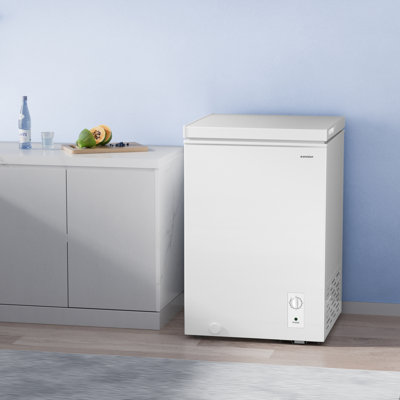
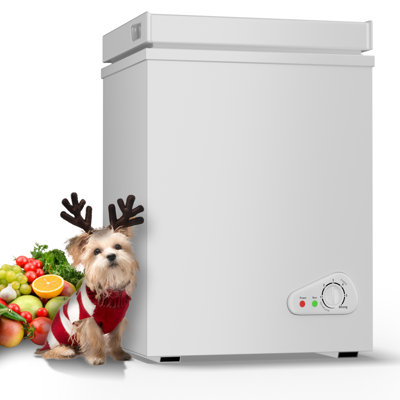
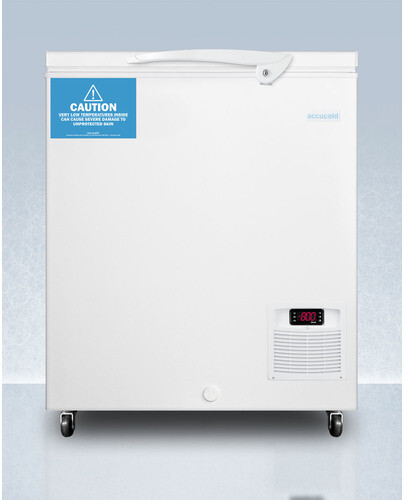
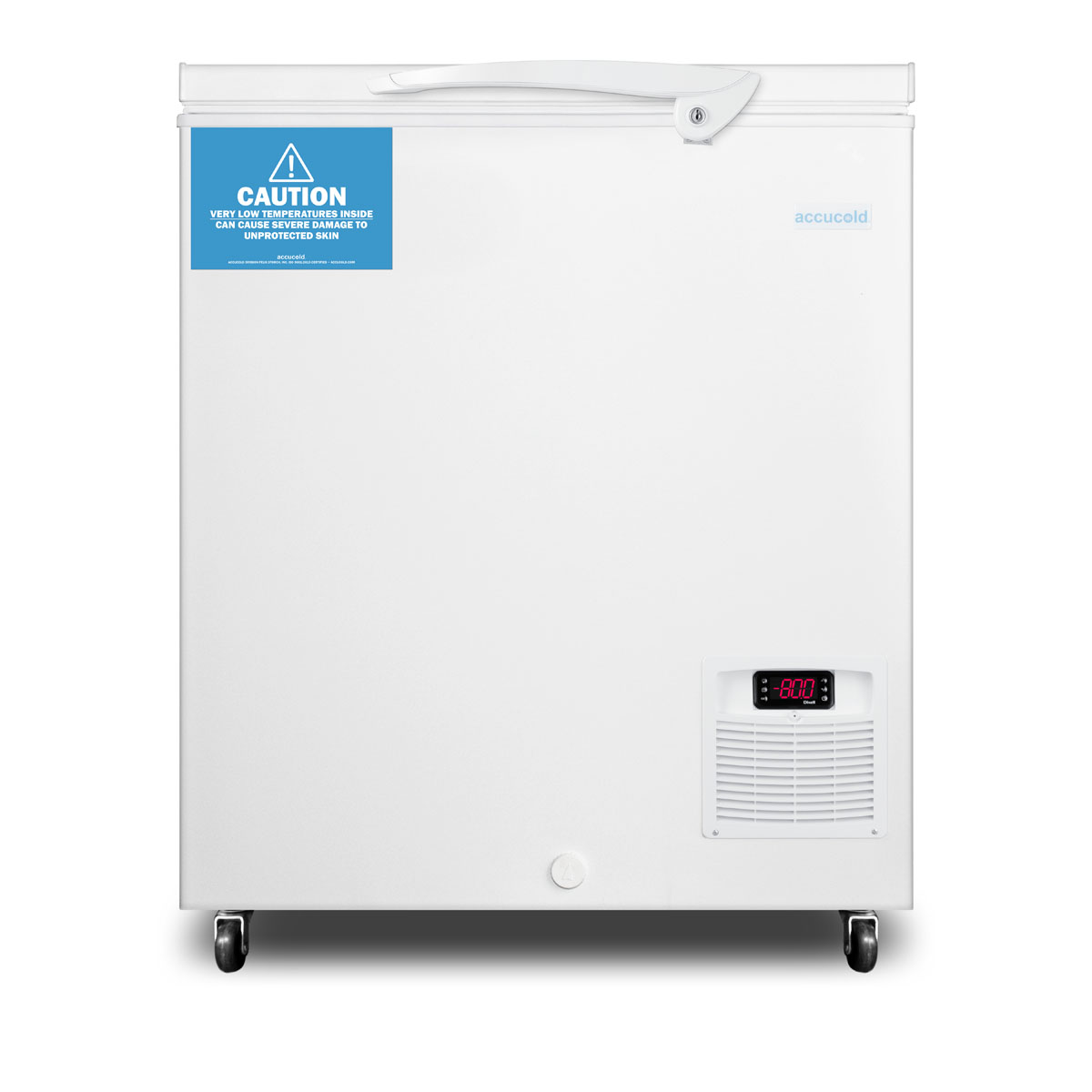
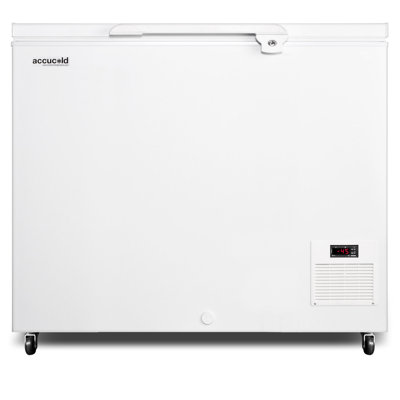
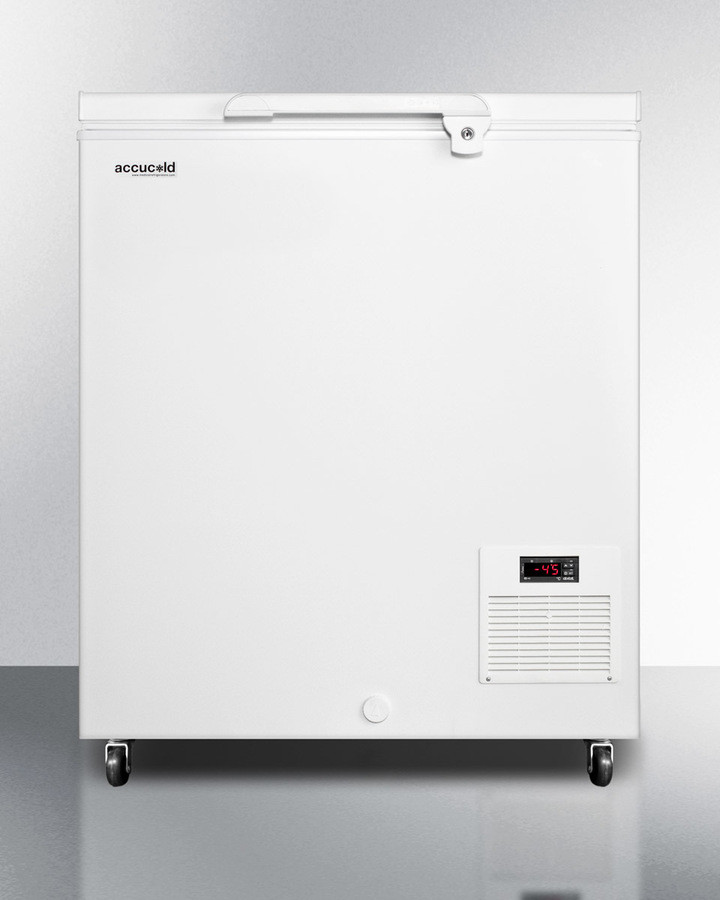
When comparing a panel ready refrigerator and a small chest freezer, it's essential to understand their unique features and considerations to determine which is more suitable for your needs.
Feature
Panel Ready Refrigerator
Small Chest Freezer
Primary Function
Keeps a variety of perishable foods fresh
Provides deep freezing for long-term storage
Integration
Blends seamlessly with kitchen cabinetry
Standalone unit, typically placed in basements, garages, or utility rooms
Design
Customizable panels to match kitchen decor
Basic design, focusing on function over form
Temperature Range
35°F - 38°F
0°F or below
Storage Organization
Shelves, drawers, door bins
Baskets or no internal organization
Maintenance
Regular cleaning of shelves and compartments
Periodic defrosting and cleaning
Panel Ready Refrigerator
A panel ready refrigerator is designed to integrate seamlessly with your kitchen cabinetry. The customizable panels allow you to match the refrigerator’s exterior with your kitchen decor, providing a cohesive and stylish look. These refrigerators are ideal for those who want their kitchen appliances to blend in rather than stand out.
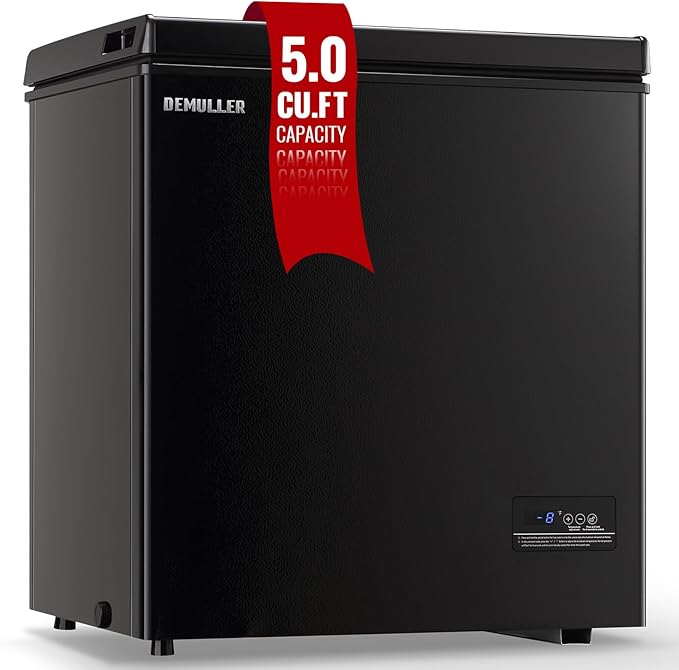
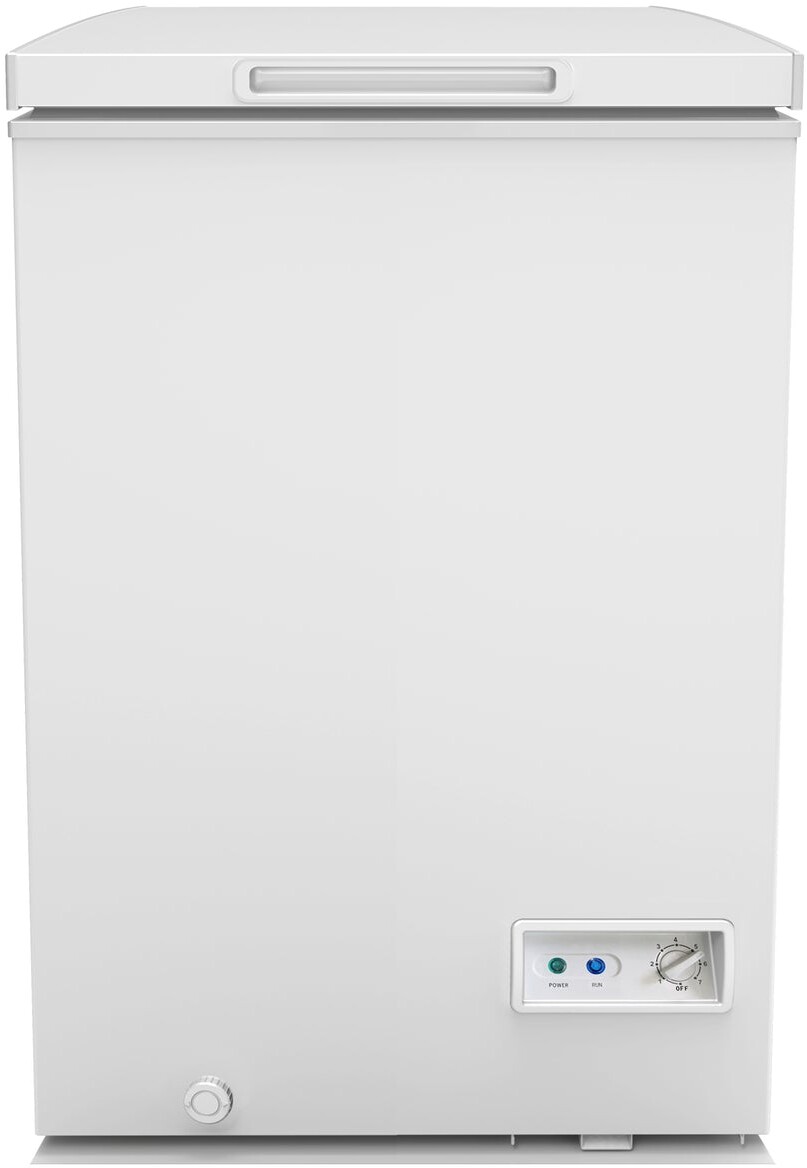
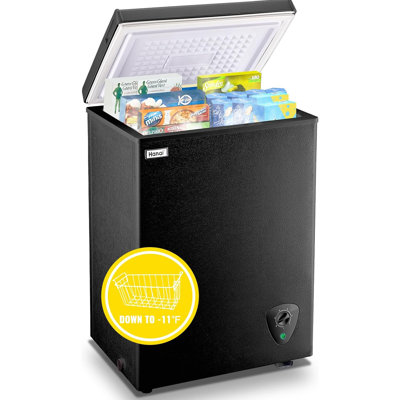
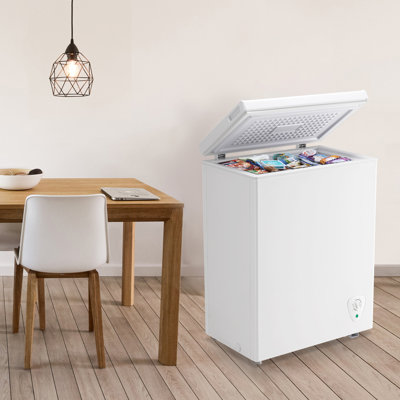
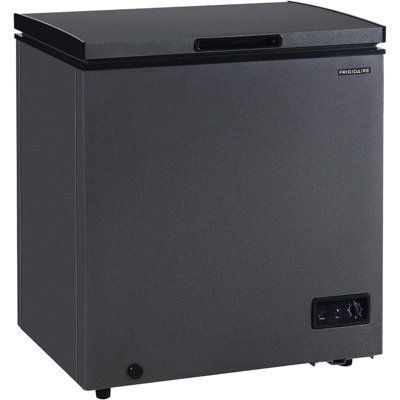
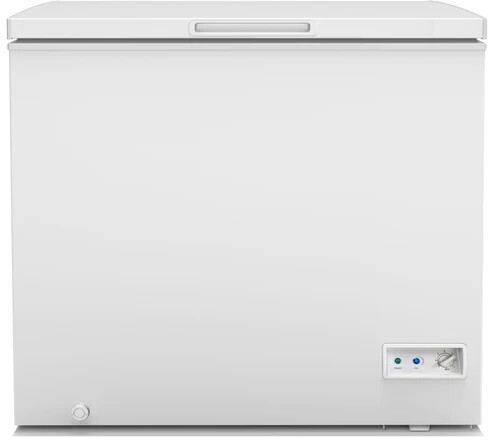
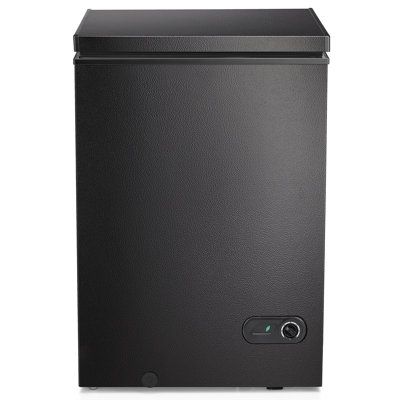
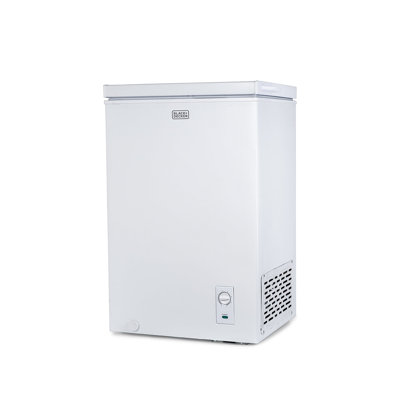
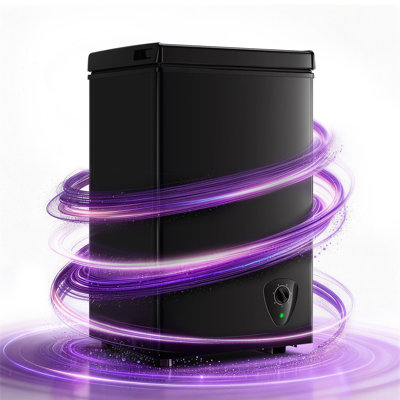
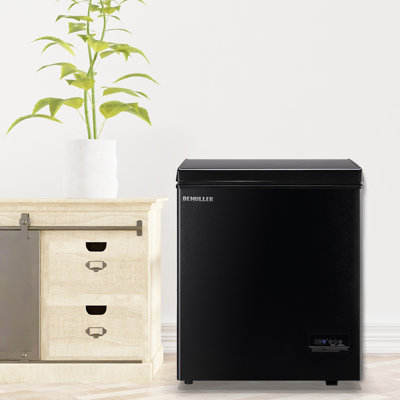
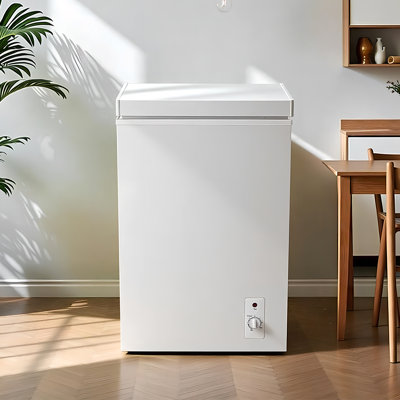
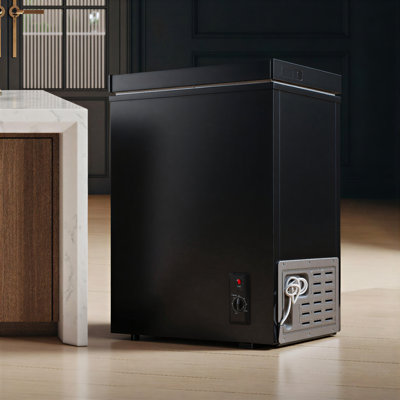
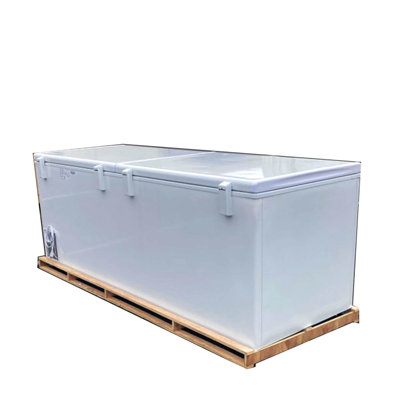
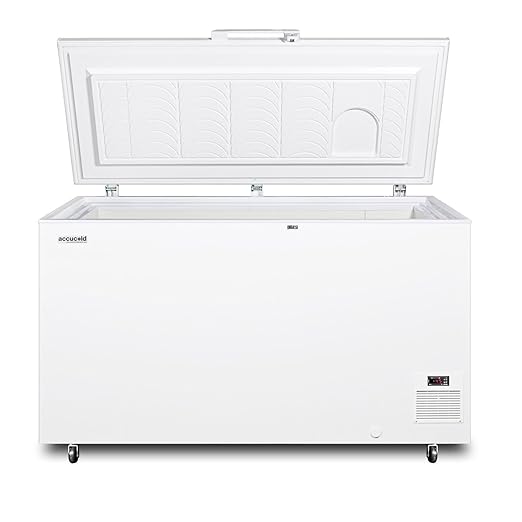
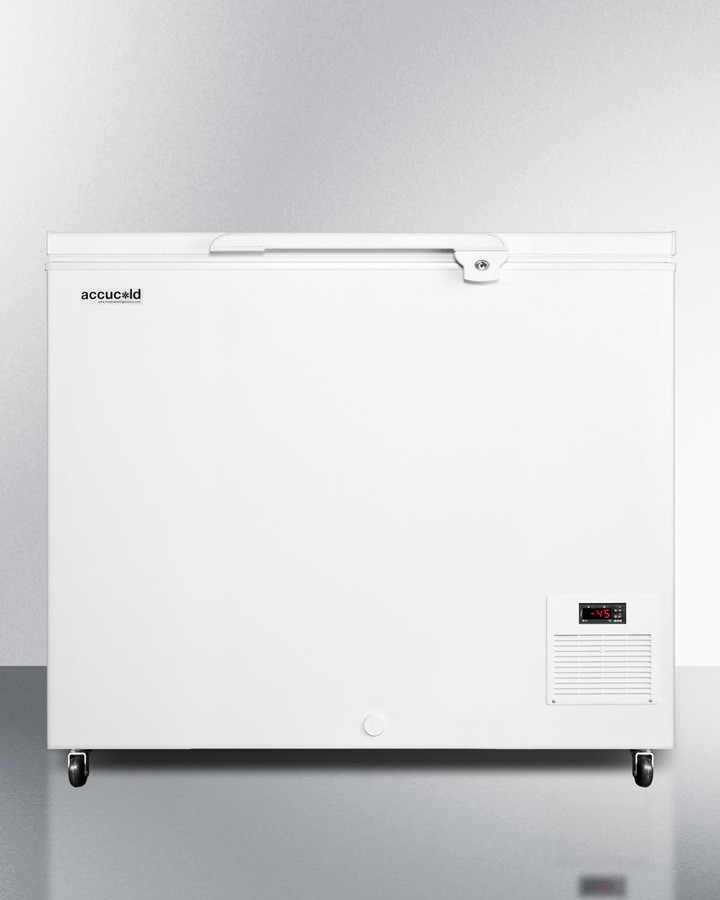
A small chest freezer is perfect for those needing additional freezer space. These freezers are typically more energy-efficient and provide ample storage for frozen goods. They are ideal for long-term storage and bulk freezing, often used in basements, garages, or utility rooms.
By understanding these differences, you can make an informed decision on whether a panel ready refrigerator or a small chest freezer will best meet your storage needs and fit your lifestyle. For those looking at other fridge and freezer options, explore our convertible freezer Vs. medium size refrigerator comparison.
Panel Ready Refrigerator
Features and Benefits of Panel Ready Refrigerators
A panel ready refrigerator offers a seamless integration into your kitchen design by allowing custom cabinetry to be installed on its front. This creates a cohesive and visually appealing look. Below are some key features and benefits:
Customizable Design: You can match your refrigerator with the rest of your kitchen cabinetry, offering a streamlined and elegant appearance.
Versatility: These refrigerators come in various sizes and configurations, including French door, side-by-side, and bottom freezer models.
High-End Aesthetic: They elevate the overall look of your kitchen, making it appear more sophisticated and modern.
Quiet Operation: Many panel ready refrigerators are designed to operate quietly, reducing noise in your kitchen area.
Energy Efficiency: Often designed with energy-saving features, these refrigerators can help lower your energy bills.
Ideal Locations for Panel Ready Refrigerators
Choosing the right location for your panel ready refrigerator is essential for maximizing its benefits and ensuring it fits seamlessly into your space. Here are some ideal locations:
Kitchen: The most common location, where it can blend in with the cabinetry and enhance the overall kitchen design.
Butler's Pantry: Perfect for those who entertain frequently, providing extra storage space while maintaining a cohesive look.
Home Bar: Ideal for a sophisticated home bar setup, offering both style and functionality.
Outdoor Kitchen: Some panel ready refrigerators are designed for outdoor use, making them a great addition to an outdoor kitchen or entertainment area.
Office: For a high-end, professional look in an office kitchen or break room.
By understanding the features and ideal locations, you can make an informed decision when comparing a panel ready refrigerator with a small chest freezer.
Small chest freezers offer several advantages, making them a popular choice for many households. Here are some key features and benefits:
Storage Capacity: Despite their compact size, small chest freezers provide ample storage space. They are ideal for storing bulk items and seasonal foods.
Energy Efficiency: Small chest freezers are generally more energy-efficient compared to upright freezers. Their design helps maintain a stable temperature, reducing energy consumption.
Cost-Effective: Small chest freezers are typically more affordable than larger models or other types of freezers, making them a budget-friendly option.
Temperature Consistency: These freezers maintain a consistent temperature, which helps keep your food fresh for longer periods.
Versatility: Small chest freezers can be used in various settings, from kitchens to garages, and are suitable for different purposes, such as storing extra groceries or preserving garden harvests.
Feature
Benefit
Storage Capacity
Ample space for bulk items
Cost-Effective
Affordable initial investment
Temperature Consistency
Keeps food fresh longer
Versatility
Suitable for various settings
For more information on comparing freezer types, check out Fridge.com article on drawer freezer Vs. garage freezer.
Ideal Locations for Small Chest Freezers
Choosing the right location for your small chest freezer can maximize its efficiency and convenience. Here are some ideal spots:
Kitchen: Placing a small chest freezer in the kitchen provides easy access to frozen foods while cooking.
Garage: A garage is a common location for a small chest freezer, especially for those who need extra storage for bulk purchases.
Basement: Basements offer a cool and stable environment, making them an excellent choice for freezer placement.
Backyard: If you have a covered area in your backyard, a small chest freezer can be a convenient addition for outdoor parties and barbecues.
Cabin or Mobile Home: For those who own vacation properties, a small chest freezer is a practical solution for storing food during extended stays.
Location
Benefit
Kitchen
Easy access while cooking
Garage
Extra storage for bulk purchases
Basement
Cool and stable environment
Backyard
Convenient for outdoor events
Cabin/Mobile Home
Practical for extended stays
For more insights on freezer and refrigerator placements, you might find Fridge.com article on bottom freezer refrigerator Vs. small refrigerator helpful.
Understanding the features and ideal locations for small chest freezers can help you make an informed decision when comparing them to panel ready refrigerators. For more detailed comparisons, explore Fridge.com article on panel ready refrigerator Vs. small chest freezer.
When comparing a panel ready refrigerator and a small chest freezer, understanding their capacity and storage options is crucial. This helps you decide which appliance best suits your needs.
Comparing Storage Capacities
Panel ready refrigerators and small chest freezers offer different storage capacities. A panel ready refrigerator generally provides more versatile storage options, whereas a small chest freezer is designed for bulk storage of frozen goods.
Appliance
Average Capacity (Cubic Feet)
Panel Ready Refrigerator
15 - 20
Small Chest Freezer
5 - 15
Panel ready refrigerators typically have a larger capacity, making them suitable for storing both fresh and frozen foods. They are ideal for households needing a comprehensive food storage solution. Conversely, small chest freezers are designed to maximize space for frozen items, often used as supplementary storage.
Organizational Features of Panel Ready Refrigerators and Small Chest Freezers
Panel ready refrigerators and small chest freezers differ significantly in their organizational features. These features can enhance the usability and convenience of each appliance.
Panel Ready Refrigerator:
Adjustable Shelves: Allows for flexible storage of various food items.
Door Bins: Provides easy access to frequently used items.
Crisper Drawers: Keeps fruits and vegetables fresh.
Freezer Compartments: Separate spaces for frozen goods.
Small Chest Freezer:
Removable Baskets: Helps organize smaller items and prevents them from getting lost.
Divider Systems: Separates different types of food for better organization.
Top Lid Design: Offers easy access to stored items.
Feature
Panel Ready Refrigerator
Small Chest Freezer
Adjustable Shelves
Yes
No
Door Bins
Yes
No
Crisper Drawers
Yes
No
Freezer Compartments
Yes
No
Removable Baskets
No
Yes
Divider Systems
No
Yes
Top Lid Design
No
Yes
For more insights on comparing different types of refrigerators and freezers, you may find Fridge.com articles on convertible freezer Vs. medium size refrigerator and drawer freezer Vs. garage freezer helpful.
Understanding the capacity and organizational features of panel ready refrigerators and small chest freezers can guide you in making an informed decision. Whether you need versatile food storage or additional freezer space, each appliance offers unique benefits.
Energy Efficiency and Maintenance
Energy Efficiency of Panel Ready Refrigerators Vs. Small Chest Freezers
When choosing between a panel ready refrigerator and a small chest freezer, energy efficiency is an important factor. Lower energy consumption not only saves money but also reduces environmental impact.
Appliance Type
Average Annual Energy Consumption (kWh)
Panel Ready Refrigerator
400 - 600
Small Chest Freezer
200 - 300
Panel ready refrigerators generally consume more energy compared to small chest freezers due to their larger size and additional features. They often come with advanced cooling systems and multiple compartments, contributing to higher electricity usage. However, they provide benefits like better organization and temperature control.
Small chest freezers are more energy-efficient as they have fewer components and often use less power to maintain low temperatures. Their design allows cold air to stay inside even when the lid is opened, reducing the need for the appliance to work harder to maintain its temperature. For more in-depth comparisons, check Fridge.com article on convertible freezer Vs. medium size refrigerator.
Maintenance Tips for Longevity
Proper maintenance of your panel ready refrigerator or small chest freezer ensures they run efficiently and last longer. Here are some tips to help you maintain these appliances:
Panel Ready Refrigerator:
Regular Cleaning: Clean the interior and exterior surfaces with mild detergent and water. Avoid using abrasive cleaners.
Check Door Seals: Inspect the door seals regularly for wear and tear. Replace them if they are damaged to ensure a proper seal and prevent cold air leakage.
Defrosting: If your refrigerator has a manual defrost feature, be sure to defrost it regularly to avoid ice build-up.
Temperature Settings: Keep the temperature settings at the manufacturer's recommended levels. Typically, the refrigerator should be set between 35°F and 38°F.
Small Chest Freezer:
Defrosting: Manually defrost the freezer when ice build-up exceeds a quarter inch. This ensures efficient operation.
Clean Coils: Vacuum the condenser coils at least twice a year to remove dust and dirt, which can affect the freezer's performance.
Organize Contents: Keep the contents organized to reduce the time the lid is open, helping maintain a consistent temperature. For organizing tips, see Fridge.com article on drawer freezer Vs. garage freezer.
Temperature Settings: Set the freezer temperature to 0°F for optimal performance.
By following these maintenance tips, you can ensure that both your panel ready refrigerator and small chest freezer remain efficient and have a prolonged lifespan. For additional tips on different appliances, visit Fridge.com articles on mini fridge Vs. refrigerator drawer and ice machine Vs. retro fridge.
When deciding between a panel ready refrigerator and a small chest freezer, cost is a significant factor. Understanding both initial expenses and long-term costs will help you make an informed decision.
Initial Cost and Installation Expenses
The initial cost of a panel ready refrigerator can be significantly higher compared to a small chest freezer. This is due to the advanced features and customization options available with panel ready models. Additionally, the installation process for a panel ready refrigerator often requires professional help and may involve custom cabinetry to achieve a seamless look.
In contrast, a small chest freezer generally has a lower upfront cost and simpler installation. These units are usually plug-and-play and do not require any specialized installation services.
Item
Initial Cost
Installation Cost
Total Initial Expense
Panel Ready Refrigerator
$2,000 - $10,000
$500 - $1,500
$2,500 - $11,500
Small Chest Freezer
$200 - $800
$0 - $100
$200 - $900
Long-Term Cost Considerations and Value for Money
Long-term costs also play a crucial role in determining the overall value for money. These costs include energy consumption, maintenance, and potential repairs.
Panel ready refrigerators typically have higher energy consumption due to their larger size and advanced features. However, many models are designed to be energy-efficient, potentially lowering the long-term energy costs. Maintenance for these refrigerators can be more complex and costly, given the advanced technology and custom parts.
Small chest freezers, on the other hand, are generally more energy-efficient and require less maintenance. Their simpler design means fewer parts that can break down, leading to lower repair costs over time.
Item
Annual Energy Cost
Maintenance Cost
Total Annual Expense
Panel Ready Refrigerator
$100 - $200
$50 - $150
$150 - $350
Small Chest Freezer
$30 - $60
$20 - $50
$50 - $110
By evaluating both initial and long-term costs, you can make a budget-friendly choice that aligns with your needs. For further comparisons, check out Fridge.com articles on convertible freezer Vs. medium size refrigerator and drawer freezer Vs. garage freezer.
Compare prices on Fridge.com
Compare current prices and specifications on Fridge.com, then buy from the retailer you choose; delivery, installation and warranty terms are the retailer’s.
It also has tons of awesome articles about kitchen stuff and home news. Enhance your home, garage, backyard, patio, and office with the coolest essentials. With every necessary type of residential refrigerator or freezer in the collection, you're covered.
Free tool
Freezer BTU Calculator
Free interactive tool from Fridge.com — get a quick answer while you read.