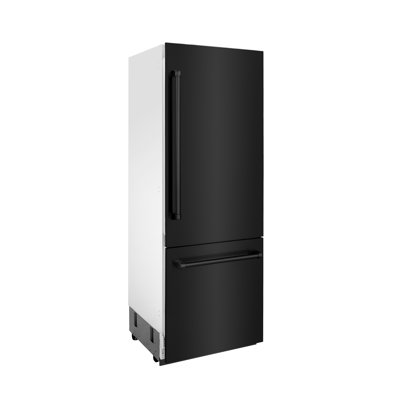
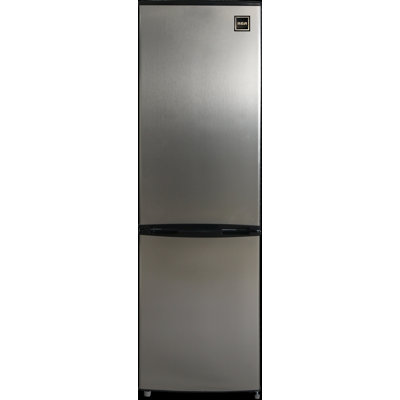
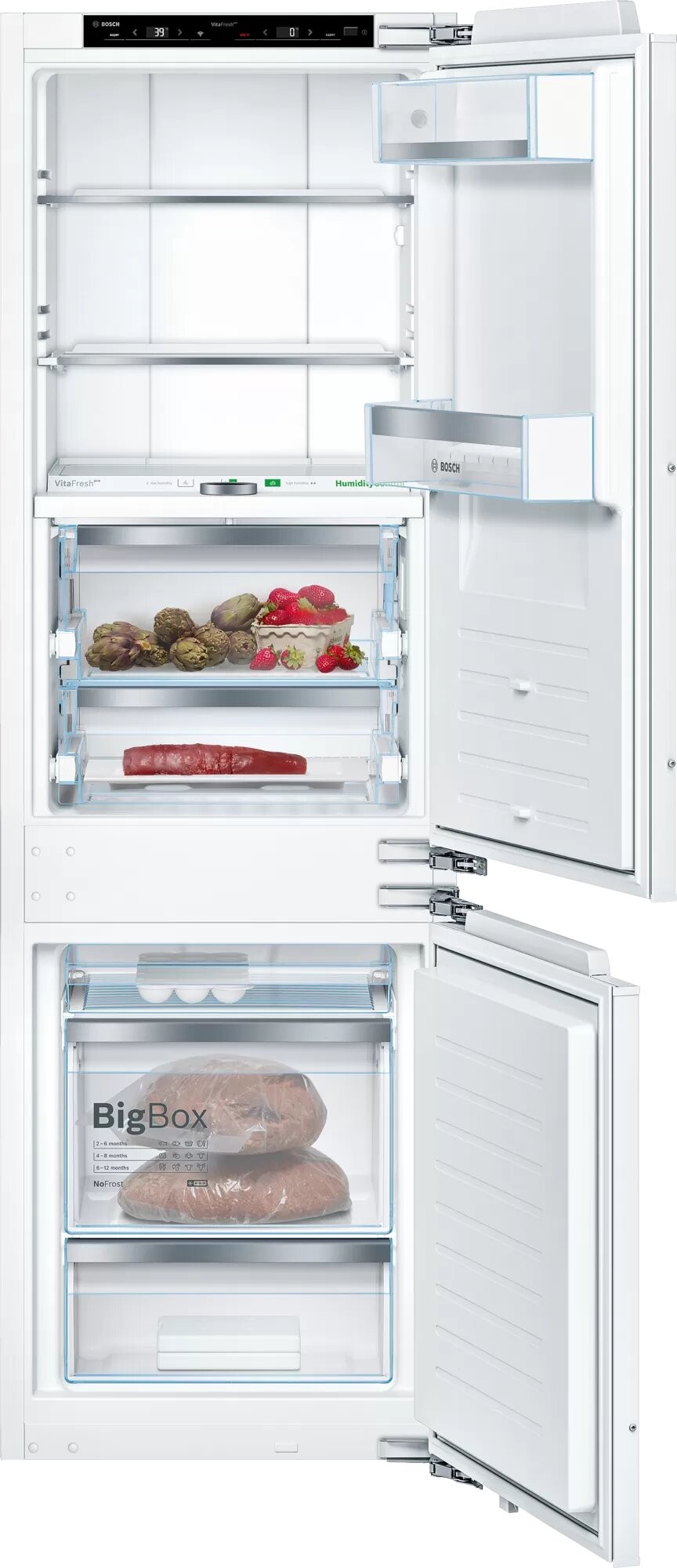
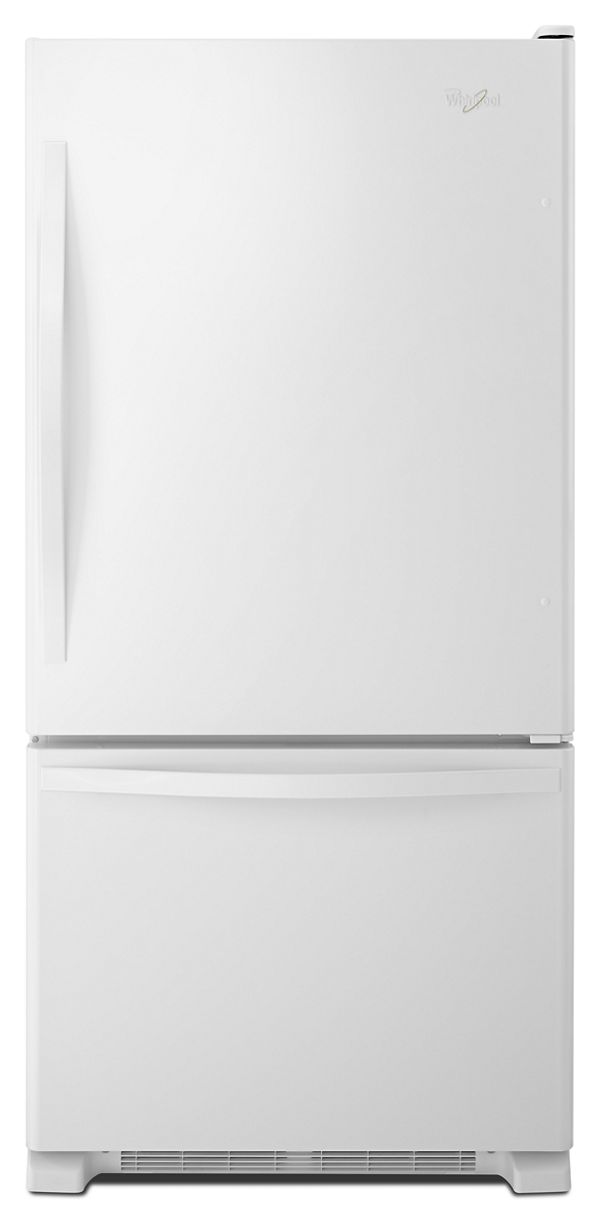
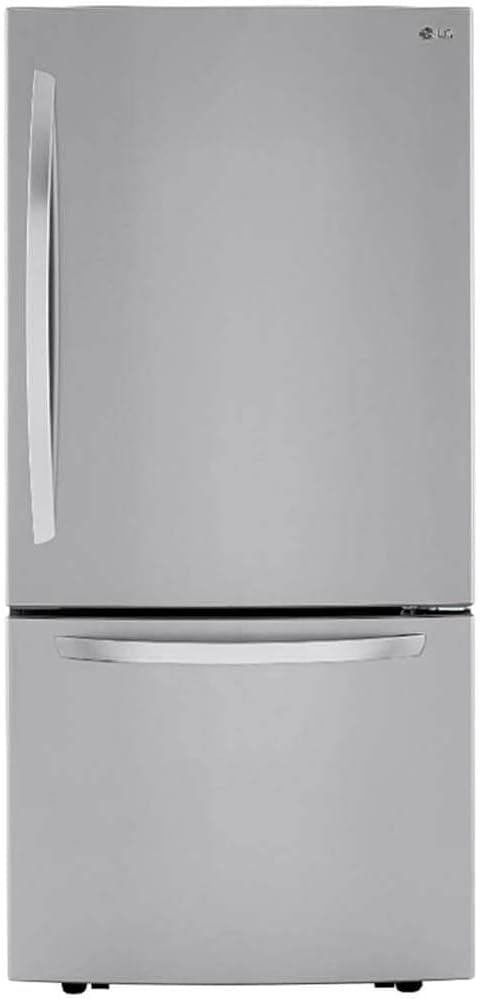
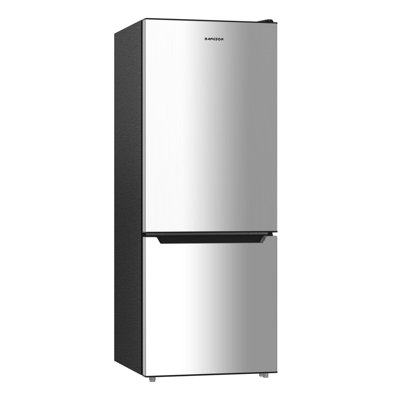
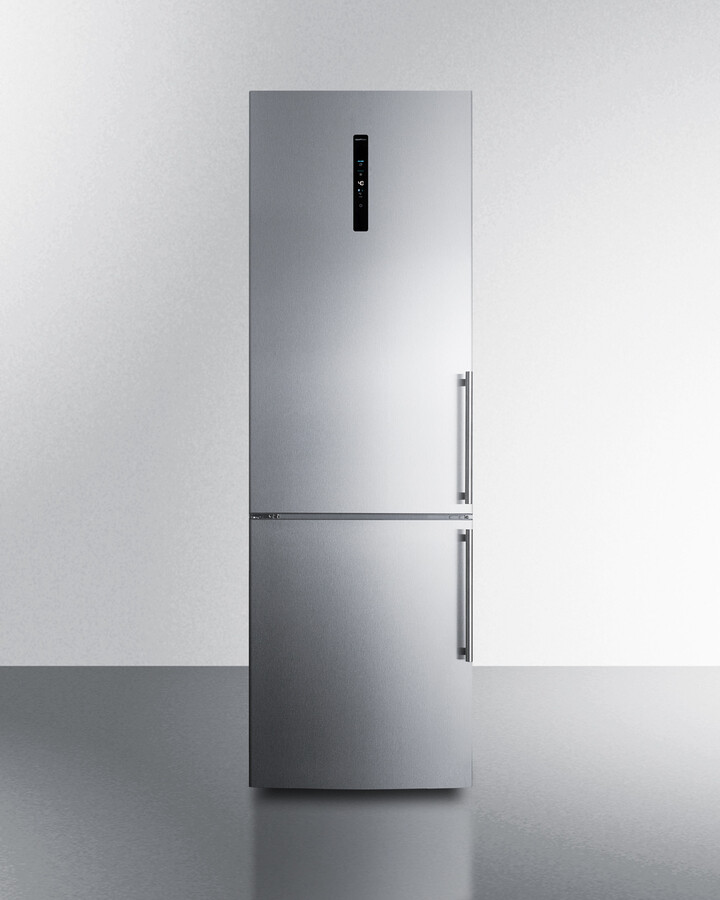
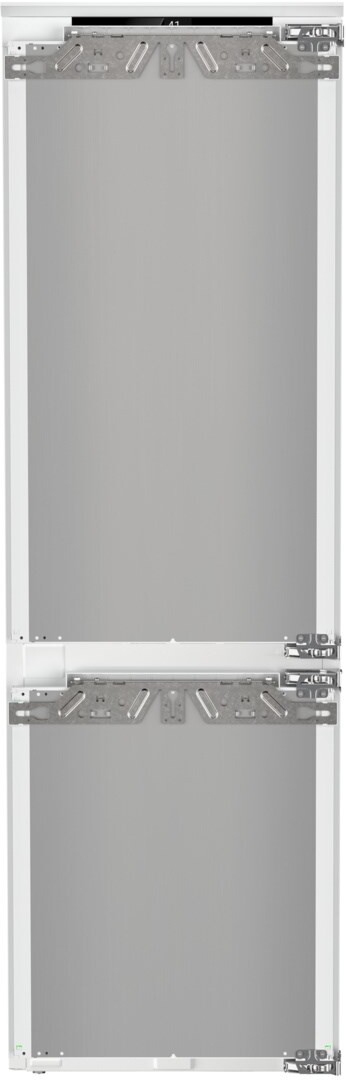
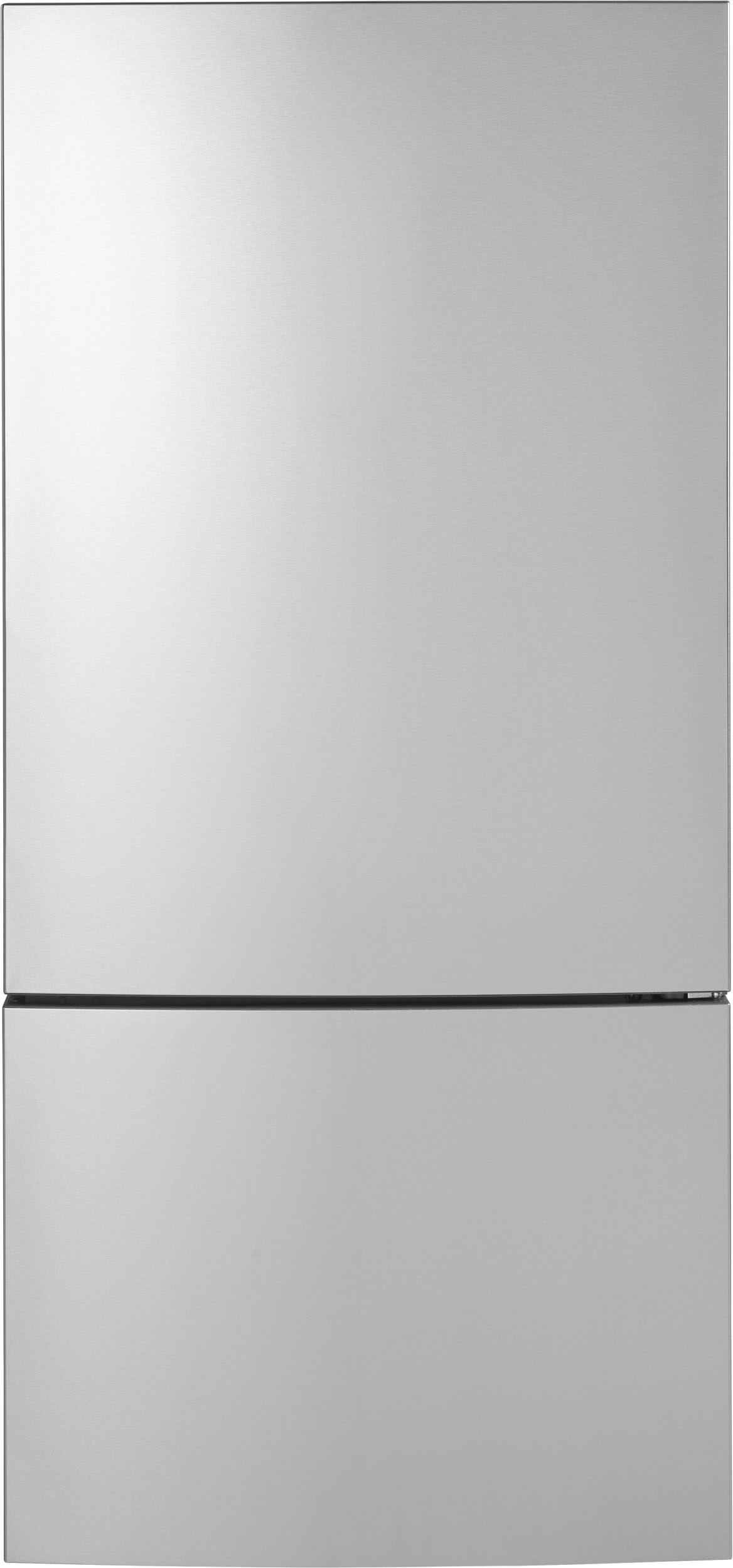
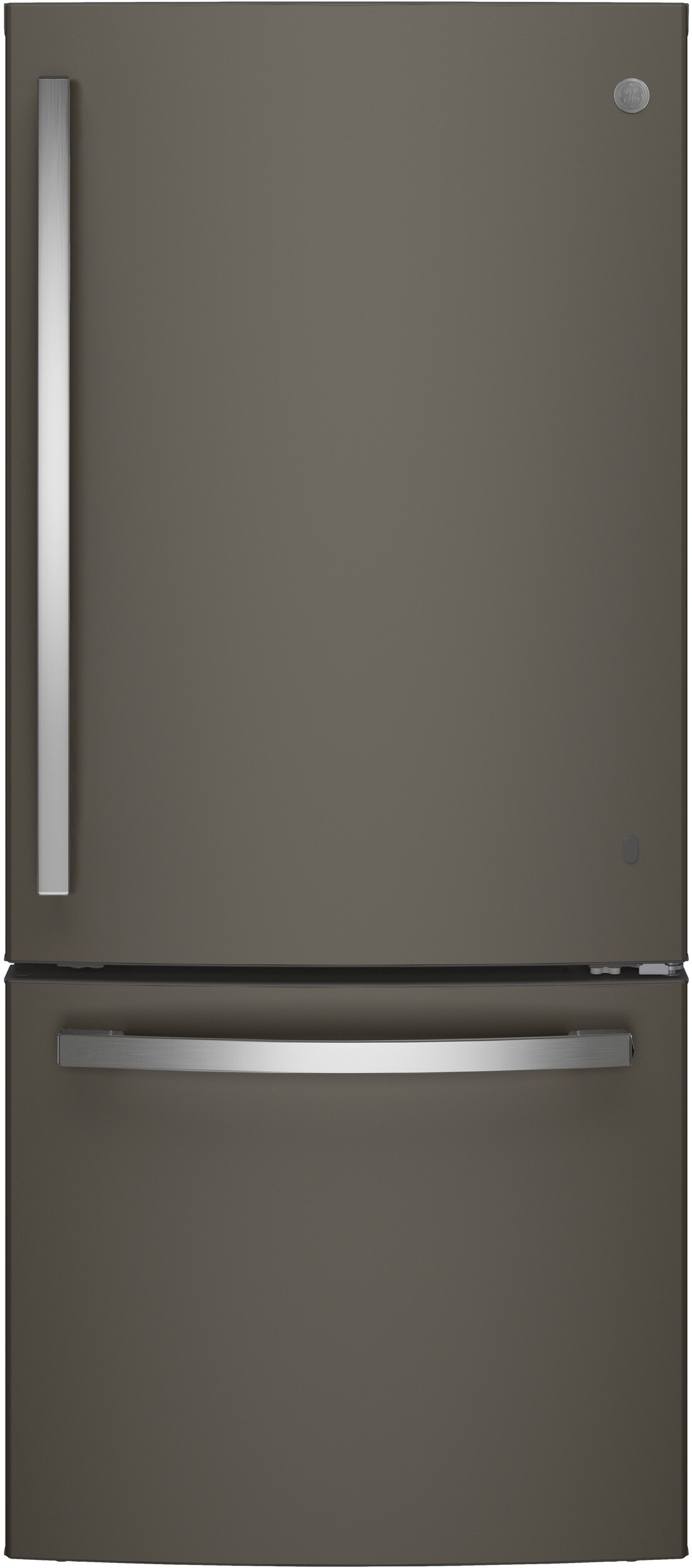
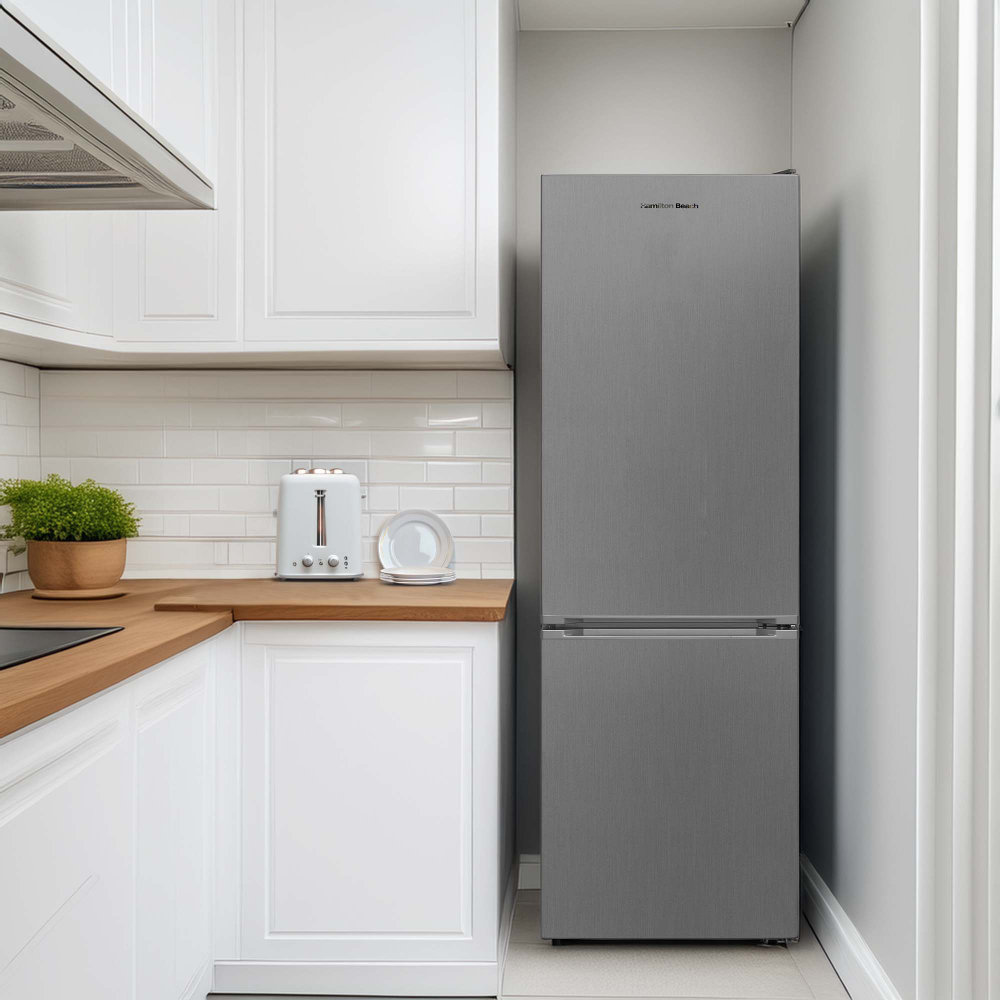
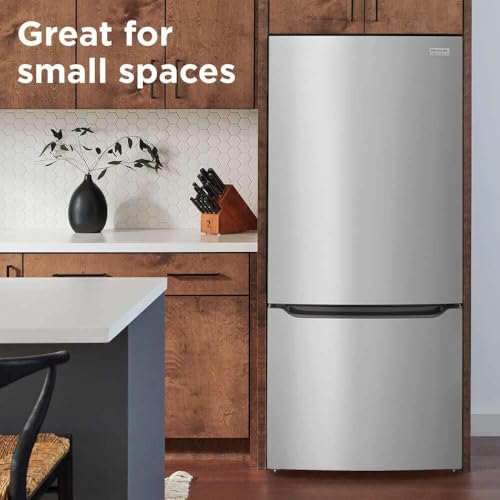
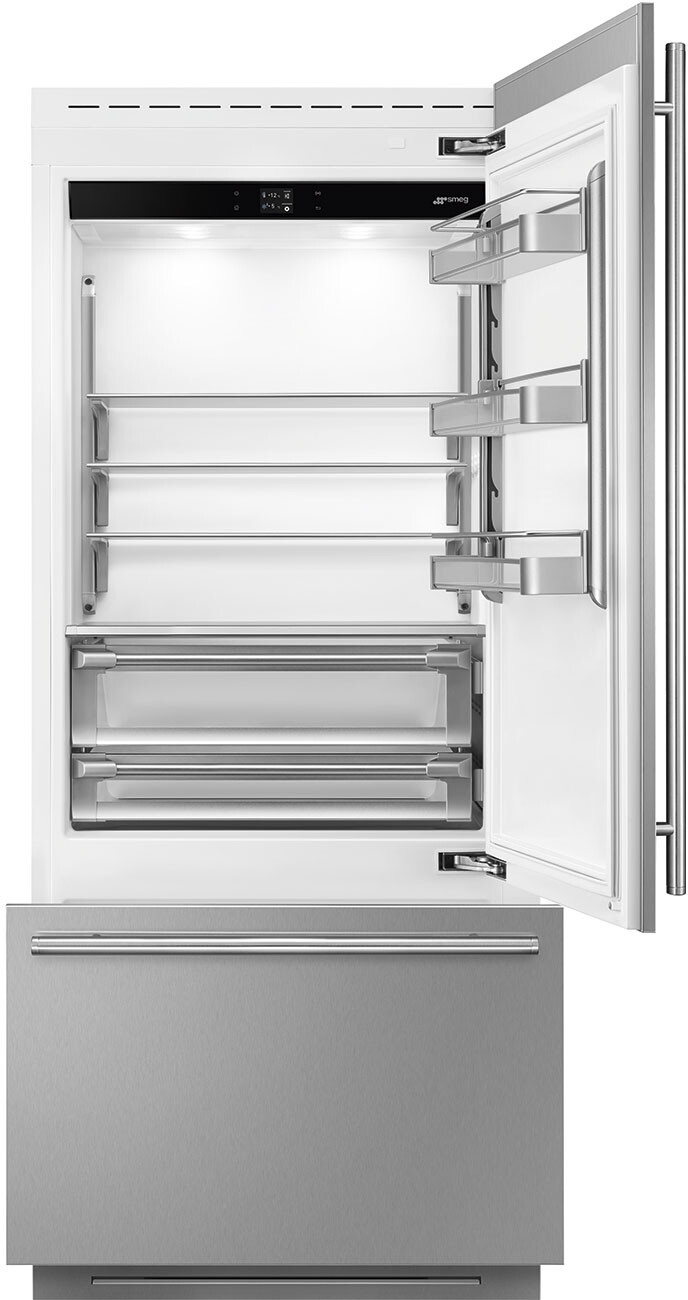
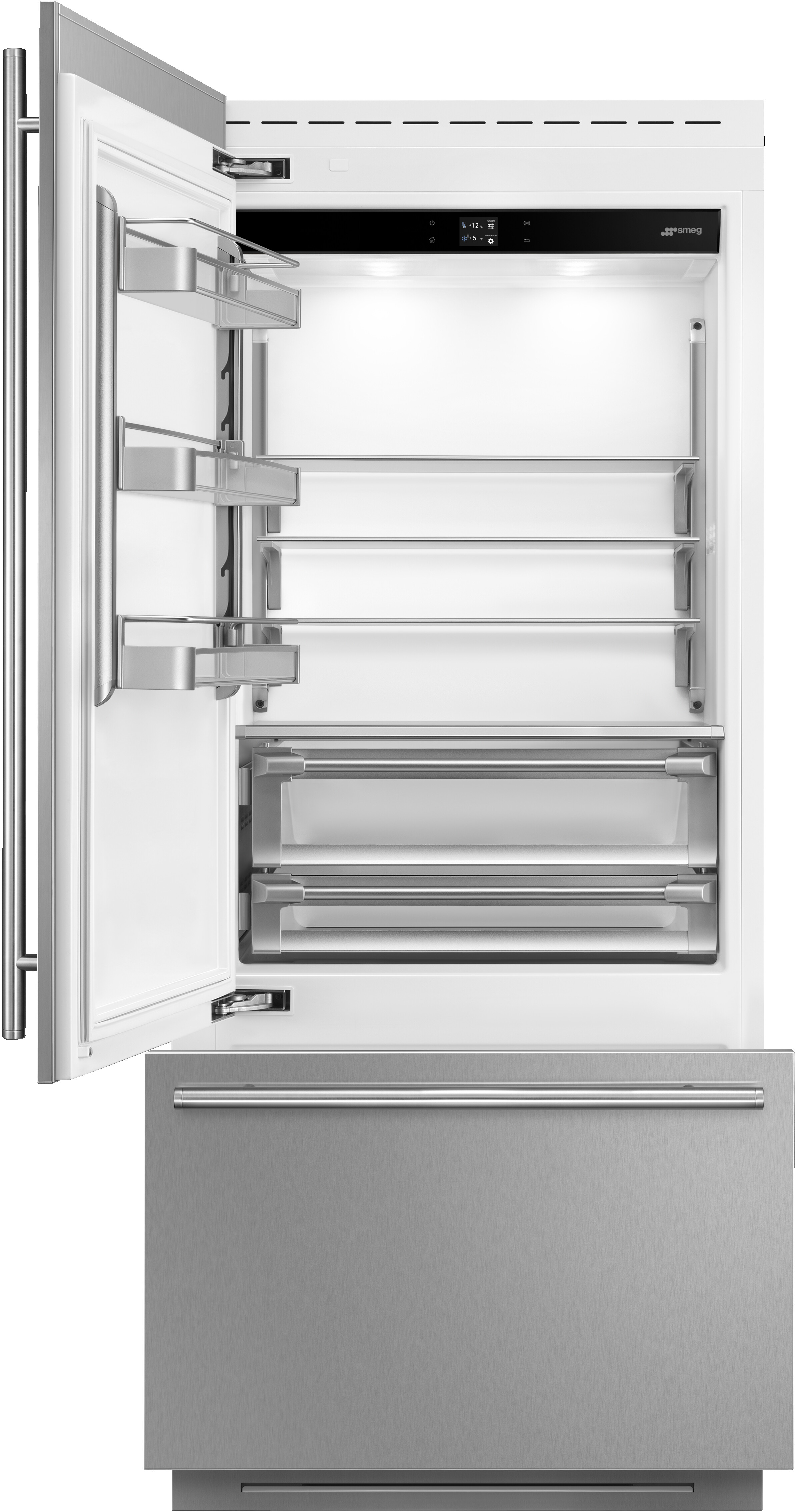
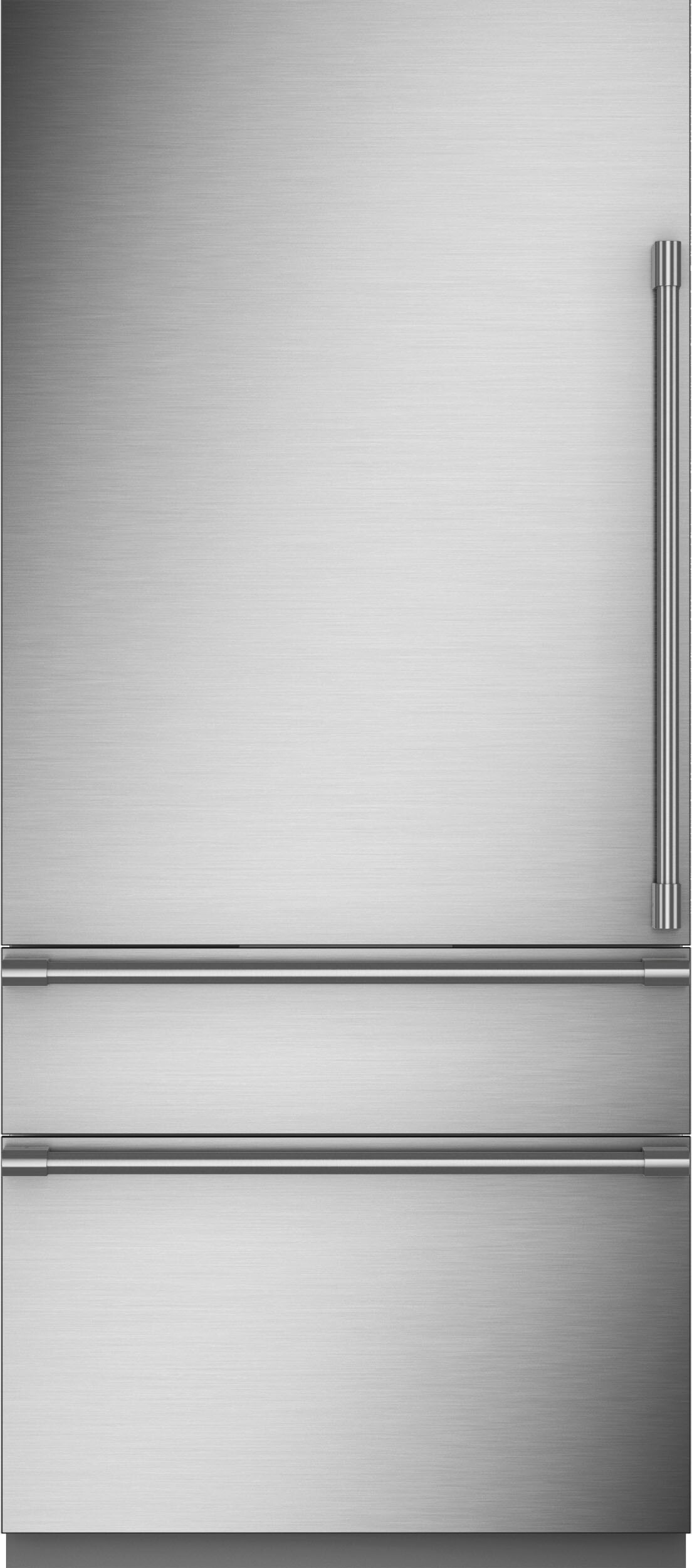
When choosing a refrigerator, it's essential to understand the different types available to find the best fit for your needs. Here, Fridge.com explores bottom freezer refrigerators and small refrigerators.
Exploring Bottom Freezer Refrigerators
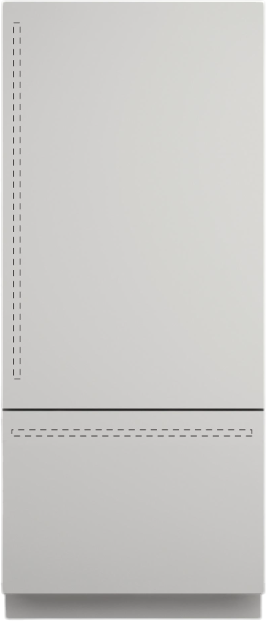
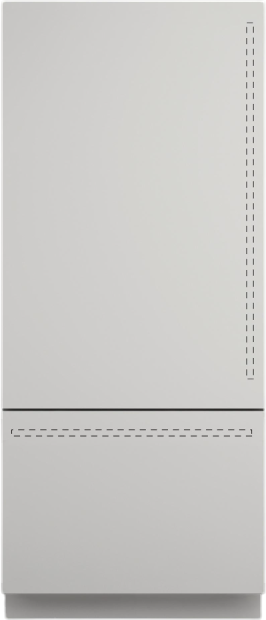
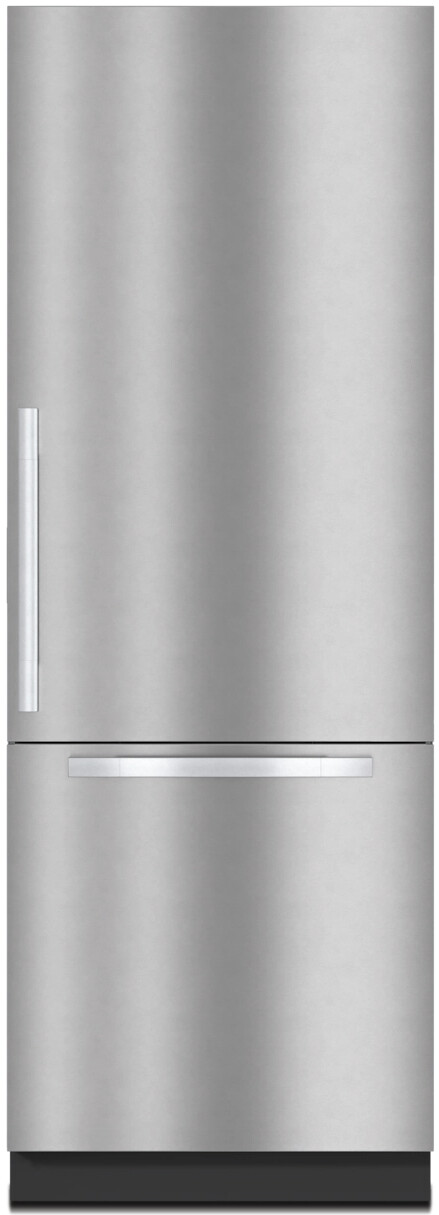
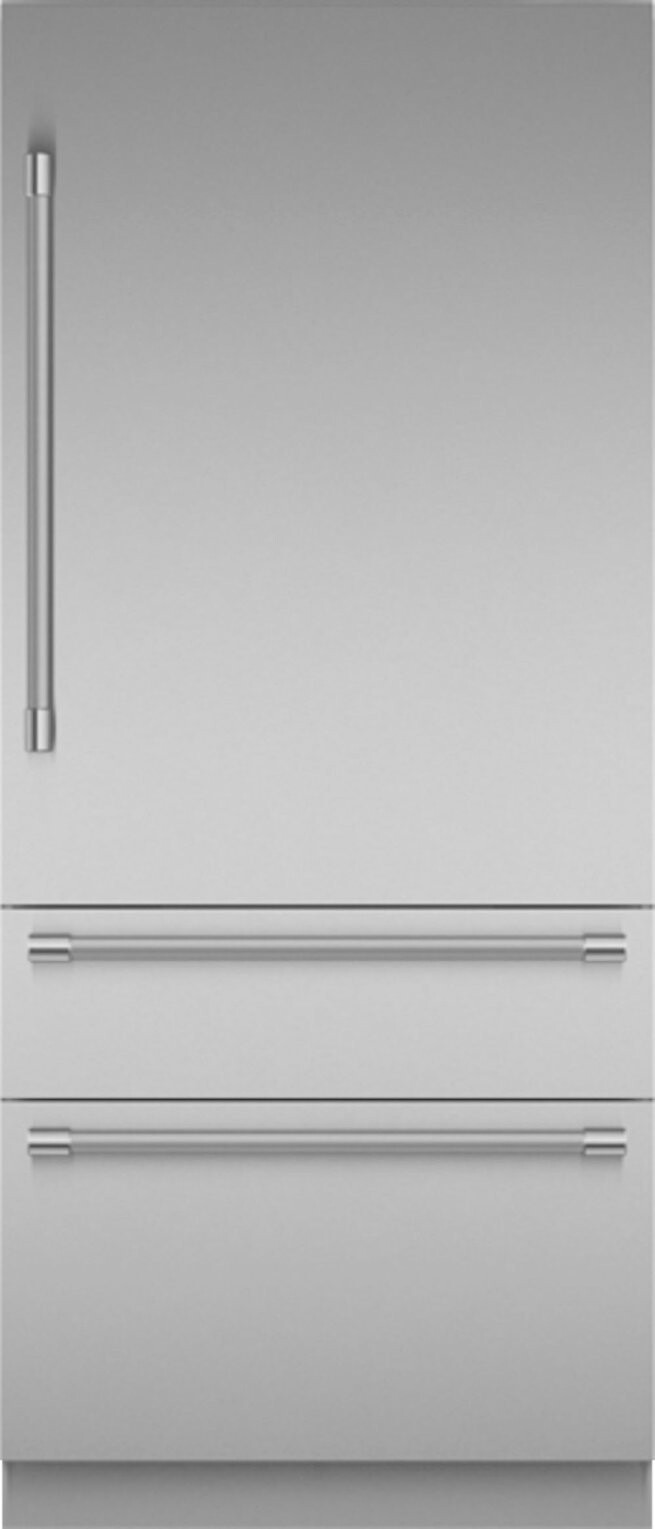
Bottom freezer refrigerators are designed with the freezer compartment located below the refrigerator section. This configuration offers several advantages, particularly for those who prioritize easy access to fresh food. The primary benefit is the convenience of having frequently used items at eye level.
Feature
Description
Design
Freezer at the bottom
Access
Easy access to fresh food
Storage
Larger freezer capacity
Use Case
Suitable for families and frequent cooks
Bottom freezer refrigerators often have larger freezer compartments, making it easier to store bulkier items. They also provide a more ergonomic design, reducing the need to bend down frequently.
Introducing Small Refrigerators
Small refrigerators, also known as compact refrigerators, are ideal for spaces with limited room, such as apartments, offices, and dorms. These appliances are designed to fit into tighter spaces while still offering essential refrigeration capabilities.
Feature
Description
Design
Compact and space-saving
Access
Easy to fit in small spaces
Storage
Limited capacity
Use Case
Suitable for small households and personal use
Small refrigerators are known for their versatility and energy efficiency. They come in various sizes and styles, making them suitable for different environments, from under desks to kitchenettes. For more on small refrigerators, visit Fridge.com comparison of side by side refrigerator Vs. small refrigerator.
Bottom freezer refrigerators offer several advantages that make them a popular choice among homeowners. Understanding these benefits can help you decide if this type of refrigerator suits your needs.
Convenient Access to Fresh Food
One of the main advantages of bottom freezer refrigerators is the convenient access to fresh food. With the refrigerator compartment located at eye level, you can easily see and reach for your frequently used items without bending down. This design is particularly beneficial if you store a lot of fresh produce, dairy, and other perishable items.
Feature
Benefit
Refrigerator at Eye Level
Easy access to fresh food
Less Bending Required
Reduced strain on back and knees
Organized Storage
Better visibility of items
A bottom freezer refrigerator allows for a more organized layout, helping you keep track of expiration dates and reducing food waste. You can find more tips on organizing your refrigerator in Fridge.com article on drawer freezer Vs. garage refrigerator.
Efficient Use of Space
Bottom freezer refrigerators are designed to maximize the use of space both inside and outside the appliance. The freezer compartment, located at the bottom, often comes with drawers that allow for better organization and easy access to frozen goods.
Feature
Benefit
Drawers in Freezer
Organized storage of frozen items
Flexible Shelving
Customizable space for different items
Compact Design
Fits well in various kitchen layouts
The flexible shelving in the refrigerator compartment can be adjusted to accommodate different sizes of food containers, making it easier to store large items like party platters or tall bottles. This efficient use of space makes bottom freezer refrigerators suitable for medium to large families, as well as for those who like to entertain guests frequently. For more details on how different refrigerators compare, check out Fridge.com article on side by side refrigerator Vs. small refrigerator.
Understanding these benefits can help you make an informed decision when comparing a bottom freezer refrigerator Vs. a small refrigerator. For insights into other types of refrigerators and freezers, visit Fridge.com article on mini fridge Vs. refrigerator drawer.
When choosing between a bottom freezer refrigerator and a small refrigerator, it’s essential to understand the unique benefits that small refrigerators offer. Here, Fridge.com delves into why a small refrigerator might be the ideal choice for you.
Ideal for Compact Spaces
Small refrigerators are designed to fit into tight spaces, making them perfect for locations where space is at a premium. Whether you live in an apartment, dormitory, or tiny home, a compact fridge can provide the refrigeration you need without taking up much room.
For those who entertain often, a small refrigerator can be an excellent addition to a basement bar or backyard patio area, ensuring that drinks and snacks are always within reach. This makes small refrigerators versatile and practical for various settings, from home offices to outdoor kitchens.
Energy Efficiency
Small refrigerators tend to use less energy compared to larger models, which can be a significant advantage if you're looking to reduce your energy consumption and lower your utility bills. Their compact size means they require less power to maintain the desired temperature, making them a more eco-friendly option.
Refrigerator Type
Average Annual Energy Use (kWh)
Large Refrigerator
400 - 600
Small Refrigerator
200 - 300
These energy savings can be particularly beneficial in environments where the refrigerator is used frequently, such as an office or a family room. For more information on how different refrigerator types compare in terms of energy efficiency, check out Fridge.com article on convertible freezer Vs. medium size refrigerator.
By opting for a small refrigerator, you can enjoy both space-saving and energy-efficient benefits, making it a practical choice for many living situations. For more insights into different refrigerator options, explore Fridge.com comparison articles like mini fridge Vs. refrigerator drawer and retro mini fridge Vs. small freezer.
When choosing between a bottom freezer refrigerator and a small refrigerator, it’s essential to consider several factors to determine the best fit for your space and lifestyle.
Capacity and Storage Needs
Capacity is a significant factor to consider. Bottom freezer refrigerators generally offer larger storage space compared to small refrigerators. They provide ample room for both fresh and frozen items, making them ideal for families or individuals who cook often and require more storage.
Factor
Bottom Freezer Refrigerator
Small Refrigerator
Total Capacity
18 - 25 cubic feet
3 - 10 cubic feet
Fresh Food Storage
Larger
Smaller
Freezer Storage
Larger
Limited
Small refrigerators, on the other hand, are more suited for compact storage needs. They are perfect for dorm rooms, offices, or as an additional unit for beverages and snacks. For more details, check out Fridge.com article on mini fridge Vs. refrigerator drawer.
Space Constraints
Space constraints are crucial when deciding between these two types of refrigerators. Bottom freezer refrigerators typically require more floor space and height clearance. They are best suited for kitchens with ample space.
Small refrigerators are compact and can fit into tighter spaces, making them ideal for apartments, offices, or even outdoor areas like a backyard or cabin. Their smaller size allows for more flexibility in placement.
Factor
Bottom Freezer Refrigerator
Small Refrigerator
Required Space
Larger footprint
Compact footprint
Ideal Placement
Kitchen
Dorm, office, small apartments
Energy Efficiency and Cost
Energy efficiency and cost are also important considerations. Bottom freezer refrigerators, due to their larger size, tend to consume more energy compared to small refrigerators. However, many modern models are designed to be energy-efficient, which can help reduce electricity bills.
Small refrigerators generally consume less energy, making them more cost-effective in terms of both initial purchase price and ongoing electricity costs. For more insights, visit Fridge.com article on auto defrost freezer Vs. compact freezer.
Factor
Bottom Freezer Refrigerator
Small Refrigerator
Initial Cost
Higher
Lower
Ongoing Cost
Higher
Lower
By understanding these factors, you can make a more informed decision when choosing between a bottom freezer refrigerator and a small refrigerator. For more information on similar comparisons, check out Fridge.com articles on side by side refrigerator Vs. small refrigerator and bottom freezer refrigerator Vs. wine fridge.
Features Comparison
When deciding between a bottom freezer refrigerator and a small refrigerator, it's essential to compare their features. Key aspects such as cooling performance, storage flexibility, and additional features can significantly impact your choice.
Cooling Performance
The cooling performance of a refrigerator is a critical factor to consider. Bottom freezer refrigerators typically offer advanced cooling technologies, ensuring optimal temperature maintenance for both the refrigerator and freezer compartments. This setup helps keep your food fresher for longer periods.
Small refrigerators, on the other hand, may have more basic cooling systems. They are generally designed for less intensive use, ideal for small spaces like offices, dorm rooms, or secondary refrigerators in homes.
Feature
Bottom Freezer Refrigerator
Small Refrigerator
Cooling Technology
Advanced (Multi-air flow)
Basic (Single cooling)
Temperature Control
Precise
Limited
Ideal Use
Long-term storage
Short-term, compact spaces
Storage Flexibility
Storage flexibility is another crucial aspect when comparing these two types of refrigerators. Bottom freezer refrigerators often provide more versatile storage options, including adjustable shelves, door bins, and spacious freezer drawers. This layout allows for better organization and easier access to fresh food.
Small refrigerators tend to have limited storage flexibility due to their compact size. They might include a few shelves and smaller compartments, making them suitable for minimal storage needs.
Feature
Bottom Freezer Refrigerator
Small Refrigerator
Shelves
Adjustable, multiple
Fixed, limited
Door Bins
Multiple, adjustable
Few, limited
Freezer Space
Spacious drawer
Small compartment
Additional Features
Additional features can enhance the functionality and convenience of either type of refrigerator. Bottom freezer refrigerators often come equipped with advanced features such as humidity-controlled crisper drawers, ice makers, and water dispensers. These features can add significant value to your kitchen experience.
Small refrigerators might include basic features like a compact freezer compartment or a small crisper drawer. Due to their size, they lack the advanced features found in larger models but serve well for basic refrigeration needs.
Feature
Bottom Freezer Refrigerator
Small Refrigerator
Crisper Drawers
Humidity-controlled
Basic
Ice Maker
Yes
No
Water Dispenser
Yes
No
Choosing between a bottom freezer refrigerator and a small refrigerator requires assessing your specific needs. For more detailed comparisons, you can check Fridge.com articles on side by side refrigerator Vs. small refrigerator and compact refrigerator Vs. drawer fridge freezer.
Choosing between a bottom freezer refrigerator and a small refrigerator can be challenging. Both have their own set of advantages and considerations. Let's delve into how you can make the right choice by assessing your needs and weighing the pros and cons.
Assessing Your Needs
Understanding your specific requirements is crucial. Here are some factors to consider:
Family Size: Larger families may benefit from the greater capacity and organization of a bottom freezer refrigerator. Smaller households or individuals might find a small refrigerator more than adequate.
Kitchen Space: Measure the available space in your kitchen. Bottom freezer refrigerators typically require more room, while small refrigerators are ideal for compact areas.
Usage: If you cook frequently and need easy access to fresh ingredients, a bottom freezer refrigerator may suit you better. For minimal or occasional use, a small refrigerator could suffice.
Storage Needs: Consider the types of food you store. If you need more freezer space, a bottom freezer refrigerator offers better storage options. For minimal freezer needs, a small refrigerator might be ideal.
Energy Efficiency: Compare the energy consumption of both types. Small refrigerators generally consume less energy, which can be a factor if you are environmentally conscious or looking to reduce utility bills.
Weighing the Pros and Cons
To better understand which option suits you, let's break down the advantages and disadvantages of each type.
Feature
Bottom Freezer Refrigerator
Small Refrigerator
Convenient Access to Fresh Food
Yes
No
Ideal for Compact Spaces
No
Yes
Storage Flexibility
High
Moderate
Cost
Higher
Lower
Bottom Freezer Refrigerator
Pros:
Convenient access to fresh food at eye level.
Efficient use of space with separate compartments for fresh and frozen items.
More storage flexibility with adjustable shelves and larger freezer space.
Cons:
Requires more kitchen space.
Generally higher energy consumption.
Higher upfront cost.
Small Refrigerator
Pros:
Ideal for compact spaces like apartments, dorms, or offices.
Typically more energy-efficient.
Lower initial cost.
Cons:
Limited storage capacity.
Less convenient access to fresh food.
Minimal freezer space.
By carefully evaluating your needs and considering the pros and cons, you can make an informed decision. Whether you choose a bottom freezer refrigerator or a small refrigerator, ensure it aligns with your lifestyle and space requirements. For further comparisons, check out Fridge.com articles on convertible freezer Vs. medium size refrigerator and side by side refrigerator Vs. small refrigerator.
Compare prices on Fridge.com
Compare current prices and specifications on Fridge.com, then buy from the retailer you choose; delivery, installation and warranty terms are the retailer’s.
It also has tons of awesome articles about kitchen stuff and home news. Enhance your home, garage, backyard, patio, and office with the coolest essentials. With every necessary type of residential refrigerator or freezer in the collection, you're covered.
Free tool
Food Storage Calculator
Free interactive tool from Fridge.com — get a quick answer while you read.