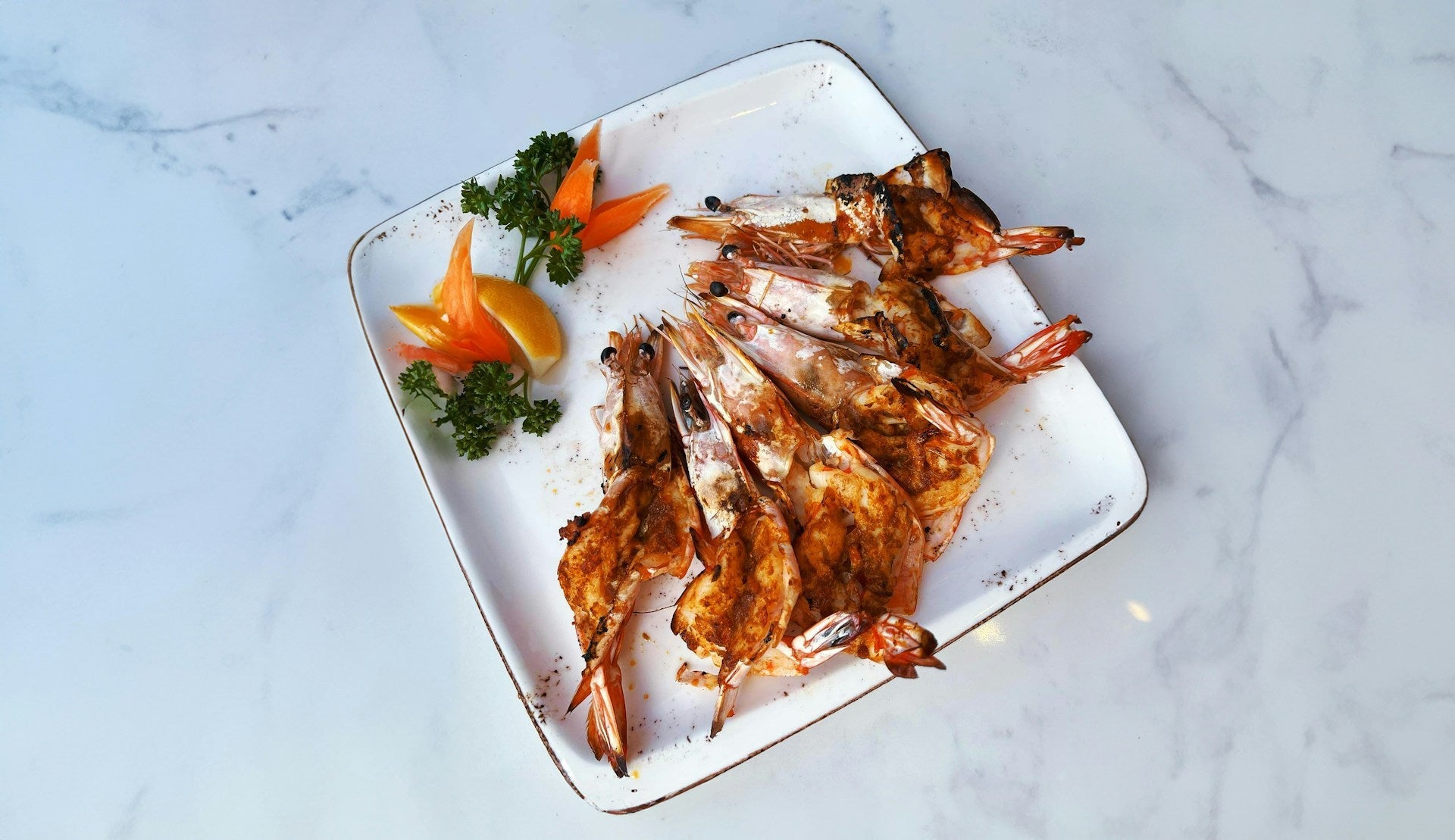
Storing Cooked Shrimp in the Fridge
Properly storing cooked shrimp in the refrigerator is essential to maintain its freshness and ensure it remains safe to eat. This section will guide you through the importance of proper storage and best practices to follow.
Importance of Properly Storing Cooked Shrimp
Proper storage of cooked shrimp in the fridge is crucial for several reasons:
- Prevents Spoilage: Storing shrimp correctly helps prevent bacterial growth and spoilage, ensuring it stays fresh for longer.
- Maintains Flavor and Texture: Proper storage helps retain the shrimp’s original flavor and texture, making it enjoyable to eat even after a few days.
- Ensures Safety: Correct storage practices reduce the risk of foodborne illnesses, which can occur if shrimp is not stored at the right temperature.
Best Practices for Storing Cooked Shrimp
To ensure your cooked shrimp stays fresh and safe to eat, follow these best practices:
Cool Before Storing: Allow the shrimp to cool to room temperature before placing it in the fridge. This prevents condensation and bacterial growth.
Use Airtight Containers: Store the shrimp in airtight containers or heavy-duty aluminum foil to keep out air and moisture. This helps maintain its quality and prevents it from absorbing other odors from the fridge.
Label and Date: Always label the container with the date you cooked the shrimp. This helps you keep track of how long it has been stored and ensures you consume it within a safe timeframe.
Store at the Right Temperature: Ensure your refrigerator is set to a temperature of 40°F (4°C) or lower. This is the ideal temperature to slow down bacterial growth and keep your shrimp safe to eat. Refer to our guide on good fridge temperature for more details.
Avoid Overcrowding: Do not overcrowd the fridge. Proper air circulation is necessary to maintain a consistent, cold temperature throughout the refrigerator.
Here is a quick reference table for optimal storage practices:
| Storage Practice | Details |
|---|---|
| Cool Before Storing | Room temperature |
| Airtight Containers | Prevents air and moisture |
| Label and Date | Track storage time |
| Ideal Temperature | 40°F (4°C) or lower |
| Avoid Overcrowding | Ensure air circulation |
By following these best practices, you can ensure that your cooked shrimp stays fresh, flavorful, and safe to eat. For additional tips on storing other types of seafood, check out our article on storing clams in fridge.
Shelf Life of Cooked Shrimp in the Fridge
Understanding the shelf life of cooked shrimp in the fridge is essential for maintaining food safety and quality. Proper storage helps extend the life of your cooked shrimp and prevents foodborne illnesses.
How Long Can Cooked Shrimp Last in the Fridge?
Cooked shrimp can last in the fridge for up to 3 to 4 days when stored properly. Ensure your refrigerator is set to the ideal temperature to maintain the freshness of the shrimp. For more information on maintaining the right temperature, check out our guide on good fridge temperature.
| Storage Method | Duration |
|---|---|
| Refrigerator (34-40°F) | 3-4 days |
Signs of Spoiled Cooked Shrimp
It is crucial to recognize the signs of spoiled shrimp to avoid consuming unsafe food. Here are some indicators that your cooked shrimp has gone bad:
- Unpleasant Odor: Fresh shrimp should have a mild, ocean-like smell. An off or sour scent indicates spoilage.
- Discoloration: If the shrimp has turned an unusual color, such as gray or darkened spots, it is no longer safe to eat.
- Slimy Texture: Spoiled shrimp may feel slimy or sticky to the touch.
- Mold: Visible mold or growth on the shrimp is a clear sign of spoilage.
If you notice any of these signs, it is best to discard the shrimp immediately. For additional tips on proper food storage, you can explore our article on items in a refrigerator.
Proper storage and regular checks can help you enjoy your cooked shrimp safely without any health concerns.
Tips for Storing Cooked Shrimp
Storing cooked shrimp properly in the fridge is essential to maintain its freshness and prevent spoilage. Here are key tips to ensure your shrimp stays in optimal condition.
Proper Storage Containers
Using the right containers is crucial for keeping your cooked shrimp fresh. Opt for airtight containers to prevent air exposure and maintain moisture levels. Glass containers with tight-fitting lids or high-quality plastic containers work well. If you're using plastic bags, ensure they are designed for food storage and can be sealed completely.
| Container Type | Advantages |
|---|---|
| Glass Container | Airtight, retains moisture, eco-friendly |
| Plastic Container | Lightweight, airtight, convenient |
| Plastic Bag | Space-saving, airtight if sealed properly |
Ideal Placement in the Fridge
The placement of your cooked shrimp in the fridge can also impact its shelf life. Store shrimp in the coldest part of the fridge, typically the back of the bottom shelf. This area maintains a consistent temperature, which is crucial for preserving seafood. Avoid placing shrimp in the fridge door, as the temperature fluctuates every time the door is opened.
To further ensure the safety and freshness of your shrimp, keep it away from raw foods to avoid cross-contamination. For more details on organizing your fridge, refer to our guide on items in a refrigerator.
By following these tips, you can effectively store cooked shrimp in the fridge and enjoy it in various dishes. For more information on reusing cooked shrimp, check out our article on creative ways to enjoy cooked shrimp.
Utilizing Cooked Shrimp from the Fridge
When you have cooked shrimp stored in your fridge, you have a versatile ingredient ready to be used in numerous dishes. To ensure the best taste and texture, it's important to know how to properly reheat and creatively use the shrimp.
Reheating Cooked Shrimp
Reheating cooked shrimp can be done using various methods. Here are a few popular options:
- Stovetop: Heat a pan over medium heat, add a small amount of oil or butter, and sauté the shrimp for 2-3 minutes until heated through.
- Microwave: Place the shrimp in a microwave-safe dish, cover with a damp paper towel, and heat on medium power for 1-2 minutes.
- Oven: Preheat the oven to 300°F, place the shrimp on a baking sheet, and heat for 5-10 minutes.
| Reheating Method | Time (minutes) |
|---|---|
| Stovetop | 2-3 |
| Microwave | 1-2 |
| Oven | 5-10 |
It's important to avoid overcooking the shrimp, as this can make them rubbery and less enjoyable.
Creative Ways to Enjoy Cooked Shrimp
Cooked shrimp can be used in a variety of dishes, adding both flavor and protein. Here are some creative ways to enjoy your shrimp:
- Shrimp Tacos: Fill soft tortillas with reheated shrimp, shredded cabbage, avocado slices, and a squeeze of lime.
- Shrimp Pasta: Toss cooked shrimp with your favorite pasta, a light garlic sauce, and fresh herbs.
- Shrimp Salad: Add shrimp to a bed of greens, cherry tomatoes, cucumbers, and a tangy vinaigrette.
- Shrimp Stir-Fry: Mix shrimp with stir-fried vegetables and a savory sauce for a quick and healthy meal.
- Shrimp Cocktail: Serve chilled shrimp with a zesty cocktail sauce as an appetizer.
For more tips on storing and using shrimp, visit our articles on items in a refrigerator and spaghetti in the fridge.
By utilizing these methods and ideas, you can make the most out of your cooked shrimp and enjoy delicious meals without wasting food.
Safety Precautions
Avoiding Cross-Contamination
Cross-contamination is a significant concern when storing cooked shrimp in the fridge. To avoid this, it's crucial to follow these guidelines:
- Separate Storage: Store cooked shrimp in a separate container away from raw seafood, meats, and poultry.
- Clean Surfaces: Ensure all surfaces, cutting boards, and utensils are thoroughly cleaned before and after handling cooked shrimp.
- Use Sealed Containers: Always use airtight containers to store cooked shrimp. This prevents any potential contaminants from coming into contact with the shrimp.
| Safety Measure | Description |
|---|---|
| Separate Storage | Store away from raw foods |
| Clean Surfaces | Clean utensils and surfaces |
| Sealed Containers | Use airtight containers |
For more information on storing different types of food, check out our article on items in a refrigerator.
Proper Handling and Hygiene Practices
Proper handling and hygiene practices are essential to maintain the quality and safety of cooked shrimp stored in the fridge:
- Hand Washing: Always wash your hands with soap and water before and after handling cooked shrimp.
- Temperature Control: Ensure your fridge is set to the right temperature, typically below 40°F (4°C), to keep the shrimp fresh. For more on this, see our guide on good fridge temperature.
- Prompt Storage: Refrigerate cooked shrimp within two hours of cooking to prevent bacterial growth.
- Labeling: Label containers with the date of storage to keep track of freshness and prevent eating spoiled shrimp.
| Hygiene Practice | Description |
|---|---|
| Hand Washing | Wash hands before and after handling |
| Temperature Control | Keep fridge below 40°F (4°C) |
| Prompt Storage | Refrigerate within two hours |
| Labeling | Date containers to track freshness |
By following these precautions, you can enjoy your shrimp safely and avoid any potential foodborne illnesses. For more tips, you can read our article on proper food handling.
FAQs About Storing Cooked Shrimp in the Fridge
Can You Freeze Cooked Shrimp?
Yes, you can freeze cooked shrimp to extend its shelf life. Freezing helps preserve the texture and flavor of the shrimp. To properly freeze cooked shrimp, ensure it is stored in an airtight container or a freezer-safe bag. Label the container with the date to keep track of how long it has been stored. For more tips on freezing, check out our guide on compact upright freezer.
| Storage Method | Duration |
|---|---|
| Refrigerator | 3-4 days |
| Freezer | Up to 3 months |
Can You Reheat Cooked Shrimp More Than Once?
It is generally not recommended to reheat cooked shrimp more than once. Repeated reheating can affect the texture and taste, and may also increase the risk of bacterial growth. To maintain food safety and quality, reheat only the portion you plan to consume. For safe reheating practices and tips, refer to our article on items in a refrigerator.
By following these guidelines, you can ensure that your cooked shrimp remains safe to eat and delicious. For more information on refrigerator and freezer storage, visit our articles on good fridge temperature and how cold is the freezer?.
Get Your Upgrade or New Addition at Fridge.com
Whether you're searching for your perfect fridge, freezer, wine fridge, beer fridge, ice maker, or kegerator, we have what you need.
Shop the world's best brands at Fridge.com.
We also have tons of awesome articles about kitchen stuff and home news. Enhance your home, garage, backyard, patio, and office with the coolest essentials. With every necessary type of residential refrigerator or freezer in our collection, we've got you covered.
Elevate your game and shop now at Fridge.com!