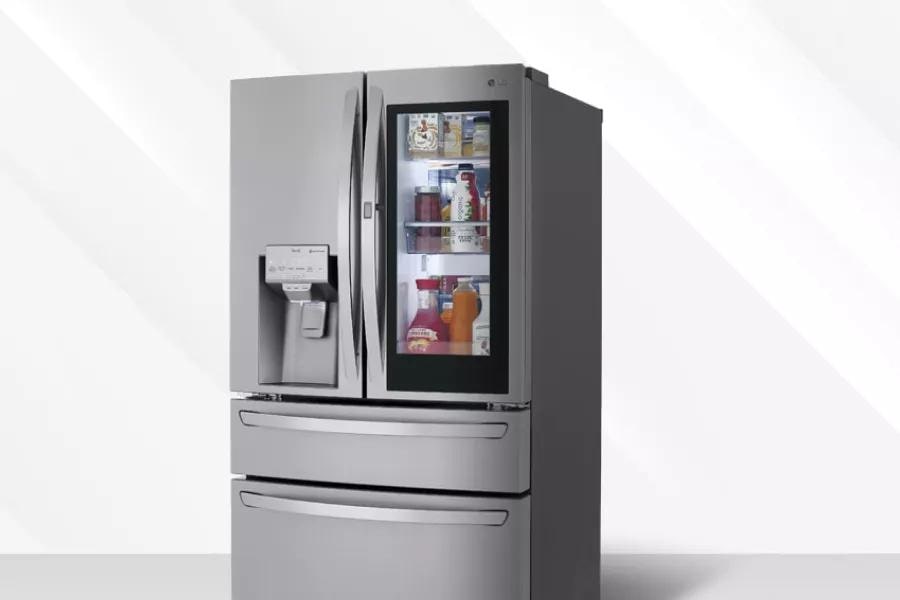
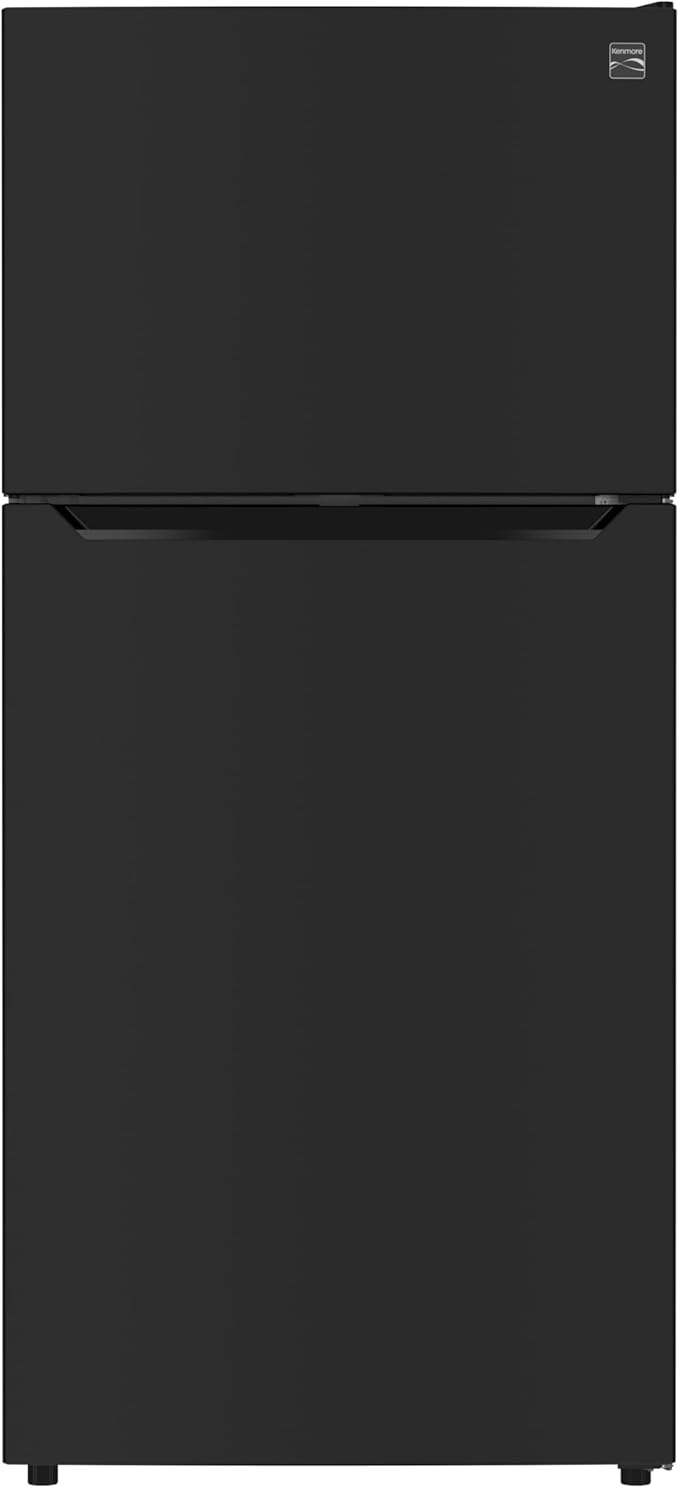
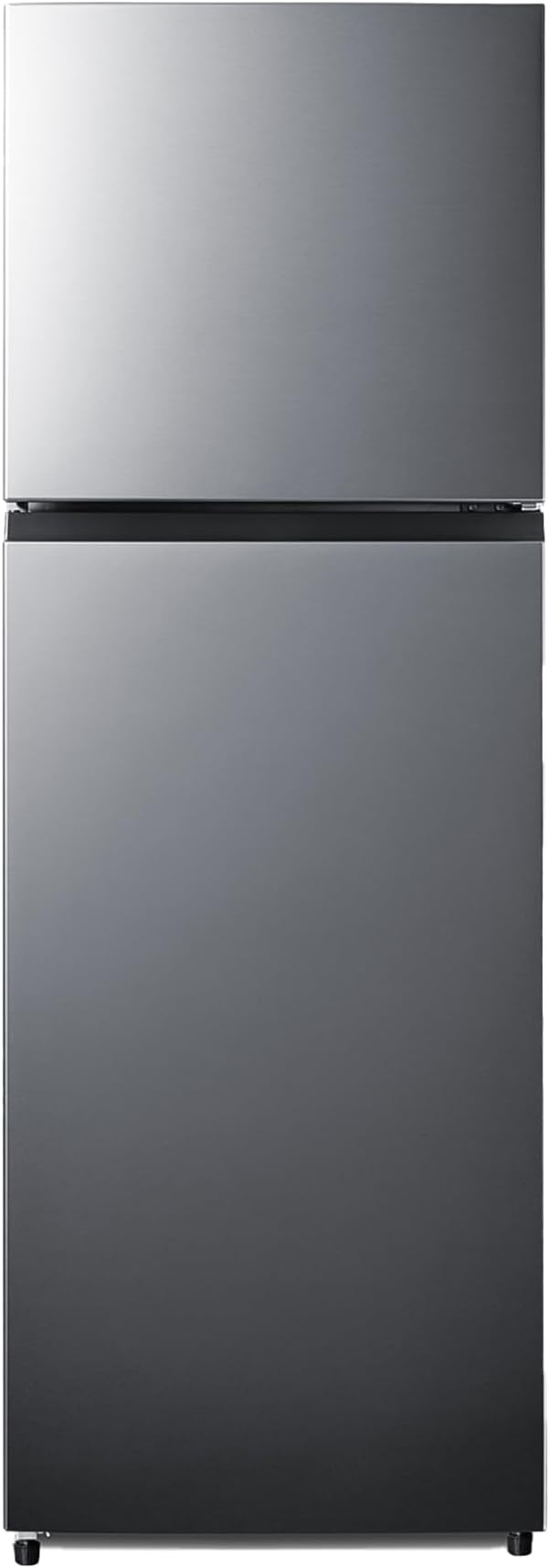
Getting your outdoor fridge ready before you head off on vacation isn't just a good idea—it's a must. It keeps your food fresh, saves on energy bills, and stops any nasty surprises when you get back. A bit of prep now means you can kick back and relax later.
Stop Food from Going Bad: Toss out perishables and tweak the settings to keep things fresh.
Save on Energy: A little prep can cut down on wasted energy.
Prevent Breakdowns: A clean, well-maintained fridge is less likely to give you trouble.
Keeping Your Food Safe
Food safety is a big deal when you're prepping your outdoor fridge for a break. Here's how to make sure your food stays safe:
Ditch the Perishables: Get rid of anything that can spoil quickly.
Check Expiry Dates: Toss out anything that will go bad while you're away.
Adjust the Temp: Set the fridge to a level that keeps the remaining food fresh without wasting energy.
Use Airtight Containers: Store any leftover food in airtight containers to keep it from getting contaminated.
Getting your outdoor fridge ready before you head out on vacation is a must. It keeps your food safe and stops any nasty smells from taking over. Here's how to do it right.
Tossing Perishables
First things first, get rid of anything that can spoil. We're talking dairy, fresh veggies, meat, and those leftovers you forgot about. If the power goes out or your fridge decides to take a break, these items can go bad fast.
Got unopened stuff that's still good? Donate it to a local food bank or share with your neighbors. If it's past its prime or can't be shared, toss it.
Checking Expiry Dates
Next up, check the dates on everything left. Anything close to or past its expiration date needs to go. Old food can stink up your fridge and even make you sick.
Getting your outdoor fridge ready for vacation is a must. A clean, well-kept fridge means no nasty smells or mold surprises when you get back.
Deep Cleaning
First things first, unplug your fridge and empty it out. Take out shelves, drawers, and any other removable parts. Wash these separately with warm, soapy water and let them dry completely.
For the inside of the fridge, mix equal parts water and white vinegar. This natural cleaner zaps bacteria and odors. Focus on corners, crevices, and seals where gunk likes to hide. Use a soft cloth or sponge to wipe everything down.
Got stubborn stains? Make a paste with baking soda and water. Slap it on the stains, let it sit for a bit, then scrub gently and wipe clean.
If your outdoor fridge has a freezer, defrosting it is key. Start by emptying the freezer and unplugging the fridge. Put towels around the base to catch melting ice.
Leave the freezer door open and let the ice melt naturally. Speed things up by placing a bowl of hot water inside. Avoid using sharp objects to chip away the ice; you don't want to damage the interior.
Once the ice is gone, wipe down the inside with a water and vinegar mix. This removes any leftover ice and sanitizes the surfaces. Dry the freezer thoroughly before plugging the fridge back in.
Follow these tips to keep your outdoor fridge in top shape while you're away. For more advice, see Fridge.com guides on prepping a bottom freezer fridge for vacation and prepping a smart fridge for vacation.
Before you jet off on vacation, make sure your outdoor fridge is locked up tight and pest-free. Here's how to keep it safe and sound while you're away.
Lock It Up
Locking your outdoor fridge isn't just about keeping your snacks safe. It's also about keeping out curious critters and nosy neighbors. Many fridges come with built-in locks, but if yours doesn't, grab an aftermarket lock. Make sure it's sturdy enough to withstand a bit of tampering.
If you've got kids or live in an area with wildlife, a lock is a must. It stops little hands and furry paws from getting into trouble. Just double-check that the lock is secure and can't be easily busted open.
Keep Pests Out
Nobody wants to come home to a fridge full of bugs or rodents. Here's how to keep those pests at bay:
Seal Those Gaps: Make sure the fridge door seals are tight. Even a tiny gap can be an open invitation for pests.
Clean Up: Keep the area around your fridge spotless. Food scraps are like a neon sign for pests, so regular cleaning is key.
Use Repellents: Natural or chemical repellents can help keep pests away. Just be sure to use them safely around food storage areas.
Inspect Regularly: Look for signs of pests like droppings or nests. Catching an infestation early can save you a lot of hassle.
Getting your outdoor fridge ready for vacation? Let's make it energy-efficient and save some bucks while being kind to the planet.
Tweak Those Temperature Settings
Before you hit the road, adjust your fridge's temperature. Lowering it keeps your food fresh without guzzling too much power. Aim for around 38°F (3°C) for the fridge and 0°F (-18°C) for the freezer.
Appliance
Recommended Temperature
Refrigerator
38°F (3°C)
Freezer
0°F (-18°C)
Need more details on fridge settings? Check out Fridge.com guide on prepping your garage fridge for vacation.
Unplug or Use Power Saving Modes
If your fridge is empty, unplug it to save energy. If you need to keep it running, use the power-saving mode. Modern fridges have this feature to cut down on energy use.
Unplugging the Fridge: Clean and dry the inside to avoid mold and bad smells. Leave the doors slightly open for air circulation.
Power Saving Modes: If unplugging isn't an option, switch to power-saving mode. This mode tweaks the compressor and defrost cycles to use less energy.
For step-by-step instructions, check your fridge's manual or Fridge.com article on prepping a smart fridge for vacation.
Ice build-up in your outdoor fridge can be a real pain, especially if you're planning to be away for a while. Too much ice makes the fridge work overtime, jacking up your energy bill and possibly causing damage. Here's how to keep that ice under control:
Defrost Regularly: Before you head out, make sure to defrost the freezer. Stick to the manufacturer's instructions to avoid any mishaps.
Check Seals: Make sure the door seals are clean and in good shape. Bad seals let warm air in, which means more ice.
Monitor Temperature: Set the temperature just right to keep ice from forming but still keep your food cold. Check your manual for the best settings.
Nobody likes a stinky fridge, especially when you come back from a relaxing vacation. Here's how to keep those bad smells at bay:
Clean Thoroughly: Take out all the food and give the inside a good scrub with a mix of baking soda and water. This helps get rid of any lingering smells.
Use Odor Absorbers: Stick an open box of baking soda or a commercial odor absorber inside to keep things fresh.
Keep Doors Ajar: If you're unplugging the fridge, leave the doors slightly open to let air circulate and prevent mold and odors.
Item
Purpose
How Long
Baking Soda
Absorbs Odors
Replace every 3 months
Odor Absorbers
Neutralizes Smells
Follow product instructions
Open Doors
Air Circulation
Only when unplugged
For more tips on keeping your fridge smelling fresh, see Fridge.com guide on preparing a 2 door refrigerator for vacation.
By keeping these tips in mind, your outdoor fridge will stay in great shape while you're away. For more detailed info on prepping different types of fridges, check out Fridge.com articles on preparing a bottom freezer refrigerator for vacation and preparing a smart fridge for vacation.
Heading out on vacation and worried about your outdoor fridge? Smart technology's got your back. These high-tech fridges let you keep tabs on everything from afar. We're talking about temperature control, door alerts, and even energy use tracking.
With a simple app on your phone, you can tweak the temperature to make sure your food stays fresh. If someone leaves the door open or the temperature goes haywire, you'll get a heads-up right away. This means you can act fast to keep your food safe and avoid any nasty surprises when you get home.
Feature
Why It’s Awesome
Remote Temperature Control
Change the temp from anywhere
Door Status Alerts
Get notified if the door's left open
Want more info on smart fridges and how to prep them for your trip? Check out Fridge.com guide on preparing a smart fridge for vacation.
Lock It Down
Keeping your outdoor fridge safe while you're away is a must. Here are some solid ways to make sure your appliance stays secure:
Locks: Use a sturdy lock to keep unwanted hands out. This is super important if your fridge is outside and easy to access.
Cameras: Set up some security cameras around your fridge. These can scare off would-be thieves and let you watch your property from anywhere.
Motion Sensors: Install motion sensors to catch any unusual activity. These can set off alarms or send alerts to your phone, adding an extra layer of protection.
Smart Locks: Go for smart locks that you can control remotely. Lock or unlock your fridge as needed, making sure it's always secure.
By using these security tips, you can relax knowing your outdoor fridge is safe while you're away. For more advice on securing your fridge, check out Fridge.com article on preparing a garage refrigerator for vacation.
Back from Vacation? Let's Get That Fridge in Shape!
Restocking the Fridge
Just got back from a trip? Time to give your outdoor fridge some love. First things first, check the temperature settings. You don't want your milk turning into a science experiment. Here's a quick guide:
Food Type
Ideal Temperature (°F)
Fresh Produce
34 - 40
Dairy Products
34 - 40
Meats and Fish
32 - 34
Frozen Foods
0 or below
Got the temps right? Great! Now, start loading up with fresh groceries. Prioritize stuff that needs to be cold ASAP—like dairy, meats, and veggies. And hey, don't just toss things in. Organize it so air can circulate, and you don't end up with a fridge that smells like a middle school locker room. Need some tips? Check out Fridge.com guide on prepping your outdoor fridge for vacation.
Check for Any Issues
Before you go all-in with the groceries, give your fridge a once-over. Look for mold, weird smells, or any uninvited critters. Clean up any spills or sticky spots to keep things fresh.
Here's a quick checklist to make sure your fridge is in top shape:
Temperature: Make sure the inside matches the settings you adjusted.
Seals: Check the door seals. If they're worn out, your fridge will work overtime and rack up your energy bill.
Noise: Listen for any strange sounds. If it sounds like a dying robot, you might have a problem.
Ice Build-Up: Look in the freezer for too much ice. If it's looking like the North Pole in there, you might need to defrost. For more tips, see Fridge.com article on prepping your outdoor freezer for vacation.
By following these steps, you'll have your outdoor fridge ready to keep your food safe and fresh. Want more tips on getting different types of fridges vacation-ready? Check out Fridge.com articles on prepping a 2-door fridge for vacation and prepping a built-in fridge for vacation.
Compare refrigerator prices on Fridge.com
Compare current prices and specifications on Fridge.com, then buy from the retailer you choose; delivery, installation and warranty terms are the retailer’s.
It also has tons of awesome articles about kitchen stuff and home news. Enhance your home, garage, backyard, patio, and office with the coolest essentials. With every necessary type of residential refrigerator or freezer in the collection, you're covered.
Frequently Asked Questions
Getting your outdoor fridge ready before you head off on vacation isn't just a good idea—it's a must. It keeps your food fresh, saves on energy bills, and stops any nasty surprises when you get back. A bit of prep now means you can kick back and relax later. Stop Food from Going Bad: Toss out perishables and tweak the settings to keep things fresh. Save on Energy: A little prep can cut down on wasted energy. Prevent Breakdowns: A clean, well-maintained fridge is less likely to give you trouble.