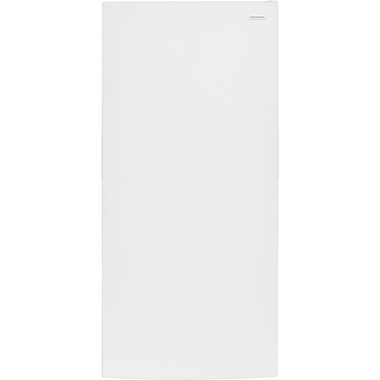
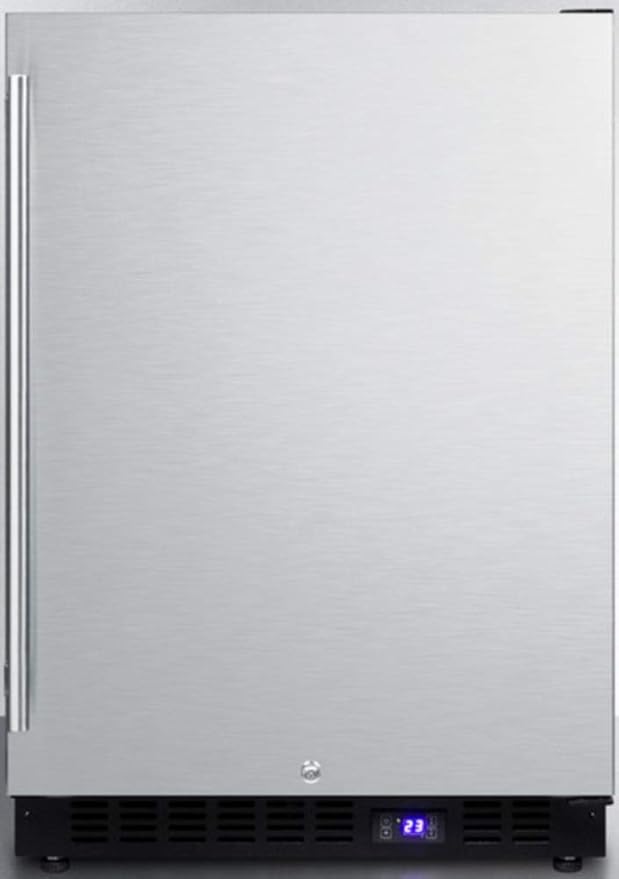
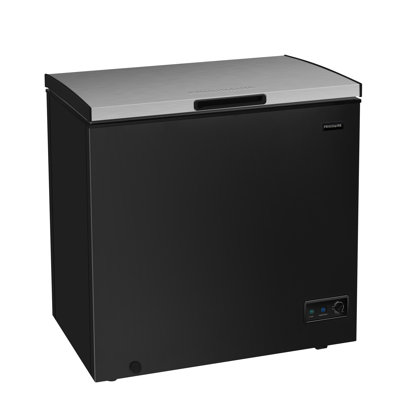
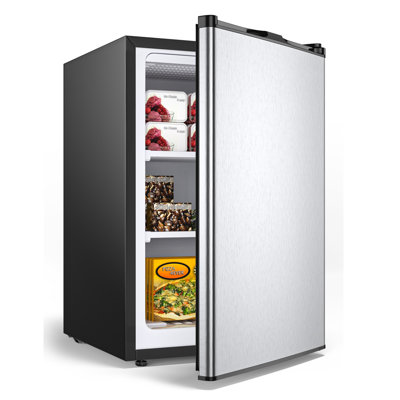
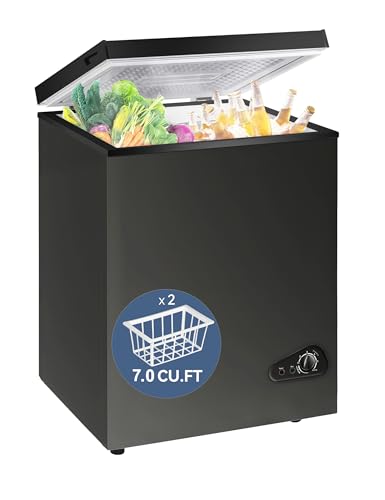
Making sure your outdoor freezer is ready before you head off on vacation is key to keeping your food safe and your mind at ease. Let’s break down what you need to do.
Check What’s in Your Freezer
Before you pack your bags, take a good look at what’s in your freezer. Here’s what to do:
Take Inventory: Write down everything in your freezer. This helps you figure out what needs to be eaten before you go and what can stay.
Think About Time: How long will you be gone? Make sure the stuff in your freezer can last that long without going bad.
Power Check: Does your area have power outages often? If yes, think about getting a backup power source to keep your freezer running.
Item Type
Quantity
Expiration Date
Frozen Vegetables
5 bags
3 months
Meat
10 lbs
6 months
Ice Cream
3 tubs
1 month
Frozen Meals
7 packs
2 months
Why Bother Preparing Your Freezer?
Getting your outdoor freezer ready for your vacation is important for a few reasons:
Keep Food Safe: Proper prep means your food won’t spoil while you’re away.
Save Energy: A tidy and well-maintained freezer uses less energy, saving you money.
Relax: Knowing your freezer is in good shape lets you enjoy your vacation without stress.
By checking what’s in your freezer and getting it ready, you can make sure everything stays in good shape while you’re off enjoying your vacation.
Get Your Freezer in Shape Before Vacation
Getting your outdoor freezer sorted before you head off on vacation is a game-changer. It keeps your food safe and makes life easier when you get back. Here's a no-nonsense guide to declutter, organize, and label your freezer like a pro.
Clear Out the Clutter
First things first, get rid of the junk. Toss out anything expired or freezer-burned. This not only frees up space but also keeps the good stuff in top shape.
Take Inventory: Write down everything in your freezer. This helps you plan meals and use up perishables before you leave.
Sort It Out: Group similar items together. Put all the meats in one spot, veggies in another, and frozen meals somewhere else.
Bins and Baskets: Use bins and baskets to keep things neat. It makes finding stuff a breeze and keeps your freezer looking sharp.
Here's a simple table to help you sort your stuff:
Category
Example Items
Storage Area
Meats
Chicken, Beef, Fish
Bottom Shelf
Vegetables
Broccoli, Peas, Carrots
Middle Shelf
Frozen Meals
Pizza, Lasagna, Burritos
Top Shelf
Snacks
Ice Cream, Popsicles
Door Compartments
Label Like a Boss
Labeling is key to knowing what's what and making sure nothing goes to waste. Here's how to do it right:
Freezer-Safe Labels: Get labels that won't fall off or smudge in the cold.
Key Info: Write the name of the item, the date it was frozen, and the expiration date if it has one.
Date Order: Put items with the earliest expiration dates at the front so they get used first.
Check out this labeling example:
Item
Date Frozen
Expiration Date
Label Example
Chicken Breast
09/01/2023
12/01/2023
Chicken Breast 09/01/23
Broccoli
08/15/2023
11/15/2023
Broccoli 08/15/23
Pizza
09/05/2023
12/05/2023
Pizza 09/05/23
For more tips on keeping your freezer in tip-top shape, check out Fridge.com articles on prepping a chest freezer for vacation and getting a garage freezer ready for vacation.
By following these steps, you'll have your outdoor freezer organized and ready for your vacation. It'll make managing your food a breeze and help you avoid wasting anything.
Before you jet off on vacation, make sure to eat or store those perishables from your outdoor freezer. Fresh fruits and veggies can turn into a science experiment if left alone too long. To dodge the waste, whip up meals that use these goodies in the days before you leave.
Think smoothies, salads, or soups to make quick work of your fresh produce. If you’ve got more than you can handle, freeze it for later. Fruits can be frozen for future smoothies, and veggies can be blanched and stored for later meals.
Produce Type
Freezing Method
Shelf Life (Months)
Berries
Freeze on a baking sheet, then bag 'em
8-12
Leafy Greens
Blanch, then freeze
10-12
Peppers
Slice, then freeze
8-12
Planning Meals Before Vacation
Meal planning before your trip can help you use up perishables and avoid waste. By planning ahead, you can make the most of what you’ve got and skip those last-minute grocery runs.
Start by checking out your outdoor freezer and noting what needs to be eaten. Create a meal plan around these items and make a list for any extras you might need.
Here are some meal ideas to use up those perishables:
Stir-fries: Toss together various veggies and proteins for a quick, versatile dish.
Casseroles: Mix meats, cheeses, and veggies into a baked dish that’s easy to reheat.
Omelets: Use up eggs and veggies for a protein-packed breakfast or dinner.
Getting your outdoor freezer ready for vacation isn't just about peace of mind—it's about making sure your food stays fresh and your appliance runs smoothly while you're away.
Giving Your Freezer a Good Scrub
Keeping your freezer clean is key to keeping your food fresh and your freezer running efficiently. Here's how to do it:
Unplug It: Safety first! Always unplug your freezer before you start cleaning.
Empty It Out: Take everything out. Check expiration dates and toss anything that's past its prime or freezer-burned.
Defrost If Needed: If there's a lot of ice buildup, let it defrost. Put some towels around the base to catch the melting ice.
Clean Inside: Use warm water and mild soap. Wipe down all surfaces, including shelves and drawers. Skip the harsh chemicals.
Dry It Well: Make sure everything is completely dry before you plug it back in. Moisture can cause ice buildup and mess with efficiency.
After cleaning, give your freezer a once-over to make sure everything's in good shape. Here's what to look for:
Seals and Gaskets: Make sure the door seals and gaskets are in good condition. A bad seal can cause temperature swings and waste energy.
Temperature Settings: Double-check that the temperature settings are correct. See Fridge.com section on setting the right temperature for help.
Noise Levels: Listen for any weird noises when the freezer is running. Strange sounds could mean mechanical issues.
Drainage System: Check for clogs in the drainage system. A blocked drain can cause water to build up and damage your freezer.
Power Supply: Look over the power cord and plug. Using a surge protector can help protect against power surges.
Inspection Task
What to Do
Seals and Gaskets
Check for good sealing and condition.
Temperature Settings
Make sure the temperature is set correctly.
Noise Levels
Listen for any strange sounds.
Drainage System
Look for clogs or blockages.
Power Supply
Inspect the power cord and plug.
By giving your outdoor freezer a good clean and a thorough check, you can make sure it stays in top shape while you're on vacation. For more detailed steps on getting different types of refrigerators and freezers ready, visit Fridge.com articles on preparing a garage freezer for vacation and preparing a chest freezer for vacation.
Getting your outdoor freezer's temperature just right is key before you head off on vacation. It keeps your food fresh and safe, so you don't come back to a mess.
Setting the Right Temperature
To keep your food safe while you're away, set your freezer to the perfect temperature. Aim for 0°F (-18°C). This keeps everything frozen solid and reduces the chance of spoilage.
Temperature Setting
Purpose
Notes
0°F (-18°C)
Optimal freezing
Keeps food safe
Below 0°F (-18°C)
Deep freeze
Great for long-term storage
Above 0°F (-18°C)
Risk of thawing
Avoid this
Adjust the temperature using your freezer's control panel. If you're unsure how, check the manual. Always double-check with a freezer thermometer to make sure it's accurate.
Ensuring Proper Freezer Functionality
Before you leave, make sure your outdoor freezer is in tip-top shape. Here's how:
Inspect the Door Seal: Look at the door gasket for any wear or damage. A good seal keeps warm air out and cold air in.
Clear the Vents: Ensure vents inside the freezer aren't blocked by food. Good airflow is crucial for keeping a steady temperature.
Check for Frost Buildup: Too much frost can mess with your freezer's efficiency. If you see a lot, defrost it before you go.
Test the Thermostat: Make sure the thermostat is working by checking if the freezer holds the set temperature.
Follow these steps, and your freezer should run smoothly while you're away. For more tips on getting other types of freezers ready, check out Fridge.com articles on preparing a chest freezer for vacation and preparing an upright freezer for vacation.
Keep Your Freezer Running While You're Away
Heading out for a vacation? Don't let a power outage turn your freezer into a soggy mess. A few simple steps can keep your outdoor freezer humming and your food safe while you're off enjoying yourself.
Backup Power: Your Freezer's Best Friend
Nobody wants to come home to a freezer full of spoiled food. Here’s how to keep things cool even if the power goes out:
Portable Generators: These bad boys can keep your freezer running for hours or even days. Just make sure it’s got the juice to handle your freezer’s needs.
Uninterruptible Power Supply (UPS): Think of this as a power lifeline. It gives you enough time to switch to a generator if the power cuts out.
Solar Power Systems: Eco-friendly and reliable, as long as the sun’s shining and you’ve got enough battery storage.
Backup Power Option
Duration
Suitability
Portable Generators
Hours to days
High
Uninterruptible Power Supply (UPS)
Minutes to hours
Moderate
Solar Power Systems
Weather-dependent
Moderate to High
Keep an Eye on Things
Knowing if the power goes out while you're away can save your food and your sanity. Here’s how to stay in the loop:
Smart Plugs: These gadgets let you check your freezer’s power status from your phone. Some even send alerts if the power goes out.
Home Security Systems: Many come with power monitoring features that notify you during outages.
Neighbors or Friends: Got a trusty neighbor or friend? Ask them to pop by and check on things now and then.
By planning ahead with backup power and keeping tabs on potential outages, you can relax knowing your outdoor freezer and your food are in good hands while you’re off on your adventure.
Before you jet off on that much-needed vacation, make sure your outdoor freezer is locked up tight. A little prep can save you from headaches like break-ins or weather damage.
Lock It Up
A good lock is your freezer's best friend. It keeps out nosy neighbors and critters looking for a snack. Here are some solid options:
Padlocks: Simple and sturdy, perfect if your freezer has lock loops.
Combination Locks: No keys to lose, just remember the code.
Electronic Locks: Fancy and super secure, some even use fingerprints.
Protect the Area
Locking the freezer is just the start. You also need to make sure the area around it is safe.
Cover It Up: Put your freezer under a shed or awning to keep it dry and out of the sun.
Lift It Up: Use a platform to keep it off the ground. This helps avoid water damage from rain or floods.
Let It Breathe: Make sure the vents aren’t blocked so it doesn’t overheat. Clear away any junk or leaves.
Want more tips? Check out Fridge.com guides on getting your undercounter fridge vacation-ready and prepping your garage freezer for a trip.
By following these steps, you can relax knowing your outdoor freezer is safe and sound while you're off enjoying your break.
Coming Back from Vacation: Freezer Edition
So, you’ve just returned from a blissful vacation, and now it’s time to make sure your outdoor freezer is still in tip-top shape. Here’s a no-nonsense guide to get your freezer back on track and ready for action.
Give Your Freezer a Once-Over
First things first, you need to check if your freezer has been behaving while you were away. Here’s how:
Power Check: Make sure there weren’t any power outages. Look for any signs that your freezer might have lost power, like thawed food or puddles.
Sniff Test: Open the freezer and take a whiff. Any funky smells? That’s a red flag for spoiled food.
Visual Inspection: Look inside for frost buildup, leaks, or anything else that seems off.
Food Quality Check: Give the food a once-over. Any freezer burn or weird textures? Toss it.
Restock and Reorganize Like a Pro
Once you’ve confirmed your freezer is in good shape, it’s time to get it organized. Here’s how to do it:
Sort It Out: Group similar items together. Keep meats with meats, veggies with veggies, and so on.
Label and Date: Slap a label and date on any new items. This way, you’ll know what’s fresh and what’s not.
Use Bins: Smaller items can go in storage bins. This keeps things neat and maximizes space.
Airflow Matters: Don’t cram everything in. Leave some space for air to circulate so your freezer stays at the right temp.
Task
What to Do
Power Check
Look for signs of power loss.
Sniff Test
Check for bad smells.
Visual Inspection
Look for frost, leaks, or other issues.
Food Quality Check
Inspect for freezer burn or spoilage.
Sort It Out
Group similar items together.
Label and Date
Label and date new items.
Use Bins
Use storage bins for smaller items.
Airflow Matters
Leave space for air circulation.
For more tips on getting different types of freezers ready for vacation, check out Fridge.com articles on prepping a chest freezer for vacation and prepping a garage freezer for vacation.
By following these steps, you’ll keep your outdoor freezer in great shape, ready to store your food until your next getaway.
Compare freezer prices on Fridge.com
Compare current prices and specifications on Fridge.com, then buy from the retailer you choose; delivery, installation and warranty terms are the retailer’s.
It also has tons of awesome articles about kitchen stuff and home news. Enhance your home, garage, backyard, patio, and office with the coolest essentials. With every necessary type of residential refrigerator or freezer in the collection, you're covered.
Frequently Asked Questions
Getting your outdoor freezer ready for your vacation is important for a few reasons:. Keep Food Safe: Proper prep means your food won’t spoil while you’re away. Save Energy: A tidy and well-maintained freezer uses less energy, saving you money. Relax: Knowing your freezer is in good shape lets you enjoy your vacation without stress. For more tips on getting different types of freezers ready, check out Fridge.com articles on preparing a chest freezer for vacation and preparing a garage freezer for vacation. By checking what’s in your freezer and getting it ready, you can make sure everything stays in good shape while you’re off enjoying your vacation.