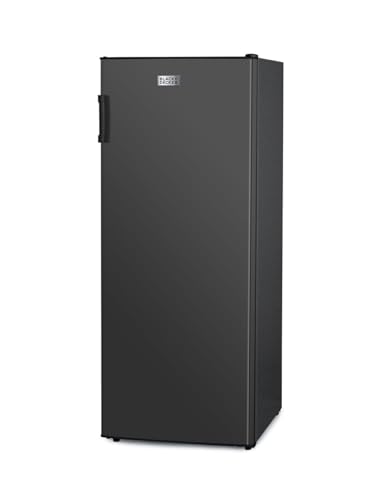
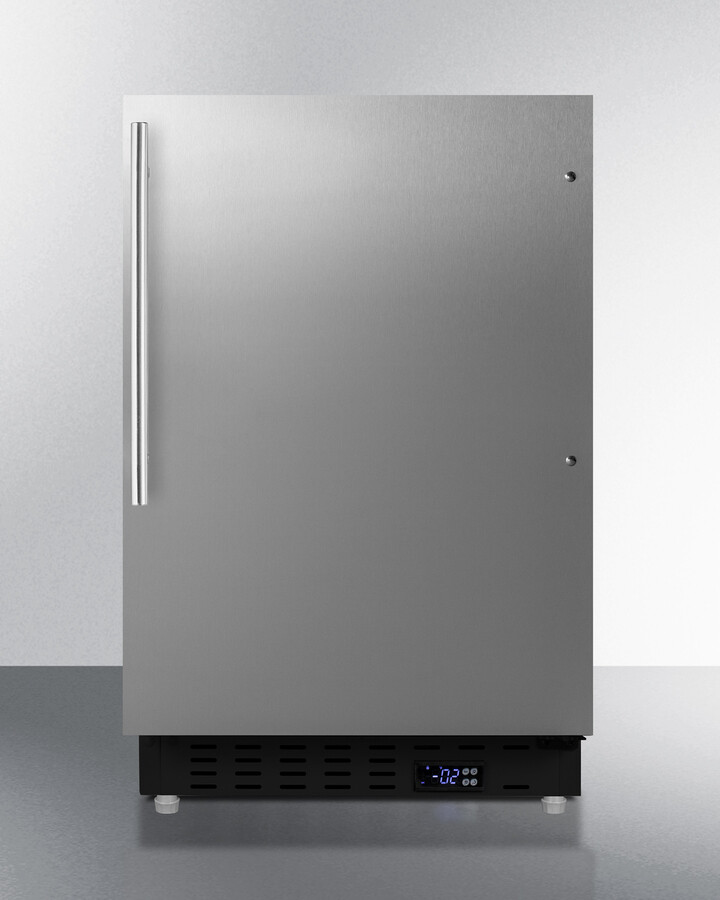
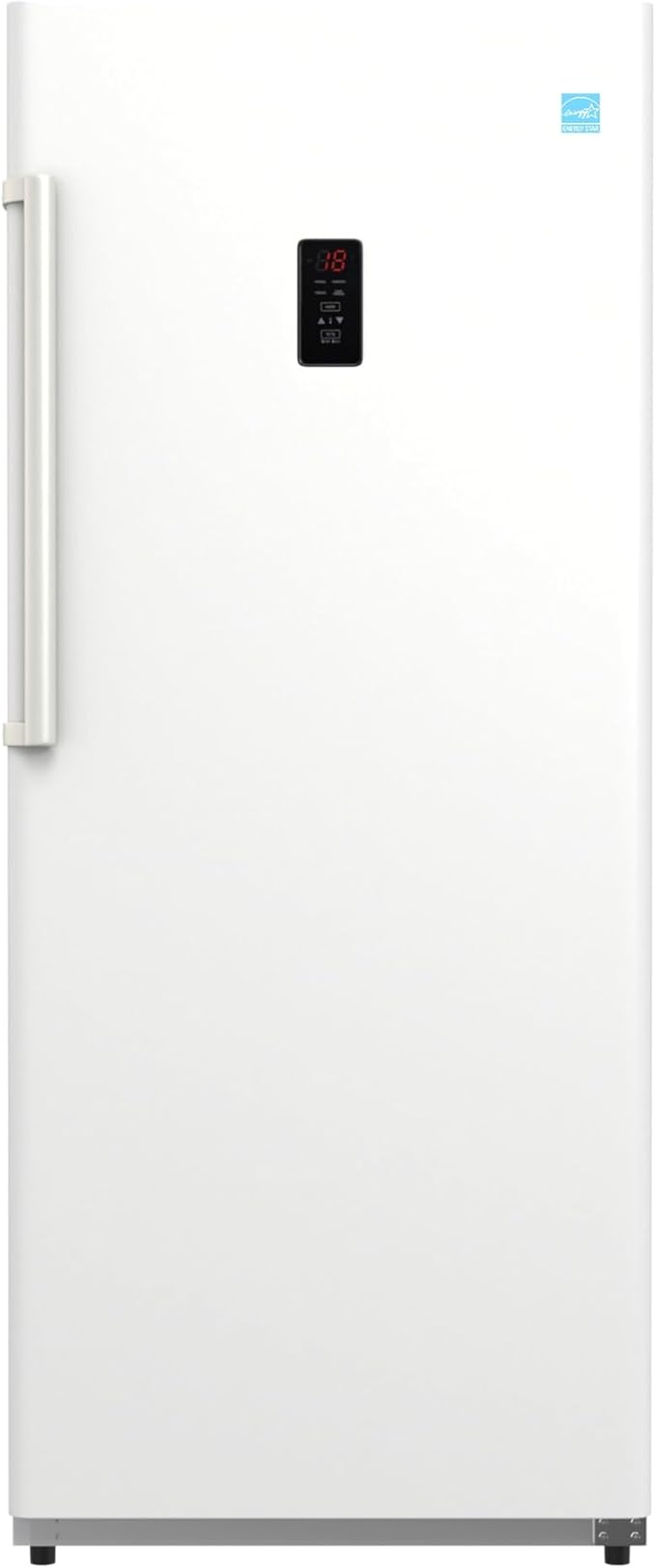
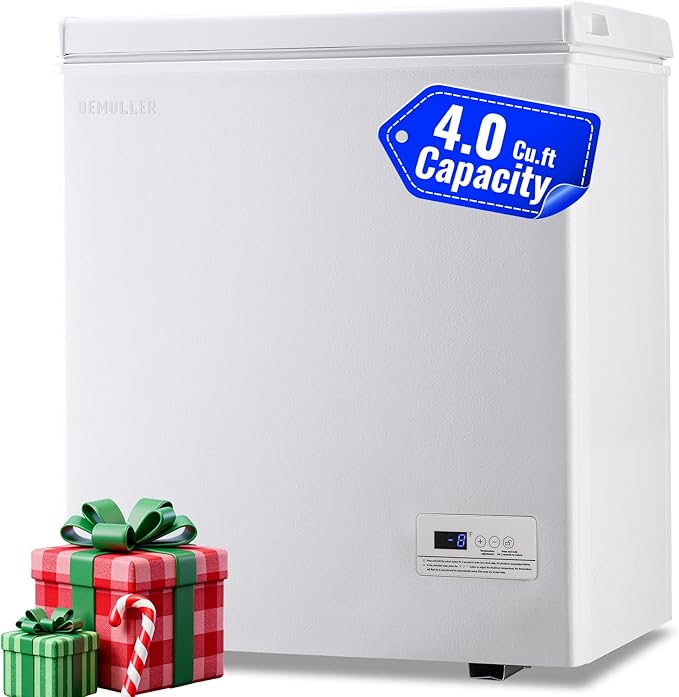
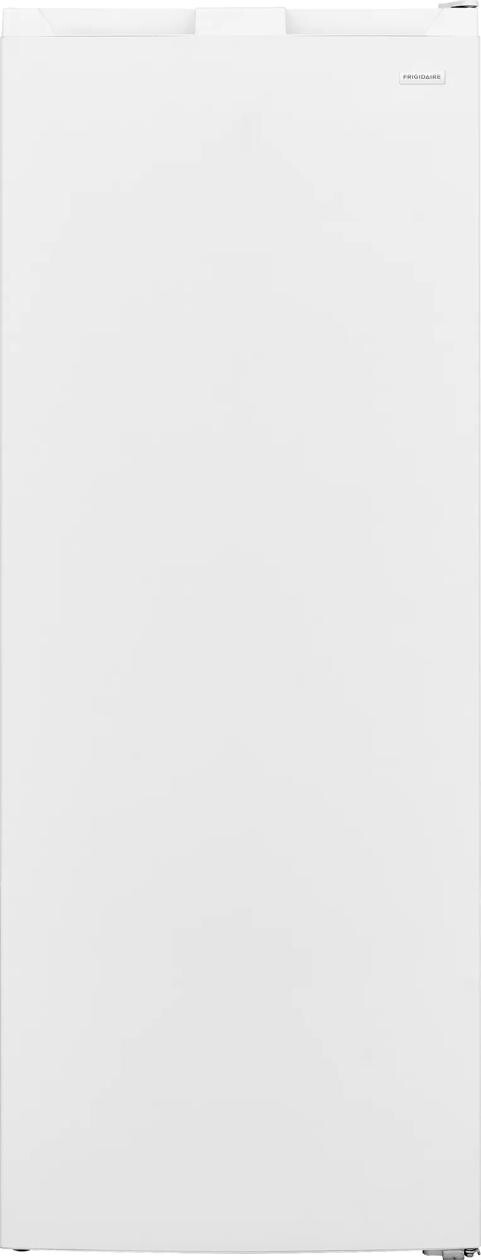
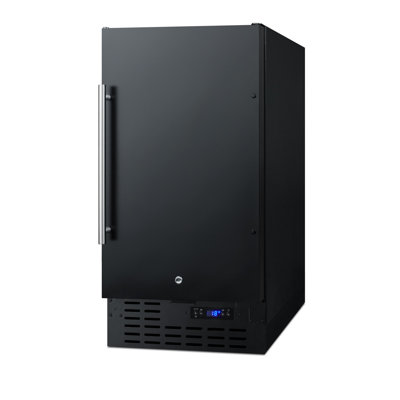
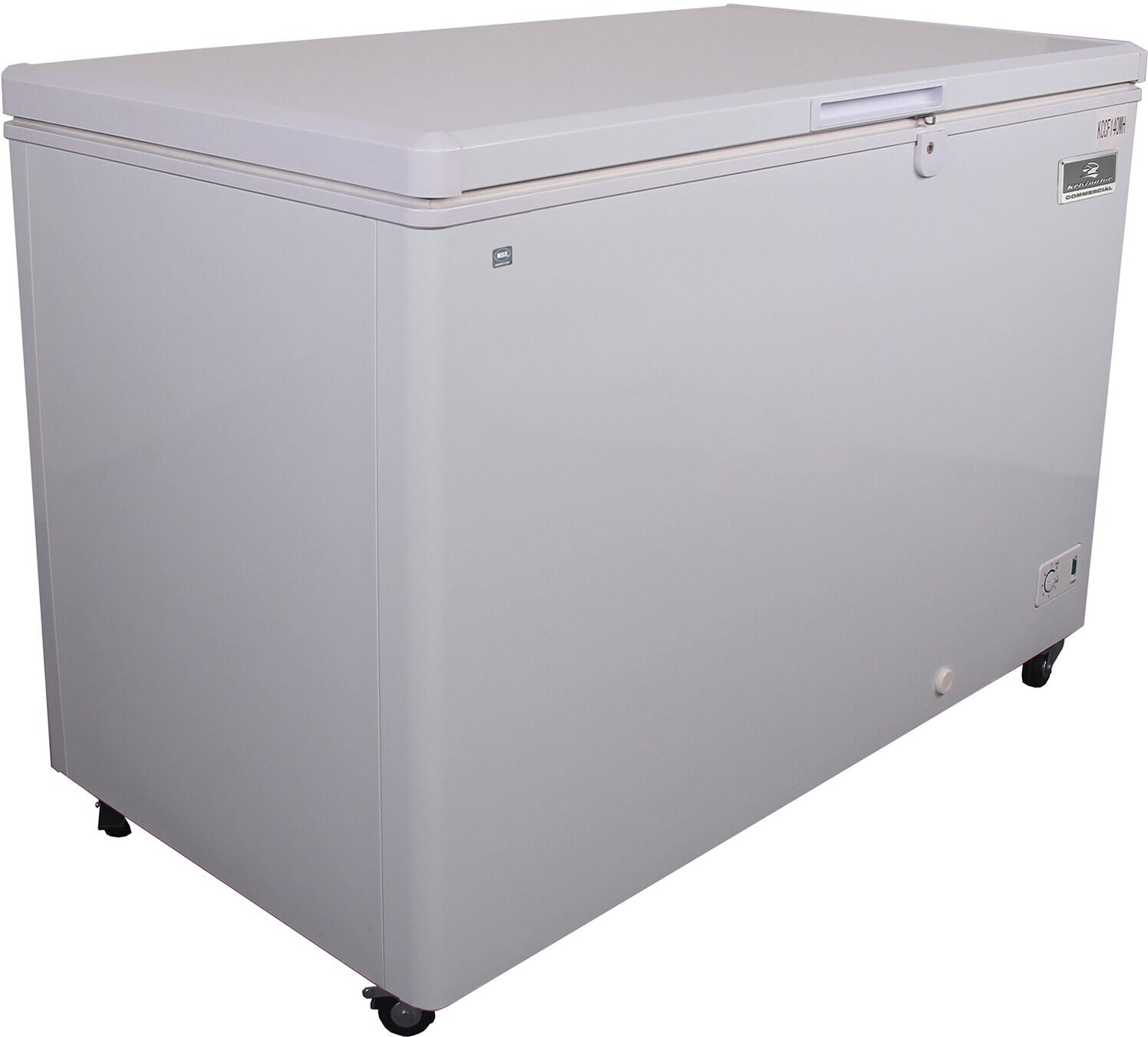
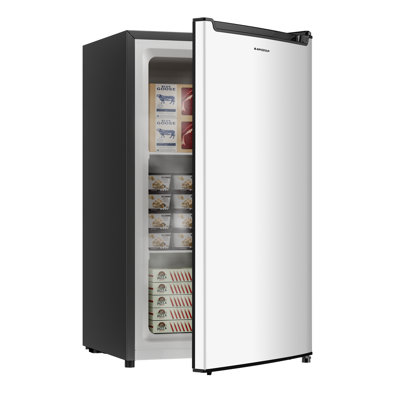
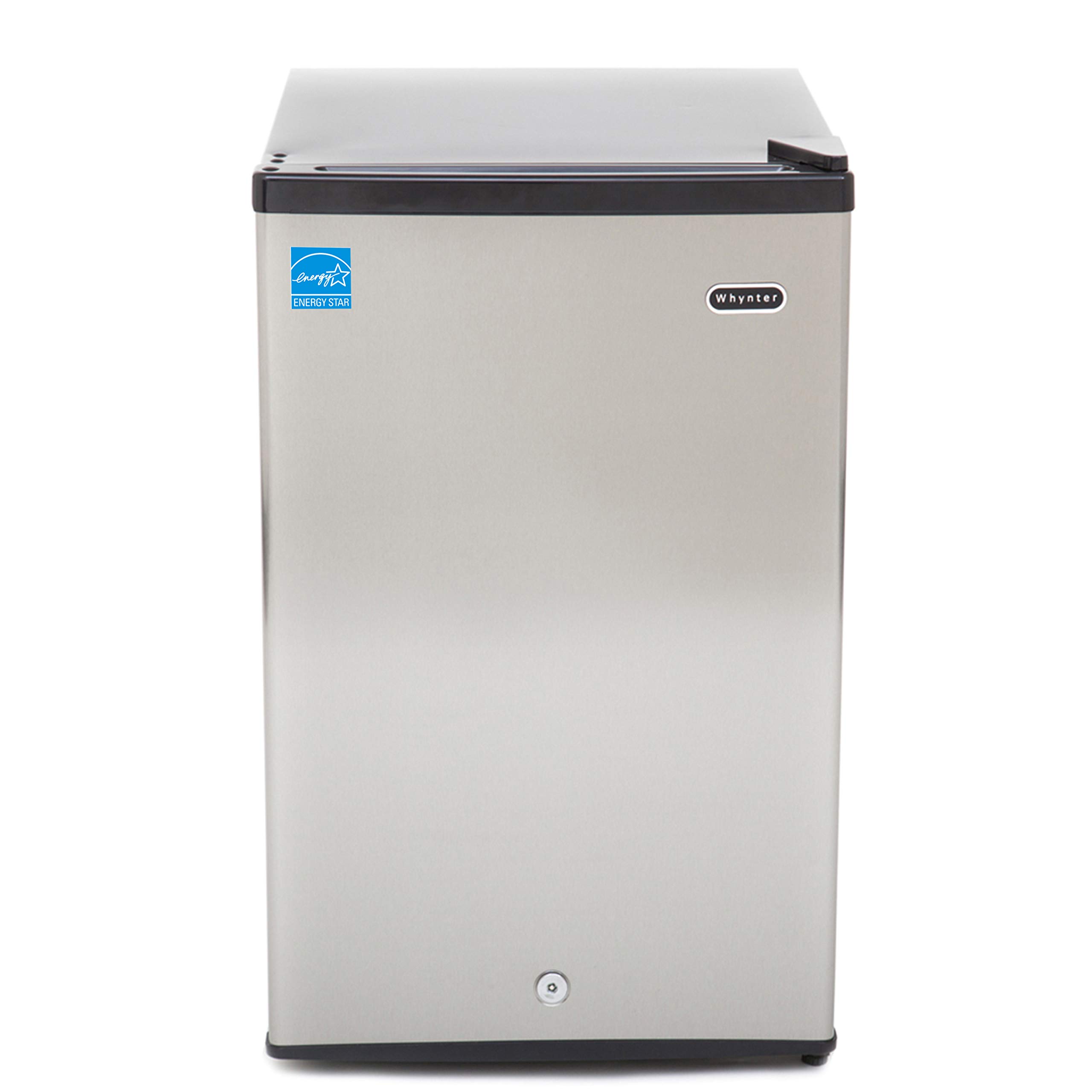
Choosing between an office fridge and an outdoor freezer? Let's break it down so you can pick the right one for your needs.
Office Refrigerator Overview
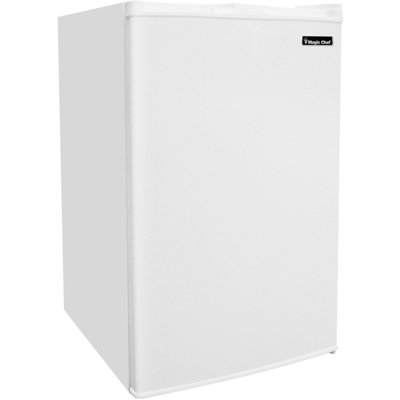
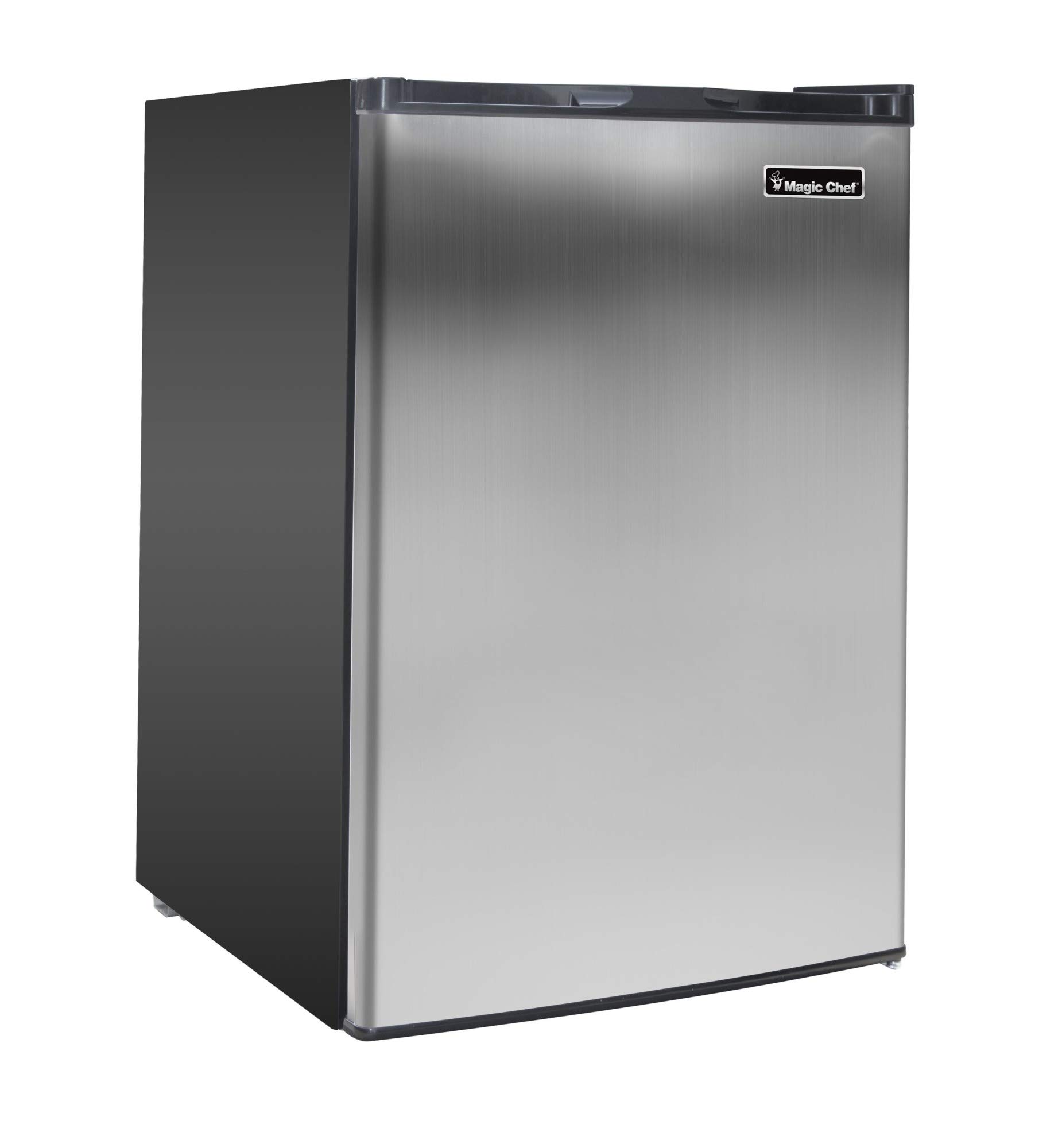
An office fridge is your go-to for keeping snacks and drinks cool at work. These come in all shapes and sizes, from tiny mini-fridges to bigger models that can stash more goodies. They usually have adjustable shelves, door storage, and sometimes a small freezer section.
These fridges are made for indoor use, perfect for break rooms, kitchens, or even your office. They work best in a controlled environment, keeping a steady temperature to ensure your stuff stays fresh. You can tweak the temperature settings to suit your needs.
An outdoor freezer is built tough to handle the great outdoors. These freezers are usually bigger and sturdier than office fridges, perfect for storing a lot of frozen goods. They can take on temperature changes, humidity, and other outdoor challenges.
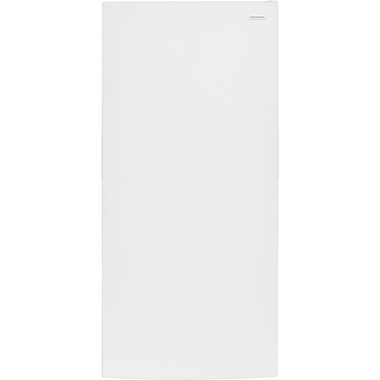
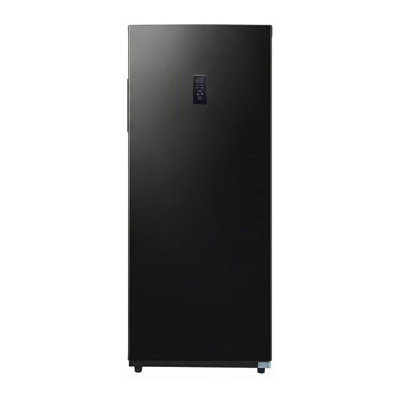
Outdoor freezers come in different styles, like chest freezers and upright freezers. They offer more space and are great for bulkier items or large amounts of food. With advanced freezing features, they keep your stuff frozen solid, even in varying conditions.
Key features of outdoor freezers:
High-capacity storage
Built to withstand outdoor conditions
Advanced freezing capabilities
Ideal for garages, basements, and outdoor settings
By thinking about where you put your fridge or freezer, you’ll keep it running smoothly and lasting longer, whether it’s in the office or outside.
Size and Capacity
Choosing between an office fridge and an outdoor freezer? Let's break it down so you can pick the right one for your needs.
Office Refrigerator Size Options
Office fridges come in all shapes and sizes, perfect for fitting into tight spaces or personal nooks. They're usually smaller than your typical home fridge, making them great for offices. Here's a quick rundown:
Refrigerator Type
Dimensions (inches)
Capacity (cubic feet)
Mini Fridge
18-20 x 18-20 x 32-34
1.7 - 4.5
Compact Refrigerator
20-24 x 20-24 x 34-40
4.6 - 6.0
Mid-Size Refrigerator
24-28 x 24-28 x 50-60
6.1 - 10.0
Mini fridges are your go-to for personal use—think snacks, drinks, and maybe a lunch or two. Compact fridges give you a bit more room, good for sharing with a couple of coworkers. Mid-size fridges? They're the big guns, perfect for a small office with more storage needs.
Want to dive deeper? Check out Fridge.com articles on mini fridge Vs. top freezer refrigerator and dorm fridge Vs. drawer freezer.
Outdoor Freezer Capacity Choices
Outdoor freezers are built to handle bigger storage needs and can tough it out in different weather conditions. They're generally larger than office fridges and are great for bulk storage, frozen foods, and other perishables. Here's what you need to know:
Freezer Type
Dimensions (inches)
Capacity (cubic feet)
Small Chest Freezer
30-36 x 20-24 x 30-34
5.0 - 9.0
Medium Chest Freezer
40-45 x 25-30 x 34-36
10.0 - 16.0
Large Chest Freezer
48-60 x 28-32 x 36-40
17.0 - 25.0
Small chest freezers are great for moderate storage, like in a garage or basement. Medium ones offer more space, perfect for bigger families or bulk buyers. Large chest freezers? They're the ultimate storage solution for serious users.
Need more info? Check out Fridge.com articles on chest freezer Vs. shallow depth refrigerator and deep freezer Vs. drawer refrigerator.
By understanding the size and capacity of both office fridges and outdoor freezers, you can pick the best one for your needs and space.
Keeping It Cool: Office Fridge Vs. Outdoor Freezer
When it comes to keeping your food fresh or frozen, the right appliance makes all the difference. Let's break down the key differences between an office refrigerator and an outdoor freezer, focusing on temperature control.
Office Fridge: Your Lunch's Best Friend
An office fridge is your go-to for keeping lunches, drinks, and snacks fresh. These fridges are designed to maintain a cool but not freezing environment, typically between 35°F and 38°F (1.7°C to 3.3°C). This range is perfect for preventing your salad from wilting and your soda from turning into a slushy.
Most office fridges come with adjustable thermostats, so you can tweak the temperature to suit your needs. Got a mix of dairy, drinks, and leftovers? No problem. Just set the dial and forget about it.
Outdoor freezers are built to handle the elements while keeping your food frozen solid. These bad boys can drop to temperatures between -10°F and 0°F (-23°C to -18°C), making them ideal for long-term storage of frozen goods.
With advanced insulation and powerful cooling systems, outdoor freezers keep things icy even when the weather outside is scorching. Some models even let you adjust the temperature, so you can store everything from ice cream to meat without a hitch.
Temperature Setting
Typical Range (°F)
Typical Range (°C)
Outdoor Freezer
-10°F - 0°F
-23°C - -18°C
For more on how to keep your outdoor freezer running smoothly, check out Fridge.com article on chest freezer Vs. shallow depth refrigerator.
Making the Right Choice
Understanding the temperature control of both office fridges and outdoor freezers helps you pick the right one for your needs. Whether you're keeping your office snacks fresh or storing frozen goods outside, choosing the right appliance with the right settings is key.
So, next time you're deciding between an office fridge and an outdoor freezer, remember: it's all about keeping your food at the perfect temperature.
Energy Efficiency: Office Fridge Vs. Outdoor Freezer
Choosing between an office fridge and an outdoor freezer? Let's talk about energy efficiency and how it impacts your wallet and the planet.
Office Refrigerator Energy Consumption
Office fridges are built for indoor use, where temperatures are stable. Their energy use depends on size, insulation, and features like auto-defrost and efficient compressors. Here's a quick look at what you might expect:
Refrigerator Size
Average Energy Use (kWh/year)
Compact (1.7 - 4.4 cu. ft.)
200 - 300
Mid-size (10 - 18 cu. ft.)
300 - 600
Full-size (18 - 25 cu. ft.)
600 - 800
Energy Star-rated models are your best bet for saving on electricity bills. They use less power than older or non-certified ones, making them a smart pick for the office. Want more details? Check out Fridge.com article on energy efficient refrigerator Vs. shallow depth refrigerator.
Outdoor Freezer Efficiency
Outdoor freezers are a different beast. They need to handle changing weather, which means they often use more power to keep things cold. Here's a breakdown:
Freezer Type
Average Energy Use (kWh/year)
Chest Freezer (5 - 15 cu. ft.)
200 - 500
Upright Freezer (10 - 20 cu. ft.)
400 - 800
Commercial Grade Freezer
800 - 1200
These freezers come with heavy-duty insulation and strong compressors to work efficiently, even when it's scorching hot or freezing cold outside. For a deeper dive, see Fridge.com article on chest freezer Vs. shallow depth refrigerator.
Making the Right Choice
Both types of appliances have their own energy profiles, shaped by their use and environment. Knowing this helps you pick the most efficient option for your needs. For more tips on keeping energy use low, read Fridge.com article on drawer freezer Vs. reach in refrigerator.
So, whether you're outfitting an office or setting up an outdoor kitchen, understanding energy use can save you money and help the environment. Happy chilling!
Keeping Your Appliances Running Smoothly
When picking between an office fridge and an outdoor freezer, how you maintain them can make a big difference. Each has its own quirks and lifespan, so let's break it down.
Office Fridge TLC
A clean office fridge isn't just nice—it's necessary. It keeps your food fresh and your appliance running longer. Here’s how to keep it in tip-top shape:
Weekly Wipe-Down: Use a mild detergent and warm water to clean the inside surfaces.
Monthly Deep Clean: Empty it out and scrub those shelves, drawers, and compartments.
Defrosting: If it’s manual, defrost it now and then to avoid ice buildup.
Seal Check: Look at the door seals and gaskets. If they’re worn out, replace them to keep it energy-efficient.
Regular upkeep can make your office fridge last longer and work better. Need more tips? Check out our fridge cleaning guide.
Outdoor Freezer Care
Outdoor freezers are built tough, but they still need some love. Here’s what to keep in mind:
Weatherproofing: Make sure it can handle the elements—temperature swings, humidity, you name it.
Regular Cleaning: Wipe it down inside and out with a damp cloth and mild detergent.
Ventilation: Keep vents clear of dust and debris for peak performance.
Defrosting: Regularly defrost if it’s manual to keep ice at bay.
These freezers are generally more durable than indoor fridges, but they still need regular maintenance. For more tips, see our outdoor freezer upkeep guide.
Maintenance Task
Office Fridge
Outdoor Freezer
Weekly Cleaning
Yes
Yes
Monthly Deep Clean
Yes
Yes
Defrosting
Sometimes
Regularly
Seal Check
Monthly
Yearly
Weatherproofing
Not Needed
Must-Have
Keeping up with these tasks will save you from expensive repairs or replacements. Whether you go for an office fridge or an outdoor freezer, regular maintenance will keep them running smoothly. For a side-by-side comparison, check out our fridge Vs. freezer article.
Choosing between an office fridge and an outdoor freezer? Let's break down the costs so you can make a smart choice. Fridge.com will look at both the initial purchase and the ongoing expenses.
Initial Investment
First things first, let's talk about what you'll pay upfront. Office fridges are usually cheaper to buy right off the bat. They're perfect if you're looking to save some cash immediately. Outdoor freezers, though, come with a heftier price tag. They’re built tough to handle the elements, which bumps up the cost.
Appliance Type
Average Initial Cost
Office Refrigerator
$150 - $600
Outdoor Freezer
$300 - $1,200
The table gives you a ballpark idea of what you’ll spend initially. Prices can swing based on size, bells and whistles, and brand.
Operating Costs
Now, let’s talk about what it costs to keep these bad boys running. Office fridges are generally designed to be energy-efficient, especially the ones with eco-friendly settings. This means lower monthly electric bills. Outdoor freezers, while also energy-efficient, might use more juice because they have to keep things cold even when it's hot outside.
Appliance Type
Average Monthly Operating Cost
Office Refrigerator
$3 - $10
Outdoor Freezer
$5 - $15
The table above shows you the average monthly costs to run each type of appliance. These numbers can change based on how often you use them, your local energy rates, and the specific model you pick.
By comparing the initial investment and operating costs, you can figure out which option makes the most sense for you. Want to dive deeper into other types of fridges and freezers? Check out Fridge.com articles on ice cream freezer Vs. small refrigerator and chest freezer Vs. shallow depth refrigerator.
Final Thoughts
Picking the Perfect Cooling Solution
Deciding between an office fridge and an outdoor freezer? Let's break it down. Your choice depends on what you need and where you need it. Both have their perks, but they serve different purposes.
Location
First off, think about where you'll put it. An office refrigerator is made for indoor spaces like offices, homes, or break rooms. It's not going to handle the weather outside. An outdoor freezer, though, is built tough for garages, patios, or outdoor kitchens.
Size and Capacity
Next, look at the space you have and how much stuff you need to store. Office fridges come in all sizes, from tiny ones that fit under a desk to bigger ones for kitchenettes. Outdoor freezers, on the other hand, are usually bigger, perfect for bulk storage. Check out Fridge.com guides on office refrigerator size options and outdoor freezer capacity choices for more info.
Temperature Control
Temperature control is a big deal. Office fridges usually have adjustable settings for food and drinks. Outdoor freezers are designed to keep things really cold, great for long-term storage. Dive into temperature settings for office refrigerators and freezing capabilities of outdoor freezers to learn more.
Energy Efficiency
Energy use affects your bills. Office fridges are generally more energy-efficient because they're smaller. Outdoor freezers, while bigger, often come with features to save energy. Compare energy efficiency between office refrigerators and outdoor freezers to see which one suits you best.
Maintenance and Durability
Maintenance and durability matter too. Office fridges need regular cleaning but usually last longer indoors. Outdoor freezers have to handle all kinds of weather, so they need to be durable. For tips on maintaining office refrigerators and ensuring the longevity of outdoor freezers, check out Fridge.com detailed guides.
Cost
Cost is always a factor. Office fridges are generally cheaper upfront and cost less to run. Outdoor freezers might cost more initially but offer more storage. Look at our cost comparison for detailed insights.
By considering these factors, you can pick the cooling solution that fits your needs best, whether it's an office fridge or an outdoor freezer. For more options, explore Fridge.com comparisons like ice cream freezer Vs. small refrigerator and chest freezer Vs. shallow depth refrigerator.
Compare prices on Fridge.com
Compare current prices and specifications on Fridge.com, then buy from the retailer you choose; delivery, installation and warranty terms are the retailer’s.
It also has tons of awesome articles about kitchen stuff and home news. Enhance your home, garage, backyard, patio, and office with the coolest essentials. With every necessary type of residential refrigerator or freezer in the collection, you're covered.
From Fridge.com research
Figures below come from data Fridge.com builds and maintains. Each links to the record behind it.
Fridge.com Energy Index, built on U.S. EPA and DOE ENERGY STAR records
Across 5,455 ENERGY STAR certified refrigerators and freezers from 263 brands, median use is 360 kWh per year.