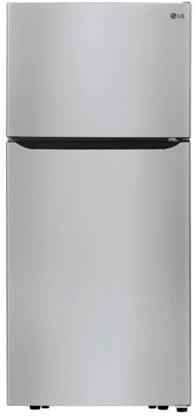
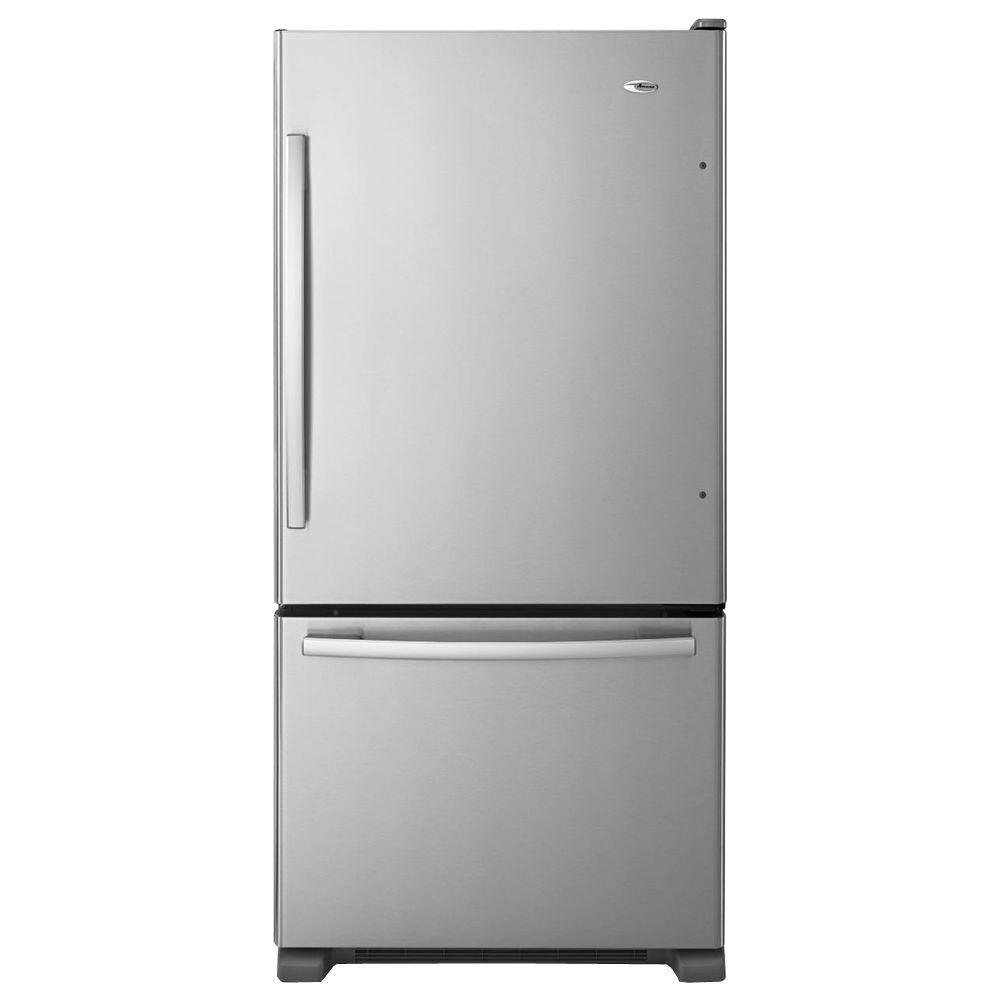
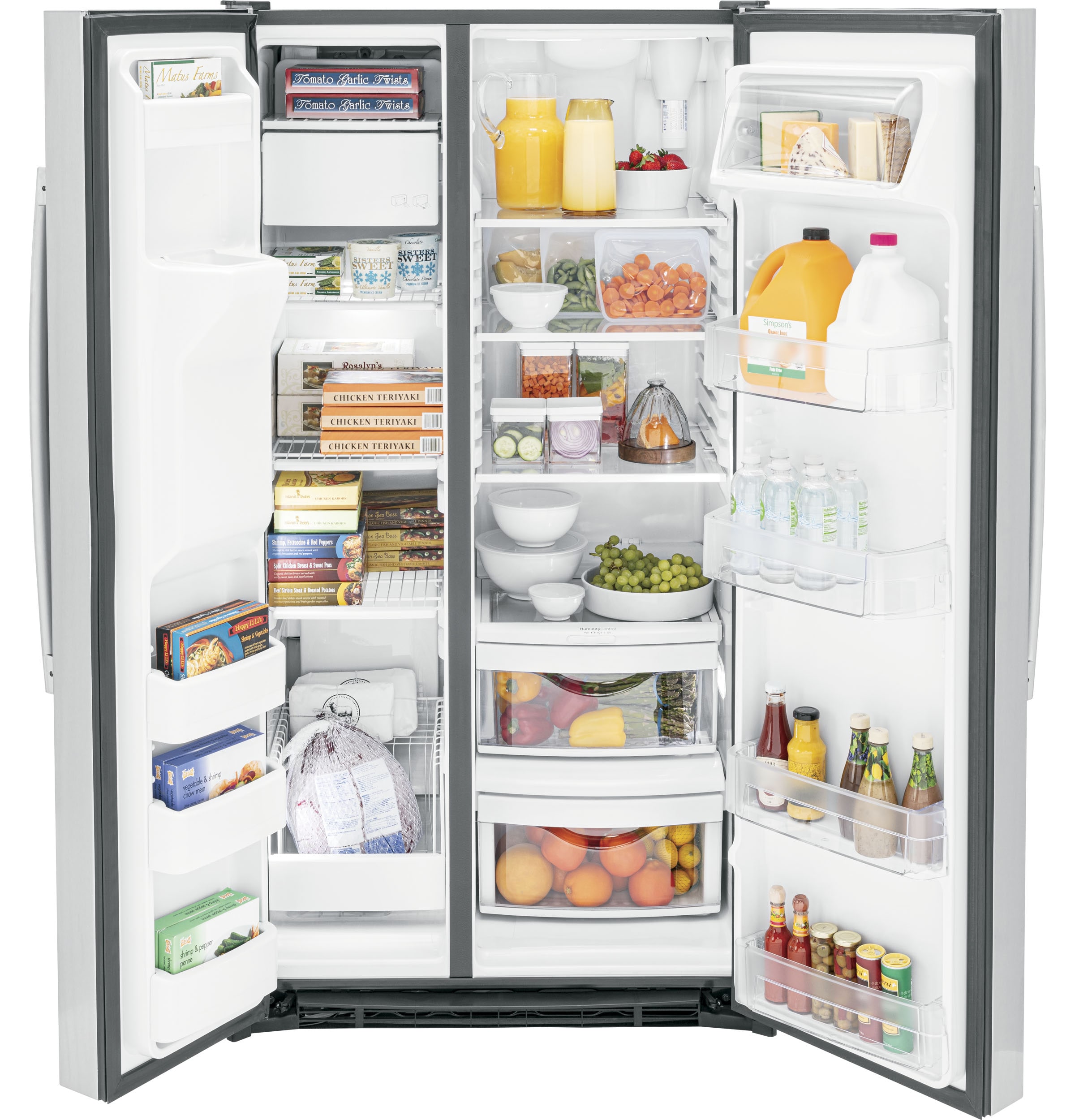
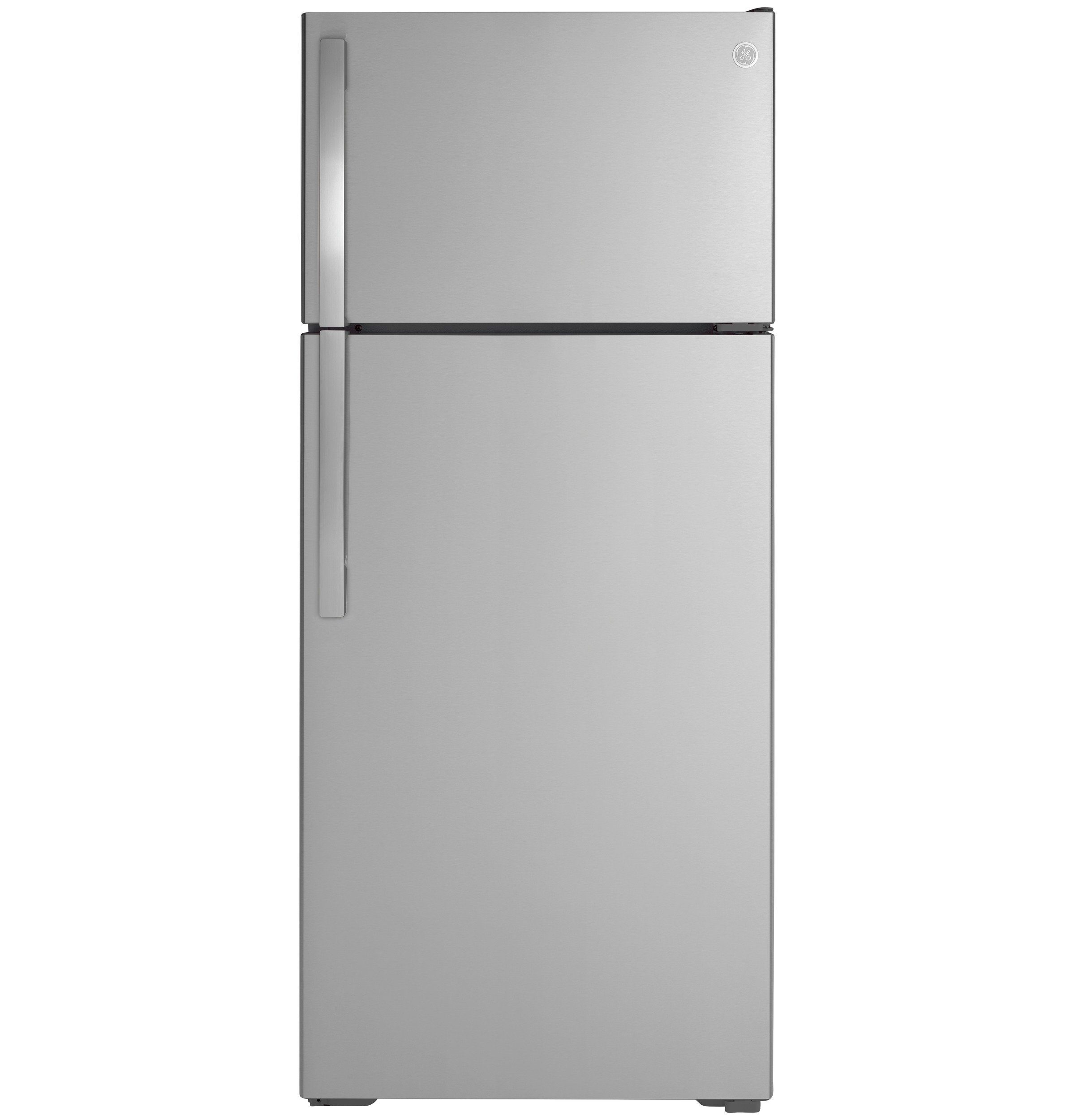
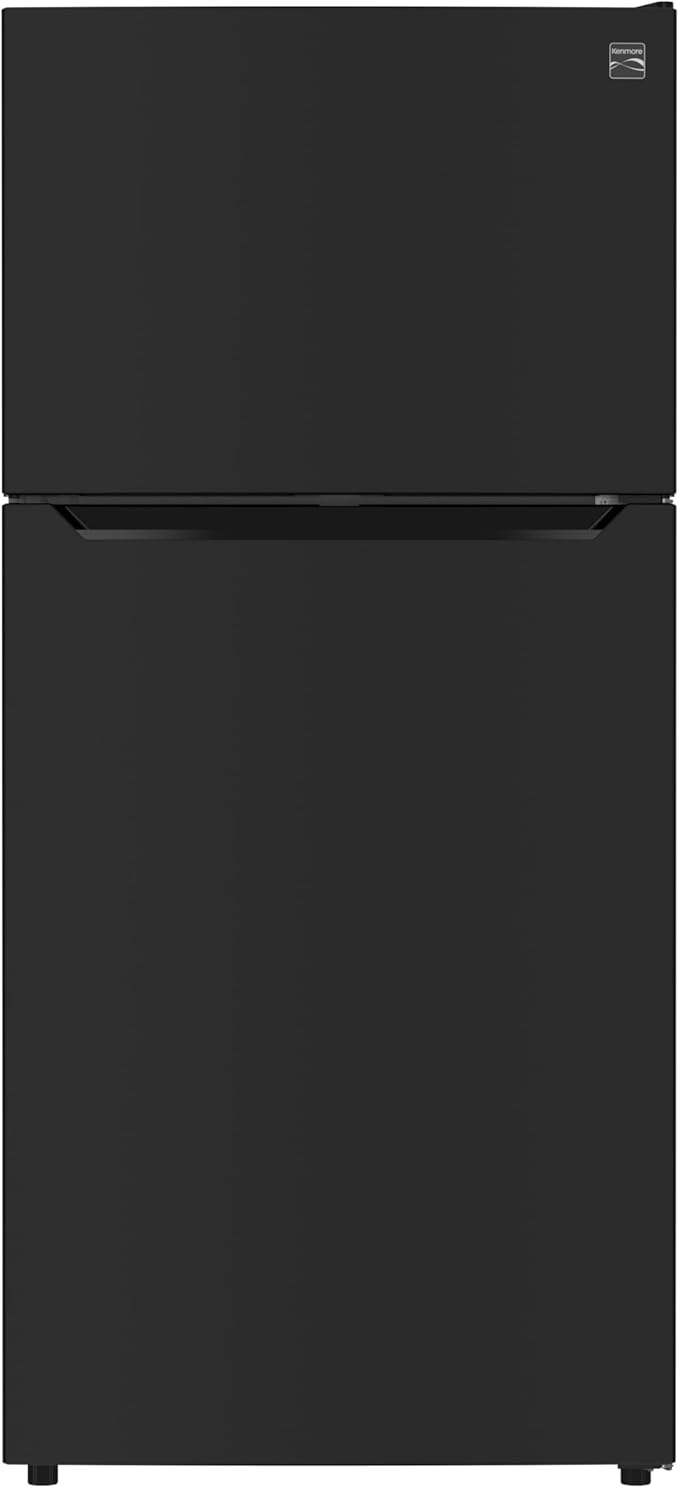
Selecting the right refrigeration system for your mobile home is essential for maintaining food freshness and energy efficiency. Understanding the options available and their respective advantages can help you make an informed decision.
Importance of Selecting the Right Refrigeration System
In a mobile home, space is limited, and energy efficiency is crucial. Choosing the right refrigeration system ensures that your food stays fresh without consuming excessive energy. Additionally, the right fridge can fit seamlessly into your living space, making everyday life more convenient.
Overview of Propane and Electric Refrigerators
When it comes to mobile home refrigeration, you generally have two main options: propane and electric refrigerators. Each type has its own set of characteristics, pros, and cons, making it suitable for different scenarios.
Refrigerator Type
Energy Source
Pros
Cons
Propane
Propane Gas
Efficient in off-grid settings, Lower electricity use
Requires propane supply, Higher initial cost
Electric
Electricity
Consistent cooling, Lower initial cost
Dependent on electricity, Higher energy use
Propane refrigerators use propane gas to generate cooling, making them ideal for off-grid living or areas with unreliable electricity. They are efficient and can run without an electrical connection, but they require a steady supply of propane and generally have higher initial costs.
Electric refrigerators, on the other hand, rely on electricity to run. They provide consistent cooling and are often more affordable upfront. However, they consume more electricity and depend on a stable power supply, which might not be ideal for all mobile home setups.
Understanding the differences between propane and electric refrigerators can help you decide which is best for your mobile home. For more detailed information, you can explore Fridge.com articles on mobile home fridge and mobile home refrigerator propane Vs. electric.
Propane refrigerators operate using a process called absorption refrigeration. This system relies on a combination of heat, ammonia, hydrogen gas, and water to cool the interior. Here’s a simplified breakdown of how it works:
Heat Source: A propane burner provides the heat needed to start the cooling process.
Ammonia Solution: The heat causes the ammonia solution to evaporate in a generator.
Condensation: The ammonia gas then travels to a condenser where it cools and turns back into a liquid.
Evaporation: The liquid ammonia moves to the evaporator. Here, it mixes with hydrogen gas and evaporates, absorbing heat from the refrigerator's interior.
Cooling: The evaporation process absorbs heat, thereby cooling the space inside the refrigerator.
This cycle repeats continuously, maintaining the desired temperature within the fridge.
Pros and Cons of Propane Refrigerators
Understanding the advantages and disadvantages of propane refrigerators can help you decide if they are the right choice for your mobile home.
Pros:
Energy Independence: Propane refrigerators do not rely on electricity, making them ideal for off-grid living or areas with unreliable power sources.
Quiet Operation: Unlike electric refrigerators, propane models have no moving parts, resulting in virtually silent operation.
Efficiency: They can be highly efficient in terms of fuel consumption, especially in well-insulated mobile homes.
Cons:
Fuel Supply: You need a steady supply of propane, which can be inconvenient if you are in remote locations.
Initial Cost: Propane refrigerators can be more expensive upfront compared to their electric counterparts.
Maintenance: Regular maintenance is required to ensure safe and efficient operation, including checking the propane lines and burners.
Feature
Propane Refrigerators
Initial Cost
Higher
Noise Level
Very Low
Maintenance
Regular (propane lines, burners)
For more insights on choosing the best refrigeration system for your mobile home, visit Fridge.com article on mobile home refrigerator propane Vs. electric.
When considering a propane refrigerator, it’s also essential to think about the space available in your mobile home. Check out Fridge.com guide on mobile home fridge size to ensure you select a model that fits your needs.
When considering a refrigeration system for your mobile home, understanding how electric refrigerators work and their advantages and disadvantages is essential. This section will provide insights into the mechanics of electric refrigerators and help you weigh their pros and cons.
How Electric Refrigerators Work
Electric refrigerators operate using a refrigeration cycle that involves a refrigerant, a compressor, a condenser, and an evaporator. Here's a simplified breakdown of the process:
Compression: The compressor compresses the refrigerant, raising its temperature and pressure.
Condensation: The hot, high-pressure refrigerant moves to the condenser coils located at the back or bottom of the fridge. Here, it releases heat and condenses into a liquid.
Expansion: The liquid refrigerant then passes through an expansion valve, where it experiences a drop in pressure and temperature.
Evaporation: The cold, low-pressure refrigerant flows through the evaporator coils inside the fridge, absorbing heat from the interior and cooling the contents. The refrigerant evaporates into a gas and returns to the compressor to repeat the cycle.
Electric refrigerators require a consistent power source, typically from a standard electrical outlet, to maintain the refrigeration cycle.
Pros and Cons of Electric Refrigerators
Electric refrigerators have their own set of advantages and disadvantages, especially when used in mobile homes. Understanding these can help you make an informed decision.
Pros
Consistent Cooling: Electric refrigerators provide steady and reliable cooling, keeping your food at a safe temperature.
Energy Efficiency: Many modern electric refrigerators are designed to be energy-efficient, reducing your overall power consumption.
Ease of Use: Electric refrigerators are straightforward to operate, with simple controls for temperature adjustment.
Variety of Sizes and Features: Electric refrigerators come in various sizes and styles, offering additional features such as adjustable shelves, ice makers, and digital displays.
Cons
Dependence on Power Source: Electric refrigerators require a continuous electrical supply, which can be a limitation in areas with power outages or when boondocking.
Higher Initial Cost: Electric refrigerators can have a higher upfront cost compared to propane options.
Limited Mobility: The need for a power outlet can restrict the placement and mobility of the refrigerator within your mobile home.
Factor
Electric Refrigerators
Cooling Consistency
High
Ease of Use
High
Initial Cost
Moderate to High
Mobility
Limited by power source
For more information on mobile home fridge options and to explore different types of refrigerators suitable for mobile living, visit Fridge.com articles on mobile home fridge freezer combo and mobile home refrigerator.
Understanding the mechanics and weighing the pros and cons of electric refrigerators will help you determine if they are the right choice for your mobile home refrigeration needs.
When choosing between a propane and electric refrigerator for your mobile home, several factors come into play. These include energy efficiency, cost comparison, and installation and maintenance requirements.
Energy Efficiency
Energy efficiency is a crucial consideration for mobile home refrigerators. Propane refrigerators rely on a gas absorption process, which can be less efficient compared to electric compressors. However, propane units can be advantageous in off-grid situations where electricity is limited.
Refrigerator Type
Energy Source
Efficiency (BTU/kWh)
Propane
Propane Gas
1,400 - 1,500 BTU per gallon
Electric
Electricity
0.5 - 1 kWh per day
For those interested in energy-efficient options, check out Fridge.com article on mobile home freezer.
Cost Comparison
Cost is another significant factor. Initial purchase costs, ongoing operating expenses, and potential savings should be considered.
Expense Type
Propane Refrigerator
Electric Refrigerator
Initial Purchase
$500 - $1,000
$200 - $800
Monthly Operating Cost
$15 - $30
$5 - $15
Maintenance Cost
Moderate
Low
For deals and discounts, visit mobile home fridges on sale.
Installation and Maintenance
Installation and maintenance requirements differ between propane and electric refrigerators. Propane units often require proper ventilation and regular checks for gas leaks, while electric units are generally easier to install and maintain.
Factor
Propane Refrigerator
Electric Refrigerator
Installation Complexity
High
Low
Ventilation Required
Yes
No
Maintenance Frequency
Regular
Occasional
For more detailed comparisons, visit mobile home refrigerator propane Vs. electric.
Understanding these factors can help you make an informed decision when choosing the best refrigerator for your mobile home. For more on mobile home refrigeration, check out Fridge.com guide on mobile home fridge freezer combo.
Suitability for Mobile Homes
When choosing between propane and electric refrigerators for your mobile home, it's crucial to consider various factors to ensure you make the best decision for your living situation.
Considerations for Mobile Home Living
Living in a mobile home often means dealing with unique challenges and constraints not present in traditional homes. Mobility, limited space, and energy efficiency are key considerations. Your choice of refrigerator should align with these specific needs.
Mobility: If you frequently move your mobile home, a propane refrigerator might be more suitable due to its independence from an electrical grid. Electric refrigerators, however, might require a reliable power source or generator.
Energy Efficiency: Energy efficiency is crucial in a mobile home to manage power consumption. Propane refrigerators can be more energy-efficient in off-grid scenarios, while electric refrigerators may be more efficient if connected to a stable power supply.
Temperature Control: Mobile homes can experience varying temperatures. Propane refrigerators can maintain consistent cooling in fluctuating conditions, while electric models might require more stable conditions.
Space and Size Requirements
Space and size are critical when selecting a refrigerator for your mobile home. It's essential to choose a model that fits your available space and meets your storage needs.
Dimensions: Measure the space where you plan to install the refrigerator. Consider models specifically designed for mobile homes, which are often more compact.
Capacity: Assess your storage requirements. If you need more storage, you might opt for a mobile home fridge freezer combo to maximize your space efficiently.
Refrigerator Type
Typical Dimensions (inches)
Capacity (cu ft)
Propane Refrigerator
23-25 W x 60-64 H x 24-26 D
6-9
Electric Refrigerator
24-28 W x 60-65 H x 25-28 D
8-12
Choosing the right size ensures you have enough room for your groceries while fitting seamlessly into your mobile home. For more insights on different sizes, visit Fridge.com guide on mobile home fridge size.
By considering these factors, you can make an informed decision between a propane and electric refrigerator that best suits your mobile home lifestyle. For further reading, check out Fridge.com detailed comparison on mobile home refrigerator propane Vs. electric.
When choosing between a propane and an electric refrigerator for your mobile home, it's crucial to evaluate your specific needs and weigh the pros and cons of each option.
Evaluating Your Needs
Understanding your lifestyle and requirements is the first step in making an informed decision. Here are some questions to consider:
How often do you travel?
Is your mobile home frequently off the grid?
What is your budget for initial purchase and ongoing costs?
How much space do you have available for the refrigerator? (Refer to Fridge.com guide on mobile home fridge size)
These questions will help you determine which type of refrigerator better suits your lifestyle and preferences.
Weighing the Pros and Cons
Both propane and electric refrigerators have distinct advantages and disadvantages. The table below provides a comparison to help you make an informed choice:
Feature
Propane Refrigerator
Electric Refrigerator
Initial Cost
Generally higher
Typically lower
Operating Cost
Cost of propane
Cost of electricity
Maintenance
Requires periodic checks for gas leaks and burner functionality
Minimal maintenance required
Suitability
Ideal for off-grid living
Best for areas with reliable electricity
Space Requirements
Varies, check mobile home fridge size
Varies, check mobile home fridge size
Consider your energy sources and how they align with your lifestyle. If you frequently travel to remote areas, a propane refrigerator might be more suitable. However, if you have consistent access to electricity, an electric refrigerator could be more cost-effective and convenient.
For more information on various refrigerator options, visit Fridge.com articles on mobile home refrigerator propane Vs. electric and mobile home refrigerator gas and electric.
By carefully evaluating your needs and weighing the pros and cons, you can select the best refrigerator for your mobile home, ensuring that it meets your requirements and enhances your mobile living experience.
Compare prices on Fridge.com
Compare current prices and specifications on Fridge.com, then buy from the retailer you choose; delivery, installation and warranty terms are the retailer’s.
It also has tons of awesome articles about kitchen stuff and home news. Enhance your home, garage, backyard, patio, and office with the coolest essentials. With every necessary type of residential refrigerator or freezer in the collection, you're covered.
Free tool
Energy Cost Calculator
Free interactive tool from Fridge.com — get a quick answer while you read.