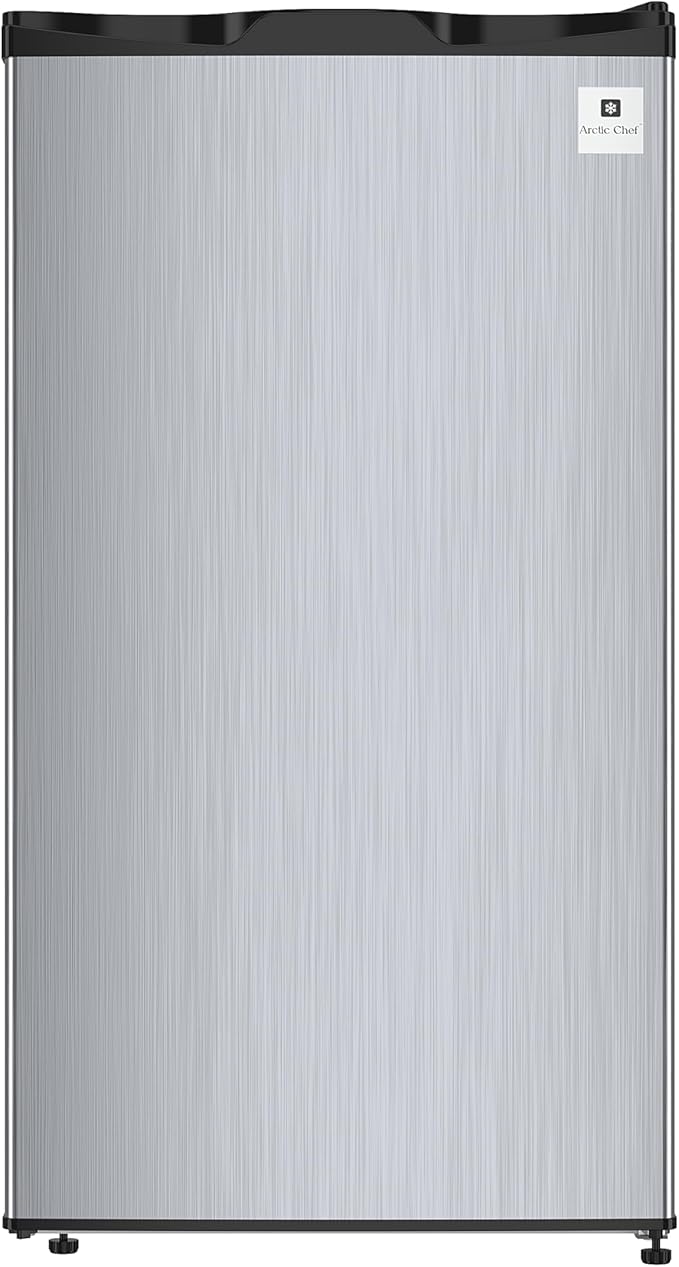
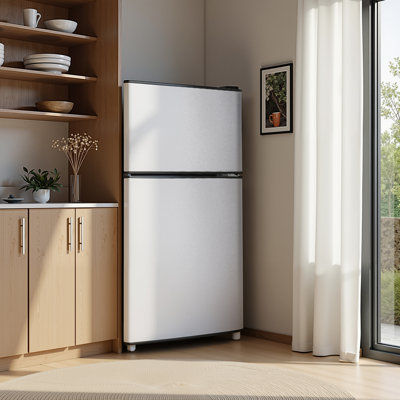
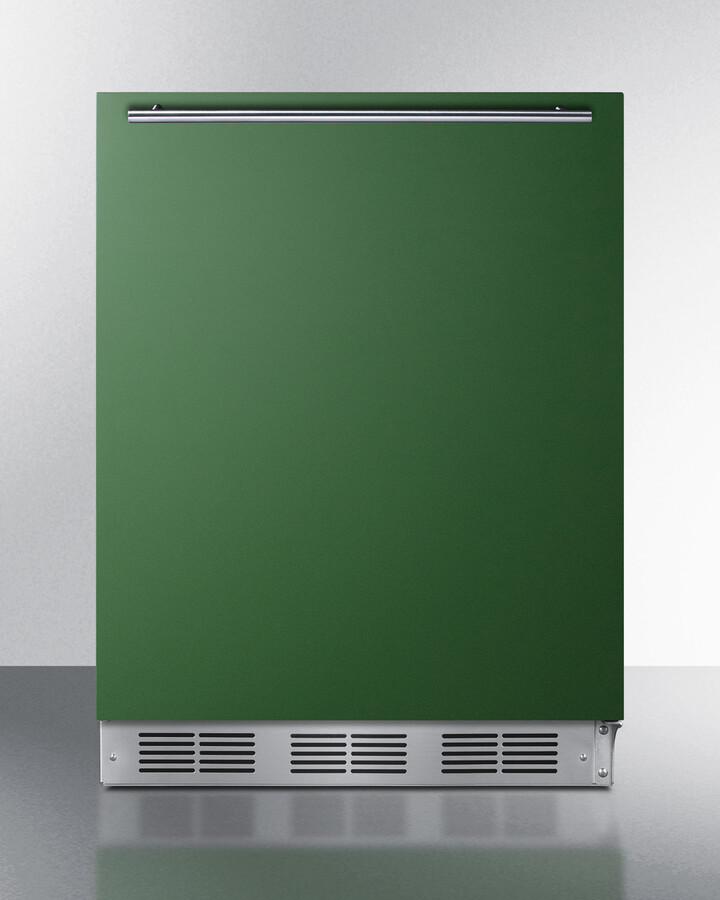
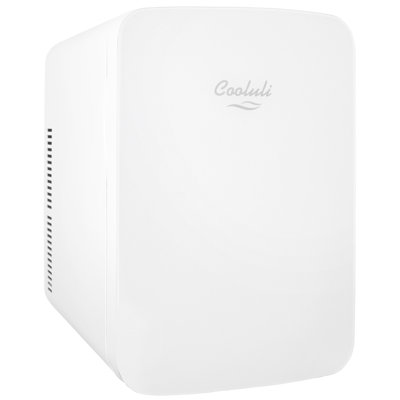
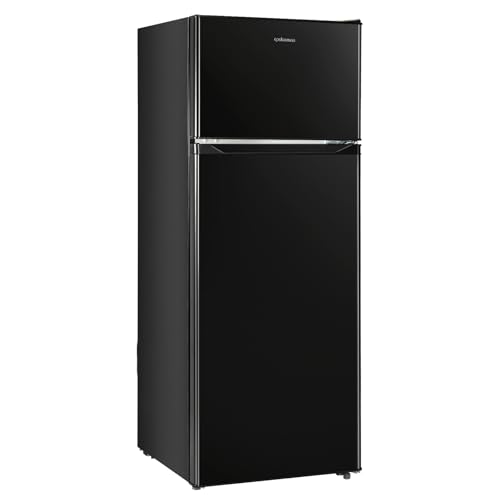
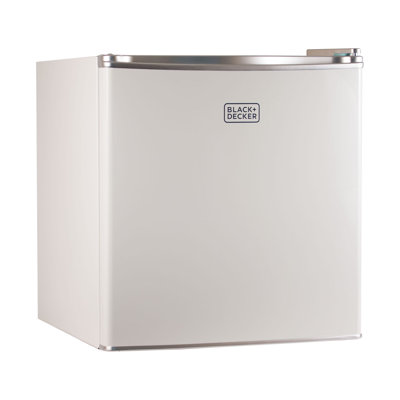
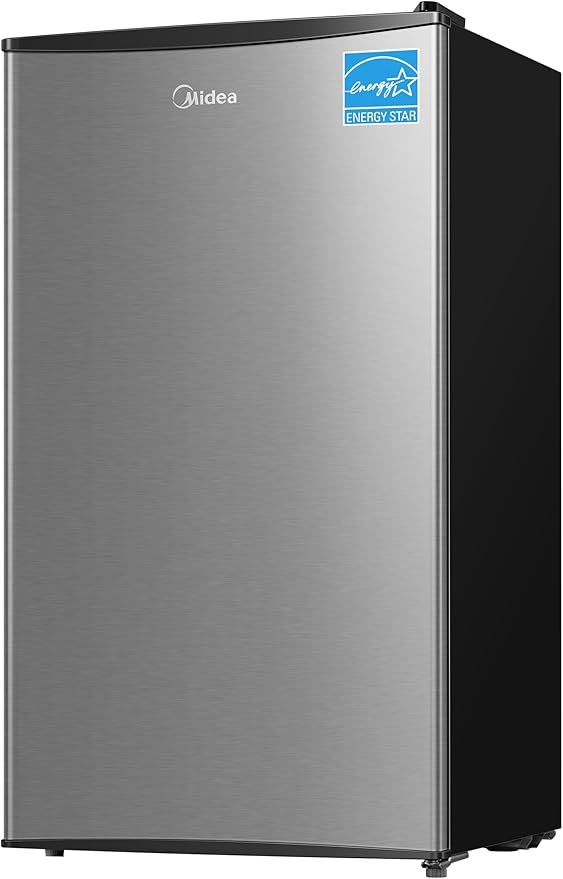
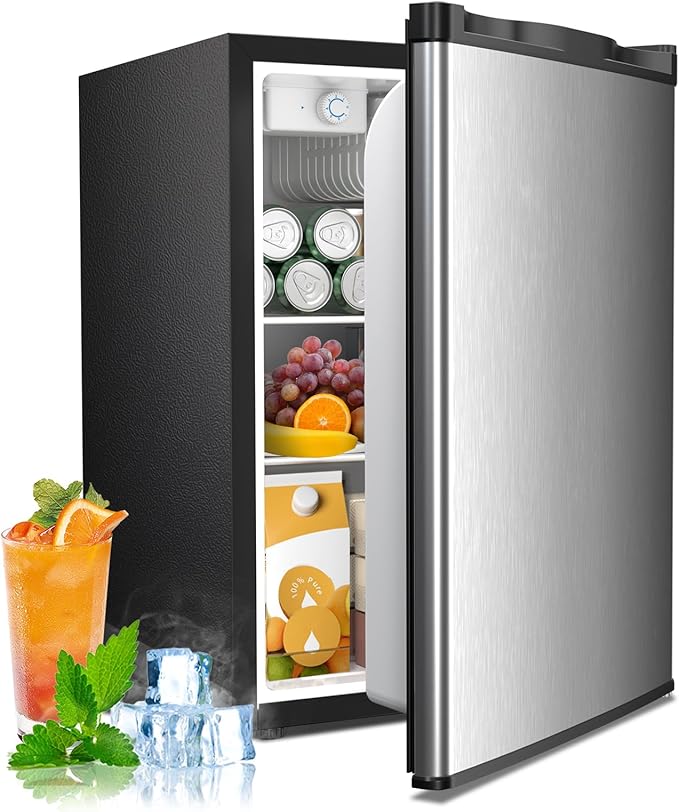
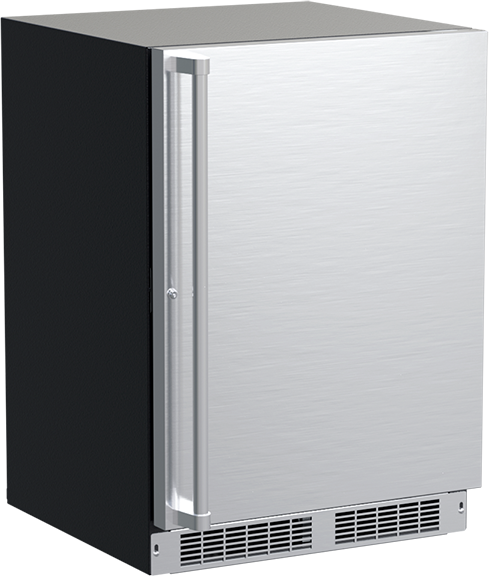
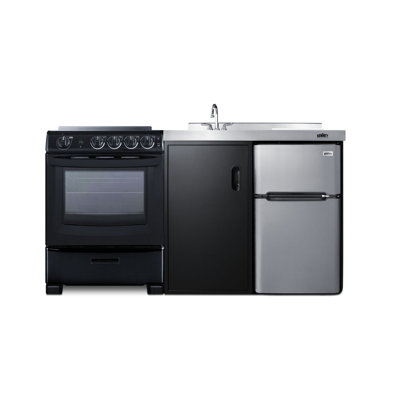
A mini freezer keeps food frozen at 0°F (-18°C) or below for long-term storage, while a mini fridge holds food and beverages at 35°F to 40°F (1.6°C to 4.4°C) — cold, but never frozen.
A mini freezer averages 300 to 400 kWh per year ($30 - $60) versus 200 to 300 kWh ($25 - $50) for a mini fridge, because holding 0°F demands more work than holding 35°F to 40°F.
Small compartment (0.3 - 0.7 cu ft).
The mini fridge is the more versatile of the two — it handles the items most people access multiple times daily, and its small freezer compartment covers basic ice needs.
A mini freezer keeps food frozen at 0°F (-18°C) or below for long-term storage, while a mini fridge holds food and beverages at 35°F to 40°F (1.6°C to 4.4°C) — cold, but never frozen. They are the two smallest standalone cold-storage appliances you can buy, and the choice between them comes down to which temperature zone you need in a given space: a mini freezer for frozen meals, meats, ice cream, and ice reserves; a mini fridge for drinks, snacks, dairy, produce, and leftovers.
Mini Freezer Vs. Mini Fridge: A Comparison
Feature
Mini Fridge
Mini Freezer
Temperature
35 - 40°F
0°F and below
Stores
Drinks, snacks, dairy, produce, leftovers
Frozen meals, meats, ice cream, ice
Capacity
1.5 - 4.5 cu ft
1.1 - 5 cu ft
Freezer Section
Small compartment (0.3 - 0.7 cu ft)
Entire unit is frozen
Fresh Food Space
Entire unit (minus freezer compartment)
None
Mini freezers are solely focused on keeping your foods frozen. They are ideal for long-term storage of meats, frozen meals, ice cream, and other items that require a temperature at or below freezing to stay preserved. Mini fridges are designed to keep food and beverages cold, but not frozen — fresh produce, dairy, drinks, and other perishables that need refrigerated temperatures.
Appliance Type
Ideal For
Mini Freezer
Long-term storage of frozen goods
Mini Fridge
Keeping perishables and beverages cold
The mini fridge is the more versatile of the two — it handles the items most people access multiple times daily, and its small freezer compartment covers basic ice needs. The mini freezer is the more specialized: it is typically a supplemental appliance, added when the freezer section of your main refrigerator overflows, rather than a primary one.
Most mini fridges include a small freezer compartment of roughly 0.3 to 0.7 cubic feet — enough for a few ice trays, a pint of ice cream, or one or two frozen meals. These compartments often do not reach the 0°F of a standalone mini freezer and can have varying degrees of effectiveness in actually freezing products.
Can you keep frozen food in a mini fridge? Only briefly and only in that freezer compartment. Because the compartment frequently runs warmer than 0°F, it is not suitable for long-term frozen storage — use it for ice and short-term items, and rely on a true mini freezer for anything you intend to keep frozen for weeks or months. For insights into how the freezing compartment in a fridge compares to a true freezer, check out convertible freezer vs. white refrigerator.
Mini freezers and mini fridges vary in size and, consequently, in their storage capabilities. Typically, mini freezers provide no space for fresh food and are designed purely for frozen goods, while mini fridges devote nearly all their volume to refrigeration.
Appliance Type
Average Height
Average Width
Average Depth
Storage Volume
Mini Freezer
32 inches
20 inches
20 inches
1.5 to 3 cubic feet
Mini Fridge
34 inches
24 inches
24 inches
2 to 4.5 cubic feet
Assessing Your Needs
To choose between the two, match the appliance to what you actually store. Ask yourself:
How much space do I have available for the appliance?
What is the primary purpose of the appliance (e.g., beverages, frozen foods, leftovers)?
How frequently do I shop for groceries, and how much do I buy at one time?
Will I need to store large or bulky items that require more space?
If your goal is to stockpile frozen foods such as meats or bulk-prepared meals, a mini freezer is more suitable. If you need a balance between fresh and frozen storage, a mini fridge with a freezer compartment is more versatile. For further comparisons across settings, see built in refrigerator vs. refrigerator freezer combo.
Temperature Control
Cooling Mechanisms
Both mini freezers and mini fridges use the same cooling mechanism: a refrigerant passes through coils to remove heat from the interior compartment, lowering the temperature. In a mini fridge, the temperature is maintained above freezing to keep food and drinks cold without freezing them.
Appliance Type
Temperature Range
Mini Fridge
32°F to 40°F
Mini Freezer
0°F and below
Look for a mini fridge with adjustable thermostat settings so you can tailor the cooling to what you store — particularly useful if you keep a mix of items that need different temperatures.
Freezing Capabilities
Mini freezers operate at 0°F or below, the standard for safe long-term preservation of food items such as meats, frozen meals, and ice cream. A freezer's temperature control is geared toward maintaining a consistent freezing environment, which is not suitable for fresh produce or beverages you do not wish to freeze.
Mini fridges typically feature 1 to 3 shelves plus compartments that cater to different storage needs: adjustable shelving to customize the interior layout, door bins for beverages and condiments, and crisper drawers to maintain the freshness of fruits and vegetables. The layout handles mixed items — bottles upright, containers stacked, cans in door bins.
Feature
Mini Fridge
Mini Freezer
Adjustable Shelves
Yes
Less common
Door Bins
Yes
No
Crisper Drawers
Yes
No
Can Dispensers
Often included
No
For more insights on optimizing your fridge's organization, explore Fridge.com guide on office refrigerator vs. side by side refrigerator.
Freezer Drawers vs. Fridge Shelves
Mini upright freezers focus on maximizing freezing space with 1 to 3 shelves, and some models add freezer drawers that provide organized layers for different frozen goods. Door bins and crispers are absent, as they are irrelevant in a freezing environment. The organizational challenge is simpler: frozen meal boxes stack, ice cream pints line up, meat packages layer.
Power consumption depends on size, insulation, temperature settings, and usage patterns. Freezers generally require more energy to hold their colder temperatures, though the gap is modest because a freezer benefits from simpler single-zone operation while a mini fridge may also power a small freezer compartment.
Appliance Type
Average Power Consumption (kWh/year)
Mini Freezer
300 - 400
Mini Fridge
200 - 300
To optimize energy use, choose a model with adjustable thermostat settings and a high energy star rating, and avoid placing the unit where it must fight high ambient temperatures — near a stove or in direct sunlight. A full freezer or fridge also operates more efficiently than an empty one, because the cold items help maintain the internal temperature and reduce the compressor's workload.
Environmental Impact
Environmental impact is measured not only by power consumption but also by refrigerant and insulation materials. Modern appliances use eco-friendly refrigerants with lower global warming potential (GWP) and ozone depletion potential (ODP). Proper disposal at end of life matters too: recycling programs keep harmful substances out of the environment and recover valuable materials. For more environmentally conscious choices, see blue refrigerator vs. energy efficient refrigerator
Upfront cost varies with size, brand, and features. Mini freezers generally carry a slightly higher price tag because 0°F freezing capability is more expensive to manufacture than fridge-temperature cooling.
Appliance Type
Average Price Range
Mini Fridge
$100 - $300
Mini Freezer
$150 - $400
Across the full market, prices tier out as follows:
Type
Budget
Mid-Range
Premium
Mini Fridge
$60 - $150
$150 - $300
$300 - $500
Mini Freezer (upright)
$80 - $200
$200 - $350
$350 - $600
Long-Term Expenses
Long-term expenses include energy consumption, maintenance, and potential repairs. Freezers typically cost slightly more per year to run:
Appliance Type
Average Annual Energy Cost
Mini Fridge
$25 - $50
Mini Freezer
$30 - $60
These figures vary with energy efficiency, usage patterns, and electricity rates. Regular maintenance — defrosting, cleaning, keeping the appliance well-ventilated, and periodically checking the door seal — extends the lifespan and prevents costly repairs.
Noise and Lifespan
Both appliances run at 35 to 45 decibels. Budget models at the louder end can be noticeable in quiet bedrooms — choose a model rated 38 dB or below for sleep-adjacent placement.
Mini fridges last 4 to 8 years on average; mini freezers last 5 to 10 years. The freezer's slightly longer average lifespan reflects its simpler single-zone operation, with no dual fridge/freezer system to manage.
Mini Fridge Freezer Combo: Getting Both in One Unit
A mini fridge with a freezer compartment — the most common configuration — gives you a small amount of both: mostly fridge, with a tiny 0.3 to 0.7 cubic foot freezer. This is the most practical single unit for personal use, such as a dorm room. If you need serious frozen capacity beyond what that compartment can provide, add a standalone mini freezer alongside the mini fridge.
Measure the appliance's dimensions against the installation area, allowing clearance on all sides — especially the back and top — for the air circulation the compressor needs to run efficiently.
Appliance Type
Average Width
Average Depth
Average Height
Recommended Clearance (Sides & Top)
Recommended Clearance (Back)
Mini Freezer
18-24 in
17-26 in
18-33 in
1-2 in
2-3 in
Mini Fridge
17-24 in
18-25 in
19-34 in
1-2 in
2-3 in
Ideal Locations
Common installation sites include:
Kitchenettes: Both appliances add extra food-storage space.
Offices: A mini fridge keeps beverages and snacks within reach during the workday.
Entertainment Areas: Either appliance works in a home bar or entertainment space.
Dorm Rooms: A mini fridge with a small freezer compartment balances refrigeration and freezing for students.
Garages and Workshops: Suitable for overflow storage provided the space is insulated and temperature-controlled; a garage without climate control forces higher energy consumption in temperature extremes.
The mini fridge is usually the first compact appliance purchased for a personal space, because cold drinks and fresh food are needed more universally than dedicated frozen storage; the mini freezer is more commonly added later, when the main kitchen freezer overflows.
Wherever you place the unit, ensure a suitable power outlet is nearby and avoid extension cords, which are a fire hazard. Consider how the door swing affects movement in the space, and choose a model with a reversible door if necessary.
Maintenance and Cleaning
Defrosting Process
Frost accumulating on freezer walls reduces efficiency, so periodic defrosting is essential for a mini freezer:
Unplug the appliance to begin the defrosting process.
Remove all items from the freezer.
Place towels around the unit to absorb melting ice.
Allow ice to melt naturally, or use a plastic scraper to gently remove frost.
Once defrosted, wipe the interior with a mild detergent solution.
Dry the compartment thoroughly before plugging the appliance back in and restocking it.
Cleaning Tips and Tricks
Frequency: Clean your appliance every 1-2 months or as needed.
Supplies: Use a soft cloth, mild detergent, and warm water.
Interior: Remove shelves and drawers, and wash them separately.
Exterior: Wipe down the outside with a damp cloth and dry immediately to avoid streaks.
Odor Prevention: Place an open box of baking soda inside to absorb potential odors.
Gasket Care: Clean the door seals regularly to ensure a tight closure and prevent energy loss.
Buy a mini fridge as your first compact appliance for any personal space — bedroom, dorm, office, or guest room. It covers the broadest range of daily cold-storage needs: drinks, snacks, fresh food, and a bit of ice from the freezer compartment.
Buy a mini freezer when you specifically need more frozen capacity than your existing setup provides — more frozen meals, more meat storage, more ice cream, more ice. The best mini freezer for most homes is an upright model in the 1.5 to 3 cubic foot range with a fast freeze option, sized to supplement the temperature zone your other appliances do not cover adequately.
FAQ
Do mini fridges have a freezer?
Most do — a small compartment of about 0.3 to 0.7 cubic feet, suitable for ice trays and one or two frozen items. It is a compartment inside the fridge, not a separate 0°F zone, and it often runs warmer than a true freezer.
Can you keep frozen food in a mini fridge?
Only in the freezer compartment, and only short term. Because these compartments frequently do not hold 0°F, food stored there for weeks can degrade. For long-term frozen storage, use a standalone mini freezer that maintains 0°F or below.
Is there a mini fridge freezer combo?
Yes — the standard mini fridge with a built-in freezer compartment is the combo configuration, and 2-door mini refrigerators around 4.5 cubic feet separate the fridge and freezer sections behind their own doors for better temperature stability in each zone.
Does a mini freezer use more electricity than a mini fridge?
Slightly. A mini freezer averages 300 to 400 kWh per year ($30 - $60) versus 200 to 300 kWh ($25 - $50) for a mini fridge, because holding 0°F demands more work than holding 35°F to 40°F.
How loud are mini fridges and mini freezers?
Both run at 35 to 45 decibels. For a bedroom or other quiet space, pick a model rated 38 dB or lower.
How long do mini fridges and mini freezers last?
A mini fridge lasts 4 to 8 years on average; a mini freezer lasts 5 to 10 years, thanks to its simpler single-zone operation.
Should I buy a mini freezer or a mini fridge first?
Buy the mini fridge first — it serves drinks, snacks, and fresh food, the items accessed most often. Add a mini freezer later if your frozen-storage needs outgrow the fridge's small compartment.
Compare prices on Fridge.com
Compare current prices and specifications on Fridge.com, then buy from the retailer you choose; delivery, installation and warranty terms are the retailer’s.
From Fridge.com research
Figures below come from data Fridge.com builds and maintains. Each links to the record behind it.
Fridge.com Energy Index, built on U.S. EPA and DOE ENERGY STAR records
Across 1,728 ENERGY STAR certified compact refrigerator models, median use is 246 kWh per year — 11% better than the federal standard.