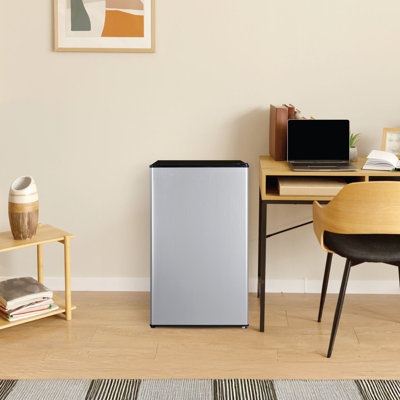
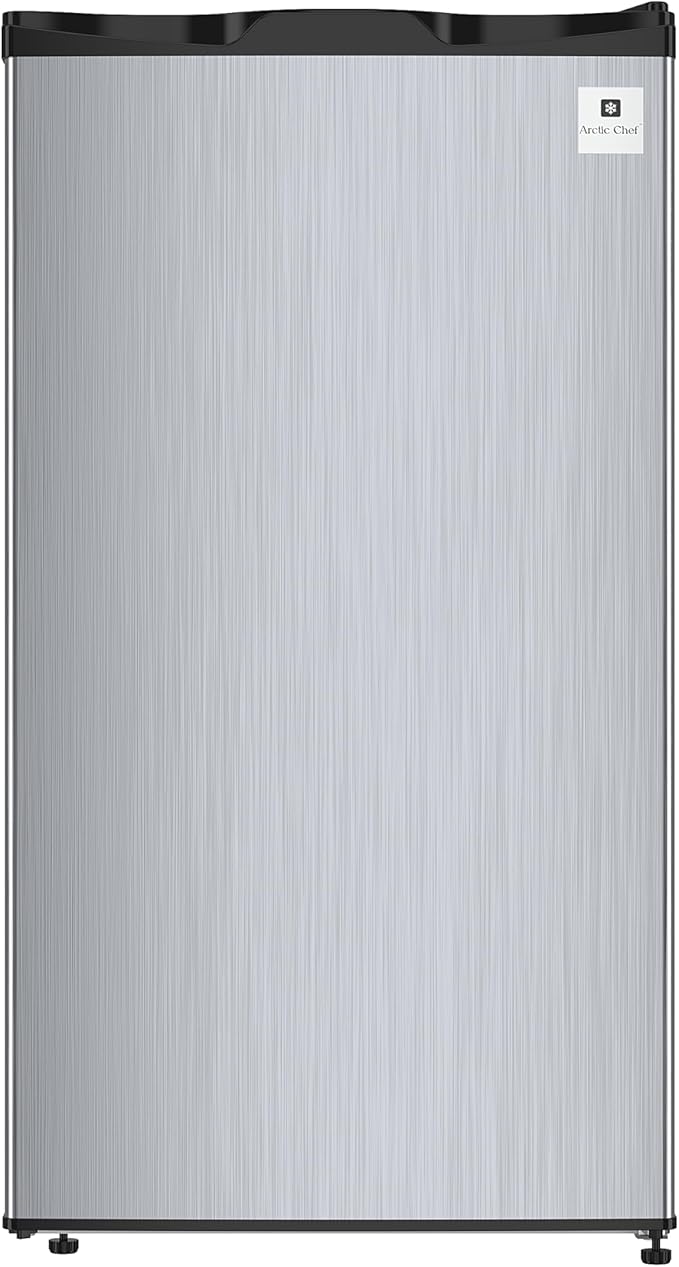
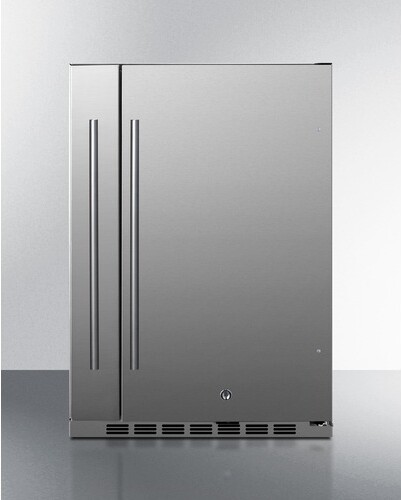
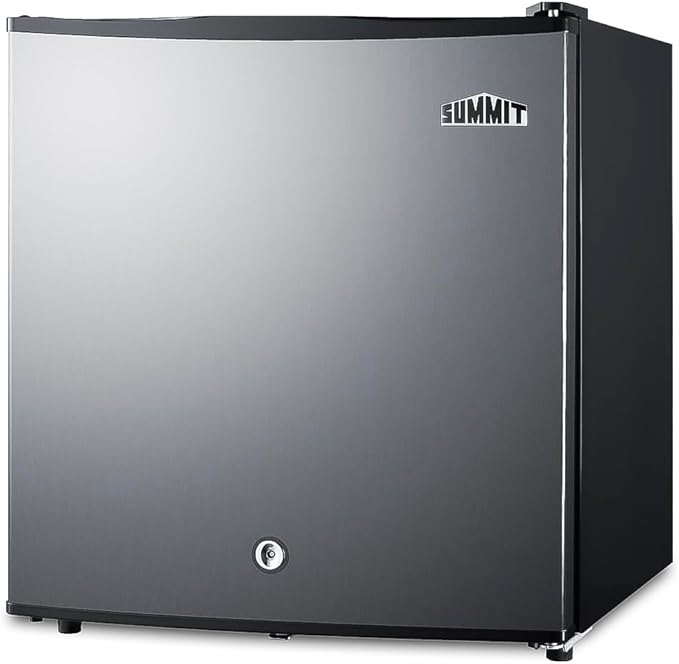
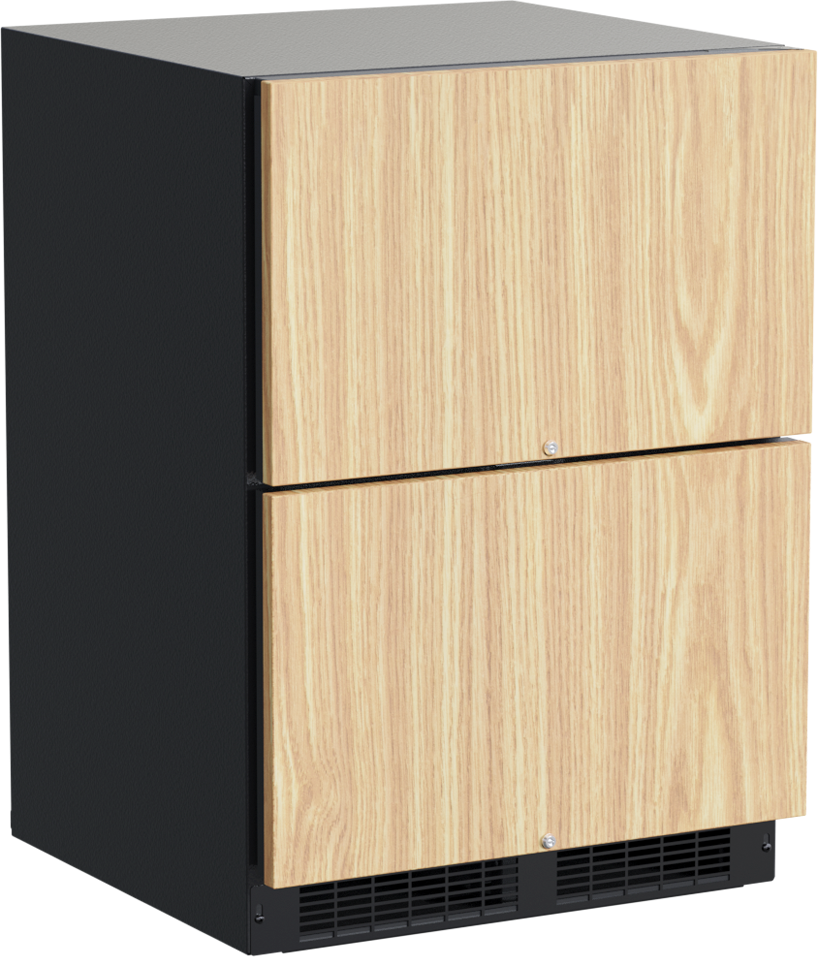
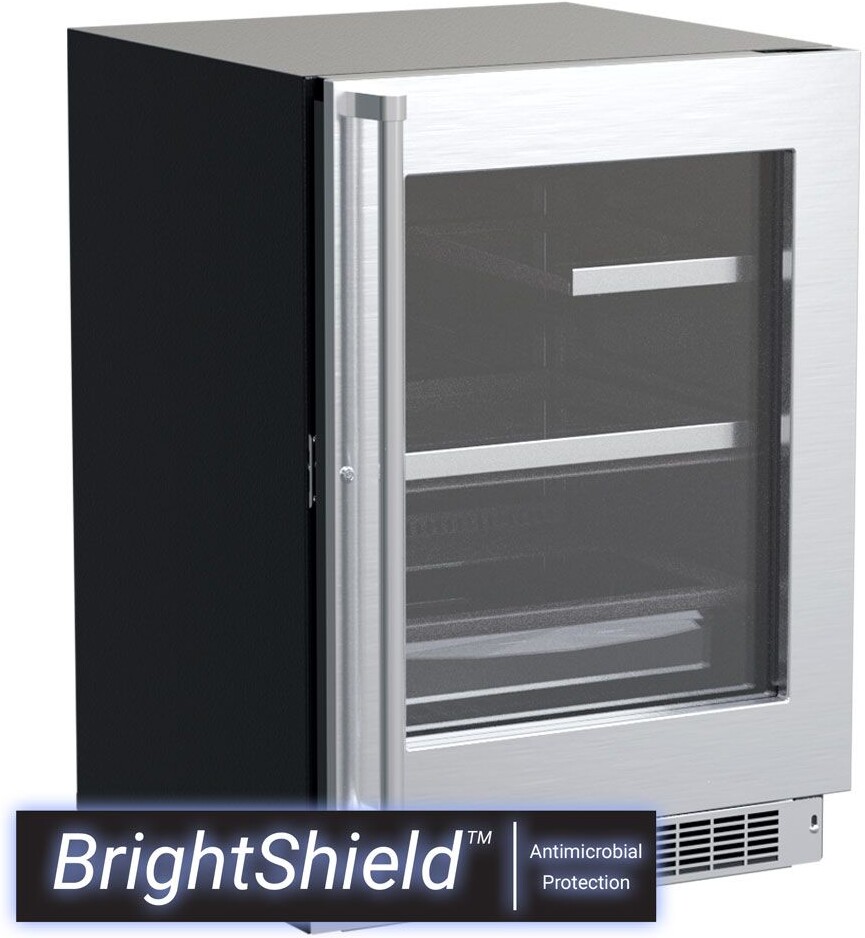
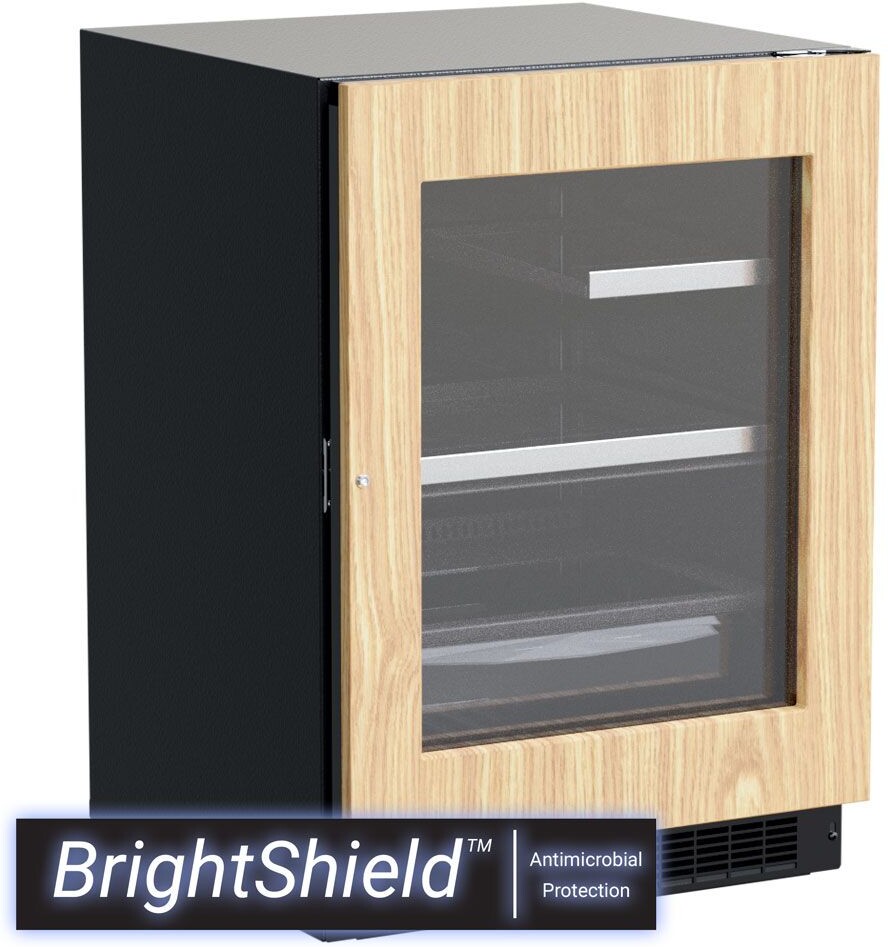
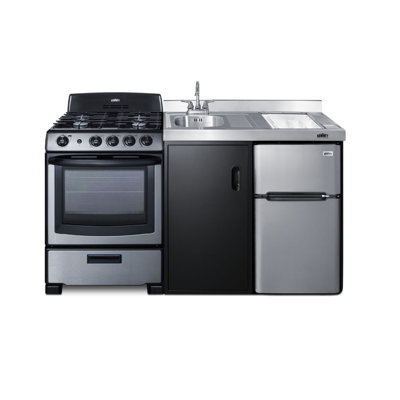
The ideal temperature for a freezer is at or below 0°F (-18°C).
The recommended temperature range for a refrigerator is between 32°F (0°C) and 40°F (4°C) — enough to slow bacterial growth and keep food fresh for daily use.
A compact freezer should stay at 0°F (-18°C) or below; a mini fridge should stay between 32°F (0°C) and 40°F (4°C).
Compact freezers run 1.5–5 cubic feet and typically cost $100–$600; mini fridges run 1.7–4.5 cubic feet and cost $80–$350.
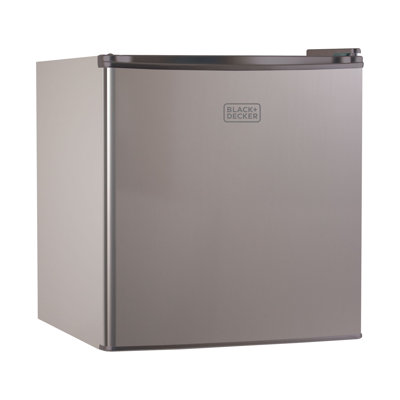
A compact freezer keeps food at 0°F (-18°C) or below for long-term frozen storage, while a mini fridge holds perishables between 32°F (0°C) and 40°F (4°C) for everyday use. Compact freezers run 1.5–5 cubic feet and typically cost $100–$600; mini fridges run 1.7–4.5 cubic feet and cost $80–$350. The right choice comes down to whether you need dedicated freezing power or convenient day-to-day chilling — and this guide breaks down every difference that matters.
Quick Side-by-Side Comparison
Feature
Compact Freezer
Mini Fridge
Operating temperature
0°F (-18°C) or below
32°F (0°C) to 40°F (4°C)
Typical capacity
1.5 - 5 cu ft
1.7 - 4.5 cu ft
Primary use
Long-term frozen storage
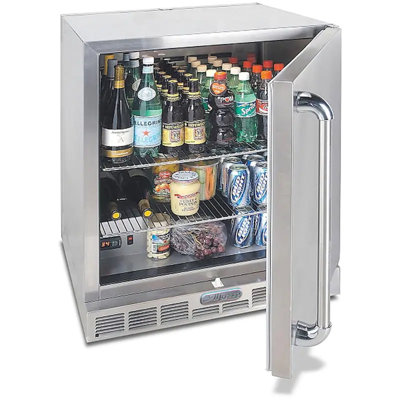
Food and beverage cooling
Freezer included
Always — it is the freezer
Sometimes (small compartment)
Typical price range
$100 - $600
$80 - $350
Annual energy use
200 - 400 kWh
150 - 350 kWh
Understanding Your Cooling Needs
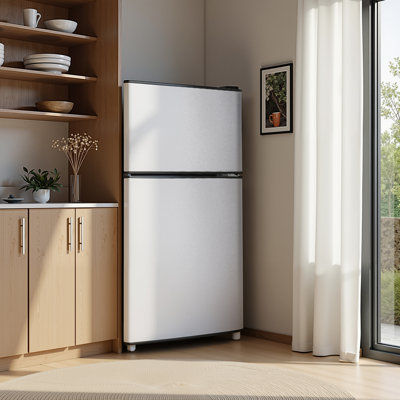
A compact freezer is designed for long-term storage of frozen items — meats, frozen vegetables, and ice cream. A mini fridge handles everyday items like drinks, fresh fruits, leftovers, and snacks. If your needs involve both refrigeration and freezing, a mini fridge with a freezer compartment covers both jobs, but these compartments offer limited space and may not maintain temperatures as low as a dedicated compact freezer.
Factors to Consider Before Making a Choice
Space: Measure the area first — compact freezers tend to run deeper (20–26 inches) than mini fridges (18–24 inches) because of extra insulation.
Usage: For items you reach for daily, a mini fridge is more convenient; a compact freezer suits items you access less often.
Cost: Compact freezers cost more upfront but can save money over time by enabling bulk purchases of frozen goods.
Energy Efficiency: Compact freezers consume more power than mini fridges because they must hold lower temperatures.
Portability: Mini fridges are typically lighter and easier to move than compact freezers.
Compact freezers and mini fridges come in various dimensions which can significantly impact where they can be placed in your home, office, or any other location.
The interior space, measured in cubic feet, determines how much food and beverages you can store.
Appliance Type
Capacity (cubic feet)
Compact Freezer
1.5 - 5
Mini Fridge
1.7 - 4.5
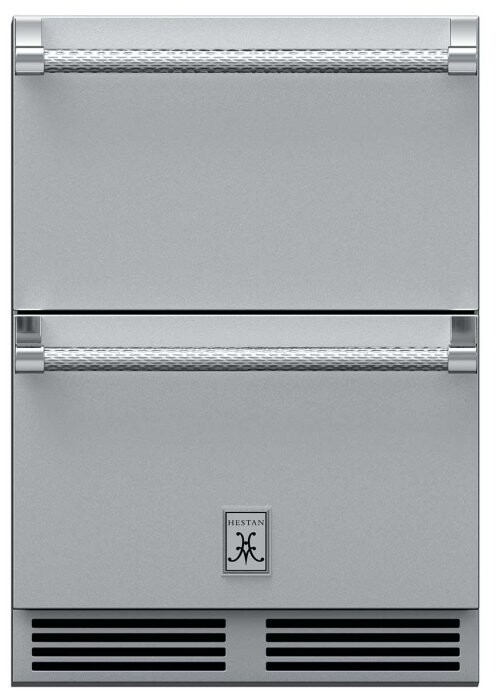
Compact freezers dedicate all of their space to freezing, making them ideal for long-term storage of frozen goods. Mini fridges may include a small freezer compartment, but primarily provide space for refrigerated items. If you're considering other refrigeration storage solutions, exploring drawer refrigerator vs. mini fridge with freezer or fridge freezer combo vs. undercounter refrigerator could provide further insight into the best option for your needs.
Compact freezers are designed to keep your foods frozen and preserve them for longer periods. The ideal temperature for a freezer is at or below 0°F (-18°C). This range keeps food at a safe temperature to prevent spoilage and the growth of bacteria.
Temperature Setting
Description
0°F (-18°C) or below
Recommended for the safe storage of frozen food
5°F (-15°C) to 0°F (-18°C)
Commonly used for long-term storage of meats and frozen goods
Mini fridges keep perishable food and drinks chilled, not frozen. The recommended temperature range for a refrigerator is between 32°F (0°C) and 40°F (4°C) — enough to slow bacterial growth and keep food fresh for daily use.
Temperature Setting
Description
32°F (0°C) to 35°F (1.7°C)
Ideal for preserving freshness of fruits and vegetables
36°F (2.2°C) to 40°F (4°C)
Suitable for dairy, drinks, and general refrigerated items
Not reliably. A mini fridge's built-in freezer compartment offers limited space and may not hold the 0°F (-18°C) or below required for the safe long-term storage of frozen food. It works for ice cube trays, a pint of ice cream, or a few frozen meals used within days — but for stocking meats, frozen vegetables, or bulk frozen goods, a dedicated compact freezer (often called a mini freezer) is the appliance built to maintain consistent freezing temperatures and prevent spoilage and freezer burn.
A compact freezer is designed primarily for storing frozen goods over long periods — meats, vegetables, ready-to-cook meals, and ice cream. Key features include:
Deep Freeze Capabilities: Keeps food at consistent freezing temperatures to prevent spoilage and freezer burn.
Adjustable Thermostat: Lets you set and maintain the desired temperature based on what you are storing.
Defrost Function: Some models come with a manual or automatic defrost function to help maintain efficiency and ease of cleaning.
Fridge Functionality
A mini fridge caters to everyday refrigeration needs — beverages, snacks, leftovers, dairy, and other perishables that need to be kept cool but not frozen. Common features include:
Cooling Range: Maintains temperatures just above the freezing point to keep food and drinks chilled.
Shelving and Storage Options: Many mini fridges offer adjustable shelves, door bins, and even crisper drawers for organizing various items.
Special Compartments: Some come with a small freezer section or can holders to maximize space efficiency.
Energy Efficiency
Energy Consumption of Compact Freezers
Compact freezers maintain lower temperatures, so they typically consume more energy than mini fridges. Look for the Energy Star rating — rated models consume less energy, benefiting both the environment and your wallet.
Energy Star Rating
Annual kWh Usage
Estimated Annual Cost (USD)
Non-rated
300 - 400
$36 - $48
Energy Consumption of Mini Fridges
Mini fridges generally require less energy to operate than compact freezers, since they maintain a higher temperature. Note that a mini fridge with a freezer compartment may consume more energy than one without.
Energy Star Rating
Annual kWh Usage
Estimated Annual Cost (USD)
Non-rated
250 - 350
$30 - $42
By choosing an Energy Star rated appliance, you can ensure your unit uses energy efficiently. For comparisons with other refrigeration options, you might find articles like apartment size refrigerator vs. energy efficient refrigerator and garage freezer vs. mini fridge helpful in your decision-making process.
Compact freezers suit locations where additional freezing capacity is needed but space is limited:
Garages: A common location for extra freezer space, convenient for bulk storage.
Basements: Ideal for storing large quantities of frozen foods, often used alongside a main kitchen fridge.
Cottages or Cabins: Perfect for seasonal properties where you store frozen goods for extended periods.
Offices: Handy for workplace settings where employees need to store frozen meals.
Mobile and Tiny Homes: Space-saving solutions for small living spaces.
For further insights on ideal placements, you may want to read about garage freezer vs. mini fridge.
Ideal Locations for Mini Fridges
Mini fridges are versatile when it comes to placement due to their size and less stringent temperature requirements:
Dorm Rooms: A staple in college living for keeping beverages and snacks cold.
Home Offices: Convenient for those who work from home and want refreshments within reach.
Entertainment Areas: Great for holding beverages and snacks in media rooms.
Guest Rooms: Provides guests with cold drinks and light snacks.
Small Apartments and Condos: Perfect for singles or couples with limited space.
Both compact freezers and mini fridges are relatively easy to move compared to full-sized units, but mini fridges tend to be lighter and more portable — the preferred choice where the appliance may move frequently. For more comparisons, see drawer refrigerator vs. retro fridge, beverage fridge vs. built-in wine cellar, and other refrigeration guides.
Defrosting is essential — ice buildup reduces efficiency and increases energy consumption. Follow these steps:
Unplug the freezer and remove all items.
Allow the ice to melt naturally, placing towels to absorb water.
Clean the interior with a solution of warm water and mild detergent.
Wipe down the interior surfaces with a cloth soaked in a mixture of water and baking soda to neutralize odors.
Dry the interior thoroughly before plugging the freezer back in.
Return the food items, organizing them to ensure efficient air circulation.
Cleaning Tips for Mini Fridges
Mini fridges require regular cleaning to prevent the growth of mold and unpleasant odors:
Power off the fridge and remove all contents.
Take out any removable shelves and drawers to wash separately with soapy water.
Use a cloth with a mild cleaning solution to wipe the interior.
For stubborn stains, apply a paste of baking soda and water, letting it sit before scrubbing gently.
Wipe down the exterior with a suitable cleaner, paying special attention to the door handle.
Dry all surfaces completely before restoring the shelves, drawers, and food items.
Regular maintenance also helps identify potential issues early, potentially saving on repair costs and extending the life of your appliance.
Price Comparison
Cost of Compact Freezers
Compact freezers often come at a higher price point than mini fridges due to the technology required to maintain consistently lower temperatures. Price is also influenced by features such as frost-free operation, digital temperature controls, and the ability to convert to a refrigerator.
Compact Freezer Size
Price Range
Small (1.2 - 2.5 cu ft)
$100 - $250
Medium (2.6 - 3.5 cu ft)
$250 - $400
Large (3.6 - 5.0 cu ft)
$400 - $600
Cost of Mini Fridges
Mini fridges are typically less expensive than compact freezers. Prices vary with the inclusion of a small freezer compartment, the type of cooling technology used, and energy-saving capabilities.
Mini Fridge Size
Price Range
Small (1.7 - 2.5 cu ft)
$80 - $150
Medium (2.6 - 3.5 cu ft)
$150 - $250
Large (3.6 - 4.5 cu ft)
$250 - $350
Consider both the initial investment and the ongoing operating costs — energy-efficient models, although sometimes more costly upfront, can save you money in the long run on your utility bills. For comparison shopping across categories, check out garage freezer vs. mini fridge.
Choose a Compact Freezer if you need additional freezer space for storing frozen goods and you already have adequate refrigeration. Its single function — freezing only — is its main limitation.
Choose a Mini Fridge if you need a compact solution primarily for cooling drinks and snacks, with occasional small freezer use. Be aware of its limited capacity for large quantities of food, and note that some models can be noisy in a quiet setting like a bedroom or study.
Your choice should align with your primary storage needs and space constraints: cooling versatility or specialized freezing capability.
Our Top Picks
For an excellent compact cooling solution, consider the Walsh Compact Refrigerator, offering a 3.1 cu ft capacity with a separate freezer compartment that serves as a versatile dual-purpose unit.
FAQ
What is a mini freezer?
A mini freezer is another name for a compact freezer: a standalone unit of roughly 1.5–5 cubic feet that holds food at 0°F (-18°C) or below for the safe long-term storage of frozen goods.
Can I use a mini fridge as a freezer?
Only for short-term, small-scale freezing. Mini fridge freezer compartments offer limited space and may not maintain the 0°F (-18°C) or below needed for safe long-term frozen storage. For stocking frozen meats, vegetables, or bulk goods, use a dedicated compact freezer.
Can a mini fridge be used as a primary refrigerator?
While possible, mini fridges are better suited as secondary units due to their limited 1.7–4.5 cubic foot capacity.
What is the typical size range for compact refrigerators?
Compact refrigerators usually range from 1.7 to 4.5 cubic feet in capacity, with footprints of roughly 17–24 inches wide and 19–33 inches tall.
Are there compact fridges with freezers available?
Yes, many compact fridges come with a small freezer compartment — useful for ice and a few frozen items, though not a substitute for a dedicated freezer.
How energy efficient are compact fridges and freezers?
Many are efficient, but always check the specific model. Energy Star rated mini fridges use about 150–250 kWh per year ($18–$30); Energy Star rated compact freezers use about 200–300 kWh per year ($24–$36).
What temperature should each appliance hold?
A compact freezer should stay at 0°F (-18°C) or below; a mini fridge should stay between 32°F (0°C) and 40°F (4°C). Verify with a thermometer rather than relying on the dial.
Compare prices on Fridge.com
Compare current prices and specifications on Fridge.com, then buy from the retailer you choose; delivery, installation and warranty terms are the retailer’s.
From Fridge.com research
Figures below come from data Fridge.com builds and maintains. Each links to the record behind it.
Fridge.com Energy Index, built on U.S. EPA and DOE ENERGY STAR records
Across 1,728 ENERGY STAR certified compact refrigerator models, median use is 246 kWh per year — 11% better than the federal standard.