A moisture content below 8% is generally recommended.
A moisture content of less than 8% is ideal.
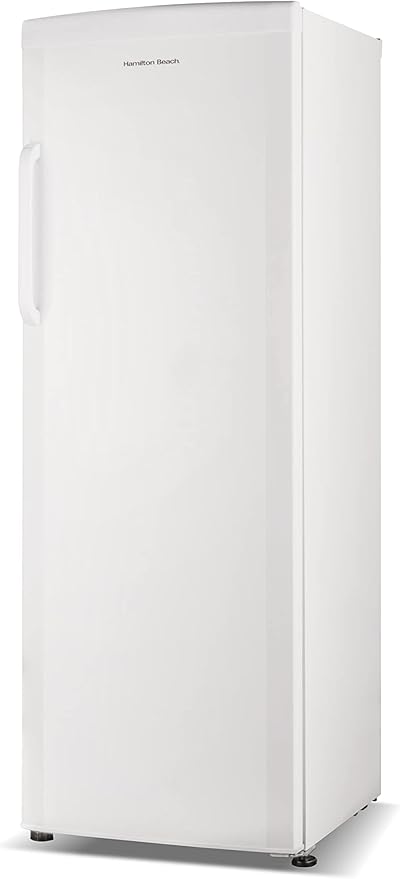
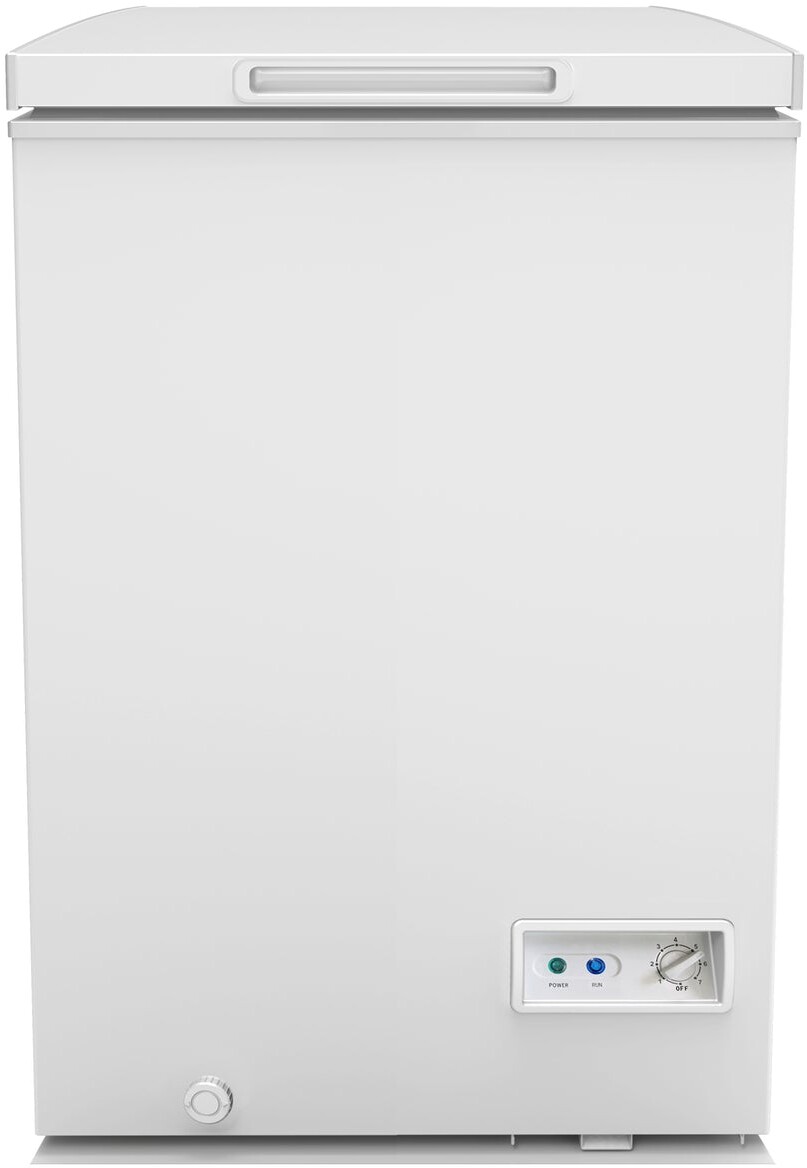
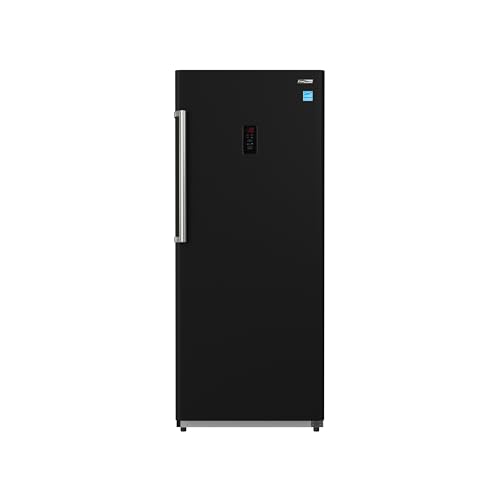
For further guidance on seed storage and other related topics, you can explore articles such as best side by side refrigerator for a back to back house and 3.1 upright freezer.
Ensure the freezer is set to a temperature of 0°F (-18°C) or lower.
Proper seed storage is crucial for maintaining seed viability over time. The main goal is to preserve the seed's ability to germinate when it's time to plant. Storing seeds in a freezer is one way to achieve this, as the low temperatures can significantly slow down the aging process of seeds.
When you store seeds in the freezer, make sure the seeds are completely dry. Seeds with high moisture content can be damaged by ice crystal formation, which can affect their ability to germinate.
Storage Method
Temperature (°F)
Relative Humidity (%)
Expected Seed Viability
Room Temperature
68 - 77
30 - 50
1 - 2 Years
Refrigerator
35 - 40
30 - 40
3 - 5 Years
Freezer
0
20 - 30
5 - 10 Years
Benefits of Freezing Seeds
Freezing seeds offers several advantages for long-term storage:
Extended Viability: Seeds stored in a freezer can remain viable for many years. The low temperatures slow down the metabolic processes within the seeds, preserving their germination potential.
Protection from Pests: Freezing seeds can help protect them from pests such as insects and rodents, which are less likely to thrive in cold environments.
Space Efficiency: Freezing allows you to store a large number of seeds in a relatively small space. This can be particularly useful for home gardeners or those with limited storage areas.
It's important to note that not all seeds are suitable for freezing. Some seeds, especially those with high moisture content, may not respond well to freezing temperatures. For more information on the types of seeds suitable for freezing, you can refer to our types of seeds suitable for freezing section.
By understanding the basics of seed storage and the benefits of using a freezer, you can make informed decisions about preserving your seeds for future planting. For more tips on maintaining seed viability, check out Fridge.com article on seed viability. If you're looking for the best appliances to facilitate seed storage, you might find Fridge.com guide on the 3.1 upright freezer useful.
When considering whether it's okay to keep seeds in the freezer, there are several key factors to take into account. Understanding these factors can help ensure your seeds remain viable and ready for planting when needed.
Seed Viability
Seed viability refers to the ability of seeds to germinate and grow into healthy plants. When storing seeds in the freezer, it's crucial to maintain their viability. Freezing can help extend the lifespan of seeds, but only if they are stored under proper conditions.
Temperature Stability: Seeds should be kept at a consistent temperature. Fluctuations can damage the seeds' internal structure.
Seed Type: Some seeds are more resilient to freezing than others. Research the specific seeds you plan to freeze to understand their viability rates.
Seed Type
Viability Rate After Freezing
Tomato Seeds
90%
Lettuce Seeds
80%
Bean Seeds
70%
Pea Seeds
75%
For more on understanding seed viability, consider reading about proper seed germination testing.
Moisture Content
Moisture content is a critical factor when freezing seeds. High moisture levels can lead to ice formation within the seeds, causing cellular damage and reducing germination rates.
Low Moisture Levels: Seeds should be thoroughly dried before freezing. A moisture content below 8% is generally recommended.
Moisture Testing: Use a hygrometer to check the moisture content of your seeds before freezing.
Seed Type
Recommended Moisture Content
Tomato Seeds
6-8%
Lettuce Seeds
5-7%
Bean Seeds
7-9%
Pea Seeds
6-8%
Packaging also plays a vital role in maintaining the right moisture levels. Properly sealing and labeling your seeds can help prevent moisture absorption. Learn more about suitable packaging and labeling techniques for seed storage.
By considering these factors, you can ensure that your seeds remain viable and ready for planting, making the most of your freezer's capabilities. If you're curious about different types of freezers, explore Fridge.com comparison of auto defrost freezer Vs. fridge freezer combo.
When considering whether it is ok to keep seeds in the freezer, it's important to understand the types of seeds that are suitable for this method of storage. Seeds can generally be classified into two categories based on their moisture content: high moisture seeds and low moisture seeds.
High Moisture Seeds
High moisture seeds, also known as recalcitrant seeds, contain a higher water content and are typically not suitable for freezing. Freezing these seeds can cause ice crystals to form within the seed, damaging their cellular structure and reducing their viability. Examples of high moisture seeds include:
Avocado
Mango
Citrus
Cocoa
Rubber
These seeds are best stored at cool temperatures but not frozen. For more information on proper seed storage techniques, refer to Fridge.com section on seed preparation and labeling.
Low Moisture Seeds
Low moisture seeds, also known as orthodox seeds, have a lower water content and are more suitable for freezing. These seeds can be safely stored in the freezer without significant risk of damage. Freezing low moisture seeds can actually extend their longevity by slowing down the metabolic processes that lead to deterioration. Examples of low moisture seeds include:
Wheat
Rice
Corn
Beans
Peas
To ensure the best results, it's crucial to properly prepare these seeds before freezing. This includes drying them to the appropriate moisture content and packaging them in airtight containers. For a detailed guide on the freezing process, check out Fridge.com section on freezing and thawing seeds safely.
Seed Type
Moisture Content
Suitable for Freezing
Avocado
High
No
Mango
High
No
Wheat
Low
Yes
Rice
Low
Yes
By understanding the moisture content of your seeds, you can make informed decisions on whether freezing is an appropriate storage method. This will help ensure that your seeds remain viable and ready for planting when needed. For additional tips on monitoring seed viability, refer to Fridge.com section on seed germination testing.
When considering the question, "is it ok to keep seeds in the freezer?", it's crucial to follow proper storage techniques to ensure seed viability. Here, Fridge.com covers the essential steps for preparing and packaging seeds for freezer storage.
Seed Preparation
Proper seed preparation is vital for maintaining their viability when stored in the freezer. Follow these steps to prepare your seeds:
Clean the Seeds: Remove any plant debris or chaff to prevent mold growth.
Dry the Seeds: Ensure seeds are thoroughly dried, as moisture can cause them to freeze and crack. A moisture content of less than 8% is ideal.
Sort the Seeds: Separate seeds by type and maturity to ensure uniform storage conditions.
Seed Type
Ideal Moisture Content (%)
Tomato
6 - 8
Corn
12 - 14
Bean
10 - 12
Pepper
7 - 8
Packaging and Labeling
Once your seeds are prepared, proper packaging and labeling are essential to protect them from moisture and temperature fluctuations.
Packaging
Use Airtight Containers: Store seeds in airtight containers or vacuum-sealed bags to prevent moisture ingress. Consider using glass jars or heavy-duty plastic bags.
Add Desiccants: Include a silica gel packet in each container to absorb any residual moisture.
Label Clearly: Write the seed type, variety, and date of storage on the container.
Labeling
Accurate labeling ensures you can easily identify and manage your seed inventory. Here’s an example of a labeling format:
Seed Type
Variety
Date Stored
Tomato
Heirloom
01/2023
Corn
Sweet
02/2023
Bean
Green
03/2023
Pepper
Bell
04/2023
For further guidance on seed storage and other related topics, you can explore articles such as best side by side refrigerator for a back to back house and 3.1 upright freezer. Proper seed storage techniques ensure that your seeds remain viable for future planting, maximizing your gardening success.
Freezing and Thawing Seeds Safely
When it comes to storing seeds, freezing can be an effective method to extend their viability. However, it's crucial to follow proper techniques to ensure the seeds remain viable. Here, Fridge.com will discuss the appropriate freezing and thawing processes for seeds.
Freezing Process
Freezing seeds involves several steps to ensure they maintain their viability. It's essential to follow these steps carefully:
Seed Preparation: Before freezing, make sure the seeds are thoroughly dried. Moisture content should be low to prevent ice crystal formation, which can damage the seed's cellular structure.
Packaging and Labeling: Place the seeds in airtight containers or vacuum-sealed bags to protect them from moisture and air. Label each container with the seed type and freezing date for easy identification.
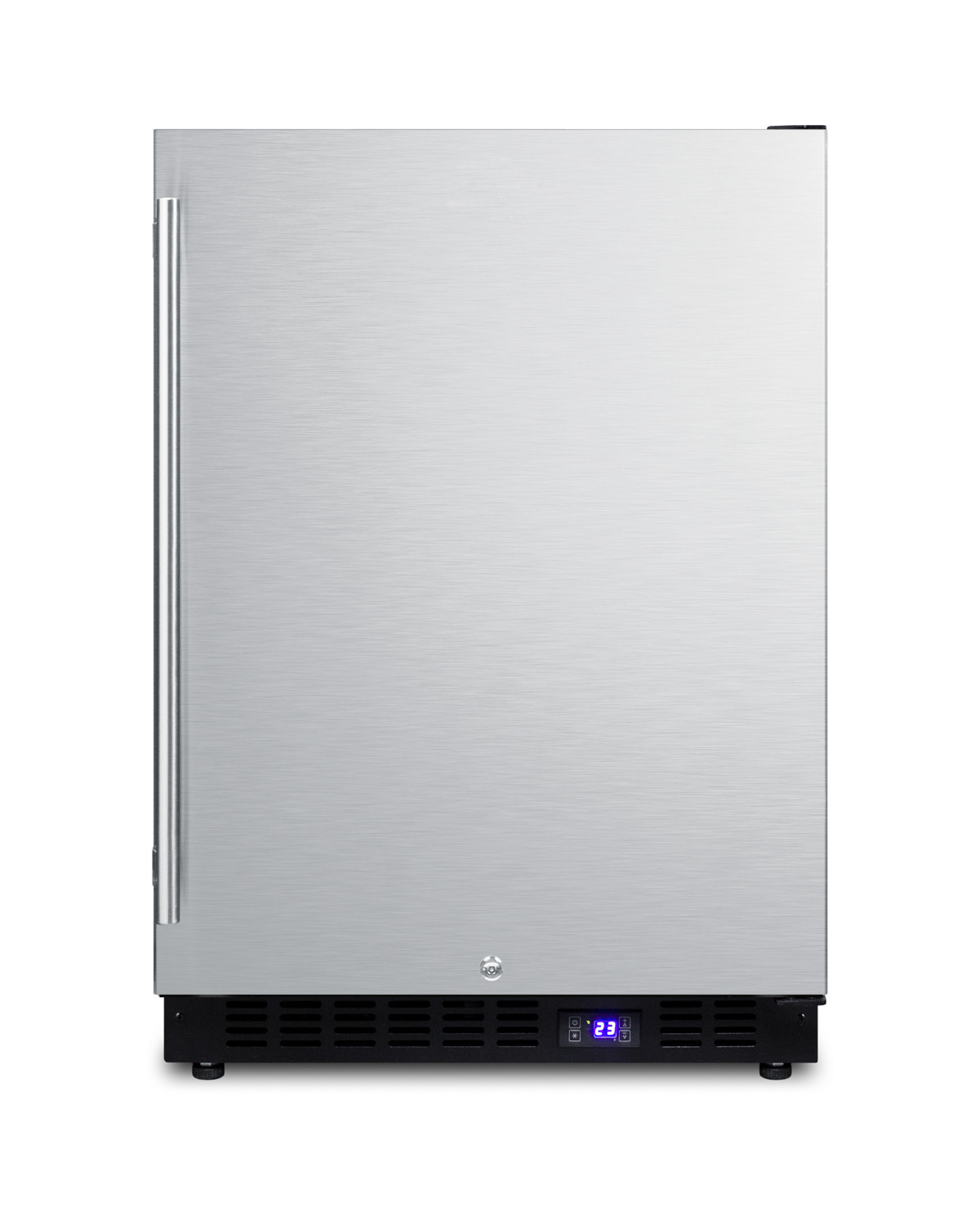
Freezer Selection: Use a reliable freezer, such as a 3.1 upright freezer or a 20 deep upright freezer, to maintain a consistent freezing temperature. Ensure the freezer is set to a temperature of 0°F (-18°C) or lower.
Freezing Process: Gradually place the seed containers in the freezer. This step-by-step approach helps in maintaining the seed integrity during the freezing process.
Step
Action
Notes
1
Dry seeds thoroughly
Low moisture content
2
Package in airtight containers
Prevents moisture and air exposure
3
Label containers
Seed type and freezing date
4
Place in freezer
0°F (-18°C) or lower
Thawing Seeds
Proper thawing is crucial to maintain the viability of frozen seeds. Follow these steps to safely thaw your seeds:
Gradual Thawing: Remove the seed containers from the freezer and place them in the refrigerator. This gradual thawing process helps to prevent condensation and moisture absorption.
Room Temperature Transition: After a day in the refrigerator, let the seeds reach room temperature by keeping them in a dry, cool area. Avoid exposing them to direct sunlight or heat sources.
Moisture Check: Before planting, check the seeds for any signs of moisture or damage. If the seeds appear wet, dry them again to prevent mold growth.
Step
Action
Notes
1
Move to refrigerator
Gradual thawing
2
Transition to room temperature
Avoid direct sunlight
3
Check for moisture
Dry if necessary
By following these freezing and thawing techniques, you can ensure your seeds remain viable and ready for planting. For more information on proper seed storage, you might find Fridge.com articles on best side by side refrigerator for a back to back house and auto defrost freezer Vs. fridge freezer combo helpful.
Ensuring the viability of your seeds is crucial when storing them in the freezer. This section covers the essential methods for monitoring seed viability, including germination testing and replacing old seeds.
Seed Germination Testing
Germination testing is a straightforward method to determine the viability of your seeds. This process involves germinating a small sample of seeds to check their sprouting rate. By doing this, you can gauge the effectiveness of your storage methods and make necessary adjustments.
To perform a germination test, follow these steps:
Select a sample of seeds from your batch.
Place the seeds on a damp paper towel.
Fold the paper towel and place it in a plastic bag.
Store the bag in a warm, dark place for a few days.
Check the seeds periodically for sprouting.
Here’s a table showing the germination rate and its interpretation:
Germination Rate (%)
Seed Viability
90 - 100
Excellent
70 - 89
Good
50 - 69
Fair
Below 50
Poor
If you find a low germination rate, consider revisiting your storage methods or checking the moisture content of your seeds. For more tips on seed preparation, see Fridge.com section on seed preparation.
Replacing Old Seeds
Even under optimal storage conditions, seeds can lose viability over time. Regularly replacing old seeds ensures that you always have a fresh supply ready for planting.
To determine when to replace your seeds, consider the following factors:
Age of the Seeds: Most seeds remain viable for 1-5 years, depending on the type.
Germination Test Results: If the germination rate falls below 70%, it's time to replace the seeds.
Storage Conditions: Seeds stored in fluctuating temperatures or high humidity should be replaced more frequently.
Here’s a table indicating the average lifespan of various seeds:
Seed Type
Average Lifespan (years)
Tomato
4-5
Lettuce
3-4
Carrot
3
Onion
1-2
Regularly monitoring your seed viability will help you maintain a healthy and productive garden. For more on the science of seed storage, visit Fridge.com article on best side by side refrigerator for a back to back house.
By incorporating these practices, you can ensure that your seeds remain viable and ready for planting when needed. For further guidance on storing seeds in the freezer, explore other Fridge.com sections on freezing and thawing seeds safely.
Compare freezer prices on Fridge.com
Compare current prices and specifications on Fridge.com, then buy from the retailer you choose; delivery, installation and warranty terms are the retailer’s.
It also has tons of awesome articles about kitchen stuff and home news. Enhance your home, garage, backyard, patio, and office with the coolest essentials. With every necessary type of residential refrigerator or freezer in the collection, you're covered.
Free tool
Food Storage Calculator
Free interactive tool from Fridge.com — get a quick answer while you read.