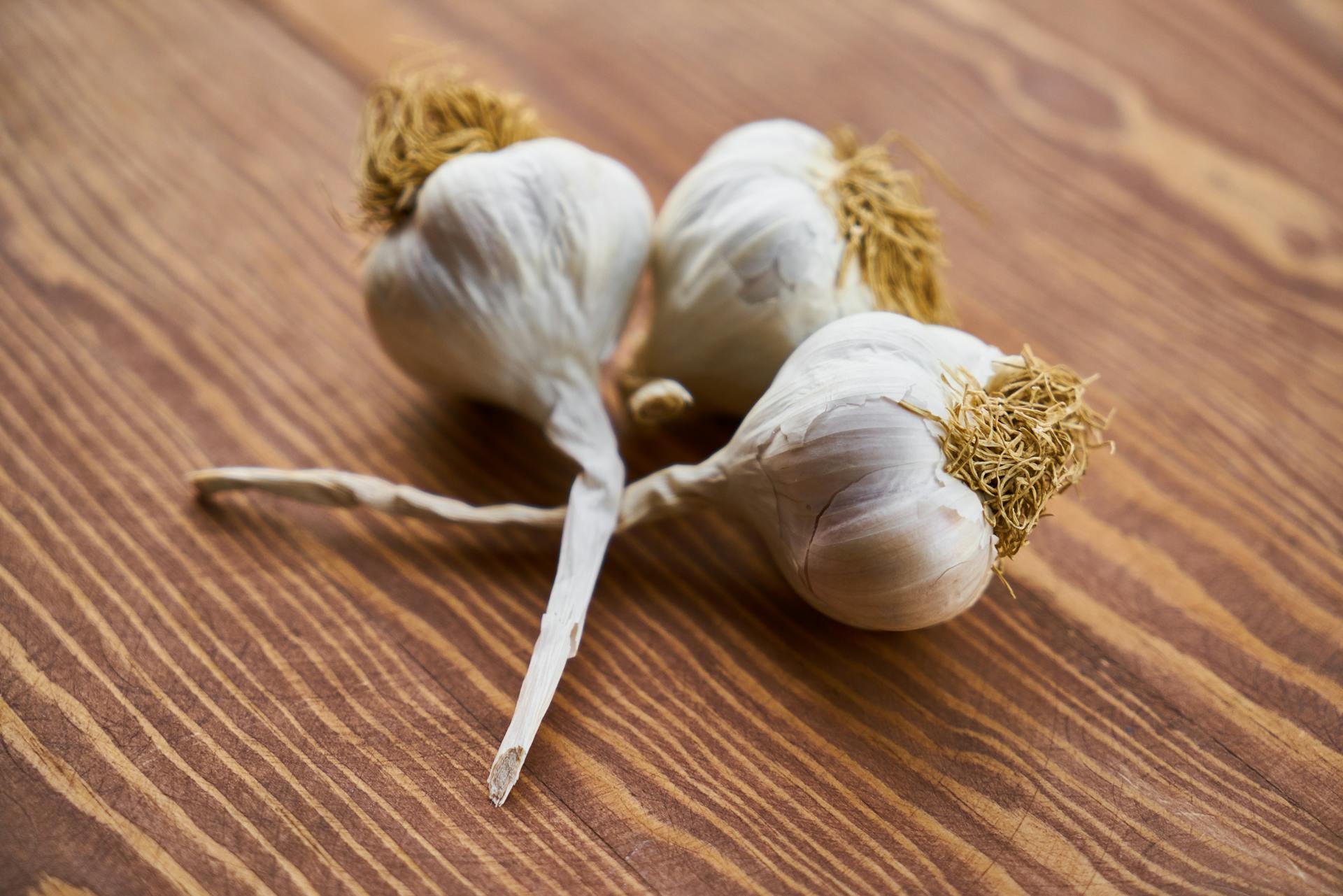
Freezing Garlic: A Handy Guide
Why Freeze Garlic?
Freezing garlic is an excellent way to extend its shelf life and ensure you always have this essential ingredient on hand. By freezing garlic, you can minimize waste and save time in meal preparation. This is especially useful for those who enjoy cooking and need garlic readily available.
Benefits of Freezing Garlic
Freezing garlic offers several advantages:
- Convenience: Having prepped garlic in the freezer saves you from the hassle of peeling and chopping fresh garlic every time you cook.
- Longevity: Properly frozen garlic can last for several months, reducing the need for frequent trips to the store.
- Flavor Retention: Freezing helps to preserve the flavor and aroma of garlic, ensuring your dishes always taste fresh and vibrant.
Prepping Garlic for Freezing
Before freezing garlic, it's essential to prepare it correctly to maintain its quality. Here's a step-by-step guide to prepping garlic for freezing:
- Peel the Garlic: Remove the outer layers of the garlic bulb until you reach the individual cloves.
- Chop or Mince: Depending on your preference, you can chop or mince the garlic. You can also freeze whole cloves if you prefer.
- Blanching: Blanching helps to preserve the flavor and texture of garlic. Boil the garlic cloves for 30 seconds, then transfer them to an ice bath to stop the cooking process.
- Drying: Pat the garlic dry with a paper towel to remove any excess moisture.
You can then proceed to freeze the garlic using your preferred method. For more tips on prepping other vegetables, check out how to prepare squash for freezing.
By following these steps, you'll ensure your garlic is ready for freezing and retains its best qualities, making it a versatile and handy ingredient in your kitchen.
Methods for Freezing Garlic
Freezing garlic is a convenient way to preserve its flavor and nutritional value. There are several methods you can use to freeze garlic, depending on your needs and preferences. Here, we'll cover three common methods: freezing whole garlic bulbs, peeled cloves, and minced or chopped garlic.
Whole Garlic Bulbs
Freezing whole garlic bulbs is the simplest method. This approach is ideal if you want to preserve the garlic for a long period without any preparation.
- Select Fresh Bulbs: Choose fresh, unblemished garlic bulbs.
- Wrap and Store: Wrap each bulb in aluminum foil or plastic wrap.
- Freeze: Place the wrapped bulbs in a freezer-safe container or a resealable plastic bag and store them in your upright chest freezer.
Peeled Cloves
Freezing peeled garlic cloves is a convenient option if you want to have ready-to-use garlic.
- Peel the Cloves: Separate the cloves from the bulb and peel them.
- Flash Freeze: Spread the peeled cloves on a baking sheet and place them in the freezer for about 1 hour.
- Pack and Store: Transfer the frozen cloves to a freezer-safe container or resealable plastic bag. Label and date the bag before placing it back in the freezer.
| Method | Preparation Time | Shelf Life |
|---|---|---|
| Whole Bulbs | Minimal | Up to 12 months |
| Peeled Cloves | Moderate | Up to 6 months |
Minced or Chopped Garlic
Freezing minced or chopped garlic is perfect for those who frequently use garlic in cooking.
- Mince or Chop: Finely mince or chop the garlic cloves.
- Portion and Freeze: Place the minced garlic in ice cube trays or silicone molds and cover with a little water or olive oil.
- Transfer and Store: Once frozen, transfer the garlic cubes to a freezer-safe container or resealable plastic bag. Label and date the container before storing.
For more ideas on storing food in your freezer, check out our article on how to store dry ice in the freezer.
| Method | Preparation Time | Shelf Life |
|---|---|---|
| Whole Bulbs | Minimal | Up to 12 months |
| Peeled Cloves | Moderate | Up to 6 months |
| Minced/Chopped | High | Up to 3 months |
By following these methods, you can ensure that your garlic remains fresh and flavorful, ready for use in your culinary creations. For additional tips on freezing other foods, visit our article on how to prepare squash for freezing.
Storing Frozen Garlic
Proper storage is crucial to maintaining the quality and flavor of your frozen garlic. This section will guide you through the best practices for storing garlic in the freezer.
Proper Containers for Freezing
Choosing the right container is essential for freezing garlic. Airtight containers or freezer bags are ideal as they prevent moisture from entering and protect against freezer burn. Here is a quick comparison of different storage options:
| Storage Option | Advantages | Disadvantages |
|---|---|---|
| Airtight Containers | Reusable, prevents odors | Takes up more space |
| Freezer Bags | Space-efficient, disposable | May puncture easily |
| Vacuum-Sealed Bags | Maximum freshness, longer storage | Requires vacuum sealer |
For more tips on what to keep in your freezer, refer to our guide on what to keep in a chest freezer.
Labeling and Dating
Labeling and dating your frozen garlic helps you keep track of its freshness and usage. Use a permanent marker to write the date of freezing and the type of garlic preparation (whole, peeled, minced) on the container or bag. This practice helps you use the oldest garlic first and prevents waste. Learn more about efficient freezer organization in our article on fridge floor plan.
Freezer Placement
Placement in the freezer can also affect the quality of your frozen garlic. Store garlic in the coldest part of the freezer, typically the back or bottom shelves, to maintain a consistent temperature. Avoid placing garlic near the freezer door where temperature fluctuations are more common. For more information on optimal freezer storage, check out our guide on charging an upright freezer.
By following these storage guidelines, you can ensure your frozen garlic stays fresh and flavorful, ready to enhance your favorite dishes. For more on how to freeze other foods, read our article on how to prepare squash for freezing.
Thawing and Using Frozen Garlic
When you're ready to use your frozen garlic, the key is to thaw it properly and use it in a way that retains its flavor and freshness. Let's explore the best techniques for thawing, cooking, and maintaining the flavor of frozen garlic.
Thawing Techniques
There are several methods to thaw frozen garlic. The choice of technique depends on how quickly you need the garlic and the form it was frozen in.
- Refrigerator Thawing: Place the frozen garlic in a bowl or container and leave it in the refrigerator overnight. This is ideal for whole bulbs or peeled cloves.
- Room Temperature Thawing: For a quicker method, leave the frozen garlic at room temperature for about an hour. This works well for minced or chopped garlic.
- Microwave Thawing: Use the defrost setting on your microwave for a fast thaw. Be cautious not to overheat, as this can affect the garlic's texture and taste.
Cooking with Frozen Garlic
Frozen garlic can be used directly in your cooking without the need for complete thawing, especially in dishes that involve heat.
- Whole Bulbs and Peeled Cloves: Use them in soups, stews, and roasts. The heat will thaw and cook the garlic simultaneously.
- Minced or Chopped Garlic: Add it directly to your pan when sautéing. The small pieces will thaw quickly and blend seamlessly into your dish.
Best Practices for Flavor Retention
To ensure that your frozen garlic retains its flavor, follow these best practices:
- Use Quickly: Frozen garlic is best used within three to six months to maintain its potency.
- Avoid Refreezing: Refreezing garlic can cause it to lose flavor and texture.
- Proper Packaging: Store garlic in airtight containers or vacuum-sealed bags to prevent freezer burn, which can affect flavor.
For more tips on storing and using frozen foods, check out our article on what to keep in a chest freezer. If you're interested in other freezing techniques, visit our guide on how to prepare squash for freezing.
By following these thawing and cooking methods, you can enjoy the convenience and robust flavor of garlic even when it's been stored in your sushi grade freezer or 4 ft upright freezer. Happy cooking!
Get Your Upgrade or New Addition at Fridge.com
Whether you're searching for your perfect fridge, freezer, wine fridge, beer fridge, ice maker, or kegerator, we have what you need.
Shop the world's best brands at Fridge.com.
We also have tons of awesome articles about kitchen stuff and home news. Enhance your home, garage, backyard, patio, and office with the coolest essentials. With every necessary type of residential refrigerator or freezer in our collection, we've got you covered.
Elevate your game and shop now at Fridge.com!