Freezing Fresh Tuna: A Step-by-Step Guide
Freezing fresh tuna properly ensures its quality and taste are preserved. Follow this step-by-step guide to prepare and freeze fresh tuna effectively.
Selecting Fresh Tuna
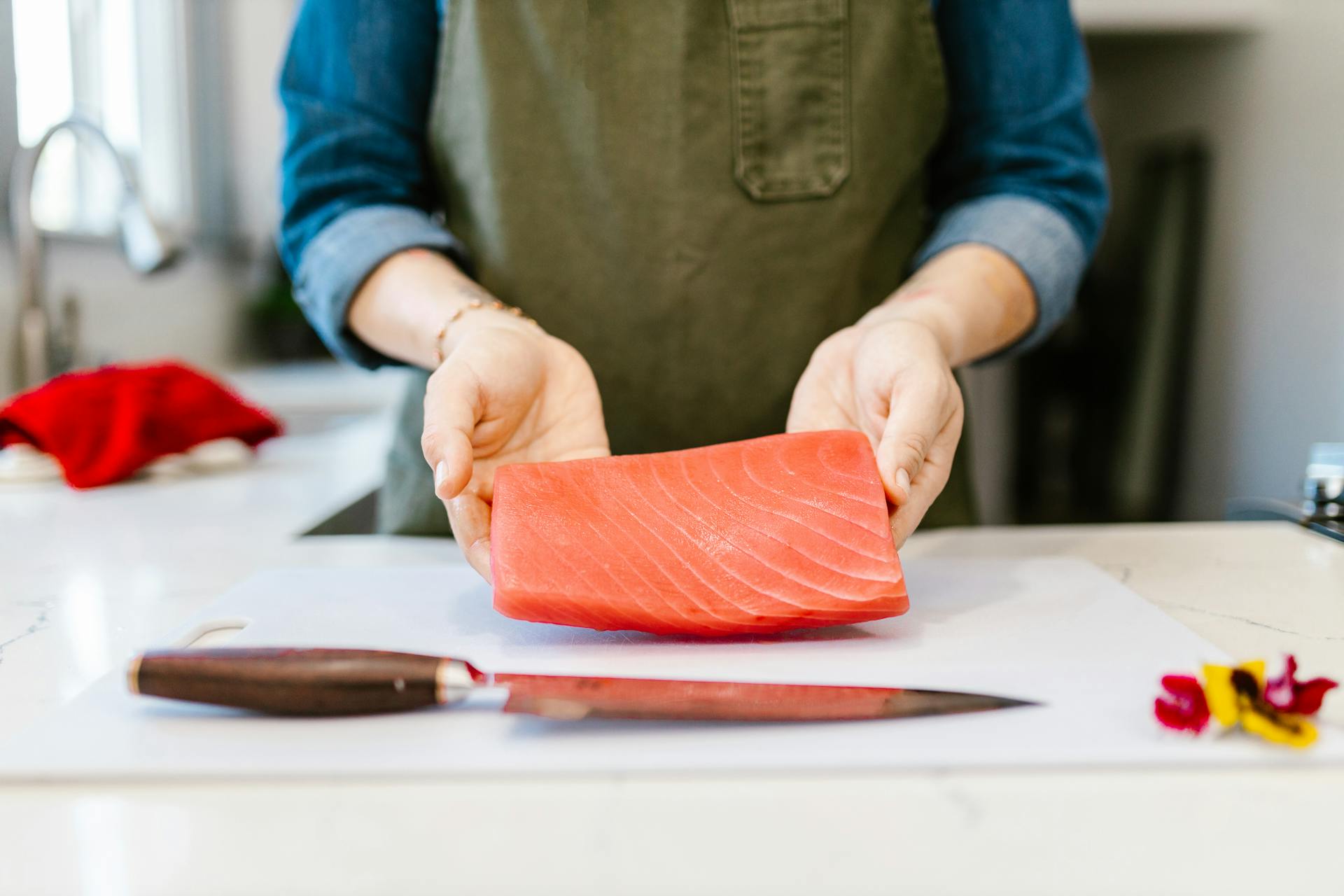
When selecting fresh tuna for freezing, it's crucial to choose high-quality fish. Look for the following characteristics:
- Appearance: Fresh tuna should have a vibrant, deep red color. Avoid any tuna with brown spots or discoloration.
- Smell: Fresh tuna should have a clean, ocean-like smell. A strong, fishy odor indicates that the tuna is not fresh.
- Texture: The flesh should be firm and slightly springy to the touch. Avoid tuna with a mushy or slimy texture.
Preparing Fresh Tuna for Freezing
Properly preparing the tuna before freezing is essential to maintain its quality. Follow these steps:
- Clean the Tuna: Rinse the tuna under cold water to remove any surface contaminants.
- Pat Dry: Use paper towels to pat the tuna dry. Removing excess moisture helps prevent ice crystals from forming.
- Cut into Portions: Depending on how you plan to use the tuna later, cut it into steaks or smaller portions. This makes it easier to thaw and cook later on.
Proper Packaging for Freezing
Proper packaging is key to preventing freezer burn and maintaining the tuna's quality. Here’s how to package tuna for freezing:
- Wrap the Tuna: Wrap each portion tightly in plastic wrap or aluminum foil. Ensure there are no air pockets.
- Vacuum Seal: For the best results, use a vacuum sealer to remove all air from the packaging. If you don’t have a vacuum sealer, use freezer bags and squeeze out as much air as possible before sealing.
- Label the Packages: Label each package with the date of freezing. This helps you keep track of how long the tuna has been stored.
| Packaging Method | Air Removal Effectiveness | Freezer Burn Prevention |
|---|---|---|
| Vacuum Sealing | High | Excellent |
| Freezer Bags | Medium | Good |
| Plastic Wrap/Foil | Low | Fair |
Proper packaging ensures that your tuna remains fresh and free from freezer burn. For more tips on freezing different types of food, check out our article on how to freeze cucumbers.
Following these steps will help you freeze fresh tuna effectively, preserving its taste and texture for future use. For additional tips on storing and thawing frozen tuna, explore our related articles on freezer temp for fridge and how long is fish good in the fridge after thawing.
Freezing Techniques
When it comes to preserving the freshness of tuna, employing the right freezing techniques is essential. Here, we will discuss three effective methods: flash freezing, freezing tuna steaks, and freezing tuna in portions.
Flash Freezing Tuna
Flash freezing is a method that helps retain the quality and texture of your fresh tuna. This technique involves freezing the tuna very quickly at extremely low temperatures.
- Place the tuna on a baking sheet in a single layer.
- Put the baking sheet in the freezer for a few hours until the tuna is solid.
- Once frozen, transfer the tuna to airtight containers or vacuum-seal bags.
Flash freezing minimizes ice crystal formation, which helps maintain the tuna's texture.
Freezing Tuna Steaks
Freezing tuna steaks requires careful preparation to ensure they remain flavorful and fresh during storage.
- Pat the tuna steaks dry with paper towels to remove excess moisture.
- Wrap each steak tightly in plastic wrap or aluminum foil.
- Place the wrapped steaks in a freezer-safe bag, removing as much air as possible before sealing.
| Step | Description |
|---|---|
| 1 | Dry tuna steaks |
| 2 | Wrap in plastic wrap or foil |
| 3 | Place in freezer-safe bag |
This method helps protect the steaks from freezer burn and preserves their quality. For more tips on avoiding freezer burn, check out our food safety guidelines.
Freezing Tuna in Portions
Freezing tuna in individual portions is a practical approach if you plan to use smaller amounts over time.
- Cut the tuna into portion-sized pieces.
- Wrap each piece in plastic wrap or aluminum foil.
- Place the wrapped portions in a freezer-safe container or bag.
| Portion Size | Wrap Method | Storage Container |
|---|---|---|
| Individual pieces | Plastic wrap or foil | Freezer-safe bag or container |
By freezing tuna in portions, you can easily thaw only what you need, reducing waste and maintaining freshness. For more information on thawing, see our section on thawing methods.
Incorporating these freezing techniques will help you preserve the quality of your fresh tuna. Whether you're using a stainless chest deep freezer or a best tall freezer for garage, these methods ensure your tuna stays delicious and ready for your next culinary creation.
Storing Frozen Tuna
Proper storage of frozen tuna ensures it maintains its quality and taste. Here are some tips and guidelines for storing your frozen tuna effectively.
Freezer Storage Tips
To store frozen tuna correctly, follow these freezer storage tips:
- Temperature: Keep your freezer at or below 0°F (-18°C). This is crucial for preserving the freshness and nutritional value of the tuna. For more information on ideal freezer temperatures, check out our article on freezer temp for fridge.
- Packaging: Use airtight packaging to prevent freezer burn. Vacuum-sealed bags or heavy-duty aluminum foil works well. Make sure to remove as much air as possible before sealing.
- Labeling: Label packages with the date of freezing. This helps in keeping track of how long the tuna has been stored.
- Organization: Store the tuna in a single layer initially. Once frozen, you can stack them to save space.
Shelf Life of Frozen Tuna
Understanding the shelf life of frozen tuna is crucial for maintaining its quality. Here’s a table to help you keep track:
| Storage Method | Shelf Life |
|---|---|
| Properly Frozen (0°F or below) | 3-6 months |
| Improperly Sealed | 1-2 months |
For the best quality, consume the tuna within the recommended time frame. If stored properly, frozen tuna can last up to 6 months without significant loss of quality.
It's also important to be aware of signs of spoilage. If the tuna has an unusual odor, discoloration, or signs of freezer burn, it's best to discard it. For more tips on storing various foods in the freezer, you might find our article on how to freeze cucumbers helpful.
Proper storage practices ensure that your frozen tuna remains fresh and delicious, ready to be used in your favorite recipes. For additional storage tips and guidelines, explore more on freezer suitable for a garage.
Thawing and Using Frozen Tuna
Properly thawing and cooking frozen tuna ensures you maintain its flavor and texture. Here are the best methods for thawing and cooking frozen tuna.
Thawing Methods
When you're ready to use your frozen tuna, it's essential to thaw it correctly. Here are three effective methods for thawing:
- Refrigerator Thawing: Place the tuna in the refrigerator. This method is the safest and helps maintain the quality of the fish.
- Cold Water Thawing: Submerge the sealed tuna in cold water. Change the water every 30 minutes until the tuna is thawed.
- Microwave Thawing: Use the defrost setting on your microwave. Be cautious to avoid partially cooking the tuna during this process.
| Thawing Method | Time Required | Notes |
|---|---|---|
| Refrigerator Thawing | 12-24 hours | Best method for maintaining texture and flavor |
| Cold Water Thawing | 1-2 hours | Quick, effective for faster thawing |
| Microwave Thawing | 5-10 minutes (variable) | Fastest method, use caution to avoid cooking the fish |
For more details on how long fish is good in the fridge after thawing, visit our article how long is fish good in the fridge after thawing.
Cooking Frozen Tuna
Once thawed, you can cook your tuna using various methods. Here are some popular techniques:
- Grilling: Preheat your grill to medium-high heat. Brush the tuna with olive oil and season as desired. Grill for 2-3 minutes on each side.
- Pan-Seared: Heat a skillet over medium-high heat. Add a tablespoon of oil. Sear the tuna for 2-3 minutes on each side.
- Baking: Preheat your oven to 400°F (200°C). Place the tuna on a baking sheet, season, and bake for 10-12 minutes.
| Cooking Method | Time Required | Temperature/Heat Level |
|---|---|---|
| Grilling | 4-6 minutes total | Medium-high heat |
| Pan-Seared | 4-6 minutes total | Medium-high heat |
| Baking | 10-12 minutes total | 400°F (200°C) |
For more tips on handling frozen tuna and other frozen foods, check out our article on freezer temp for fridge.
By following these thawing and cooking methods, you can enjoy delicious and perfectly prepared tuna every time.
Safety Precautions
Ensuring the safety and quality of your frozen tuna involves adhering to proper food safety guidelines and taking measures to avoid freezer burn.
Food Safety Guidelines
When freezing fresh tuna, it's crucial to follow food safety guidelines to prevent contamination and ensure the fish remains safe to eat. Here are some key points to keep in mind:
- Clean Workspace: Ensure your workspace, utensils, and hands are clean before handling the tuna.
- Freshness: Freeze the tuna as soon as possible after purchasing it to maintain its quality and safety.
- Temperature Control: Keep the tuna at a safe temperature (below 40°F) during the preparation process.
- Proper Packaging: Use airtight containers or vacuum-sealed bags to prevent air exposure and contamination.
Following these guidelines helps maintain the quality and safety of your tuna. For more details on freezing and storing different foods, check out our article on freezer temp for fridge.
Avoiding Freezer Burn
Freezer burn occurs when air comes into contact with the surface of the food, causing dehydration and oxidation. This can affect the texture and flavor of your tuna. Here are some tips to avoid freezer burn:
- Airtight Packaging: Use high-quality, airtight packaging materials such as vacuum-sealed bags or freezer-safe containers.
- Remove Air: If using plastic bags, squeeze out as much air as possible before sealing.
- Label and Date: Clearly label and date the packages to keep track of storage times.
- Proper Storage: Store the tuna in the coldest part of the freezer to maintain a consistent temperature.
By following these steps, you can prevent freezer burn and keep your tuna fresh for longer periods. For more information on proper storage techniques, refer to our article on 20 x 20 freezer drawer.
Taking these safety precautions ensures that your frozen tuna remains safe to eat and retains its quality. For additional tips on food safety and freezing techniques, explore our related articles on how to freeze cucumbers and how long is fish good in the fridge after thawing.
Get Your Upgrade or New Addition at Fridge.com
Whether you're searching for your perfect fridge, freezer, wine fridge, beer fridge, ice maker, or kegerator, we have what you need.
Shop the world's best brands at Fridge.com.
We also have tons of awesome articles about kitchen stuff and home news. Enhance your home, garage, backyard, patio, and office with the coolest essentials. With every necessary type of residential refrigerator or freezer in our collection, we've got you covered.
Elevate your game and shop now at Fridge.com!