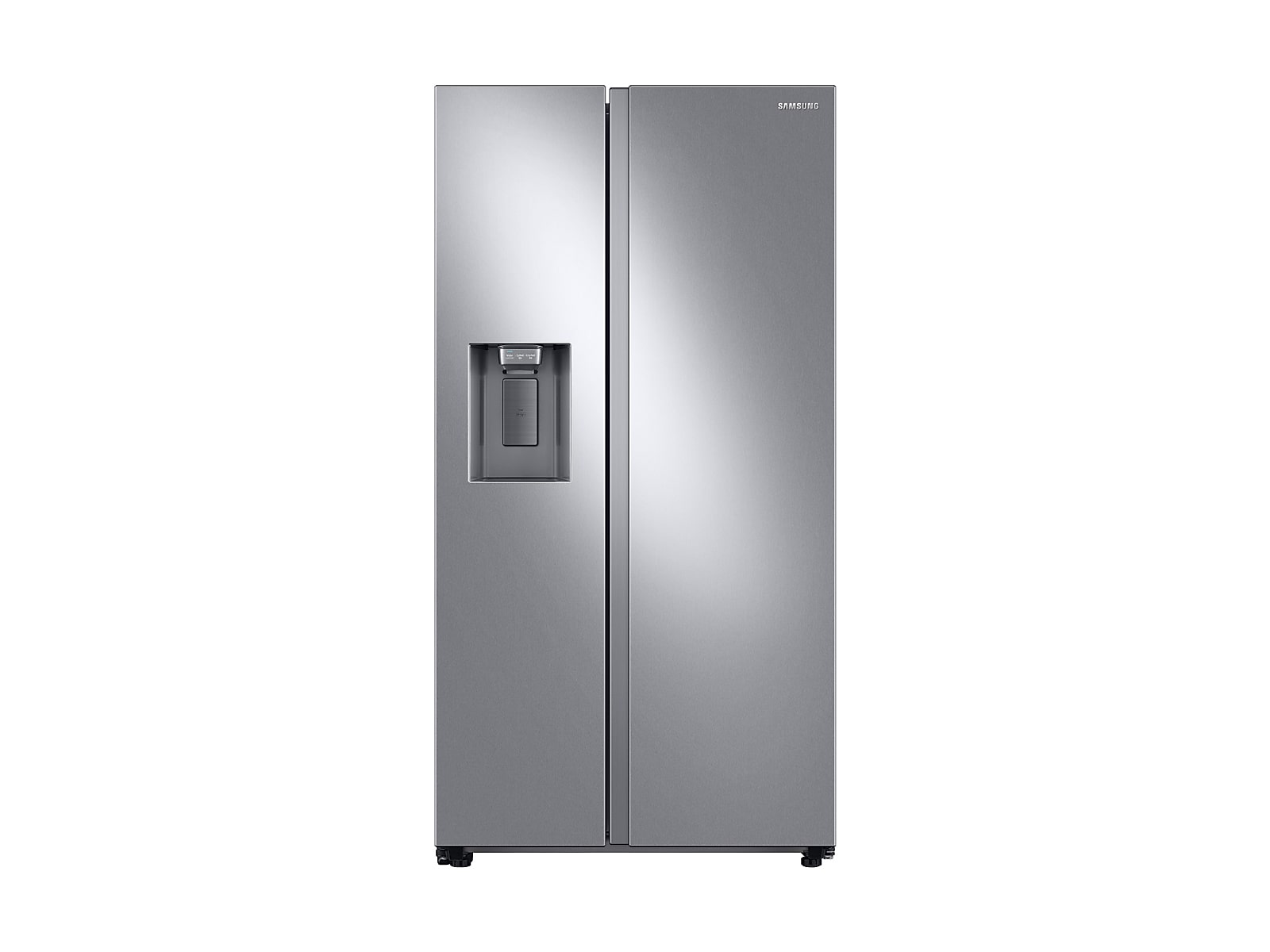
Here are some tips to help you store your food correctly:.
By following these tips for proper food storage and maintaining a regular cleaning routine, you can effectively prevent unpleasant odors in your refrigerator.
Learn more about how should your fridge be organized.
Cover Strong Smelling Foods: Foods like onions and garlic should be tightly wrapped or stored in sealed containers.
Refrigerator odors can be a common issue faced by many households. Understanding the causes and impacts of these odors is crucial for maintaining a fresh and clean fridge.
Common Causes of Refrigerator Odors
Refrigerator odors often stem from a variety of sources. Identifying these common causes can help you tackle the problem more effectively.
Spoiled Food: One of the most frequent causes of unpleasant odors is spoiled food. Forgotten leftovers, expired dairy products, and decomposing fruits or vegetables can emit strong smells.
Spills and Residues: Liquids that have spilled and residues left behind from food can also contribute to bad smells. These spills may go unnoticed and can become breeding grounds for bacteria.
Improper Storage: Foods that are not stored properly, such as uncovered items or improperly sealed containers, can release odors that permeate the fridge.
Strong-Smelling Foods: Certain foods like onions, garlic, and fish have strong odors that can linger and mix with other smells in the fridge.
Mold and Mildew: Moisture buildup can lead to mold and mildew growth, which not only causes odors but can also pose health risks.
Impact of Lingering Odors
Lingering odors in your refrigerator can have several negative effects, impacting both your food and overall kitchen ambiance.
Affecting Food Quality: Odors from spoiled or strong-smelling foods can transfer to other items in the fridge, affecting their taste and quality. For instance, dairy products might absorb the smell of nearby onions or garlic.
Health Risks: Mold and bacteria growth due to food spills or improper storage can pose health risks. Consuming contaminated food can lead to food poisoning or other illnesses.
Unpleasant Kitchen Environment: A fridge with persistent odors can make your kitchen environment unpleasant. Every time you open the fridge door, the smell can spread, affecting the overall ambiance of your home.
Difficulty in Identifying Freshness: Strong smells can mask the freshness of your food items. It becomes challenging to identify spoiled food when the entire fridge has a pervasive odor.
Addressing these common causes and understanding the impacts of refrigerator odors is the first step in maintaining a fresh and odor-free fridge. For more tips on how to properly organize your fridge, check out Fridge.com article on how should your fridge be organized.
By identifying and addressing these issues, you can significantly reduce the occurrence of unpleasant odors, making your refrigerator a fresher and healthier environment for your food storage needs.
Preventing odors in your refrigerator is essential for maintaining a fresh and pleasant-smelling kitchen. Here are some effective strategies for keeping your fridge odor-free.
Proper Food Storage
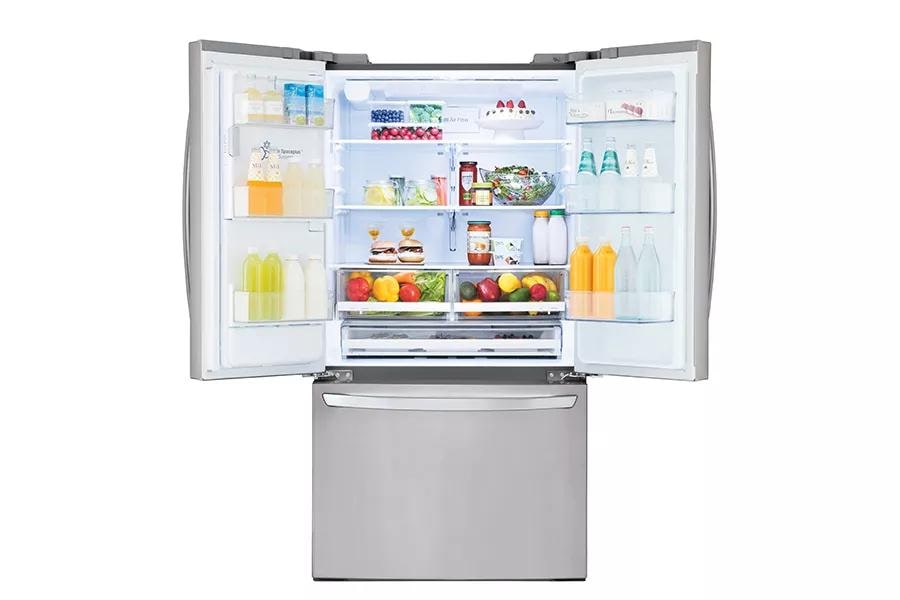
Proper food storage is crucial in preventing odors from developing in your refrigerator. Here are some tips to help you store your food correctly:
Use Airtight Containers: Store leftovers and perishable items in airtight containers to prevent odors from spreading.
Label and Date: Label and date your food items to keep track of their freshness and discard anything that has expired.
Separate Strong-Smelling Foods: Store strong-smelling foods, like onions and garlic, in sealed bags or containers to prevent their odors from permeating other foods.
Keep Raw Meat on Lower Shelves: Store raw meat on the lower shelves to prevent any juices from dripping onto other foods.
For more tips on how to organize your fridge, check out Fridge.com article on how should your fridge be organized?.
Regular Cleaning Routine
A regular cleaning routine is essential for preventing odors in your refrigerator. Follow these steps to keep your fridge clean and fresh:
Weekly Wipe Down: Wipe down the shelves, drawers, and walls of your refrigerator with a mild cleaning solution or a mixture of water and baking soda.
Monthly Deep Clean: Once a month, remove all items from your refrigerator and give it a thorough cleaning. This includes washing the shelves and drawers with warm, soapy water.
Check for Expired Items: Regularly check for expired or spoiled items and discard them promptly.
Clean Spills Immediately: Clean up any spills or leaks as soon as they occur to prevent odors from developing.
Cleaning Task
Frequency
Wipe Down Shelves
Weekly
Deep Clean
Monthly
Check Expired Items
Weekly
Clean Spills
Immediately
For troubleshooting persistent odors and more detailed cleaning steps, refer to Fridge.com section on deep cleaning your refrigerator.
By following these tips for proper food storage and maintaining a regular cleaning routine, you can effectively prevent unpleasant odors in your refrigerator. For more information on how to eliminate refrigerator odors, explore Fridge.com comprehensive guide on how to eliminate refrigerator odors.
Unpleasant smells in your refrigerator can be a nuisance. Understanding how to effectively eliminate these odors is crucial for maintaining a fresh and clean fridge. Here are some natural and commercial solutions to help you get rid of those unwanted smells.
Natural Solutions
Natural solutions are often the first line of defense against refrigerator odors. They are safe, effective, and easy to use.
Baking Soda
Baking soda is a well-known odor neutralizer. Place an open box in your refrigerator to absorb unpleasant smells. Replace it every three months for optimal effectiveness.
Activated Charcoal
Activated charcoal is excellent for absorbing odors. Place a small bowl of activated charcoal in your fridge. It works efficiently to eliminate bad smells.
White Vinegar
White vinegar is another natural deodorizer. Fill a small bowl with white vinegar and place it in your refrigerator. It will help to neutralize odors without leaving a strong vinegar smell.
Lemon Slices
Lemon slices can add a pleasant, fresh scent to your refrigerator. Place a few slices on a plate and leave them in the fridge for a couple of days.
Natural Solution
Method
Replacement Frequency
Baking Soda
Open box
Every 3 months
Activated Charcoal
Small bowl
Every 1-2 months
White Vinegar
Small bowl
Every 2 weeks
Lemon Slices
On a plate
Every few days
Commercial Deodorizers
Commercial deodorizers are specifically designed to tackle stubborn refrigerator odors. They are convenient and often come in various forms.
Odor Absorbing Gels
Odor absorbing gels are easy to use and effective. Place them in your refrigerator according to the product instructions. They absorb and neutralize bad smells over time.
Air Purifying Bags
Air purifying bags contain activated bamboo charcoal, which is highly effective in absorbing odors. Hang them inside your refrigerator for continuous odor control.
Refrigerator Deodorizer Packs
These packs are designed to be placed in the fridge. They contain odor-absorbing materials that help to keep your refrigerator smelling fresh.
Commercial Deodorizer
Method
Replacement Frequency
Odor Absorbing Gels
Place in fridge
Every 1-2 months
Air Purifying Bags
Hang in fridge
Every 3-6 months
Refrigerator Deodorizer Packs
Place in fridge
Every 1-2 months
For more information on maintaining a fresh refrigerator, check out Fridge.com articles on what should a fridge temperature be and how should your fridge be organized. If you encounter persistent odors, you might want to refer to Fridge.com section on troubleshooting persistent odors.
Deep cleaning your refrigerator is essential for eliminating stubborn odors and maintaining a fresh environment for your food. Follow these steps to ensure a thorough clean.
Step-by-Step Cleaning Process
Unplug the Refrigerator: Ensure your safety by disconnecting the appliance from the power source.
Empty the Contents: Remove all food items, shelves, and drawers. Check out Fridge.com guide on how long can steak be in the fridge? to decide what to keep or discard.
Clean Removable Parts: Wash shelves and drawers with warm soapy water. Dry them thoroughly before placing them back.
Wipe Down the Interior: Use a mixture of baking soda and water to wipe the walls and surfaces inside the fridge.
Clean the Gaskets: The door seals can harbor dirt and mold. Clean them with a vinegar solution.
Dry and Reassemble: Ensure all parts are completely dry before reassembling them.
Targeting Problem Areas
Certain areas in your refrigerator can be more prone to odors and require special attention.
Crisper Drawers: Often, these drawers can retain odors from vegetables and fruits. Clean them with a baking soda solution.
Spill Trays: Spills can lead to unpleasant smells. Regularly check and clean these trays.
Back of the Refrigerator: Dust and debris can accumulate around the coils, impacting performance. Use a vacuum to clean this area.
By following these steps, you can effectively eliminate odors and keep your refrigerator smelling fresh. For more tips on maintaining your appliance, check out Fridge.com article on what should a fridge temperature be?.
Maintenance and Upkeep
Regular Check-Ups
Maintaining a fresh-smelling refrigerator requires consistent attention and care. Regular check-ups are essential to ensure everything is in order. Here are some steps you can follow:
Inspect Expiration Dates: Regularly check food items for expiration dates. Dispose of anything that is past its prime.
Monitor Temperature: Ensure your fridge is set to the correct temperature. For more details, refer to Fridge.com article on what should a fridge temperature be.
Check Seals and Gaskets: Ensure the door seals are intact and free of debris. Damaged seals can cause air leaks and lead to odors.
Clean Drip Pans: If your refrigerator has a drip pan, clean it periodically to prevent mold and mildew buildup.
Examine Light Bulbs: Ensure the interior light bulbs are functioning correctly. For more information, visit are all fridge light bulbs the same?.
Best Practices for Odor Prevention
To keep your refrigerator smelling fresh, follow these best practices:
Store Food Properly: Use airtight containers for storing food. This helps to contain odors and prevent cross-contamination. Learn more about how should your fridge be organized.
Regular Cleaning: Wipe down shelves, drawers, and walls regularly. A mild detergent or a solution of water and baking soda works well.
Use Baking Soda: Place an open box of baking soda in your fridge to absorb unwanted odors. Replace it every three months.
Avoid Overcrowding: Ensure there is enough space for air to circulate around your food items.
Cover Strong Smelling Foods: Foods like onions and garlic should be tightly wrapped or stored in sealed containers.
Check and Rotate: Regularly inspect and rotate your food items. Use older items first to prevent spoilage.
Utilize Deodorizers: Consider using natural or commercial deodorizers for additional odor control. For more options, see Fridge.com section on natural solutions.
By following these maintenance and upkeep tips, you can ensure your refrigerator remains odor-free and fresh. For further guidance on dealing with persistent odors, explore Fridge.com article on troubleshooting persistent odors.
Even with regular maintenance, you might encounter stubborn odors in your refrigerator. Here’s how to tackle persistent smells and when to seek professional help.
When to Seek Professional Help
Persistent odors can sometimes indicate a more serious issue that requires professional attention. Consider contacting a professional if:
The odor persists despite thorough cleaning and deodorizing.
You notice mold or mildew growth that cannot be easily removed.
There is a chemical or burning smell, which could indicate an electrical problem.
The odor is accompanied by a malfunction in the refrigerator's performance.
Professionals can help diagnose and resolve deeper issues that might be causing the odors, ensuring your refrigerator remains in optimal condition. For more information on refrigerator maintenance, check out Fridge.com article on regular check-ups and best practices.
Addressing Stubborn Odors
If you've already tried natural solutions and commercial deodorizers, but the odor lingers, follow these steps to tackle stubborn smells:
Deep Clean the Refrigerator: Remove all items and thoroughly clean every surface. Pay special attention to crevices, shelves, and drawers. For a detailed guide, refer to our step-by-step cleaning process.
Check and Clean the Drip Pan: The drip pan, located at the bottom of the refrigerator, can accumulate water and debris over time. Remove and clean it to eliminate any hidden odors.
Inspect Door Seals: Food particles and spills can get trapped in the door seals, causing odors. Clean the seals with a mixture of baking soda and water.
Replace Water and Air Filters: If your refrigerator has water and air filters, replace them regularly to prevent smells from developing. Refer to your user manual for the recommended replacement schedule.
Use Activated Charcoal or Baking Soda: Place activated charcoal or an open box of baking soda inside the refrigerator to absorb lingering smells. These substances are effective at neutralizing odors naturally.
Check for Spoiled Food: Sometimes, a single item can be the source of the odor. Inspect all food items carefully and discard anything that appears spoiled or has passed its expiration date. For tips on how long certain foods last, see Fridge.com articles on how long can steak be in the fridge and how long is tuna good in the fridge.
Odor Elimination Table
Step
Action
Frequency
1
Deep Clean the Refrigerator
Monthly
2
Clean Drip Pan
Every 3 Months
3
Inspect Door Seals
Monthly
4
Replace Filters
As per Manufacturer’s Guide
5
Use Activated Charcoal/Baking Soda
As Needed
6
Check for Spoiled Food
Weekly
Addressing persistent odors requires diligence and sometimes professional help. By following these steps and incorporating regular maintenance routines, you can ensure your refrigerator remains fresh and odor-free. For more tips on maintaining your refrigerator, visit Fridge.com article on how should your fridge be organized.
Compare refrigerator prices on Fridge.com
Compare current prices and specifications on Fridge.com, then buy from the retailer you choose; delivery, installation and warranty terms are the retailer’s.
It also has tons of awesome articles about kitchen stuff and home news. Enhance your home, garage, backyard, patio, and office with the coolest essentials. With every necessary type of residential refrigerator or freezer in the collection, you're covered.