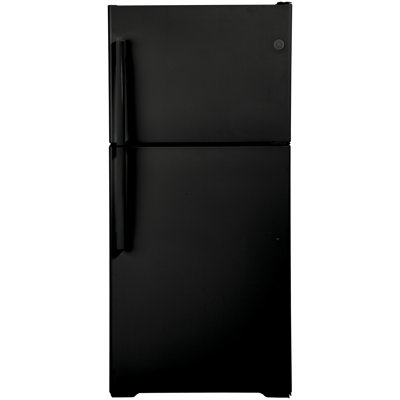
Here are practical tips to ensure you're making the most of your smart fridge's space and functionality.
Multiple Climate Zones: Separate compartments with customizable temperature settings allow for optimal storage conditions for different food types, enhancing preservation and space utilization.
Ideal for larger households or those who entertain often.
It's important to consider that smart fridges may also include features that affect the usable space.
In the realm of modern kitchen appliances, smart fridges have emerged as innovative solutions for food storage and management. With advanced features that go beyond keeping your food cold, these appliances have redefined the concept of refrigeration for homeowners, apartment dwellers, and those living in various types of residences, from townhouses to mobile homes and tiny houses.
What is a Smart Fridge?
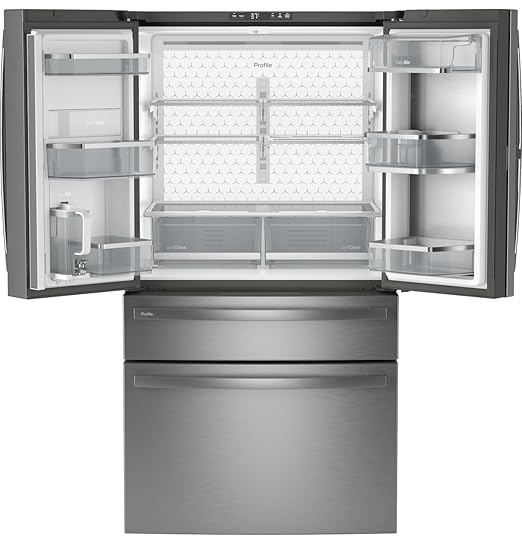
A smart fridge is a high-tech refrigerator equipped with Wi-Fi connectivity and an array of features designed to enhance food storage, organization, and management. These fridges often come with touchscreen displays, allowing you to interact with the appliance, browse the internet for recipes, or even see the contents without opening the door. They can also sync with your smartphone, giving you remote access to their controls and information.
Key Features That Impact Storage
When considering 'how much food can fit in a smart fridge,' it's essential to look at the key features that influence its storage capacity:
Adjustable Shelving: Smart fridges often feature flexible shelving systems that can be reconfigured to accommodate items of varying sizes, from tall bottles to large platters.
Multiple Climate Zones: Separate compartments with customizable temperature settings allow for optimal storage conditions for different food types, enhancing preservation and space utilization.
In-door Storage: Innovative door bins and compartments increase storage options without compromising the main compartment space.
Connectivity and Apps: Smart fridges connect to apps that help you track inventory, create shopping lists, and even suggest recipes based on what's inside, aiding in efficient space management.
Here's a table summarizing how these features can impact storage:
Feature
Impact on Storage
Adjustable Shelving
Maximizes vertical space, allowing for more food items.
Multiple Climate Zones
Assigns dedicated areas for specific food types, preventing wasted space.
In-door Storage
Frees up shelf space for larger or bulkier items.
Connectivity and Apps
Helps prevent overbuying and double-purchasing, ensuring space is used wisely.
Understanding the functionalities and capacity of smart fridges is the first step to determining how they can fit into your lifestyle. Whether you're looking to store a large grocery haul or just want to keep your favorite beverages chilled, there are smart fridges designed to meet various needs.
For those curious about how smart fridges compare to other refrigerator types in terms of storage for beverages or food, explore Fridge.com articles on how many drinks can fit in a smart fridge and how much food can fit in a smart fridge. If you're interested in how much food can fit in different types of refrigerators, check out Fridge.com articles on everything from apartment size refrigerators to garage refrigerators and outdoor refrigerators.
Understanding the storage capacity of a smart fridge is essential for managing your grocery shopping, meal preparation, and food storage efficiently. This section will guide you through interpreting fridge capacity measurements and provide insights on the average capacity you can expect from smart fridges.
Understanding Fridge Capacity Measurements
Fridge capacity is typically measured in cubic feet. This measurement reflects the internal volume of the fridge's storage compartments, including both the refrigerator and freezer sections. When estimating how much food can fit in a smart fridge, consider not only the total capacity but also how the space is distributed within the unit.
Here's a simple breakdown of what fridge capacity can mean for your food storage:
Capacity (cubic feet)
Approximate storage capability
10-14 cubic feet
Suitable for 1-2 people
15-20 cubic feet
Comfortable for 3-4 people
21-25 cubic feet
Ideal for larger households or those who entertain often
26+ cubic feet
Ample space for extensive food storage needs
Average Capacity of Smart Fridges
Smart fridges come in various sizes, and their capacity can range widely depending on the model and design. On average, smart fridges offer capacities that accommodate the needs of most households. Below is a table that outlines the general capacity range you can expect from smart fridges:
Fridge Type
Average Capacity (cubic feet)
Apartment Size
14-18 cubic feet
Standard Size
18-26 cubic feet
Large Size
26-30+ cubic feet
It's important to consider that smart fridges may also include features that affect the usable space. For instance, in-built water dispensers or ice makers can take up room that would otherwise be available for food storage. When choosing a fridge, think about how these features might impact your storage needs.
In understanding 'how much food can fit in a smart fridge', remember to account for the type of items you'll be storing. Bulkier items will require more space, while smaller items can be more easily accommodated. For specific examples, such as how many drinks can fit in a smart fridge or how much food can fit in a retro fridge, other Fridge.com articles provide detailed information that can help you picture the storage potential of various refrigerator types.
When you're ready to stock your smart fridge, think about your personal needs, whether you're a couple living in a flat or a large family in a townhouse. Smart fridges are designed to cater to a wide range of lifestyles and preferences, ensuring that you can find the perfect fit for your home and your culinary adventures.
Smart fridges offer a wealth of features designed to keep your food organized and fresh. To understand how much food can fit in a smart fridge, it's essential to utilize every inch of space efficiently. Below are strategies to help you organize and adjust your fridge to accommodate your groceries.
Organization Techniques
Developing an organization system for your smart fridge can significantly enhance its storage capacity. Here's how you can organize your fridge effectively:
Use Designated Zones: Assign specific areas for different food groups—like a drawer for vegetables and a shelf for beverages—to help maintain order.
Implement Clear Containers: Transparent containers allow you to see what's inside without having to move things around, saving space and time.
Stackable Bins: Employ stackable bins to make use of vertical space, ideal for storing smaller items that might otherwise get lost.
Smart fridges often feature adjustable components that allow you to tailor the interior layout to your storage needs. Here's how to make the most of these features:
Adjustable Shelving: Move shelves up or down to fit tall items like bottles or large containers.
Retractable Shelves: Some shelves can be retracted to create half-shelves, providing space for taller items without sacrificing storage area.
Modular Bins: Rearrange door bins and drawers to fit your groceries comfortably.
Adjustable Component
Benefits
Shelves
Customizable spacing for different-sized items
Bins
Movable for better access and organization
Drawers
Temperature and humidity control for specific foods
Using these adjustable components can help accommodate a variety of items, from a Thanksgiving turkey to a large cake. For insights into fitting beverages in your fridge, explore articles like how many drinks can fit in a smart fridge and how much food can fit in a beverage cooler.
By mastering organization techniques and utilizing adjustable components, you'll be able to optimize the storage capacity of your smart fridge, ensuring that you can fit and easily access all your food items.
Smart fridges offer innovative ways to store various types of food, ensuring freshness and maximizing space. Here's how you can smartly store fresh produce, dairy, meat, and frozen goods in your smart fridge.
Storing Fresh Produce
Fresh produce requires careful storage to maintain its freshness. Here are some tips for storing fruits and vegetables in your smart fridge:
Use humidity-controlled drawers to store fruits and vegetables separately. Many fruits produce ethylene gas, which can speed up the ripening process of vegetables.
Store leafy greens in airtight containers or bags with a paper towel to absorb excess moisture.
Don’t wash produce until you're ready to use it, as excess moisture can lead to mold and spoilage.
Food Type
Storage Method
Shelf Life
Leafy Greens
Airtight container with paper towel
5-7 days
Apples
Low humidity drawer
3-4 weeks
Carrots
High humidity drawer
3-4 weeks
Keeping Dairy and Meat
Dairy and meat are sensitive to temperature fluctuations and can spoil quickly if not stored properly. Utilize these strategies to extend their shelf life in your smart fridge:
Store dairy products on shelves where the temperature is most consistent, rather than in the door where temperature varies.
Keep meat in the coldest part of the fridge, typically the lower shelves or a designated meat drawer.
If you don’t plan to use meat within a few days, consider freezing it to preserve its quality.
Food Type
Storage Location
Shelf Life
Milk
Main shelf, away from door
5-7 days
Cheese
Vegetable drawer or cheese compartment
2-3 weeks
Chicken
Lowest shelf or meat drawer
1-2 days
Freezing Goods
Your smart fridge's freezer is perfect for extending the life of many foods. Follow these guidelines to optimize freezer storage:
Use airtight containers or freezer bags to prevent freezer burn.
Label frozen items with the date of freezing to keep track of how long they've been stored.
Keep the freezer well-organized with bins or dividers to maximize space and maintain visibility.
Food Type
Storage Method
Shelf Life
Bread
Freezer bag
3 months
Vegetables
Airtight containers
8-12 months
Raw Meat
Freezer paper or heavy-duty foil
4-12 months
By implementing these storage techniques, you can make the most of your smart fridge's capabilities, whether it's for everyday use or specialized needs such as how much food can fit in a garage refrigerator or how much food can fit in a office refrigerator. Smart fridges can adapt to a variety of living spaces and requirements, from apartment size refrigerators to larger models suitable for entertaining or family use. For more insights on refrigerator capacity, explore topics like how much food can fit in a compact refrigerator or how much food can fit in a french door refrigerator to find the best fit for your lifestyle.
The Impact of Smart Features on Storage
Smart fridges are revolutionizing the way you manage and store your food. With advanced features and technology, these appliances not only keep your food fresh but also help streamline your kitchen organization. Let's delve into how connectivity and built-in apps can enhance your food management experience.
How Connectivity Can Improve Food Management
Connectivity is a central feature of smart fridges, enabling you to monitor and manage your fridge contents even when you're not physically present. With Wi-Fi-enabled devices, you can receive alerts on your phone or tablet about temperature changes, open doors, or even when you're running low on certain items.
Here are some ways connectivity can improve how much food fits in your smart fridge:
Inventory Tracking: Smart fridges can keep track of what's inside and alert you when it's time to restock, preventing overbuying and reducing waste.
Expiration Notices: Receive notifications about products that are nearing their expiry date, which can help you plan meals around these items and use them before they go bad.
Grocery List Integration: Sync your fridge with grocery list apps to update your shopping list in real-time, ensuring you purchase only what's needed.
Making Use of In-built Apps and Cameras
In-built apps and cameras within smart fridges offer a visual representation of your fridge's contents, making it easier to plan meals and keep track of available ingredients. These features can significantly impact how efficiently you can store food.
Consider the following applications:
Interior Cameras: Some smart fridges are equipped with interior cameras that allow you to view the contents of your fridge remotely, saving you time and helping you avoid unnecessary purchases.
Food Management Apps: These apps can categorize your stored items, suggest recipes based on what you have, and even track nutritional information.
Space Organization: By visually mapping out what's inside your fridge, you can better organize your items and maximize storage space.
By leveraging these smart features, you can enhance the way you store and manage food in your fridge. This technology not only contributes to better food preservation but also helps to optimize the space you have, allowing you to fit more food than you might with a traditional fridge.
For more insights on maximizing fridge space, explore articles on how much food can fit in a freezerless refrigerator and how much food can fit in a side-by-side refrigerator. If you're curious about beverage storage, check out Fridge.com articles on how many drinks can fit in a smart fridge and how much food can fit in a beverage cooler. With a smart fridge, you're not just storing food; you're managing a comprehensive food system right in your kitchen.
For those who love the convenience and advanced features of a smart fridge, maintaining and organizing it can significantly enhance your experience. Here are practical tips to ensure you're making the most of your smart fridge's space and functionality.
Regular Maintenance for Optimal Space Usage
Regular maintenance of your smart fridge is essential for optimal space usage and to ensure it functions efficiently. Here are steps you can take to maintain your fridge:
Clean Regularly: Wipe down the interior with a mild cleaner to prevent odors and build-up of residues. Monthly cleaning is recommended.
Defrost Freezer: If your smart fridge does not have an auto-defrost feature, schedule a regular defrost to prevent ice build-up and ensure maximum space usage.
Check and Replace Filters: Many smart fridges have air and water filters. Follow the manufacturer's instructions on when to replace them to keep your fridge running smoothly.
Inspect Seals: Ensure that the door seals are tight and not worn out. This will keep the cold air in and prevent the fridge from working harder than necessary.
Incorporate these habits into your routine for a well-maintained fridge that serves your needs effectively.
Creative Solutions for Space Challenges
Sometimes, even the most advanced smart fridge can be a puzzle when it comes to fitting everything you want inside. Here are some creative solutions to overcome space challenges:
Use Stackable Containers: These can help you maximize vertical space and keep your food organized. Clear containers allow you to see what's inside without having to move things around.
Adjust Shelves: Make use of adjustable components by configuring shelves to fit larger items when necessary.
Implement a Rotation System: Keep older items at the front and newer items at the back. This technique ensures you use up food before it expires and helps in creating space for more.
Use Door Storage Wisely: Assign spaces in the door for frequently used items like drinks, condiments, and snacks for easy access.
Invest in Organizers: Consider additional fridge organizers to keep small items tidy and to prevent them from getting lost in the back of the shelves.
If you're looking for more specific storage solutions, explore these articles on how many drinks or how much food can fit in various fridge types, such as how much food can fit in a side-by-side refrigerator or how many drinks can fit in a smart fridge.
By regularly maintaining your smart fridge and employing creative organizing strategies, you can optimize your storage space and keep your food fresher for longer. These tips not only help in organizing but also contribute to a more energy-efficient and effective use of your smart appliance.
Compare prices on Fridge.com
Compare current prices and specifications on Fridge.com, then buy from the retailer you choose; delivery, installation and warranty terms are the retailer’s.
It also has tons of awesome articles about kitchen stuff and home news. Enhance your home, garage, backyard, patio, and office with the coolest essentials. With every necessary type of residential refrigerator or freezer in the collection, you're covered.
Frequently Asked Questions
A smart fridge is a high-tech refrigerator equipped with Wi-Fi connectivity and an array of features designed to enhance food storage, organization, and management. These fridges often come with touchscreen displays, allowing you to interact with the appliance, browse the internet for recipes, or even see the contents without opening the door. They can also sync with your smartphone, giving you remote access to their controls and information.