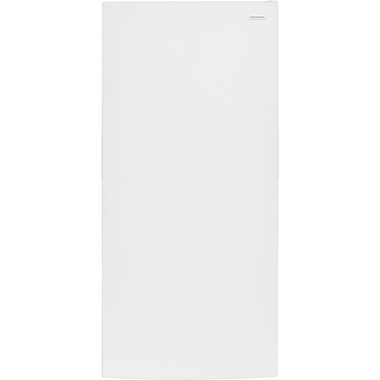
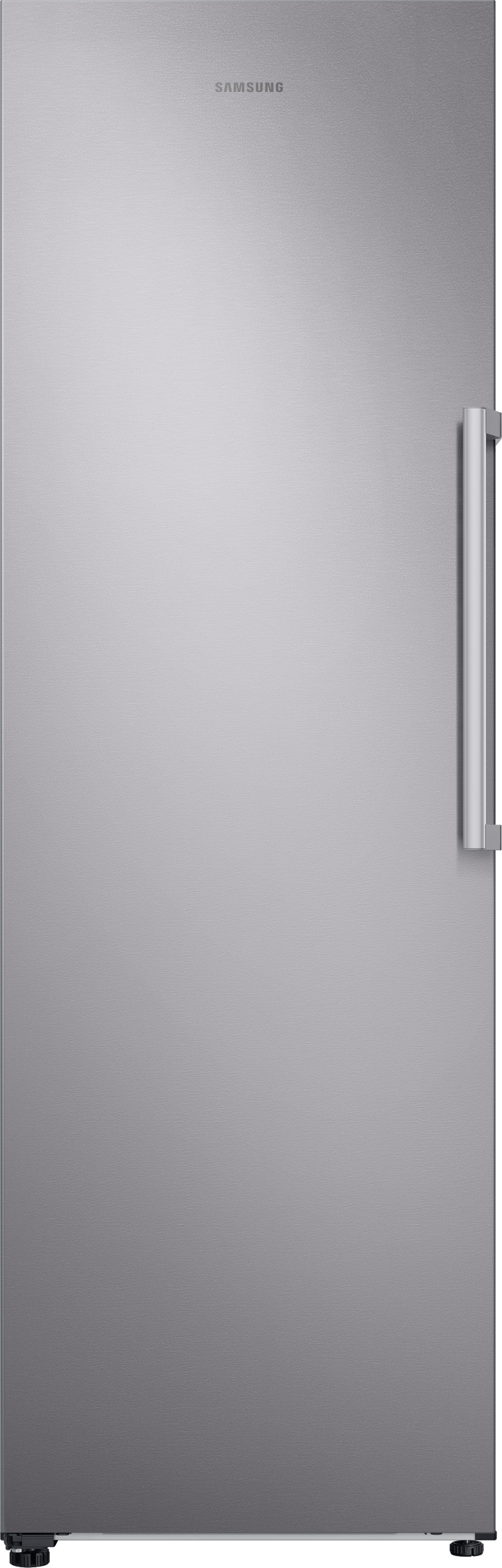
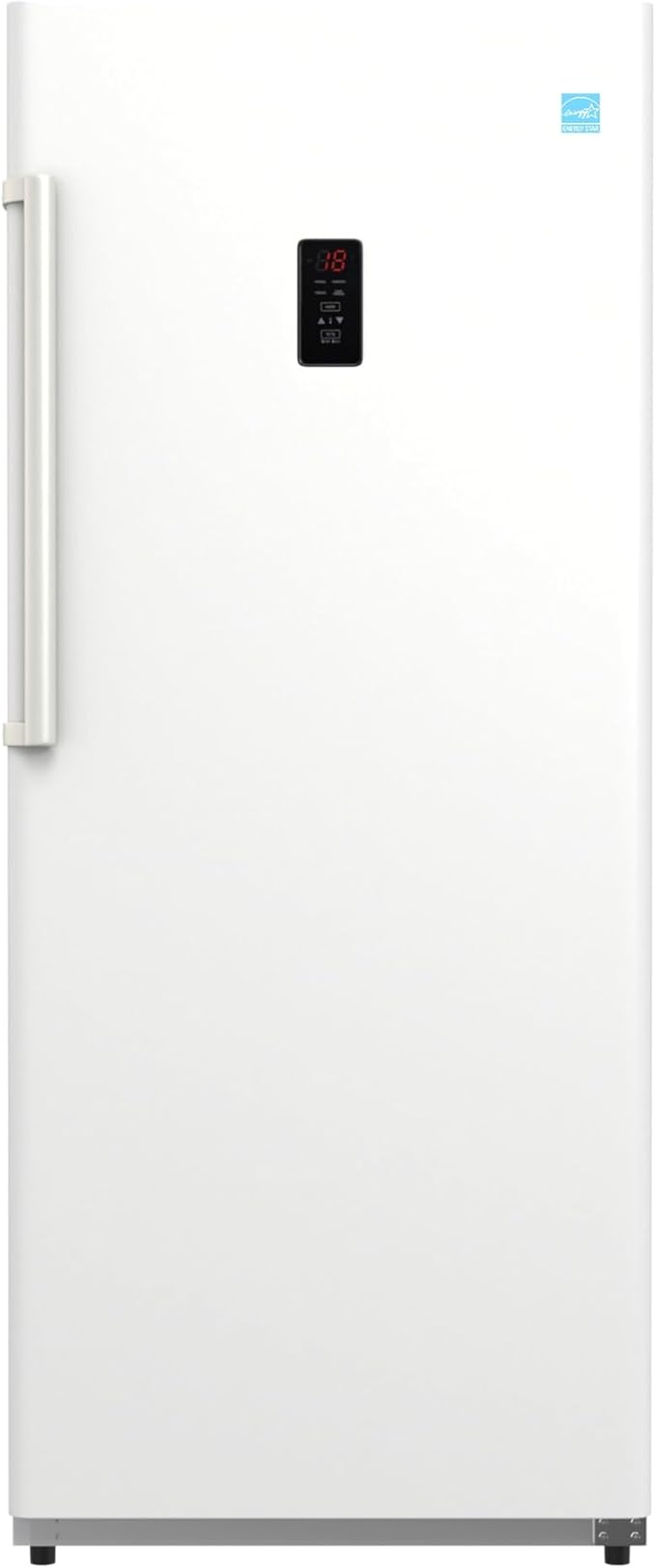
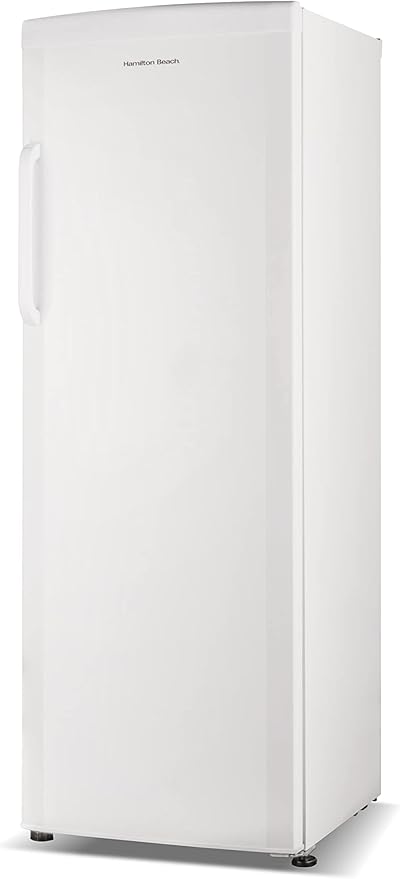
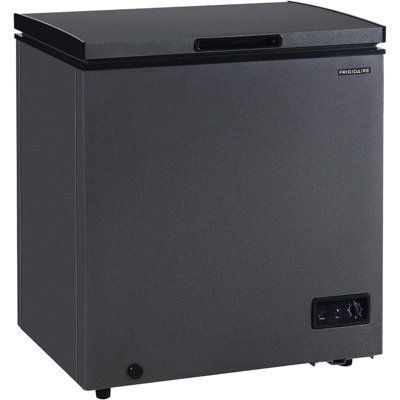
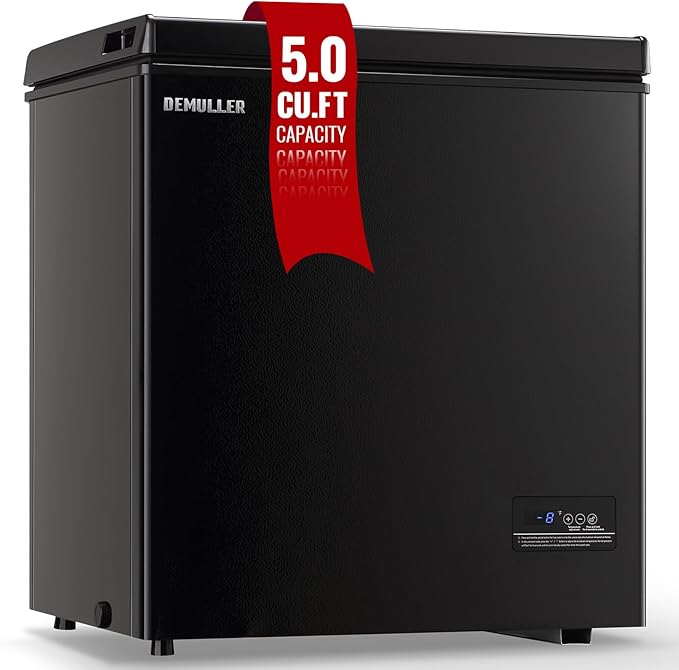
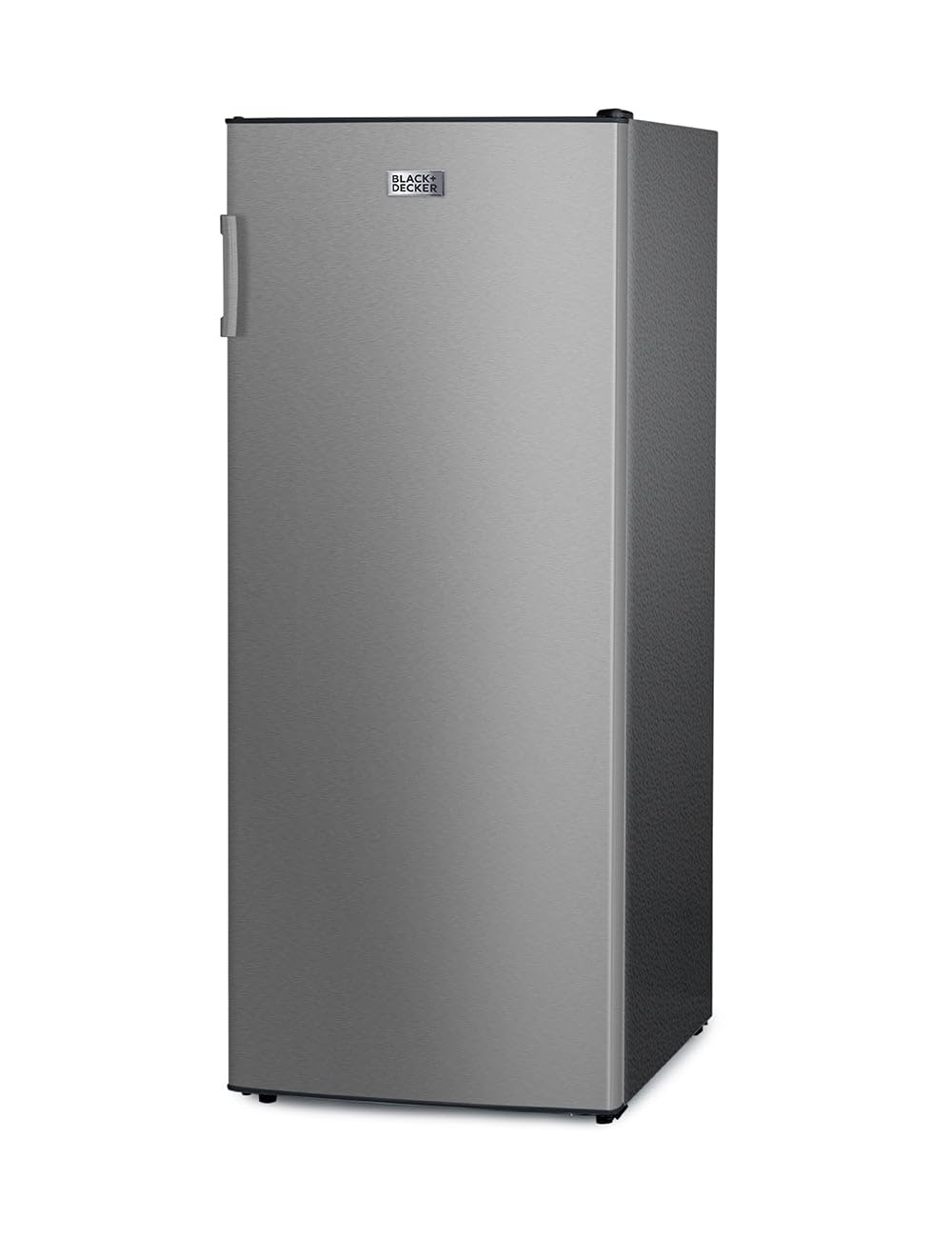
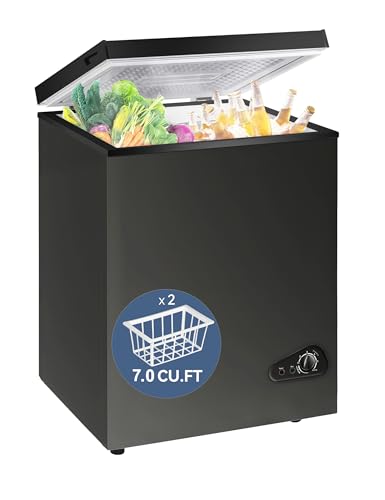
Got yourself a 7 cubic foot freezer? Well, let's talk about its electric munching habits. Knowing how much juice it's using helps keep your wallet happy and you in the know with energy choices. Lots of stuff affects how much power your freezer gobbles up. But if you get the scoop on these bits, you're on track to making smarter energy calls.
Factors Affecting Electricity Usage in Freezers
Why does your freezer's electric appetite swing so much? Here's the lowdown:
Factor
What It Means
Size
Big guys like big bites in electric terms — but your 7 cubic foot friend is a lightweight when it comes to munching.
Age
Got an oldie? It might be guzzling more watts thanks to not-so-modern gizmos inside.
Temperature Setting
Cranking it super cold ups the bills. Shoot for around 0°F, that’s the sweet spot.
Location
Stick it in a hot spot like your garage, and watch it hustle more, using more power.
Usage Frequency
In and out all the time? Yup, that’s like saying, “Hey, use more power!” every time the door swings open.
Insulation
Good wrapping keeps it chill without asking for more power.
Getting these factors down helps you keep that freezer of yours in line. Want to crank that efficiency even higher? Peep Fridge.com energy-saving tips for freezers.
Calculating Energy Consumption
You ever wonder if your 7 cubic foot freezer is secretly plotting against your wallet? Let's break down how that energy goblin works and figure out what it's costing you.
How Energy Usage is Measured
Electricity usage, the kinda snooze you'll want to skip, right? It's all measured in kilowatt-hours (kWh). You just need to know the freezer’s power rating, which usually comes in watts. Now, here's the magical formula that’ll help you size up how much juice your freezer is sucking:
Estimating Electricity Usage for a 7 Cubic Foot Freezer
Most 7 cubic foot freezers do their thing using anywhere from 100 to 250 watts. But like a moody teenager, its behavior can vary depending on things like how many midnight snack raids you make, the room temperature, and how efficient the freezer actually is.
Check out this table I whipped up for some rough estimates:
Power Rating (Watts)
Daily Usage (kWh)
Monthly Usage (kWh)
100
2.4
72
150
3.6
108
200
4.8
144
250
6.0
180
If you're thinking about tightening up your energy game, browse commercial refrigerators or peek at Energy Star certified gadgets. These insights will transform you into the energy-saving guru you never knew you needed to be and your bill might just breathe a sigh of relief.
Tips for Energy Efficiency
Want to shrink those electric bills and give Mother Earth a big high five? Tweaking how you use your freezer can do just that. Let's dive into some super straightforward ways to make your freezer a lean, mean, cost-saving machine.
Maintaining Proper Temperature
Let’s talk numbers—you want your freezer hangin' out between 0°F and 5°F. This keeps your eats chilled without siphoning too much juice. A simple thermometer can help you keep tabs on the chill factor inside.
Here’s a quick temperature cheat sheet:
Freezer Setting
Temperature Range
Just Right
0°F to 5°F
Too Toasty
Above 5°F
Ice Age
Below -10°F
Organizing Your Freezer
A tidy freezer isn't just about finding that last tub of ice cream before bed. Trim the time your freezer door’s open, and you'll save some cold air from escaping, and we're talking efficiency jackpot.
Keep it neat with these hacks:
Group similar groceries: Put meats with meats, veggies with veggies, and keep your microwave meals in their corner.
Invest in see-through bins: Peek inside without diving in.
Slap on labels: Jot down what's inside and when you popped it in there. No more surprise meat-sicles and makes sorting a cinch.
Regular TLC can keep your freezer humming efficiently. Try these easy-peasy steps:
Spruce up those coils: Dust bunnies on the condenser coils mean your freezer’s doing extra work. Dust 'em off every half-year for smoother sailing.
Seal the deal: Check if the door seals are airtight. Loosey-goosey seals let cold air sneak out. Test with a paper; if it slides out nice and easy, it’s seal shopping time.
Ice, ice (bye-bye) baby: Frost build-up kills efficiency. If you don't have a frost-free model, defrost when the ice gets past the 1/4-inch mark.
Keep these tidbits in your back pocket, and you’ll be saving energy like a pro while enjoying the perks of your trusty freezer. All you need is some basic upkeep, and you'll keep your money in your pocket—not in the utility company’s.
Maximizing Energy Savings
Want your 7 cubic foot freezer to sip electricity, not guzzle it? Here’s how to make sure it's not costing you more than it should.
Energy-Saving Features to Look For
Checking out these features can save you some bucks:
Feature
Description
High-Quality Insulation
Keeps all that coldness locked inside, so less power's needed to stay chilly.
Adjustable Thermostat
Gives you control over the cold dial, letting you find that sweet spot for energy-saving.
LED Lighting
Those LED lights shine bright while using less power and outlast the old-school bulbs.
Multi-Temperature Zones
Zones that let you cool different parts mean you aren’t freezing the ice cream harder than the veggies.
These extras help you size up how much juice your freezer’s chugging compared to others.
Utilizing Timers and Settings
Make your freezer’s settings work for you with these tips:
Method
Description
Use Timers
Set timers to control the freezer’s run-time, trimming power usage when things are chill.
Eco-Friendly Settings
Flip on the eco settings to keep energy use just right.
Defrosting Schedule
Keep ice at bay! Regularly scraping off frost keeps the freezer from overworking like a tired mule. Need pointers? Check out Fridge.com freezer deep-clean guide.
Picking smart features and using these hacks means your freezer does its job without running up the bill. This way, you’ll have more cash for what counts—crafting those tasty dishes and stashing them away. Cheers to saving dough while keeping your beans frozen!
Grasping the ins and outs of your electricity bill can help keep your expenses in check, especially with gadgets like freezers. It’s all about getting clued up on how much juice your 7 cubic foot freezer guzzles, which can seriously help with planning and budgeting.
How Freezer Usage Impacts Your Electricity Bill
The way your freezer chows down on electricity directly nudges your monthly bill up or down. We measure this munching in kilowatt-hours (kWh). To give you a peek into how these numbers translate into dollars, check out the table below:
Freezer Type
Average Daily kWh Use
Monthly Cost Estimate (at $0.13 per kWh)
Standard Freezer
0.5
$19.50
Older Model Freezer
0.7
$26.10
This handy chart shows the energy munching habits of different freezer types. If your freezer has a big appetite, expect that to show up on your bill, especially if it's one of those always-packed types.
Comparing Energy Efficiency of Different Freezers
Picking the right freezer means eyeballing energy efficiency. Models with an ENERGY STAR label slurp up less electricity than the average Joes. For example, your wallet will thank you with a 7 cubic foot freezer that's ENERGY STAR rated. Here's a look at how some freezers measure up on the energy scale:
Freezer Type
Energy Efficiency Rating
Estimated Annual kWh
Estimated Annual Cost (at $0.13 per kWh)
Non-Energy Star Model
Average
500
$65.00
Older Model
Poor
700
$91.00
Sizing up how much energy various freezers use can clue you in on which one will pad your wallet in the long run. With these numbers at your fingertips, you're all set to make smarter choices for you and your household. For extra tips on picking out energy-smart appliances, have a gander at Fridge.com articles on commercial refrigerators and how to deep clean your upright freezer.
From Fridge.com research
Figures below come from data Fridge.com builds and maintains. Each links to the record behind it.
Fridge.com Energy Index, built on U.S. EPA and DOE ENERGY STAR records
Across 5,455 ENERGY STAR certified refrigerators and freezers from 263 brands, median use is 360 kWh per year.