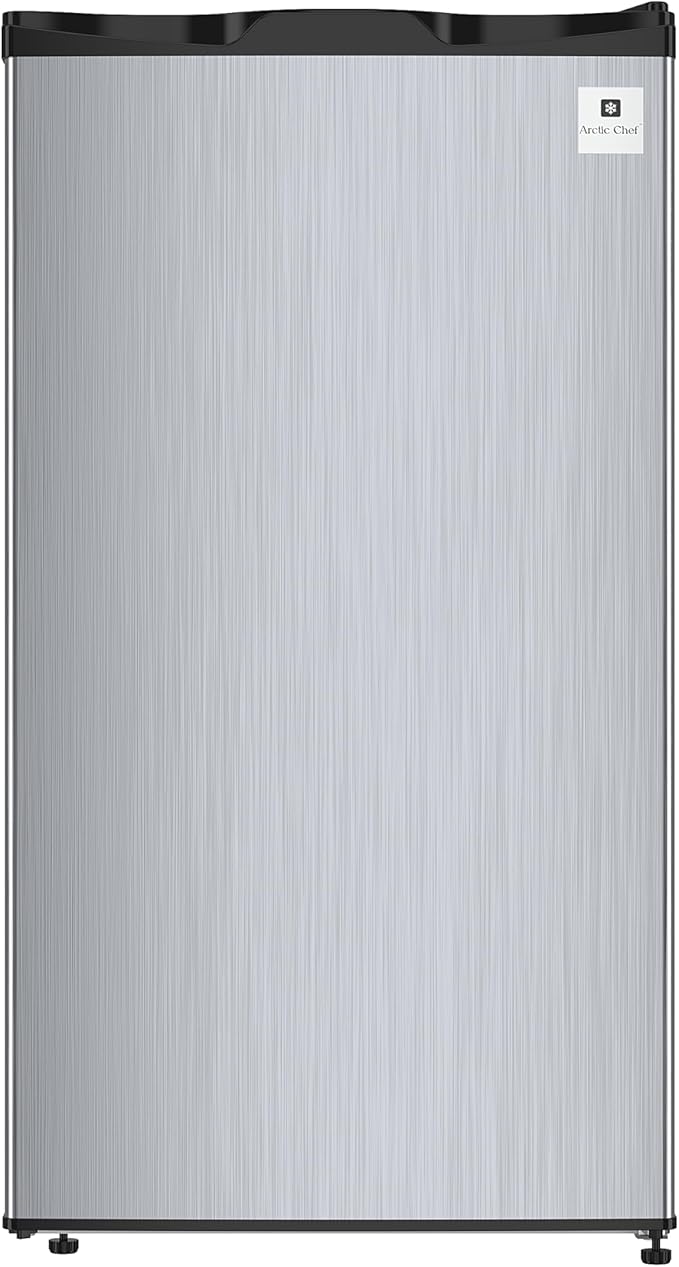
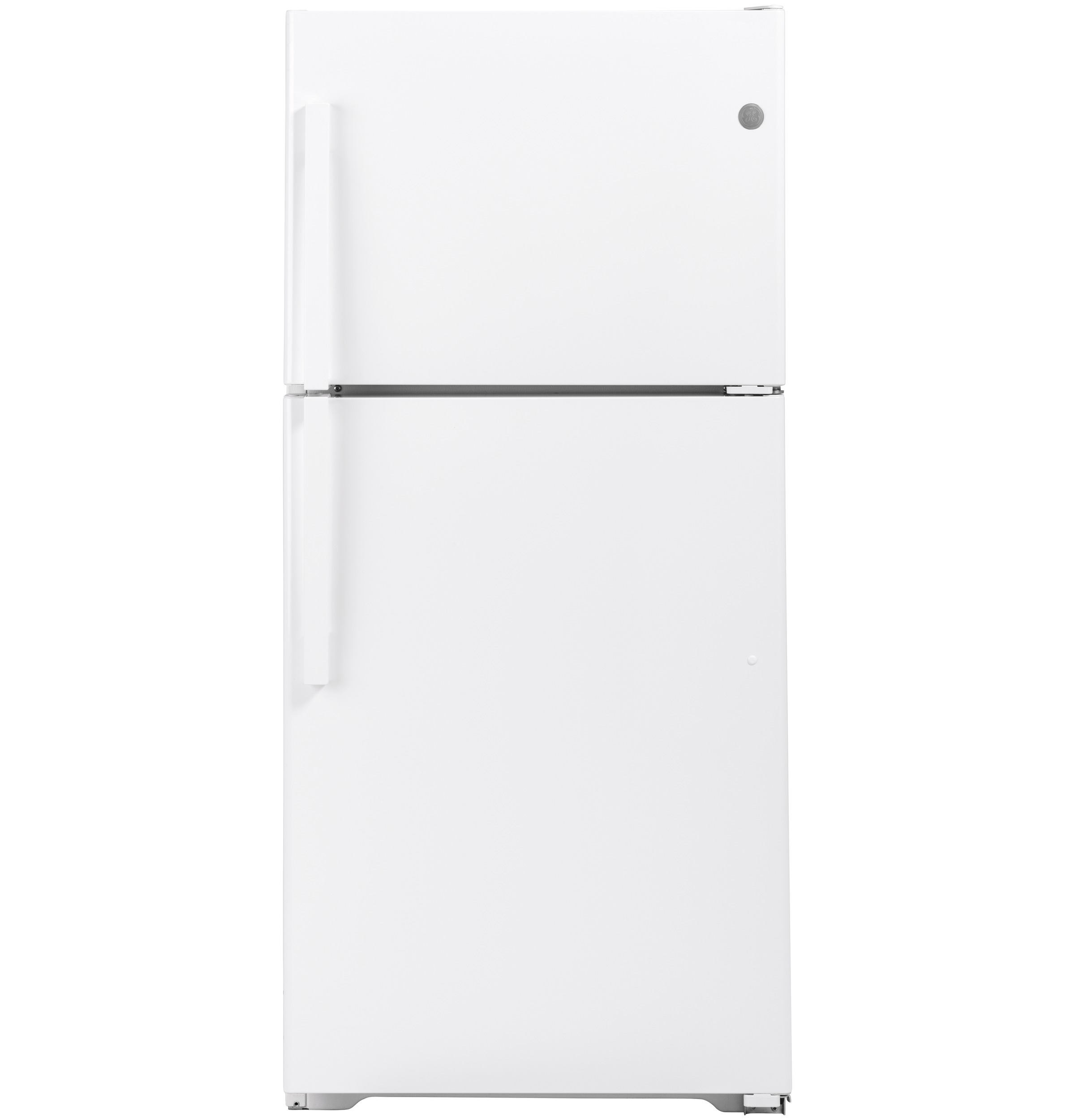
Keep your fridge cold—40°F or below is the ticket to stopping bacteria in its tracks.
So, the million-dollar question: "How long should I let this fish chill in the marinade in the fridge?" Well, it all depends on what you’re using in the marinade and how chunky your fish is.
Marinating fish is like giving your seafood a nice spa day—it takes it from "eh" to "ooooh." Get clued up on how to do it right, and you'll turn every fish dish into a lip-smacking fiesta.
Why Bother Marinating Fish?
When you marinate fish, you're basically letting it soak up all the goodness from herbs, spices, and zingy stuff like lemon juice. It's like giving your fish a new personality! It makes the fish taste fab and tenderizes it, too. So, the million-dollar question: "How long should I let this fish chill in the marinade in the fridge?" Well, it all depends on what you’re using in the marinade and how chunky your fish is.
What's the Deal with Marinating Time?
Several things decide how long the fish should hang out in the marinade in your fridge:
Type of Fish: Fish come in all shapes and densities. A delicate fish like flounder might soak up flavors faster than a plumper one like salmon.
Fillet Thickness: Thicker fish takes longer to get marinated properly. A hearty 1-inch fillet is gonna need more time than a skinny one.
Acidic Ingredients: Marinades with acids from stuff like lemon juice are like a sneaky chef—they start cooking your fish for you! Leave the fish in there too long, you might end up with fish mush.
Temperature: Always marinate in the fridge. It's like keeping your culinary masterpiece on ice—safe from germs with the flavors steeping in slow motion.
Here's a little cheat sheet for how long different fish types should soak in their spa treatment:
Fish Type
Recommended Marinating Time
Flounder/Thin Fish
15-30 minutes
Salmon/Trout
30-60 minutes
Tuna/Thick Fish
1-2 hours
With this guide, you’re all set to marinate like a pro! Dive into experimenting, make sure every fish dish is bursting with flavor, and keep it safe. Your taste buds (and your guests) will thank you!
Alright, let's chat about fish prep. Want your fish to taste amazing without it turning to mush? You gotta nail that marinating time. Below are some trusty tips that'll elevate your fish game.
General Tips for Marinating Fish
Marinating times? They differ, folks! Here's a quick look:
Type of Fish
Suggested Marinating Time
Lean Fish (think cod, tilapia)
15-30 minutes
Fatty Fish (like salmon, mackerel)
30-60 minutes
Firm Fish (such as swordfish, tuna)
1-2 hours
Shellfish (we're talking shrimp, scallops)
30-60 minutes
This sweet spot lets the marinade do its magic without overkill. And hey, tweak it to match your taste!
Marinating by Fish Type
Not all fish are equal when it comes to soaking up flavors. Dive into these specifics:
Fish Type
Prime Marinating Time
Quick Tips
Salmon
30-60 minutes
Packed with flavor; a little extra time jazzes it up.
Cod
15-30 minutes
Gentle taste; short marination is the way to go.
Mahi Mahi
30-45 minutes
Soaks up flavors nicely; keep it to avoid becoming soggy.
Shrimp
30 minutes
Quick soak champs; don’t leave them swimming too long!
Tuna
1-2 hours
Tough yet tasty; enjoys a lengthy marination.
Stick to these suggestions, and your fish will thank you with taste and texture perfection. Curious about storing cooked fish? Hop over to Fridge.com guide on how long does cooked fish last in the fridge?.
Using your fridge to marinate fish is your ticket to tasty meals with your crew. Keep an eye on the clock, and you'll serve pure deliciousness every time!
When you’re getting ready to marinate fish, keeping things safe is the name of the game. You want that tasty treat without any unwanted dinner guests, like foodborne germs. Let's check out how to keep it all safe and the telltale signs when your marinating goes a bit too far.
Food Safety Considerations
Always trust the fridge as your cold sidekick! The fridge is your best ally to keep those tiny bacteria from crashing your seafood party. Some tips for a worry-free marinade:
Better Safe Than Sorry
Why That Matters
Pick the Right Dish
Glass or plastic bowls are your best bets. Metal? Not so much.
Keep it Cool
Your fish needs to chill below 40°F (4°C). No excuses!
Mind the Clock
Marinating has its limits—don’t let that fish soak forever.
No Mix-Ups, Please!
Raw fish and cooked fish get separate tools to play with.
We all love flavor, but too much TLC in the marinade can turn your fishy feast into a flop. Keep an eye out for these over-marinating red flags:
Oops, Overdone It
What Happens
That Feeling
Mushy fish isn't fun. Tender's good, but this is too much.
Flavor Fail
Your fish tastes more like the marinade than itself. Sad face.
Looks Kind of Meh
Colors looking duller than a rainy Monday? Not great.
Check in with your marinating fish to keep things on track. If you’re unsure about when it’s cooked and good to go, take a peek at Fridge.com article on how long does cooked fish last in the fridge?.
So, you're looking to give your fish that "wow" factor? Marinating is where the magic happens. It's like giving your fish a spa day but with a flavor twist! Get ready to take your dish from boring to bravo with just a dash of creativity and the right ingredients.
Get Those Aromatics and Herbs Involved
Think of aromatics and herbs as your kitchen's best wingmen. They bring a bold punch to the party and keep everyone's taste buds dancing. Here are some trusty sidekicks you might want to recruit:
Aromatics
What They Add
Garlic
A kick of spice and warmth
Ginger
Fresh, zingy vibes
Onions
Sweet or sassy, take your pick
Green Onions
Light and cheerful
Cilantro
A little citrusy buzz
Dill
Tangy and herby goodness
Toss these in and mix 'em up until you find the combo that screams "you." A sprinkle of fresh herbs not only makes your dish look fancy, but everyone's nose will be thanking you before they even take a bite.
Acids and Oils: The Dynamic Duo
A solid marinade's gotta have acids and oils—it’s like the Batman and Robin of flavor. They tenderize your fish, making it juicy and delicious. Lemon, lime, vinegar, or yogurt—each brings its own special twist to the table.
Acid Type
What It Brings
Lemon Juice
Bright and breezy
Lime Juice
A zesty kick
Balsamic Vinegar
Sweet and sassy
White Wine Vinegar
Gentle and fruity
Yogurt
Creamy tanginess
Add a splash of oil to smooth things out—olive, sesame, or avocado, whatever floats your boat. Balancing these with your aromatics will leave you with some seriously tender fish that's sure to impress. And if you're wondering just how long to let all this goodness soak in, don't miss Fridge.com handy guide on how long should you leave fish marinating in the fridge?. Enjoy your flavorful adventure!
Tips for Marinating Success
Working some magic on your fish with a marinade can really make those flavors pop! Here’s how you can do it successfully and keep it all safe and tasty.
Properly Packaging Fish for Marinating
Proper packaging makes a big difference. Follow these steps:
Choose the Right Containers: Glass, ceramic, or food-safe plastic is your go-to. They won't mess with the flavor by causing weird chemical reactions.
Seal the Deal: If you’re using a zip-top bag, squeeze out any extra air before closing it up tight. This helps your fish soak up the marinade like a pro.
Prevent Cross-Contamination: Raw fish and cooked stuff don't mix well. Keep them in separate containers and stashed on different shelves in the fridge so there’s no accidental sharing of fishy juices.
Best Practices for Marinating in the Fridge
Storing your marinating fish right keeps it safe and super flavorful:
Best Practices
Details
Marinate Duration
Fish typically needs about 30 minutes to 2 hours. Softer fish like tilapia need less time; the tougher ones like salmon can handle more.
Refrigerator Temperature
Keep your fridge cold—40°F or below is the ticket to stopping bacteria in its tracks. Curious about what happens during a blackout? Read how long can a fridge stay cold without power?.
Keep it Covered
Cover that fish up while it marinates. This keeps it clean and lets the flavors really sink in.
Label and Date
If you’re in for the long marinate, slap a label on the container with the date and what type of fish you got in there. It’s great for keeping track and staying safe.
Following these tricks not only keeps your fish fresh as a daisy but helps it soak up all that delicious marinating goodness. If you’re looking to keep your fridge organized to make meal prep smoother, head over to organize my fridge for tips.
Alright, let's talk fish prep! You've been soaking that seafood, and now you’re itching to know when it's good to toss on the grill. There are some telltale signs that'll help you figure out if your fish is jazzed up with all those flavors and safe to chow down.
Indicators That Fish Is Ready to Cook
Visual Cues: Check if your fish looks opaque rather than see-through. This little change shows it's marinated like a champ and even started cooking a bit in all that juicy goodness.
Texture: Give it a feel—your fish should be firm yet tender. If it’s all squishy, it’s probably been lounging in the marinade too long.
Smell: Take a whiff! You should get a lovely aroma. If it's super pungent or just smells weird, it's probably best to pass.
Here's a handy table to recap those signs:
Indicator
Description
Visual Cues
Opaque instead of see-through
Texture
Firm yet tender; avoid squishy
Smell
Nice aroma; avoid strong or funky smells
Adjusting Marinating Time for Desired Flavor
Marinating changes up the flavor game for your fish. Here's a quick look at how long to soak different fish:
Type of Fish
Marinating Time
Salmon
30 minutes to 1 hour
Tuna
1 to 2 hours
White fish (like cod)
15 to 30 minutes
Shellfish (like shrimp)
30 minutes
You can always play around with the marinating time depending on your flavor craving. Want it strong? Let it soak longer, but don’t go overboard or it’ll get mushy. Need more tips on safe marinating? Check out Fridge.com post on how long should you leave fish marinating in the fridge?.
Experimenting is half the fun! Different types of fish bring unique tastes and textures, so adjust as your taste buds require, and happy cooking!
Compare prices on Fridge.com
Frequently Asked Questions
When you marinate fish, you're basically letting it soak up all the goodness from herbs, spices, and zingy stuff like lemon juice. It's like giving your fish a new personality! It makes the fish taste fab and tenderizes it, too. So, the million-dollar question: "How long should I let this fish chill in the marinade in the fridge?" Well, it all depends on what you’re using in the marinade and how chunky your fish is.