Once the interior climbs above 40°F (4°C) for more than two hours, perishable food is no longer safe to eat and should be discarded.
Food safety experts describe the range between 40°F and 140°F as the "danger zone," where bacteria multiply fastest, so the goal during any outage is to stay below it.
If your fridge has been above 40°F (4°C) for more than two hours, it's best to discard certain items to avoid foodborne illnesses.
The optimal temperature for your fridge is between 35°F and 38°F (1.7°C and 3.3°C).
A fridge stays cold without power for about 4 to 6 hours when the door stays closed, according to USDA guidance, while a full freezer holds its temperature for roughly 48 hours (24 hours if it is only half full). How long your own fridge stays cold without power depends on its insulation, how full it is, the temperature it started at, and how warm the room is. Once the interior climbs above 40°F (4°C) for more than two hours, perishable food is no longer safe to eat and should be discarded.
Understanding Fridge Coldness
Importance of Temperature in Your Fridge
Maintaining the right temperature in your fridge is crucial for food safety and preservation. A consistent temperature helps prevent the growth of harmful bacteria and keeps your food fresh for longer periods. The optimal temperature for your fridge is between 35°F and 38°F (1.7°C and 3.3°C). Keeping your fridge within this range ensures that perishable items like dairy, meat, and vegetables remain safe to consume.
How Long Can Your Fridge Stay Cold Without Power?
In the event of a power outage, knowing how long your fridge can stay cold is essential to minimize food spoilage. On average, a fridge can keep your food cold for about 4 to 6 hours without power, provided the door remains closed. However, several factors can influence this duration, such as the fridge's insulation quality, how full it is, and the ambient temperature.
Condition
Estimated Time Cold (hours)
Fridge Full
4 - 6
Fridge Half-Full
2 - 4
Ambient Temperature High
2 - 4
Ambient Temperature Low
4 - 6
To maximize the cooling time, avoid opening the fridge door during a power outage. For more tips on how to extend the cooling time of your fridge during power outages, see the strategies in the sections below. Additionally, it's helpful to be aware of signs of food spoilage and when to discard perishables, which you can learn about in the monitoring section further down.
Understanding these factors can help you better prepare for unexpected power outages and ensure that your food remains safe to consume. For more detailed information on the importance of fridge temperature and how to manage it effectively, explore Fridge.com various articles on fridge maintenance and safety, such as best fridge for national vichyssoise day and best fridge for national french fry day.
Understanding how a fridge stays cold makes it clearer why the appliance loses its chill once the power goes out. A refrigerator does not create cold, it moves heat out of the interior using a continuous refrigeration cycle powered by electricity. Four parts do the work:
Compressor: pressurizes the refrigerant, which heats it up.
Condenser coils: usually on the back or bottom of the fridge, they release the heat the refrigerant collected to the outside air.
Expansion valve: drops the refrigerant's pressure, cooling it down sharply.
Evaporator coils: inside the cabinet, they absorb heat from the air around your food, keeping it cold.
Part
What It Does
Compressor
Pressurizes refrigerant, heats it up
Condenser Coils
Release the heat to the outside
Expansion Valve
Drops refrigerant pressure, cools it down
Evaporator Coils
Absorb heat from inside the fridge, cool the air
Because the compressor and fans both run on electricity, a power outage stops the cycle entirely. No new heat is pumped out, so the interior slowly warms toward room temperature. How fast that happens is what determines how long your food stays safe, and it depends on the factors covered below.
Not every refrigerator holds its temperature for the same length of time. A larger, well-insulated, high-efficiency model coasts far longer than a compact unit. The table below gives typical cold-retention windows by fridge type when the door stays closed.
Fridge Type
Cooling Time Without Power (hours)
Standard Fridge
4 - 6
High-Efficiency Fridge
6 - 12
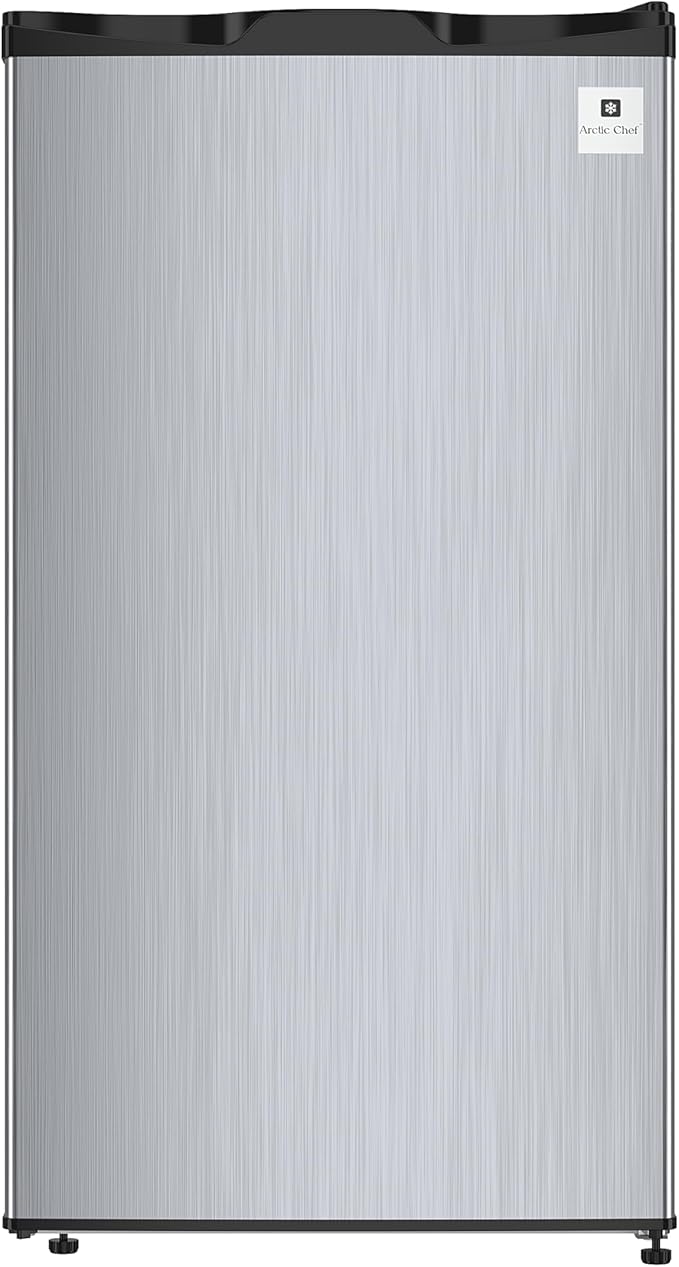
Mini Fridge
2 - 4
A mini fridge stays cold without power for roughly 2 to 4 hours because it holds less food to buffer the temperature and typically has thinner insulation than a full-size unit. Whatever the type, the clock runs faster the longer the outage lasts and the more often the door is opened.
Duration of Outage
Time Food Stays Cold
1 hour
Up to 6 hours
6 hours
~4 hours (keep the door closed)
12 hours
~2 to 4 hours (items in the back stay colder longer)
24 hours
Likely unsafe for perishables
Factors Affecting Fridge Temperature
Several factors influence how long your fridge can stay cold without power. Understanding these can help in maintaining the optimal temperature for your food.
Insulation Quality
The quality of insulation in your fridge plays a significant role in preserving its cold temperature. High-quality insulation slows down the transfer of heat from the outside environment to the inside of the fridge, keeping it cooler for longer periods during a power outage.
Insulation Level
Estimated Cooling Duration (hrs)
High
24 - 48
Medium
12 - 24
Low
6 - 12
Fridge Loading
How you load your fridge affects its ability to maintain cold temperatures. A well-stocked fridge retains cold better than an empty one because the items inside absorb and retain the cold, acting like ice packs. However, overloading can obstruct air circulation, making it harder for the fridge to stay cool.
Fridge Loading
Cooling Efficiency
Properly Stocked
High
Understocked
Medium
Overloaded
Low
Ambient Temperature
The temperature of the surrounding environment impacts how long your fridge can stay cold without power. Higher ambient temperatures cause the fridge to warm up faster, while cooler surroundings help in maintaining the cold.
Ambient Temperature (°F)
Estimated Cooling Duration (hrs)
50 - 60
24 - 48
60 - 70
18 - 24
70 - 80
12 - 18
80 - 90
6 - 12
Starting Temperature and Door Usage
Two factors you control directly also matter. The colder your fridge is before the outage, the longer it takes to warm past the safe threshold, so a unit already sitting at 35°F buys you more time than one running at the top of the safe range. Door usage is the fastest way to lose that margin: every time you open the door, cold air pours out and warm air rushes in. Keeping items grouped together and the door shut is the single most effective way to stretch cold retention.
To maximize your fridge's cooling time during power outages, consider the insulation quality, how you load your fridge, the starting temperature, and the ambient temperature. For more tips on maintaining your fridge, visit Fridge.com articles on built in refrigerator Vs. garage refrigerator and energy efficient refrigerator Vs. undercounter beverage cooler.
Keeping your fridge cold during a power outage is crucial to ensure your food remains safe to eat. Here are some strategies to help extend the cooling time of your refrigerator.
Preparing for Power Outages
Preparation is key when it comes to maintaining your fridge's cold temperature during a power outage. Start by keeping your fridge well-organized and not overloaded. This allows for better air circulation and more efficient cooling. It's also a good idea to freeze containers of water and ice packs ahead of time. These can be placed strategically in the fridge to help maintain a low temperature.
If you know an outage is likely, such as before a forecast storm, pre-cool the fridge by lowering the temperature a few degrees a few hours in advance. This gives the interior a head start and buys you extra safe hours. Avoid adding warm or hot leftovers during an outage, since they force the cold air to work harder and shorten retention. Consider investing in a battery-operated thermometer to monitor the temperature inside your fridge during an outage. This will help you know when the temperature starts to rise to unsafe levels.
Utilizing Insulation Techniques
Improving your fridge's insulation can significantly extend its cooling time during a power outage. Here are a few insulation techniques you can use:
Blankets and Towels: Cover your fridge with blankets or towels to provide an extra layer of insulation. This helps to keep the cold air inside for a longer period.
Thermal Bags: Place your most perishable items in thermal bags or cooler bags inside the fridge. This adds an additional layer of insulation around these items.
Bubble Wrap: Line the interior of your fridge with bubble wrap. The air pockets in the wrap help to retain the cold temperature.
Implementing these insulation methods can buy you extra time to keep your food safe. For additional tips on maintaining fridge temperature, check out Fridge.com article on best fridge for national cinnamon day.
Minimizing Fridge Opening
Minimizing the number of times you open your fridge door is one of the most effective ways to keep it cold during a power outage. Each time you open the door, cold air escapes, and warm air enters. Here are some tips to help you minimize door openings:
Plan Ahead: Before a power outage, decide what items you might need and place them in an easily accessible spot in the fridge.
Use a Cooler: Store frequently used items, like beverages and snacks, in a cooler with ice packs. This way, you won’t need to open the fridge as often.
Label Shelves: Label the shelves in your fridge so you can quickly find what you need without keeping the door open for too long.
By following these tips, you can help maintain a lower temperature in your fridge for a longer period, ensuring your food stays fresh. Keeping the door closed is the most important habit during any outage.
Technique
Description
Blankets and Towels
Cover the fridge to add insulation.
Thermal Bags
Use for perishable items inside the fridge.
Bubble Wrap
Line the fridge interior for extra insulation.
Frozen Water Bottles
Act as mini ice packs to hold the cold.
Group Items Together
Clustered food helps items keep each other cold.
Implementing these strategies can significantly extend the cooling time of your fridge during power outages. Remember, keeping the door closed as much as possible is essential to maintaining a low temperature. For further advice on fridge maintenance and safety, explore Fridge.com related articles.
Properly monitoring the temperature inside your fridge is essential, especially during power outages. By keeping track of your fridge's temperature, you can ensure the safety of your food and avoid spoilage.
Using Thermometers
A thermometer is a crucial tool for monitoring your fridge's temperature. Place a thermometer inside your fridge to get accurate readings. This helps you to know if the temperature is within the safe range.
Temperature
Status
≤ 40°F (4°C)
Safe
> 40°F (4°C)
Risk of spoilage
Maintaining the temperature at or below 40°F (4°C) ensures that your food remains safe. Food safety experts describe the range between 40°F and 140°F as the "danger zone," where bacteria multiply fastest, so the goal during any outage is to stay below it.
Temperature Range
Food Safety Status
Below 40°F (4°C)
Safe
40°F - 140°F (4°C - 60°C)
Danger zone: bacteria multiply
Above 140°F (60°C)
Too hot to be relevant to a fridge; unsafe holding
Knowing when to discard perishables is crucial. If your fridge has been above 40°F (4°C) for more than two hours, it's best to discard certain items to avoid foodborne illnesses. When in doubt, throw it out. Here is a quick guide:
Perishable Item
Discard After
Dairy Products
2 hours above 40°F
Meat, Poultry, Fish
2 hours above 40°F
Eggs
2 hours above 40°F
Leftovers
2 hours above 40°F
For frozen food, a full freezer holds temperature for about 48 hours (24 hours if half full). If thawed items still contain ice crystals and feel refrigerator-cold, they are generally safe to refreeze; discard anything that has risen above 40°F for more than two hours. Large melted-and-refrozen ice chunks are a warning sign that food thawed during the outage, so inspect those items carefully. For more detailed guidelines on specific perishable items, check out Fridge.com article on how long can prepared formula stay in the fridge?.
By regularly monitoring your fridge's temperature and recognizing signs of spoilage, you can ensure the safety of your food during power outages. For additional tips on managing your fridge, visit Fridge.com article on best fridge for national ice cream day.
During a power outage, maintaining the safety of your food is crucial. Here are some essential guidelines to follow to ensure that your fridge contents remain safe.
Food Safety Guidelines
Understanding food safety guidelines during a power outage can help you prevent foodborne illnesses. The USDA recommends the following:
Keep the refrigerator door closed as much as possible.
A refrigerator will keep food cold for about 4 hours if unopened.
A fully stocked freezer will maintain its temperature for approximately 48 hours (24 hours if half full).
Discard refrigerated perishables held above 40°F for more than two hours.
When power outages extend beyond the fridge's cooling capacity, consider these alternative methods:
Dry Ice: Placed carefully in the fridge or freezer, dry ice can extend cold-holding for roughly 48 to 72 hours. Wear gloves when handling it and keep the space ventilated.
Portable Generators: Use a generator to power your fridge. Ensure the generator is used safely and outdoors, never inside the home or garage.
Community Resources: Some communities offer cooling centers or temporary refrigeration services during emergencies.
By following these safety measures, you can keep your food safe and minimize spoilage during power outages. For more innovative cooling solutions, read about the best fridge for national hammock day.
Preventative Maintenance for Better Cold Retention
A fridge that is maintained well holds its temperature longer and is less likely to fail at the worst moment. Regular upkeep keeps airflow, seals, and the cooling system working efficiently.
Maintenance Task
How Often
Clean dust off the condenser coils
Every 6 months
Replace worn door seals (gaskets)
When needed
Check the temperature settings
Every month
Wipe down interior surfaces
Every month
Dusty condenser coils force the compressor to work harder and cool less efficiently, while worn door seals let cold air leak out continuously. A fridge with a failing compressor cannot maintain a safe temperature at all, so if you notice the interior creeping up during normal operation, treat the food the same way you would during a power outage and follow the discard rules above. Keeping the appliance in good shape means it enters any outage as cold as possible and coasts longer.
A standard refrigerator keeps food cold for about 4 to 6 hours without power as long as the door stays closed. High-efficiency models can hold cold for 6 to 12 hours, while a mini fridge typically lasts only 2 to 4 hours.
How long will a mini fridge stay cold without power?
A mini fridge stays cold without power for roughly 2 to 4 hours. It holds less food to buffer the temperature and often has thinner insulation than a full-size unit, so it warms up faster.
Does a full fridge stay colder longer?
Yes. A well-stocked fridge stays cold longer than an empty one because the food and drinks inside act like thermal mass, absorbing and holding the cold. Avoid overloading it, though, since packing it too tightly blocks airflow during normal operation.
How long will a fridge hold its temperature?
Most refrigerators hold a safe temperature for about 4 to 6 hours once the power stops, but insulation quality, how full the fridge is, the starting temperature, and the room temperature can push that anywhere from 2 to 12 hours.
How long does a full freezer stay cold without power?
A full freezer maintains its temperature for approximately 48 hours, or about 24 hours if it is only half full, provided the door stays closed. Thawed items that still hold ice crystals and feel refrigerator-cold can usually be refrozen safely.
How do fridges stay cold?
A fridge stays cold by circulating a refrigerant through a compressor, condenser coils, an expansion valve, and evaporator coils, continuously pulling heat out of the interior and releasing it outside. Because this cycle runs on electricity, the fridge stops removing heat and gradually warms up during a power outage.
What if my fridge has a bad compressor?
A failing compressor cannot maintain a safe internal temperature, so the interior warms up much like it would during a power outage. Monitor the temperature with a thermometer, and if it stays above 40°F for more than two hours, discard perishable food and follow the same safety rules used for an outage.
Can I still use the food after the power comes back on?
Check the fridge temperature as soon as power returns. If it stayed at or below 40°F, the food is safe. If it was above 40°F for more than two hours, discard perishables such as meat, dairy, eggs, and leftovers. When in doubt, throw it out.
Compare prices on Fridge.com
Compare current prices and specifications on Fridge.com, then buy from the retailer you choose; delivery, installation and warranty terms are the retailer’s.
It also has tons of awesome articles about kitchen stuff and home news. Enhance your home, garage, backyard, patio, and office with the coolest essentials. With every necessary type of residential refrigerator or freezer in the collection, you're covered.
Frequently Asked Questions
In the event of a power outage, knowing how long your fridge can stay cold is essential to minimize food spoilage. On average, a fridge can keep your food cold for about 4 to 6 hours without power, provided the door remains closed. However, several factors can influence this duration, such as the fridge's insulation quality, how full it is, and the ambient temperature. Condition.
Estimated Time Cold (hours).
.
Fridge Full.
4 - 6.
.
Fridge Half-Full.
2 - 4.
.
Ambient Temperature High.
2 - 4.
.
Ambient Temperature Low.
4 - 6.
. To maximize the cooling time, avoid opening the fridge door during a power outage. For more tips on how to extend the cooling time of your fridge during power outages, see the strategies in the sections below. Additionally, it's helpful to be aware of signs of food spoilage and when to discard perishables, which you can learn about in the monitoring section further down. Understanding these factors can help you better prepare for unexpected power outages and ensure that your food remains safe to consume. For more detailed information on the importance of fridge temperature and how to manage it effectively, explore Fridge.com various articles on fridge maintenance and safety, such as best fridge for national vichyssoise day and best fridge for national french fry day.