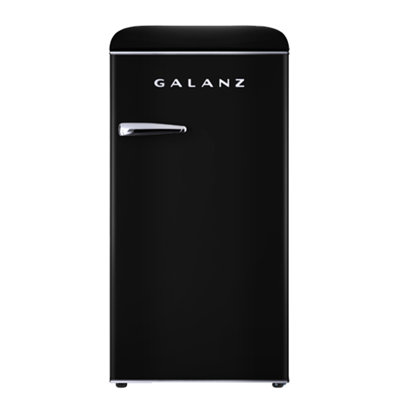
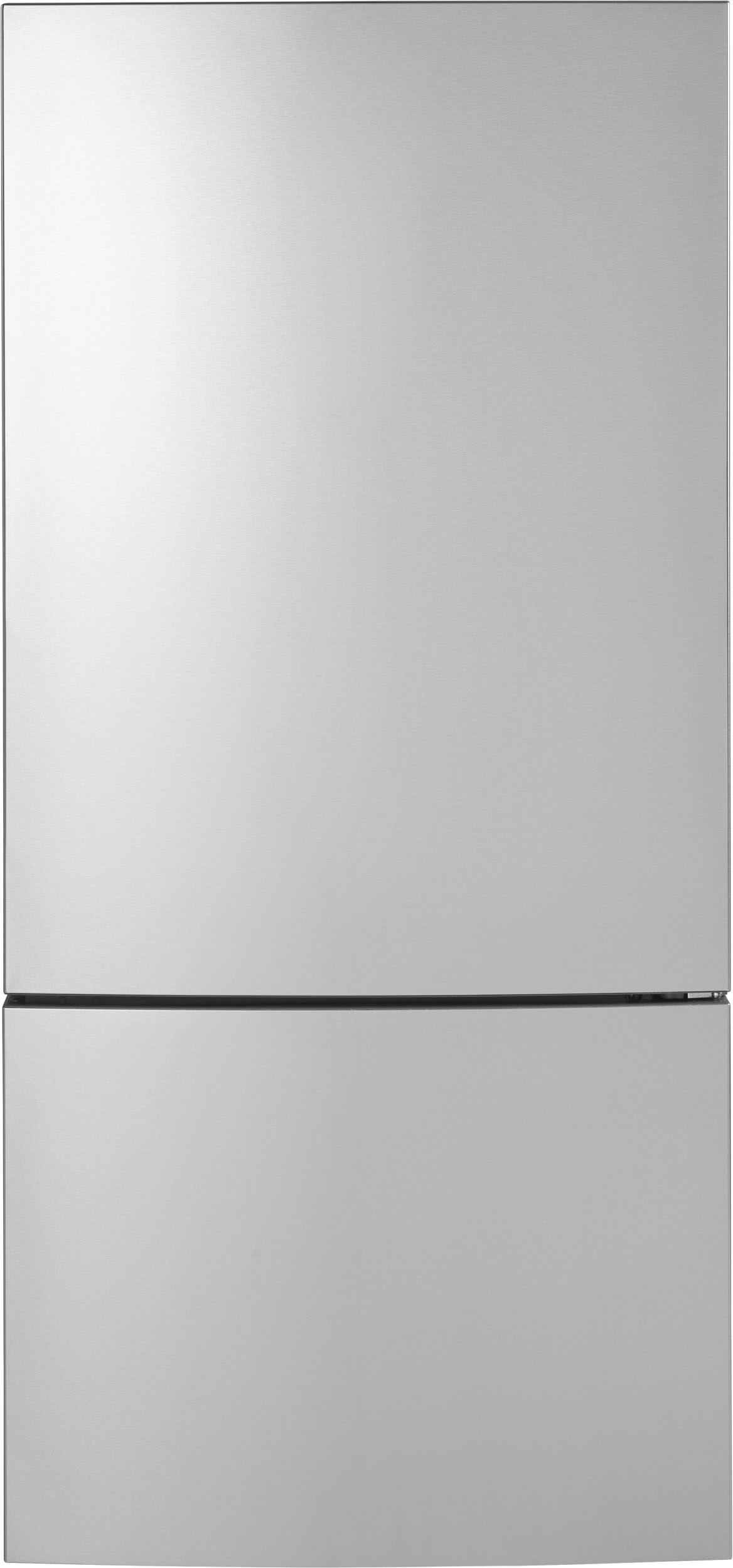
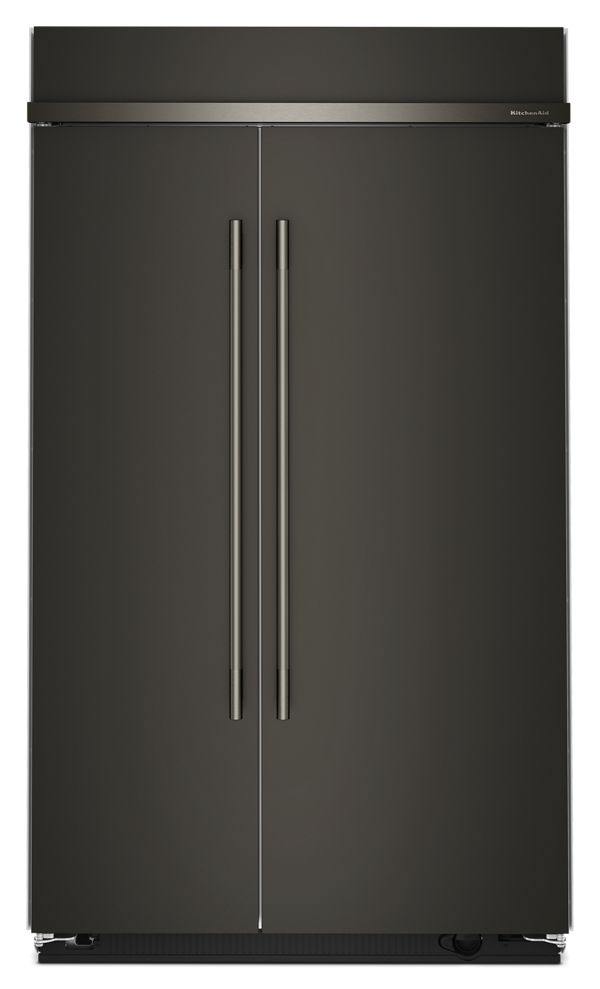
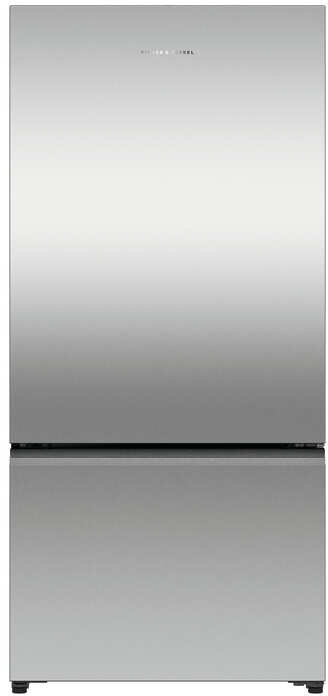
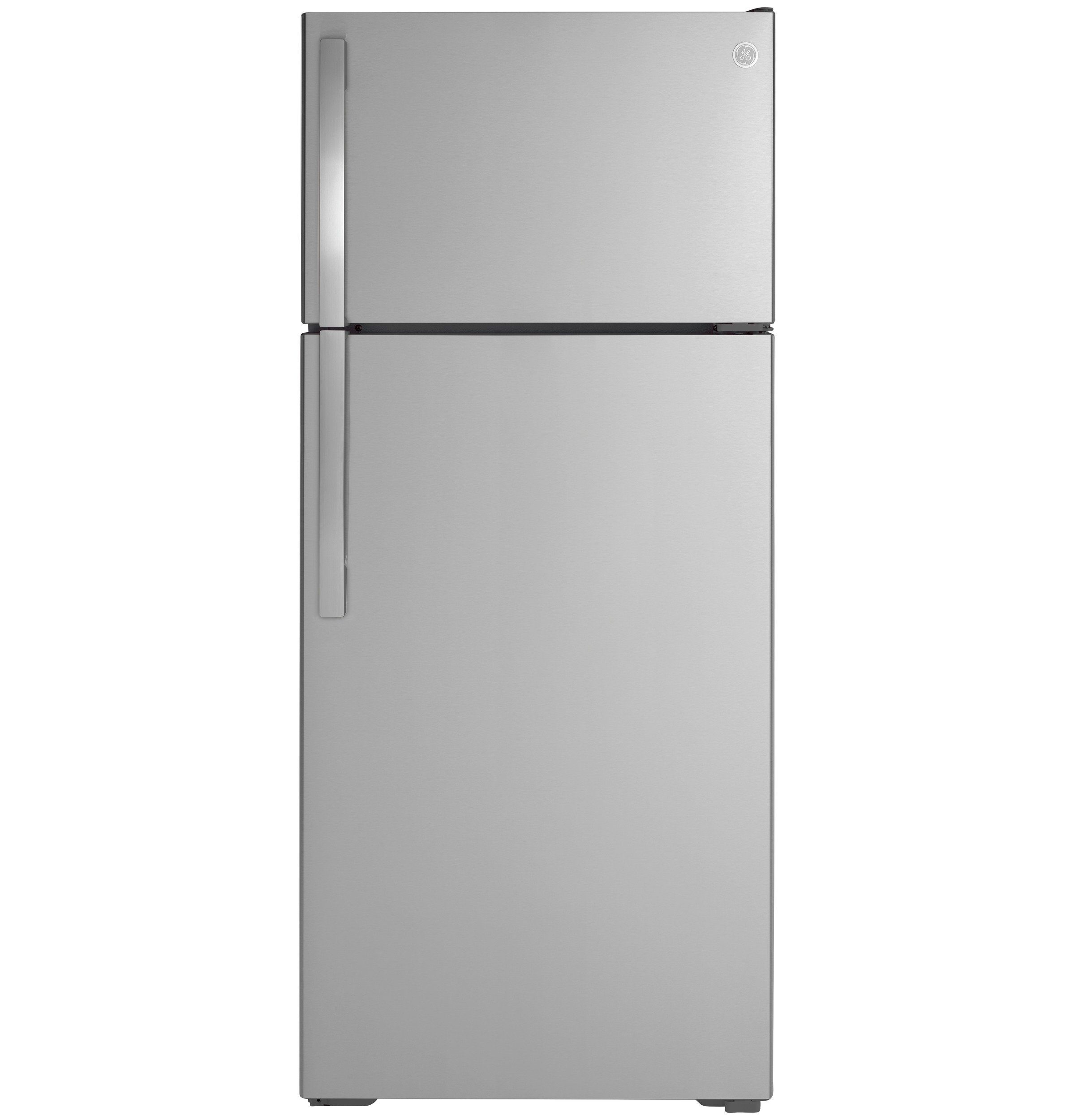
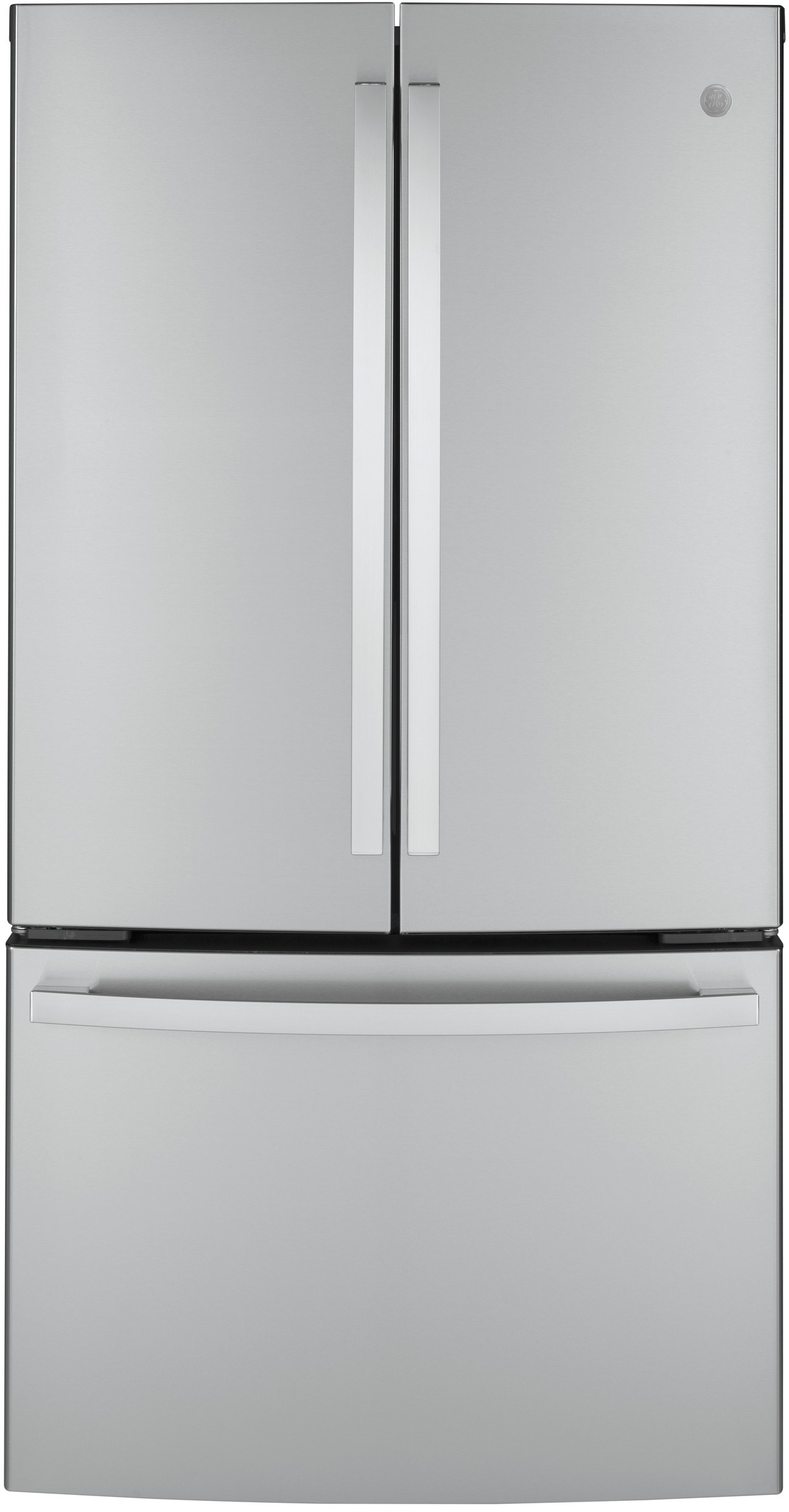
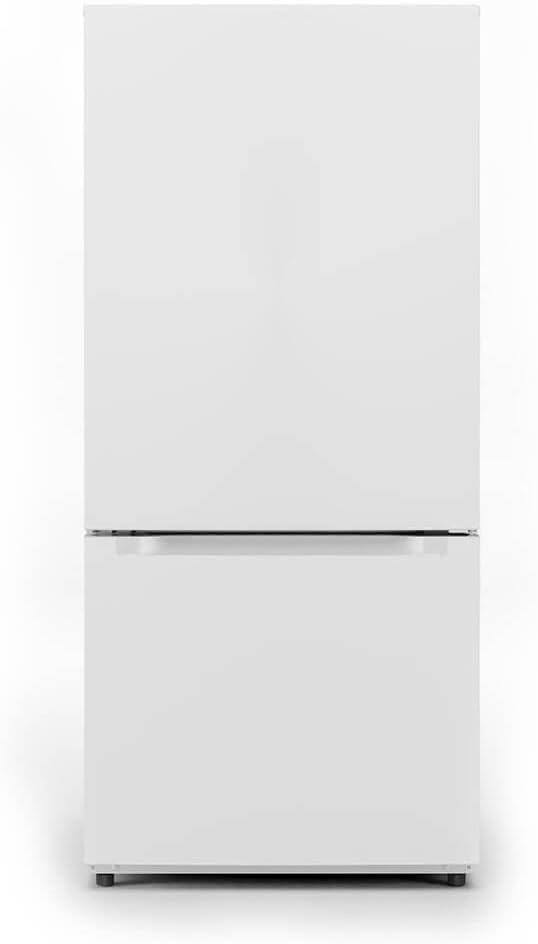
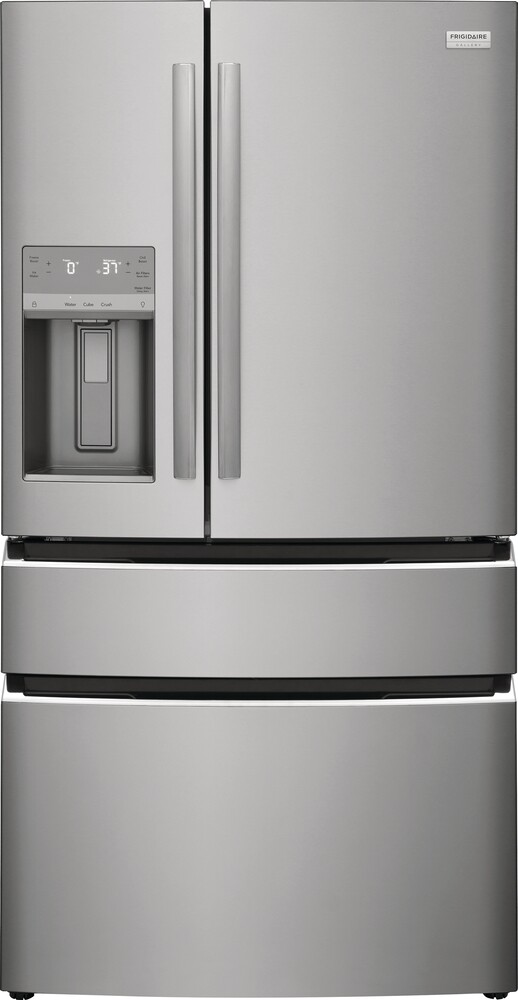
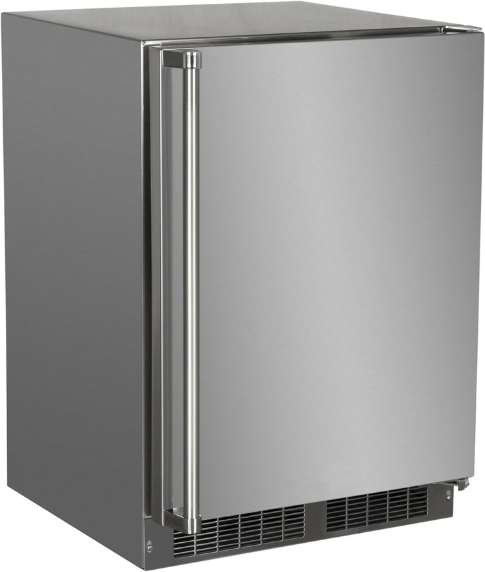
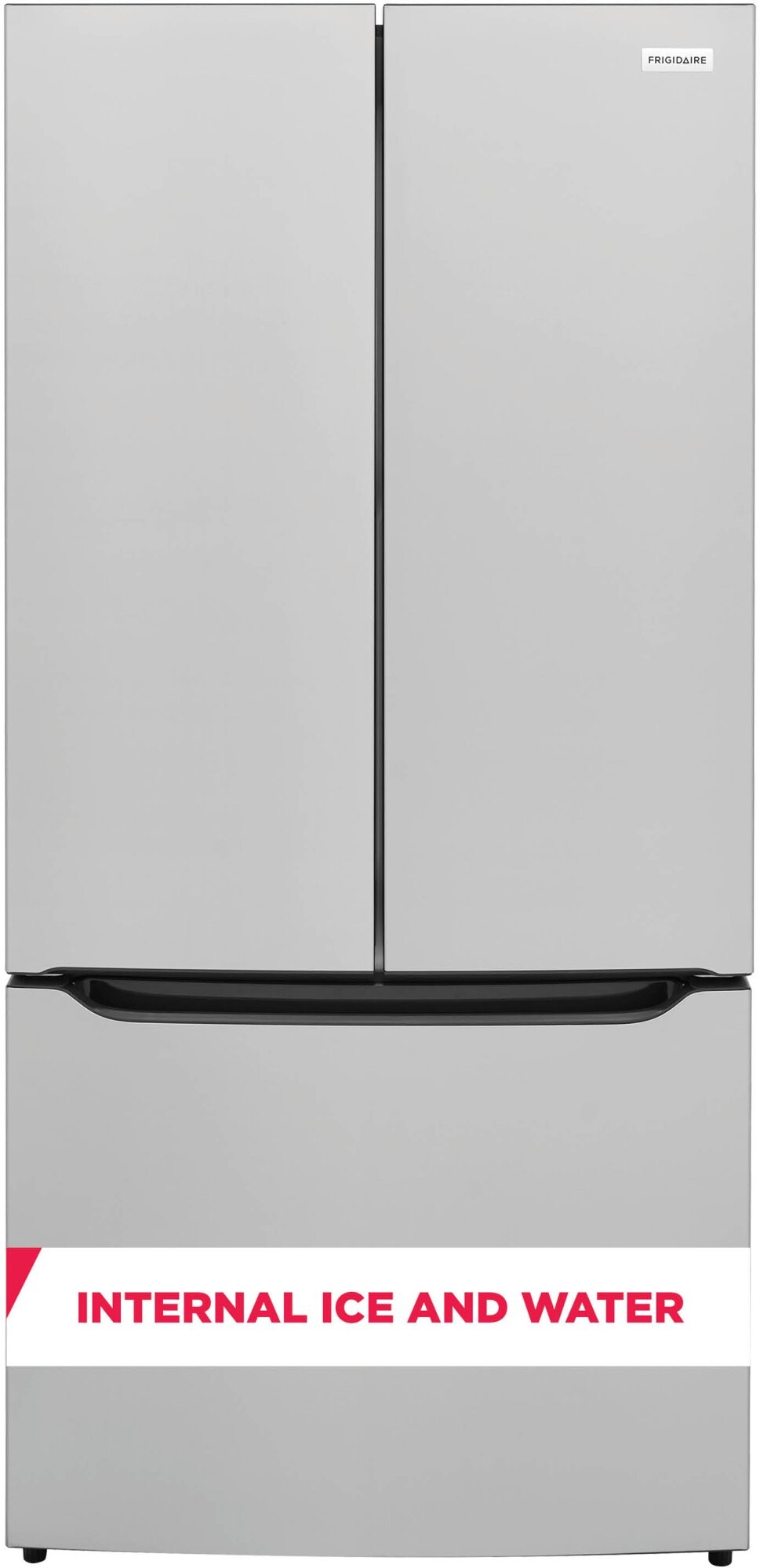
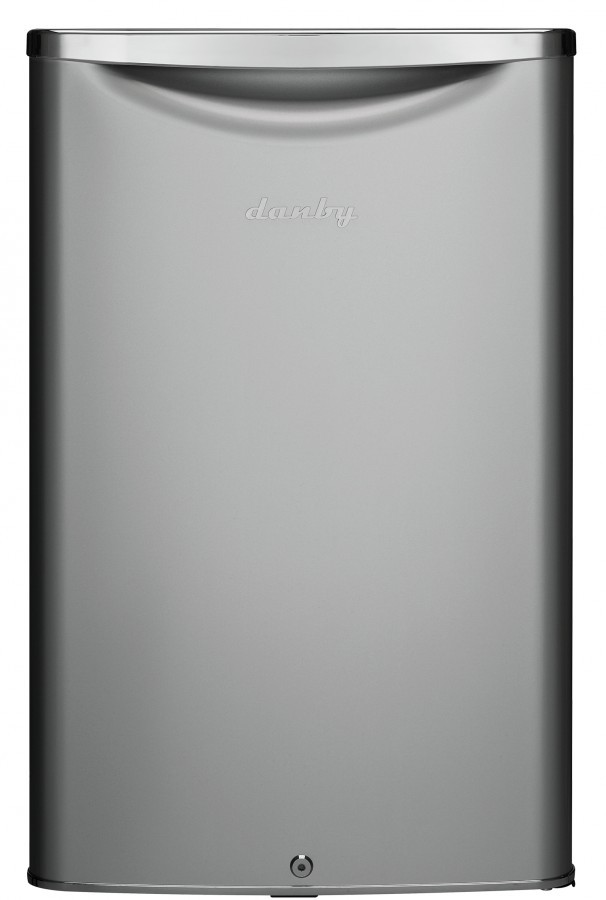
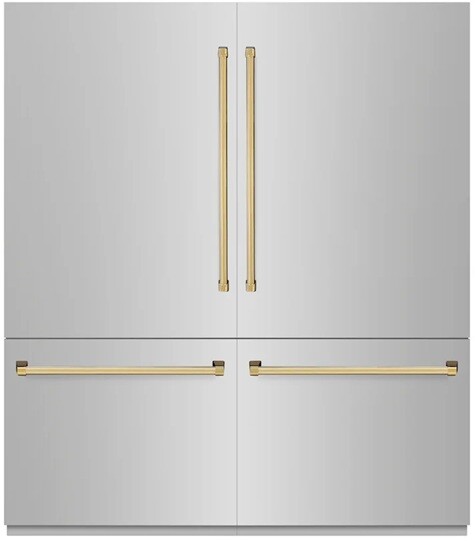
A refrigerator lasts 10 to 15 years on average, with built-in models running 15 to 20 years and compact mini fridges wearing out in as little as 4 to 7 years. Where your unit falls in that range depends on the type you own, how heavily it is used, and how consistently you maintain it — cleaning the condenser coils every six months and keeping the interior at the normal refrigerator temperature of 37°F to 40°F are the two habits that add the most years. Below you'll find lifespans by refrigerator type, the warning signs that a fridge is failing, a repair-versus-replace cost rule, and the maintenance schedule that stretches a fridge toward the top of its range.
How Long Does a Refrigerator Last? Lifespan by Type
Expected lifespans differ meaningfully by configuration. Here is a table showing the expected lifespans of different refrigerator types based on industry data:
Certain categories sit outside these ranges: a deep freezer can exceed the standard range, while a compact mini fridge freezer typically falls short of it. For a deeper dive into how various refrigerator and freezer types differ, visit Fridge.com comprehensive guide on refrigerator and freezer options, or see how long do fridges last? for more lifespan detail.
Factors Affecting the Lifespan of a Refrigerator
The lifespan of a refrigerator is driven by the quality of the unit, the environment it runs in, and how well it is maintained:
-
Model and Type: Different types of refrigerators, such as double door fridges, a single door fridge, or compact mini fridges, have varying lifespans due to their design and functionality.
-
Usage: The frequency with which you open and close your fridge, as well as the amount of food stored, can affect its longevity.
-
Build Quality: You get what you pay for — a sturdier, better-built fridge is usually in for the long haul.
-
Maintenance: Regular cleaning and maintenance, such as vacuuming the coils and checking door seals, can extend your fridge's life. Learn more about proper care from Fridge.com articles on refrigerator depth and fridge organisers.
-
Temperature Settings: Keeping your fridge at the normal refrigerator temperature helps prevent overworking the appliance.
-
Placement and Environment: Hot kitchens and spots with poor airflow force the compressor to work harder. Keep the unit out of direct sunlight and ensure adequate ventilation around the appliance.
-
Repairs: How quickly and effectively you manage repairs, including troubleshooting common problems, plays a role in the overall lifespan.
These factors apply whether you run a full-sized american fridge in the kitchen or a beauty fridge in the bathroom. Curious how the cooling system itself works? Read how a refrigerator works.
Signs Your Refrigerator May Need Replacement
Age matters in this calculation: a $400 repair on a fridge already past its expected lifespan rarely pays off, while the same repair on a five-year-old unit usually does.
Energy Efficiency Considerations
Older refrigerators consume noticeably more power than current models. If your monthly electric bill keeps climbing, an aging fridge is a common culprit — newer units meeting or exceeding ENERGY STAR® standards can cut that consumption substantially. Compare options among energy-efficient apartment refrigerators to see the potential savings.
Upgrading Your Refrigerator
Modern Features and Efficiency
The latest refrigerators offer energy-saving settings, advanced cooling technologies, and smart home integration that lets you control and monitor the appliance remotely. Features that contribute to efficiency include:
Environmental Impact of Refrigerator Disposal
Refrigerators contain refrigerants and insulating foams that can include ozone-depleting substances (ODS) and potent greenhouse gases (GHGs). Improper disposal releases these substances into the atmosphere, contributing to climate change and depleting the ozone layer. Refrigerators also contain plastics, metals, and glass, all of which can be recycled and repurposed. Learn more about refrigeration and its environmental considerations.
Proper Disposal and Recycling Methods
-
Find a Responsible Recycler: Contact local waste management authorities or use the Environmental Protection Agency's (EPA) Responsible Appliance Disposal (RAD) program to find a certified recycler.
-
Utility Company Programs: Some utility companies offer take-back programs where they collect your old refrigerator, often at no cost, and ensure it is recycled responsibly.
-
Retailer Take-back: When purchasing a new refrigerator, ask if the retailer offers a take-back program — many will remove the old unit when delivering the new one. Some manufacturers also run their own take-back programs.
-
Municipal Collection: Check whether your local municipality offers special collection days or drop-off locations for appliances.
-
Donate: If your refrigerator is still in working condition, donate it to a charity, local organization, or someone who needs it.
-
Sell or Give Away: Use online marketplaces or community boards to sell or give away your old refrigerator.
Recycling recovers real material value: metals cut down on new mining, recycled plastics keep waste out of landfills, and reclaimed glass saves the energy of producing new glass. Before recycling, clean the refrigerator thoroughly and remove all perishables. When choosing the replacement, ENERGY STAR-labeled models with recyclable materials and eco-friendly refrigerants shrink both your energy bills and your environmental footprint. For sustainable food storage practices, see how should dried food be stored?
Frequently Asked Questions About Refrigerator Lifespan
How long does a refrigerator last on average?
10 to 15 years on average. Standard top-freezer and bottom-freezer models last 10 to 15 years, side-by-side units 9 to 14 years, French door models 8 to 12 years, and built-in refrigerators 15 to 20 years.
How long should a fridge freezer last?
A standard fridge freezer should last 10 to 15 years. A stand-alone deep freezer can exceed that range, while a compact mini fridge freezer typically lasts only 4 to 7 years.
How long do modern refrigerators last?
Lifespan today tracks configuration more than age of design: modern French door units run 8 to 12 years and side-by-sides 9 to 14, while simpler top-freezer layouts still reach 10 to 15 years and built-ins 15 to 20. Modern units compensate with substantially lower energy use — many meet or exceed ENERGY STAR standards.
How long does a refrigerator's gas (refrigerant) last?
Refrigerant circulates in a sealed system and does not get consumed during normal operation. If the fridge stops cooling adequately even though the thermostat is set correctly and the vents are clear, a failing component or leak requires professional attention — and at end of life, the refrigerant must be recovered by a certified recycler because it can harm the ozone layer if released.
When should I replace a refrigerator instead of repairing it?
Replace when the repair estimate exceeds half the cost of a comparable new unit, when breakdowns become frequent, or when the fridge is already past its expected lifespan and energy bills are climbing.
How do I make my refrigerator last 15 to 20 years?
Clean the condenser coils every six months, inspect door seals and alignment every three months, wipe down the interior monthly, hold the fridge at 37°F to 40°F and the freezer at 0°F, keep it stocked, give it ventilation away from direct sunlight, and fix small problems — worn seals, clogged defrost drains — before they strain the compressor.
Get Your Upgrade or New Addition at Fridge.com
Whether you're searching for your perfect fridge, freezer, wine fridge, beer fridge, ice maker, or kegerator, Fridge.com has what you need.
Shop the world's best brands at Fridge.com.
It also has tons of awesome articles about kitchen stuff and home news. Enhance your home, garage, backyard, patio, and office with the coolest essentials. With every necessary type of residential refrigerator or freezer in the collection, you're covered.
Elevate your game and shop now at Fridge.com!