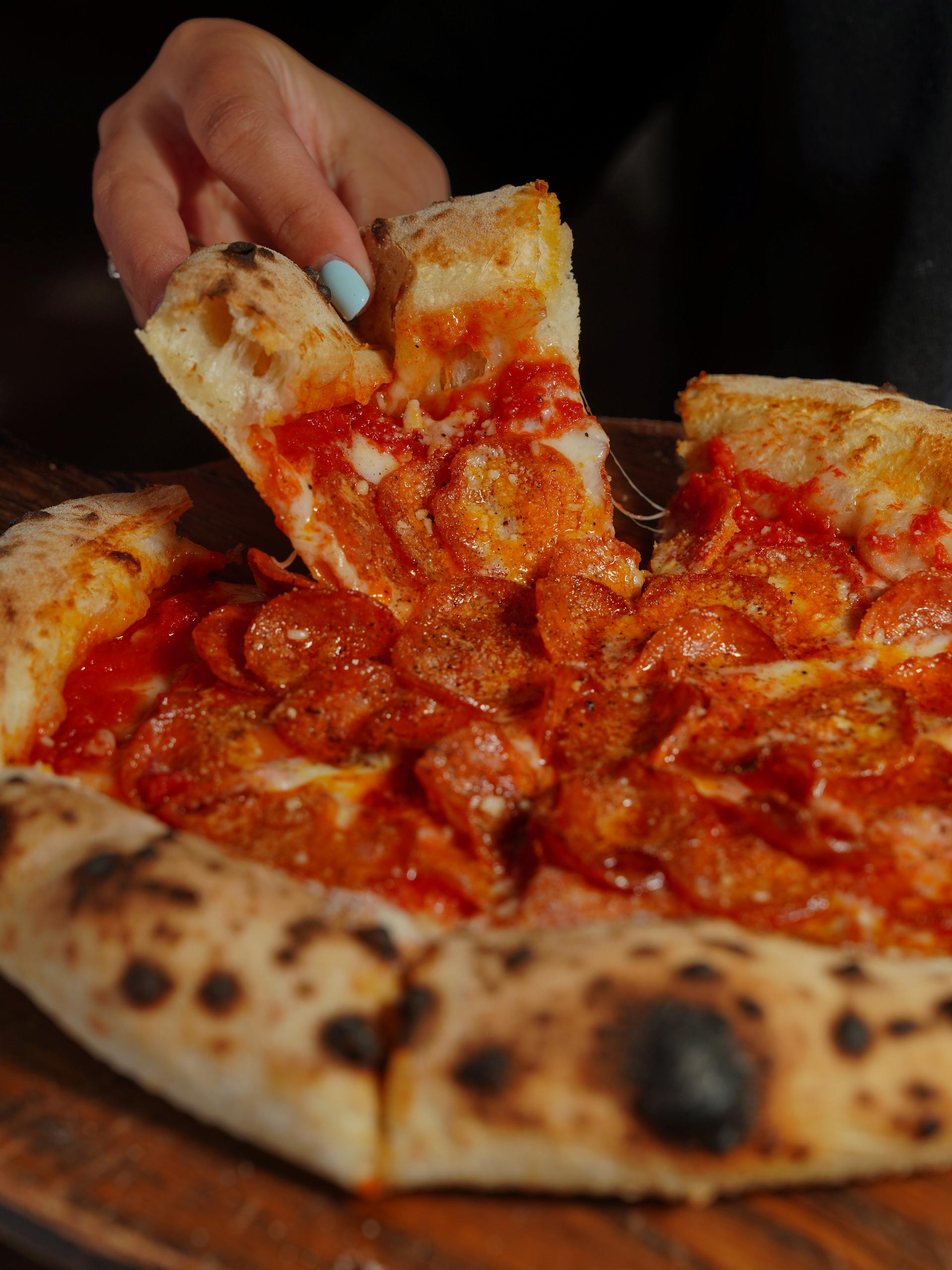
How Long Is Pizza Good In The Refrigerator?
Storing Pizza in the Refrigerator
Properly storing leftover pizza in your refrigerator is essential to maintain its freshness and prevent spoilage. By following a few simple guidelines, you can extend the shelf life of your pizza and enjoy it for days to come.
Proper Storage of Leftover Pizza
To store your leftover pizza correctly, start by allowing it to cool down to room temperature. This prevents condensation from forming and making the crust soggy. Once cooled, place the pizza slices in an airtight container or wrap them tightly in aluminum foil or plastic wrap. This will help retain moisture and prevent the pizza from drying out.
For optimal freshness, it's recommended to store the pizza in the refrigerator within two hours of it being cooked. This reduces the risk of bacterial growth and keeps the pizza safe to eat. For more detailed information on storing pizza, you can refer to our article on how to store pizza in the fridge?.
Factors Affecting Pizza Shelf Life
Several factors influence how long pizza will stay fresh in your refrigerator. These include the ingredients used, the type of toppings and cheese, and the texture and thickness of the crust.
Ingredients Used: The freshness and quality of the ingredients used in the pizza play a significant role in determining its shelf life. Fresh ingredients tend to last longer and maintain their flavor better than processed or pre-cooked ingredients. For more information on ingredient storage, visit our article on does pizza have to be refrigerated?.
Type of Toppings and Cheese: Different toppings and cheeses have varying shelf lives. For example, meat toppings like pepperoni or sausage can spoil faster than vegetable toppings. Similarly, soft cheeses like mozzarella may not last as long as harder cheeses. You can read more about this in our article on how long does pepperoni pizza last in the fridge?.
Crust Texture and Thickness: The texture and thickness of the crust also affect how long the pizza will remain fresh. Thicker crusts tend to retain moisture better and may stay fresh longer than thinner crusts. For more tips on crust storage, check out our article on refrigerated pizza crust.
By considering these factors and following proper storage techniques, you can maximize the freshness of your leftover pizza. Keep in mind that while refrigeration can extend the shelf life of your pizza, it's always best to consume it within a few days to ensure optimal taste and safety.
| Factor | Impact on Shelf Life |
|---|---|
| Ingredients Used | Fresh ingredients last longer |
| Type of Toppings | Meat toppings spoil faster |
| Cheese Type | Soft cheeses spoil faster |
| Crust Texture/Thickness | Thicker crusts stay fresh longer |
For more tips on extending the shelf life of your pizza, visit our article on how long is leftover pizza good in the fridge?.
How Long Can Pizza Last in the Refrigerator?
General Guidelines for Pizza Storage
When storing leftover pizza in the refrigerator, it's important to follow general guidelines to ensure it remains safe to eat. Typically, pizza can last for up to 3-4 days in the refrigerator when stored correctly. Use airtight containers or wrap the pizza tightly with plastic wrap to prevent it from drying out and absorbing odors from other foods.
| Storage Method | Duration |
|---|---|
| Airtight Container | 3-4 days |
| Plastic Wrap | 3-4 days |
| Aluminum Foil | 3-4 days |
For more tips on storing pizza, read our article on how to store pizza in the fridge.
Signs of Spoiled Pizza
Even when following storage guidelines, it's crucial to check for signs of spoilage before consuming leftover pizza. Here are some key indicators that your pizza may have gone bad:
- Unpleasant Odor: A sour or rancid smell is a clear sign that the pizza is no longer safe to eat.
- Mold Growth: Visible mold, in any color, indicates that the pizza should be discarded.
- Texture Changes: If the pizza feels excessively slimy or has a mushy texture, it's best to throw it away.
- Off Taste: If the pizza tastes different or off, do not continue eating it.
| Spoilage Indicator | Description |
|---|---|
| Unpleasant Odor | Sour or rancid smell |
| Mold Growth | Visible mold on the surface |
| Texture Changes | Slimy or mushy texture |
| Off Taste | Unusual or bad taste |
Staying vigilant about these signs helps prevent foodborne illness. For more information on how long pizza can last, visit our article on how long is leftover pizza good in the fridge.
Understanding these general guidelines and signs of spoilage will help you enjoy your leftover pizza safely. For further details on pizza storage, you can explore our related articles, such as how long can leftover pizza last in the fridge and how long does pizza stay good in the refrigerator.
Factors Influencing Pizza Freshness
Ingredients Used in the Pizza
The ingredients used in your pizza can significantly impact how long it stays fresh in the refrigerator. Fresh vegetables, meats, and cheeses can all affect the shelf life of your pizza. For instance, pizzas with more perishable toppings like fresh tomatoes or spinach may not last as long as those with more stable ingredients like pepperoni or cooked sausage.
| Ingredient Type | Shelf Life Impact |
|---|---|
| Fresh Vegetables | Shorter |
| Cooked Meats | Moderate |
| Processed Meats | Longer |
| Cheese | Moderate |
For more details on storing pizza, visit our article on leftover pizza in fridge.
Type of Toppings and Cheese
The type of toppings and cheese you choose can also influence the longevity of your pizza. Pizzas with a high moisture content, such as those topped with fresh mozzarella or juicy vegetables, are more likely to spoil quickly. On the other hand, pizzas with drier toppings like cured meats or hard cheeses tend to last longer.
| Topping Type | Shelf Life Impact |
|---|---|
| Fresh Mozzarella | Shorter |
| Hard Cheeses | Longer |
| Juicy Vegetables | Shorter |
| Cured Meats | Longer |
To learn more about how toppings affect pizza freshness, check out our article on how long does pepperoni pizza last in the fridge.
Crust Texture and Thickness
The crust of the pizza also plays a role in determining its freshness. Thicker crusts tend to retain moisture longer, which can lead to a shorter shelf life in the refrigerator. Thin crust pizzas, on the other hand, tend to dry out faster but may stay fresh a bit longer due to reduced moisture content.
| Crust Type | Shelf Life Impact |
|---|---|
| Thick Crust | Shorter |
| Thin Crust | Longer |
For tips on how to store different types of pizza crust, visit our article on refrigerated pizza crust.
Understanding these factors can help you better manage and store your leftover pizza to maintain its freshness and taste. For more information on how to extend the shelf life of your pizza, check out our comprehensive guide on how long is pizza good for in the fridge?.
Tips for Extending Pizza Shelf Life
Maintaining the freshness of leftover pizza in the refrigerator can be a challenge, but with proper techniques, you can ensure it stays tasty for a longer period. Here are some practical tips for repackaging, reheating, and enhancing the flavor of your leftover pizza.
Repackaging Leftover Pizza
Proper repackaging is essential for extending the shelf life of your pizza. Follow these steps to keep your pizza fresh:
- Use Airtight Containers: Store your pizza slices in airtight containers to prevent air exposure, which can lead to dryness and spoilage.
- Wrap in Plastic Wrap or Aluminum Foil: If you don't have airtight containers, tightly wrap each slice in plastic wrap or aluminum foil.
- Separate Layers with Wax Paper: If stacking slices, place a sheet of wax paper between each slice to prevent sticking.
These methods help to maintain the pizza's moisture and flavor. For more on storage techniques, check out our guide on how to store pizza in the fridge.
Reheating Leftover Pizza
Reheating pizza correctly can make a significant difference in taste and texture. Here are some methods to achieve the best results:
- Oven Method: Preheat your oven to 375°F (190°C). Place the pizza slices on a baking sheet and heat for 10-15 minutes.
- Skillet Method: Heat a non-stick skillet over medium heat. Place the pizza slices in the skillet and cover with a lid. Heat for 5-7 minutes.
- Microwave Method: Place a microwave-safe cup of water in the microwave with the pizza slice. Heat on high for 1-2 minutes. The water helps to keep the crust from becoming too chewy.
Each method has its advantages, depending on your preference for crispiness or convenience. For detailed steps on reheating, visit our article on reheating leftover pizza.
Enhancing Pizza Flavor
Sometimes, leftover pizza can lose a bit of its original flavor. Here are some tips to enhance its taste:
- Add Fresh Toppings: Sprinkle some fresh herbs like basil or oregano, or add a drizzle of olive oil before reheating.
- Spice It Up: Add a dash of red pepper flakes, garlic powder, or Parmesan cheese to give the pizza an extra kick.
- Pair with Dips: Serve your reheated pizza with dipping sauces such as marinara, ranch, or garlic butter to complement and enhance the flavors.
By following these tips, you can make your leftover pizza taste almost as good as when it was first delivered. For more ideas on improving the flavor, check our article on enhancing pizza flavor.
Using these techniques, you can extend the shelf life of your pizza while maintaining its delicious taste and texture. For more information on pizza storage and shelf life, visit our comprehensive guide on how long is pizza good in the refrigerator.
| Method | Time | Temperature |
|---|---|---|
| Oven | 10-15 minutes | 375°F (190°C) |
| Skillet | 5-7 minutes | Medium heat |
| Microwave | 1-2 minutes | High |
Best Practices for Refrigerating Pizza
To keep your pizza fresh and delicious for as long as possible, it's essential to follow some best practices for refrigeration. Proper storage techniques can significantly extend the shelf life of your pizza, ensuring you can enjoy those leftover slices later.
Using Airtight Containers or Wrapping
One of the most effective ways to preserve the freshness of your pizza is to store it in airtight containers or wrap it tightly. This helps to prevent the pizza from drying out and protects it from absorbing odors from other items in the refrigerator.
- Airtight Containers: Place each slice in an airtight container to maintain its flavor and texture.
- Plastic Wrap or Aluminum Foil: Wrap individual slices tightly in plastic wrap or aluminum foil to keep them fresh.
Placement in the Refrigerator
Where you place your pizza in the refrigerator can also impact its shelf life. Proper placement ensures that your pizza stays at a consistent temperature and remains safe to eat.
- Middle Shelves: Store your pizza on the middle shelves of the refrigerator, where the temperature is most stable.
- Avoid Door Storage: Avoid placing pizza in the refrigerator door, as the temperature fluctuates frequently due to opening and closing.
Monitoring Temperature and Humidity Levels
Maintaining the right temperature and humidity levels in your refrigerator is crucial for keeping your pizza fresh. The ideal temperature for storing pizza is 34-40°F (1-4°C).
- Temperature Control: Regularly check and adjust the refrigerator's temperature to ensure it stays within the safe range.
- Humidity Control: If your refrigerator has a humidity control feature, set it to a low level to prevent moisture buildup, which can make the pizza soggy.
| Storage Element | Recommendation |
|---|---|
| Temperature | 34-40°F (1-4°C) |
| Placement | Middle Shelves |
| Wrapping | Airtight Containers, Plastic Wrap, Aluminum Foil |
| Humidity Level | Low |
By following these best practices, you can maximize the shelf life of your pizza and enjoy it safely. For more tips on storing and preserving pizza, visit our articles on how to store pizza in the fridge and how long does leftover pizza last in the fridge.
Get Your Upgrade or New Addition at Fridge.com
Whether you're searching for your perfect fridge, freezer, wine fridge, beer fridge, ice maker, or kegerator, we have what you need.
Shop the world's best brands at Fridge.com.
We also have tons of awesome articles about kitchen stuff and home news. Enhance your home, garage, backyard, patio, and office with the coolest essentials. With every necessary type of residential refrigerator or freezer in our collection, we've got you covered.
Elevate your game and shop now at Fridge.com!