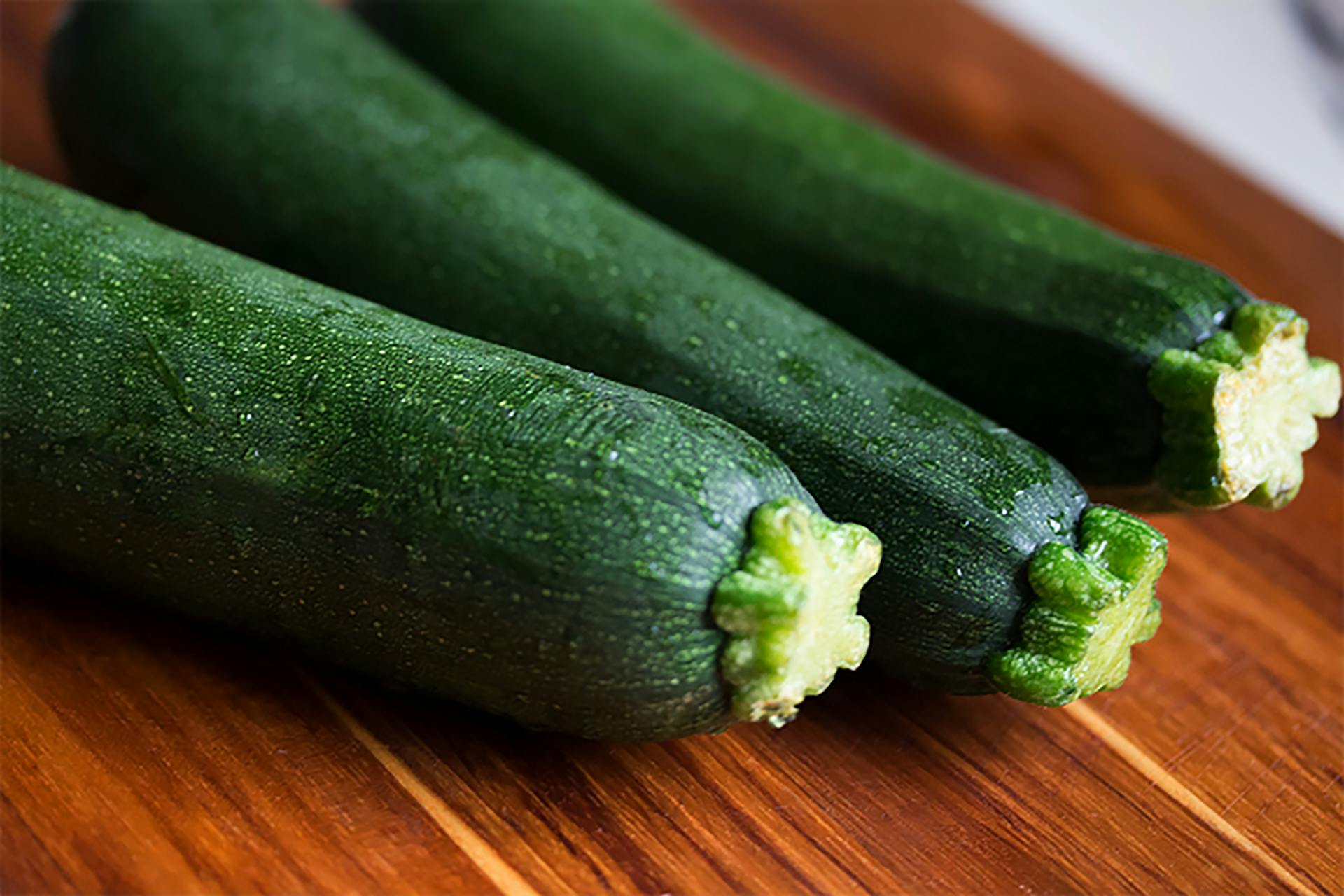
Storing Zucchini in the Fridge
Properly storing zucchini in your fridge not only preserves its freshness but also extends its shelf life, ensuring you can enjoy this versatile vegetable for as long as possible.
Importance of Proper Storage
Understanding the importance of proper storage when it comes to zucchini is essential to prevent spoilage and maintain nutritional value. Zucchini, like many other produce items, is susceptible to moisture loss, wilting, and decay if not stored correctly. This can lead to a reduction in quality and taste, as well as the potential for food waste. By following best practices for storage, you can keep your zucchini fresh, crisp, and ready for use in your favorite dishes.
Ideal Conditions for Storing Zucchini
Zucchini thrives in certain conditions within your fridge. To maintain its freshness for as long as possible, consider the following storage tips:
- Temperature: Keep your fridge at a consistent temperature of 40°F (4°C) or below, which is the optimal range for storing zucchini and other vegetables.
- Humidity: Store zucchini in the crisper drawer, which typically has a higher humidity level compared to the rest of the fridge. This helps prevent the zucchini from drying out.
- Air Circulation: Ensure there is enough space around your zucchini to allow for proper air circulation. Avoid overcrowding the vegetable drawer.
- Packaging: Place zucchini in a perforated plastic bag to allow it to breathe while retaining some humidity. Avoid sealing it in airtight containers which can accelerate decay.
- Separation: Keep zucchini away from ethylene-producing fruits like apples and bananas, as ethylene can hasten ripening and spoilage.
By creating these ideal conditions for your zucchini, you can significantly impact its longevity. For more information on the shelf life of various foods and how to store them, explore our guides on how long different items last in the fridge, such as how long do lanzones last in the fridge or how long is chicken broth good for in the fridge.
Remember, the key to maximizing the shelf life of zucchini and enjoying it at its best is understanding and implementing proper storage techniques in your fridge.
Freshness of Zucchini
Ensuring the freshness of your zucchini not only affects its taste and texture but also impacts its nutritional value and safety for consumption. Knowing how to check zucchini for freshness and being able to identify signs of spoilage can help you enjoy this versatile vegetable at its best.
Checking Zucchini for Freshness
When selecting zucchini, you should look for a firm texture, vibrant color, and glossy skin. The surface should be free of cuts and bruises. A fresh zucchini will feel heavy for its size, indicating it's full of moisture and hasn't begun to dehydrate. If you're uncertain about the freshness of zucchini you've had stored in the fridge, give it a gentle squeeze. If it's still firm, it's likely fresh.
Signs of Spoiled Zucchini
Spoiled zucchini can present several signs that indicate it's time to discard it:
- Soft Spots: When zucchini begins to spoil, it will develop soft, mushy spots. These areas may start small but can quickly grow in size.
- Discoloration: Any form of discoloration, such as dark spots or areas that have turned from green to yellow or brown, suggests spoilage.
- Odor: A sour or unpleasant odor is a clear indicator that the zucchini is no longer good to eat.
- Mold: The presence of mold, which can appear as fuzzy spots in various colors, means the zucchini should be thrown away.
- Texture: If the zucchini feels slimy or excessively soft throughout, it's a sign of decay.
It's important to regularly check your zucchini and other produce to ensure they remain fresh and safe for consumption. If you're curious about the shelf life of other items in your fridge, you can read about how long do lanzones last in the fridge or discover how long does loquat juice last in the fridge for more information.
Shelf Life of Zucchini
Proper storage of zucchini can significantly impact its freshness and edibility. Whether you've just brought home a bounty from the grocery store or harvested it from your garden, knowing how to store it in the fridge correctly is essential. Here's what you need to know about the shelf life of whole and cut zucchini.
Whole Zucchini
Whole zucchini stored in the fridge can last quite a while. The key is to keep it in a crisper drawer where the temperature and humidity levels are ideal for preservation. It's best not to wash whole zucchini before refrigerating it, as the moisture can hasten deterioration. Instead, store it dry, and wash it right before you're ready to use it.
Here's a simple table outlining how long you can expect your whole zucchini to last in the fridge:
| Storage Condition | Expected Shelf Life |
|---|---|
| Whole Zucchini in Fridge | 1-2 weeks |
If you notice any soft spots, wrinkles, or mold, these are signs that the zucchini is past its prime. For more details on checking zucchini for freshness, you can visit our article on how long do pumpkins last in the fridge, as the signs of spoilage are similar for both.
Cut Zucchini
Once zucchini is cut, the clock starts ticking faster on its freshness. The exposed flesh can dry out or become slimy, which are indicators that it's no longer good to eat. To extend the shelf life of cut zucchini, wrap it tightly in plastic wrap or place it in an airtight container before storing it in the fridge.
Here's a table to give you an idea of how long cut zucchini can last when refrigerated:
| Storage Condition | Expected Shelf Life |
|---|---|
| Cut Zucchini in Fridge | 2-3 days |
For an optimal shelf life, consider following proper preparation techniques before storing your cut zucchini. You can learn more about these methods by exploring our article on how long does creste di gallo pasta last in the fridge, which offers insights into the best practices for refrigerating prepared foods.
Remember, these timelines are estimates, and the actual shelf life of your zucchini may vary based on factors like the temperature of your fridge and the freshness of the zucchini when it was purchased or picked. Always trust your senses—sight, smell, and touch—over the date to determine if your zucchini is still good to use.
Extending Zucchini's Lifespan
To maximize the lifespan of your zucchini and enjoy its freshness for as long as possible, proper preparation and storage are key. The steps you take before placing zucchini in the fridge can make a significant difference in how long it remains consumable.
Proper Preparation Techniques
Before storing your zucchini in the refrigerator, it's crucial to avoid washing it as moisture can lead to premature spoilage. Instead, keep the zucchini dry and only wash it just prior to use. If you have homegrown or farmer's market zucchini that still has soil attached, gently brush off the dirt without water.
Should you need to store cut zucchini, wrap it tightly in plastic wrap to minimize exposure to air. This will help prevent the cut surfaces from drying out and becoming slimy, which often precedes mold growth.
Suitable Storage Containers
When it comes to selecting storage containers for your zucchini, airtight containers or plastic bags with the air pressed out are ideal. These storage methods help maintain humidity levels around the zucchini, which is essential for preserving its texture and preventing dehydration.
For whole zucchini:
| Storage Method | Expected Lifespan |
|---|---|
| Airtight container | 1-2 weeks |
| Plastic bag with air pressed out | 1-2 weeks |
| Crisper drawer without a bag | 4-5 days |
For cut zucchini:
| Storage Method | Expected Lifespan |
|---|---|
| Airtight container | 2-3 days |
| Plastic wrap | 2-3 days |
It's important to note that the crisper drawer in your refrigerator is designed to hold produce at optimal humidity levels. However, if you're storing zucchini in the crisper, avoid overcrowding as this can reduce air circulation and contribute to faster decay.
By following these proper preparation techniques and selecting suitable storage containers, you can significantly extend the lifespan of your zucchini in the fridge. For more information on the shelf life of other refrigerator staples, check out our articles on how long do pumpkins last in the fridge and how long does watermelon juice last in the fridge.
Refrigerating Zucchini Dishes
When you've prepared more zucchini than you can consume at once, refrigeration becomes a key factor in preserving its quality. Knowing how to properly store cooked zucchini and the best methods for freezing it can help extend the life of your dishes.
Storing Cooked Zucchini
Cooked zucchini should be cooled to room temperature before being placed in the refrigerator. This helps prevent condensation which could lead to sogginess or faster spoilage. Once cooled, transfer the zucchini into an airtight container. Labeling the container with the date will help you keep track of how long it's been stored. Cooked zucchini typically lasts in the fridge for 3 to 5 days.
Here's a brief table to summarize the storage times:
| Cooked Zucchini | Refrigerated Shelf Life |
|---|---|
| Room temperature, then cooled | 3-5 days |
For more insights on food storage times, you might find our articles on how long does enchilada sauce last in the fridge or how long do leeks last in the fridge useful.
Freezing Zucchini
Freezing zucchini is a great way to preserve it for an extended period. To freeze zucchini, first slice it into rounds or shred it, depending on how you plan to use it later. Blanching the zucchini by boiling it for a minute and then plunging it into ice water will help maintain its color and texture. After blanching, dry the zucchini thoroughly to prevent ice crystals from forming. Place the zucchini in a single layer on a baking sheet and freeze until solid. Once frozen, transfer the zucchini to a freezer-safe bag or container, removing as much air as possible.
Frozen zucchini can last for up to three months. However, for the best quality, it's recommended to use it within one month. Here's a quick table to guide you:
| Zucchini Preparation | Freezing Shelf Life |
|---|---|
| Blanched and frozen | Up to 3 months |
If you're curious about the longevity of other frozen items, explore our articles on how long do pumpkins last in the fridge or how long does watermelon juice last in the fridge.
Remember, when you're ready to use your frozen zucchini, there's no need to thaw it before cooking. This can help retain its texture and flavor. Additionally, consider browsing our collection of articles for more information on storage times for various items, such as how long can steak stay in the fridge or how long does cake last in the fridge, to ensure you're keeping your food fresh and safe to eat.
Utilizing Leftover Zucchini
Finding creative ways to use leftover zucchini can not only enhance your culinary repertoire but also contribute to reducing food waste. Whether your zucchini is just past its prime or you have an abundance from a bountiful harvest, there are numerous ways to repurpose this versatile vegetable.
Creative Ways to Use Overripe Zucchini
Overripe zucchini may not have the firm texture desired for salads or stir-fries, but it still holds great potential for a variety of dishes:
- Zucchini Bread or Muffins: Grate overripe zucchini and incorporate it into batter for a moist, flavorful treat.
- Soup: Blend overripe zucchini into soups for a silky and nutritious base.
- Fritters or Pancakes: Combine grated zucchini with batter to create savory fritters or pancakes.
- Stuffed Zucchini: Hollow out zucchini halves and stuff them with a filling of your choice before baking.
- Relish: Chop it up to make a zucchini relish that pairs well with grilled meats and sandwiches.
- Smoothies: Add zucchini to your smoothies for a nutrient boost without altering the taste significantly.
Embracing these inventive uses not only extends the life of your zucchini but also adds a new dimension to your culinary skills. For additional guidance on how to extend the shelf life of produce, you might find our article on how long do pumpkins last in the fridge useful.
Avoiding Food Waste
In the spirit of sustainability, here are some strategies to avoid food waste when dealing with zucchini:
- Composting: If your zucchini is too far gone, consider composting it to enrich your garden soil.
- Donation: If you have an excess of fresh zucchini, donate it to a local food bank or share it with neighbors.
- Preservation: Pickle zucchini or make zucchini jam to preserve it for longer periods.
- Freezing: Shred and freeze zucchini in portioned bags for future baking projects or soups.
By adopting these practices, you can ensure that no zucchini goes to waste. If you're looking for ways to preserve other types of produce, you might find our articles on how long does guava juice last in the fridge or how long does watermelon juice last in the fridge informative.
Utilizing leftover zucchini is a small yet impactful step towards a more sustainable kitchen. It not only helps in reducing food waste but also provides you with an opportunity to explore new recipes and flavors. Whether you transform it into a delicious baked good or a hearty soup, zucchini's adaptability makes it a valuable addition to any dish.
Get Your Upgrade or New Addition at Fridge.com
Whether you're searching for your perfect fridge, freezer, wine fridge, beer fridge, ice maker, or kegerator, we have what you need.
Shop the world's best brands at Fridge.com.
We also have tons of awesome articles about kitchen stuff and home news. Enhance your home, garage, backyard, patio, and office with the coolest essentials. With every necessary type of residential refrigerator or freezer in our collection, we've got you covered.
Elevate your game and shop now at Fridge.com!