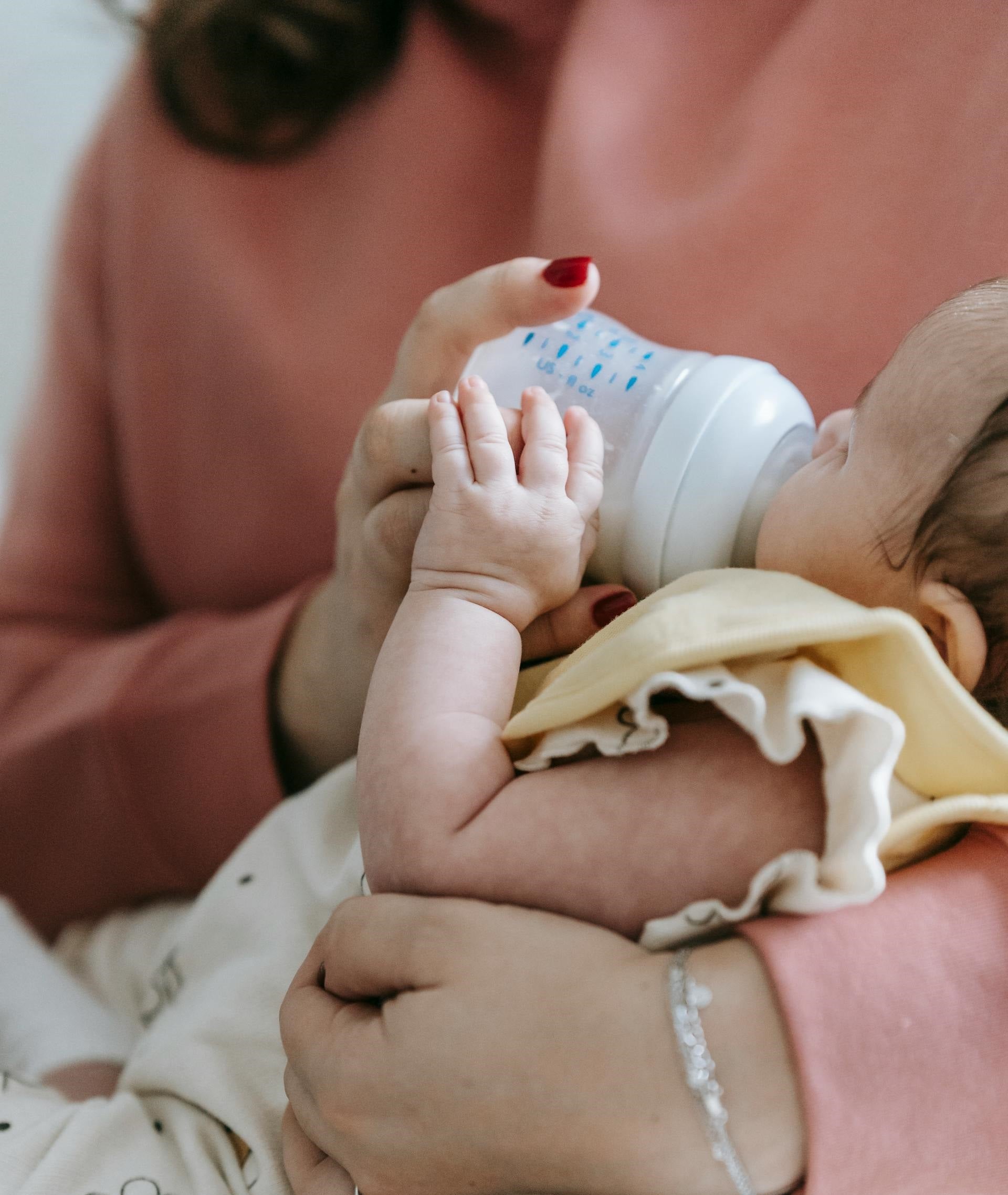
Thawing Breastmilk in the Fridge
Importance of Properly Thawing Breastmilk
Thawing breastmilk correctly is crucial to maintain its nutritional quality and ensure your baby's safety. Proper thawing helps to preserve the antibodies, enzymes, and other essential components in the milk. When breastmilk is thawed improperly, it can lead to bacterial growth, potentially causing harm to your baby. By following the correct thawing methods, you can ensure that the milk retains its beneficial properties.
Factors Affecting Thawing Time
Several factors can influence the time it takes for breastmilk to thaw in the fridge. Understanding these factors can help you plan better and ensure that the milk is ready when needed.
- Volume of Milk: Larger quantities of milk will take longer to thaw compared to smaller amounts.
- Storage Container: The type of container used for storing milk can affect thawing time. Thin plastic bags will generally thaw faster than thick glass bottles.
- Temperature of the Fridge: The standard fridge temperature should be set between 37°F and 40°F (3°C - 4°C) for optimal thawing. For more information on fridge temperatures, check our article on good temp for fridge.
- Initial Temperature: The starting temperature of the milk (how frozen it is) will also impact thawing duration.
| Factor | Impact on Thawing Time |
|---|---|
| Volume of Milk | Larger volumes take longer |
| Storage Container | Thin bags thaw faster |
| Fridge Temperature | Lower temperatures slow down thawing |
| Initial Temperature | More frozen milk takes longer to thaw |
For more information on proper storage and thawing practices, you can also refer to our article on how long can premade formula stay in the fridge?.
By being aware of these factors, you can better manage the time required to thaw breastmilk, ensuring it's available when your baby needs it.
Thawing Breastmilk
Properly thawing breastmilk is essential for maintaining its nutritional value and ensuring the safety of your baby. Let's explore the methods and guidelines for effective thawing.
Thawing Breastmilk in the Fridge
Thawing breastmilk in the refrigerator is one of the safest methods. It ensures a gradual transition from frozen to liquid state, which helps preserve the milk's nutrients and reduces the risk of bacterial growth.
Steps to thaw breastmilk in the fridge:
- Place the frozen breastmilk container in the refrigerator.
- Ensure the container is sealed tightly to prevent contamination.
- Allow the milk to thaw gradually over several hours or overnight.
General Guidelines for Thawing Breastmilk
When thawing breastmilk, there are several important guidelines to keep in mind to ensure the milk remains safe and nutritious for your baby.
- Use within 24 hours: Once the breastmilk is completely thawed, it should be used within 24 hours to ensure freshness and safety.
- Avoid refreezing: Do not refreeze breastmilk once it has been thawed, as this can compromise its quality and safety.
- Check temperature settings: Make sure your refrigerator is set to a safe temperature, ideally below 40°F (4°C). For more on ideal fridge temperatures, see our article on good temp for fridge.
-
Label containers: Always label breastmilk containers with the date they were expressed and frozen. This helps you use the oldest milk first and track how long the milk has been thawed.
By adhering to these guidelines, you can ensure that your breastmilk remains safe and nourishing for your baby. For more details on how to store and use breastmilk, explore our other articles on safe food storage practices.
How Long Does It Take?
When thawing breastmilk in the fridge, knowing the average thawing time and understanding the variations in thawing time is crucial. This section will provide you with a clear understanding of how long it takes for breastmilk to thaw in the refrigerator.
Average Thawing Time in the Fridge
The typical time it takes for breastmilk to thaw in the fridge is influenced by several factors, including the volume of milk and the initial freezing temperature. Generally, a standard 4-ounce bottle of frozen breastmilk takes approximately 12-24 hours to thaw completely in the refrigerator.
Volume (oz) Average Thawing Time (hours) 1-2 8-12 3-4 12-24 5-8 24-36 Variations in Thawing Time
Several factors can cause variations in the thawing time of breastmilk in the refrigerator. These include:
- Volume of Milk: Larger volumes of milk take longer to thaw compared to smaller amounts.
- Freezer Temperature: Milk stored at a lower temperature may take longer to thaw.
- Refrigerator Temperature: The internal temperature of your fridge can affect thawing time. Ensure your fridge is set to the optimal temperature for storing food (good temp for fridge).
- Container Type: Milk stored in thin plastic bags may thaw faster than milk stored in thick plastic or glass bottles.
Factor Impact on Thawing Time Volume of Milk Longer for larger volumes Freezer Temperature Longer at lower temperatures Refrigerator Temperature Faster at optimal settings Container Type Faster in thin plastic bags Understanding these variations helps you better plan when to start thawing your breastmilk to ensure it's ready when you need it. For more on related topics, check out our articles on how long can premade formula stay in the fridge? and how long can wings stay in the fridge?.
By keeping these factors in mind, you can ensure that your breastmilk is thawed safely and efficiently, maintaining its nutritional quality for your baby.
Tips for Thawing Breastmilk
When thawing breastmilk, it's essential to follow safe practices to ensure the milk retains its nutritional value and is safe for your baby. Here are some tips on safe thawing practices and storing thawed breastmilk.
Safe Thawing Practices
To maintain the quality of breastmilk, it’s crucial to thaw it properly. Here are some recommended practices:
- Thaw in the Fridge: Place the frozen breastmilk in the refrigerator. This method is the safest and helps preserve the milk's nutrients.
- Use Cold Water: If you need to thaw breastmilk quickly, you can place the sealed container in a bowl of cold water. Change the water every 30 minutes until the milk is thawed.
- Avoid Microwaving: Never use a microwave to thaw breastmilk as it can create hot spots and break down the milk's proteins.
- Gently Swirl: After thawing, gently swirl the container to mix any separated fat back into the milk. Avoid shaking the milk vigorously.
For more detailed guidelines, refer to our article on how long does it take breastmilk to thaw in the fridge.
Storing Thawed Breastmilk
Proper storage of thawed breastmilk is just as important as the thawing process. Here are some tips for storing breastmilk after it has been thawed:
- Label and Date: Always label the container with the date you expressed the milk and the date you thawed it.
- Refrigerator Storage: Thawed breastmilk can be stored in the refrigerator for up to 24 hours. Ensure your fridge is set at a safe temperature. For optimal fridge settings, visit good temp for fridge.
- Do Not Refreeze: Once breastmilk has been thawed, it should not be refrozen. Plan your thawing process to avoid waste.
- Separate Storage Zone: Store thawed breastmilk in a separate part of the fridge to avoid contamination from other foods.
Storage Method Duration Fridge (Thawed Milk) Up to 24 hours Cold Water Thaw (Immediate Use) Use immediately By following these safe thawing and storage practices, you can ensure that your breastmilk remains safe and nutritious for your baby. For additional tips on managing your fridge space, check out our guide on how long can wings stay in the fridge?.
For more information on fridge management and related topics, you can explore our articles on how long can premade formula stay in the fridge? and how to make fridge smell better.
Using Thawed Breastmilk
How to Check if Breastmilk is Thawed Properly
To ensure that breastmilk is thawed correctly, it's important to follow a few simple steps. First, check the consistency of the milk. Properly thawed breastmilk should be smooth and free of ice crystals. If you notice any remaining frozen spots, the milk needs more time to thaw.
Next, gently swirl the breastmilk to mix any separated fat back into the liquid. Avoid shaking the milk, as this can break down some of its beneficial components. Checking the temperature is also crucial. Thawed breastmilk should feel cool but not cold to the touch.
Finally, always smell the milk before use. Fresh breastmilk has a mild, slightly sweet smell. If the milk has a sour or off odor, it may be spoiled and should be discarded. For more information on how to handle frozen foods, visit our article on how long can queso last in the fridge.
Using Thawed Breastmilk Safely
Once your breastmilk is properly thawed, it's important to use it safely to ensure the health of your baby. Follow these guidelines to make the most of your thawed breastmilk:
Use Within 24 Hours: Thawed breastmilk should be used within 24 hours if kept in the refrigerator. This helps to maintain its nutritional quality and safety.
Do Not Refreeze: Refreezing thawed breastmilk is not recommended, as it can lead to a loss of nutrients and potentially harmful bacterial growth. For more details on safe storage practices, check out our article on how long can powder formula stay in the fridge.
Avoid Temperature Fluctuations: Keep thawed breastmilk in the main compartment of the fridge, rather than the door, to avoid temperature fluctuations that can degrade the milk quality.
Gently Warm Before Feeding: If you need to warm the breastmilk, place the container in a bowl of warm water or use a bottle warmer. Avoid using a microwave, as uneven heating can create hot spots that may burn your baby's mouth.
Check the Temperature: Before feeding, test the milk temperature by placing a few drops on your wrist. It should feel warm, not hot.
Step Action 1 Use within 24 hours 2 Do not refreeze 3 Store in main compartment of fridge 4 Warm gently (avoid microwave) 5 Check temperature before feeding Following these guidelines ensures that your baby receives the full benefits of breastmilk while maintaining safety. For additional tips on handling breastmilk and other frozen foods, explore our article on when to pull ham out of freezer.
FAQs
Can I Refreeze Thawed Breastmilk?
Refreezing thawed breastmilk is generally not recommended. Once breastmilk has been thawed, it should be used within 24 hours if kept in the refrigerator. Refreezing can compromise the quality and nutrient content of the milk. For more information on storing and managing your fridge, visit our article on how long can powder formula stay in the fridge?.
What Should Thawed Breastmilk Smell Like?
Thawed breastmilk might have a slightly different smell compared to fresh breastmilk, but it should still have a sweet, mild scent. If the milk has a sour or rancid smell, it is best not to use it, as this could indicate spoilage. Proper storage in your exterior deep freezer can help maintain the quality of your breastmilk.
Can Thawed Breastmilk Be Heated and Cooled Again?
It is not advisable to heat and then cool breastmilk multiple times. Once breastmilk has been thawed and brought to room temperature or warmed, it should be used within two hours. Reheating can affect the milk's nutrients and increase the risk of bacterial growth. For more details on handling food items in your fridge, see our guide on how long can queso last in the fridge?.
By following these guidelines, you can ensure the safe handling and usage of thawed breastmilk, providing the best nutrition for your baby.
Get Your Upgrade or New Addition at Fridge.com
Whether you're searching for your perfect fridge, freezer, wine fridge, beer fridge, ice maker, or kegerator, we have what you need.
Shop the world's best brands at Fridge.com.
We also have tons of awesome articles about kitchen stuff and home news. Enhance your home, garage, backyard, patio, and office with the coolest essentials. With every necessary type of residential refrigerator or freezer in our collection, we've got you covered.
Elevate your game and shop now at Fridge.com!