Storing Food Safely
Proper food storage is essential for maintaining the quality and safety of your food. By following guidelines for storing food in the refrigerator, you can extend its shelf life and prevent foodborne illnesses.
Importance of Proper Food Storage
Storing food correctly helps to:
- Preserve freshness and flavor
- Prevent spoilage and waste
- Reduce the risk of foodborne illnesses
- Maintain nutritional value
Proper storage involves keeping food at the right temperature, using suitable containers, and organizing your fridge to avoid cross-contamination. For example, knowing how long gumbo lasts in the fridge can help you plan your meals and avoid eating spoiled food.
Guidelines for Refrigerator Storage
Here are some general guidelines for storing food in the refrigerator:
- Temperature: Keep your fridge at or below 40°F (4°C). This temperature slows the growth of bacteria that can cause food to spoil.
- Containers: Use airtight containers or resealable bags to store food. This prevents moisture loss and contamination from other foods.
- Labeling: Label containers with the date of storage. This helps you keep track of how long the food has been in the fridge.
- Organization: Store raw meat, poultry, and seafood on the bottom shelf to prevent their juices from dripping onto other foods. Keep dairy products and ready-to-eat foods on higher shelves.
The table below provides a general guide for the recommended storage times for common foods:
| Food Item | Refrigerator Storage Time |
|---|---|
| Cooked Meats | 3-4 days |
| Fresh Poultry | 1-2 days |
| Leftover Stews and Soups | 3-4 days |
| Fresh Vegetables | 3-7 days |
| Dairy Products | 7-10 days |
For specific foods like how long does ginger last in the fridge or how long does lemon juice last in the fridge, refer to our detailed guides.
By adhering to these guidelines, you can ensure that your food remains safe and delicious for as long as possible. Proper storage not only conserves your food but also helps you make the most out of your grocery purchases.
Understanding Gumbo
Learning about gumbo is essential before diving into its storage and shelf life. This section will help you understand what gumbo is and the common ingredients used in this classic dish.
What is Gumbo?
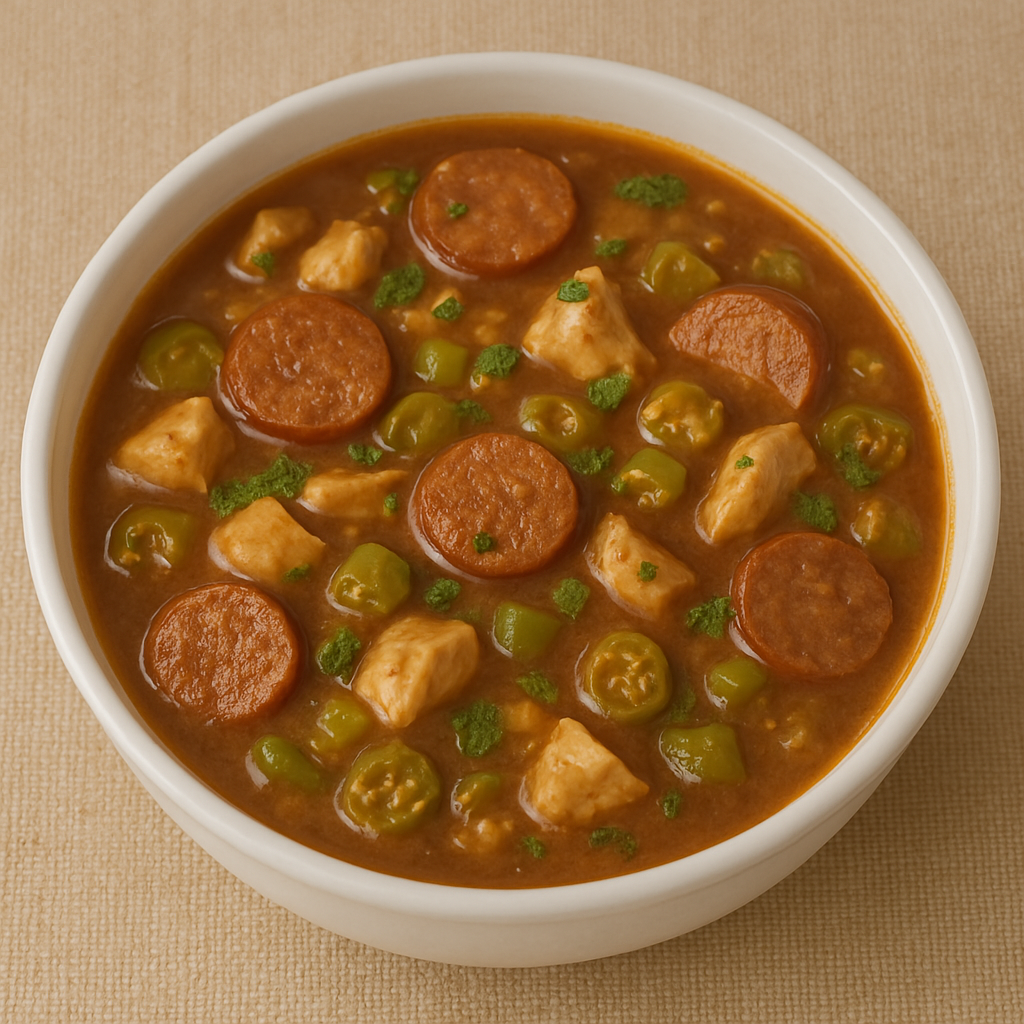
Gumbo is a rich and flavorful stew that originates from Louisiana, often associated with Cajun and Creole cuisine. It is usually thickened with a roux, okra, or filé powder and is known for its hearty and comforting qualities. Gumbo typically includes a combination of meat or seafood, vegetables, and a variety of spices. It is traditionally served over rice.
Ingredients in Gumbo
The ingredients in gumbo can vary, but some common elements are often present:
- Proteins: Chicken, sausage, shrimp, crab, or a mix of these
- Vegetables: Bell peppers, onions, celery (often referred to as the "holy trinity" in Cajun cooking), tomatoes, and okra
- Thickening Agents: Roux (a mixture of flour and fat), okra, or filé powder (ground sassafras leaves)
- Spices and Seasonings: Garlic, thyme, bay leaves, cayenne pepper, and paprika
- Liquids: Stock or broth, often chicken or seafood, and sometimes water
| Ingredient Category | Common Ingredients |
|---|---|
| Proteins | Chicken, sausage, shrimp, crab |
| Vegetables | Bell peppers, onions, celery, tomatoes, okra |
| Thickening Agents | Roux, okra, filé powder |
| Spices and Seasonings | Garlic, thyme, bay leaves, cayenne pepper, paprika |
| Liquids | Stock or broth, water |
Understanding these core components will help you appreciate the nuances of gumbo and its storage needs. For more insights on other food storage durations, you may find it useful to read about how long does durian juice last in the fridge? or how long do pasilla peppers last in the fridge?.
How Long Does Gumbo Last in the Fridge?
General Shelf Life of Gumbo
Gumbo, a flavorful stew originating from Louisiana, has a general refrigerator shelf life that varies depending on its ingredients and storage conditions. Typically, gumbo can last in the fridge for about 3 to 4 days. This timeframe ensures that the flavors remain fresh and the risk of foodborne illness is minimized.
| Storage Condition | Shelf Life |
|---|---|
| Refrigerated (below 40°F) | 3-4 days |
Factors Affecting Gumbo's Shelf Life
Several factors can influence how long your gumbo stays fresh in the fridge. Understanding these factors can help you maintain the quality and safety of your dish.
Ingredients: The type of ingredients used in the gumbo can impact its shelf life. Seafood-based gumbos, for example, tend to spoil faster than those made with chicken or sausage. For more information on how specific ingredients affect shelf life, you might find our article on how long does defrosted meat last in the fridge? useful.
Storage Temperature: Keeping your fridge at the correct temperature (below 40°F) is crucial for preserving gumbo. Higher temperatures can lead to bacterial growth, shortening the shelf life of your food.
Storage Containers: Using airtight containers can help extend the freshness of gumbo by preventing air and moisture from getting in. This method helps maintain the dish's flavor and texture.
Handling: Properly handling gumbo before storing it can also affect its shelf life. Avoid leaving the gumbo at room temperature for extended periods, as this can encourage bacterial growth. Promptly refrigerate the gumbo after cooking.
By being mindful of these factors, you can ensure that your gumbo remains fresh and safe to eat. If you’re interested in learning more about how long other foods last in the fridge, check out our articles on how long do fries last in the fridge? and how long does quiche last in the fridge?.
Storing Gumbo Properly
Proper storage of gumbo is essential to maintain its flavor and ensure it remains safe to eat. Here are some tips for storing gumbo in the fridge and guidelines for freezing it.
Tips for Storing Gumbo in the Fridge
To keep your gumbo fresh and tasty, follow these tips for refrigeration:
- Cool Gumbo Quickly: Allow your gumbo to cool down to room temperature before placing it in the fridge. Rapid cooling can help prevent bacterial growth.
- Use Airtight Containers: Store gumbo in airtight containers to maintain its freshness and prevent it from absorbing other odors.
- Label and Date: Label the container with the date you prepared the gumbo to keep track of its shelf life.
- Store Promptly: Place the gumbo in the refrigerator within two hours of cooking to ensure it remains safe to eat.
| Storage Method | Duration |
|---|---|
| Refrigerator (4°C / 39°F) | 3 - 4 days |
For more details on how long different foods last in the fridge, check out our articles on how long do pasilla peppers last in the fridge? and how long does ginger last in the fridge?.
Guidelines for Freezing Gumbo
Freezing gumbo can extend its shelf life significantly. Here are some guidelines for freezing gumbo:
- Portion Sizes: Divide the gumbo into portions that you can easily reheat.
- Use Freezer-Safe Containers: Transfer the gumbo into freezer-safe containers or heavy-duty freezer bags.
- Leave Space for Expansion: Leave some space at the top of the container to allow the gumbo to expand as it freezes.
- Label and Date: Clearly mark the containers with the date of freezing.
| Storage Method | Duration |
|---|---|
| Freezer (-18°C / 0°F) | 4 - 6 months |
For more tips on storing other foods, read our articles on how long does gragnano pasta last in the fridge? and how long does alfredo sauce last in the fridge?.
By following these tips and guidelines, you can enjoy your gumbo for longer while ensuring it remains safe and delicious. If you need more information about checking for freshness, refer to our section on signs of spoiled gumbo.
Checking Gumbo for Freshness
Determining the freshness of your gumbo is crucial to avoid potential foodborne illnesses. Here are some guidelines to help you identify if your gumbo has gone bad.
Signs of Spoiled Gumbo
Spoiled gumbo can exhibit several telltale signs. Being aware of these indicators can help you decide if your gumbo is still safe to eat.
- Off Smell: If your gumbo emits a sour, rancid, or otherwise unpleasant odor, it's likely spoiled.
- Unusual Texture: Changes in texture, such as becoming slimy or overly thick, can indicate spoilage.
- Mold Growth: Visible mold on the surface of the gumbo is a clear sign that it should be discarded.
- Color Changes: If the color of the gumbo has changed significantly, this could be a sign of bacterial growth.
- Taste: If the gumbo tastes off or sour, it's best to err on the side of caution and discard it.
Refer to the table below for a quick summary of spoilage signs:
| Spoilage Indicator | Description |
|---|---|
| Off Smell | Sour, rancid, or unpleasant odor |
| Unusual Texture | Slimy or overly thick consistency |
| Mold Growth | Visible mold on the surface |
| Color Changes | Significant discoloration |
| Taste | Off or sour taste |
For more tips on identifying spoiled foods, check out our articles on how long do pasilla peppers last in the fridge? and how long do fries last in the fridge?.
When to Discard Gumbo
Knowing when to discard gumbo is essential for maintaining food safety. Even if your gumbo doesn't show obvious signs of spoilage, it's important to adhere to general food storage guidelines.
- Refrigerated Gumbo: Typically lasts 3 to 4 days in the fridge. If it has been stored longer, it's safer to discard it.
- Frozen Gumbo: Can last up to 2 to 3 months in the freezer. If it has been frozen for longer, the quality may degrade, and it should be discarded.
Refer to the table below for storage times:
| Storage Method | Duration |
|---|---|
| Refrigerator (below 40°F) | 3 - 4 days |
| Freezer (0°F or below) | 2 - 3 months |
Always prioritize safety when it comes to food storage. For additional information on food storage durations, check out our articles on how long does durian juice last in the fridge? and how long do mamey sapotes last in the fridge?.
By following these guidelines, you can ensure that your gumbo remains fresh and safe to consume.
Reheating Gumbo
Reheating gumbo is a common practice, especially when you have leftovers. Ensuring that you reheat gumbo correctly is crucial for preserving its flavor and preventing foodborne illnesses.
Best Practices for Reheating Gumbo
When reheating gumbo, it's essential to follow best practices to maintain its taste and texture. Here are some methods you can use:
Stovetop Method: Place the gumbo in a pot and heat it over medium heat. Stir occasionally to ensure even heating. Heat until the gumbo reaches an internal temperature of 165°F (74°C).
Microwave Method: Transfer the gumbo to a microwave-safe container. Cover it with a microwave-safe lid or wrap. Heat on high in 1-minute intervals, stirring in between, until it reaches an internal temperature of 165°F (74°C).
Oven Method: Preheat the oven to 350°F (175°C). Place the gumbo in an oven-safe dish and cover it with aluminum foil. Heat for about 20-30 minutes or until the gumbo reaches an internal temperature of 165°F (74°C).
| Reheating Method | Temperature | Time |
|---|---|---|
| Stovetop | Medium Heat | Until 165°F (74°C) |
| Microwave | High | 1-Minute Intervals |
| Oven | 350°F (175°C) | 20-30 Minutes |
Avoiding Foodborne Illnesses
Proper reheating is crucial to avoid foodborne illnesses. Here are some tips to ensure your gumbo is safe to eat:
Check Temperature: Always use a food thermometer to ensure the gumbo reaches an internal temperature of 165°F (74°C). This kills harmful bacteria.
Avoid Reheating Multiple Times: Reheating gumbo multiple times can increase the risk of bacterial growth. Only reheat the amount you plan to consume.
Store Properly: Store gumbo in airtight containers and refrigerate it within two hours of cooking to prevent bacterial growth. For more tips on storing gumbo, visit our article on how long does gumbo last in the fridge?.
Use Fresh Ingredients: When preparing gumbo, use fresh ingredients to minimize the risk of contamination. For more information on fresh ingredients, check out our article on how long do cucumbers last in the fridge?.
By following these best practices and tips, you can enjoy your reheated gumbo safely and deliciously. For additional information on storing and reheating other foods, you may also find our articles on how long do fries last in the fridge? and how long does pasta last in the fridge? helpful.
Get Your Upgrade or New Addition at Fridge.com
Whether you're searching for your perfect fridge, freezer, wine fridge, beer fridge, ice maker, or kegerator, we have what you need.
Shop the world's best brands at Fridge.com.
We also have tons of awesome articles about kitchen stuff and home news. Enhance your home, garage, backyard, patio, and office with the coolest essentials. With every necessary type of residential refrigerator or freezer in our collection, we've got you covered.
Elevate your game and shop now at Fridge.com!