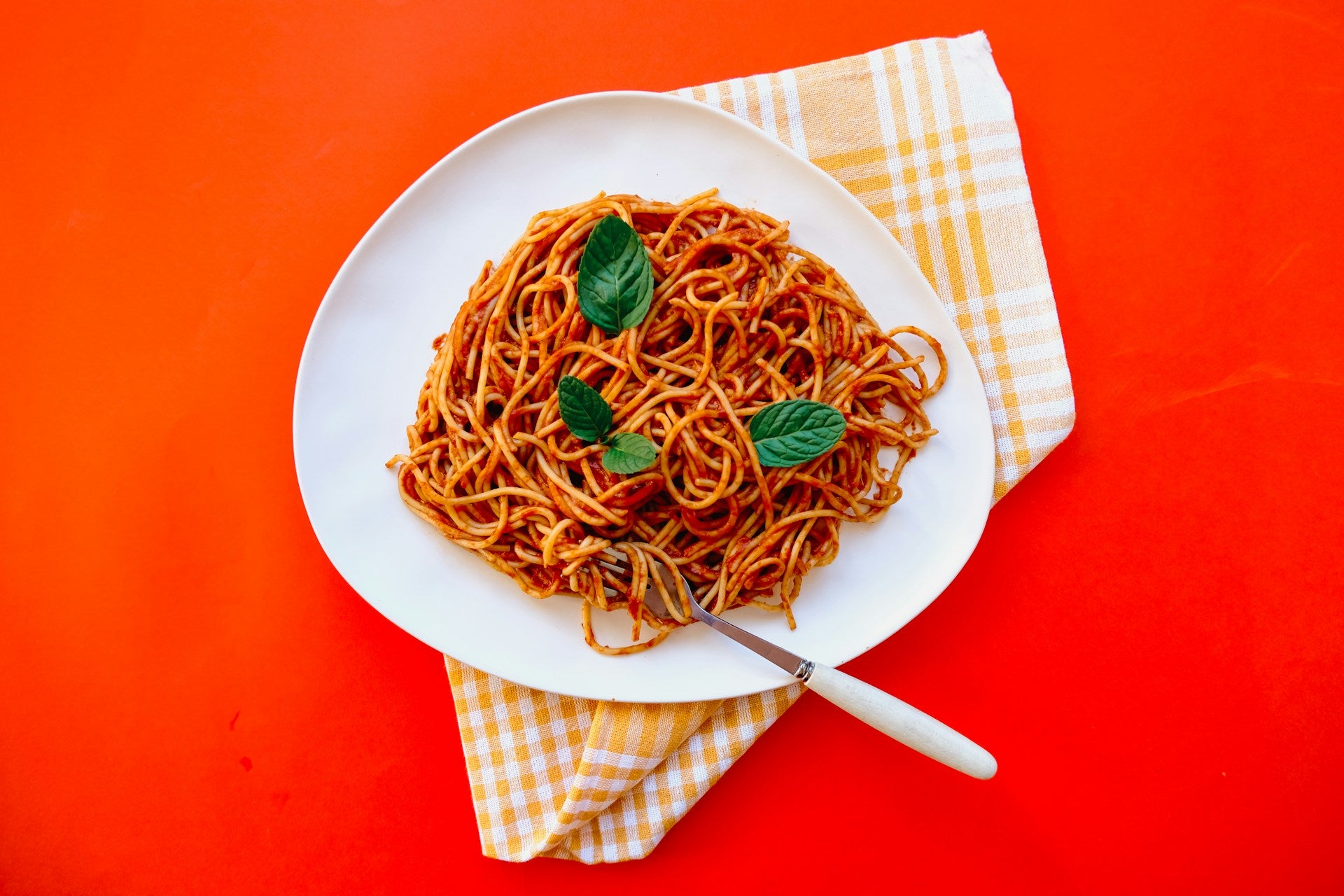
How Long Does Cooked Spaghetti Last In The Fridge?
Storing Cooked Spaghetti
Proper storage is key to maintaining the freshness and safety of your cooked spaghetti. Understanding the right storage methods and the factors affecting its shelf life can help you make the most out of your leftovers.
Proper Storage of Cooked Spaghetti
To ensure your cooked spaghetti remains fresh for as long as possible, follow these storage guidelines:
- Cool Rapidly: After cooking, let the spaghetti cool down quickly to room temperature. Avoid leaving it out for more than two hours.
- Use Airtight Containers: Store the cooled spaghetti in airtight containers to prevent moisture loss and contamination.
- Label the Containers: Mark the date on each container so you can keep track of how long the spaghetti has been stored.
- Refrigerate Promptly: Place the containers in the fridge as soon as possible. Aim to store them at a temperature below 40°F (4°C).
| Storage Method | Timeframe |
|---|---|
| Room Temperature | Up to 2 hours |
| Refrigerated | 3-5 days |
Factors Affecting Shelf Life
Several factors can influence how long your cooked spaghetti lasts in the fridge:
- Temperature: Storing spaghetti at the right temperature is crucial. Refrigerators should be set below 40°F (4°C) to slow the growth of bacteria.
- Moisture Content: Spaghetti stored with sauces or additional moisture may spoil faster than plain spaghetti. Make sure to separate the sauce from the pasta if possible.
- Container Quality: Airtight, high-quality containers help maintain freshness longer by preventing air and contaminants from entering.
- Initial Freshness: The fresher the ingredients used to make the spaghetti, the longer it will last once cooked.
- Handling Practices: Proper handling and hygiene during cooking and storage can significantly affect shelf life. Always use clean utensils and containers.
For more information on storing other food items, you might find our articles on how long do canned pinto beans last in the fridge and how long do cooked pork ribs last in the fridge helpful.
By following these storage guidelines and considering the factors affecting shelf life, you can ensure that your cooked spaghetti remains safe and enjoyable for several days.
How Long Does Cooked Spaghetti Last in the Fridge?
Knowing how long cooked spaghetti lasts in the fridge is essential for maintaining food safety and ensuring delicious meals. Here are the general guidelines and signs of spoilage to help you determine the freshness of your spaghetti.
General Guidelines
Cooked spaghetti can typically be stored in the refrigerator for 3 to 5 days. To maximize its shelf life, place the spaghetti in an airtight container or resealable plastic bag. Proper storage helps prevent the growth of bacteria and maintains the quality of the pasta.
| Storage Method | Duration |
|---|---|
| Airtight Container | 3 - 5 Days |
| Resealable Plastic Bag | 3 - 5 Days |
Check out our article on how long do cooked pork ribs last in the fridge? for more information on storing cooked foods.
Signs of Spoilage
It's important to recognize the signs of spoilage to avoid consuming spoiled spaghetti. Here are some indicators that your cooked spaghetti has gone bad:
- Off Smell: A sour or rancid odor is a clear sign that the spaghetti is no longer safe to eat.
- Discoloration: If the spaghetti has turned an unusual color, such as gray or green, it should be discarded.
- Texture Changes: Slimy or sticky texture indicates bacterial growth.
- Mold: Visible mold growth is a sure sign of spoilage and contamination.
For additional insights on food storage, you can refer to our articles on how long do canned pinto beans last in the fridge? and how long does cooked tofu stay last in the fridge?.
Always prioritize food safety and when in doubt, it's better to discard questionable spaghetti to avoid any health risks. For more tips on prolonging food freshness, visit our article on how long does cooked prime rib last in the fridge?.
Maximizing Shelf Life
Tips for Prolonging Freshness
To keep your cooked spaghetti fresh for as long as possible, proper storage is essential. Here are some tips to help you extend the shelf life of your pasta:
- Prompt Refrigeration: Store your cooked spaghetti in the fridge within two hours of cooking to prevent bacterial growth.
- Airtight Containers: Use airtight containers or resealable plastic bags to store your spaghetti. This helps to maintain its moisture and prevents it from absorbing other odors in the fridge.
- Label and Date: Clearly label the storage containers with the date of preparation. This ensures you keep track of how long the spaghetti has been stored.
- Separate Sauces: Store the pasta and sauce separately. This prevents the pasta from becoming too soggy and extends its shelf life.
- Cool Before Storing: Allow the spaghetti to cool down to room temperature before placing it in the fridge. This helps to avoid condensation, which can lead to spoilage.
Reheating Cooked Spaghetti Safely
Reheating your cooked spaghetti properly is crucial to ensure it remains safe to eat and retains its quality. Follow these guidelines for safe reheating:
-
Microwave Method:
- Place the spaghetti in a microwave-safe dish.
- Add a splash of water or a small amount of sauce to prevent it from drying out.
- Cover the dish with a microwave-safe lid or microwave-safe plastic wrap.
- Heat on medium power for 1-2 minutes, stirring halfway through, until thoroughly heated.
-
Stovetop Method:
- Place the spaghetti in a saucepan.
- Add a small amount of water or sauce and cover the pan with a lid.
- Heat over medium-low heat, stirring occasionally, until heated through.
-
Oven Method:
- Preheat the oven to 350°F (175°C).
- Place the spaghetti in an oven-safe dish.
- Cover the dish with aluminum foil.
- Bake for 10-15 minutes or until thoroughly heated.
| Reheating Method | Time (minutes) | Temperature |
|---|---|---|
| Microwave | 1-2 | Medium Power |
| Stovetop | 5-10 | Medium-Low Heat |
| Oven | 10-15 | 350°F (175°C) |
For more tips on reheating and handling leftovers, check out our article on how long do breakfast sausages last in the fridge and how long do cooked pork ribs last in the fridge.
Following these storage and reheating tips will help you maximize the shelf life of your cooked spaghetti, ensuring it stays fresh and safe to eat for as long as possible.
Storing Leftover Sauces and Toppings
Properly storing leftover sauces and toppings can significantly extend their shelf life and maintain their quality. This section will guide you through the best practices for sauces and how to handle meat and vegetable toppings.
Best Practices for Sauces
Storing sauces correctly is key to preserving their flavor and preventing spoilage. Follow these guidelines to ensure your sauces stay fresh:
- Cool Before Storing: Allow sauces to cool to room temperature before storing them in the fridge. This helps prevent condensation, which can lead to bacterial growth.
- Use Airtight Containers: Store sauces in airtight containers to keep them fresh and prevent them from absorbing odors from other foods.
- Label and Date: Always label containers with the date they were stored to keep track of how long they've been in the fridge.
| Sauce Type | Refrigerator Shelf Life |
|---|---|
| Tomato-Based | 4-5 days |
| Cream-Based | 3-4 days |
| Pesto | 5-7 days |
| Meat-Based | 3-4 days |
For more tips on storing and maximizing the freshness of various foods, visit our guide on how long do canned pinto beans last in the fridge?.
Handling Meat and Vegetable Toppings
Properly storing meat and vegetable toppings is essential to maintain their quality and safety. Follow these steps to handle your toppings:
- Separate Storage: Store meat and vegetable toppings in separate containers to prevent cross-contamination.
- Airtight Containers: Use airtight containers to keep the toppings fresh and prevent them from drying out.
- Label and Date: Label each container with the date to help you keep track of their shelf life.
| Topping Type | Refrigerator Shelf Life |
|---|---|
| Cooked Meats | 3-4 days |
| Cooked Vegetables | 3-5 days |
For further information on storing leftovers and maintaining their freshness, check out our article on how long will fresh beets last in the refrigerator?.
By following these guidelines, you can ensure that your leftover sauces and toppings stay fresh and safe to eat, enhancing your meals and reducing food waste.
Creative Ways to Use Leftover Cooked Spaghetti
Leftover cooked spaghetti can be a versatile ingredient in your kitchen. Instead of letting it go to waste, you can transform it into new and exciting dishes.
Recipe Ideas for Leftover Spaghetti
Spaghetti Frittata: Mix the leftover spaghetti with beaten eggs, cheese, and your favorite vegetables. Pour the mixture into a hot skillet and cook until set. Flip it over to cook the other side, creating a delicious and easy frittata.
Spaghetti Stir-Fry: Add some olive oil to a pan, sauté garlic and vegetables, and then toss in the leftover spaghetti. Add soy sauce or your favorite stir-fry sauce for a quick and tasty meal.
Spaghetti Muffins: Combine the leftover spaghetti with marinara sauce, cheese, and beaten eggs. Spoon the mixture into a muffin tin and bake until golden brown. These spaghetti muffins make for a fun and portable snack.
Spaghetti Salad: Toss the leftover spaghetti with chopped vegetables, olives, feta cheese, and a vinaigrette dressing. This creates a refreshing and light pasta salad.
Spaghetti Carbonara: Reheat the leftover spaghetti in a pan with some bacon or pancetta. In a bowl, whisk together eggs and Parmesan cheese, then mix it with the hot pasta off the heat. The heat from the pasta will cook the eggs, creating a creamy sauce.
Transforming Leftovers into New Dishes
Spaghetti Casserole: Layer the leftover spaghetti in a baking dish with marinara sauce, ricotta cheese, and mozzarella. Bake until bubbly and golden. This casserole is a comforting and hearty dish.
Spaghetti Pizza: Spread the leftover spaghetti on a pizza crust, top with marinara sauce, cheese, and your favorite pizza toppings. Bake until the cheese is melted and bubbly.
Spaghetti Soup: Add the leftover spaghetti to a pot of chicken or vegetable broth, along with some diced tomatoes, vegetables, and Italian seasoning. Simmer until all the flavors meld together for a warming and satisfying soup.
Spaghetti Tacos: Use the leftover spaghetti as a filling for taco shells. Top with salsa, cheese, and any other taco toppings you like. This fusion dish is sure to be a hit.
Spaghetti Pie: Mix the leftover spaghetti with eggs, cheese, and cooked vegetables. Press the mixture into a pie dish and bake until set. This spaghetti pie is a unique and delicious way to enjoy your leftovers.
For more information on storing leftovers, check out our articles on how long do canned pinto beans last in the fridge? and how long do breakfast sausages last in the fridge?.
These creative ideas ensure that your leftover cooked spaghetti doesn't go to waste and can be transformed into delightful new meals.
Safety Precautions and Considerations
When it comes to storing and consuming cooked spaghetti, adherence to food safety guidelines is essential to prevent foodborne illnesses. Knowing when to discard cooked spaghetti is equally important to ensure the safety of you and your loved ones.
Food Safety Guidelines
To ensure your cooked spaghetti stays safe to eat, follow these essential food safety guidelines:
- Storage Temperature: Keep cooked spaghetti in the refrigerator at or below 40°F (4°C) to prevent bacterial growth.
- Time Frame: Consume or discard cooked spaghetti within 3-5 days of refrigeration.
- Container: Store spaghetti in airtight containers to maintain freshness and avoid contamination.
- Labeling: Label containers with the date of storage to keep track of how long the spaghetti has been in the fridge.
| Guideline | Details |
|---|---|
| Storage Temperature | ≤ 40°F (4°C) |
| Time Frame | 3-5 days |
| Container | Airtight |
| Labeling | Date of storage |
For more information on how long other foods can last in the fridge, check out how long do canned green beans last in the fridge? and how long does cut up pineapple last in the fridge?.
When to Discard Cooked Spaghetti
Knowing when to discard cooked spaghetti is crucial for maintaining food safety. Look for the following signs of spoilage:
- Unpleasant Odor: If the spaghetti emits a sour or off smell, it is likely spoiled.
- Texture Changes: Slimy or sticky texture indicates bacterial growth.
- Mold: Visible mold on the spaghetti is a clear sign it should be discarded.
- Unusual Taste: If the taste is off, discard the spaghetti immediately.
| Sign of Spoilage | Description |
|---|---|
| Unpleasant Odor | Sour or off smell |
| Texture Changes | Slimy or sticky |
| Mold | Visible mold |
| Unusual Taste | Off taste |
By following these safety precautions and being aware of the signs of spoilage, you can ensure that your cooked spaghetti remains safe to eat. For tips on storing other types of food, you can refer to our articles on how long does cooked tofu stay last in the fridge? and how long will potato soup keep in the refrigerator?.
Get Your Upgrade or New Addition at Fridge.com
Whether you're searching for your perfect fridge, freezer, wine fridge, beer fridge, ice maker, or kegerator, we have what you need.
Shop the world's best brands at Fridge.com.
We also have tons of awesome articles about kitchen stuff and home news. Enhance your home, garage, backyard, patio, and office with the coolest essentials. With every necessary type of residential refrigerator or freezer in our collection, we've got you covered.
Elevate your game and shop now at Fridge.com!