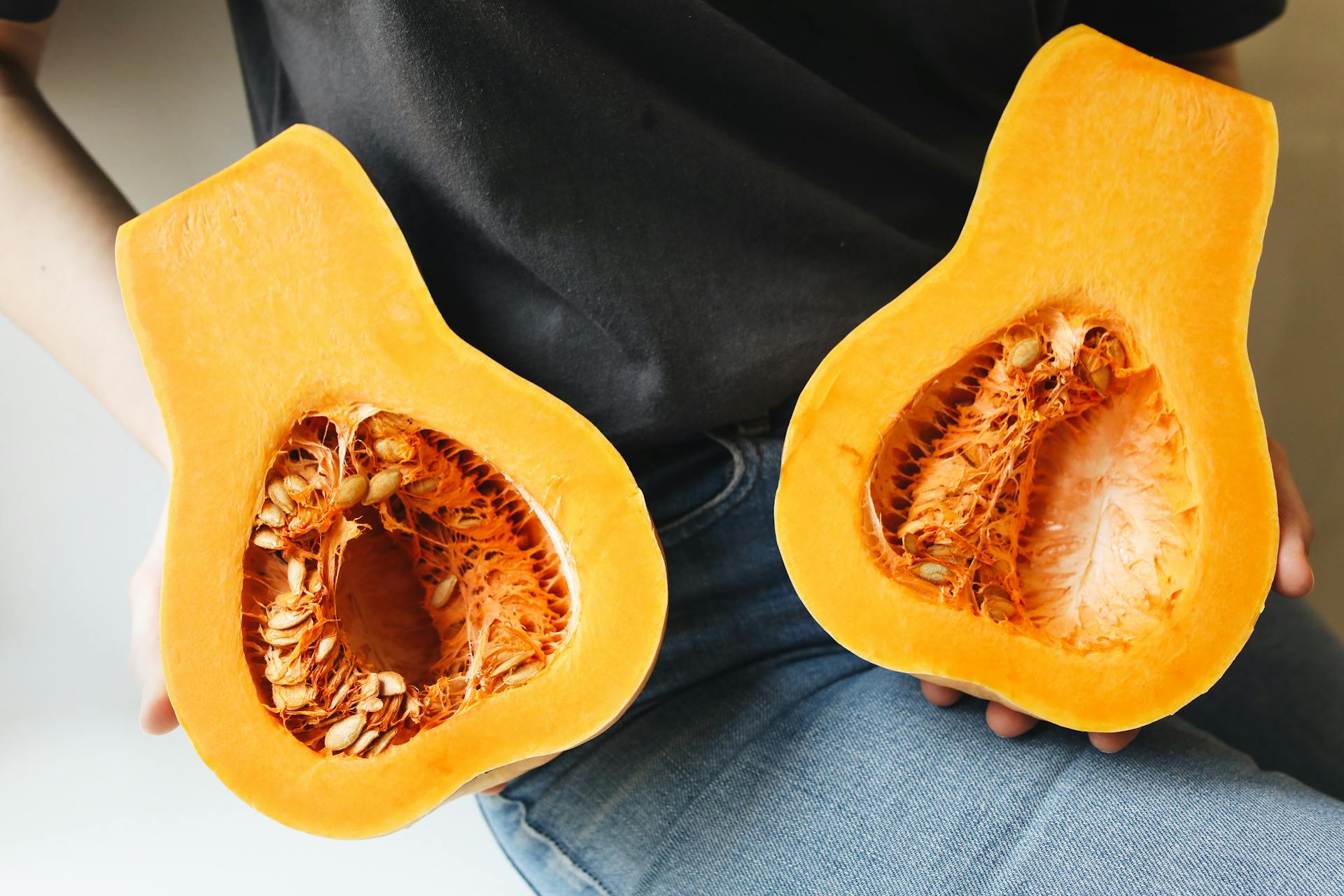
How Long Does Butternut Squash Last In The Fridge?
Storing Butternut Squash
Proper storage of butternut squash influences not only its taste and texture but also how long it remains safe to consume. Understanding the best practices for refrigeration is key to extending the shelf life of this versatile vegetable.
Proper Storage of Butternut Squash
To maximize the longevity of butternut squash, you should store it in a cool, dry place away from direct sunlight. A pantry or a cellar is ideal for whole, uncut squash. However, once you slice into it, the rules change. Cut butternut squash should be placed in an airtight container and refrigerated to maintain its freshness.
Here are some tips to ensure proper storage:
- Keep whole butternut squash at a temperature between 50-60°F (10-15°C).
- Store cut pieces in an airtight container to prevent moisture loss and odor absorption from other foods.
- Keep the container in the crisper drawer of your refrigerator to maintain an optimal humidity level.
Importance of Refrigeration
Once butternut squash is cut, refrigeration becomes necessary to slow down the decomposition process. The cool temperature of the fridge inhibits the growth of bacteria and mold, which can quickly spoil the squash. It's also crucial to store it correctly to prevent cross-contamination with other foods.
The table below outlines the estimated refrigerated shelf life of butternut squash:
| Butternut Squash Condition | Estimated Shelf Life in the Fridge |
|---|---|
| Whole and uncut | 1-2 months |
| Cut into cubes or slices | 4-5 days |
| Cooked | 5-7 days |
Remember, these are estimates, and the actual shelf life may vary based on the freshness of the squash when purchased and the consistency of refrigerator temperatures. For insights into the storage life of other produce, you might be curious about how long do carrots last in the fridge? or how long does taro last in the fridge?
Understanding and adhering to these storage guidelines will help ensure that your butternut squash remains a flavorful and healthy addition to your meals. Always be mindful of the signs of spoilage, and when in doubt, it is better to err on the side of caution and discard any squash that shows changes in appearance or odor.
Shelf Life of Butternut Squash
Understanding the shelf life of butternut squash is essential for ensuring you enjoy it at its best quality and derive the most nutritional value. Proper storage can significantly influence how long your squash remains fresh and usable.
Fresh Whole Butternut Squash
When it comes to fresh whole butternut squash, your vegetable drawer in the fridge is not the ideal place. Whole butternut squash prefers a cool, dark, and well-ventilated environment. If stored properly in a pantry or cellar, it can last anywhere from 1 to 3 months. However, if you must refrigerate it due to space constraints or a particularly warm climate, whole butternut squash can last in the fridge for about 2 weeks before its quality begins to diminish.
| Storage Location | Shelf Life |
|---|---|
| Pantry or cellar | 1 - 3 months |
| Refrigerator | Up to 2 weeks |
Peeled and Cut Butternut Squash
Peeled and cut butternut squash has a shorter shelf life due to the exposure of the flesh to air and moisture, which can accelerate spoilage. In the fridge, peeled or cut squash should be stored in an airtight container to maintain freshness and prevent it from absorbing other flavors. Typically, it can last between 2 to 7 days when refrigerated.
For those who have more than they can use in a week, freezing is a viable option to extend the shelf life significantly. For guidance on freezing butternut squash, you might want to check out other articles such as how long does pumpkin pie last in the fridge? for tips on storing similar produce.
| Storage Location | Shelf Life |
|---|---|
| Refrigerator (airtight container) | 2 - 7 days |
| Freezer (properly packaged) | 6 - 12 months |
It's important to keep an eye on your butternut squash and use it within these time frames to enjoy its peak flavor and texture. Remember that these are general guidelines, and the actual shelf life may vary based on specific conditions in your storage environment. For more storage tips on related items, you may find articles like how long do carrots last in the fridge? useful.
Signs of Spoilage
Recognizing when your butternut squash has gone bad is key to ensuring you use it while it's still fresh and safe to consume. Here are some indicators of spoilage that you should be aware of.
Visual Changes
The first sign of spoilage often comes in the form of visual changes. When inspecting your butternut squash, look out for:
- Discolorations: Dark spots or patches that weren't there when you first stored it could indicate the beginning stages of rot.
- Mold: Any fuzzy formations or spore growth on the surface are clear signs that the squash should not be consumed.
- Shriveling: If the squash appears to be shriveling or has a sunken texture, it's likely past its prime.
Smell and Texture
The freshness of butternut squash can also be determined by its smell and texture.
- Odor: A fresh butternut squash should have a slightly sweet, nutty aroma. An off or sour smell is a strong indication of spoilage.
- Texture: The outer skin of the squash should be firm. If you feel soft spots or if the squash yields easily to pressure, it's an indicator that it may be rotting from the inside.
If you're unsure whether your butternut squash is still good to use, it's always better to err on the side of caution. Consuming spoiled produce can lead to foodborne illnesses. For information on storing other produce items, you might be interested in reading about how long do gooseberries last in the fridge? or how long does salsa last in the fridge?. Remember, proper storage is key to extending the shelf life of your fruits and vegetables.
Extending Shelf Life
When it comes to storing butternut squash, you might be seeking ways to extend its shelf life beyond what the refrigerator can offer. Two effective methods for prolonging the freshness of butternut squash include freezing and vacuum sealing.
Freezing Butternut Squash
Freezing butternut squash is an excellent way to preserve its quality for a longer period. Before freezing, it's crucial to prepare the squash properly to ensure the best texture and flavor upon thawing.
- Peel and cut the butternut squash into cubes or slices.
- Blanch the pieces in boiling water for about 2-3 minutes.
- Transfer the blanched squash to an ice bath to stop the cooking process.
- Once cooled, drain the pieces and pat them dry with a paper towel.
- Arrange the squash on a baking sheet in a single layer to freeze them individually.
- Once frozen, transfer the pieces into freezer bags or airtight containers.
By following these steps, you can extend the shelf life of butternut squash significantly. Frozen butternut squash can last for up to 6-12 months when stored properly in the freezer.
Vacuum Sealing
Vacuum sealing is another method to prolong the freshness of butternut squash by removing air from the packaging, thus reducing oxidation and the growth of bacteria or mold.
- Peel and cut the butternut squash to your preferred size.
- If desired, blanch the pieces as described in the freezing method.
- Allow the squash to cool completely after blanching.
- Place the butternut squash in vacuum seal bags, ensuring there's no excess moisture.
- Use a vacuum sealer to remove the air and seal the bags.
Vacuum-sealed butternut squash can last in the refrigerator for up to 2 weeks, or even longer when placed in the freezer. Vacuum sealing combined with freezing can extend the shelf life to a similar range as freezing alone, keeping the squash fresh for 6-12 months.
By utilizing these storage techniques, you can enjoy butternut squash throughout the year without compromising on taste or nutritional value. Remember, always label your storage containers or bags with the date of freezing or vacuum sealing to keep track of the storage duration. For more insights on food preservation in the fridge, explore articles like how long does salsa last in the fridge? or how long do carrots last in the fridge? for a comprehensive understanding of different food items' shelf lives.
Proper Handling Tips
Handling your butternut squash correctly before storage is crucial to maximize its shelf life. Here are some tips to ensure your squash stays fresh for as long as possible.
Washing Before Storage
Before you store your butternut squash, it's a good idea to rinse off any dirt or debris. This will help prevent any potential bacterial growth that could cause the squash to spoil prematurely. However, you should avoid washing the squash if you're not planning to use it right away, as the moisture can lead to rot.
- Rinse the squash under cool running water.
- Use a soft brush to remove any stubborn dirt.
- Dry the squash thoroughly with a clean towel before storing it.
Remember, the goal is to keep the squash dry to prevent any mold or mildew from forming.
Storing with Other Foods
It's also important to consider what other foods you're storing alongside your butternut squash. Butternut squash should be stored in a cool, dry place away from foods that emit ethylene gas, as this can accelerate ripening and lead to spoilage.
Here are some examples of ethylene-producing foods to avoid storing with your butternut squash:
- Apples
- Bananas
- Tomatoes
- Avocados
Conversely, storing butternut squash near foods that absorb ethylene, like potatoes, can help extend its shelf life.
When placing butternut squash in the refrigerator, store it in the crisper drawer away from foods with strong odors. Butternut squash can absorb smells, which could affect its flavor when you're ready to use it. For more information on how long other products last in the fridge, check out our articles on how long does taro last in the fridge? and how long do carrots last in the fridge?.
By following these proper handling tips, you can ensure that your butternut squash stays fresh and delicious for as long as possible. Remember, taking a few extra steps before storing your squash can make all the difference in maintaining its quality.
Using Leftover Butternut Squash
Recipes and Ideas
When you find yourself with leftover butternut squash, there's a world of culinary possibilities to explore. Here are some creative ways to use it up:
- Soup: Blend your leftover butternut squash into a creamy soup, seasoning it with herbs like thyme and sage for a comforting meal.
- Salad: Cube and chill the squash to add a sweet, hearty element to a mixed greens salad.
- Bake: Incorporate mashed butternut squash into baked goods such as muffins, bread, or pancakes for a moist texture and a nutritional boost.
- Pasta: Toss diced squash into pasta dishes with a little olive oil, garlic, and Parmesan for a simple yet satisfying dish.
- Casserole: Use it as a base for a vegetarian casserole, topped with cheese and breadcrumbs.
- Sauté: Sauté cubes of butternut squash with onions and add to a frittata or quiche.
These ideas are not just tasty but also help ensure that you maximize the value of your produce. For specific recipes and more creative ways to use your leftover squash, consider checking out related articles such as how long does pumpkin pie last in the fridge? for dessert inspirations.
Safety Considerations
When using leftover butternut squash, food safety is paramount. Keep these points in mind:
- Refrigeration: Store the squash promptly in the fridge if you won’t be using it immediately.
- Reheating: Heat the squash to 165°F (74°C) to ensure it's safe for consumption, especially if it's been previously cooked.
- Visual Inspection: Before using, inspect the squash for any signs of spoilage, like dark spots or mold.
- Smell and Texture: If the squash has an off smell or the texture has become overly soft or slimy, it's best to discard it.
Remember, the longevity of your butternut squash in the fridge depends on how it's stored. For more information on this, you might want to read about how long does butternut squash last in the fridge? and compare it with the storage life of other produce like how long do carrots last in the fridge? or how long do tomatoes last in the fridge? to plan your meals efficiently. Always adhere to best practices to keep your food fresh and safe to eat.
Get Your Upgrade or New Addition at Fridge.com
Whether you're searching for your perfect fridge, freezer, wine fridge, beer fridge, ice maker, or kegerator, we have what you need.
Shop the world's best brands at Fridge.com.
We also have tons of awesome articles about kitchen stuff and home news. Enhance your home, garage, backyard, patio, and office with the coolest essentials. With every necessary type of residential refrigerator or freezer in our collection, we've got you covered.
Elevate your game and shop now at Fridge.com!