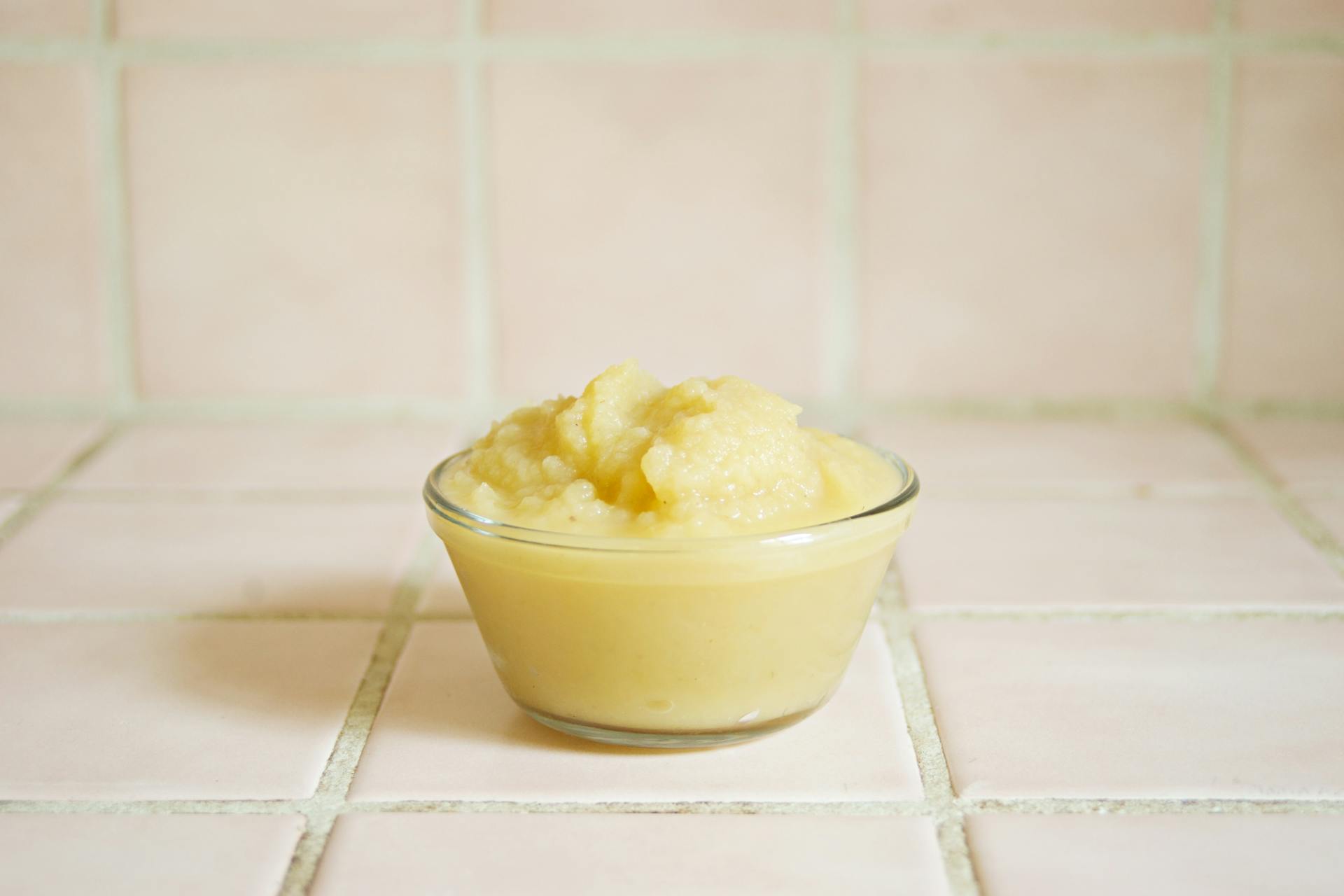
Storing Applesauce in the Fridge
Proper storage of applesauce is crucial for maintaining its freshness and extending its shelf life. By following these guidelines, you can ensure that your applesauce remains tasty and safe to consume.
Proper Storage Guidelines
To maximize the longevity of applesauce in your refrigerator, it is important to adhere to the following storage practices:
- Seal it Properly: Ensure that the applesauce container is tightly sealed. If it's homemade or transferred to another container, use an airtight container to prevent contamination and the introduction of odors from other foods.
- Keep it Cool: Store the applesauce in the colder parts of your refrigerator, away from the door, where temperatures can fluctuate with frequent opening and closing.
- Label and Date: Mark the container with the date it was opened or made. This helps keep track of how long it has been stored and prevents the risks associated with consuming expired food products.
- Minimize Exposure: Limit the time the applesauce is out of the fridge. Always put it back immediately after use to prevent spoilage.
Importance of Refrigeration
Refrigeration is vital for preserving the quality of applesauce and preventing the growth of bacteria that can lead to spoilage. Here's why keeping applesauce cool is non-negotiable:
- Inhibits Bacterial Growth: Cold temperatures slow down the growth of bacteria. Applesauce, especially homemade varieties without preservatives, is prone to bacterial contamination if not kept chilled.
- Preserves Taste and Texture: Refrigeration helps applesauce retain its original flavor and consistency, preventing it from becoming watery or fermented.
- Extends Shelf Life: Proper refrigeration can significantly extend the shelf life of applesauce, both commercially packaged and homemade.
By understanding the importance of refrigeration, you can ensure that your applesauce remains a delightful addition to your meals for as long as possible. For those interested in the longevity of other items in the fridge, you might want to explore how long does apple juice last in the fridge? or how long does coffee last in the fridge? for more information on storing your favorite beverages.
Shelf Life of Applesauce in the Fridge
When it comes to preserving the quality and freshness of applesauce, understanding the factors that influence its shelf life and recognizing signs of spoilage are key. Here's what you need to know about how long applesauce lasts in the fridge and how to tell if it's gone bad.
Factors Affecting Shelf Life
Several factors can impact the longevity of applesauce stored in the refrigerator:
- Preservatives: Commercial applesauce often contains preservatives that extend its shelf life, whereas homemade applesauce generally lacks these and may not last as long.
- Packaging: Airtight packaging can keep applesauce fresh for a longer period by minimizing exposure to air and contaminants.
- Temperature: Consistent refrigeration at or below 40°F (4°C) is crucial for slowing down the growth of bacteria.
- Handling: Every time applesauce is exposed to the environment, such as when it's opened or served, there's a potential for bacteria introduction that can affect its shelf life.
| Factor | Impact on Shelf Life |
|---|---|
| Preservatives | Extends |
| Airtight Packaging | Extends |
| Consistent Refrigeration | Extends |
| Handling | Can shorten |
Signs of Spoiled Applesauce
Your senses are often the most reliable tools for determining whether applesauce has spoiled. Look out for the following indicators:
- Color change: If the applesauce has darkened or developed discolorations, it may be a sign of spoilage.
- Mold: Any visible mold growth on the surface is a clear indication that the applesauce should not be consumed.
- Off smell: A sour or fermented odor is a telltale sign that the applesauce has gone bad.
- Off taste: If the applesauce has an unusual or sour taste, it's best to discard it. It's recommended to only taste a small amount if you are unsure and to spit it out immediately if it tastes off.
If you encounter any of these signs, or if you're in doubt, it's safer to err on the side of caution and dispose of the applesauce. For more information on food safety and storage, explore our comprehensive guides, such as how long do mulberries last in the fridge? and how long does fresh fish last in the fridge?. Remember that proper storage and regular inspection are your best defenses against consuming spoiled food.
How Long Does Applesauce Last in the Fridge?
When it comes to keeping your applesauce fresh and delicious, the refrigerator is your ally. Understanding how long applesauce remains consumable in the fridge is essential for both taste and health.
Unopened vs. Opened Applesauce
The longevity of applesauce in your refrigerator largely depends on whether the jar has been opened or remains sealed. An unopened jar of commercially processed applesauce typically has a longer shelf life due to the pasteurization and sealing process it undergoes during manufacturing.
| Condition | Shelf Life in Fridge |
|---|---|
| Unopened Applesauce | 1-2 years past the printed date |
| Opened Applesauce | 7-10 days |
Once you break the seal of an applesauce container, the countdown begins. Opened applesauce should be consumed within 7 to 10 days for optimal freshness. It's crucial to ensure the lid is tightly secured each time you store it back in the fridge to extend its lifespan as much as possible. For homemade applesauce, the window is often shorter due to the lack of preservatives, so aiming to consume it within 5-7 days is a good practice.
Refrigerator Temperature Impact
The temperature of your refrigerator plays a significant role in the preservation of applesauce. Ideally, your fridge should be set at or below 40°F (4°C) to slow down bacterial growth and maintain the quality of your food.
| Refrigerator Temperature | Impact on Applesauce |
|---|---|
| 40°F (4°C) or below | Optimal for shelf life |
| Above 40°F (4°C) | May shorten shelf life |
If the temperature fluctuates above the recommended range, the applesauce may spoil more quickly. It's beneficial to use an appliance thermometer to monitor your fridge's temperature.
By adhering to these guidelines, you can ensure your applesauce remains a tasty and safe addition to your snacks and meals. Remember to always inspect your applesauce for signs of spoilage before consuming it. For tips on identifying spoiled applesauce, including changes in color, odor, or texture, you can refer to our section on how long does sea buckthorn juice last in the fridge? which covers similar perishable items.
Extending the Shelf Life
When it comes to keeping applesauce fresh for as long as possible, employing proper storage techniques can make a significant difference. Here are some tips and methods to help prolong the freshness of your applesauce, including how to freeze it effectively.
Tips for Prolonging Freshness
Maintaining the quality of your applesauce involves a few key considerations:
- Seal Properly: Always ensure that the applesauce container is sealed tightly to prevent air from entering, which can accelerate spoilage.
- Keep It Cool: Store the applesauce in the coldest part of your refrigerator, usually at the back, away from the door. This helps maintain a consistent temperature.
- Use Clean Utensils: When serving applesauce, use a clean spoon each time to avoid introducing bacteria into the container.
- Portion Control: Consider dividing larger amounts of applesauce into smaller containers. This prevents the entire batch from being exposed to air every time you take a portion.
By following these tips, you can help keep your applesauce tasting fresher for longer. For insights on how long other products last in the fridge, explore articles like how long does fresh fish last in the fridge? or how long do mulberries last in the fridge?.
Freezing Applesauce
Freezing is an excellent option for extending the shelf life of applesauce far beyond what the fridge can offer. Here's how you can freeze applesauce:
- Portion Appropriately: Divide the applesauce into portions that you would typically consume in one sitting. This prevents the need for thawing and refreezing.
- Airtight Containers: Use airtight freezer-safe containers or heavy-duty freezer bags to store the applesauce. Leave some space at the top as applesauce will expand when frozen.
- Label and Date: Clearly label each container or bag with the contents and the date of freezing.
| Storage Method | Expected Shelf Life |
|---|---|
| Refrigerator | 7-10 days (opened), several months (unopened) |
| Freezer | 3-6 months |
By freezing your applesauce, you can enjoy it for months to come. When you're ready to use it, simply thaw it in the refrigerator overnight. If you're curious about the longevity of other foods in your fridge, you might find articles such as how long does turnip last in the fridge? or how long does apple juice last in the fridge? to be useful resources.
Safe Consumption Practices
When it comes to enjoying applesauce from your fridge, adhering to safe consumption practices is key. Proper inspection before eating and knowing how to handle and store your applesauce will ensure you enjoy its flavors without compromising on safety.
Inspecting Applesauce Before Eating
Before indulging in the contents of that applesauce container, it's important to perform a quick inspection. First, check the expiration date to ensure it's still within its intended consumption period. Even within this date, look for any signs of spoilage such as:
- Mold growth: Any visible fuzzy spots or discoloration on the surface.
- Off odors: A sour or fermented smell that differs from the fresh fruity scent you're accustomed to.
- Changes in texture: If the applesauce has separated or become excessively watery.
- Altered taste: If you notice a sharp or off taste after a small sample, it's best not to consume it.
Proper Handling and Storage Techniques
Maintaining the quality and safety of your applesauce begins with how you handle and store it. Here are some tips to help you prolong its shelf life:
- Keep It Sealed: Always reseal the container tightly after use to limit exposure to air, which can accelerate spoilage.
- Use Clean Utensils: To avoid introducing bacteria, only dip clean utensils into the applesauce.
- Store at the Right Temperature: Keep your applesauce in a consistently cold part of the fridge, ideally at or below 40°F (4°C).
- Avoid Cross-Contamination: Don't store applesauce next to raw foods or beneath anything that could drip into it and introduce bacteria.
- Follow First-In, First-Out (FIFO) Rule: Use the oldest applesauce first to ensure you're consuming it while it's still fresh.
By following these techniques and regularly inspecting your applesauce, you can enjoy it safely and reduce food waste. For more information on storing other food items, check out our articles on how long various products last in the fridge, such as how long does sea buckthorn juice last in the fridge? and how long does fresh fish last in the fridge?.
Remember, when in doubt, it's always safer to discard any food item that doesn't pass your inspection. Consuming spoiled food can lead to foodborne illnesses, so it's best to err on the side of caution.
Using Applesauce Past Its Prime
When your applesauce has passed its peak but hasn't yet shown signs of spoilage, there are still many ways you can use it. Creativity in the kitchen can help you minimize waste and enjoy every last spoonful of your applesauce.
Creative Ways to Use Older Applesauce
Before your applesauce reaches the point of no return, consider these inventive uses:
- Baking Substitute: Applesauce is a well-known substitute for oil or butter in baking. Whether you're making muffins, cakes, or bread, it can provide moisture and a slight fruity flavor.
- Marinade Base: Mix it with spices and use it as a marinade for meats. The natural sugars in the applesauce can help caramelize and tenderize the meat.
- Smoothie Sweetener: Add it to your smoothies for a touch of sweetness and extra fiber.
- Oatmeal Flavoring: Stir it into your morning oatmeal or yogurt for added flavor.
- Sauce Ingredient: Use it as a base for sweet and sour sauce or blend it into curries for a touch of sweetness.
Remember, if you have a significant quantity of applesauce and you're unsure how to use it promptly, freezing is always an option to consider.
When to Discard Applesauce
Despite your best efforts, there comes a time when applesauce must be discarded. Here are signs that your applesauce has gone bad and should not be consumed:
- Mold Growth: Any visible mold or discoloration is a clear indicator that your applesauce should be thrown out.
- Off Smell: A sour or fermented odor is a sign of spoilage.
- Taste Alteration: If the flavor of the applesauce has significantly changed, it's best to discard it.
- Change in Texture: If the applesauce has become overly watery or has an unusual texture, it's time to let it go.
If you notice any of these signs, it's essential to dispose of the applesauce to avoid the risk of foodborne illness. For more information on how to determine if food has spoiled, visit our articles on topics like how long does sea buckthorn juice last in the fridge? or how long do mulberries last in the fridge?, where we discuss similar concerns related to other perishable items.
As a general rule, always trust your senses and err on the side of caution when it comes to consuming any food that might be past its prime. Your health and safety are paramount.
Frequently Asked Questions
Can you freeze homemade applesauce?
Absolutely, freezing homemade applesauce is a practical way to extend its shelf life. Ensure that the applesauce is cooled to room temperature before transferring it to an airtight, freezer-safe container or bag. Label the container with the date of freezing. Homemade applesauce can be stored in the freezer for up to 12 months. When you're ready to use it, thaw the applesauce in the fridge overnight.
Is it safe to eat expired applesauce?
The safety of consuming expired applesauce depends on several factors, such as the storage conditions and whether the applesauce is commercially packaged or homemade. A "best by" or "use by" date is often an indicator of quality rather than safety. If the applesauce has been stored properly in the fridge and shows no signs of spoilage—such as mold, off-odors, or color changes—it may still be safe to consume shortly after the expiration date. However, if in doubt, it's best to err on the side of caution and discard any questionable applesauce.
Can applesauce go bad in the fridge?
Yes, like most food products, applesauce can go bad in the fridge. While refrigeration slows down the spoilage process, it doesn't halt it entirely. Factors that can influence the shelf life of refrigerated applesauce include whether it's homemade or commercially packaged, how it was prepared, and how frequently the container has been opened. Signs that applesauce has spoiled include mold growth, an off smell, and a change in texture or color. It's important to inspect applesauce before eating and practice safe consumption practices to avoid foodborne illness.
Get Your Upgrade or New Addition at Fridge.com
Whether you're searching for your perfect fridge, freezer, wine fridge, beer fridge, ice maker, or kegerator, we have what you need.
Shop the world's best brands at Fridge.com.
We also have tons of awesome articles about kitchen stuff and home news. Enhance your home, garage, backyard, patio, and office with the coolest essentials. With every necessary type of residential refrigerator or freezer in our collection, we've got you covered.
Elevate your game and shop now at Fridge.com!