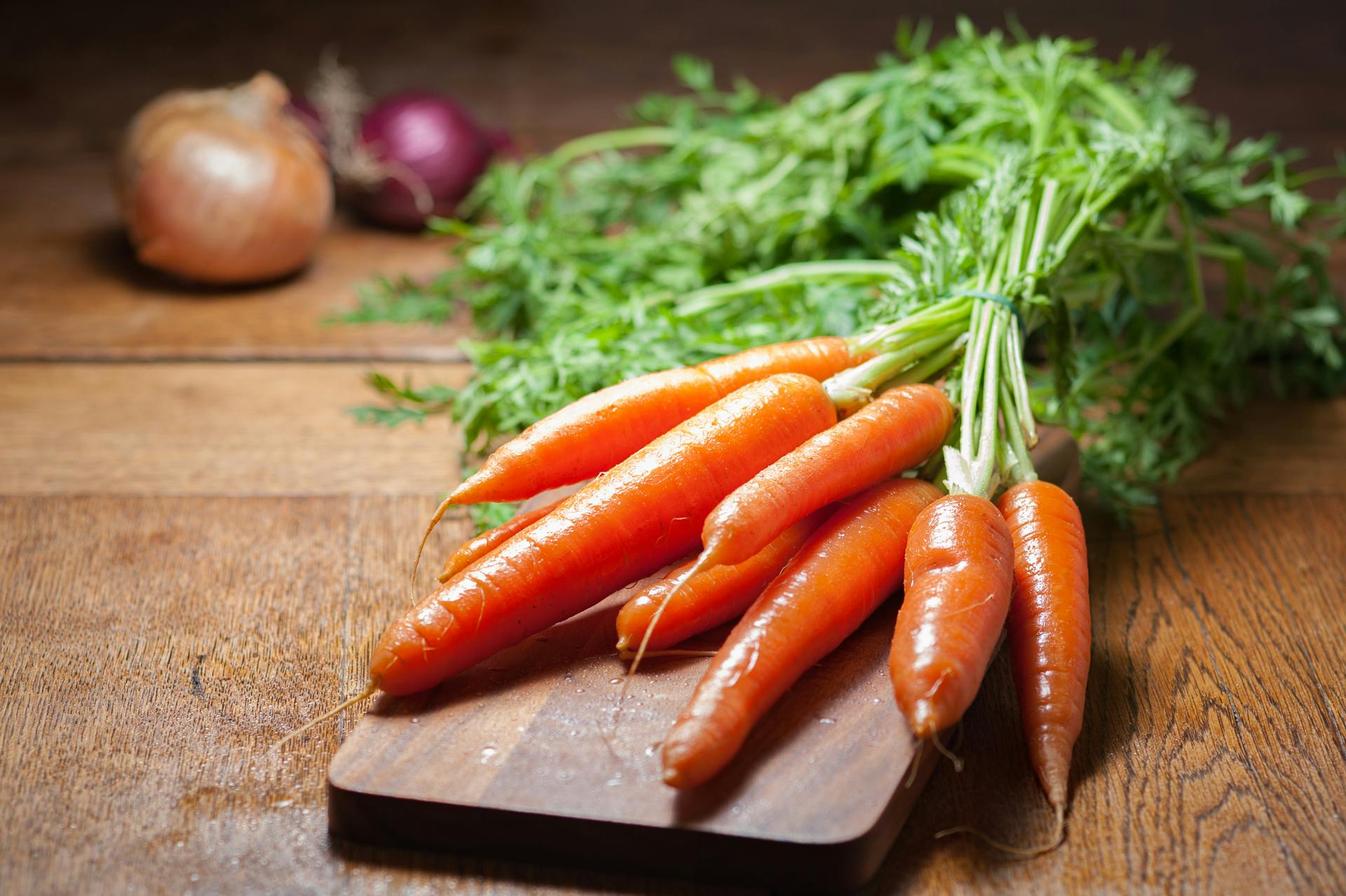
Storing Carrots in the Fridge
Importance of Proper Storage
Proper storage of carrots in the refrigerator is essential to maintain their freshness, flavor, and nutritional value. Carrots are a versatile vegetable, rich in vitamins and minerals, and keeping them fresh ensures you can enjoy their benefits to the fullest. When carrots are not stored correctly, they may lose their crispness, become limp, or even spoil, leading to unnecessary waste and a loss of valuable produce.
Best Practices for Extending Carrot Shelf Life
To extend the shelf life of your carrots in the fridge, follow these best practices:
- Keep Carrots Dry: Before storing, ensure your carrots are dry. Excess moisture can accelerate spoilage.
- Use Vegetable Crisper Drawer: Store carrots in the vegetable crisper drawer of your refrigerator, which provides an optimal environment for maintaining moisture levels and crispness.
- Avoid Ethylene-Producers: Keep carrots away from ethylene-producing fruits like apples and bananas, which can hasten spoilage.
- Use Airtight Bags or Containers: Place carrots in airtight bags or containers to protect them from odors and dehydration.
- Leave Whole Carrots Unpeeled: Do not peel whole carrots before refrigerating, as the skin protects against drying out.
- Trim Tops Off: If your carrots still have greens attached, trim them off before storage, as they can draw moisture from the carrot roots.
- Regular Check-Ups: Check your carrots regularly for signs of spoilage and remove any that are starting to go bad to prevent them from affecting the rest.
By adhering to these storage principles, you can enjoy the crisp texture and sweet taste of carrots for an extended period. Carrots can complement a range of dishes, from salads and soups to juices and smoothies, making proper storage all the more important for culinary enthusiasts. For more information on storing other produce, explore our articles on how long do gooseberries last in the fridge? or how long does salsa last in the fridge?.
Shelf Life of Whole Carrots
When it comes to preserving the freshness of whole carrots, understanding their shelf life within the confines of a refrigerator is key. Here you'll learn not only about the duration you can expect your carrots to last but also the tell-tale signs that indicate they're past their prime.
Duration Whole Carrots Last in the Fridge
Whole carrots have a relatively long fridge life compared to many other vegetables. When stored properly, they can maintain their quality and edibility for a considerable amount of time.
| Storage Method | Expected Shelf Life |
|---|---|
| At room temperature | 3-5 days |
| In the fridge (unwashed, in a bag) | 3-4 weeks |
| In the fridge (wrapped in a damp paper towel) | 4-5 weeks |
To ensure the longevity of your carrots, it is best to keep them in the coolest part of the refrigerator, away from the door where temperatures fluctuate. Also, refrain from washing your carrots before storing them as the excess moisture can accelerate spoilage. Instead, store them in a plastic bag or wrap them in a damp paper towel to retain the right amount of moisture and prevent them from drying out. For insights into how other produce items fare in the fridge, you might want to explore how long do mulato peppers last in the fridge? or how long do tomatoes last in the fridge?.
Signs of Spoilage to Watch For
While carrots are known for their hardiness, they are not immune to spoilage. Being vigilant about the signs of spoilage can help you avoid consuming bad produce and prevent food waste. Here are some indicators that your whole carrots are no longer fit to eat:
- Softness: Fresh carrots are firm to the touch. If they start to feel limp or mushy, they have begun to spoil.
- Discoloration: Any white blush or discoloration can be a sign of dehydration, while dark spots may indicate rot.
- Odor: An off or sour smell is a clear sign that your carrots should be discarded.
- Mold: Visible mold growth is a definitive sign that carrots should not be consumed.
Taking these signs into account, you can ensure that the carrots you use are fresh and safe for your dishes. If you're curious about the shelf life of other produce or food items, such as how long does bolognese last in the fridge? or how long does hummus last in the fridge?, be sure to check out those resources for more information.
Shelf Life of Baby Carrots
For those who enjoy the convenience and sweetness of baby carrots, understanding their shelf life in the fridge is essential to ensure they're consumed when they're at their best and most nutritious.
Duration Baby Carrots Last in the Fridge
Baby carrots have a shorter shelf life compared to whole carrots due to their smaller size and higher surface area exposure, which can lead to quicker dehydration and spoilage. When stored in the fridge, baby carrots typically last between 3 to 4 weeks. To maximize their longevity, it's crucial to store them properly, ideally in a breathable bag or a container with moisture control.
| Storage Method | Expected Shelf Life |
|---|---|
| In the fridge (unopened bag) | 3 - 4 weeks |
| In the fridge (opened bag) | 3 weeks |
| In a container with moisture control | Up to 4 weeks |
Indications of Baby Carrot Spoilage
Identifying when baby carrots are past their prime is important to avoid the unpleasant experience of biting into a spoiled carrot. Some common signs of spoilage include:
- A whitish, dry exterior that indicates dehydration
- Sliminess or a sticky texture, which can be a sign of bacteria buildup
- Mold growth, characterized by white, green, or black spots
- An off smell, which is a clear indicator that the baby carrots should not be consumed
If you notice any of these signs, it's best to discard the baby carrots to avoid any potential foodborne illness. For more information on the shelf life of other vegetables and how to store them, you might find these articles helpful: how long do tomatoes last in the fridge? or how long does napa cabbage last in the fridge?.
Extended Storage Options
When you find yourself with an abundance of carrots or just want to ensure they last as long as possible, consider these extended storage options. Freezing and pickling are two effective methods to preserve carrots' freshness and extend their shelf life beyond refrigeration.
Freezing Carrots
Freezing is a practical way to extend the lifespan of your carrots significantly. To effectively freeze carrots, follow these steps:
- Wash and Peel: Thoroughly wash and peel the carrots to remove any dirt or debris.
- Blanch: Blanch the carrots in boiling water for two to five minutes, depending on size, to inactivate enzymes that can lead to spoilage.
- Ice Bath: Immediately plunge the blanched carrots into an ice bath to halt the cooking process.
- Dry: Pat the carrots dry to remove excess moisture, which can lead to freezer burn.
- Bag and Freeze: Place the carrots in airtight, freezer-safe bags or containers. Label with the date before placing them in the freezer.
Here’s a table summarizing the freezing process for carrots:
| Step | Description | Time |
|---|---|---|
| Blanching | Boil carrots to inactivate enzymes | 2-5 mins |
| Ice Bath | Stop the cooking process | Immediate |
| Drying | Remove excess moisture | Until dry |
| Freezing | Store in airtight containers or bags | Indefinite |
Carrots can maintain their quality in the freezer for up to 12 months. However, they're best used within 4 to 6 months for optimal taste and texture. When you're ready to use them, carrots can be cooked straight from the freezer without thawing. For more information on freezing vegetables, check out how long do gooseberries last in the fridge?
Pickling Carrots
Pickling is another method that not only extends the shelf life of carrots but also adds a flavorful twist. To pickle carrots:
- Prepare Brine: Combine vinegar, water, sugar, and pickling spices in a pot and bring to a boil.
- Sterilize Jars: Sterilize your canning jars and lids by boiling them in water.
- Pack Carrots: Slice or cut the carrots as desired and tightly pack them into the jars.
- Pour Brine: Pour the hot brine over the carrots in the jars, leaving some headspace.
- Seal and Store: Wipe the rims, apply the lids, and tighten the bands. Once cooled, store the jars in a cool, dark place.
The pickling process not only preserves the carrots but also infuses them with the flavors of the brine. Here's a quick reference table:
| Step | Description | Time |
|---|---|---|
| Brine Preparation | Cook vinegar, water, sugar, spices | Until boiling |
| Jar Sterilization | Boil jars and lids | 10 mins |
| Packing | Fill jars with carrots | NA |
| Brine Pouring | Add brine to jars, leave headspace | NA |
| Sealing | Tighten lids and let jars cool | Until cool |
Typically, pickled carrots will last for several months in the fridge. Always check the seal and look for signs of spoilage before consuming. For more insights on pickling, explore how long are pickle wraps good for in the fridge?
By utilizing these extended storage methods, you can enjoy your carrots for months to come. Whether you opt for freezing or pickling, these techniques will help you make the most of your produce and reduce food waste.
Proper Handling and Preparation
When it comes to carrots, proper handling and preparation are essential to maximize their shelf life and ensure they remain safe and delicious to consume. Whether you're storing whole carrots or cut pieces, the following practices can help you preserve their freshness.
Cleaning Carrots
Before storing your carrots in the refrigerator, it's important to remove any dirt or debris. This can be done by gently scrubbing the carrots under cool running water using a vegetable brush. Avoid using soap or other cleaning agents, as these can leave behind residues that might affect the taste and safety of the carrots.
After cleaning, pat the carrots dry with a clean towel to remove excess moisture. This step is crucial because excess moisture can promote the growth of mold and bacteria, leading to quicker spoilage.
Here's a simple table to outline the cleaning steps:
| Step | Action |
|---|---|
| 1 | Rinse carrots under cool running water. |
| 2 | Gently scrub with a vegetable brush to remove dirt. |
| 3 | Pat dry with a clean towel. |
Storing Cut Carrots
If you have leftover carrots or prefer to cut them in advance for easier meal prep, proper storage is key to maintaining their quality. Cut carrots should be stored in airtight containers or resealable plastic bags to prevent them from drying out and absorbing odors from other food items in the fridge.
To further extend the freshness of cut carrots, you can place a damp paper towel in the container or bag to help maintain humidity levels. Make sure to change the paper towel regularly to prevent it from becoming too wet and fostering bacterial growth.
Here are the steps to store cut carrots properly:
| Step | Action |
|---|---|
| 1 | Place cut carrots in an airtight container or resealable plastic bag. |
| 2 | Add a damp paper towel to maintain humidity. |
| 3 | Seal the container or bag tightly and store in the refrigerator. |
By following these practices for cleaning and storing your carrots, you can enjoy them for a longer period. For more tips on preserving the freshness of other produce, check out articles like how long do tomatoes last in the fridge? or how long does napa cabbage last in the fridge?. Remember, the key to longevity for carrots and other produce is proper handling and preparation before storage.
Ways to Use Carrots Before They Spoil
When you find yourself with an abundance of carrots in the fridge, it's time to get creative and utilize them before they reach their expiration. Below are some inventive recipe ideas and preservation techniques to help you make the most of your carrots.
Creative Recipe Ideas
Carrots are versatile and can be used in a multitude of dishes. Here are some ideas to inspire your culinary creativity:
- Carrot Soup: A comforting bowl of creamy carrot soup can be both nourishing and warming. Add a touch of ginger for an extra kick of flavor.
- Roasted Carrots: Toss carrots with olive oil, salt, and your favorite herbs, then roast them until they're caramelized and tender.
- Carrot Salad: Grate carrots and mix with raisins, nuts, and a light vinaigrette for a refreshing salad.
- Carrot Juice: Extract the juice from your carrots and enjoy a nutrient-packed drink. You can even blend it with other fruits for a smoothie.
- Carrot Cake or Muffins: Grate the carrots and add them to your batter for a sweet treat that also sneaks in some veggies.
Carrot Preservation Techniques
If you're not ready to use your carrots yet, consider these preservation methods to extend their shelf life:
- Blanching and Freezing: Blanch carrots by boiling them briefly and then plunging into ice water. After drying, freeze them in a single layer before transferring to a freezer bag.
- Pickling: Create a pickling brine with vinegar, water, sugar, and spices, then add your sliced or whole carrots. They'll last for several months in the fridge.
- Dehydrating: Slice carrots thinly and use a dehydrator or an oven on a low setting to dry them out. Store in an airtight container and rehydrate when ready to use.
By employing these ideas and techniques, you'll not only reduce food waste but also enjoy your carrots in a variety of delightful ways. If you're looking for more information on food preservation or shelf life, check out our articles on how long does salsa last in the fridge? or how long do tomatoes last in the fridge? for additional insights.
Storing Carrots in the Fridge
Importance of Proper Storage
Storing your carrots in the fridge is essential for maintaining their freshness and nutritional value. Proper storage can significantly extend the lifespan of your carrots, keeping them crisp and delicious.
Best Practices for Extending Carrot Shelf Life
To maximize the shelf life of your carrots in the refrigerator, keep them in a plastic bag with holes to allow for air circulation. Alternatively, you can store them in the crisper drawer to maintain the right humidity levels. It's also recommended to keep them away from fruits that release ethylene gas, which can accelerate spoilage.
Shelf Life of Whole Carrots
Duration Whole Carrots Last in the Fridge
Whole, unpeeled carrots can last quite a while when stored properly in the fridge. Typically, you can expect them to stay fresh for about 3 to 4 weeks.
| Storage Method | Estimated Shelf Life |
|---|---|
| Room Temperature | 3-5 days |
| Refrigerator | 3-4 weeks |
| Freezer (blanched) | Up to 12 months |
Signs of Spoilage to Watch For
Keep an eye out for signs of spoilage such as sliminess, softness, or discoloration. If you notice a strong, unpleasant odor or visible mold growth, it's time to discard the carrots.
Shelf Life of Baby Carrots
Duration Baby Carrots Last in the Fridge
Baby carrots, due to their smaller size and higher surface area, tend to have a shorter shelf life than whole carrots. In the fridge, they usually last around 3 to 4 weeks if kept in a sealed bag.
| Storage Method | Estimated Shelf Life |
|---|---|
| Room Temperature | 1-2 days |
| Refrigerator | 3-4 weeks |
| Freezer (blanched) | Up to 12 months |
Indications of Baby Carrot Spoilage
The indications of spoilage for baby carrots are similar to whole carrots. Be on the lookout for a white, dry appearance known as "white blush," which is a sign of dehydration, and is not necessarily an indication of spoilage. If the carrots feel limp or slimy, they should not be consumed.
Extended Storage Options
Freezing Carrots
If you have an abundance of carrots, freezing is a great way to extend their shelf life. Blanch the carrots first to preserve their texture and color, then store them in airtight freezer bags.
Pickling Carrots
Pickling is another method for preserving carrots. It not only extends their shelf life but also adds a tangy flavor. Stored in an airtight container, pickled carrots can last several months in the fridge.
Proper Handling and Preparation
Cleaning Carrots
Before storing or using your carrots, it's important to clean them thoroughly under running water to remove any dirt or debris. Peeling is optional and based on personal preference or recipe requirements.
Storing Cut Carrots
Cut carrots should be kept in a sealed container or wrapped in foil or plastic wrap to prevent them from drying out. They will generally last up to a week in the fridge.
Ways to Use Carrots Before They Spoil
Creative Recipe Ideas
To avoid wasting carrots, get creative with recipes like carrot soup, roasted carrots, carrot cake, or a colorful carrot salad. Check out how long does bolognese last in the fridge? for a delicious Bolognese recipe that can incorporate carrots.
Carrot Preservation Techniques
Other preservation techniques include dehydrating, making carrot juice, or preparing carrot puree for use in various dishes. For more storage durations and tips on other foods, explore our comprehensive guides, such as how long do tomatoes last in the fridge? and how long does pumpkin pie last in the fridge?.