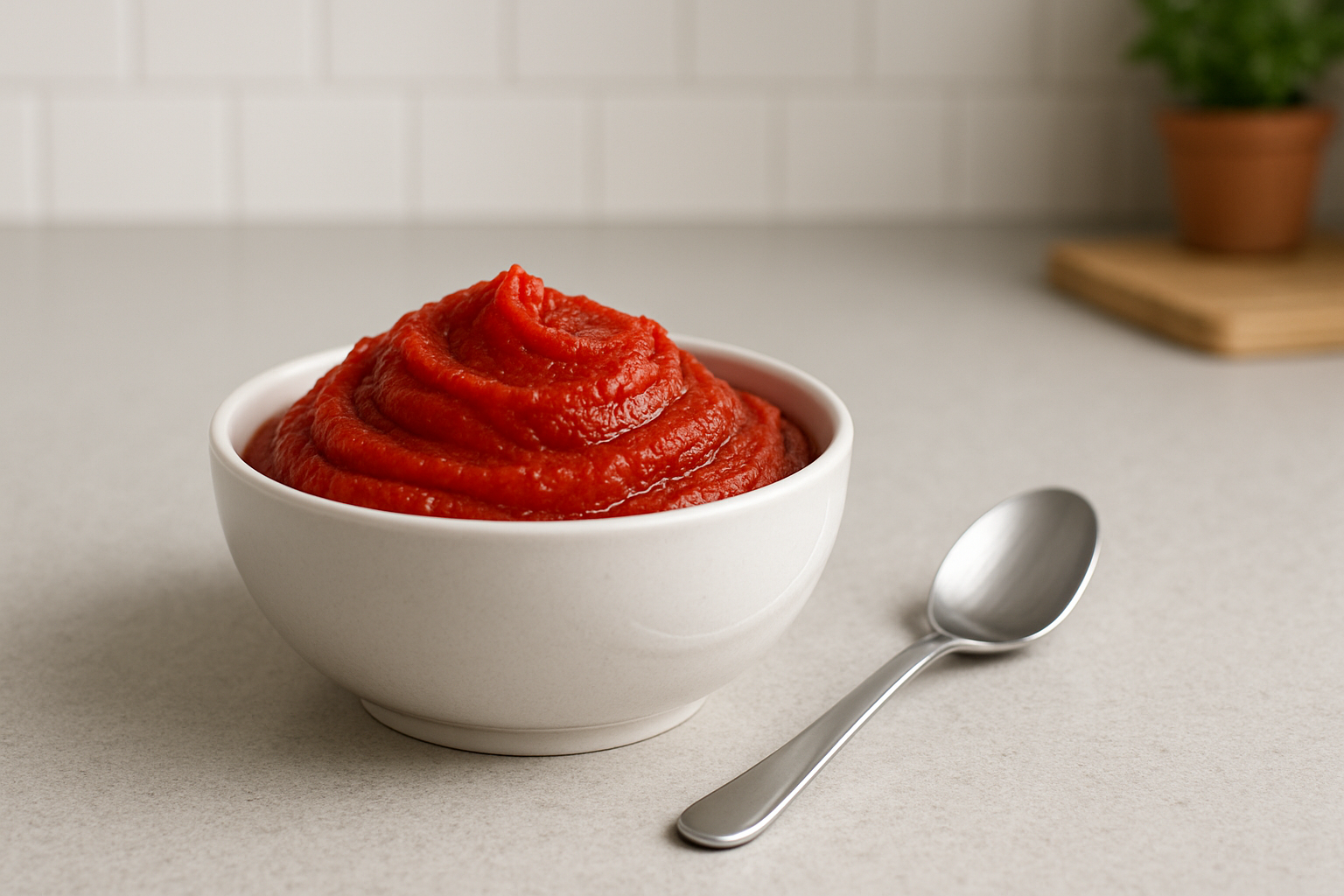
Tomato Paste Storage
Properly storing tomato paste can significantly extend its shelf life and maintain its quality. Here, we'll discuss the correct way to store tomato paste and the factors that affect its longevity.
Proper Storage of Tomato Paste
To maximize the shelf life of tomato paste, you need to store it correctly. Here are some key tips for storing tomato paste:
- Refrigeration: Once opened, tomato paste should be stored in the refrigerator. Transfer the paste from the can to an airtight container to prevent it from absorbing odors and drying out.
- Labeling: Always label the container with the date you opened the tomato paste. This helps you keep track of its freshness.
- Portioning: For convenience, you can portion out the paste into smaller servings before refrigerating. This makes it easier to use as needed without exposing the entire batch to air repeatedly.
| Storage Method | Shelf Life |
|---|---|
| Unopened Can | Up to 12-18 months |
| Opened and Refrigerated | 5-7 days |
Factors Affecting Tomato Paste Shelf Life
Several factors can impact how long tomato paste remains fresh in the fridge:
- Temperature: Consistent refrigeration at a temperature below 40°F (4°C) is crucial. Fluctuating temperatures can cause spoilage.
- Exposure to Air: Air can lead to oxidation, which affects the flavor and color of the paste. Using airtight containers minimizes air exposure.
- Cross-Contamination: Using clean utensils each time you scoop out the tomato paste prevents contamination. Avoid double-dipping to keep the paste free from bacteria.
- Container Material: Storing tomato paste in glass or plastic containers can affect its longevity. Glass is often preferred as it doesn't react with the acidic content of the paste.
For more information on storing other food items in the fridge, see our articles on how long can raw steak sit in the fridge? and how long can raw turkey be in the fridge?.
By following these storage guidelines and being mindful of the factors that affect shelf life, you can ensure that your tomato paste stays fresh and flavorful for as long as possible.
Refrigerated Tomato Paste
How Long Can You Keep Tomato Paste in the Fridge?
When it comes to storing tomato paste in the refrigerator, you can typically keep it for up to 5-7 days once opened. Proper storage techniques, such as transferring the paste to an airtight container, can help maintain its freshness.
| Storage Method | Refrigerator Shelf Life |
|---|---|
| Original can (covered with plastic wrap) | 3-5 days |
| Airtight container | 5-7 days |
For more details on proper storage techniques, refer to our section on Proper Storage of Tomato Paste.
Signs of Spoiled Tomato Paste
Identifying spoiled tomato paste is crucial to avoid any health risks. Here are common signs that your tomato paste has gone bad:
- Off Smell: A sour or rancid smell indicates spoilage.
- Mold: Visible mold growth on the surface is a clear sign.
- Color Change: A darkened or discolored appearance can indicate spoilage.
- Taste: A sour or off taste means it's time to discard the paste.
Always check for these signs before using any refrigerated tomato paste to ensure it is safe for consumption. For more tips on how to prolong the freshness of your tomato paste, read our section on Tips for Prolonging Tomato Paste Freshness.
For information on storing other foods, you might find our articles on how long can raw steak sit in the fridge? and how long can salsa be open in the fridge? useful.
Extending Tomato Paste Lifespan
Tomato paste is a versatile ingredient often used in cooking, but it can spoil if not stored properly. Here we explore methods to extend its lifespan, including freezing and tips for prolonging freshness.
Freezing Tomato Paste
Freezing tomato paste is an excellent way to extend its shelf life. When you freeze tomato paste, you can preserve its quality and flavor for an extended period.
- Portioning: Divide the tomato paste into small portions using an ice cube tray. This allows you to use only what you need without defrosting the entire batch.
- Freezing: Place the ice cube tray in the freezer until the tomato paste is fully frozen.
- Storage: Transfer the frozen cubes into a resealable plastic bag or airtight container. Label the container with the date of freezing.
| Storage Method | Duration |
|---|---|
| Refrigerator | 5-7 days |
| Freezer | 2-3 months |
For more details on how to handle and store other perishable items, check our guide on how long can red rice last in the fridge.
Tips for Prolonging Tomato Paste Freshness
To prolong the freshness of your tomato paste, consider the following tips:
- Use Clean Utensils: Always use a clean spoon or spatula to scoop out the tomato paste. This prevents the introduction of contaminants that can cause spoilage.
- Store in Airtight Containers: Transfer any leftover tomato paste from the can to an airtight container. This minimizes exposure to air and reduces the risk of mold growth.
- Refrigerate Promptly: After opening, refrigerate the tomato paste immediately to slow down the growth of bacteria.
- Oil Seal: Pour a thin layer of olive oil on top of the tomato paste before sealing the container. This creates a barrier that helps to keep the paste fresh for longer.
For more information on safe storage practices, you might find our article on how long can salsa be open in the fridge useful.
By following these methods, you can make the most out of your tomato paste and reduce waste. Proper storage and handling ensure that your tomato paste remains fresh and ready for your next culinary creation.
Using Tomato Paste
Tomato paste is a versatile ingredient that can enhance the flavor and texture of various dishes. Knowing how to incorporate it into recipes and store leftovers can help you make the most of this pantry staple.
Incorporating Tomato Paste in Recipes
Tomato paste can be used in a variety of culinary applications to add depth and richness to your dishes. Here are some common uses:
- Soups and Stews: Add a tablespoon or two of tomato paste to soups and stews for a concentrated tomato flavor.
- Sauces: Enhance pasta sauces, barbecue sauces, and gravies with a spoonful of tomato paste.
- Marinades: Mix tomato paste with herbs, spices, and oils to create flavorful marinades for meats and vegetables.
- Casseroles: Incorporate tomato paste into casseroles for added moisture and flavor.
By utilizing tomato paste in these ways, you can elevate your cooking and create delicious, hearty meals.
Portioning and Storing Leftover Tomato Paste
Properly portioning and storing leftover tomato paste can help you avoid waste and ensure that it stays fresh for future use. Here are some tips for managing leftovers:
- Portioning: Divide leftover tomato paste into tablespoon-sized portions. This makes it easier to use the exact amount needed for future recipes.
- Storage Options:
- Refrigeration: Store portions in an airtight container or sealable plastic bag. Label and date the container to keep track of freshness.
- Freezing: Place portions on a baking sheet lined with parchment paper and freeze until solid. Transfer the frozen portions to a freezer-safe bag or container for long-term storage.
| Storage Method | Duration |
|---|---|
| Refrigeration | Up to 7 days |
| Freezing | Up to 3 months |
For more tips on extending the shelf life of various foods, check out our article on how long can salsa be open in the fridge.
By following these guidelines, you can effectively incorporate tomato paste into your cooking and ensure that leftovers are stored properly for maximum freshness. For additional food storage tips, explore articles like how long can raw steak sit in the fridge? and how long can soy milk last in the fridge?.
Safety Precautions
To ensure the longevity and safety of your tomato paste, it’s important to handle it properly and avoid cross-contamination.
Handling Tomato Paste Safely
When dealing with tomato paste, cleanliness is paramount. Always use a clean spoon or utensil to scoop out the paste. This helps prevent the introduction of bacteria or other contaminants that can spoil the paste.
Store the tomato paste in an airtight container to minimize exposure to air, which can lead to oxidation and spoilage. If you’re using a can, it’s best to transfer the paste to a glass or plastic container with a tight-fitting lid.
It's also important to label the container with the date you opened the tomato paste. This helps you keep track of how long it has been stored and ensures you use it within a safe timeframe.
Avoiding Cross-Contamination
Cross-contamination is a major concern when storing and using tomato paste. To avoid this, always ensure that utensils and containers are clean and dry before coming into contact with the paste. Moisture can promote bacterial growth, leading to spoilage.
Keep tomato paste separate from other foods in the refrigerator to avoid cross-contamination. This is especially crucial if you’re storing raw meats or seafood nearby. For instance, you might be interested in how long raw meats can sit in the fridge, such as how long can raw steak sit in the fridge? or how long can raw tuna stay in the fridge?.
Use dedicated containers for tomato paste and avoid mixing it with other foods. This practice not only prevents contamination but also helps in maintaining the original flavor and quality of the paste.
| Good Practices | Benefits |
|---|---|
| Use clean utensils | Prevents bacterial introduction |
| Store in airtight containers | Minimizes oxidation and spoilage |
| Label containers with the date | Keeps track of storage duration |
| Separate from other foods | Avoids cross-contamination |
By following these safety precautions, you can ensure that your tomato paste remains fresh and safe to use for an extended period. For more tips on food storage, you might also find how long can tomatoes last in the fridge? helpful.
Get Your Upgrade or New Addition at Fridge.com
Whether you're searching for your perfect fridge, freezer, wine fridge, beer fridge, ice maker, or kegerator, we have what you need.
Shop the world's best brands at Fridge.com.
We also have tons of awesome articles about kitchen stuff and home news. Enhance your home, garage, backyard, patio, and office with the coolest essentials. With every necessary type of residential refrigerator or freezer in our collection, we've got you covered.
Elevate your game and shop now at Fridge.com!