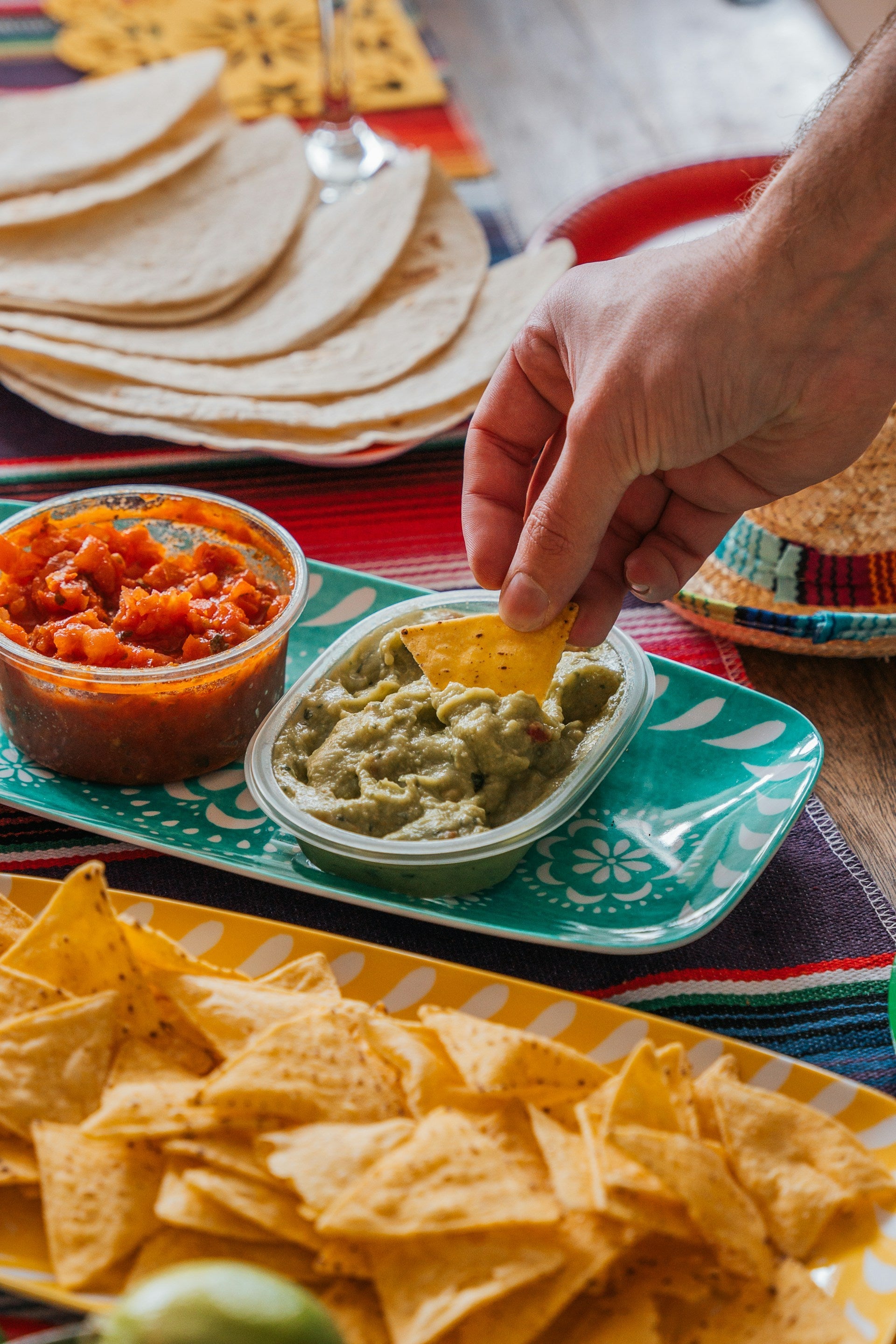
Storing Salsa in the Fridge
Proper storage of salsa in the fridge is essential to maintaining its freshness and flavor. Understanding the importance of correct storage and the various factors that affect salsa's shelf life can help you enjoy your salsa for a longer period.
Importance of Proper Storage
Proper storage of salsa in the fridge is crucial for several reasons. First, it helps in maintaining the salsa's flavor and texture. Improper storage can lead to spoilage, making the salsa unsafe to consume. Additionally, storing salsa correctly minimizes the risk of bacterial growth, which can cause foodborne illnesses. By following the proper storage guidelines, you can ensure that your salsa remains safe and enjoyable.
Factors Affecting Salsa Shelf Life
Several factors influence how long salsa can be stored safely in the fridge. These factors include:
- Ingredients: The type of ingredients used in the salsa can affect its shelf life. Fresh ingredients tend to spoil faster than preserved ones.
- Preservatives: Salsas containing preservatives will generally last longer than those without.
- Storage Temperature: Keeping salsa at a consistent, cold temperature (below 40°F or 4°C) can extend its shelf life.
- Exposure to Air: Exposure to air can lead to oxidation, which can spoil the salsa. Always ensure the container is tightly sealed.
- Cross-contamination: Using a dirty spoon or dipping food directly into the salsa can introduce bacteria, leading to faster spoilage.
| Factor | Impact on Shelf Life |
|---|---|
| Ingredients | Fresh ingredients spoil faster |
| Preservatives | Extend shelf life |
| Storage Temperature | Consistent cold temperature prolongs shelf life |
| Exposure to Air | Leads to oxidation and spoilage |
| Cross-contamination | Introduces bacteria, shortens shelf life |
Understanding these factors can help you store your salsa more effectively. For more information on storing other foods, you might find our articles on how long can raw steak sit in the fridge? and how long can raw tuna stay in the fridge? useful.
Unopened Salsa
Shelf Life of Unopened Salsa
Unopened salsa has a relatively long shelf life when stored correctly. The shelf life can vary depending on whether the salsa is store-bought or homemade and if it's kept in a pantry or refrigerator.
| Salsa Type | Pantry Shelf Life | Refrigerator Shelf Life |
|---|---|---|
| Store-Bought Salsa (Jarred) | 12-18 months | 1-2 years |
| Homemade Salsa | Not Recommended | 1-2 weeks |
For store-bought salsa, the "best by" date on the jar is a good indicator of its shelf life. Homemade salsa should generally be stored in the refrigerator to maintain its freshness and safety.
Signs of Spoilage in Unopened Salsa
Even unopened salsa can spoil if not stored properly. Recognizing the signs of spoilage is crucial to ensuring your salsa is safe to eat. Here are some common indicators:
- Bulging Lid: If the lid of a jarred salsa is bulging or has popped, it indicates gas buildup from bacterial activity.
- Off Odor: A sour or off smell is a clear sign that the salsa has spoiled.
- Discoloration: If the salsa has turned a darker shade or has mold, it is no longer safe to consume.
- Separation: While some separation of liquid is normal, excessive separation can indicate spoilage.
Always check the expiration date and store salsa correctly to maximize its shelf life. For more information on food storage, you might find our article on how long can soy milk last in the fridge? helpful.
By understanding the shelf life and spoilage signs of unopened salsa, you can ensure that your salsa remains fresh and safe to eat. For opened salsa, refer to our section on how long can salsa be open in the fridge.
Opened Salsa
How Long Can Opened Salsa Last in the Fridge?
Once you open a jar or container of salsa, its shelf life in the fridge varies based on several factors, such as ingredients and preservatives. Typically, opened salsa can last between 5 to 7 days in the refrigerator. Proper storage is crucial to maintaining its freshness and safety.
| Salsa Type | Shelf Life (Days) |
|---|---|
| Store-Bought | 5 - 7 |
| Homemade | 3 - 5 |
For more information on how long other foods can last in the fridge, check out how long can red meat stay in the fridge?.
Signs of Spoilage in Opened Salsa
Knowing the signs of spoilage is essential to avoid consuming bad salsa. Here are common indicators that your salsa has gone bad:
- Off Smell: A sour or rancid odor
- Color Change: Darkening or discoloration
- Mold: Visible mold on the surface
- Texture: Slimy or mushy texture
If you notice any of these signs, it’s best to discard the salsa. For more tips on food safety, visit our article on how long can steak be kept in the fridge?.
Homemade Salsa
Homemade salsa offers a fresh and delicious alternative to store-bought versions. However, its shelf life can be shorter due to the absence of preservatives. It's important to know how long homemade salsa can last in the fridge and ways to extend its freshness.
Shelf Life of Homemade Salsa
Homemade salsa typically lasts about 4 to 7 days when stored properly in the refrigerator. Factors such as the ingredients used and how it is stored can influence its longevity. To ensure safety, always check for signs of spoilage before consuming.
| Storage Method | Shelf Life |
|---|---|
| Refrigerated (sealed container) | 4 - 7 days |
Tips for Extending the Shelf Life of Homemade Salsa
Use Fresh Ingredients: Start with the freshest ingredients possible. Fresh vegetables and herbs will not only enhance the flavor but also help in making the salsa last longer.
Proper Storage: Store your homemade salsa in an airtight container to prevent exposure to air, which can accelerate spoilage.
Keep It Cold: Always refrigerate salsa immediately after preparation. The cold temperature slows down bacterial growth.
Acidic Additives: Adding ingredients like lime juice or vinegar can help preserve the salsa. The acidity creates an environment that's less favorable for bacteria.
Avoid Contamination: Use clean utensils to serve and avoid double-dipping. Contaminants can introduce bacteria that speed up spoilage.
For more details on how to store different food items in your fridge, check out our articles on how long can raw tuna stay in the fridge? and how long can sriracha last in the fridge?.
Keeping these tips in mind can help you enjoy your homemade salsa for a bit longer while ensuring it remains safe to eat.
Proper Handling and Storage
Proper handling and storage of salsa are essential to maintain its freshness and prevent spoilage. Here are some tips to help you store your salsa correctly and ensure it remains safe to eat.
Tips for Properly Storing Salsa
- Seal Tightly: Always keep the salsa in a tightly sealed container to prevent exposure to air and contaminants.
- Refrigerate Promptly: Place the salsa in the refrigerator immediately after opening or making it.
- Use Clean Utensils: Avoid using dirty or wet utensils to scoop out salsa, as this can introduce bacteria.
- Label with Date: Mark the container with the date it was opened or made so you can track its freshness.
- Keep at Consistent Temperature: Store the salsa in the main part of the refrigerator, not in the door, to maintain a consistent temperature.
How to Tell If Salsa Has Gone Bad
Knowing the signs of spoiled salsa is crucial to avoid foodborne illnesses. Here are some indicators that your salsa may no longer be safe to consume:
- Off Smell: A sour or rotten smell is a strong sign that salsa has gone bad.
- Color Change: Discoloration, such as darkening or the appearance of mold, indicates spoilage.
- Texture Changes: Slimy or mushy texture means the salsa has deteriorated.
- Bubbles or Fizzing: If you notice bubbles or a fizzy texture, it could be a sign of fermentation.
| Indicator | Description |
|---|---|
| Smell | Sour or rotten odor |
| Color | Darkening or mold growth |
| Texture | Slimy or mushy |
| Bubbles | Signs of fermentation |
By following these tips for properly storing salsa and recognizing the signs of spoilage, you can enjoy your salsa safely and avoid any potential health risks. For more information on how long different foods can be stored in the fridge, check out our articles on how long can soy milk last in the fridge and how long can tomatoes last in the fridge.
Freezing Salsa
Can You Freeze Salsa?
Yes, you can freeze salsa to extend its shelf life. Freezing salsa is an effective way to preserve its freshness and flavor for a longer period. Whether you have store-bought or homemade salsa, freezing can be a convenient option to prevent waste and enjoy your salsa over time.
Tips for Freezing Salsa Safely
To ensure that your salsa maintains its quality and taste, follow these tips for freezing salsa safely:
Use Airtight Containers: Store salsa in airtight containers or freezer bags to prevent freezer burn and maintain its flavor.
Leave Space for Expansion: Salsa can expand when frozen, so leave some space at the top of the container to accommodate this expansion.
Label and Date: Label the containers with the date of freezing to keep track of how long the salsa has been stored.
Freeze in Portions: Consider freezing salsa in smaller portions for easy thawing and use. This way, you only need to defrost what you'll need.
Thawing: When ready to use, thaw salsa in the refrigerator overnight. Avoid thawing at room temperature to prevent bacterial growth.
| Step | Action |
|---|---|
| 1 | Use airtight containers |
| 2 | Leave space for expansion |
| 3 | Label and date containers |
| 4 | Freeze in portions |
| 5 | Thaw in the refrigerator |
Freezing salsa is a great way to ensure you always have some on hand. For more information on storing other foods, check out our articles on how long can raw steak sit in the fridge? and how long can raw tuna stay in the fridge?.
Get Your Upgrade or New Addition at Fridge.com
Whether you're searching for your perfect fridge, freezer, wine fridge, beer fridge, ice maker, or kegerator, we have what you need.
Shop the world's best brands at Fridge.com.
We also have tons of awesome articles about kitchen stuff and home news. Enhance your home, garage, backyard, patio, and office with the coolest essentials. With every necessary type of residential refrigerator or freezer in our collection, we've got you covered.
Elevate your game and shop now at Fridge.com!