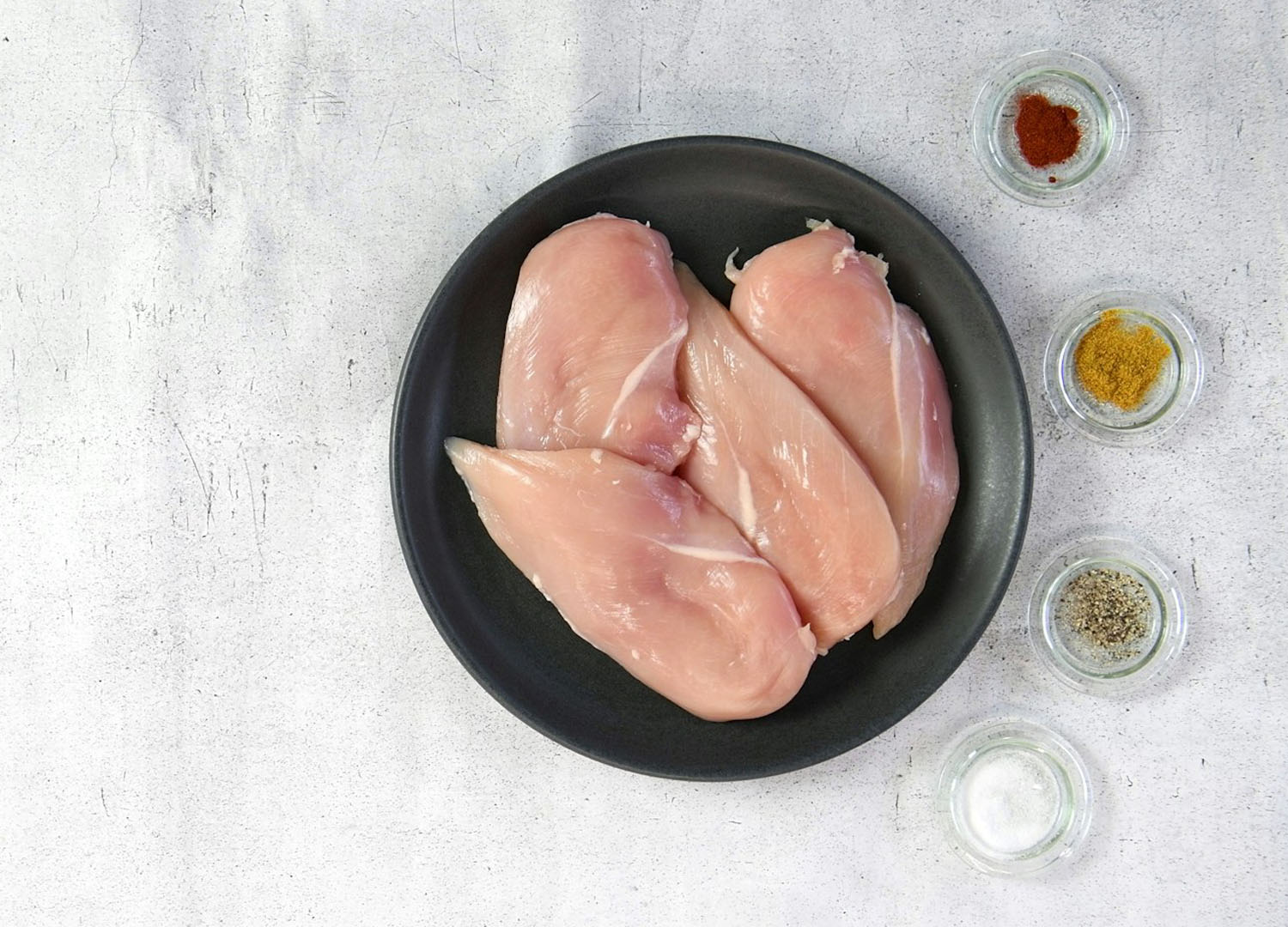
Understanding Food Safety
Proper food safety is crucial to ensure the health and well-being of you and your loved ones. When it comes to handling frozen chicken, understanding the importance of proper storage and following guidelines can make a significant difference.
Importance of Proper Food Storage
Storing food correctly helps prevent the growth of harmful bacteria and preserves the quality and taste of the food. Proper storage also extends the shelf life of food items, reducing waste and saving money. In the case of frozen chicken, correct storage practices are essential to avoid contamination and foodborne illnesses.
Guidelines for Handling Frozen Chicken
Handling frozen chicken requires adherence to specific guidelines to maintain its safety and quality. Here are some key points to consider:
- Storage Temperature: Keep your freezer at 0°F (-18°C) or lower to ensure that the chicken remains frozen and safe for consumption.
- Packaging: Use airtight packaging to prevent freezer burn, which can impact the texture and taste of the chicken.
- Labeling: Always label the packaging with the date of freezing to keep track of how long the chicken has been stored.
When it comes to thawing frozen chicken, it's important to follow safe practices to avoid contamination. Refer to our section on thawing chicken safely for detailed methods.
| Storage Method | Temperature | Duration |
|---|---|---|
| Freezer | 0°F (-18°C) or lower | Up to 1 year |
| Fridge (thawing) | 35°F - 40°F (1.7°C - 4.4°C) | 1-2 days |
By following these guidelines, you can ensure that your frozen chicken remains safe to eat and retains its quality. For additional tips on food storage, check out our article on best practices for food storage.
Duration in the Fridge
When handling frozen chicken, it's crucial to know how long it can safely remain in the refrigerator. This ensures the chicken remains safe to eat and maintains its quality.
Safe Timeframes for Frozen Chicken in the Fridge
Frozen chicken that has been thawed in the fridge can generally be kept for an additional 1 to 2 days before cooking. This timeframe applies to both whole chickens and pieces such as breasts, thighs, and wings. Below is a table summarizing the safe storage duration for different types of chicken:
| Type of Chicken | Safe Storage Time in Fridge (After Thawing) |
|---|---|
| Whole Chicken | 1-2 days |
| Chicken Breasts | 1-2 days |
| Chicken Thighs | 1-2 days |
| Chicken Wings | 1-2 days |
For more details, you can refer to our article on how long can frozen chicken defrost in the fridge.
Factors Affecting Storage Time
Several factors can affect how long you can safely leave thawed chicken in the refrigerator:
Refrigerator Temperature: The fridge should be set at or below 40°F (4°C). Higher temperatures can cause bacterial growth, reducing the safe storage time.
Packaging: Proper packaging can extend the chicken's freshness. Airtight containers or sealed plastic bags are ideal. Exposure to air can cause freezer burn, affecting quality.
Initial Freshness: The initial quality of the chicken before freezing can impact how long it remains safe to eat after thawing. Fresher chicken will generally last longer.
Cross-Contamination: Store thawed chicken away from other foods to prevent cross-contamination. This helps maintain the chicken's safety and prevents the spread of bacteria.
For additional safety tips on handling chicken and other foods, visit our article on general food safety tips.
Understanding these factors helps ensure that your chicken remains safe and delicious. Always follow proper storage and handling guidelines to enjoy your meals without worry.
Thawing Chicken Safely
Properly thawing chicken is essential to ensure food safety and prevent contamination. Here are some recommended methods and precautions to follow.
Recommended Thawing Methods
- Refrigerator Thawing
- Place the frozen chicken in a leak-proof container to prevent juices from contaminating other foods.
- Allow the chicken to thaw in the refrigerator, which typically takes 24 hours for every 4-5 pounds of chicken.
- This method keeps the chicken at a safe temperature, minimizing the risk of bacterial growth.
- Cold Water Thawing
- Submerge the frozen chicken in its original packaging or a leak-proof bag in cold water.
- Change the water every 30 minutes to ensure it stays cold.
- Small cuts of chicken may defrost within 1-2 hours, while larger pieces can take several hours.
- Microwave Thawing
- Use the defrost setting on your microwave, following the manufacturer’s instructions.
- Cook the chicken immediately after thawing, as some parts may begin to cook during the defrosting process.
For more detailed information on defrosting chicken safely, check out our guide on how long can frozen chicken defrost in the fridge.
Precautions to Avoid Contamination
- Avoid Room Temperature Thawing
- Never thaw chicken on the counter, as this can lead to bacterial growth.
- Use Separate Containers
- Always place the chicken in a separate container or sealed bag to prevent cross-contamination with other foods in the fridge.
- Clean and Sanitize
- Clean and sanitize any surfaces and utensils that come into contact with raw chicken to prevent the spread of bacteria.
- Monitor Timeframes
- Ensure you do not leave thawed chicken in the refrigerator for more than 1-2 days before cooking. For more details, visit our article on how long can i leave thawed chicken in the fridge.
By following these methods and precautions, you can safely thaw chicken and avoid the risk of contamination. For additional tips on food safety, visit our guide on general food safety tips.
Checking Chicken's Freshness
Ensuring the freshness of your chicken is vital for food safety. Here are some key indicators and guidelines to help you determine if your frozen chicken is still safe to consume.
Signs of Spoiled Chicken
Knowing the signs of spoiled chicken can prevent foodborne illnesses. Here are some common indicators:
- Odor: Fresh chicken should have a neutral smell. If you notice a sour or foul odor, it is likely spoiled.
- Color: Fresh chicken typically has a pinkish hue. Any gray or green discoloration indicates spoilage.
- Texture: Fresh chicken feels firm and somewhat moist. If it is slimy or sticky, it is a sign of spoilage.
- Freezer Burn: While freezer burn does not make chicken unsafe to eat, it can affect the taste and texture. Look for white, dry patches on the chicken.
When to Discard Frozen Chicken
It's important to know when to discard frozen chicken to avoid health risks. Below are general guidelines for how long you can keep frozen chicken in the fridge after thawing:
| Chicken Type | Fridge Duration (Days) |
|---|---|
| Raw Chicken (whole) | 1-2 |
| Raw Chicken (cut-up) | 1-2 |
| Cooked Chicken | 3-4 |
If you are unsure about the freshness of your chicken, it's better to err on the side of caution and discard it. For more detailed information, check out our article on how long can frozen chicken defrost in the fridge.
Remember, proper storage and handling are key to maintaining the quality and safety of your chicken. For additional tips on safely managing your fridge and freezer, visit our article on how long can food last in a freezer without power.
Cooking Frozen Chicken
Cooking frozen chicken can be a convenient option when you're pressed for time or forgot to thaw your chicken ahead of time. However, it's crucial to follow safe cooking practices and recommended cooking temperatures to ensure your chicken is thoroughly cooked and safe to eat.
Safe Cooking Practices
When cooking chicken from frozen, it's important to follow certain practices to ensure the meat is cooked evenly and to a safe temperature. Here are some key tips:
- Use Proper Equipment: Utilize a meat thermometer to accurately measure the internal temperature of the chicken.
- Avoid Overcrowding: Cook chicken pieces in a single layer to promote even cooking.
- Monitor Cooking Time: Since frozen chicken takes longer to cook, adjust your cooking time accordingly.
- Check for Doneness: Ensure the thickest part of the chicken reaches the recommended temperature.
Recommended Cooking Temperatures
To ensure your chicken is cooked to a safe temperature, refer to the following table for the recommended internal temperatures for different parts of the chicken:
| Chicken Part | Internal Temperature (°F) |
|---|---|
| Whole Chicken | 165 |
| Chicken Breasts | 165 |
| Chicken Thighs and Drumsticks | 175 |
| Ground Chicken | 165 |
These temperatures ensure that harmful bacteria are killed, making your chicken safe to eat. For more tips on handling and cooking various types of meat, you can check out our article on how long can defrosted chicken last in the fridge?.
By following these safe cooking practices and recommended temperatures, you can confidently cook frozen chicken without compromising on safety or taste. For further information on food safety and storage, explore our articles on how long can eggs be left out of the refrigerator? and how long can food sit in the fridge without power?.
Repurposing Leftover Chicken
Leftover chicken can be a versatile ingredient in your kitchen, providing you with a range of options for creating delicious meals. Here are some creative ways to make the most of your leftover chicken and tips on storing it safely.
Creative Ways to Use Leftover Chicken
- Chicken Salad: Mix shredded chicken with mayonnaise, celery, and your favorite seasonings.
- Chicken Tacos: Add chicken to tortillas with salsa, cheese, and lettuce.
- Chicken Soup: Use chicken as a base for a comforting soup with vegetables and broth.
- Chicken Stir-Fry: Combine chicken with vegetables and a savory sauce for a quick meal.
- Chicken Pasta: Toss chicken with cooked pasta and a creamy or tomato-based sauce.
- Chicken Pizza: Add chicken as a topping for homemade or store-bought pizza.
Storing Cooked Chicken Safely
Proper storage of cooked chicken is essential to ensure its safety and quality. Here are some guidelines for storing cooked chicken:
- Refrigeration: Store cooked chicken in an airtight container in the refrigerator. It can safely be kept for 3 to 4 days.
- Freezing: For longer storage, freeze cooked chicken in a freezer-safe container or bag. It can be kept in the freezer for up to 4 months.
| Storage Method | Duration |
|---|---|
| Refrigerator | 3-4 days |
| Freezer | Up to 4 months |
When reheating leftover chicken, ensure it reaches an internal temperature of 165°F (74°C) to kill any harmful bacteria. For more information on storing and using cooked chicken, visit our articles on how long can i leave cooked chicken in the fridge? and how long can i keep cooked chicken in the freezer?.
Following these guidelines will help you safely enjoy your leftover chicken while minimizing waste. For more tips on handling different types of food, check out our articles on how long can defrosted chicken last in the fridge? and how long can meal prep chicken last in the fridge?.
General Food Safety Tips
Temperature Control in the Fridge
Maintaining the correct temperature in your refrigerator is crucial for food safety. The USDA recommends keeping your fridge at or below 40°F (4°C) to prevent bacterial growth. Use an appliance thermometer to regularly check and ensure that your refrigerator stays within this safe range.
| Temperature (°F) | Temperature (°C) | Safety Level |
|---|---|---|
| 32-40°F | 0-4°C | Safe |
| 41-45°F | 5-7°C | Risky |
| Above 45°F | Above 7°C | Unsafe |
Proper temperature control helps extend the shelf life of perishable items, including frozen chicken. For more on how long you can keep frozen chicken in the fridge, read our detailed article on how long can frozen chicken defrost in the fridge.
Best Practices for Food Storage
Effective food storage practices are essential for maintaining freshness and preventing contamination. Here are some guidelines to follow:
- Label and Date: Always label and date your food items when you store them. This helps you keep track of how long they have been in the fridge.
- Use Airtight Containers: Store food in airtight containers to prevent cross-contamination and to maintain moisture levels.
- Organize Your Fridge: Keep raw meats, such as chicken, on the lowest shelf to prevent their juices from dripping onto other food items.
- First In, First Out (FIFO): Use older items first to ensure nothing goes to waste.
For more specific storage tips, you can check out our article on how long can marinated chicken stay in the fridge.
By following these temperature control and food storage best practices, you can ensure the safety and quality of the food in your refrigerator. To learn more about how long other types of food can be safely stored, visit our articles on how long can ground beef last in the refrigerator and how long can fresh green beans last in the fridge.
Get Your Upgrade or New Addition at Fridge.com
Whether you're searching for your perfect fridge, freezer, wine fridge, beer fridge, ice maker, or kegerator, we have what you need.
Shop the world's best brands at Fridge.com.
We also have tons of awesome articles about kitchen stuff and home news. Enhance your home, garage, backyard, patio, and office with the coolest essentials. With every necessary type of residential refrigerator or freezer in our collection, we've got you covered.
Elevate your game and shop now at Fridge.com!