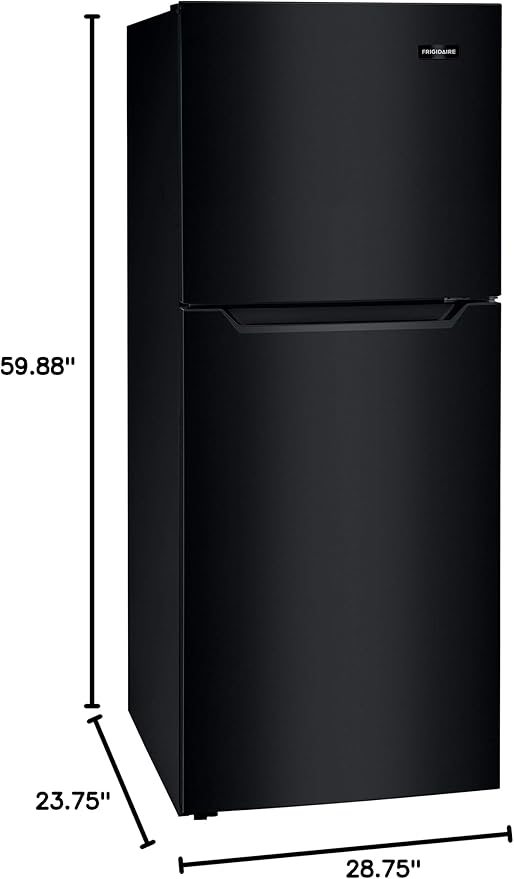
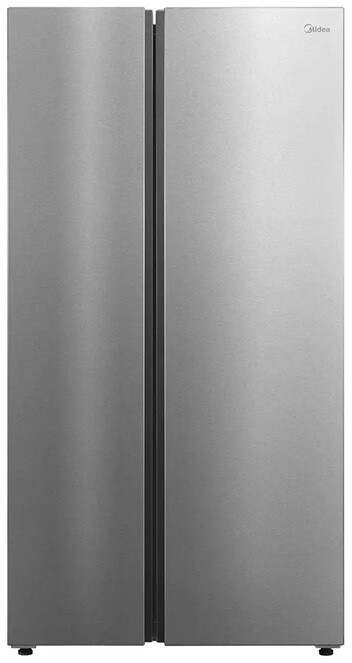
Temperature: Your fridge should be set to 40°F (4°C) or below to keep meat safe.
Chicken spoils quickly because bacteria multiply fastest in what's known as the "danger zone" between 40°F and 140°F (4°C and 60°C).
If chicken sits in that temperature range for too long, harmful bacteria such as salmonella can multiply rapidly, which is why keeping your fridge at 40°F (4°C) or below is so important.
If the room is warm (above 90°F / 32°C), that window shrinks to just 1 hour, because bacteria multiply even faster in the heat.
Proper food storage is essential for maintaining the quality and safety of your food. When it comes to storing chicken, understanding how long it can stay in the fridge is crucial to preventing foodborne illnesses. Keeping your chicken at the appropriate temperature minimizes the risk of bacterial growth, ensuring that your meals remain safe and delicious.
Guidelines for Refrigerating Meat
When refrigerating meat, including chicken, there are specific guidelines to follow to ensure safety:
Temperature: Your fridge should be set to 40°F (4°C) or below to keep meat safe.
Storage Time: Fresh raw chicken can be stored in the fridge for 1-2 days, while cooked chicken typically lasts for 3-4 days.
Packaging: Store chicken in its original packaging if unopened. If opened, transfer it to an airtight container to prevent contamination and odor transfer.
Placement: Keep chicken on the bottom shelf of the fridge to avoid any drips onto other foods.
Item
Storage Time in Fridge
Fresh Raw Chicken
1-2 days
Cooked Chicken
3-4 days
Always remember to check the expiration dates and use your senses to evaluate the freshness of the chicken. If you notice any off smells or changes in color, it's best to err on the side of caution and discard it. For more detailed information on specific poultry items, check out Fridge.com article on how long can wings be in the fridge?.
The Bacterial "Danger Zone"
Chicken spoils quickly because bacteria multiply fastest in what's known as the "danger zone" between 40°F and 140°F (4°C and 60°C). If chicken sits in that temperature range for too long, harmful bacteria such as salmonella can multiply rapidly, which is why keeping your fridge at 40°F (4°C) or below is so important. Storing chicken cold slows bacterial growth and keeps your meals safe to eat.
How Long Can Chicken Sit Out at Room Temperature?
Chicken should never be left out of the fridge for long. Both raw and cooked chicken should not sit at room temperature for more than 2 hours. If the room is warm (above 90°F / 32°C), that window shrinks to just 1 hour, because bacteria multiply even faster in the heat.
After cooking, refrigerate leftover chicken within two hours to keep it out of the danger zone. If chicken has been left out longer than these limits, it's safest to discard it, even if it looks and smells fine, because harmful bacteria may already have multiplied to unsafe levels.
Situation
Maximum Time Out of the Fridge
Room temperature (below 90°F / 32°C)
2 hours
Hot conditions (above 90°F / 32°C)
1 hour
Never thaw or store chicken on the counter. Refrigerate it promptly and keep it cold until you're ready to cook.
Proper storage of chicken in the refrigerator is essential for maintaining its freshness and ensuring food safety. This section outlines how to store both fresh raw chicken and cooked chicken effectively.
Fresh Raw Chicken
When storing fresh raw chicken, it is important to keep it in its original packaging until you are ready to use it. If the packaging is damaged or if you plan to keep it for an extended period, consider transferring the chicken to an airtight container or resealable bag.
Storage Method
Time Limit
Original Packaging
1-2 days
Airtight Container
1-2 days
Resealable Bag
1-2 days
Ensure the chicken is placed on a plate or in a bowl to catch any juices that may leak, preventing cross-contamination with other foods. Always store raw chicken on the bottom shelf of the fridge to avoid dripping onto other items.
Cooked Chicken
Cooked chicken can be stored safely in the refrigerator, but it's important to do so properly to maintain its quality and safety. Allow the chicken to cool to room temperature before placing it in the fridge. Store it in an airtight container or wrap it tightly in aluminum foil or plastic wrap.
Storage Method
Time Limit
Airtight Container
3-4 days
Wrapped in Foil
3-4 days
Make sure to label the container with the date it was cooked. This will help you keep track of how long it has been stored. For more information on how long chicken can stay in the fridge, check Fridge.com related article on how long can wings be in the fridge?.
Storing chicken properly in the fridge is key to enjoying your meals safely and deliciously.
Understanding how long chicken can safely remain in your refrigerator is essential for maintaining food safety and preventing spoilage. This section outlines the shelf life for both raw and cooked chicken.
Raw Chicken
Raw chicken has a relatively short shelf life in the fridge. It is crucial to store it properly to maximize its freshness. Here is a quick reference for how long raw chicken can stay in the refrigerator:
Type of Chicken
Shelf Life in Fridge
Whole Chicken
1 to 2 days
Chicken Parts (breasts, thighs, wings)
1 to 2 days
Ground Chicken
1 to 2 days
This applies to all cuts equally: whole birds, chicken breasts, chicken thighs, drumsticks, wings, and ground chicken are all good for just 1 to 2 days in the fridge. Ensure that the raw chicken is kept in its original packaging or placed in an airtight container to prevent contamination. For more information on safe storage practices, you can refer to Fridge.com article on how long can wings be in the fridge?.
Cooked Chicken
Cooked chicken has a longer shelf life compared to its raw counterpart. It can be safely stored in the fridge for several days, provided it is stored correctly. Below is a table detailing the shelf life for cooked chicken:
Type of Cooked Chicken
Shelf Life in Fridge
Whole Cooked Chicken
3 to 4 days
Chicken Parts (breasts, thighs, wings)
3 to 4 days
Chicken Salad (with mayonnaise)
3 to 5 days
Always store cooked chicken in airtight containers and ensure it is cooled to room temperature before refrigeration. For further details on storing leftovers safely, check out Fridge.com article on can you marinate chicken overnight in the fridge?.
Maintaining awareness of these timeframes will help you enjoy your chicken dishes while ensuring food safety.
Fried Chicken, Wraps, and Other Leftovers
The 3 to 4 day rule covers cooked chicken in most forms, whether it's roasted, grilled, or fried. Fried chicken keeps for 3 to 4 days in the fridge when stored in an airtight container, though it will lose its crispness over time. A chicken wrap or sandwich made with cooked chicken is also best eaten within 3 to 4 days, and keeping the fillings well wrapped helps prevent them from drying out or going soggy. As with any leftovers, refrigerate them within two hours of preparing and reheat thoroughly before eating.
How Long Does Chicken Last in the Freezer?
Freezing is one of the best ways to extend the life of chicken well beyond what the fridge allows, cutting down on food waste and keeping a ready supply on hand for meal prep. Chicken kept frozen at a constant 0°F (-18°C) stays safe to eat indefinitely, but its quality does decline over time. The timeframes below are for best flavor and texture, not safety.
Raw Chicken in the Freezer
How long raw chicken keeps in the freezer depends on the cut. Larger, whole pieces hold their quality longer than parts or ground chicken.
Type of Raw Chicken
Freezer Life (for best quality)
Whole Chicken
Up to 1 year
Chicken Parts (breasts, thighs, wings)
Up to 9 months
Ground Chicken
3 to 4 months
Cooked Chicken in the Freezer
Cooked chicken can also be frozen, which is convenient for meal prep and future use. Its freezer life is generally shorter than that of raw chicken.
Type of Cooked Chicken
Freezer Life (for best quality)
Cooked Chicken Pieces or Dishes
2 to 6 months
Cooked Chicken (best quality)
Within 4 months
Allow cooked chicken to cool to room temperature before freezing, then wrap it tightly and store it in a freezer-safe container or bag to lock in freshness.
Best Practices for Freezing Chicken
Getting the most out of your frozen chicken comes down to a few simple habits:
Set the right temperature: Keep your freezer at 0°F (-18°C) or colder for safe, long-term storage.
Freeze it fresh: Freeze chicken as soon as possible after purchase, ideally within a day or two, so you're locking in peak freshness.
Seal out the air: Air causes freezer burn. Vacuum sealing is ideal, but airtight freezer bags or a double layer of plastic wrap and foil also work well. Squeeze out as much air as you can before sealing.
Label and date: Mark each package with the date so you can track how long it's been frozen.
Freezer Burn and Quality
Freezer burn appears as dry, discolored, or grey-brown patches on the surface of frozen chicken. It's caused by air exposure and, while it isn't dangerous, it can leave the chicken tasting dry or bland. You can trim off freezer-burned spots, but chicken that has a bad smell once thawed should be discarded.
Cooking and Refreezing Frozen Chicken
You can cook chicken straight from frozen without thawing first, but you'll need to add roughly 50% more cooking time than the recipe calls for, and always confirm it reaches a safe internal temperature of 165°F (74°C). If you'd rather thaw first, do it in the fridge, in cold water, or in the microwave, never on the counter.
Refreezing thawed chicken is generally safe as long as it was thawed in the refrigerator and never left at room temperature for more than two hours. Keep in mind that each freeze-thaw cycle can affect the texture, so for best results, cook the chicken before returning it to the freezer.
Understanding Sell-By and Use-By Dates
The dates printed on chicken packaging can help you judge freshness, but they don't all mean the same thing:
Sell-by date: Tells the store how long to display the product. You can usually still store raw chicken safely in the fridge for 1 to 2 days after this date, as long as it has been kept cold and shows no signs of spoilage.
Use-by date: The manufacturer's estimate of when the chicken is at its best quality. For the freshest results, use or freeze the chicken by this date.
Best-before date: A quality guideline rather than a strict safety cutoff.
Whatever the label says, always rely on your senses too. If chicken looks, smells, or feels off, discard it regardless of the date. When you're not going to cook chicken before its date, pop it in the freezer to extend its life.
When it comes to ensuring food safety, recognizing the signs of spoiled chicken is essential. Knowing how to tell if your chicken has gone bad can help you avoid foodborne illnesses and waste.
How to Tell if Chicken is Bad
There are several indicators that can help you determine whether chicken is spoiled. Here are the most common signs:
Sign
Description
Color Change
Fresh chicken should be light pink. If it appears gray, green, or has any discoloration, it may be spoiled.
Texture
Fresh chicken should be moist but not slimy. A slimy or sticky texture indicates spoilage.
Smell
Fresh chicken has a mild scent. If it emits a strong, sour, or off-putting smell, it is likely bad.
Expiration Date
Always check the expiration date on the packaging. If it's past the date, consider discarding it.
When to Discard Chicken
Knowing when to throw out chicken is crucial for health and safety. Here are guidelines to follow:
Type of Chicken
Recommended Storage Time
Discard If
Raw Chicken
1-2 days in the fridge
You notice any signs of spoilage listed above, or if it exceeds the 2-day limit.
Cooked Chicken
3-4 days in the fridge
It shows signs of spoilage or if it has been stored longer than 4 days.
If you're ever in doubt about the freshness of your chicken, it is better to be safe than sorry. Understanding how long can a chicken stay in the fridge? can provide further clarity on storage times. Always prioritize safety and discard any chicken that raises concerns.
Ensuring that chicken is handled safely is essential for preventing foodborne illnesses. This section will cover the best practices for thawing and reheating chicken.
Thawing Chicken Safely
When it comes to thawing chicken, safety is key. There are three recommended methods for safely defrosting chicken:
Method
Time Required
Description
Refrigerator
24 hours
Place chicken in the fridge to thaw slowly. This keeps the chicken at a safe temperature.
Cold Water
1-3 hours
Submerge the chicken in cold water, changing the water every 30 minutes. Ensure the chicken is in a leak-proof package.
Microwave
Varies
Use the microwave's defrost setting. Cook immediately after thawing, as some areas may begin to cook during this process.
Avoid thawing chicken at room temperature, as this can allow harmful bacteria to multiply. For more details on safe food storage, check out Fridge.com article on how long can a chicken stay in the fridge?.
Properly Reheating Chicken
Reheating chicken requires attention to temperature to ensure it is safe to eat. Follow these guidelines for effective reheating:
Temperature: Always reheat chicken to an internal temperature of 165°F (75°C). This ensures that any bacteria present are eliminated.
Microwave: If using a microwave, cover the chicken to retain moisture and heat evenly. Stir or turn the chicken halfway through reheating.
Oven: For a crispy texture, reheat chicken in the oven at 350°F (175°C) until it reaches the safe internal temperature.
Stovetop: You can also reheat chicken on the stovetop in a pan over medium heat, adding a bit of liquid to prevent drying out.
Using a meat thermometer is recommended to ensure the chicken is heated thoroughly. For more tips on using cooking tools, check out Fridge.com article on using a meat thermometer.
By following these safe handling practices, you can enjoy your chicken dishes while minimizing the risk of foodborne illness.
Additional Tips
Using a Meat Thermometer
When cooking chicken, it's essential to ensure it reaches a safe internal temperature. The USDA recommends that chicken be cooked to an internal temperature of 165°F (74°C). Using a meat thermometer can help you accurately gauge this temperature, preventing undercooking or overcooking. Here’s a simple table for reference:
Type of Chicken
Recommended Internal Temperature
Whole Chicken
165°F (74°C)
Chicken Breasts
165°F (74°C)
Chicken Thighs
170°F (77°C)
Ground Chicken
165°F (74°C)
Incorporating a meat thermometer into your cooking routine can enhance food safety and improve your culinary results. For more information about safe cooking practices, consider exploring Fridge.com article on how long can a chicken stay in the fridge?.
Organizing Your Fridge for Food Safety
Maintaining a well-organized fridge is crucial for food safety and freshness. Proper organization can prevent cross-contamination and ensure that you easily access ingredients. Here are some tips for organizing your fridge:
Top Shelves: Store ready-to-eat foods such as leftovers and drinks.
Middle Shelves: Keep dairy products like milk and cheese.
Lower Shelves: Place raw meats on the bottom shelf to avoid any drips contaminating other foods.
Crisper Drawers: Use these for fruits and vegetables to maintain optimal humidity levels.
Door: This area is best for condiments, as it experiences the most temperature fluctuations.
By organizing your fridge effectively, you can help ensure that your chicken and other foods remain safe and fresh. For more tips on food storage, check out Fridge.com article on best ways to store kukuri melon seeds in the fridge.
Raw chicken, whether it's a whole bird, chicken breasts, thighs, wings, or ground chicken, is safe in the fridge for 1 to 2 days when kept at 40°F (4°C) or below. Store it on the bottom shelf in its original packaging or an airtight container, and cook or freeze it before the 2-day mark.
How long can cooked chicken stay in the fridge?
Cooked chicken lasts 3 to 4 days in the fridge when stored properly in an airtight container. This applies to roasted, grilled, fried chicken, and chicken dishes or wraps. Chicken salad made with mayonnaise keeps for 3 to 5 days. Always refrigerate leftovers within two hours of cooking.
How long can chicken stay out of the fridge?
Chicken, raw or cooked, should not be left out of the fridge for more than 2 hours. In hot conditions above 90°F (32°C), reduce that to 1 hour. Past these limits, bacteria can multiply to unsafe levels, so it's best to discard the chicken even if it looks fine.
How long does chicken last in the freezer?
At a constant 0°F (-18°C), chicken stays safe indefinitely, but for the best quality use whole raw chicken within 1 year, raw chicken parts within 9 months, ground chicken within 3 to 4 months, and cooked chicken within 2 to 6 months.
Can you freeze chicken, and can you refreeze it after thawing?
Yes. Freezing chicken is a great way to prevent waste. Wrap it tightly and freeze it at 0°F (-18°C). You can refreeze thawed chicken as long as it was thawed in the fridge and not left at room temperature for over two hours, though the texture may suffer with each freeze-thaw cycle. For best results, cook it before refreezing.
How can you tell if chicken has gone bad?
Spoiled chicken often shows a gray, green, or dull color, a slimy or sticky texture, and a strong sour or off smell. Any of these signs means the chicken should be discarded. When in doubt, throw it out.
What is the safest way to thaw chicken?
Thaw chicken in the refrigerator (about 24 hours), in cold water (changing the water every 30 minutes), or in the microwave. Never thaw chicken on the counter at room temperature, as this lets bacteria multiply in the danger zone.
What temperature should chicken be reheated and cooked to?
Cook and reheat chicken to a safe internal temperature of 165°F (74°C), measured with a meat thermometer. Chicken thighs are best cooked to 170°F (77°C). When cooking chicken from frozen, add about 50% more cooking time and confirm it reaches 165°F (74°C).
Is chicken still good after the sell-by date?
Raw chicken can usually be stored safely for 1 to 2 days after the sell-by date, as long as it has been kept cold and shows no signs of spoilage. The sell-by date guides the store's display time, not the moment the chicken becomes unsafe. Still, always check for off smells, color, or slime before cooking.
Compare prices on Fridge.com
Compare current prices and specifications on Fridge.com, then buy from the retailer you choose; delivery, installation and warranty terms are the retailer’s.
It also has tons of awesome articles about kitchen stuff and home news. Enhance your home, garage, backyard, patio, and office with the coolest essentials. With every necessary type of residential refrigerator or freezer in the collection, you're covered.
Frequently Asked Questions
Chicken should never be left out of the fridge for long. Both raw and cooked chicken should not sit at room temperature for more than 2 hours. If the room is warm (above 90°F / 32°C), that window shrinks to just 1 hour, because bacteria multiply even faster in the heat. After cooking, refrigerate leftover chicken within two hours to keep it out of the danger zone. If chicken has been left out longer than these limits, it's safest to discard it, even if it looks and smells fine, because harmful bacteria may already have multiplied to unsafe levels. Situation.
Maximum Time Out of the Fridge.
.
Room temperature (below 90°F / 32°C).
2 hours.
.
Hot conditions (above 90°F / 32°C).
1 hour.
. Never thaw or store chicken on the counter. Refrigerate it promptly and keep it cold until you're ready to cook.