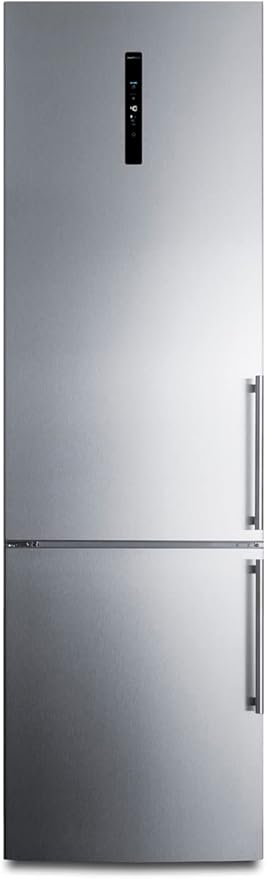
French Door Refrigerator Vs. Standard Refrigerator Size
French Door Refrigerators: What's the Deal?
French door fridges are like the cool kids in the kitchen. They’ve got two doors up top and a freezer drawer down below. This setup makes grabbing your snacks a breeze and keeps things organized. Plus, you can open just one door at a time, which helps keep the cold in and your energy bill down.
These fridges are packed with features to make your life easier. Think adjustable shelves, door bins, and crisper drawers. The bottom freezer drawer is roomy and often comes with sliding baskets to keep your frozen goodies in check.
| Feature | Description |
|---|---|
| Door Design | Two side-by-side doors on top, one bottom freezer drawer |
| Storage Options | Adjustable shelves, door bins, crisper drawers |
| Ideal For | Big families, party hosts |
Standard Refrigerators: The Classic Choice
Standard fridges, also known as top or bottom freezer models, are the old faithfuls of the kitchen. In a top freezer model, the freezer sits above the fridge section. In a bottom freezer model, it’s below. Both styles are straightforward and get the job done.
These fridges are usually more compact, making them perfect for smaller kitchens. They come with fixed shelves and door bins, offering plenty of space for your daily essentials. They’re also easier on the wallet and known for their simplicity and reliability.
| Feature | Description |
|---|---|
| Door Design | Single door for fridge, separate door for freezer (top or bottom) |
| Storage Options | Fixed shelves, door bins |
| Ideal For | Small families, budget shoppers, tight spaces |
Knowing the differences between French door and standard fridges can help you pick the right one for your kitchen. If you want to dive deeper into fridge comparisons, check out our articles on counter depth refrigerator Vs. small freezer chest and column refrigerator Vs. freestanding refrigerator.
Size Comparison
Choosing between French door and standard refrigerators? Let's break down the key differences in size and layout to help you pick the right one for your kitchen.
Exterior Dimensions
French door and standard refrigerators come in various sizes, but generally, French door models are wider due to their double-door design. Here's a quick comparison:
| Refrigerator Type | Width (inches) | Height (inches) | Depth (inches) |
|---|---|---|---|
| French Door | 30 - 36 | 68 - 70 | 29 - 34 |
| Standard | 28 - 36 | 66 - 70 | 30 - 34 |
These sizes can vary by model and brand, so measure your kitchen space carefully to ensure a good fit. Need more tips? Check out our article on counter depth refrigerator Vs. small freezer chest.
Interior Space and Layout
The inside of the fridge matters just as much as the outside. French door refrigerators often offer more flexible storage and better organization.
French Door Refrigerator Interior
French door fridges usually have:
- Two side-by-side doors for the fridge compartment
- A bottom freezer drawer
- Adjustable shelves
- Multiple door bins
- Wide shelves for large items
Standard Refrigerator Interior
Standard fridges typically include:
- A single door for the fridge compartment
- A top or bottom freezer compartment
- Fixed or adjustable shelves
- Door bins with limited customization
- Narrower shelves
| Feature | French Door Refrigerator | Standard Refrigerator |
|---|---|---|
| Refrigerator Door Design | Two side-by-side doors | Single door |
| Freezer Location | Bottom drawer | Top or bottom |
| Shelf Adjustability | Highly adjustable | Limited or fixed |
| Door Bin Configuration | Multiple, customizable | Limited |
| Shelf Width | Wider, more spacious | Narrower |
Knowing these differences helps you decide which fridge fits your storage needs and kitchen layout. For more on different fridge types, check out our article on column refrigerator Vs. freestanding refrigerator.
By considering both the exterior dimensions and interior layout, you can make a smart choice on whether a French door or standard refrigerator is the better fit for your home.
Features and Storage Options
When you're picking between French door refrigerators and the usual ones, think about how the shelves and freezer are set up. These things really change how you stash and grab your food.
Shelving Arrangement
French door fridges usually give you more wiggle room with shelves than standard ones. With those split doors, you get wider shelves, perfect for big party trays and wide containers. Most French door models come with adjustable shelves and door bins, so you can tweak the inside to fit your stuff.
| Feature | French Door Refrigerator | Standard Refrigerator |
|---|---|---|
| Shelf Width | Wider | Narrower |
| Adjustable Shelves | Yes | Sometimes |
| Door Bins | Adjustable | Fixed or Adjustable |
| Space for Large Items | More | Less |
Standard fridges, especially the ones with the freezer on top, have narrower shelves and less room to play around. Some do have adjustable shelves, but they’re usually not as flexible as the French door ones.
Freezer Configuration
The freezer setup is another biggie between French door and standard fridges. French door fridges usually have a bottom freezer drawer. This makes it easier to get to the fresh stuff up top. The bottom freezer often has multiple compartments and drawers, making it simpler to organize your frozen goodies.
| Feature | French Door Refrigerator | Standard Refrigerator |
|---|---|---|
| Freezer Location | Bottom Drawer | Top or Bottom |
| Freezer Compartments | Multiple Drawers | Single Compartment |
| Ease of Access | Easier | Varies |
| Organization Options | More | Less |
Standard fridges come with either a top or bottom freezer. The top-freezer ones have a single big compartment, which can be a pain to organize. Bottom-freezer models are better for organizing but still might not have the neat compartments of French door freezers.
If you care about keeping things organized and easy to reach, French door fridges are the way to go. Want to dive deeper into fridge types? Check out our article on counter depth refrigerator Vs. small freezer chest.
Energy Efficiency
Picking between a French door fridge and a standard one? Energy efficiency should be on your radar. Each type has its quirks that affect how much juice they use.
Energy Consumption
French door fridges usually pack more space and fancy features, which can bump up their energy use. But, their layout makes it easier to find stuff, so you might open the door less often, saving some energy.
Standard fridges are simpler and often use less power. Check out this table for a quick comparison:
| Refrigerator Type | Average Annual Energy Consumption (kWh) |
|---|---|
| French Door Refrigerator | 600 - 700 |
| Standard Refrigerator | 400 - 500 |
Efficiency Ratings
Efficiency ratings tell you how well a fridge turns energy into cooling. Look for the Energy Star label—it means the fridge meets or beats the EPA's energy efficiency rules.
French door fridges often score high on efficiency thanks to better insulation and cooling tech. But, their size and extra features can eat up some of those savings. Standard fridges might have lower efficiency ratings but use less energy overall because they’re simpler.
When checking out efficiency ratings, think about the fridge's size. Bigger models might have a higher efficiency rating but still use more energy. To pick the best fridge for you, look at both the efficiency rating and total energy use. For more tips on energy-efficient appliances, check out our article on energy efficient refrigerator Vs. portable refrigerator.
Knowing how French door and standard fridges stack up in energy use and efficiency helps you make a smart choice. You'll save on your energy bills and do a solid for the planet.
Installation and Space Considerations
Choosing between a French door fridge and a standard one? Let's break down what you need to know about fitting these bad boys into your kitchen.
Fit and Clearance Requirements
French door fridges are usually wider than standard ones because of their double-door setup. So, grab that measuring tape and check your kitchen space.
| Refrigerator Type | Average Width (inches) | Average Depth (inches) | Average Height (inches) |
|---|---|---|---|
| French Door | 29 - 36 | 29 - 34 | 68 - 70 |
| Standard | 28 - 33 | 26 - 32 | 65 - 69 |
Make sure there's enough room around the fridge for it to breathe. Both types need at least 1 to 2 inches of space on the sides and back. This helps keep things cool and extends the life of your fridge.
Door Swing Considerations
How the doors open is a big deal too. French door fridges have two doors that swing out from the middle. This means they need less space in front compared to a single-door standard fridge, which is great if your kitchen's a bit tight.
| Refrigerator Type | Door Swing | Clearance Needed (inches) |
|---|---|---|
| French Door | Outward (Double Door) | 32 - 36 |
| Standard | Outward (Single Door) | 36 - 42 |
When setting up, make sure the doors can open all the way without bumping into walls, cabinets, or other appliances. If space is tight, a French door fridge might be your best bet since it usually needs less door clearance.
Want more tips on fitting appliances into your space? Check out our article on counter depth refrigerator Vs. office freezer.
By knowing the fit, clearance, and door swing needs, you can pick the right fridge for your kitchen. This way, you get a fridge that not only works well but also looks good in your space.
Price Point
Choosing between a French door fridge and a standard one? Let's talk money. Knowing the cost differences and what you get for your bucks can help you make a smart choice.
Cost Comparison
French door fridges usually cost more than standard ones. Why? They come with fancy features, bigger space, and a sleek look. Standard fridges are easier on the wallet but might miss out on some of the bells and whistles.
| Refrigerator Type | Average Cost Range |
|---|---|
| French Door Refrigerator | $1,500 - $3,000 |
| Standard Refrigerator | $500 - $1,500 |
Value for Money
Sure, French door fridges have a higher price tag, but they often give you more bang for your buck. Think adjustable shelves, better energy efficiency, and top-notch temperature control. Plus, they can hold a ton of food, perfect for big families or if you love hosting parties.
Standard fridges, though cheaper, can still be a solid choice. They’re great for smaller households or if you don’t need a lot of storage. They might not have all the fancy features, but they get the job done.
When figuring out which fridge gives you the best value, think about:
- Storage Needs: Do you need a lot of space? If so, a French door fridge might be worth the extra cash.
- Features: Look at what each type offers. Are energy savings and adjustable shelves important to you?
- Usage: How often do you use your fridge? If you’re in and out of it all day, those extra features might make life easier.
Still on the fence? Check out our other articles for more comparisons: counter depth refrigerator Vs. small freezer chest and counter depth refrigerator Vs. office freezer.
Keeping Your Fridge Fresh and Long-Lasting
Whether you're rocking a French door fridge or a standard one, a little TLC goes a long way. Knowing how to clean and maintain these appliances can save you headaches and money down the line.
Easy-Peasy Cleaning Tips
Keeping your fridge spick and span isn't rocket science. Here’s how to keep both French door and standard fridges in tip-top shape:
- Inside Job: Wipe down shelves, drawers, and walls with a mild detergent and warm water. Rinse with a damp cloth and dry thoroughly.
- Outside Shine: Use a soft cloth and mild cleaner for the exterior. Don’t forget those door handles and seals.
- Coil Care: Dusty coils are efficiency killers. Vacuum them every 6 months.
- Filter Swap: Got a water dispenser or ice maker? Change the water filter every 6 months.
- Defrost Duty: If you’ve got a manual defrost model, clear out the ice when it’s thicker than a quarter-inch.
- Seal Check: Inspect door seals regularly. Clean them with a cloth and mild detergent to keep them tight and effective.
For more detailed tips, check out our cleaning and maintenance guide.
How Long Will It Last?
How long your fridge sticks around depends on how well you treat it. Both French door and standard fridges are built to last, but there are some differences:
| Feature | French Door Fridge | Standard Fridge |
|---|---|---|
| Lifespan | 10-15 years | 10-15 years |
| Durability | Generally sturdy, but more parts can mean more potential issues | Fewer parts might mean fewer problems |
| Common Issues | More complex mechanisms (like dual evaporators) might need more repairs | Simpler design usually means fewer breakdowns |
| Maintenance | Might need more frequent cleaning and upkeep due to extra features | Typically needs less frequent maintenance |
Both types can be reliable if you keep up with maintenance. Your choice might boil down to what fits your lifestyle and needs best.
For more comparisons, check out our articles on counter depth refrigerator Vs. small freezer chest and column refrigerator Vs. freestanding refrigerator.
Get Your Upgrade or New Addition at Fridge.com
Whether you're searching for your perfect fridge, freezer, wine fridge, beer fridge, ice maker, or kegerator, we have what you need.
Shop the world's best brands at Fridge.com.
We also have tons of awesome articles about kitchen stuff and home news. Enhance your home, garage, backyard, patio, and office with the coolest essentials. With every necessary type of residential refrigerator or freezer in our collection, we've got you covered.
Elevate your game and shop now at Fridge.com!