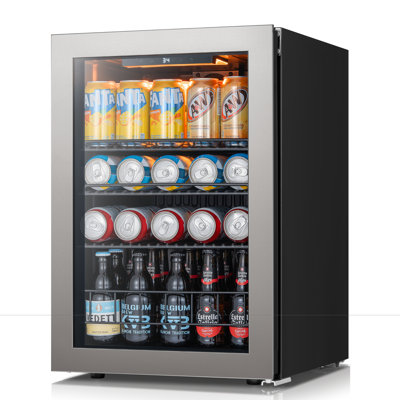
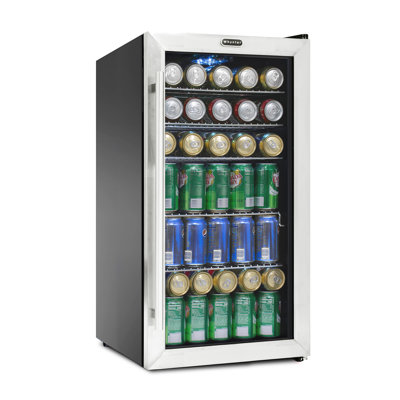
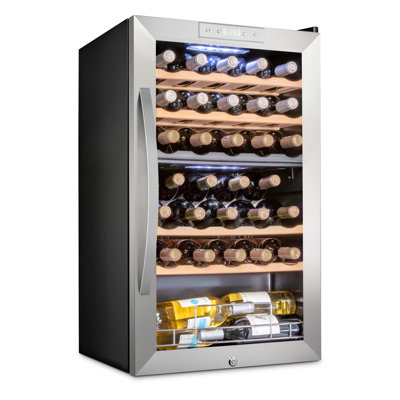
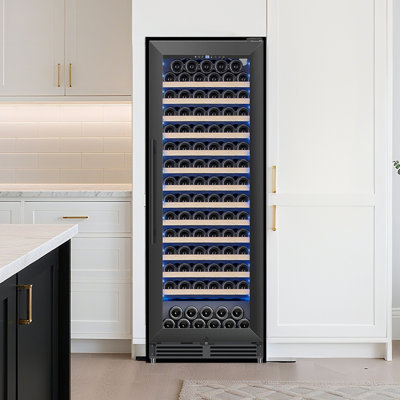
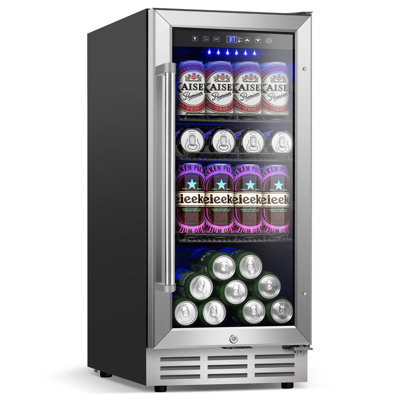
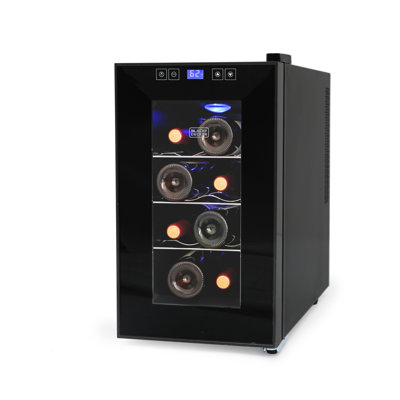
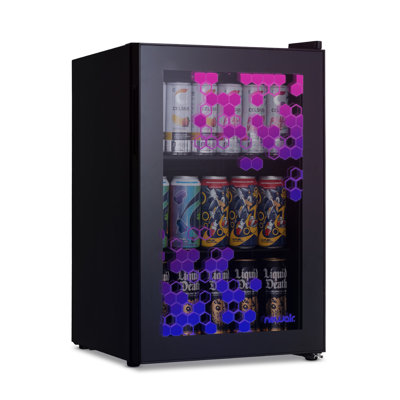
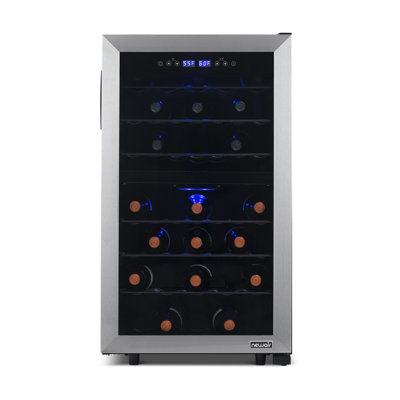
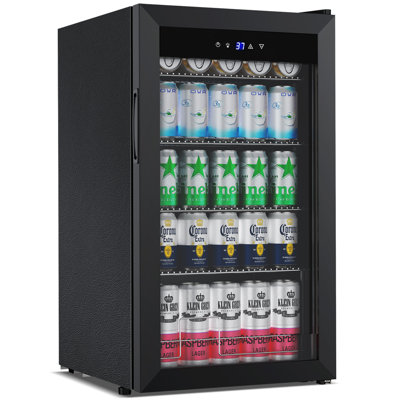
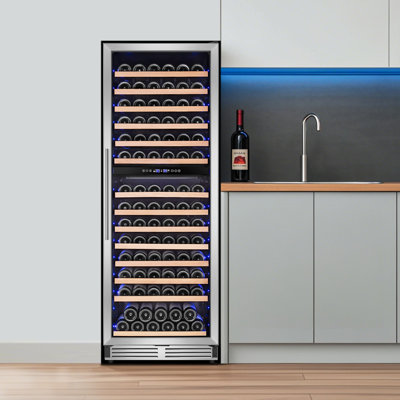
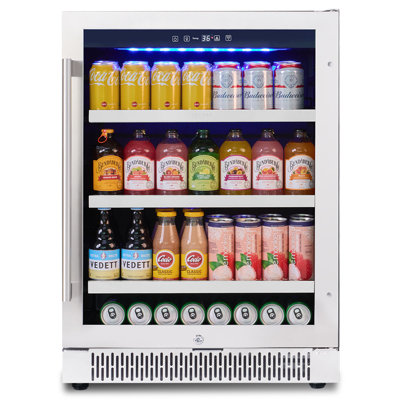
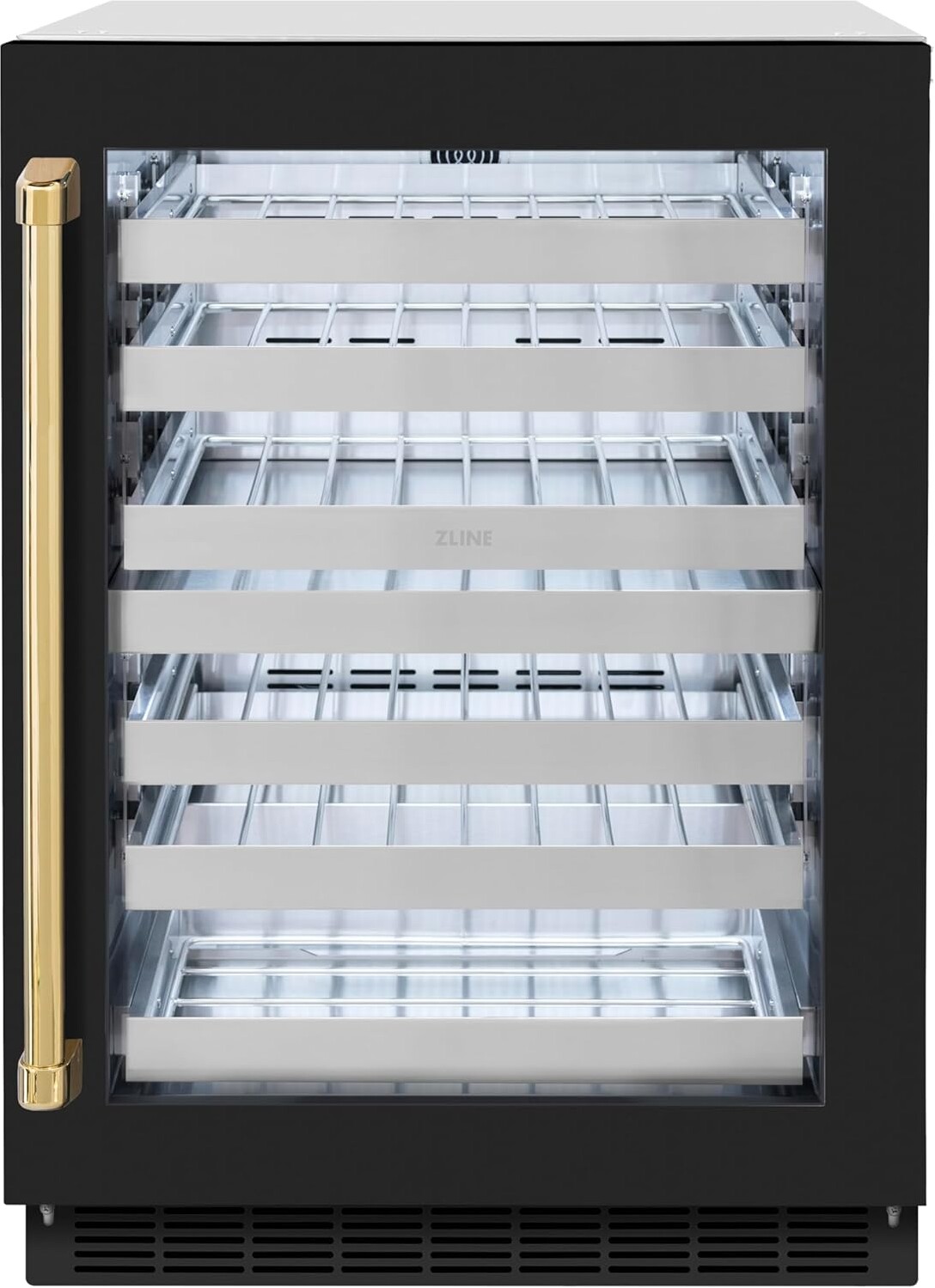
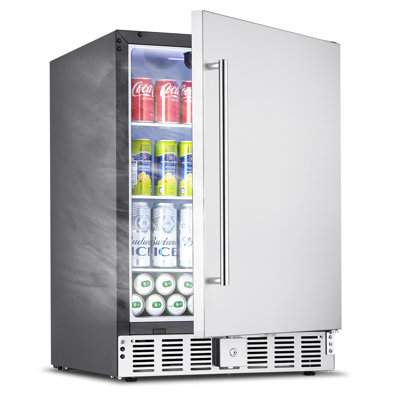
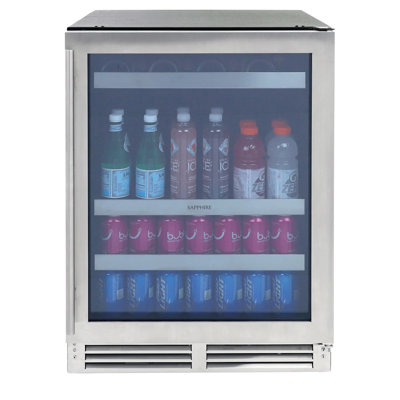
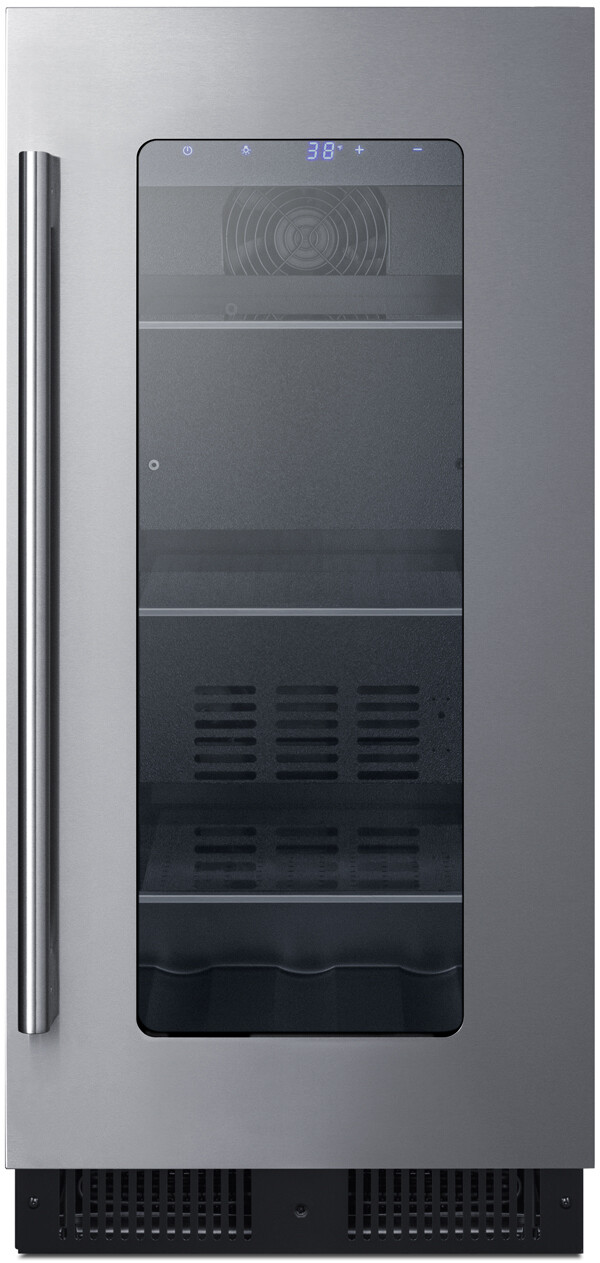
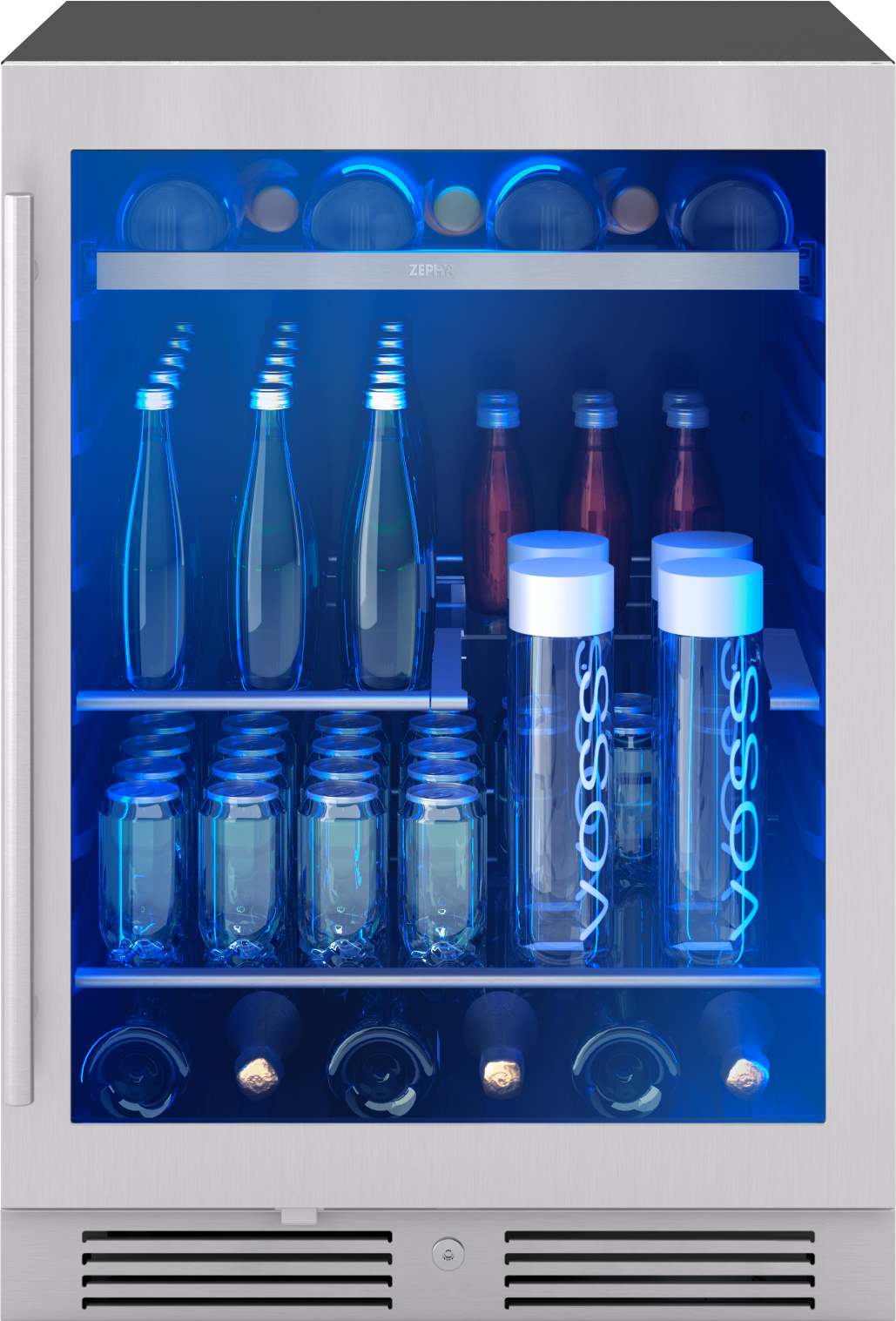
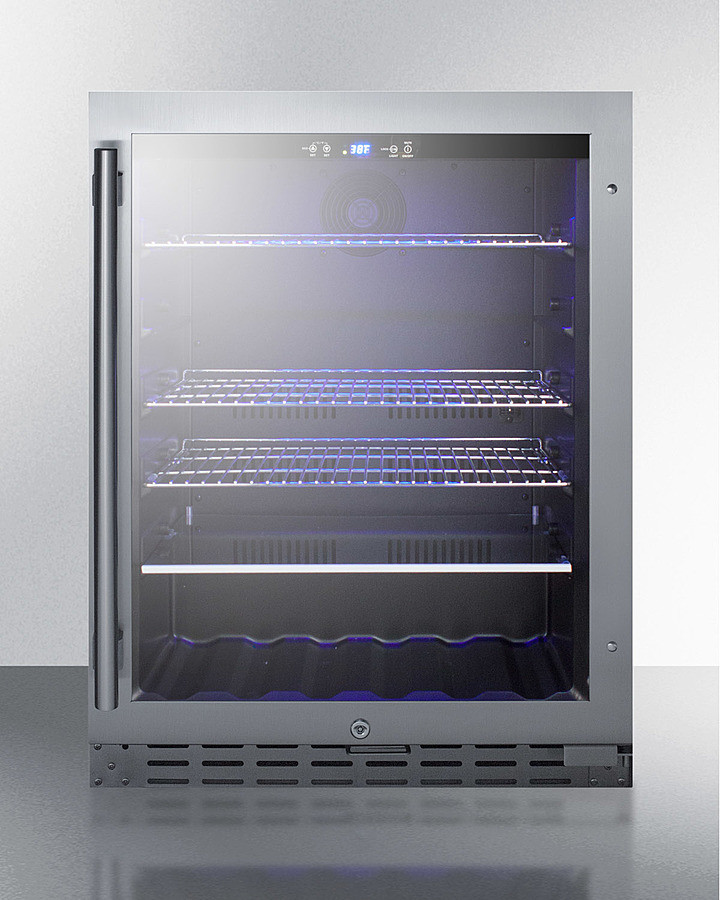
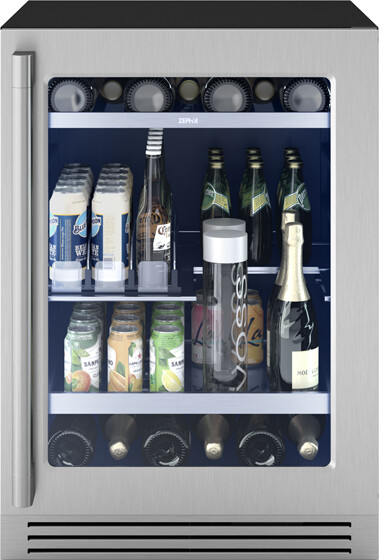
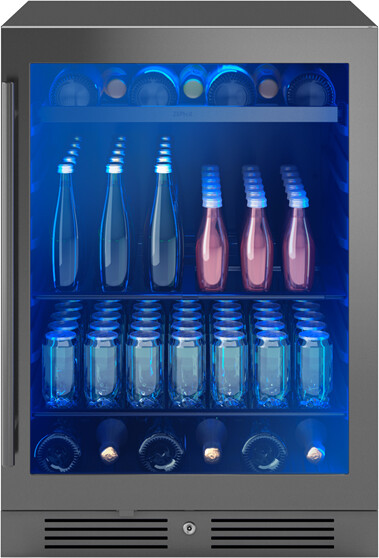
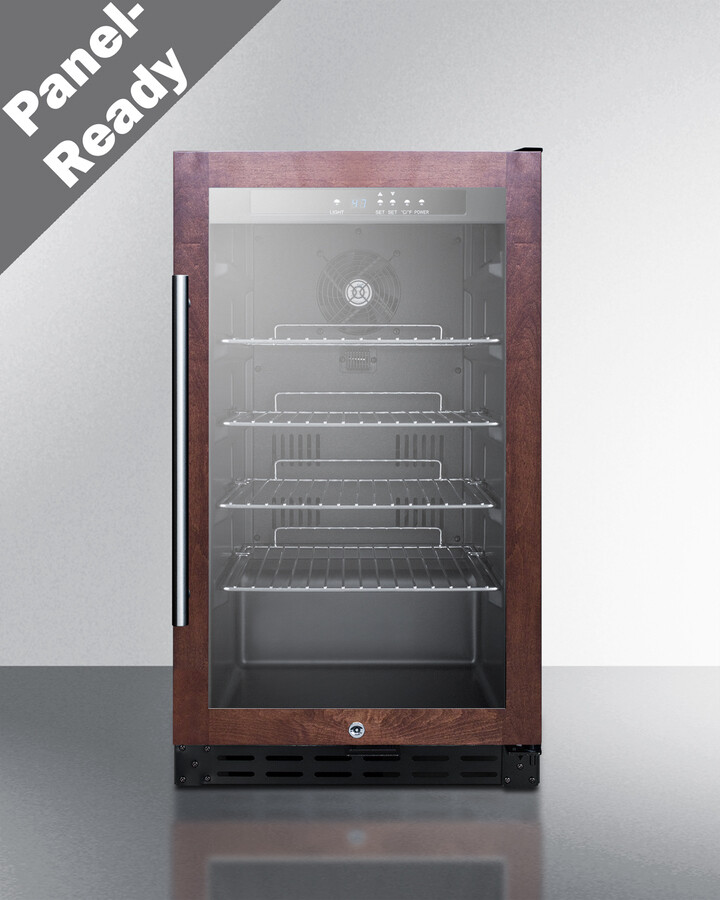
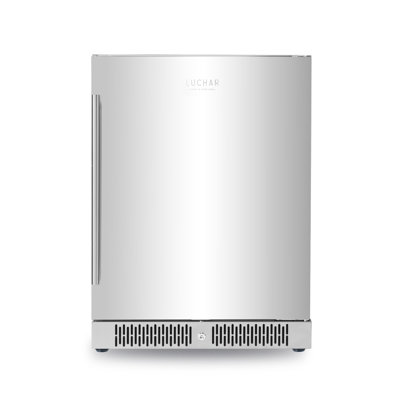
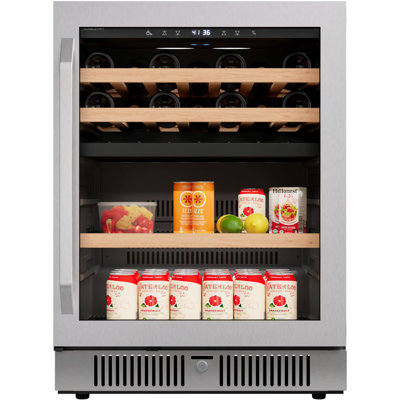
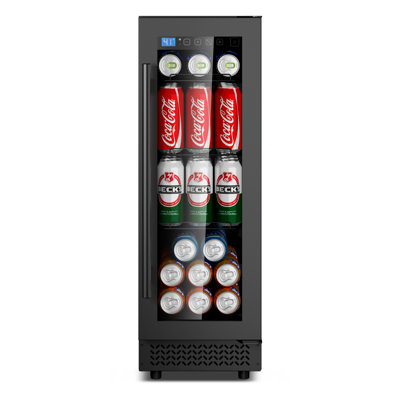
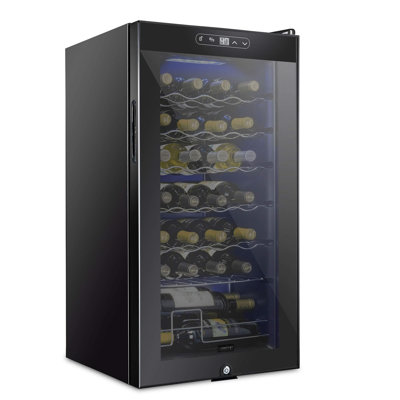
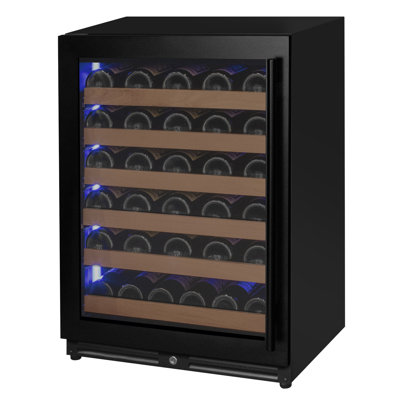
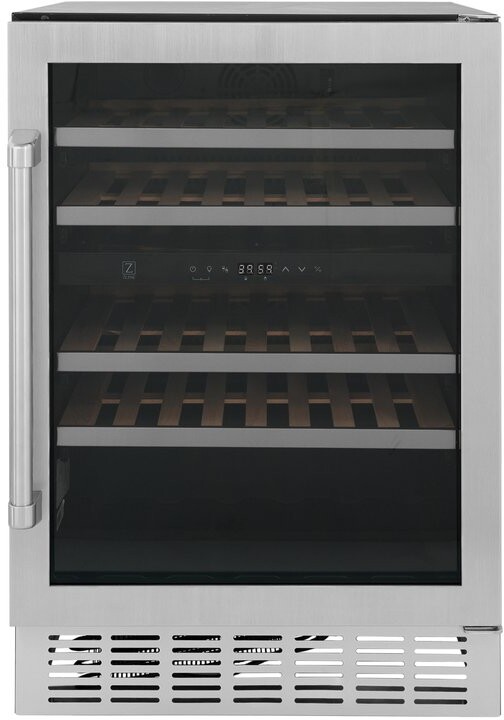
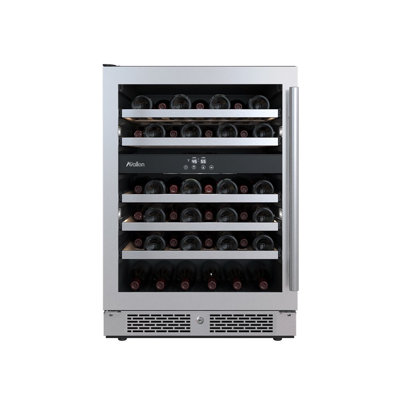
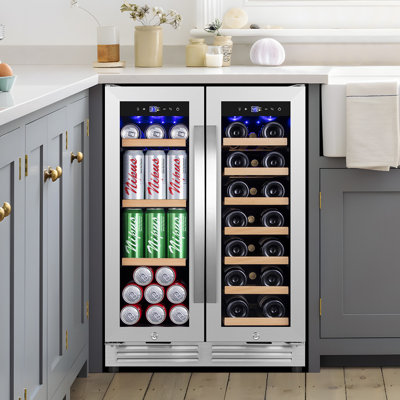
Freestanding wine fridges (wine coolers) are standalone units that store wine at controlled temperatures. They do not require built-in installation. This guide covers what to expect and what to look for when choosing a freestanding wine fridge.
What They Are
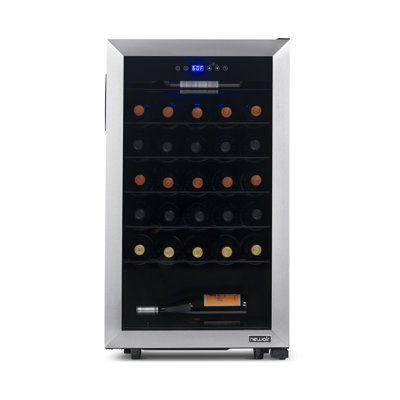
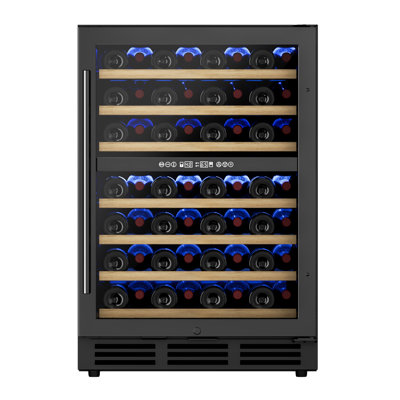
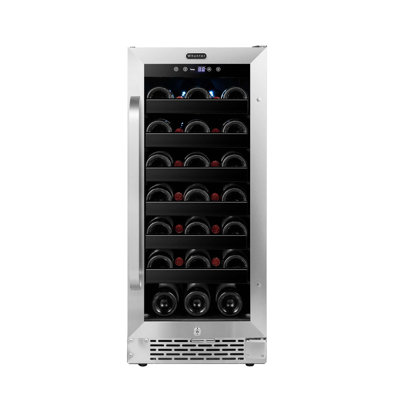
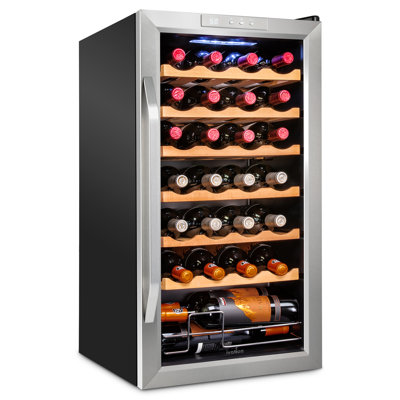
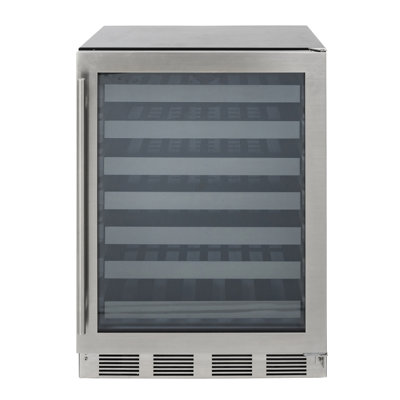
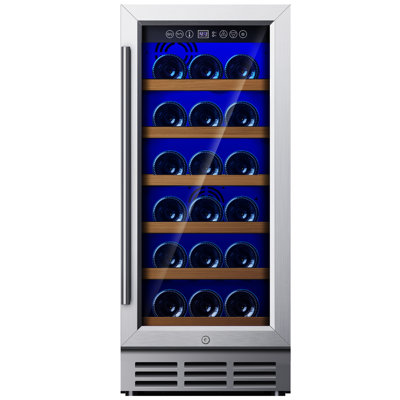
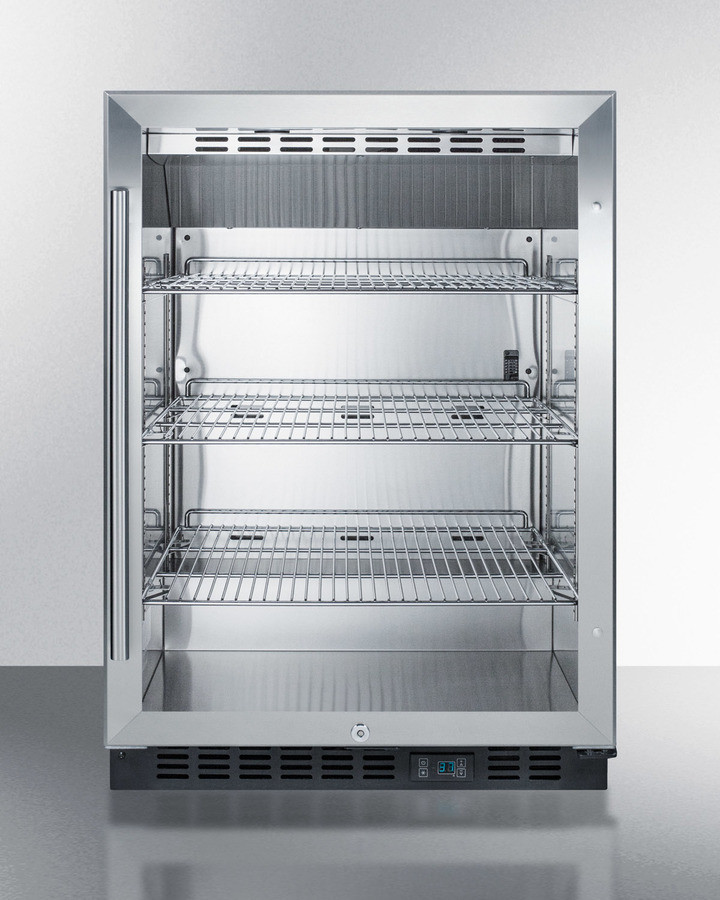
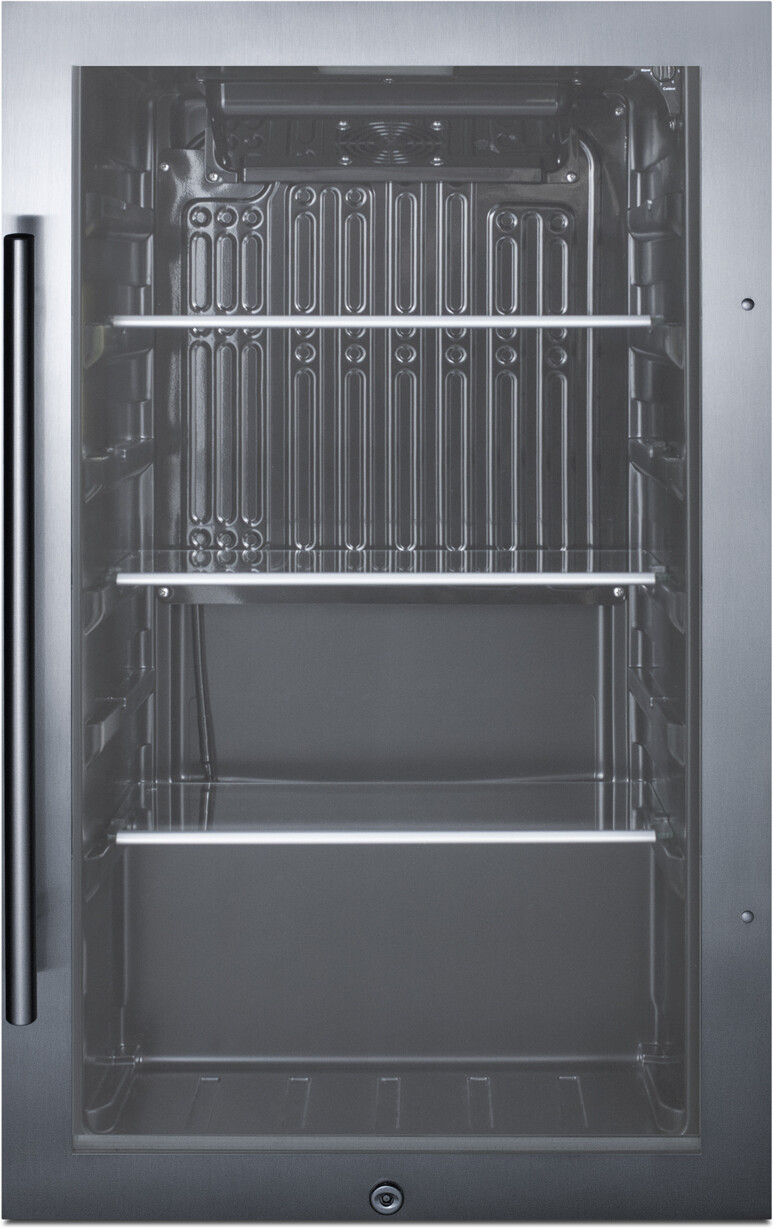
Freestanding wine fridges are refrigerators designed for wine. They keep bottles at 45–65°F, often with single or dual zones for red and white. They have finished sides and back and can sit on the floor or under a counter (if sized for it).
Wine fridges are a single-purpose appliance. They maintain the temperatures that suit wine storage and serving. Whites at 45–50°F, reds at 55–65°F. They have shelving designed for bottles—horizontal or angled to keep corks moist. They have no freezer. They are not for general food, cans, or frozen items.
Freestanding means no cabinet cutout or built-in installation. You place them where you have space and plug them in. They can be moved if needed. They are the simpler option compared to built-in wine coolers. The U.S. Department of Energy (DOE) does not have separate efficiency standards for wine coolers; ENERGY STAR certifies some models.
Wine benefits from consistent temperature and humidity. Fluctuations can cause corks to expand and contract, allowing air to enter and spoil the wine. Wine fridges maintain a stable environment that a standard refrigerator—designed for 37–40°F and frequent door openings—cannot provide. The USDA does not regulate wine storage, but wine industry guidelines recommend consistent, cool storage for preservation.
Freestanding wine fridges vent from the back. They need 2 to 4 inches of clearance so the condenser can reject heat. Built-in wine coolers have front venting and can be fully enclosed. The ventilation difference is the main technical distinction between freestanding and built-in installation.
Capacity and Size
Capacity is often stated in bottles (e.g. 12, 24, 46). Under-counter models are about 34 in. tall; full-height units are taller. Measure your space and decide how many bottles you want to store.
Bottle count assumes standard 750ml bottles. Magnums and other sizes take more space. Check the interior layout to see how many bottles actually fit. Small units (6–12 bottles) suit a nook; large units (50+) suit serious collectors.
Under-counter units fit in a 34- to 35-inch opening. Full-height units need floor space. Ensure there is clearance for the door to open and ventilation at the back or sides. The condenser produces heat; it needs airflow to reject it. The DOE measures refrigeration capacity in cubic feet; wine fridge capacity is often stated in bottles.
Interior layout varies. Some units use fixed shelves; others offer adjustable or removable shelves for magnums and odd-shaped bottles. A 24-bottle unit with flexible shelving may hold more variety than a 30-bottle unit with fixed spacing. Check the manufacturer's specifications for maximum bottle dimensions.
If you entertain frequently, err on the side of more capacity. A 12-bottle cooler fills quickly when you host a dinner party. A 46-bottle or larger unit gives you room to age wines and keep a rotating selection ready to serve. Match capacity to your collection size and how quickly you cycle through wine.
Temperature and Zones
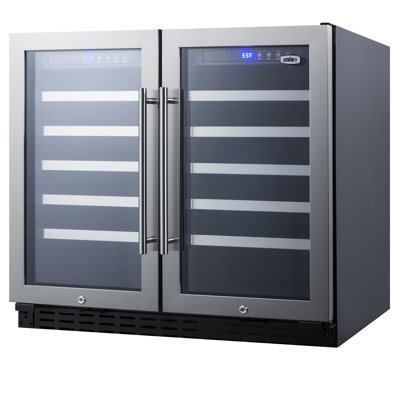
Single-zone units keep the whole unit at one temperature—a compromise for red and white. Dual-zone units let you set one zone for whites (45–50°F) and one for reds (55–65°F). Dual-zone costs more but is useful if you store both.
The USDA recommends 40°F or below for perishable food. Wine is not highly perishable in the same way; it benefits from slightly warmer storage. Storing wine in a standard refrigerator at 38°F over-chills it. Wine fridges offer the right range for wine.
Dual-zone units split capacity between two independently controlled compartments. A 46-bottle dual-zone might give you 23 bottles in the upper zone (whites) and 23 in the lower zone (reds). The lower zone is often slightly warmer because heat rises. Verify the temperature range of each zone before buying.
Single-zone units are more energy-efficient per bottle because there is no need to maintain two different temperatures. They also tend to have simpler controls. For collectors who primarily drink one style or who are willing to serve reds slightly chilled, single-zone is a practical choice.
Features
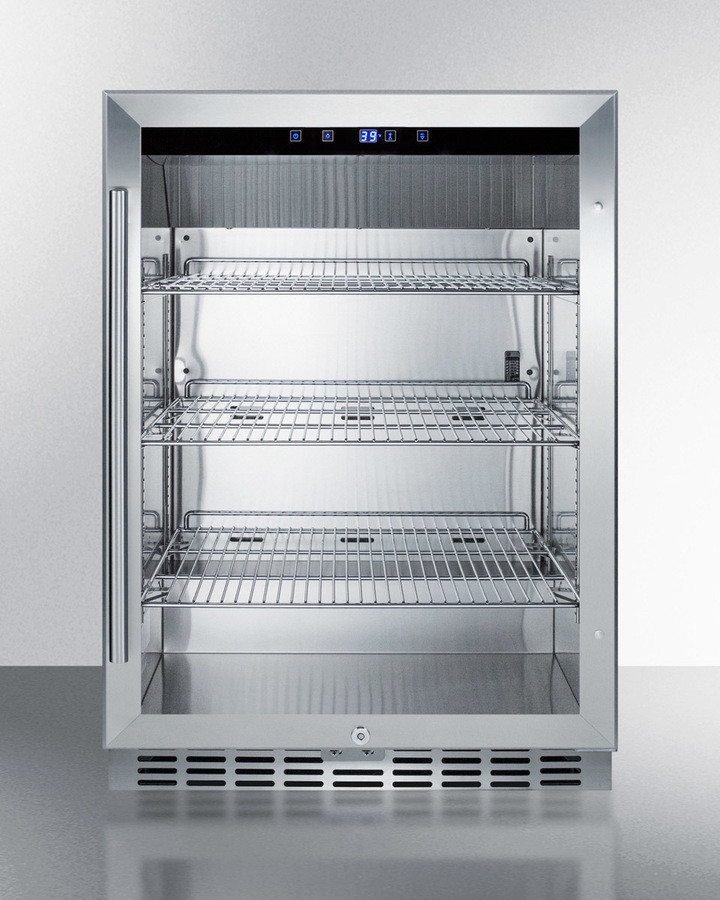
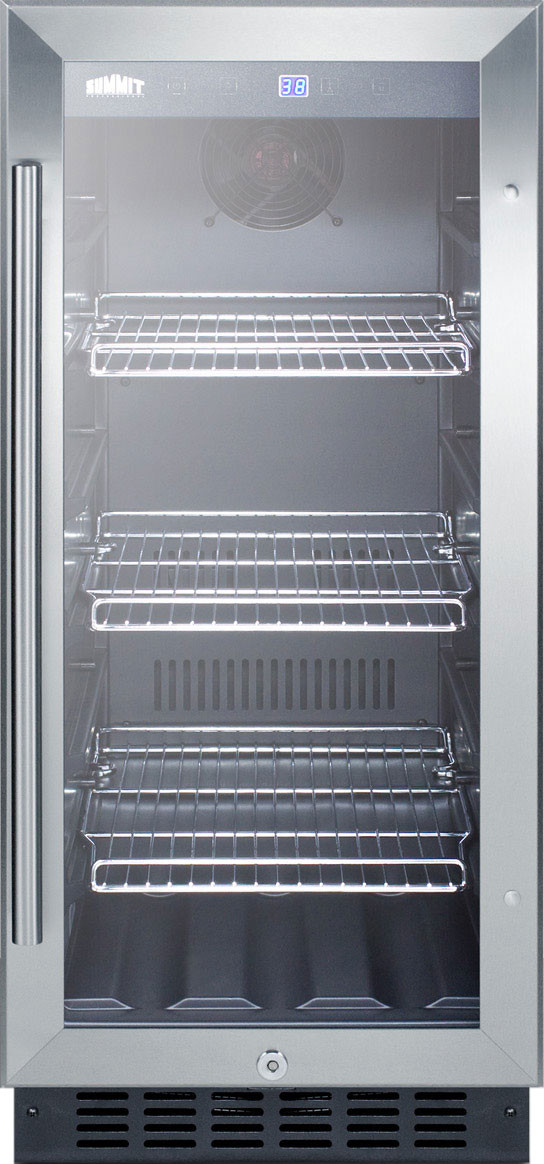
Dual zone lets you set different temps for red and white. Glass doors show bottles but let in light; solid doors protect from light. Some units have UV-resistant glass. Consider vibration (can affect wine over time)—many coolers have minimal vibration.
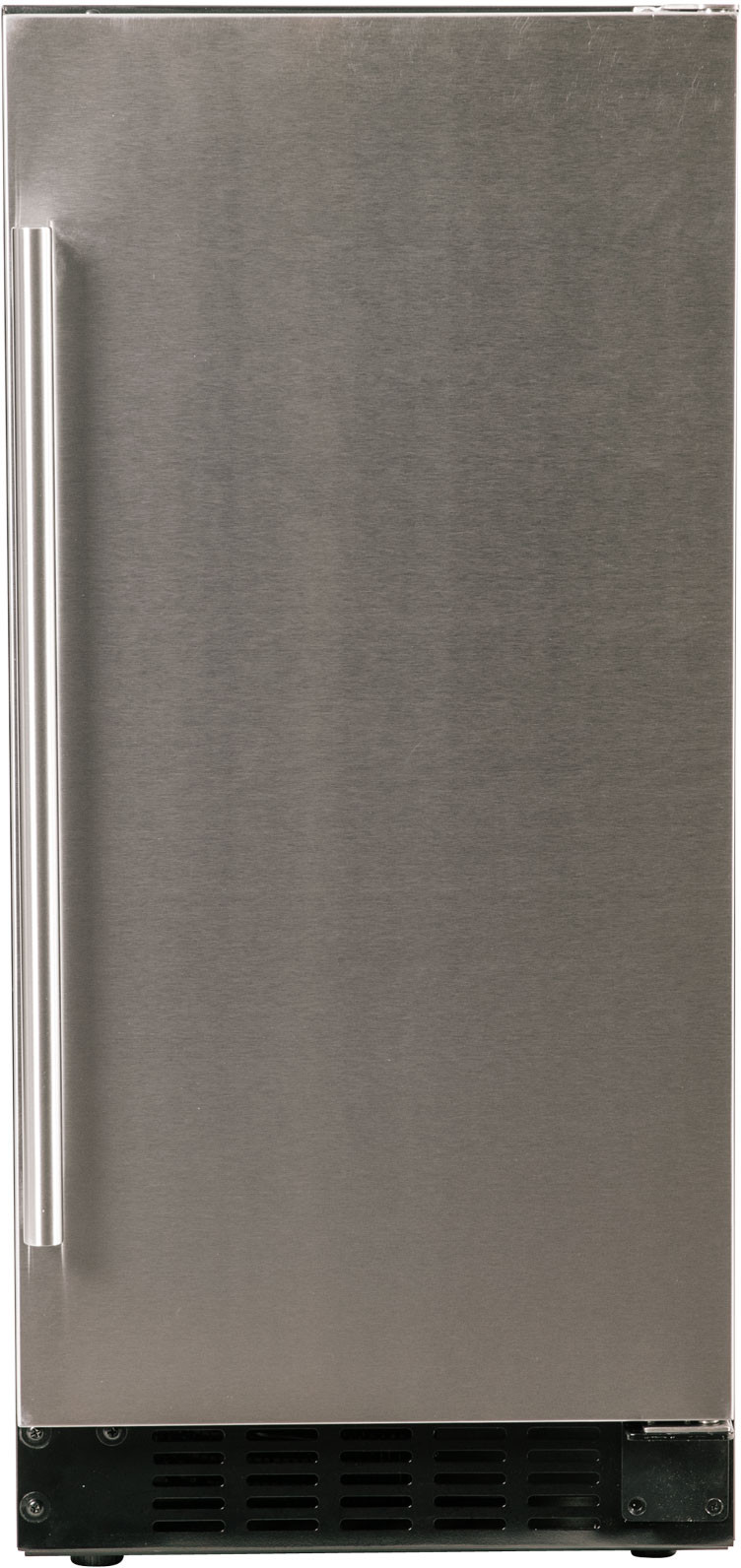
UV light can damage wine over time. Glass doors allow light in; UV-resistant glass reduces the risk. Solid doors block light entirely. For long-term storage, solid doors or UV-resistant glass are better. For display, glass doors let you see the collection.
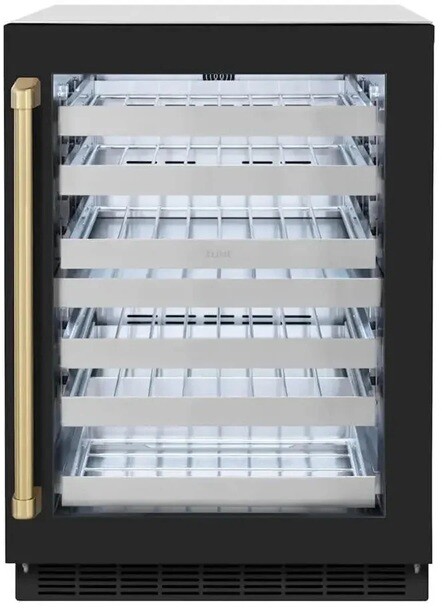
Shelving design matters. Horizontal or angled shelves keep corks moist. Adjustable shelves accommodate different bottle sizes. Some units have slide-out shelves for easier access.
Double-paned glass doors add insulation and reduce condensation compared to single-pane glass. They also add weight and cost. In a room with significant ambient light, double-paned UV-resistant glass offers the best compromise between visibility and protection. In a dim cellar or basement, solid doors may be sufficient.
Digital thermostats offer precise control; analog dials are simpler but less precise. Some units have humidity control to prevent corks from drying. Vibration from the compressor can affect wine over time; many manufacturers use compressors and mounting systems designed to minimize vibration.
Placement and Ventilation
Freestanding wine fridges need clearance at the back and sides. The condenser produces heat; it needs airflow to reject it. Follow the manual's ventilation requirements—typically 2 to 4 inches at the back. Blocking vents causes overheating.
Avoid direct sunlight; it raises the interior temperature and can damage wine. Place the unit away from heat sources like ovens or radiators. Adequate ventilation helps efficiency. Wine fridges can go in the kitchen, dining room, bar, or basement.
Kitchen placement puts the cooler near food prep and entertaining areas but may expose it to heat from the oven or cooktop. Dining room or bar placement keeps it away from cooking heat but requires a dedicated outlet. Basement or cellar placement is ideal for long-term storage if the space stays cool—the U.S. Energy Information Administration (EIA) notes that ambient temperature affects appliance efficiency.
Before purchasing, measure the intended location. Account for door swing or drawer pull-out depth. Ensure the electrical outlet is within reach. A unit that fits the space on paper may be impossible to maneuver through narrow hallways or stairs. Check the delivery path.
Energy and Operating Cost
Wine fridges run at warmer temperatures than standard refrigerators, so they typically use less electricity. The U.S. Energy Information Administration (EIA) reports average electricity prices. At typical rates, a 24-bottle freestanding wine fridge might use 100 to 150 kWh per year—roughly $15 to $25. Larger units use more.
ENERGY STAR models use less energy. At 15 cents per kWh, a 24-bottle unit might cost $15 to $25 per year. Keeping the unit in a cool room reduces run time.
Wine coolers typically use 100 to 350 kWh per year depending on size. At 15 cents per kWh, that is $15 to $52.50 annually. ENERGY STAR does not certify wine coolers as a separate category, but efficient models will have lower kWh in the specs. Placement affects energy use: a unit in a hot room or direct sunlight works harder than one in a cool, shaded location.
The DOE does not have separate efficiency standards for wine coolers. They may be classified as compact refrigerators for testing purposes. Compare manufacturer specs for estimated yearly kWh when shopping. The savings between models may be modest, but efficient units last longer and run more quietly.
When to Choose Freestanding
Freestanding is the choice when you want flexibility and easier installation. Built-in wine coolers integrate with cabinetry and require more planning. Freestanding units can be moved and placed anywhere with floor space and power.
Renters and those who may relocate benefit from freestanding units. For most homeowners with a modest collection, a freestanding wine fridge is sufficient. Match the unit to your space and collection.
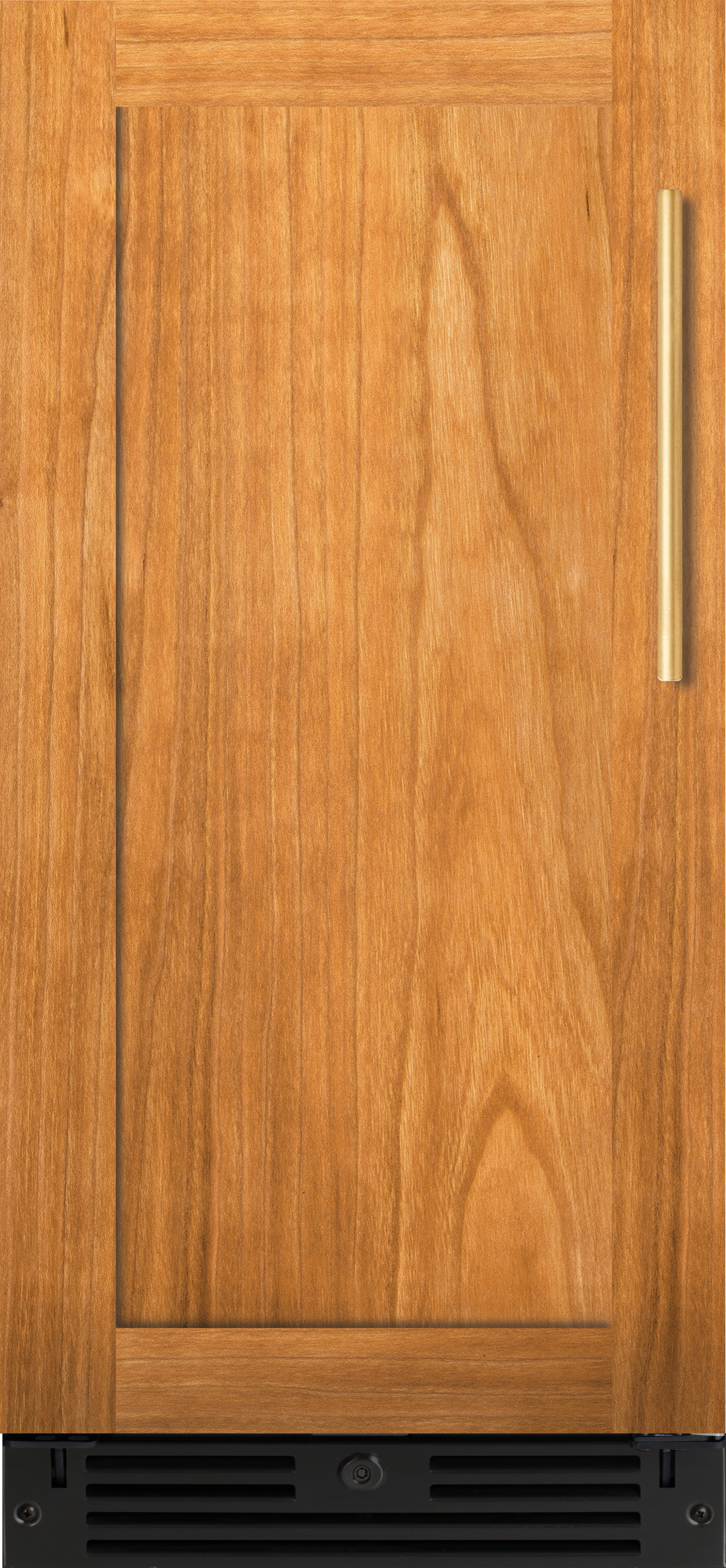
Freestanding units are easier to replace. When the unit fails or you want to upgrade, you unplug it, move it out, and bring in a new one. No cabinet work, no trim kit. Built-in units require finding a replacement that fits the same opening or modifying the cabinetry. Consider long-term flexibility when choosing.
Maintenance
Wipe the interior occasionally. Clean the condenser coils if accessible. Keep the door closed to maintain temperature. Avoid overloading—airflow matters for even cooling.
Clean the door gasket periodically to ensure a tight seal. A worn or dirty gasket allows cold air to escape and warm air to enter, increasing energy use. If the unit develops frost or excessive condensation, the door seal may be failing. Ensure the door closes fully and the gasket is intact.
Check the condenser coils annually if they are accessible. Dust buildup reduces heat rejection and forces the compressor to work harder. Use a soft brush or vacuum attachment to remove dust. Some units have the condenser integrated into the cabinet; ensure adequate clearance and airflow.
Common Mistakes to Avoid
Do not place the unit in direct sunlight or next to a heat source. Sunlight and heat raise the interior temperature and force the compressor to run constantly. Wine quality suffers, and energy use spikes. Choose a shaded, cool location.
Do not ignore ventilation requirements. Pushing the unit against the wall without clearance can cause overheating and premature failure. Follow the manual's clearance specifications. If the unit feels hot to the touch on the back or sides, it is not ventilating properly.
Do not overfill the unit. Crowding bottles blocks airflow and can create hot spots. Leave some space between bottles. Proper airflow ensures even temperature throughout the unit.
Summary
Freestanding wine fridges are standalone wine storage units that keep bottles at 45–65°F with single or dual zones. Choose by capacity (6–100+ bottles), single vs. dual zone, door type, and dimensions. The DOE does not have separate efficiency standards for wine coolers; the EIA reports electricity rates for cost estimates. Leave clearance for ventilation and perform basic maintenance to extend the unit's life. For more help comparing models and current prices, browse wine coolers at Fridge.com.