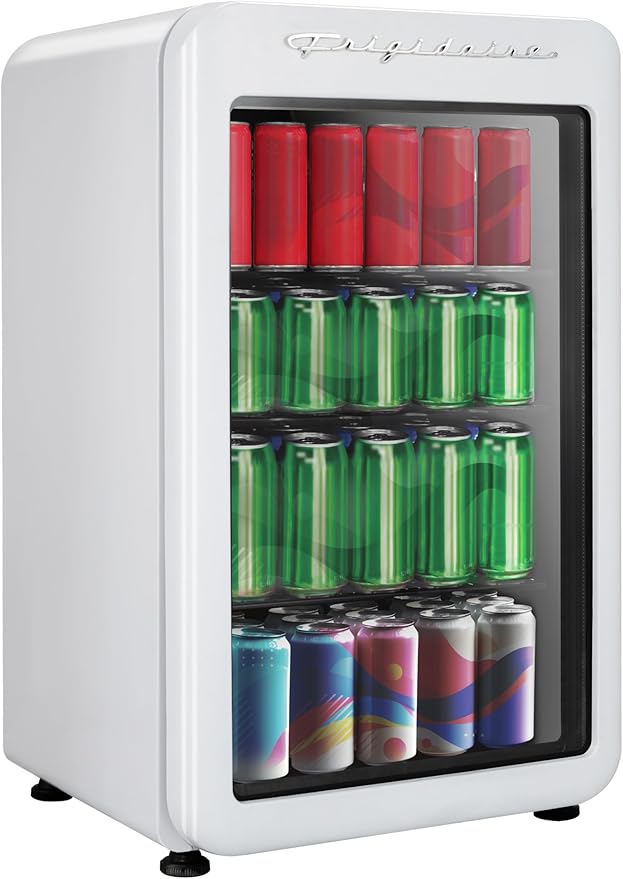
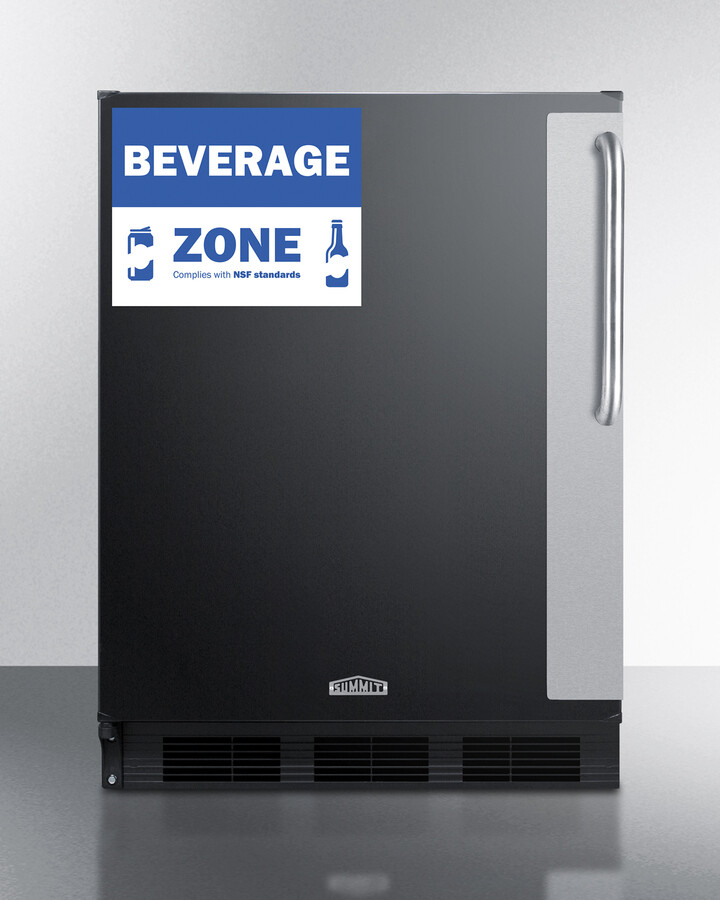
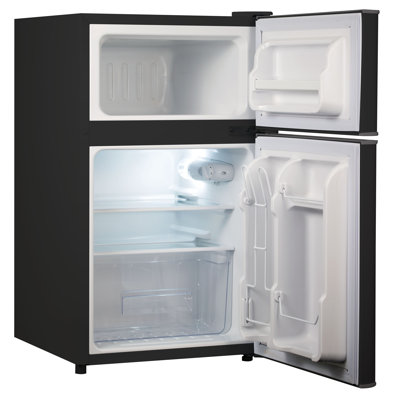
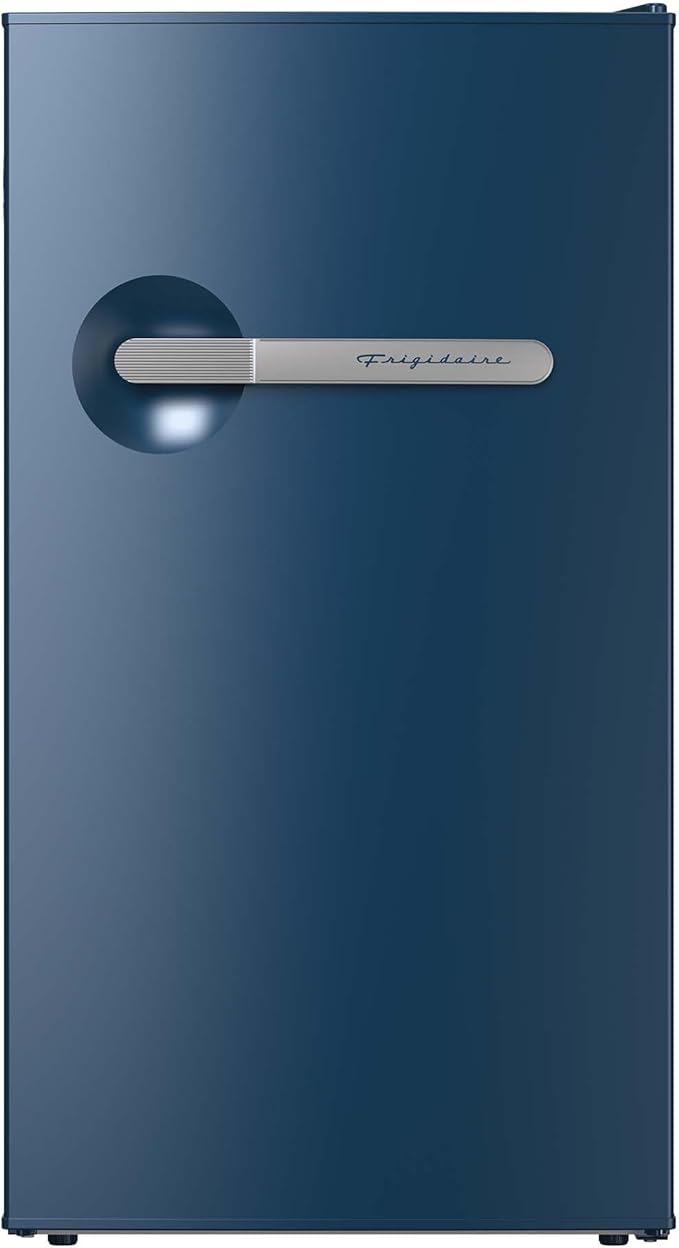
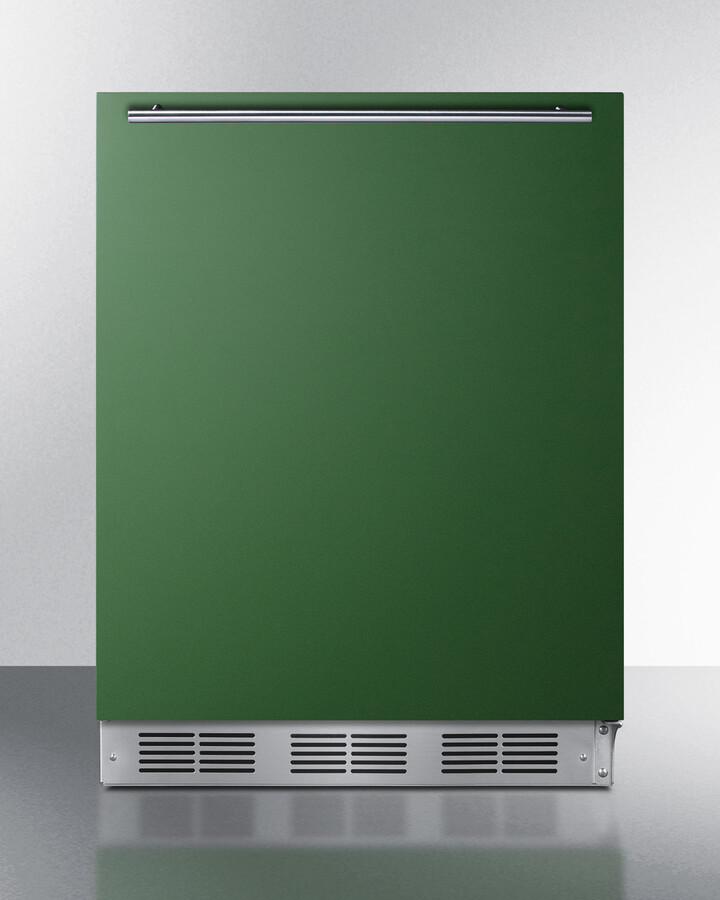
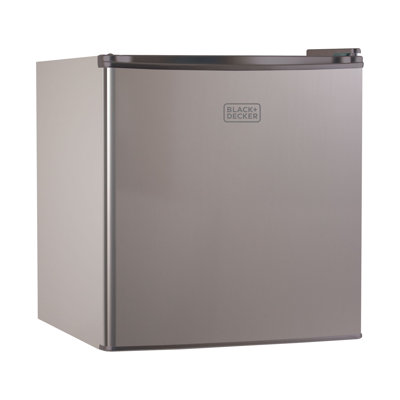
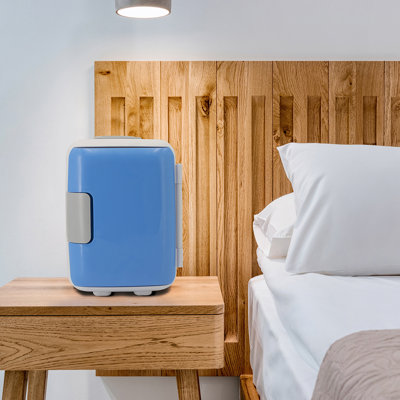
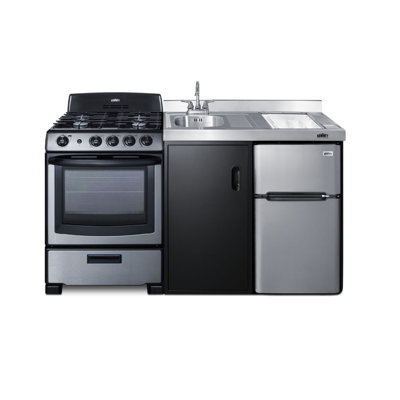
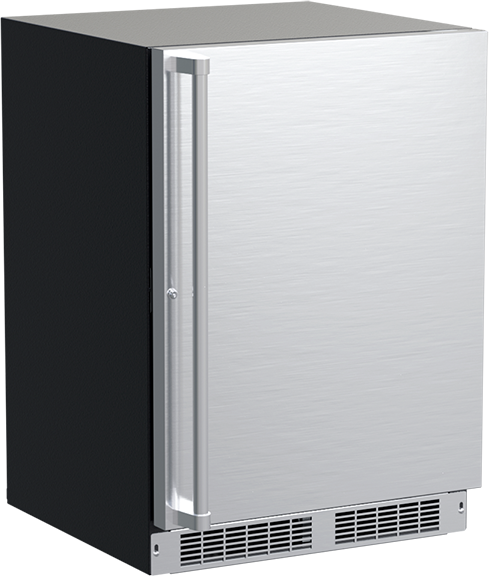
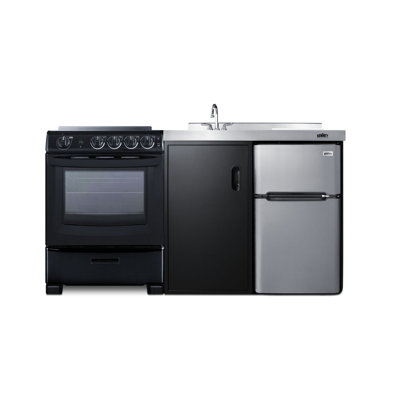
Freestanding wine coolers are for wine at specific temperatures; mini fridges with a freezer are small refrigerators that also have a small freezer compartment. They serve different purposes. This guide compares wine coolers and mini fridges so you can choose the right appliance for your needs.
Wine Cooler
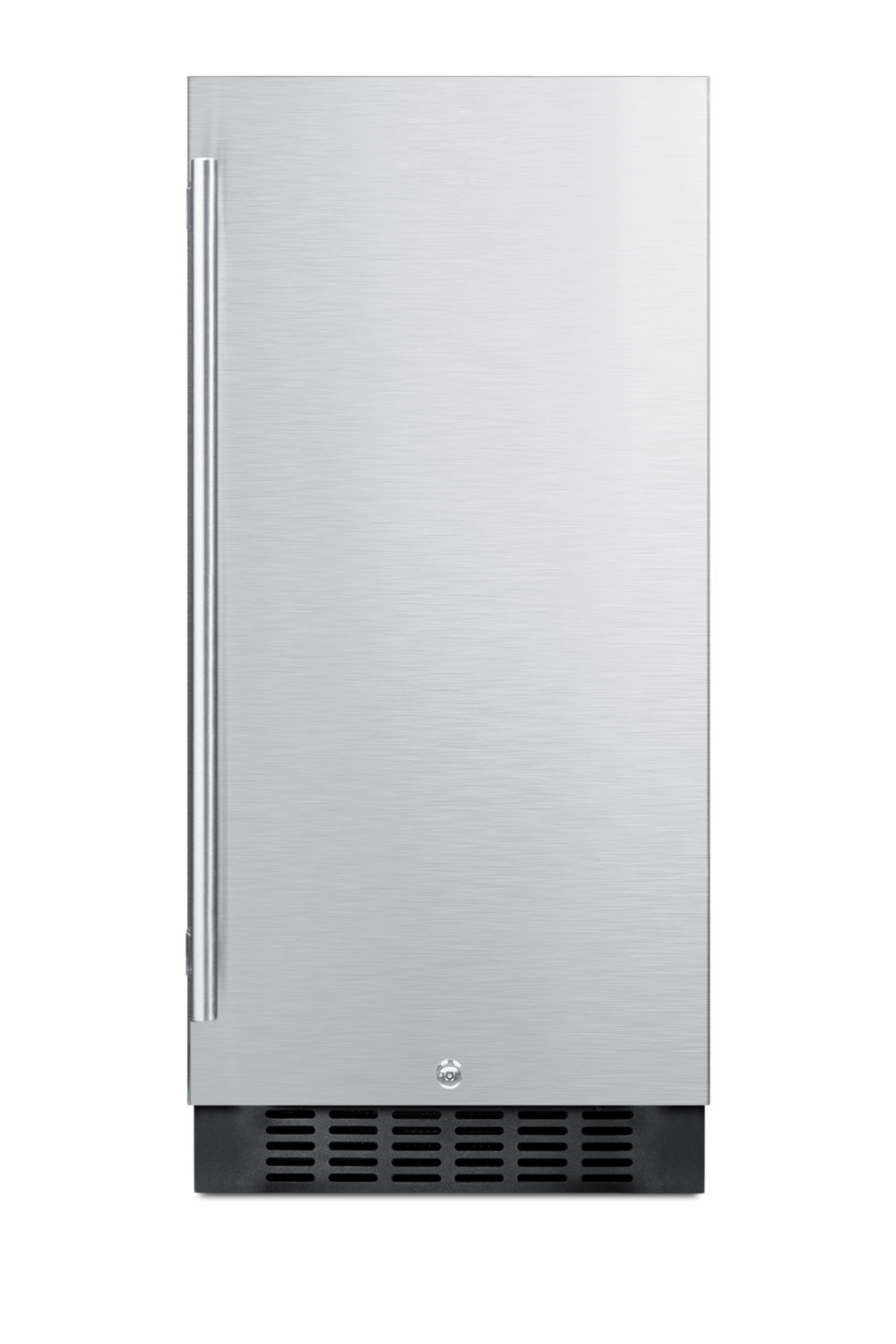
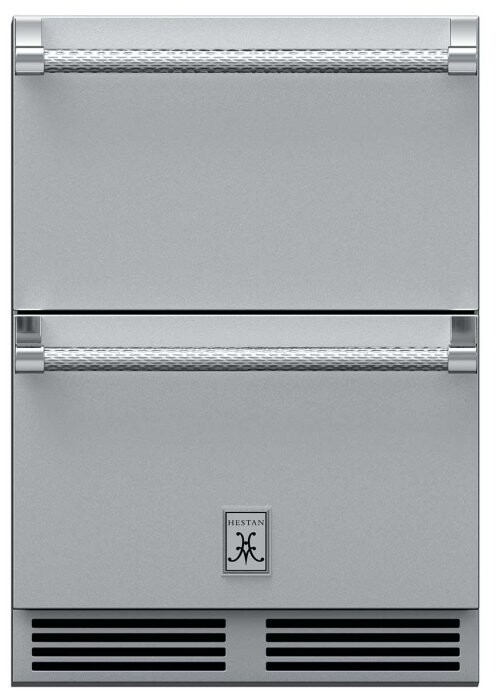
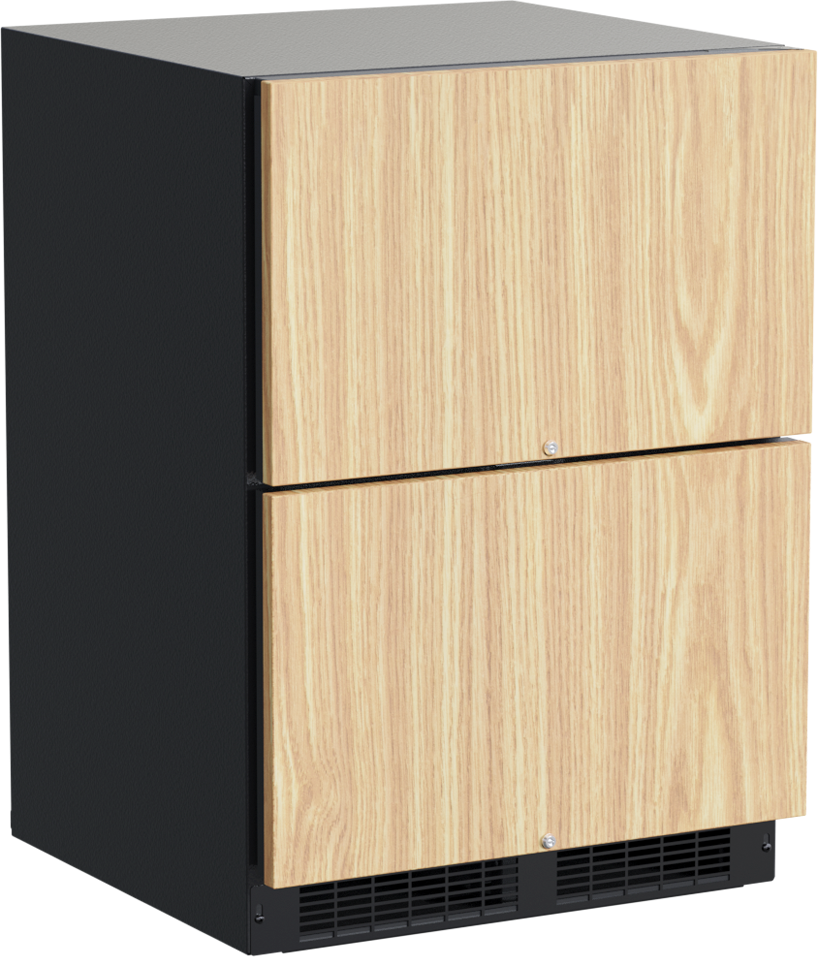
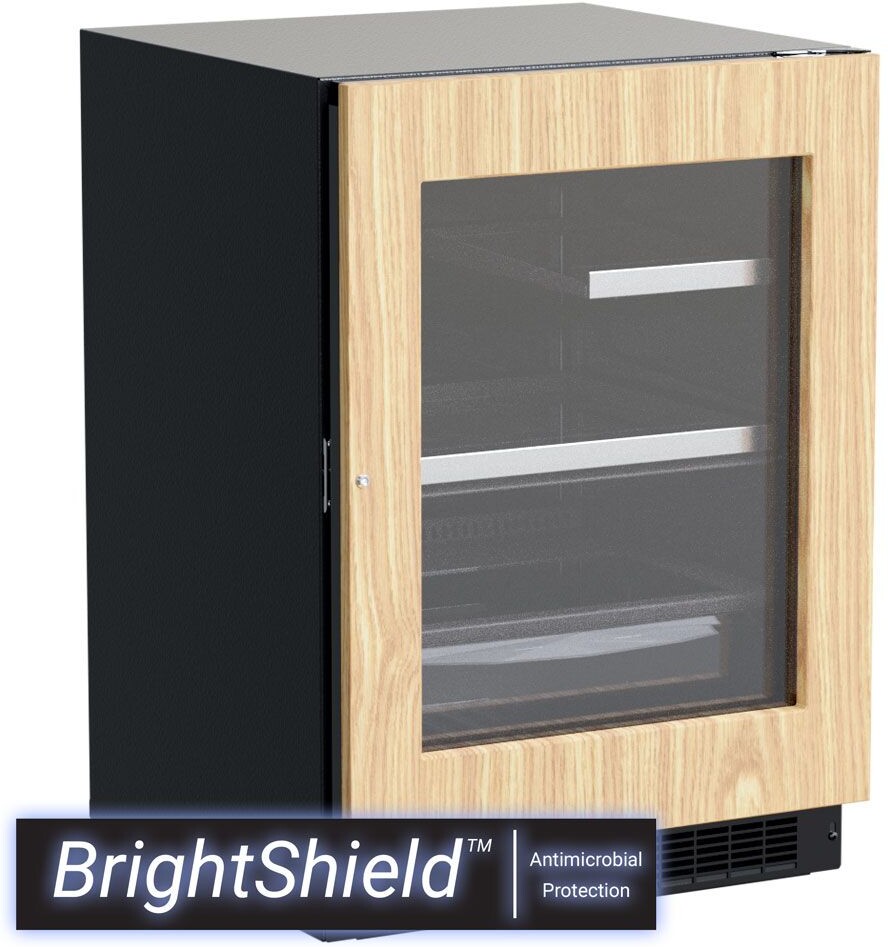
Wine coolers keep wine at 45–65°F. They have no freezer. Shelving is for bottles. They are not for general food, cans, or frozen items.
Wine coolers maintain the temperatures that suit wine. Whites at 45–50°F, reds at 55–65°F. They have shelving designed for bottles on their side or at an angle. They are a single-purpose appliance. Storing beer or soda in a wine cooler may not get them cold enough for some drinkers. Storing general food is not ideal—the temperature and layout are for wine.
Freestanding wine coolers are plug-and-play. Capacity is often stated in bottles—6 to 100+ depending on size. They can sit on the floor or under a counter. They are for wine enthusiasts who want proper storage. The U.S. Department of Energy (DOE) does not have separate efficiency standards for wine coolers; ENERGY STAR certifies some models.
The USDA recommends 40°F or below for perishable food. Wine is not highly perishable in the same way; it benefits from slightly warmer storage. Storing wine in a standard refrigerator at 38°F over-chills it. Wine coolers offer the right range for wine.
Wine coolers have shelving designed for bottles—horizontal or angled to keep corks moist. Proper cork contact with wine prevents drying and oxidation. General refrigerators have shelves designed for food, not bottles. The layout difference matters for wine storage. Wine coolers also maintain more consistent temperature and humidity, which helps preserve wine quality over time.
Mini Fridge with Freezer
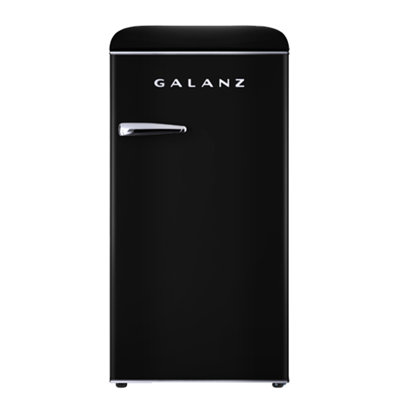
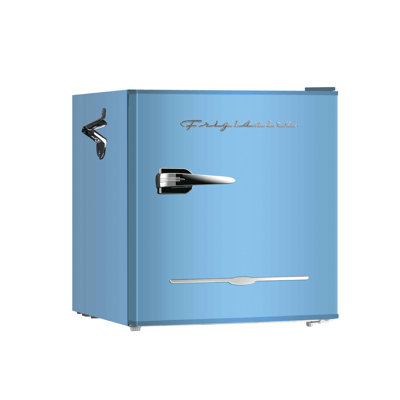
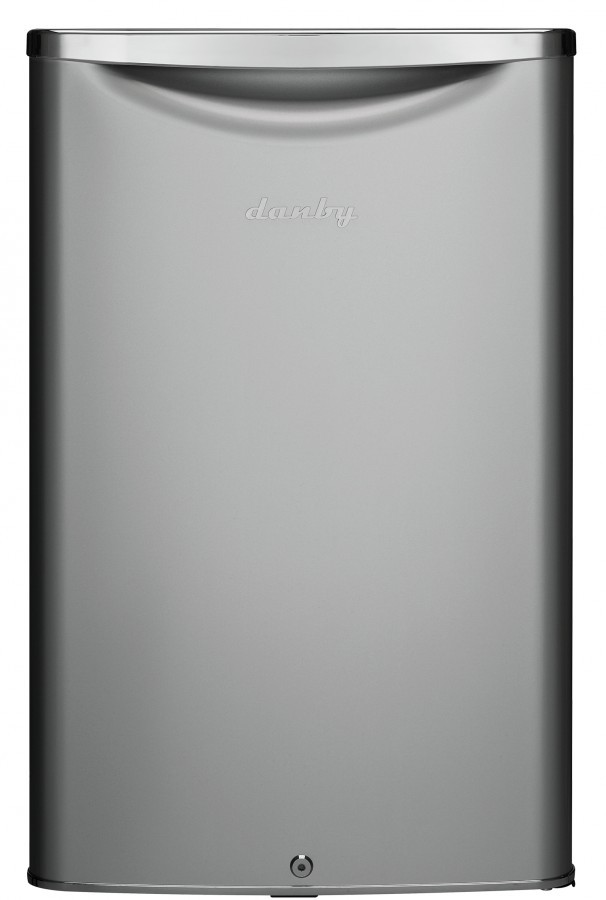
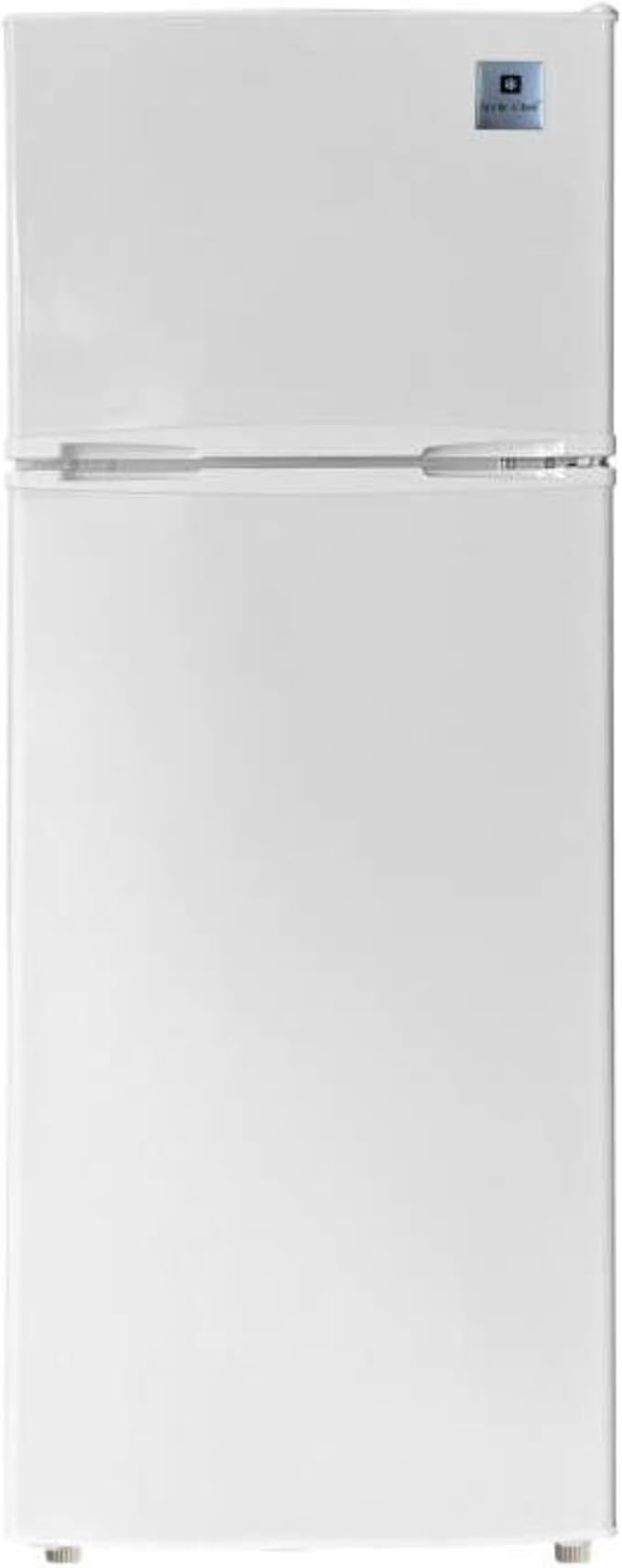
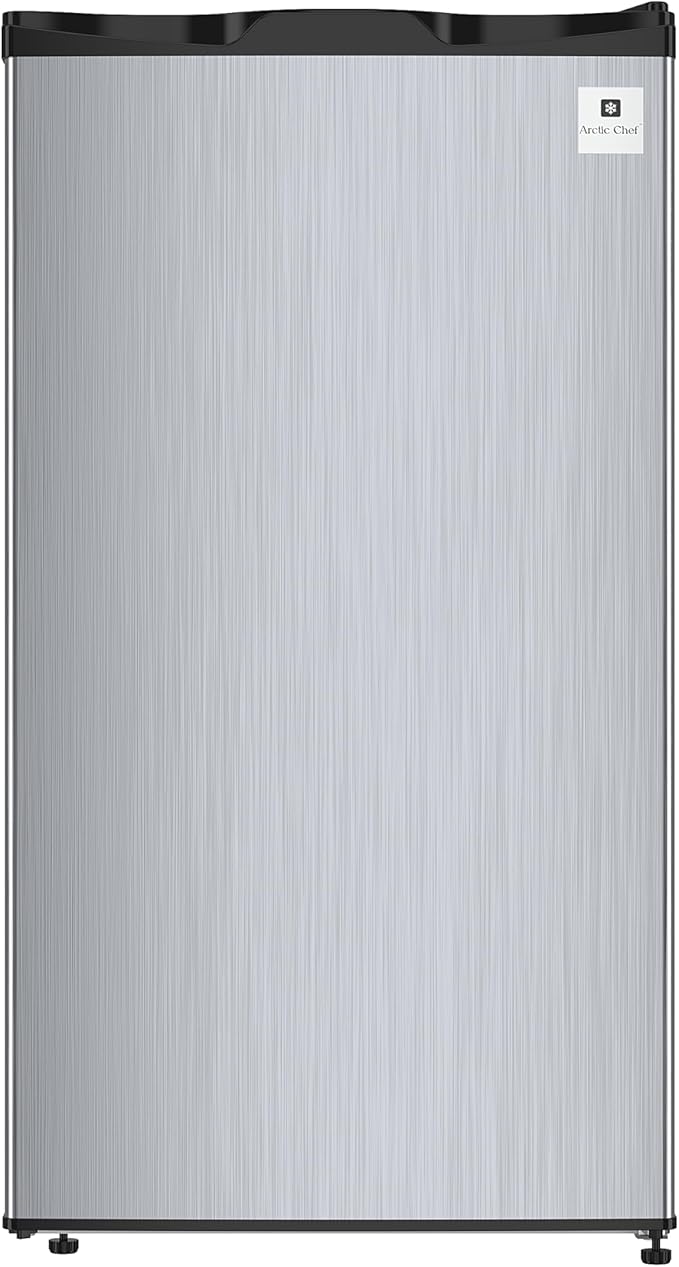
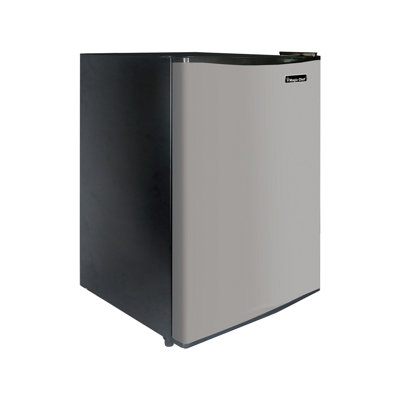
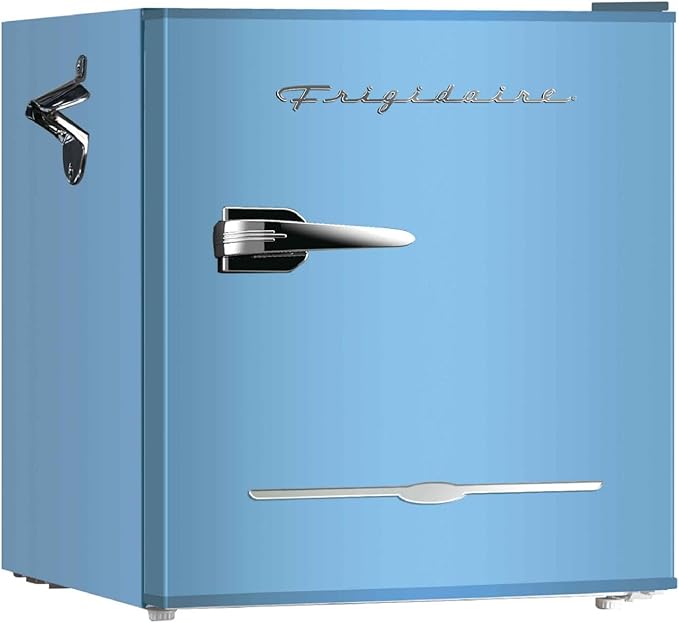
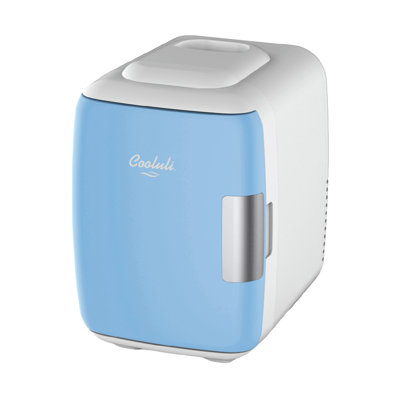
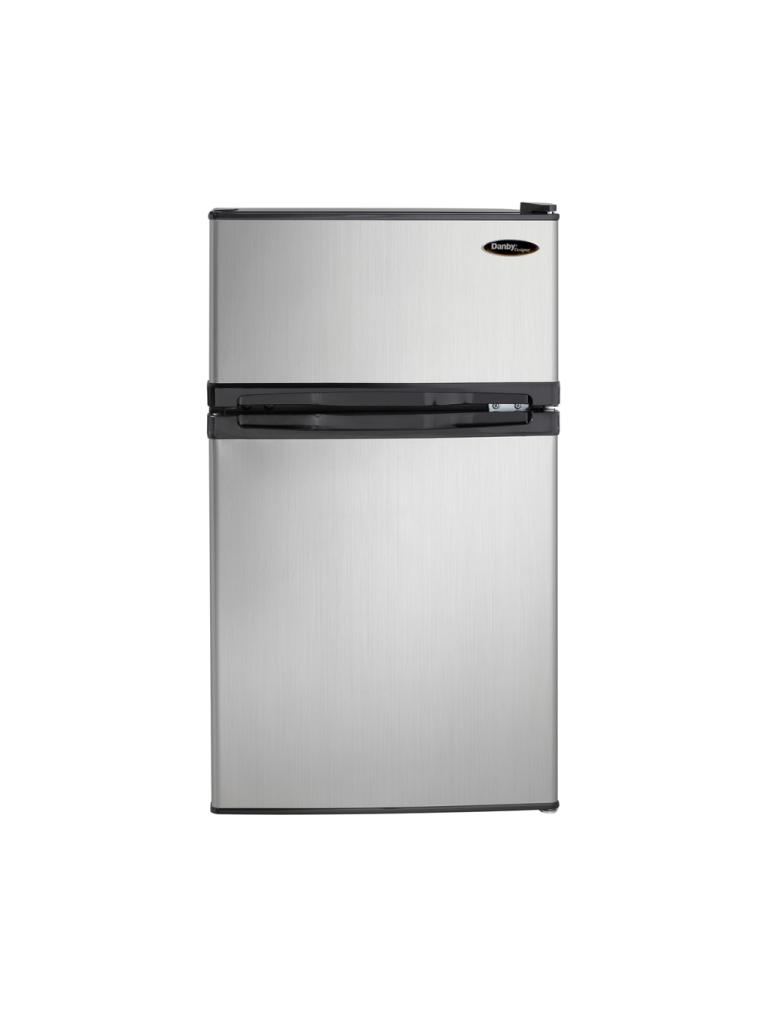
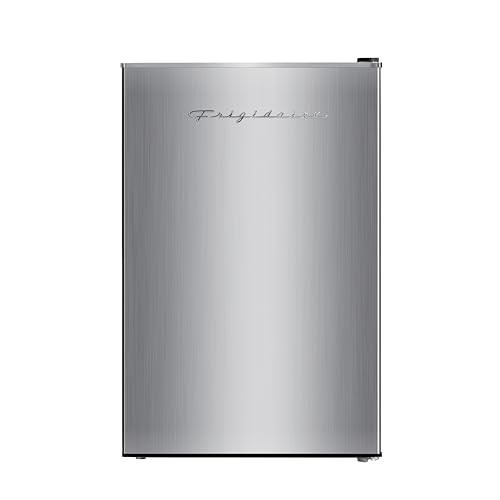
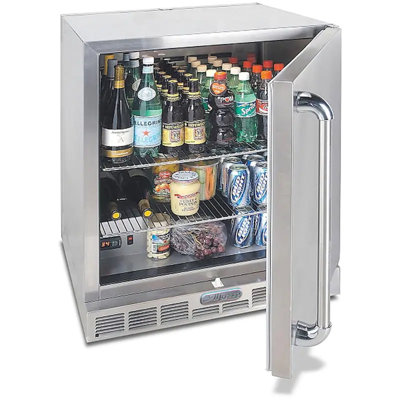
Mini fridges (1.5–4.5 cu ft) with a freezer keep drinks and snacks cold and have a small freezer section for ice or a few items. They are for general use—dorm, office, bar—not for wine-specific storage.
Mini fridges run at standard refrigerator temperature—37–40°F, as the USDA recommends. They hold drinks, snacks, condiments, and some fresh food. The freezer compartment is small—enough for ice trays or a few items. They are for general cold storage, not wine. Storing wine in a mini fridge at 38°F over-chills it, especially reds.
The DOE classifies units under 7.75 cubic feet as compact. Mini fridges fall in this category. They are portable, inexpensive, and versatile. They suit dorms, offices, and bars where you need general cooling plus a bit of freezer space.
Mini fridges typically use 100 to 200 kWh per year. The U.S. Energy Information Administration (EIA) reports average electricity prices. At 15 cents per kWh, a mini fridge might cost $15 to $30 per year.
Mini fridges are portable—often 30 to 50 pounds. They can sit on a counter, under a desk, or in a dorm room. They plug into a standard outlet and require no installation. They suit dorms, offices, bedrooms, and garages where you need general cooling plus a bit of freezer space for ice or a few frozen items.
Wine coolers run at 45–65°F. Mini fridges run at 37–40°F. The USDA recommends 40°F or below for perishables. Wine benefits from warmer storage—38°F over-chills red wine and dulls flavors.
Mini fridges are too cold for proper wine storage. Wine coolers are too warm for beer and soda that many drinkers prefer ice-cold. Match the appliance to what you store. You cannot use a wine cooler for general food—it lacks the layout and temperature for perishables. You cannot use a mini fridge for wine—it over-chills reds.
The USDA FoodKeeper app provides storage guidelines for different foods. Perishables need 40°F or below; frozen items need 0°F or below. Wine does not fit neatly into either category—it benefits from 45–65°F depending on type. A mini fridge cannot provide that range; a wine cooler cannot provide freezer storage for ice or frozen food.
Wine coolers hold 6 to 100+ bottles. Mini fridges hold 1.5 to 4.5 cubic feet. The DOE classifies units under 7.75 cubic feet as compact. Mini fridges are portable—30 to 50 pounds. Wine coolers are heavier and often placed in a fixed location.
Wine coolers need bottle shelving; mini fridges have general shelving. Wine coolers can go in the dining room, bar, or basement. Mini fridges suit dorms, offices, bedrooms, and garages. Placement reflects the different purposes.
Wine coolers need clearance at the back for ventilation—typically 2 to 4 inches. Mini fridges also need ventilation but are often placed in more open locations. Both run 24/7. The DOE does not have separate efficiency standards for wine coolers; they may be classified as compact refrigerators. ENERGY STAR certifies some compact refrigerators; check the EnergyGuide label for mini fridges.
Choose a wine cooler when you need wine at proper storage temperatures. Wine coolers suit wine enthusiasts, dining areas, and bars that focus on wine. They cannot store frozen items or general food.
Choose a mini fridge with freezer when you need general cold storage plus a little ice. Mini fridges suit dorms, offices, and bars where you need cold drinks, snacks, and a bit of freezer space. You would not use a wine cooler for a dorm room; you would not use a mini fridge for a wine collection.
Some households have both—a wine cooler for wine and a mini fridge for drinks and snacks in another room. The appliances serve different purposes. You cannot use one for the other's purpose.
If you have a bar that serves both wine and beer, a wine cooler for wine and a mini fridge for beer and mixers may make sense. If you have a dorm room or office, a mini fridge with freezer is the practical choice. If you have a wine collection and no need for general food storage in that location, a wine cooler is the right fit.
Energy and Cost
Both run 24/7. Wine coolers typically use 80 to 150 kWh per year; mini fridges use 100 to 200 kWh. The EIA reports average electricity prices. At 15 cents per kWh, both might cost $15 to $30 per year. Both need ventilation.
Wine coolers cost $200 to $1,500 depending on size. Mini fridges cost $50 to $200. Mini fridges are the budget option for general cooling; wine coolers are the specialized option for wine.
Both need adequate ventilation. Blocking vents causes overheating and shortened compressor life. Follow the manufacturer's clearance requirements. The EIA reports regional electricity rates; use them to estimate annual operating cost for your area.
Wine coolers and mini fridges both need periodic cleaning of the interior and door gasket. Clean condenser coils if accessible. Do not use a wine cooler for perishable food—the temperature is too warm for the USDA's 40°F recommendation. Do not use a mini fridge for wine—the temperature is too cold for proper wine storage.
Do not overload either appliance. Crowding blocks airflow and can create hot spots. In a wine cooler, leave space between bottles. In a mini fridge, avoid packing the freezer compartment so full that air cannot circulate.
Summary
Wine coolers are for wine only; mini fridges with freezer are for general use and a bit of frozen storage. Wine coolers run at 45–65°F; mini fridges run at 37–40°F with a small freezer. The USDA recommends 40°F or below for perishables and 0°F or below for frozen food. Match the appliance to what you store. For wine, use a wine cooler. For drinks, snacks, and ice, use a mini fridge. For more help comparing models and current prices, browse wine coolers and mini fridges.
Frequently Asked Questions
A wine cooler is for wine only and runs at 45–65°F. It has no freezer. It is designed for bottle storage and serving temperature.
From Fridge.com research
Figures below come from data Fridge.com builds and maintains. Each links to the record behind it.
Fridge.com Energy Index, built on U.S. EPA and DOE ENERGY STAR records
Across 1,728 ENERGY STAR certified compact refrigerator models, median use is 246 kWh per year — 11% better than the federal standard.