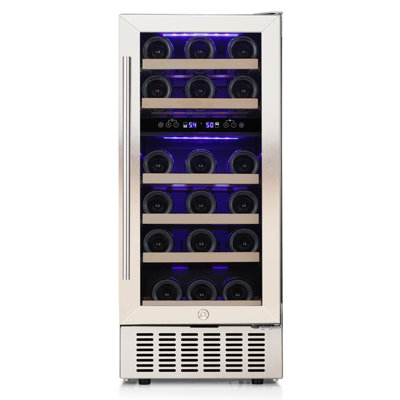
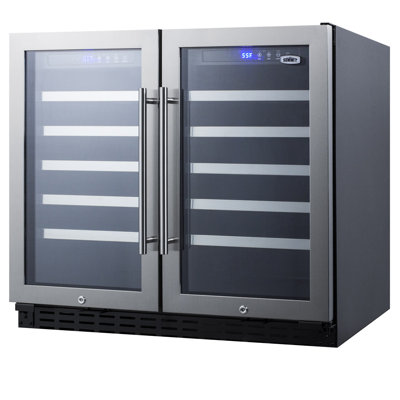
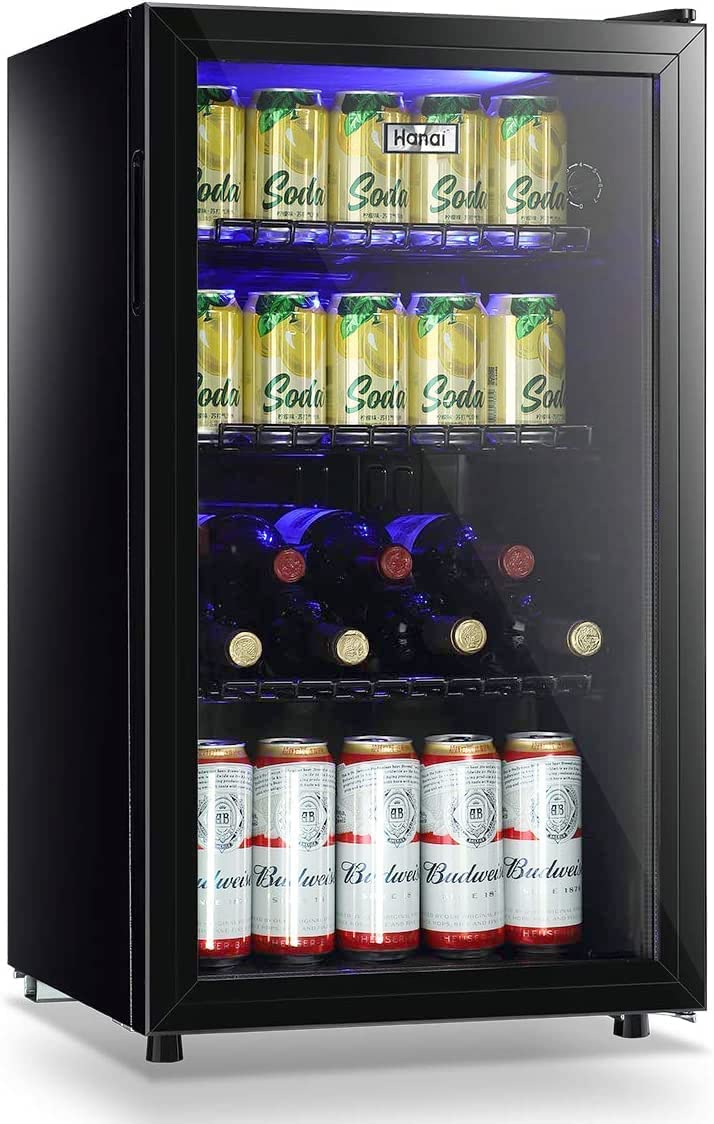
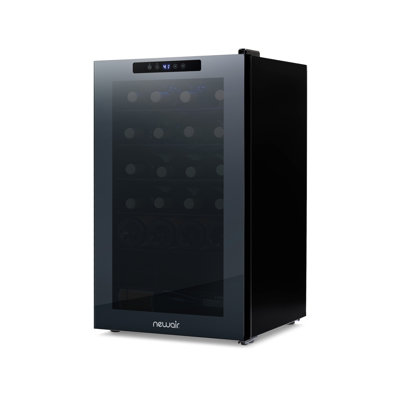
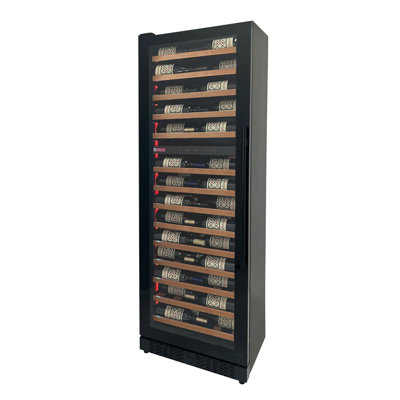
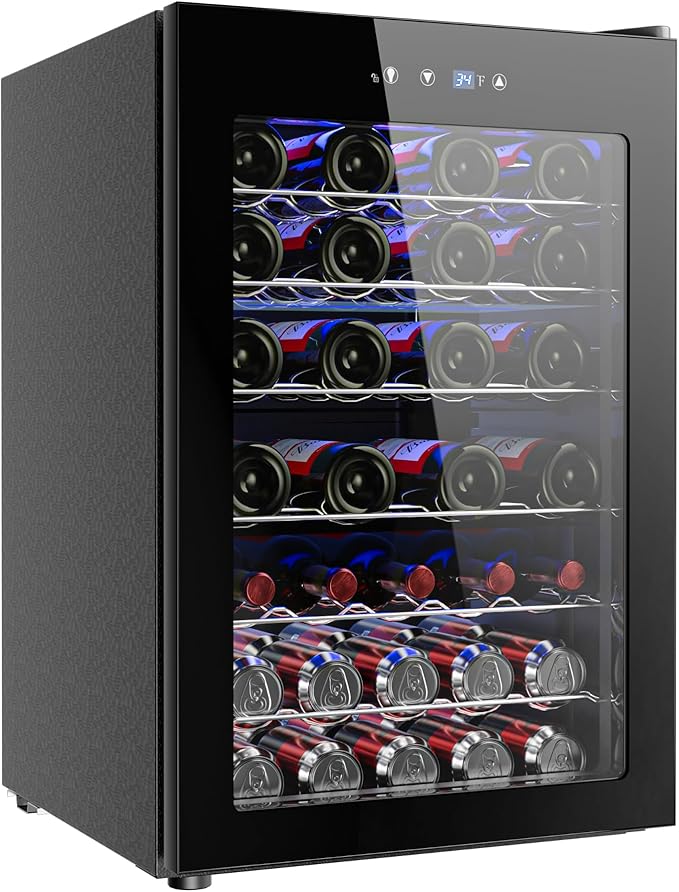
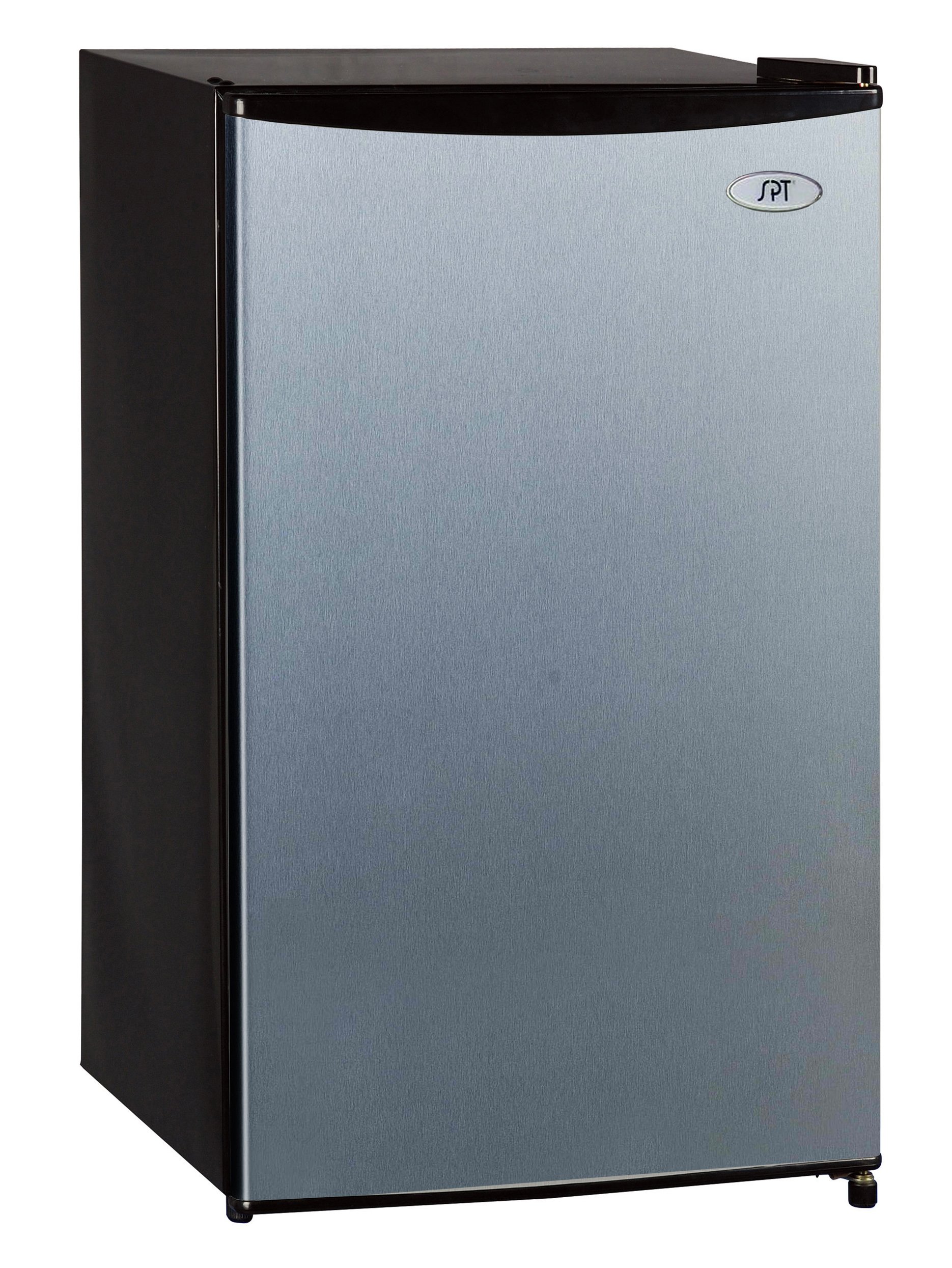
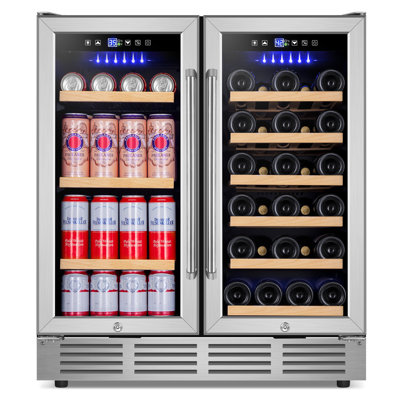
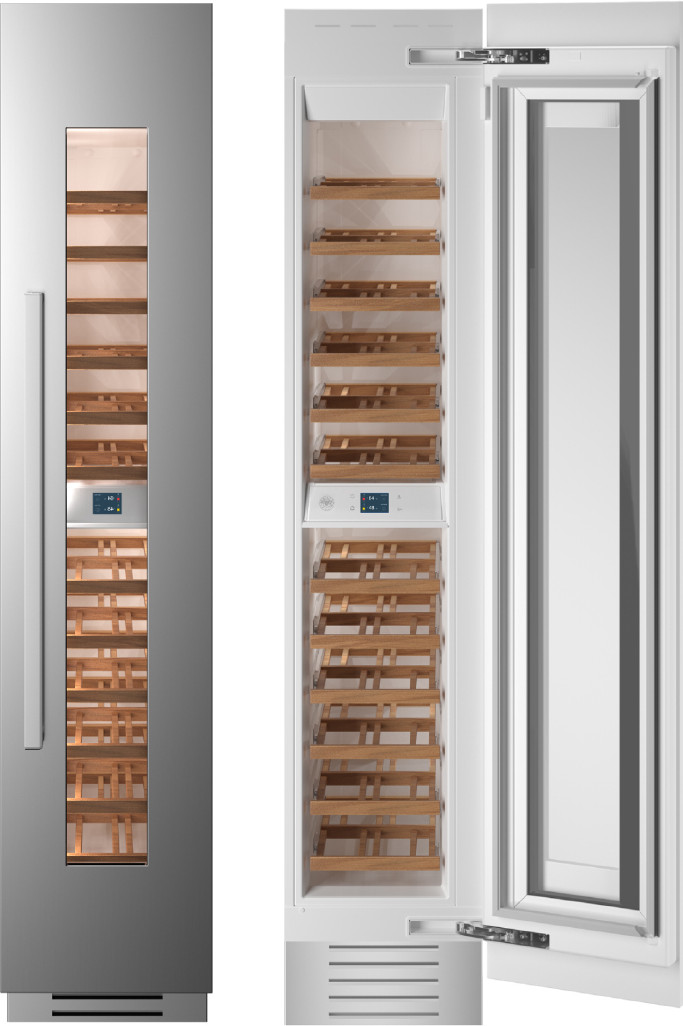
Freestanding wine coolers maintain the same temperatures as built-in units—typically 45–65°F for wine storage and serving.
Freestanding units typically cost $200 to $800 for small to mid-size models; built-in units often start at $800 and can exceed $2,000 for large, premium models.
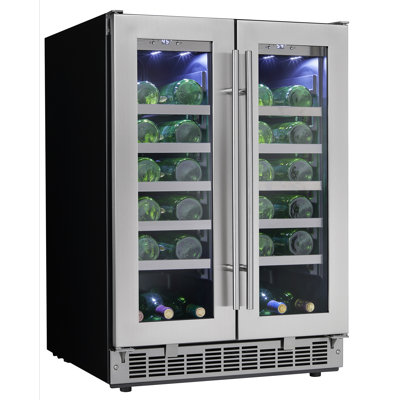
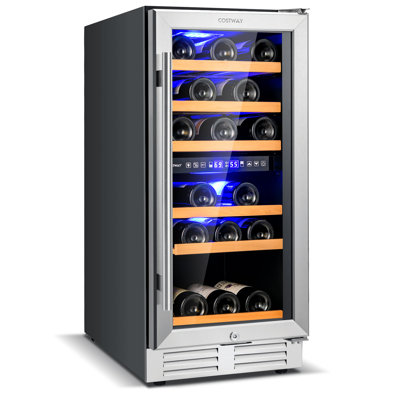
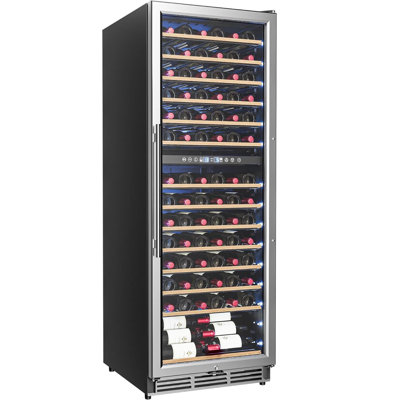
Dual-zone units split the cabinet into two independently controlled sections—typically upper for whites (45–50°F) and lower for reds (55–65°F).
Energy Information Administration (EIA) reports average electricity prices; at typical rates, a 24-bottle unit might cost $15 to $30 per year to run.
Freestanding wine coolers stand on their own; built-in wine coolers are designed to fit into a cabinet opening with a flush look. This guide compares them.
Freestanding Wine Cooler
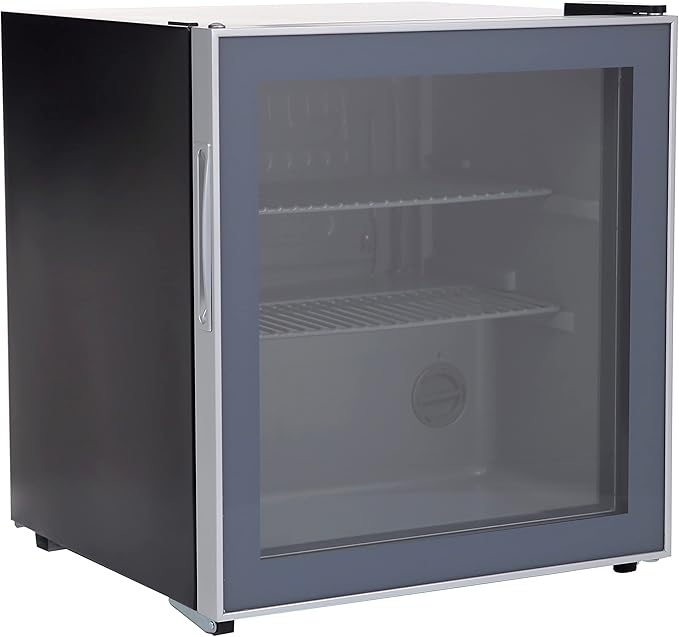
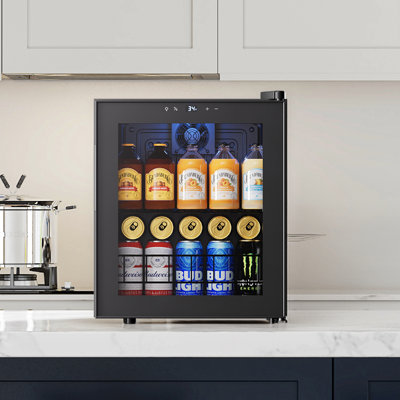
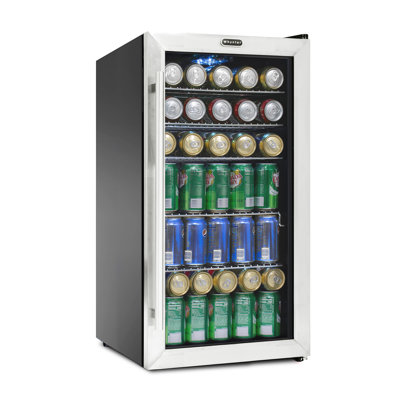
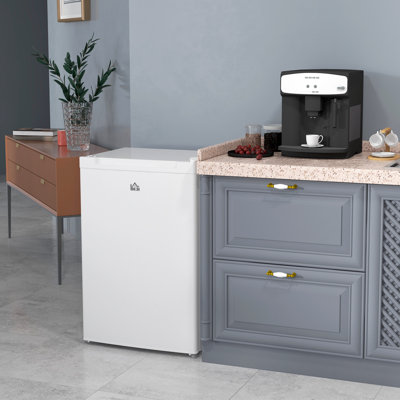
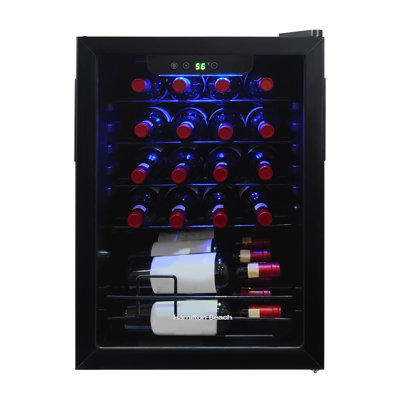
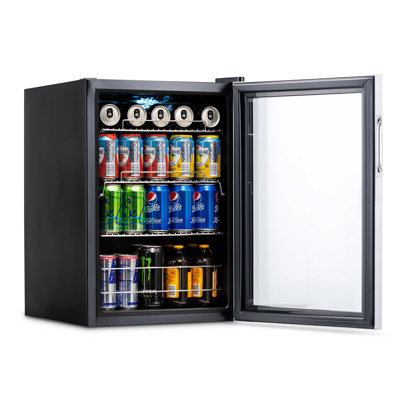
Freestanding units have finished sides and back. They do not need a cabinet cutout. You place them where you have space and plug them in. Easier to move or replace.
Freestanding wine coolers are plug-and-play. No cabinet modification, trim kit, or professional installation is required. You place them, plug them in, and use them. They can be moved if you relocate or redesign. They are the simpler option for most homeowners.
Freestanding units are available in a range of sizes—from 6 bottles to 100+. Under-counter and full-height models exist. You choose the size that fits your space and your collection. There is no constraint from a pre-existing cabinet opening.
Freestanding wine coolers maintain the same temperatures as built-in units—typically 45–65°F for wine storage and serving. The USDA does not specify wine storage temperatures; wine benefits from consistent storage at the range that suits each type. Whites at 45–50°F, reds at 55–65°F. Both freestanding and built-in wine coolers achieve this. The difference is installation and appearance, not performance.
Freestanding units vent from the back and sides. They need clearance—typically 2 to 4 inches at the back—so the condenser can reject heat. Placing them in an alcove or against a wall requires leaving that gap. The U.S. Department of Energy (DOE) does not have separate efficiency standards for wine coolers; adequate ventilation helps the unit run efficiently and last longer.
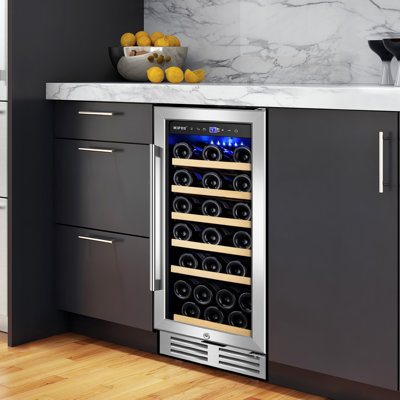
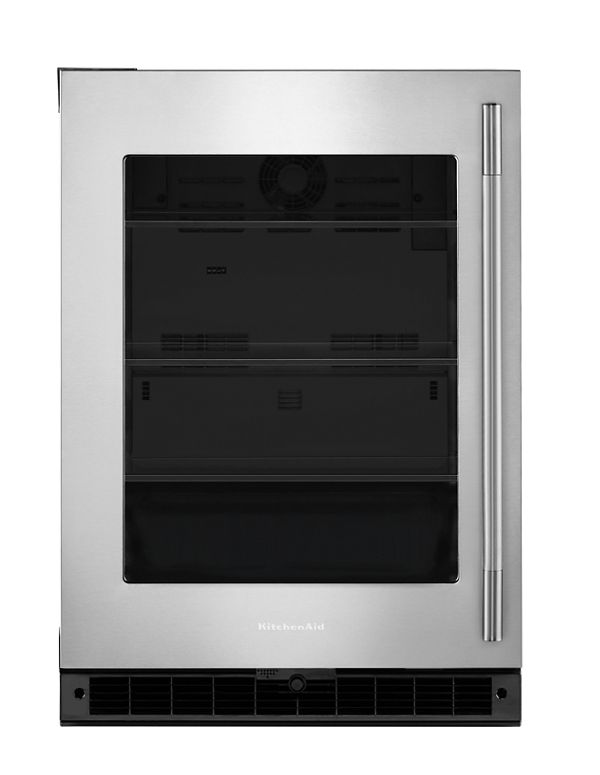
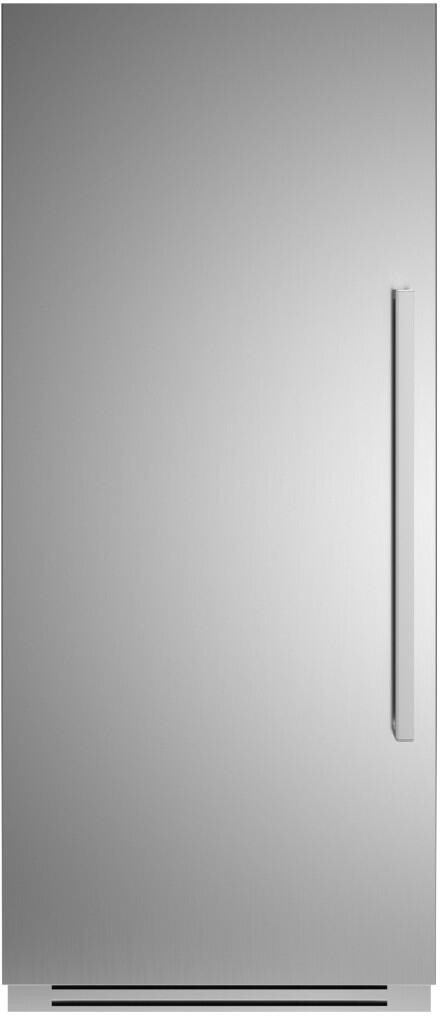
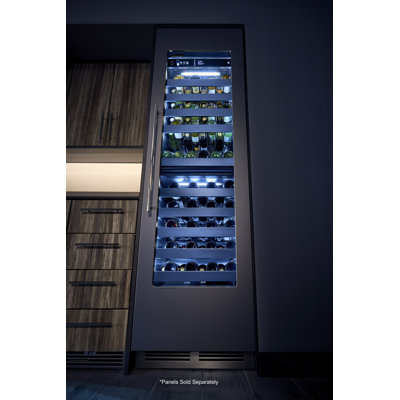
Built-in units fit into a dedicated opening, often with a trim kit. They may have front venting so they can be enclosed. They look integrated with the cabinetry. Installation requires accurate dimensions and sometimes a professional.
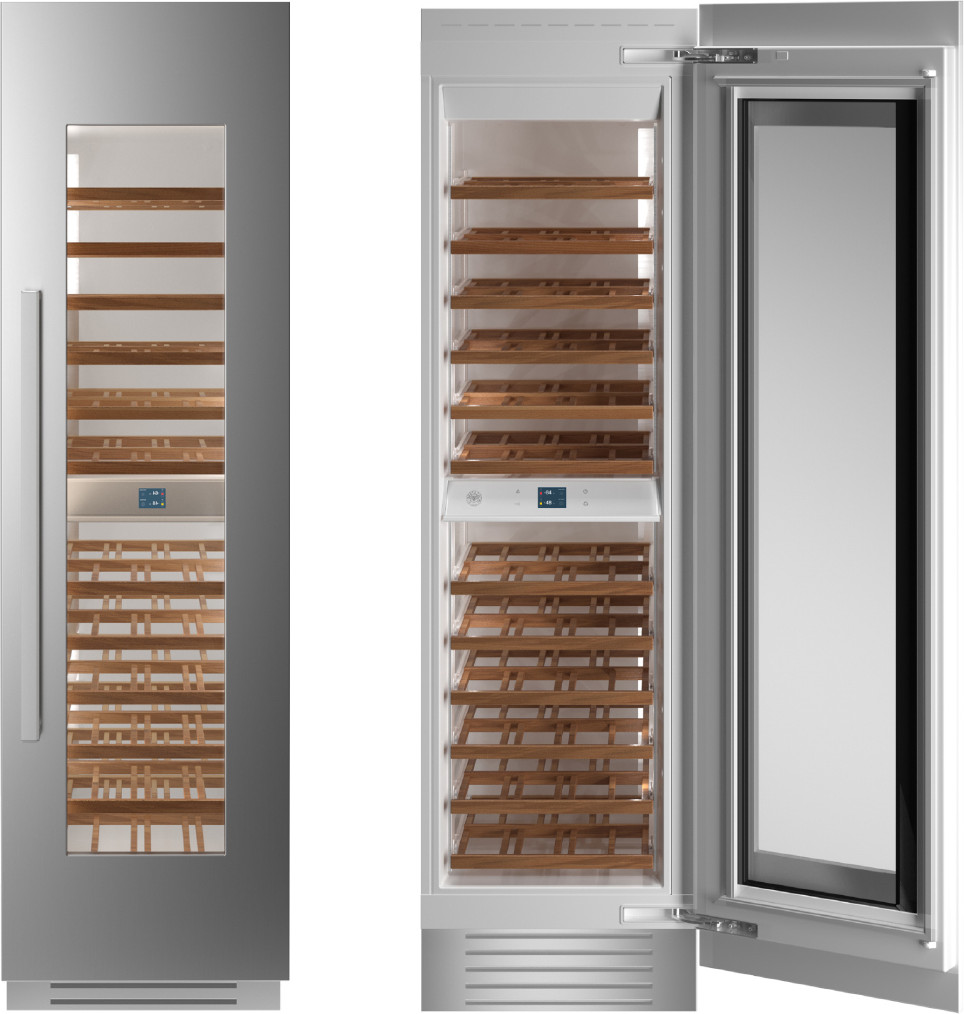
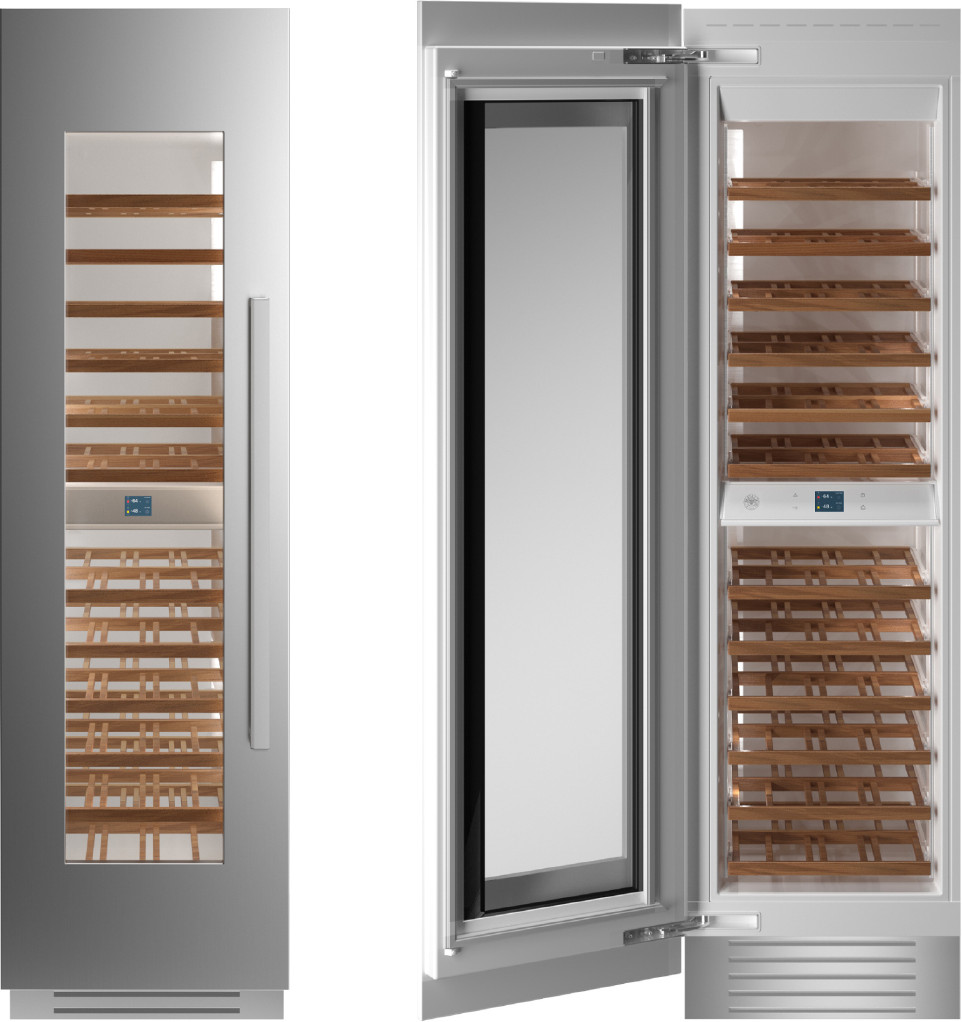
Built-in wine coolers are designed to sit flush with cabinets. They have front venting—heat is rejected from the front rather than the back—so they can be enclosed. They require a cabinet opening sized to the unit. Installation may need a trim kit to match the cabinets. The result is a seamless look.
Built-in units are typically more expensive than freestanding. You pay for the integrated design and the installation complexity. They are a permanent fixture—replacing one requires finding a unit that fits the same opening or modifying the cabinetry.
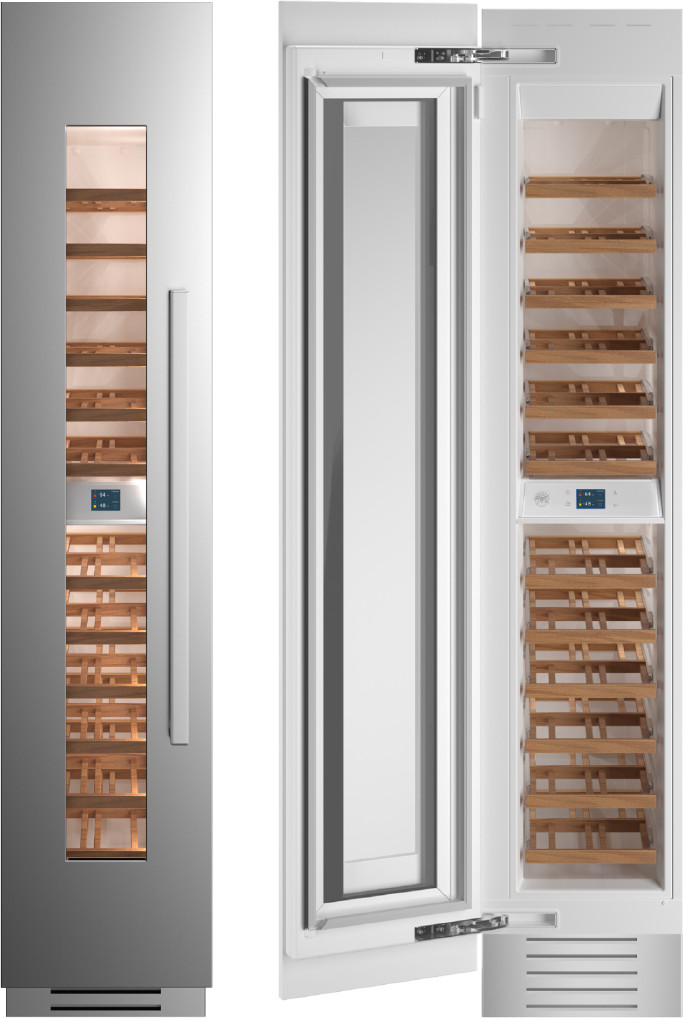
Standard built-in widths are 24 and 30 inches. Height is typically 34 inches for under-counter or 72 inches for full-height. The cabinet opening must match the unit's dimensions precisely; too tight and the unit will not fit or will overheat; too loose and the trim kit may not cover the gap. Built-in installation is best planned during a kitchen or bar remodel.
Front venting allows the unit to be fully enclosed—no rear clearance needed. The vent grille is usually at the bottom of the front panel. Ensure the grille is not blocked by flooring or trim. Blocking the vent causes the same problems as blocking rear vents on a freestanding unit: overheating and shortened compressor life.
Freestanding coolers are often less expensive and more flexible. Built-in coolers cost more and suit remodeling or custom kitchens.
Freestanding is the choice when you want to avoid a remodel, prefer flexibility, or have a limited budget. Built-in is the choice when you are designing a custom kitchen or bar and want the integrated look. Both cool wine the same way—the difference is installation and aesthetics.
Renters should choose freestanding—built-in units require cabinet modification that may not be allowed. Homeowners doing a remodel can choose either based on design goals and budget.
Freestanding units typically cost $200 to $800 for small to mid-size models; built-in units often start at $800 and can exceed $2,000 for large, premium models. Installation adds cost for built-in units: cabinet work, trim kit, and possibly an electrician if a new circuit is needed. Freestanding units rarely need professional installation.
Resale value may favor built-in units in high-end homes where buyers expect integrated appliances. In most homes, a freestanding wine cooler is a flexible addition that does not affect cabinetry. Consider your timeline: if you may move in a few years, freestanding is the safer choice.
Capacity and Features
Both freestanding and built-in wine coolers offer single-zone and dual-zone options. Dual-zone lets you set one temperature for whites and one for reds. Capacity ranges from 6 bottles to 100+ for both types. Built-in units may offer more capacity in a given footprint because they can be designed for a specific opening. Freestanding units give you flexibility to choose any size that fits your space. Features like UV-resistant glass doors, humidity control, and digital thermostats are available in both. Compare by capacity, zones, and features rather than by installation type.
Single-zone units are simpler and often less expensive. They work well if you primarily store one wine type or are willing to compromise at a middle temperature. Dual-zone units split the cabinet into two independently controlled sections—typically upper for whites (45–50°F) and lower for reds (55–65°F). The lower zone is often slightly warmer because heat rises. Verify the temperature range of each zone before buying.
UV-resistant glass doors protect wine from light damage while allowing display. Solid doors block all light and may cost less. Humidity control helps prevent corks from drying in long-term storage. Digital thermostats offer precise control; analog dials are simpler but less precise. These features are available in both freestanding and built-in models—installation type does not determine performance.
The U.S. Department of Energy (DOE) does not have separate efficiency standards for wine coolers. They may be classified as compact refrigerators. Check manufacturer specs for estimated yearly kWh. Wine coolers run at warmer temperatures than standard refrigerators, so they typically use less energy. The U.S. Energy Information Administration (EIA) reports average electricity prices; at typical rates, a 24-bottle unit might cost $15 to $30 per year to run. Built-in units with front venting can be enclosed; freestanding units need rear clearance. Both need adequate ventilation to reject heat. Blocking vents causes overheating and can shorten the unit's life.
Wine coolers typically use 100 to 350 kWh per year depending on size. At 15 cents per kWh, that is $15 to $52.50 annually. ENERGY STAR does not certify wine coolers as a separate category, but efficient models will have lower kWh in the specs. Placement affects energy use: a unit in a hot room or direct sunlight works harder than one in a cool, shaded location.
Built-in units with front venting must have the vent grille unobstructed. Installing a built-in unit in a cabinet with a solid toe kick or blocked grille will cause overheating. Freestanding units need 2 to 4 inches at the back; pushing them flush against the wall traps heat. Follow the manufacturer's clearance requirements for both types.
Freestanding wine coolers are easy to replace—unplug, move out, move new unit in, plug in. Built-in units require finding a replacement that fits the same opening or modifying the cabinetry. Standard sizes help: 24-inch and 30-inch widths are common. If you upgrade to a larger built-in, you may need to expand the opening. Freestanding gives you the option to upgrade to any size without cabinet work. Consider long-term flexibility when choosing.
When a built-in unit fails, you have two options: find a replacement with the same dimensions or modify the cabinet. Standard 24- and 30-inch widths make replacement easier, but height and depth must also match. Some manufacturers use proprietary dimensions that limit replacement options. Freestanding units have no such constraint—any unit that fits the space will work.
Upgrading from a 12-bottle to a 46-bottle freestanding unit is a matter of moving the old unit out and the new one in. Upgrading a built-in unit may require cabinet modifications, new trim, and possibly electrical work. If you expect your collection to grow, freestanding offers more flexibility.
Choose freestanding when you rent, have a limited budget, want flexibility to move or replace, or are not doing a kitchen remodel. Choose built-in when you are designing a custom kitchen or bar, want a seamless integrated look, and have the budget for installation.
Consider your timeline. If you plan to stay in the home for many years and value the built-in look, built-in may be worth the investment. If you may relocate or want to keep options open, freestanding is the safer choice. Both types cool wine effectively—the decision is about installation, aesthetics, and flexibility.
Common Mistakes to Avoid
Do not install a built-in unit without verifying the cabinet opening dimensions. A unit that is too wide or too tall will not fit. A unit that is too small will leave gaps that the trim kit may not fully cover. Measure the opening and the unit before purchasing.
Do not block ventilation on either type. Freestanding units need rear clearance; built-in units need an unobstructed front vent grille. Blocking vents causes overheating, increased energy use, and shortened compressor life. The unit may also fail to maintain the set temperature.
Do not assume built-in and freestanding units are interchangeable in the same opening. Built-in units have front venting; freestanding units have rear venting. Putting a freestanding unit in a built-in opening may trap heat. Putting a built-in unit in an open space may work but you lose the integrated look.
Freestanding wine coolers are standalone and flexible; built-in wine coolers are for flush installation. Freestanding units cost less, install easily, and can be moved. Built-in units integrate with cabinetry and suit custom kitchens. Both cool wine the same way—the difference is installation, aesthetics, and flexibility. The DOE does not have separate efficiency standards for wine coolers; the EIA reports electricity rates for cost estimates. Choose by budget, whether you rent or own, and whether you want a seamless look. For more help choosing a model, compare specs and current prices.
Frequently Asked Questions
A freestanding wine cooler stands on its own and does not require a cabinet opening. A built-in wine cooler is designed to fit into a cabinet cutout and often has front venting so it can be installed flush with cabinetry.
From Fridge.com research
Figures below come from data Fridge.com builds and maintains. Each links to the record behind it.
Fridge.com Energy Index, built on U.S. EPA and DOE ENERGY STAR records
Across 122 ENERGY STAR certified compact cooler models, median use is 134 kWh per year — 32% better than the federal standard.