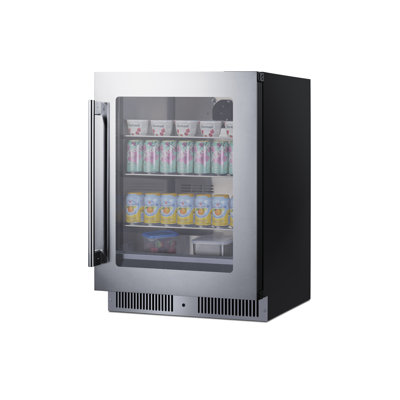
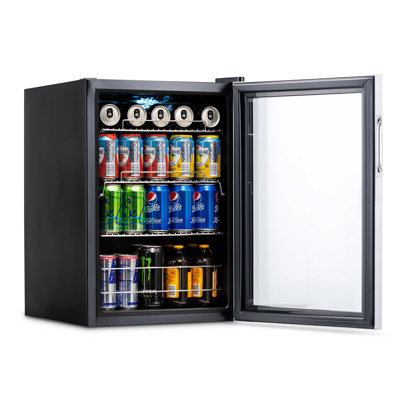
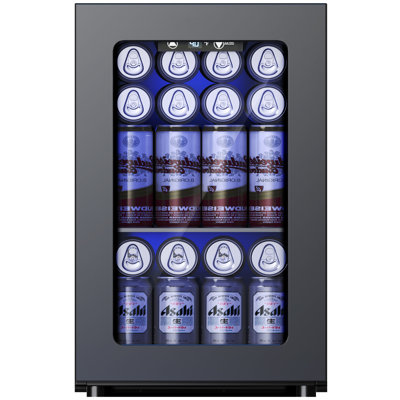
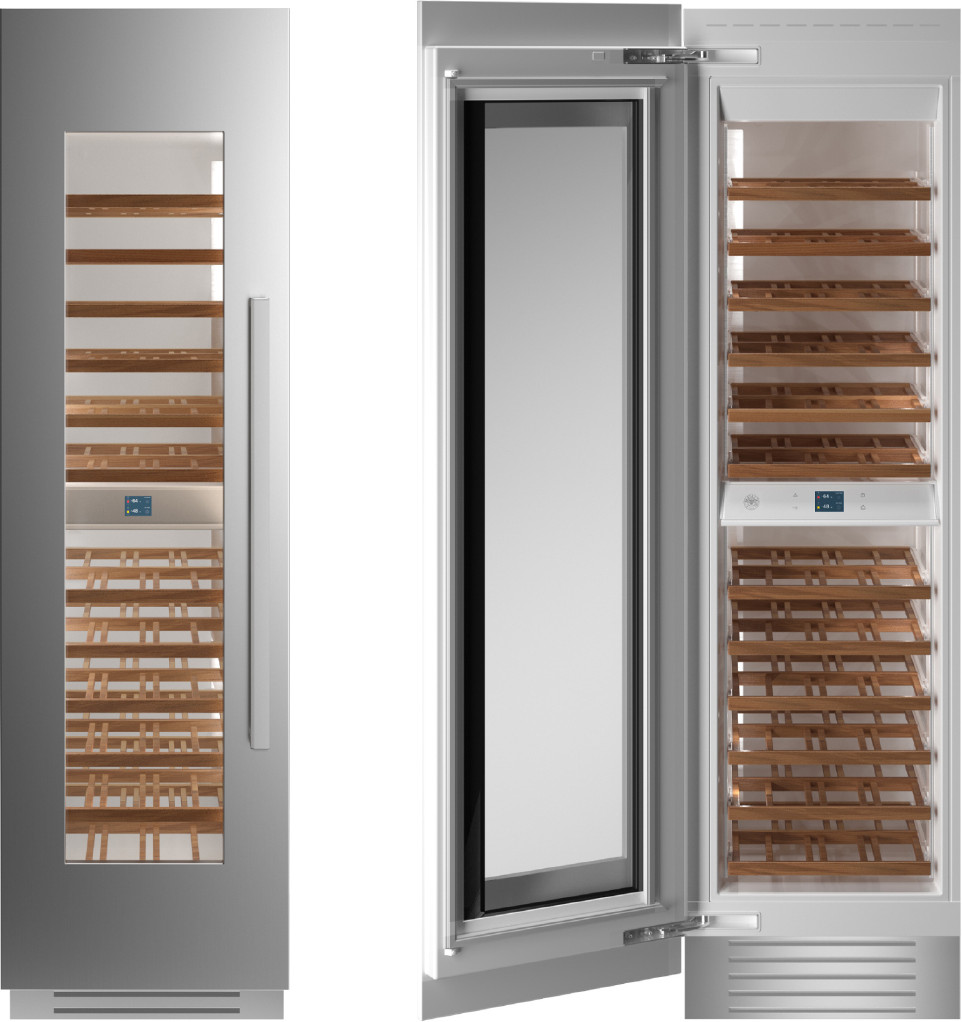
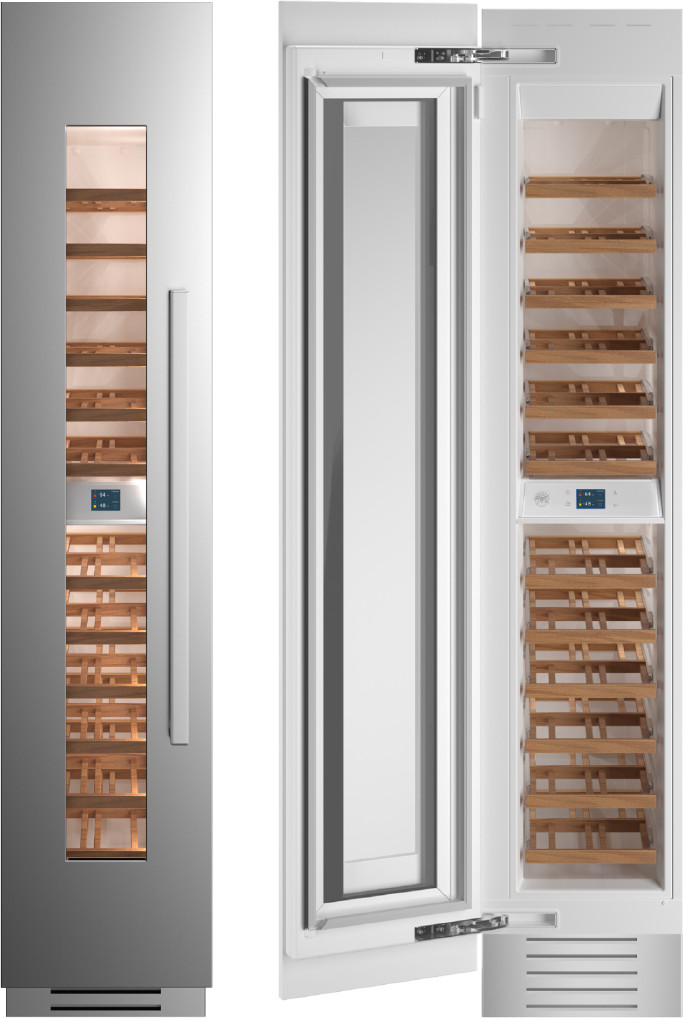
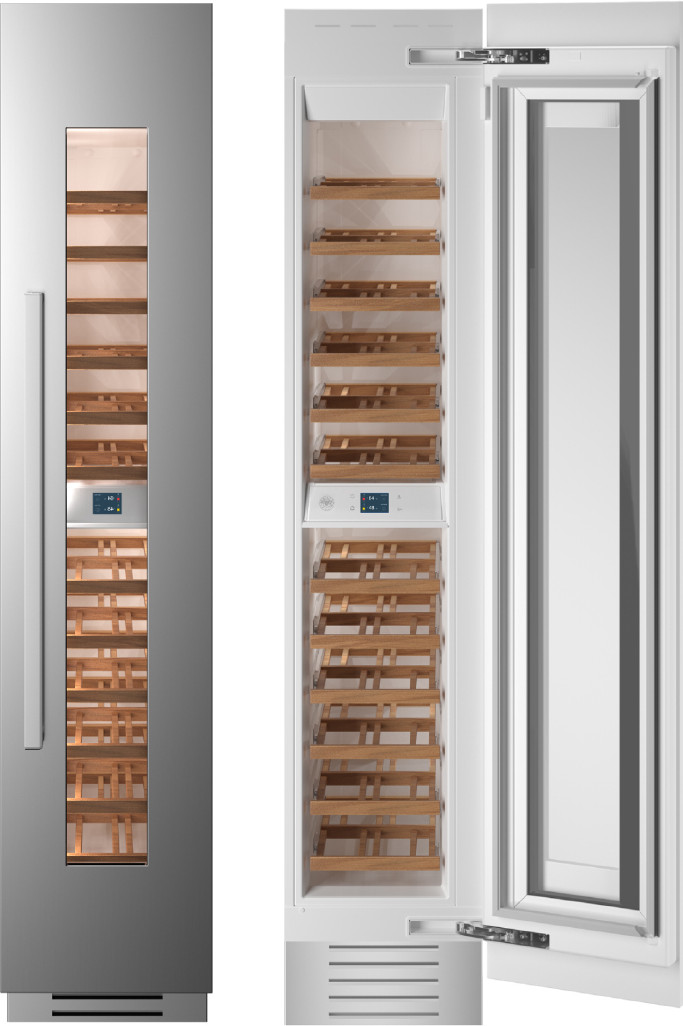
Freestanding wine coolers store wine at controlled temperatures; built-in kegerators keep kegs cold and dispense draft beer, often installed in cabinetry. They serve different purposes and cannot substitute for each other. This guide compares wine coolers and kegerators so you can choose the right appliance for your bar or kitchen.
Freestanding Wine Cooler
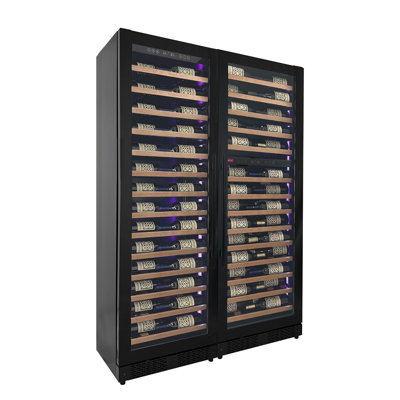
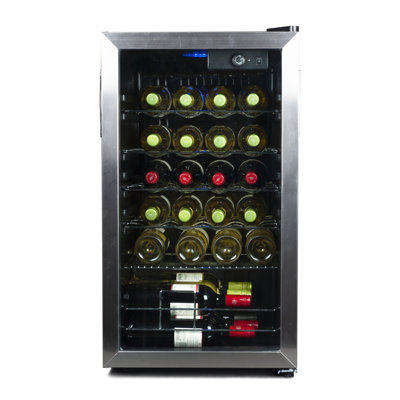
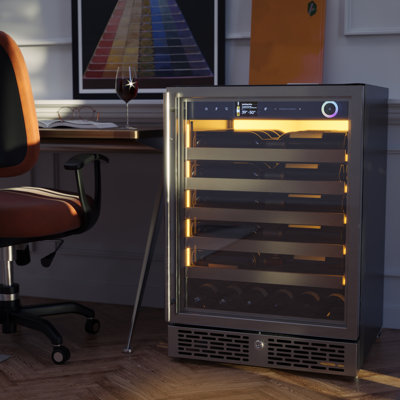
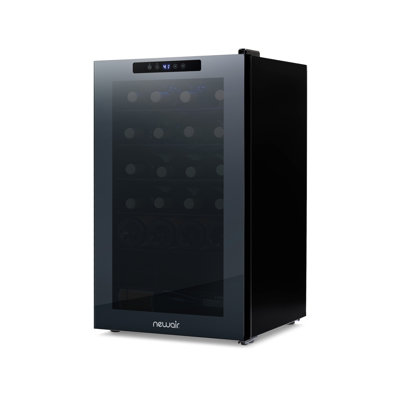
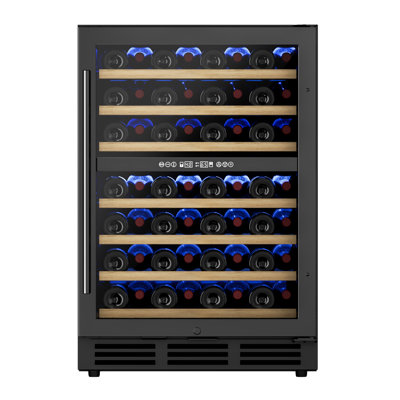
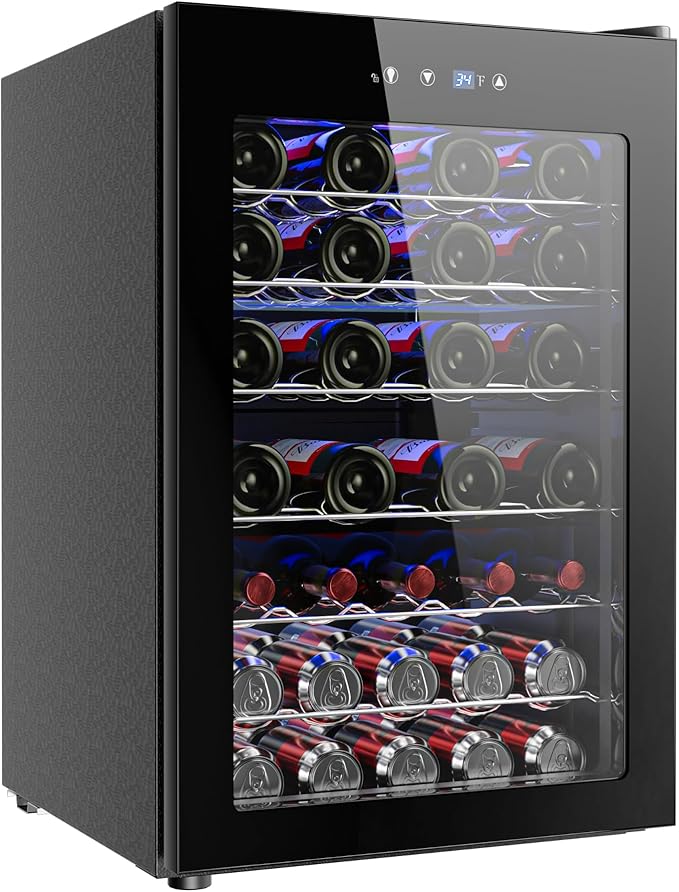
A freestanding wine cooler is a standalone unit that holds wine at 45–65°F (single or dual zone). It does not require a cabinet cutout. It stores bottles only—no draft system. The USDA does not specify wine storage temperatures; wine benefits from consistent storage at 45–50°F for whites and 55–65°F for reds. Storing wine in a standard refrigerator at 38°F over-chills it and can dull flavors.
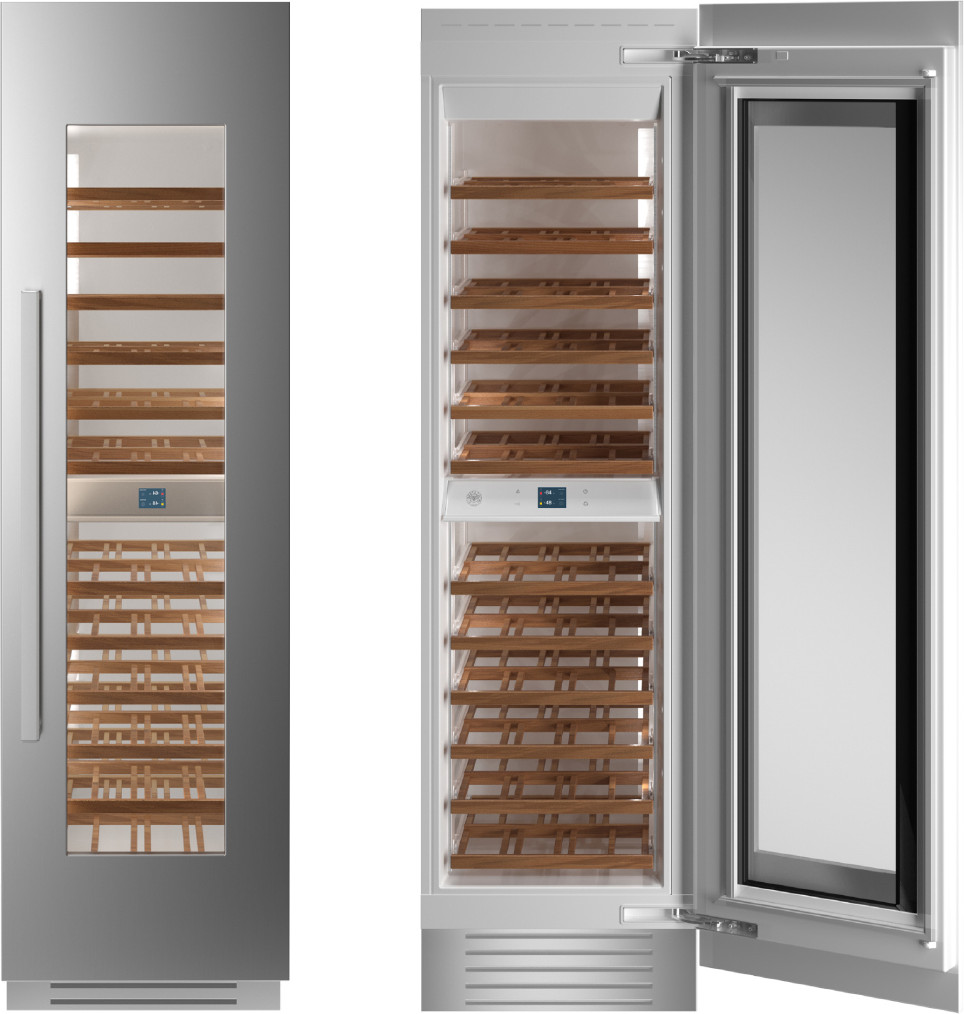
Wine coolers are designed for wine. They maintain the temperatures that suit different wine types—whites at 45–50°F, reds at 55–65°F. Shelving is designed for bottles on their side or at an angle to keep corks moist. They have no freezer and are not suitable for beer cans, soda, or general food. They are a single-purpose appliance. Capacity ranges from 6 to 100+ bottles depending on the model.
Freestanding wine coolers are plug-and-play. You place them where you have space and plug them in. No cabinet modification or professional installation is required. They can be moved if needed. The DOE does not have separate efficiency standards for wine coolers; they may be classified as compact refrigerators. ENERGY STAR certifies some models. Check manufacturer specs for estimated energy use.
Wine coolers typically use 80 to 150 kWh per year depending on size. The EIA reports average electricity prices. At 15 cents per kWh, a 24-bottle unit might cost $15 to $25 per year. They run at warmer temperatures than standard refrigerators, so they use less electricity. Both single-zone and dual-zone models are available; dual-zone lets you set different temperatures for red and white.
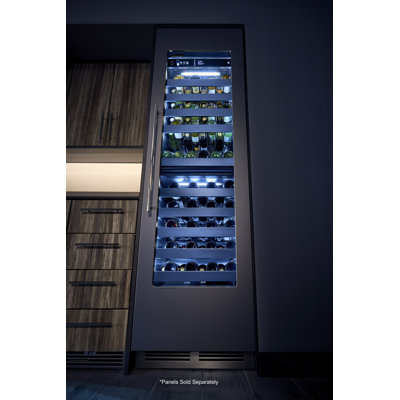
Wine coolers need clearance for ventilation at the back and sides—typically 2 to 4 inches. Avoid direct sunlight and heat sources. They are available in under-counter and full-height configurations. Under-counter models fit in a 34- to 35-inch opening; full-height models need floor space. Both can be moved and replaced without cabinet work.
Built-In Kegerator
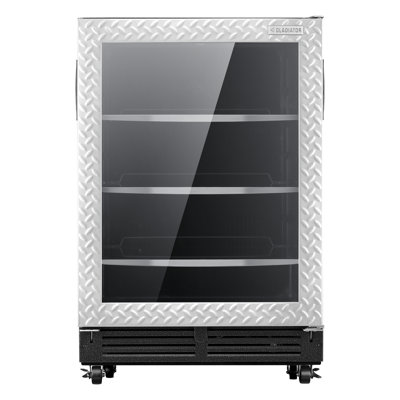
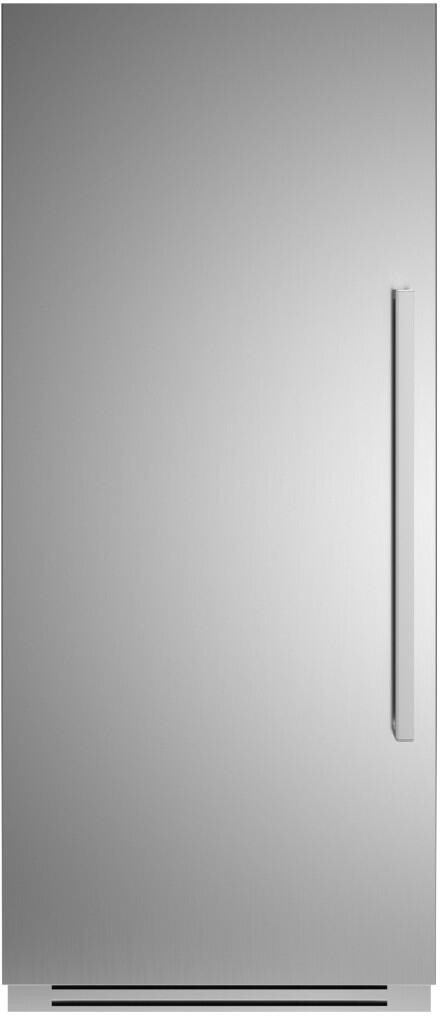
A built-in kegerator fits into a cabinet opening and holds one or more kegs with a tap and CO2 system. It is for draft beer, not wine storage. Installation requires cabinetry and often plumbing for the tap. Kegerators are designed for draft beer enthusiasts who want beer on tap at home. They cannot store wine bottles—the interior is configured for kegs, not bottle shelving.
Kegerators keep beer at serving temperature—typically 38–42°F. They have a CO2 or nitrogen system to dispense beer through a tap. They hold kegs, not bottles. They require maintenance—cleaning lines, checking gas, sanitizing between kegs. They are for draft beer enthusiasts. Beer at 38–42°F is ideal for most styles; wine at that temperature is over-chilled, especially reds.
Built-in kegerators are designed to fit flush with cabinetry. They require a dedicated opening, often front venting, and sometimes a trim kit. Installation is more complex than a freestanding unit. They are a permanent fixture in the bar or kitchen. Front venting allows heat to be rejected from the front so the unit can be enclosed. Replacing one requires finding a unit that fits the same opening or modifying the cabinetry.
Kegerators run at 38–42°F, which aligns with the USDA recommendation of 40°F or below for perishables. Beer is best served cold; wine benefits from warmer storage. The temperature ranges reflect the different purposes. Kegerators typically use more energy than wine coolers because they hold larger volumes and run colder. The DOE does not have separate efficiency standards for kegerators; check manufacturer specs.
Keg sizes vary—half-barrel (15.5 gallons), quarter-barrel (7.75 gallons), and sixth-barrel (5.16 gallons) are common. Match the kegerator capacity to the keg sizes you plan to use. Some units hold one keg; others hold two or more. Consider how often you will change kegs and whether you want multiple taps.
Wine coolers are for wine; kegerators are for beer on tap. If you want both, you need two appliances. They cannot substitute for each other. A bar that serves both wine and draft beer typically has both a wine cooler and a kegerator. Plan for two units if you want to offer both.
You cannot store wine properly in a kegerator—it runs too cold for red wine and is designed for kegs, not bottles. Red wine at 38°F is over-chilled and dulls flavors. You cannot dispense draft beer from a wine cooler—it has no tap or CO2 system. The appliances serve different purposes. Trying to use one for the other's function will not work.
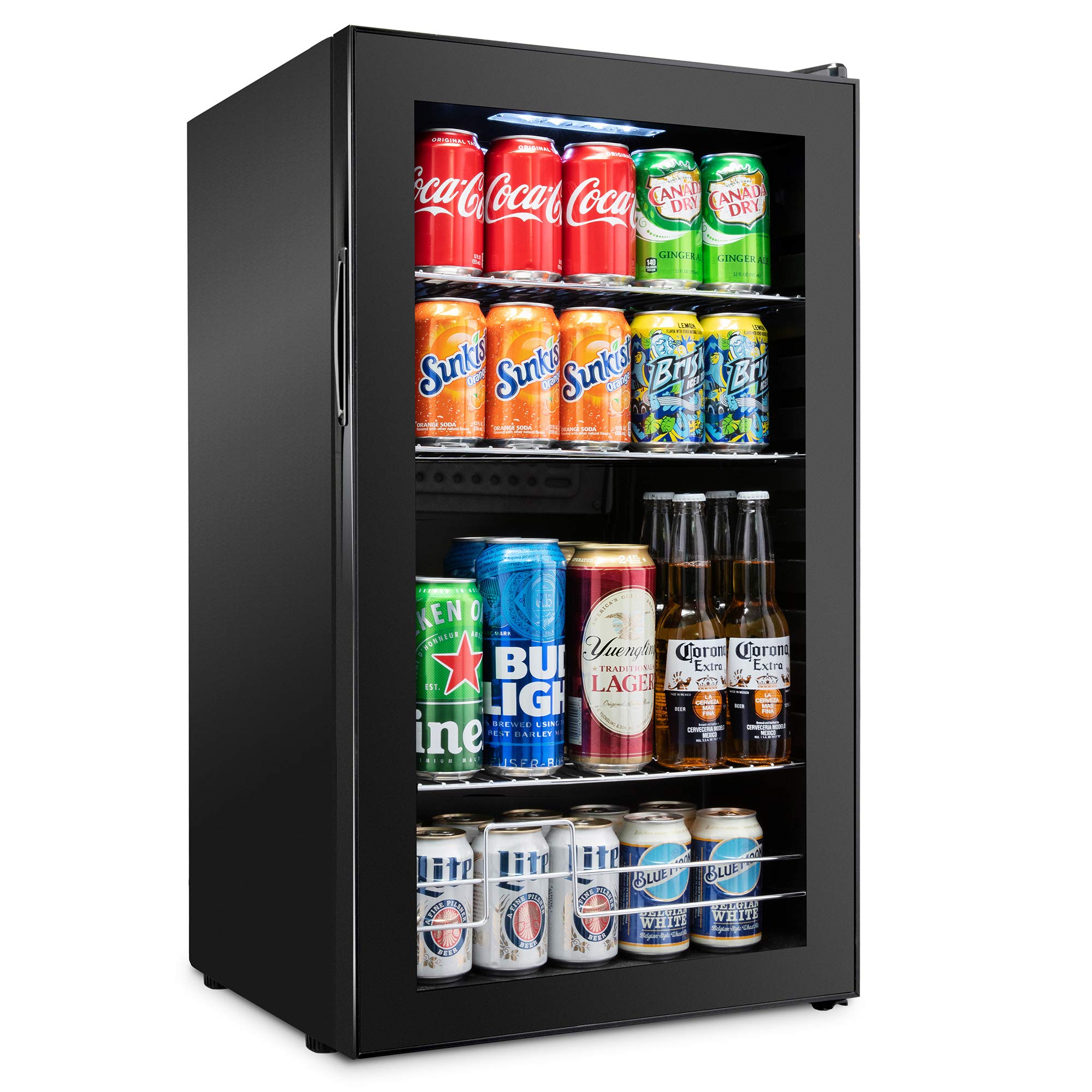
Some beverage refrigerators hold both cans and bottles at cold temperatures. They are not wine coolers (too cold for wine) or kegerators (no draft system). They are general beverage storage at 37–40°F. For proper wine storage at 45–65°F, a wine cooler is the choice. For draft beer on tap, a kegerator is the choice. Match the appliance to what you serve.
Capacity and layout differ. Wine coolers hold 6 to 100+ bottles with shelving designed for bottles. Kegerators hold one or more kegs with a draft system. The interior configurations are not interchangeable. A wine bottle would not fit properly in a kegerator; a keg would not fit in a wine cooler.
Temperature and Storage
Wine coolers run at 45–65°F depending on zone and wine type. Kegerators run at 38–42°F for beer. The USDA recommends 40°F or below for perishables; wine is not highly perishable in the same way. Wine benefits from warmer storage. Beer needs to be cold.
You cannot store wine properly in a kegerator—it is too cold for reds. You cannot store beer kegs in a wine cooler—it has no keg capacity or draft system. Capacity differs: wine coolers hold 6 to 100+ bottles; kegerators hold one or more kegs.
Installation and Ventilation
Freestanding wine coolers are plug-and-play. Built-in kegerators require a cabinet opening, often plumbing for the tap, and professional installation. Wine coolers need clearance for ventilation; kegerators need front venting or the clearance specified in the manual.
Both need adequate airflow. Blocking vents causes overheating and can shorten compressor life. Plan for electrical access and, for kegerators, CO2 tank placement and tap routing.
Wine coolers cost roughly $200 to $1,500 depending on size and features. Kegerators cost more—$500 to $2,000+ for the unit plus installation. Built-in kegerators require cabinetry work and often plumbing, which adds to the total cost. Installation for a built-in kegerator may add $500 to $2,000 or more depending on the project.
The DOE does not have separate efficiency standards for either; check manufacturer specs for energy use. Both run 24/7. Kegerators may use more energy because they hold larger volumes and run at colder temperatures. The EIA reports average electricity prices; at typical rates, a kegerator might use 200 to 400 kWh per year; a wine cooler might use 80 to 150 kWh. Operating cost is one factor in the total cost of ownership.
Maintenance and Longevity
Wine coolers require minimal maintenance—clean the coils periodically, check the door seal. Kegerators require more: clean beer lines between kegs, check CO2 levels, sanitize the system. Neglecting kegerator maintenance can affect beer quality and system performance. Wine coolers are lower maintenance overall.
When to Choose Each
Choose a wine cooler when you want to store wine at proper temperatures. Wine coolers suit wine enthusiasts, dining areas, and bars that focus on wine. They cannot dispense draft beer.
Choose a kegerator when you want draft beer on tap. Kegerators suit bars, game rooms, and households that go through kegs. They cannot store wine properly.
If you want both wine and draft beer, you need both appliances. Plan for two units or prioritize based on what you serve most often.
Freestanding wine coolers are for wine storage; built-in kegerators are for draft beer. Wine coolers hold bottles at 45–65°F; kegerators hold kegs at 38–42°F and dispense through a tap. They serve different purposes. Choose by what you want to serve. If you want both wine and draft beer, you need both appliances. For more help comparing models and current prices, you can browse wine coolers and kegerators.
Frequently Asked Questions
A wine cooler stores wine at 45–65°F. It has no draft system, tap, or CO2; it is for bottle storage only. It keeps wine at serving or storage temperature.
From Fridge.com research
Figures below come from data Fridge.com builds and maintains. Each links to the record behind it.
Fridge.com Energy Index, built on U.S. EPA and DOE ENERGY STAR records
Across 122 ENERGY STAR certified compact cooler models, median use is 134 kWh per year — 32% better than the federal standard.