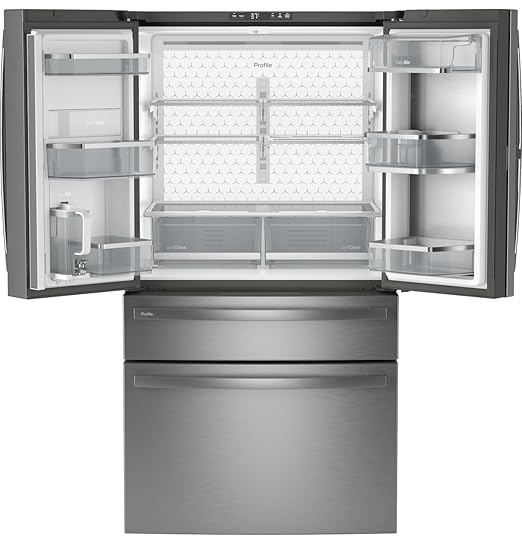
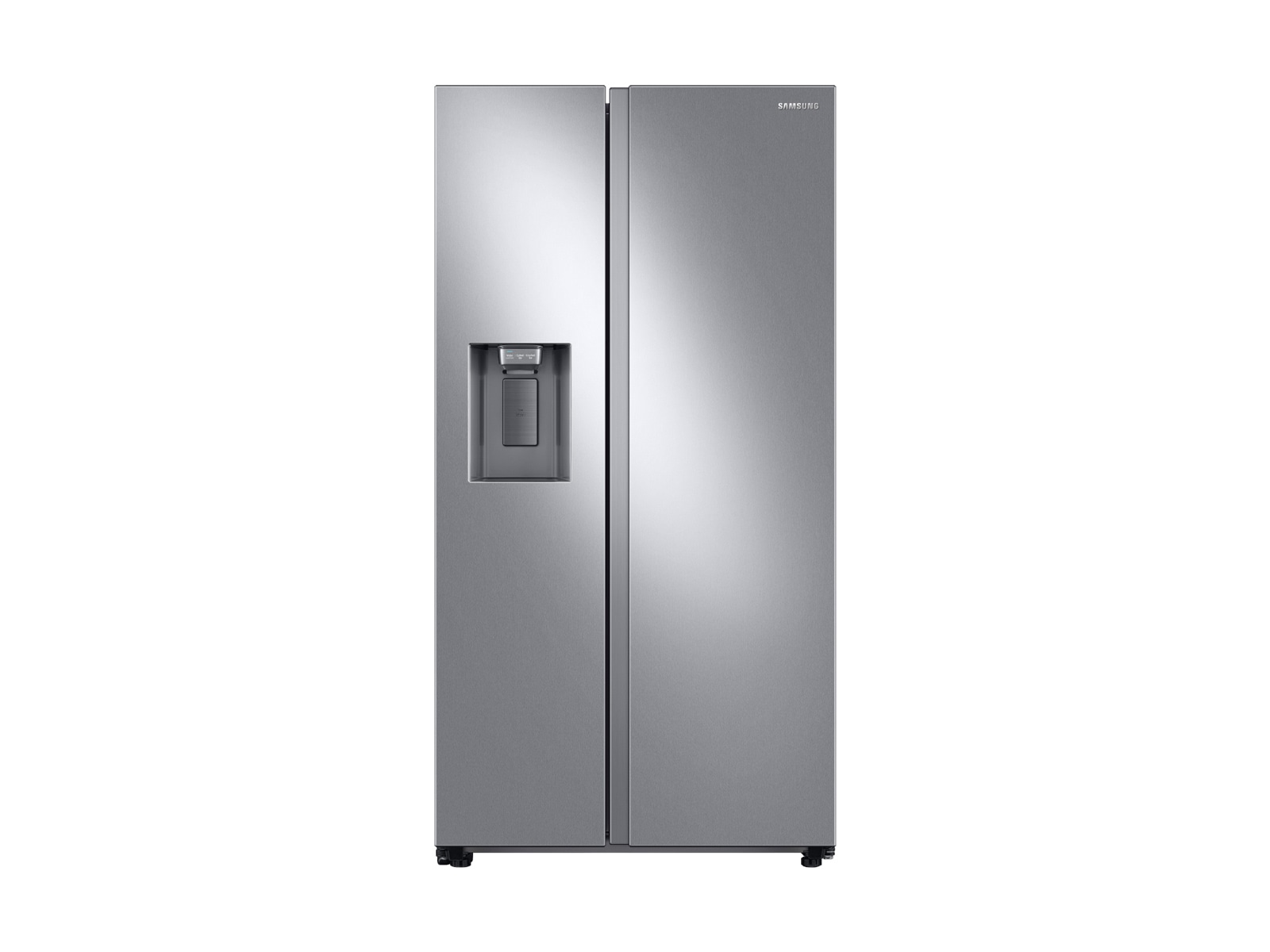
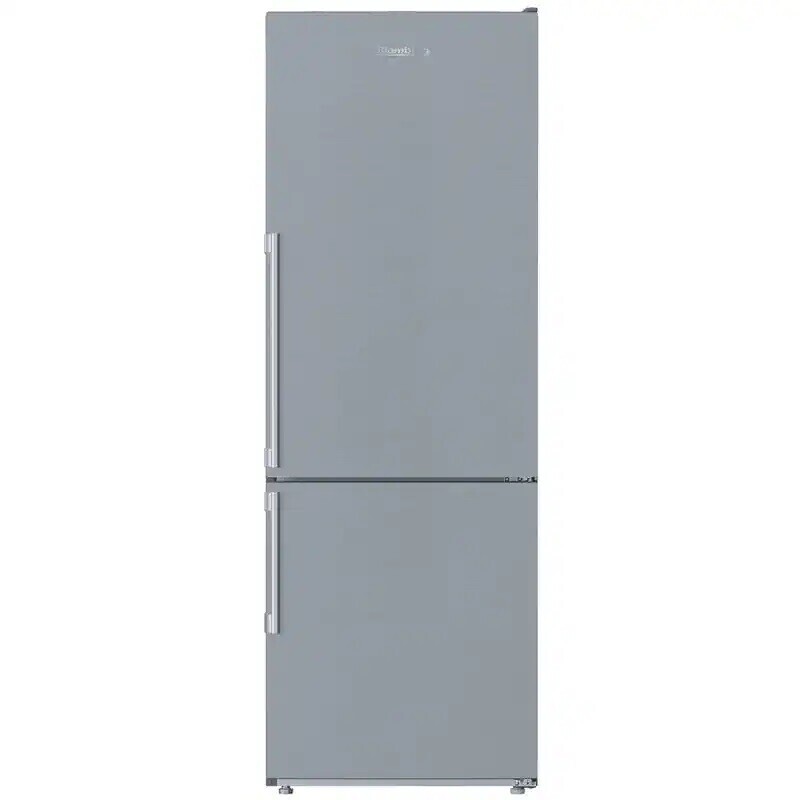
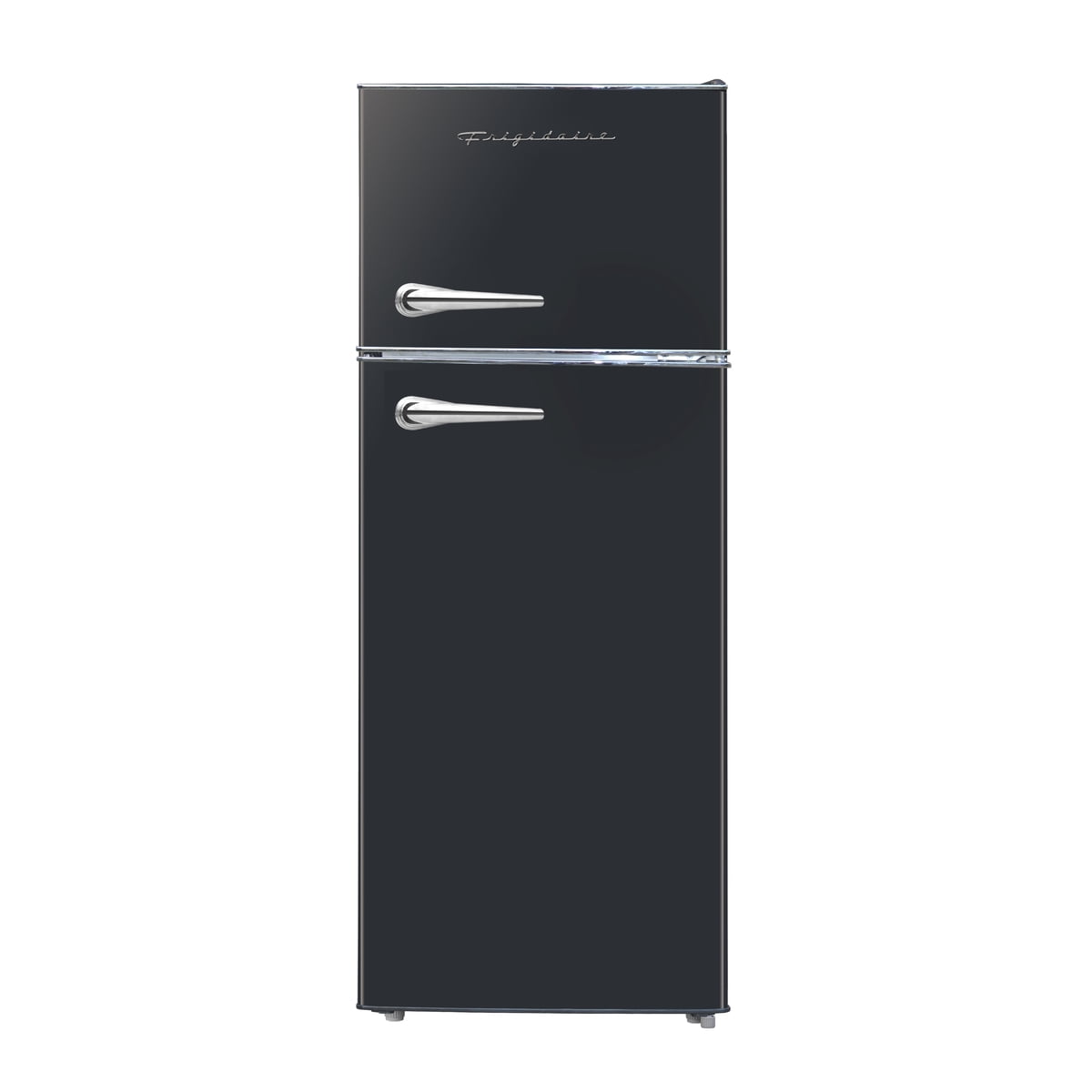
Foods you can put in the fridge include dairy, fresh fruits and vegetables, raw and cooked meat, seafood, eggs, condiments, drinks, baked goods and leftovers — nearly everything keeps longer and safer when it is stored between 32°F and 40°F (0°C to 4°C). Refrigeration slows the bacteria, mold and yeast that spoil food, so milk lasts 5–7 days after opening, cooked chicken holds 3–4 days, raw fish keeps 1–2 days and hard cheese stays good for weeks. This guide covers exactly what belongs in the fridge, where to place it, how long it keeps, which foods to keep out of the cold, and what to move to the freezer instead.
Why Proper Food Storage Matters
Storing food correctly is the difference between fresh, safe meals and wasted groceries. A cold fridge curbs the microbes that cause spoilage and foodborne illness, keeps produce crisp, and protects the money you spent at the store. Here is why proper storage is worth the effort:
Reason
What's the Deal?
Safety First
Cold temperatures slow the bacteria that cause foodborne illness.
Freshness
Chilled food holds its texture, flavor and nutrients longer.
Less Waste
Fewer spoiled items means less food (and money) in the trash.
Where you place food inside the fridge matters as much as whether you refrigerate it at all. Raw meat belongs on the bottom shelf so its juices can't drip onto ready-to-eat food, dairy sits in the consistently cold middle, and the door — the warmest zone — is best reserved for condiments. Use this quick map:
Food Item
Ideal Storage Spot
Raw Meat
Bottom shelf
Dairy Products
Middle shelf
Fruits
Crisper drawer
Cooked Foods
Top shelf
Condiments
Door shelves
Fridge Temperatures
Keep the refrigerator between 32°F and 40°F (0°C to 4°C) to hold bacteria growth to a minimum. Different foods have their own sweet spots within that range:
Food Type
Ideal Temperature (°F)
Fresh Meat
32°F - 34°F
Dairy Products
34°F - 40°F
Fruits
34°F - 38°F
Vegetables
34°F - 40°F
Check the temperature with a fridge thermometer now and then; the built-in dial isn't always accurate. For more, see what temperature should my fridge be?
Using the Drawers
Modern fridges include specialized drawers — use them for what they do best:
Crisper drawers keep fruits and vegetables crisp and humid.
Meat drawers run slightly colder, which is exactly what raw meat needs.
Dairy drawers sit a touch warmer, ideal for cheese and butter.
Want to know which compartment does what? Read up on refrigerator parts.
Dairy is a fridge staple, but each product has its own shelf life. Store milk in the main body of the fridge (not the door) so it stays cold and fresh.
Cheese lasts anywhere from one week to over a month depending on the type. Wrap it tightly in parchment or store it in an airtight container to keep it in prime condition.
Refrigerating produce preserves both texture and nutrition — but not every fruit or vegetable belongs in the cold (see the section on foods to keep out of the fridge below). These favorites all keep best chilled.
Fruits That Should Be Refrigerated
Berries — strawberries, blueberries and raspberries — last far longer chilled; hold off washing them until you're ready to eat to avoid mold. Citrus such as oranges, lemons and limes also keeps its juiciness in the fridge, as do apples, grapes and cherries.
Fruit Type
How Long It Lasts in the Fridge
Strawberries
3-7 days
Blueberries
1-2 weeks
Raspberries
3-7 days
Oranges
1-2 weeks
Lemons
2-3 weeks
Apples
2-4 weeks
Leafy Greens and Herbs
Spinach, kale and romaine lettuce keep well in the fridge with a light wash and dry, no-drip storage. Tender herbs like cilantro, parsley and basil last longest wrapped in a slightly damp towel or stood upright in a jar of water.
Green Type
How Long It Lasts in the Fridge
Spinach
3-5 days
Kale
5-7 days
Romaine Lettuce
5-7 days
Cilantro
7-10 days
Basil
4-7 days
Root Vegetables and Tubers
Carrots love the cold, while potatoes and onions keep best in a dark, cool cupboard rather than the fridge. Store onions and potatoes apart — onions can make potatoes sprout faster.
Vegetable Type
How Long It Lasts in the Fridge
Carrots
2-3 weeks
Potatoes
1-2 weeks (ideally in a dark place)
Onions
1-2 months (best in a cool, dark place)
Meat and Protein
Raw meat, poultry, seafood and eggs are among the most perishable foods in the kitchen, so timing matters. Keep them on the bottom shelf and use or freeze them before they turn.
Poultry and Eggs
Food Item
Storage Duration (in the fridge)
Fresh Chicken (whole)
1 - 2 days
Fresh Chicken (cut parts)
1 - 2 days
Fresh Turkey (whole)
1 - 2 days
Fresh Turkey (cut parts)
1 - 2 days
Cooked Chicken
3 - 4 days
Eggs (raw)
3 - 5 weeks
Boiled Eggs
1 week
Beef, Pork and Ground Meat
Raw beef, pork and ground meat are among the most perishable foods in the kitchen, so keep them in their original packaging on the bottom shelf — where juices can't drip onto ready-to-eat food — and cook or freeze them before they turn. For longer storage the freezer buys months of extra life: ground beef keeps 3–4 months, pork chops 4–6 months and steak 6–12 months frozen (see the freezing times below). For how long cooked ground beef keeps once it's chilled, see how long does cooked ground beef last in the fridge?; for cured cuts, see how long does bacon last in the fridge?
Seafood Selections
Fresh fish and shellfish are best cooked within a day or two of purchase. If you can't use them in time, freeze them promptly.
Food Item
Storage Duration (in the fridge)
Fresh Fish (whole)
1 - 2 days
Fresh Fish (fillets)
1 - 2 days
Cooked Fish
3 - 4 days
Shellfish (shrimp, clams, etc.)
1 - 2 days
Cooked Shellfish
3 - 4 days
Plant-Based Protein Options
Plant-based proteins belong in the fridge too, and most last longer than fresh meat once opened.
The fridge is also home to the condiments and drinks that round out a meal. Chilling them once opened protects both flavor and shelf life.
Salad Dressings and Sauces
Refrigerate dressings and sauces after opening. Check the label for expiry dates and discard anything with an off smell.
Type of Dressing/Sauce
Chill Time in Fridge
Creamy Dressings (like ranch, Caesar)
1 month after opening
Vinaigrettes (like balsamic)
1-2 months after opening
Specialty Sauces (like teriyaki, sriracha)
6 months after opening
Juices and Beverages
Unopened juices can sit on the counter, but once opened they go in the fridge to stay fresh. Watch the "Best By" date and give juice a shake before pouring.
Type of Juice/Beverage
Fridge Lifespan After Opening
Fresh Squeezed Juice
3-5 days
Store-Bought Juice
7-10 days
Soft Drinks and Beers
3-4 months
Pickles and Olives
Thanks to their briny liquid, pickles and olives stay crunchy and flavorful for weeks in the fridge. Keep lids tight and watch for any off smell or appearance.
Baked goods and leftovers each have their own rules. Cold air keeps some items fresh but dries others out, so wrap everything snugly.
Bakery Items
Bakery Item
Refrigerate?
Shelf Life in Fridge
Bread (whole loaf)
Yes
Up to 1 week
Bread (sliced)
Yes
Up to 1 week
Pastries (croissants, danishes)
Yes
Up to 5 days
Cakes (unfrosted)
No
Up to 1 week at room temp
Cakes (frosted)
Yes
Up to 1 week
Muffins
Yes
Up to 5 days
Cookies
Yes
Up to 1 week
Note that plain bread actually stales faster in the fridge; refrigerate it only if you need to slow mold in a warm kitchen, and freeze it for longer storage.
Leftover Management
Handle leftovers safely with these four steps:
Store promptly: refrigerate leftovers within two hours of cooking to keep bacteria at bay.
Use airtight containers: they lock in freshness and stop odors from spreading through the fridge.
Label and date: mark each container so you know what to eat first.
Reheat safely: heat leftovers to at least 165°F before eating.
Check labels now and then — a few condiments do ask to be refrigerated after opening.
Foods You Can Put in the Freezer
When the fridge isn't enough, the freezer extends storage from days to months by halting bacteria, mold and yeast entirely. Wrap everything airtight to keep out the air that causes freezer burn, and freeze in meal-sized portions so you only thaw what you need.
Freezing Vegetables
Blanch most vegetables (a quick boil, then an ice bath) before freezing to lock in color, texture and nutrients.
Some foods turn soggy, grainy or separated after thawing. Enjoy these fresh instead:
High-water produce — lettuce, cucumbers, watermelon and whole tomatoes turn limp and watery.
Raw potatoes — become grainy and lose their bite (blanch or cook them first).
Creamy dairy and emulsions — cream, plain yogurt, mayonnaise and dairy-based sauces separate or curdle. Frozen dairy is best reserved for cooking rather than eating straight.
Thawing and Reheating
How you thaw matters as much as how you freeze. Never thaw perishable food on the counter, and never refreeze food that has fully thawed.
Method
Best For
Refrigerator Thawing
Meats — thaw overnight and use within a couple of days
Cold Water Thawing
Sealed foods — submerge in cold water to speed things up
Microwave Thawing
Individual portions — cook immediately after defrosting
An organized fridge means less wasted food and faster meals. Group items by category, contain them in bins, and clean on a schedule.
Categorize and Contain
Give each type of food a home — dairy in one spot, produce in the crispers, snacks in a bin — so nothing gets lost behind a jar and forgotten. Rotate older items to the front and newer purchases to the back so you use things before they expire. For small-space setups, see tips for using your dorm smart fridge, and to size up your next appliance, read fridge factors: how to decide.
Cleaning and Maintenance
Frequency
Task
Weekly
Toss expired items and wipe down shelves
Monthly
Deep-clean every corner and sanitize surfaces
Seasonally
Check the temperature and inspect the door seals
Regular cleaning keeps odors down, and checking the door seals stops cold air from escaping and driving up your energy bill.
Frequently Asked Questions
What temperature should my fridge be?
Keep the refrigerator at or below 40°F (4°C) — ideally between 32°F and 40°F (0°C to 4°C). This range slows bacteria while keeping food from freezing. Check it with a fridge thermometer, and see what temperature should my fridge be? for details.
Which fruits should be refrigerated?
Berries, cherries, grapes, apples and cut citrus all keep longest in the fridge. Bananas, whole tomatoes and avocados do better at room temperature, where avocados can ripen.
How long does cooked chicken last in the fridge?
Cooked chicken keeps 3–4 days in the refrigerator when stored in an airtight container. Reheat it to 165°F before serving, and freeze it if you won't eat it within that window.
How long does ground beef last in the fridge?
Raw ground beef is among the most perishable foods in the kitchen, so store it on the bottom shelf and cook or freeze it before it turns — frozen, it keeps 3–4 months. For its exact fridge shelf life once cooked, see how long does cooked ground beef last in the fridge?
How long do leftovers last in the fridge?
Most cooked leftovers — poultry, meat, soups, stews and pizza — stay safe for 3–4 days, and cooked vegetables for 3–5 days. Refrigerate them within two hours of cooking.
Which foods should not go in the fridge?
Bananas, whole tomatoes, potatoes, onions, garlic and unripe avocados keep better outside the fridge, as do olive oil, honey, vinegar and soy sauce. Cold air dulls their flavor, texture or ripening.
Can you freeze dairy?
Yes. Milk freezes for about 1 month (leave headspace for expansion), shredded cheese for 6 months and butter for 6–9 months. Thawed milk and cheese are best used in cooking, since freezing can change their texture.
What foods should not be frozen?
High-water produce (lettuce, cucumbers, watermelon), raw potatoes, and creamy items like cream, plain yogurt and mayonnaise don't freeze well — they turn watery, grainy or separated after thawing.
Where should raw meat go in the fridge?
Store raw meat on the bottom shelf in its original packaging or a sealed container, so any juices can't drip onto ready-to-eat food above it.
Compare prices on Fridge.com
Compare current prices and specifications on Fridge.com, then buy from the retailer you choose; delivery, installation and warranty terms are the retailer’s.
Shop the world's best brands at Fridge.com, your home for every type of residential refrigerator and freezer, plus articles to help you get the most out of your kitchen.
Frequently Asked Questions
Keep the refrigerator at or below 40°F (4°C) — ideally between 32°F and 40°F (0°C to 4°C). This range slows bacteria while keeping food from freezing. Check it with a fridge thermometer, and see what temperature should my fridge be? for details.