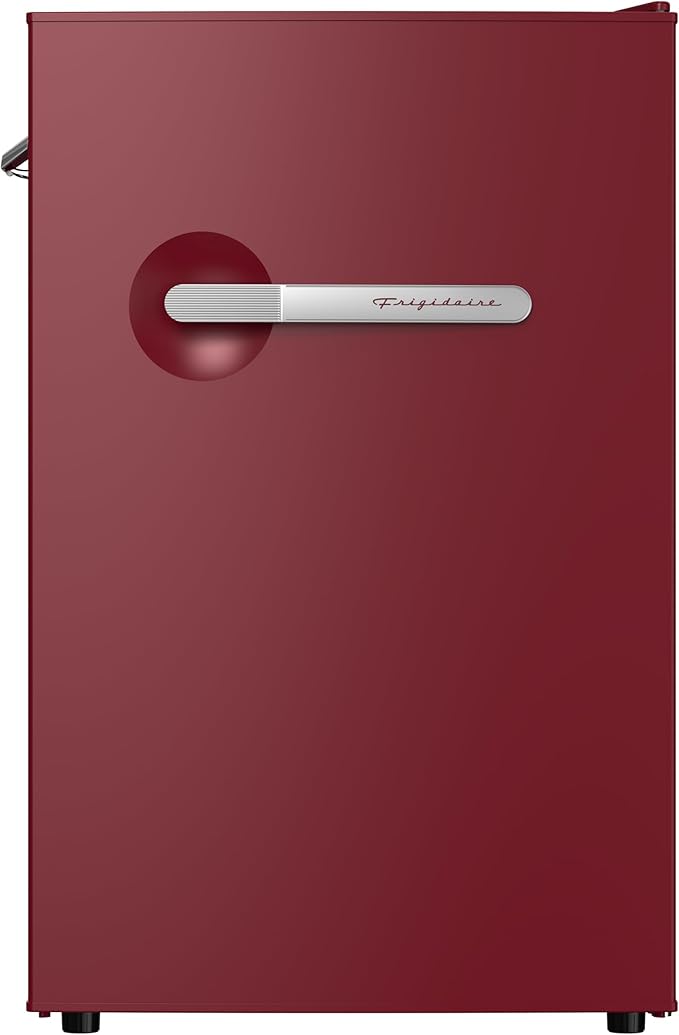
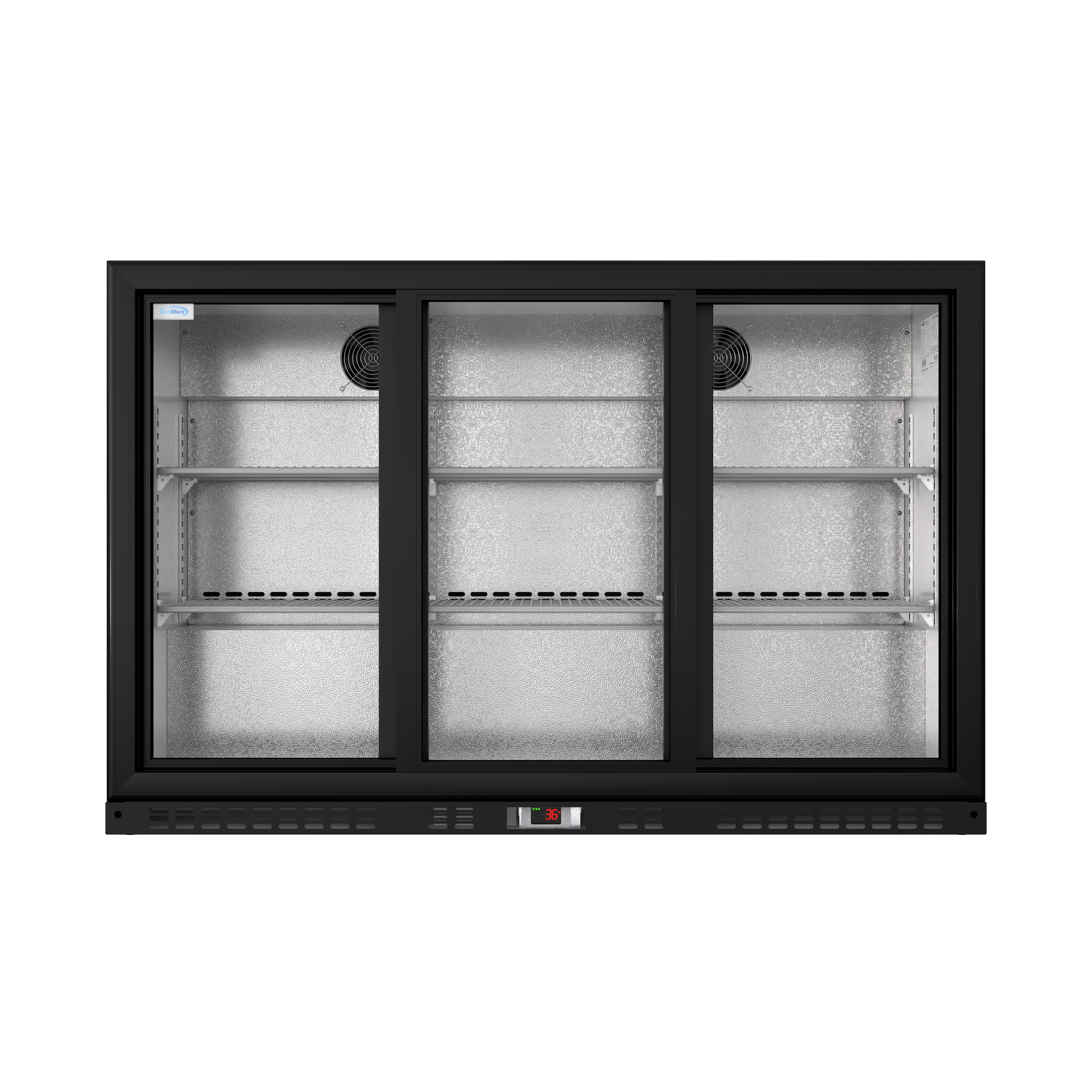
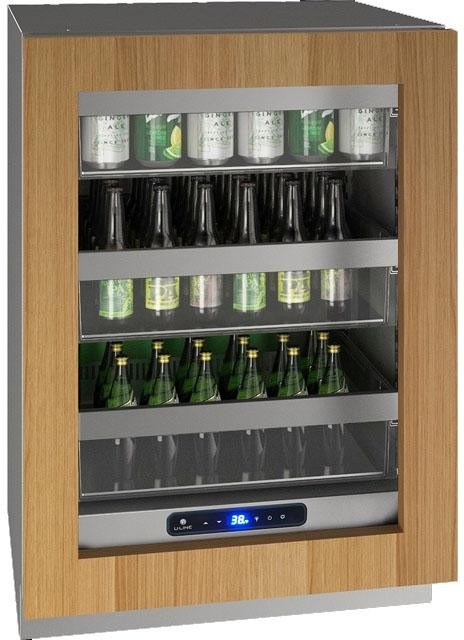
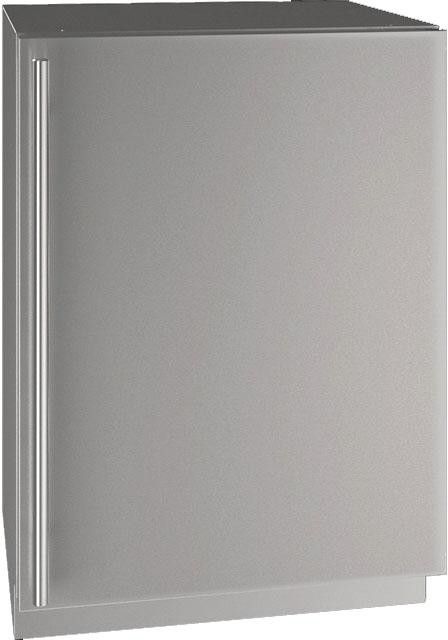
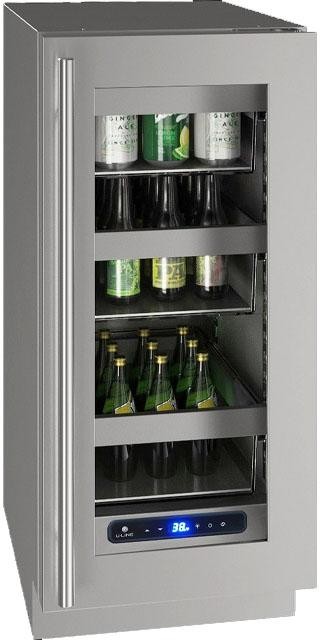
A beverage center and an energy-efficient refrigerator solve two different cooling problems. A beverage center is a compact drink cooler — typically 1.5 to 5 cubic feet, holding 60 to 150 cans behind a glass door at 34°F to 64°F — while an energy-efficient refrigerator is a full-size kitchen appliance of 18 to 28 cubic feet that stores all fresh and frozen food at the lowest operating cost available for its size, roughly 300 to 600 kWh per year for Energy Star models. This guide compares their capacity, cooling technology, temperature control, energy consumption, and total cost of ownership so you can decide which one — or whether both — belongs in your home.
Beverage Center
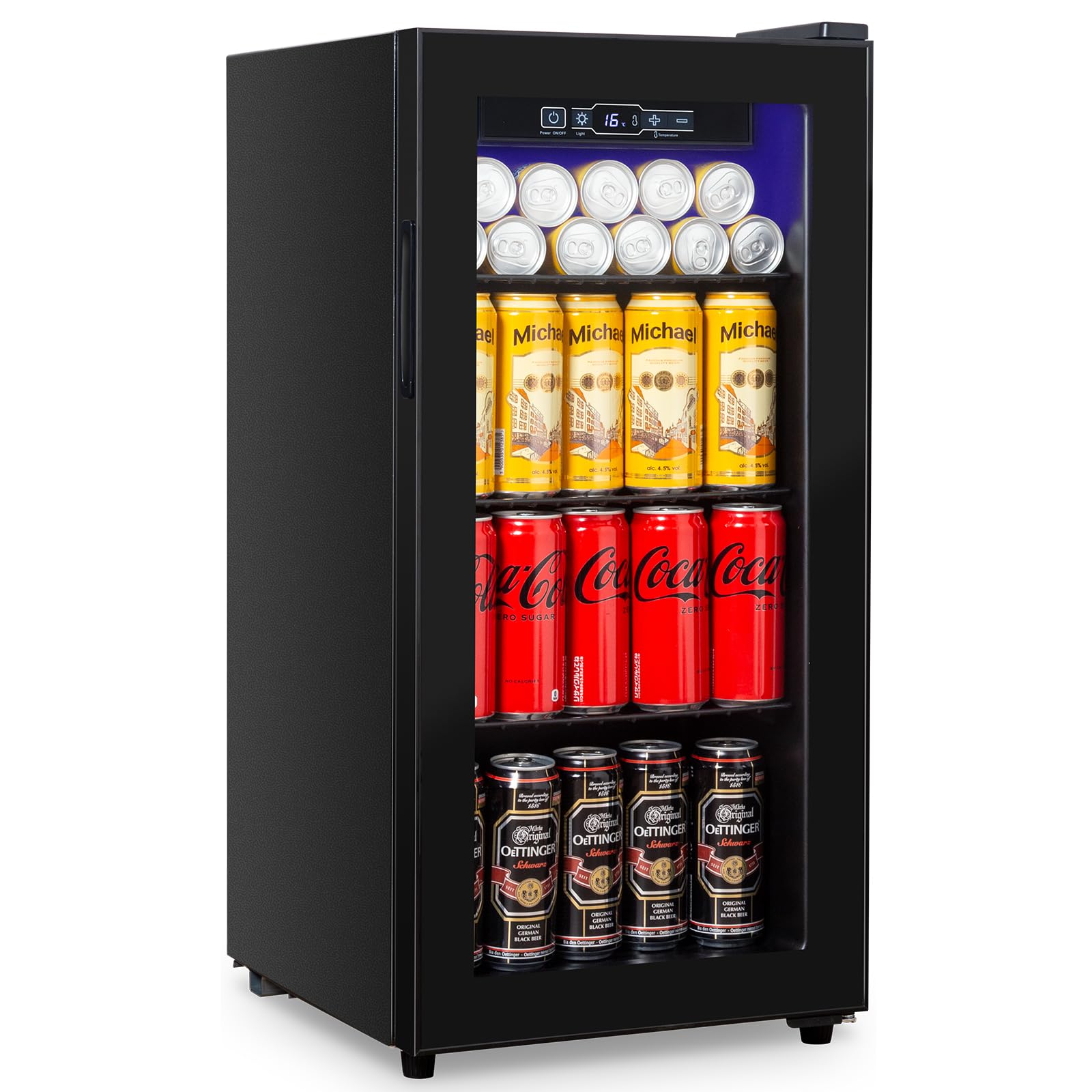
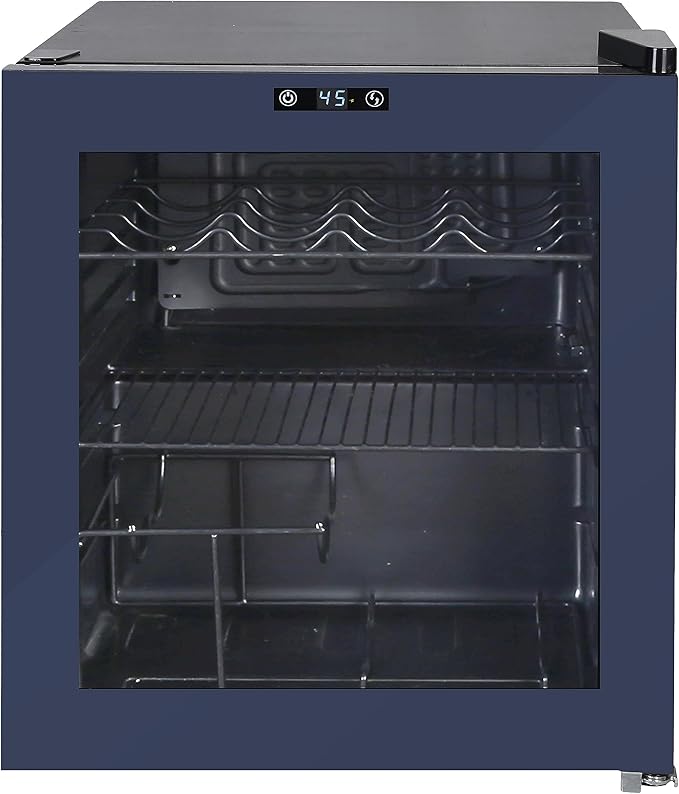
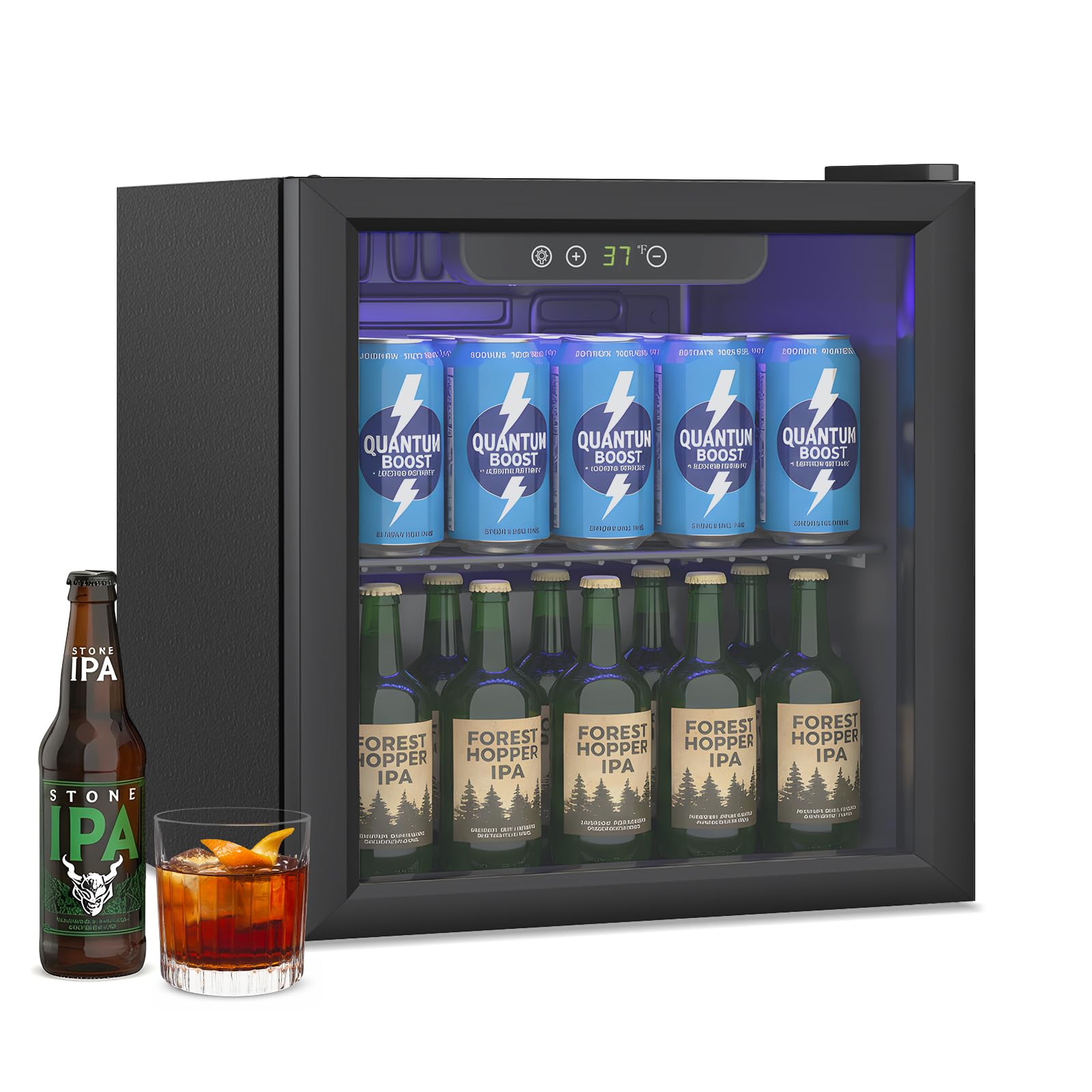
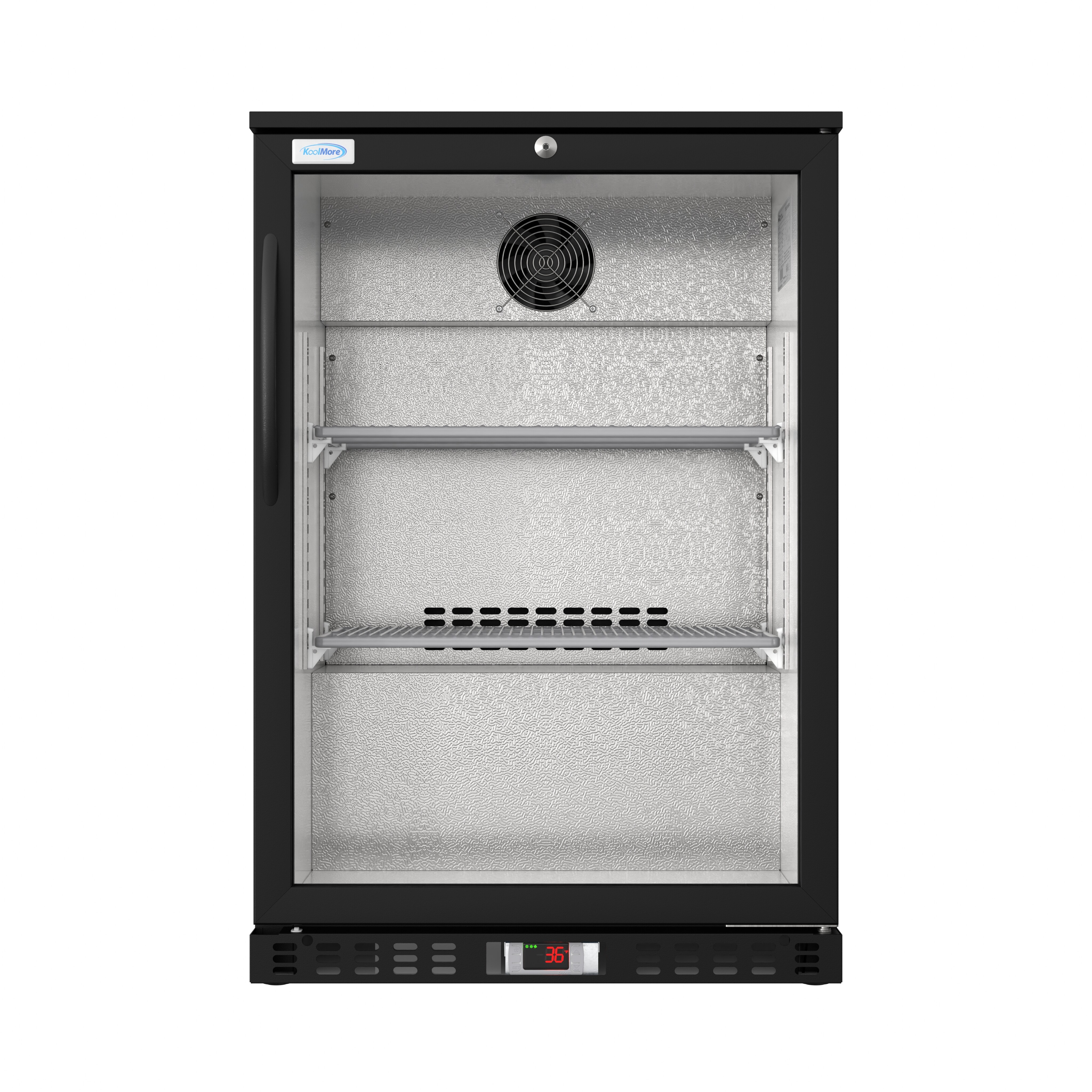
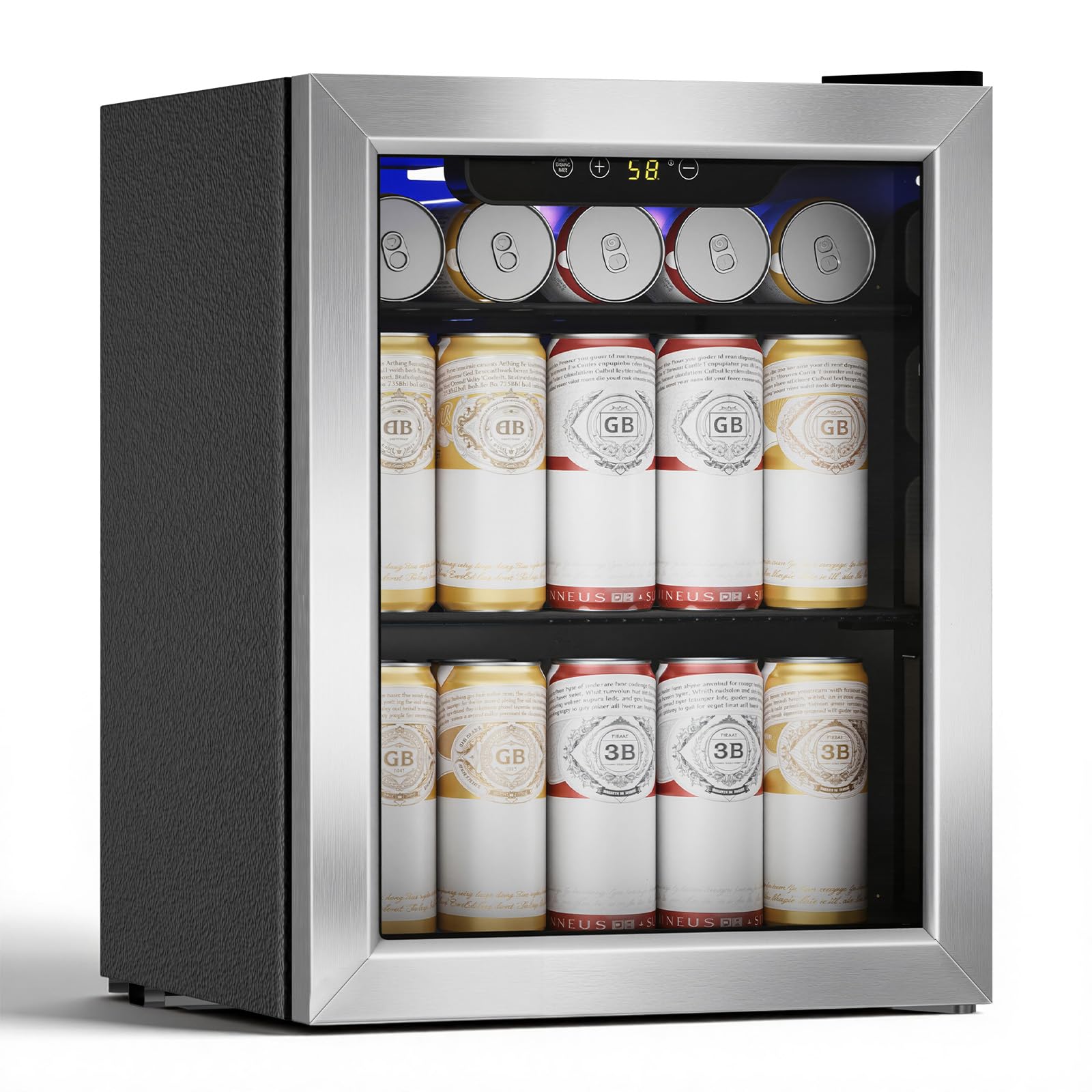
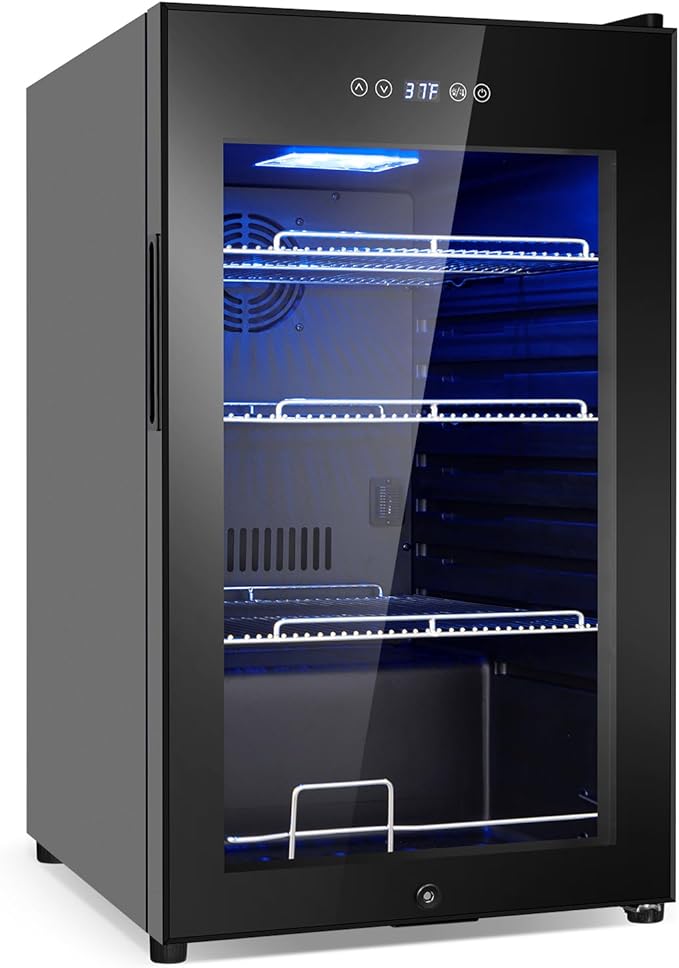
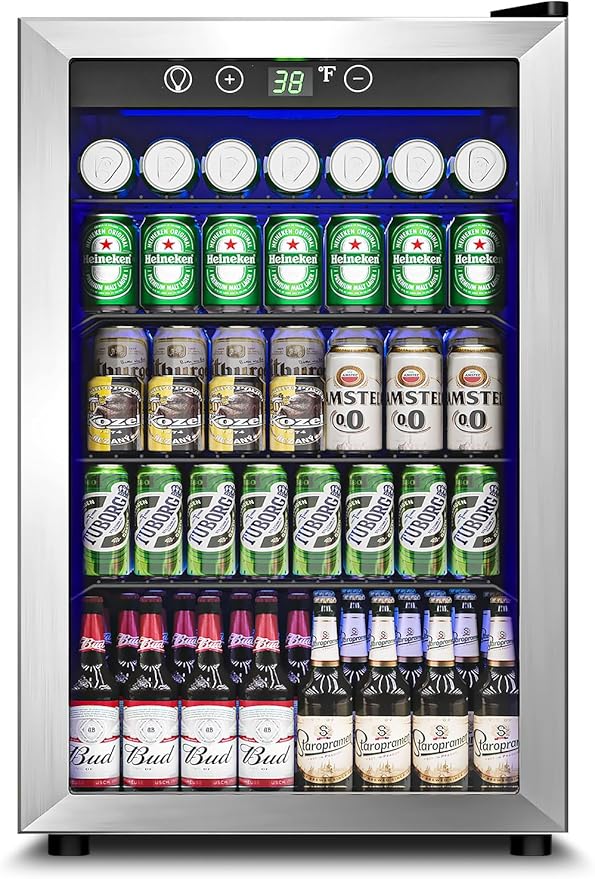
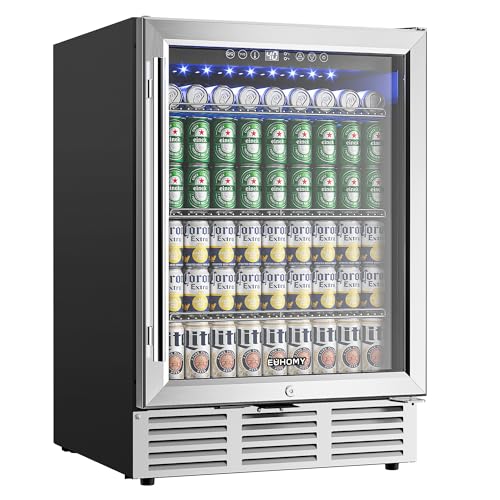
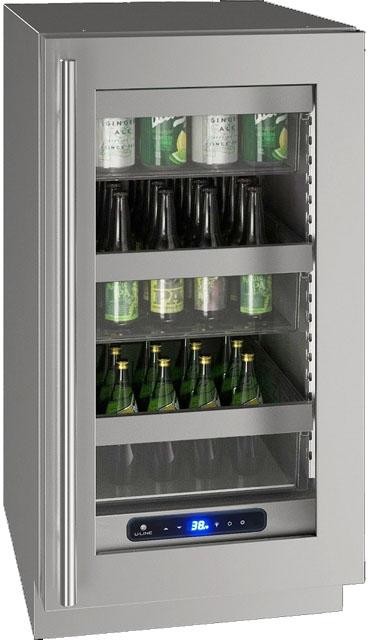
A beverage center is specifically designed to store and cool beverages. It typically features a sleek design with glass doors, making it easy to see and access your drinks. Beverage centers often come with adjustable shelving to accommodate various bottle sizes and can maintain different temperature zones for different types of beverages.
Feature
Description
Purpose
Primarily for storing beverages
Design
Glass doors, compact size
Temperature Zones
Multiple zones for different beverages
Shelving
Adjustable to fit various bottle sizes
Energy-Efficient Refrigerator
An energy-efficient refrigerator is designed to minimize energy consumption while providing optimal cooling for all types of food and beverages. These refrigerators are equipped with advanced insulation, energy-saving compressors, and smart technology to reduce energy use and lower electricity bills.
Feature
Description
Purpose
General food and beverage storage
Design
Traditional fridge design
Smart Features
Often includes energy-saving technology
A beverage center is ideal for those who require a dedicated space for drinks, while an energy-efficient refrigerator is better suited for overall food storage with an emphasis on reducing energy bills. For more comparisons on different types of refrigerators, check out reach in refrigerator Vs. tall refrigerator or see how a built in beverage center Vs. convertible refrigerator compares in functionality and design.
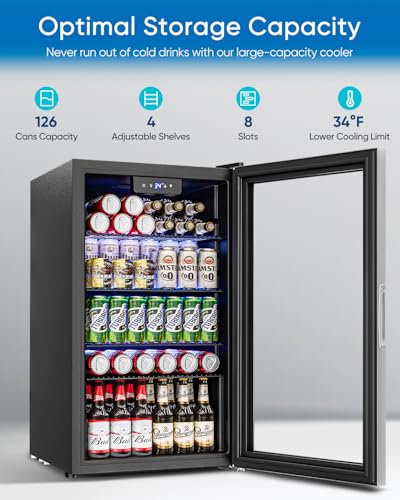
A beverage center is designed to store and cool drinks, offering a convenient solution for homeowners, offices, and entertainment spaces. Unlike a standard refrigerator, a beverage center typically has adjustable shelving to accommodate various bottle and can sizes, allowing for organized storage of sodas, water, wine, and other drinks.
Beverage centers often include features such as:
Adjustable temperature controls
LED lighting for visibility
Glass doors for easy viewing
Shelves specifically designed for bottles and cans
Design and Layout
Most beverage centers have a compact design, making them suitable for installation in kitchens, home bars, basements, or offices. Key design elements include:
Glass Doors: Many beverage centers feature glass doors with UV protection, allowing you to see the contents without opening the door and letting cold air escape.
Adjustable Shelves: The shelves are often adjustable or removable, enabling you to customize the storage space based on your needs. This feature is particularly useful for storing larger bottles or a variety of drink sizes.
Temperature Zones: Some models offer dual temperature zones, which allow you to store different types of beverages at their ideal temperatures. For example, you can keep wine at one temperature and sodas at another.
Compact Size: Beverage centers are designed to fit into smaller spaces, making them ideal for under-counter installations or as standalone units in a home bar or entertainment area.
Energy efficiency ratings are essential to consider when selecting an energy-efficient refrigerator. These ratings are typically provided by organizations such as Energy Star, which sets standards for energy consumption and efficiency.
Efficiency Standard
Description
EER (Energy Efficiency Ratio)
Measures the cooling output divided by the power input
Annual Energy Consumption
Estimated yearly energy use in kilowatt-hours (kWh)
What Makes a Refrigerator Energy Efficient
An energy-efficient refrigerator earns the designation through specific engineering choices. Energy Star certification means the unit uses 15 to 20 percent less energy than the minimum federal efficiency standard. The features that drive this efficiency include:
Inverter Compressors: Variable-speed inverter compressors adjust their output based on the cooling demand rather than cycling fully on and off, leading to significant energy savings compared to traditional compressors.
Dual Evaporators: Separate cooling systems for the refrigerator and freezer compartments help maintain optimal humidity levels and prevent odor transfer, enhancing efficiency.
LED Lighting: LED lights consume less energy, generate less heat, and last longer than traditional incandescent or halogen bulbs.
Smart Thermostats: These thermostats monitor and adjust the temperature settings automatically, ensuring efficient operation without manual intervention.
Insulated Doors and Seals: High-density foam insulation and airtight magnetic door seals prevent cold air from escaping, reducing the workload on the compressor.
Intelligent Defrost Cycles: Defrost runs only when frost is detected rather than on a fixed timer.
These features combine to reduce annual energy consumption by $10 to $20 per year compared to non-efficient equivalents — savings that compound over a 12 to 18 year fridge lifespan. For more insights on choosing the right refrigerator, check out Fridge.com guide on 4 door refrigerator Vs. counter depth refrigerator or Fridge.com comparison on basement refrigerator Vs. small deep freezer.
Capacity and Storage Options
Beverage Center Capacity and Storage
Beverage centers are designed specifically to store and cool beverages. They typically have a more compact design compared to standard refrigerators but offer optimized storage for drinks.
Feature
Beverage Center
Average Capacity
60-150 cans
Shelving
Adjustable, often wire racks
Compartments
Single temperature zone
Special Storage
Wine racks, beer shelves
Energy-Efficient Refrigerator Capacity and Storage
Energy-efficient refrigerators offer a broader range of storage options suited for various types of food and beverages. They come in multiple sizes and configurations to fit different household needs.
Feature
Energy-Efficient Refrigerator
Average Capacity
18-28 cubic feet
Shelving
Adjustable glass or wire shelves
Compartments
Multiple temperature zones
Special Storage
Crisper drawers, dairy compartments, door bins
An Energy Star top-freezer fridge at 18 cubic feet provides 4 to 5 times more storage than a compressor beverage center at 3.5 to 5 cubic feet while using roughly the same energy. For further comparisons, explore Fridge.com article on black slate refrigerator Vs. garage refrigerator.
Compressor-based cooling systems are common in beverage centers. They work similarly to traditional refrigerators, using a refrigerant to remove heat from the interior. This type of cooling is very efficient and can maintain a consistent temperature, even in varying ambient conditions.
Cooling Type
Efficiency
Temperature Range (°F)
Compressor-Based
High
34 - 50
Thermoelectric Cooling
Some beverage centers use thermoelectric cooling. This method uses the Peltier effect to create a temperature difference. It is quieter and has fewer moving parts, making it more durable. However, it’s less efficient in extreme temperatures — thermoelectric units cool less effectively when the room is warmer than 77°F.
Cooling Type
Efficiency
Temperature Range (°F)
Thermoelectric
Moderate
45 - 60
Energy-Efficient Refrigerator Cooling Technology
Variable-Speed Compressors
Variable-speed compressors adjust their speed based on cooling demand. This ensures that the refrigerator operates efficiently, consuming less energy during periods of low demand.
Cooling Type
Efficiency
Energy Consumption (kWh/Year)
Variable-Speed Compressors
High
300 - 500
Dual Evaporator Systems
Dual evaporator systems use separate cooling units for the refrigerator and freezer compartments. This allows for more precise temperature control and reduces the mixing of odors between compartments.
Beverage centers typically offer precise temperature control with digital temperature displays and adjustable thermostats. Many beverage centers provide a temperature range between 34°F to 64°F, catering to various types of beverages, from sodas to wines.
Feature
Beverage Center
Temperature Range
34°F - 64°F
Control Type
Digital
Adjustable Thermostat
Yes
Temperature Zones
Single or Dual
Some high-end models offer dual temperature zones, allowing you to store red and white wines at their respective ideal temperatures.
Energy-Efficient Refrigerator Temperature Settings
Energy-efficient refrigerators typically maintain a temperature range of 32°F to 40°F for the refrigerator compartment and around 0°F for the freezer. Digital controls and smart sensors automatically adjust the internal temperature based on the ambient conditions and the amount of food stored.
Feature
Energy-Efficient Refrigerator
Temperature Range
32°F - 40°F (Refrigerator), 0°F (Freezer)
Control Type
Digital
Adjustable Thermostat
Yes
Temperature Zones
Multiple (Refrigerator and Freezer)
In addition to precise temperature settings, energy-efficient refrigerators often include humidity control and air circulation systems to maintain a consistent climate inside the unit. For more information, check out Fridge.com article on fridge freezer combo Vs. undercounter beverage cooler.
An Energy Star top-freezer fridge at 18 cubic feet uses roughly the same energy as a compressor beverage center at 3.5 to 5 cubic feet — while providing 4 to 5 times more storage. The full-size fridge is dramatically more efficient per cubic foot; the beverage center's energy cost is the price of dedicated drink convenience in a separate location.
Energy Per Cubic Foot
Appliance
Cost Per Cu Ft Per Year
ES Top Freezer (18 cu ft)
$2.17 - $3.06
ES French Door (25 cu ft)
$2.20 - $3.12
Beverage Center (compressor, 4 cu ft)
$6.50 - $11.50
Beverage Center (thermoelectric, 2 cu ft)
$6.50 - $13.00
Energy-efficient full-size fridges are 2 to 5 times more efficient per cubic foot than beverage centers. This means the cheapest way to store cold drinks is in your main fridge. A beverage center only makes economic sense when the convenience of a separate location justifies the per-cubic-foot energy premium.
Combined Household Energy If You Run Both
Setup
Combined Annual kWh
Combined Annual Cost
Monthly Cost
ES Top Freezer + Compressor Bev Center
500 - 770 kWh
$65 - $100
$5.40 - $8.30
ES French Door + Compressor Bev Center
620 - 950 kWh
$81 - $124
$6.75 - $10.30
ES French Door + Thermoelectric Bev Center
520 - 800 kWh
$68 - $104
$5.70 - $8.70
Adding a beverage center to an energy-efficient kitchen fridge increases household cooling costs by $13 to $46 per year — $1 to $4 per month. This is a modest premium for the convenience of dedicated cold drink storage in a bar, media room, or entertaining area.
When a Beverage Center Makes Energy Sense
A beverage center reduces energy waste from your main fridge by reducing door openings. Every time someone opens the kitchen fridge to grab a can of soda, cold air escapes and the compressor works to recover the temperature. If a household of four opens the main fridge 3 to 5 extra times per day just for beverages, that adds measurable energy waste. Moving all beverage traffic to a dedicated cooler reduces main fridge door openings, which can save $5 to $15 per year in main fridge energy — partially offsetting the beverage center's own energy cost.
This offset does not make the beverage center energy-positive — you still spend more total energy with two appliances. But the net additional cost is lower than the beverage center's rated consumption suggests.
Choosing the Most Efficient Beverage Center
Thermoelectric beverage centers use less energy (100-200 kWh/year) than compressor models (200-350 kWh/year) but have limitations — they cool less effectively in warm rooms (above 77°F), have smaller capacities, and may not reach food-safe temperatures in hot environments. For climate-controlled rooms, thermoelectric models save $10 to $20 per year over compressor models. For garages, outdoor kitchens, or warm rooms, compressor models are necessary despite the higher energy use.
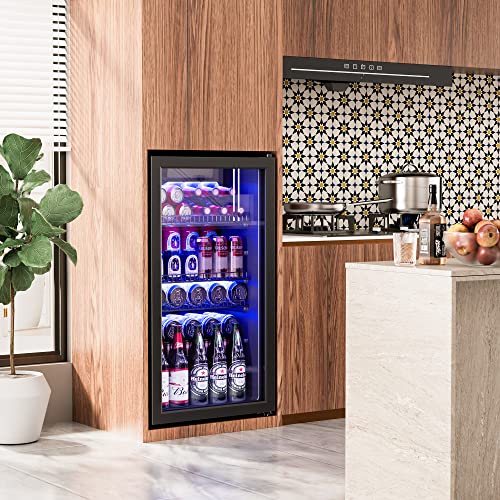
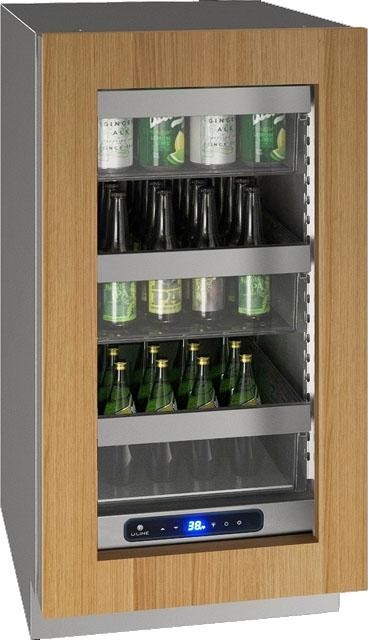
Beverage centers often feature sleek glass doors framed with stainless steel or other materials to match your kitchen decor, with interior LED lighting to illuminate the beverages. They are typically compact and can be installed as built-in units under countertops or as freestanding models — ideal for small spaces, home bars, or entertainment areas.
Feature
Description
Door Type
Glass with stainless steel frame
Lighting
Interior LED lighting
Installation
Built-in or freestanding
Size
Compact, fits under countertops
Energy-Efficient Refrigerator Aesthetics and Design
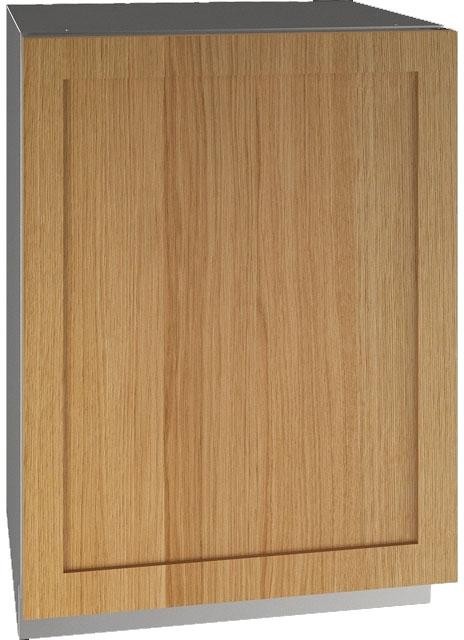
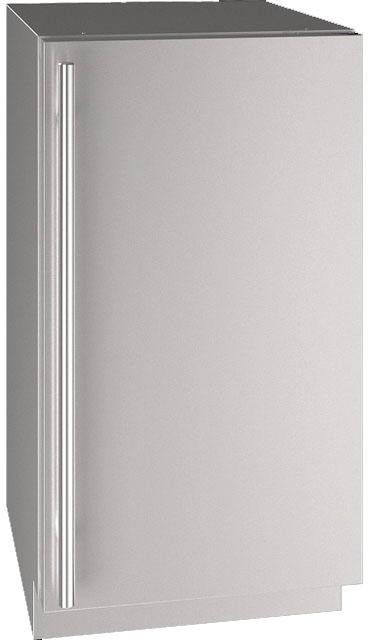
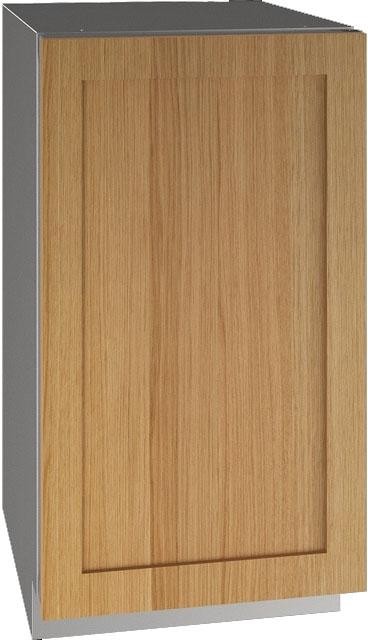
Energy-efficient refrigerators come in various styles, including French door, side-by-side, and top-freezer models. Exterior finishes range from stainless steel to black slate, and even custom panel options to match your kitchen cabinetry. Inside, they are equipped with adjustable shelves, crispers, and door bins to maximize storage and organization.
The initial cost of a beverage center is generally lower than that of an energy-efficient refrigerator. However, it's essential to factor in the long-term savings that an energy-efficient refrigerator can offer due to reduced energy consumption.
Appliance Type
Average Upfront Cost
Average Annual Energy Cost
Estimated 10-Year Energy Cost
Beverage Center
$200 - $1,500
$50 - $100
$500 - $1,000
Pricing by Tier
Appliance
Budget
Mid-Range
Premium
Beverage Center
$150 - $400
$400 - $800
$800 - $2,000
10-Year Total Ownership
Setup
10-Year Energy
Appliance Cost
Total
ES Top Freezer alone
$390 - $550
$700
$1,090 - $1,250
ES French Door alone
$550 - $780
$2,500
$3,050 - $3,280
ES French Door + Bev Center
$810 - $1,240
$3,100
$3,910 - $4,340
Adding a beverage center to an efficient kitchen fridge increases 10-year total cost by $860 to $1,060 — the beverage center purchase price ($400-$600) plus 10 years of energy ($260-$460). For households that entertain regularly or value dedicated drink access, this is a reasonable investment. For more comparisons, visit Fridge.com article on black stainless refrigerator Vs. retro mini fridge.
Maintenance and Repair Costs
Beverage centers tend to have simpler mechanisms and fewer components compared to energy-efficient refrigerators, which can make them less expensive to maintain and repair.
Appliance Type
Average Annual Maintenance Cost
Average Repair Cost
Beverage Center
$20 - $50
$100 - $200
While energy-efficient refrigerators may have higher maintenance and repair costs, they often come with longer warranties and better customer support. Additionally, the advanced technology used in these refrigerators can lead to fewer breakdowns and more reliable performance.
Environmental Impact
Sustainability Features of Beverage Centers
Energy Consumption: Beverage centers often consume less energy than full-sized refrigerators due to their smaller size and focused usage. This targeted cooling can result in lower overall energy consumption.
Eco-Friendly Refrigerants: Many beverage centers use eco-friendly refrigerants, which have a lower impact on global warming compared to traditional refrigerants.
Recyclable Materials: Some beverage centers are built with materials that are easier to recycle, reducing their environmental footprint at the end of their lifecycle.
Feature
Beverage Center
Size
Smaller
Average Energy Consumption
150 kWh/year
Refrigerant Type
Eco-friendly
Recyclable Materials
Yes
Energy-Efficient Refrigerators and Environmental Benefits
Energy Star Rating: Many energy-efficient refrigerators have an Energy Star rating, indicating they consume significantly less energy compared to standard models. This reduction in energy usage translates to lower greenhouse gas emissions.
Advanced Insulation: Enhanced insulation techniques help maintain consistent internal temperatures, reducing the need for the compressor to run frequently. This leads to decreased energy consumption.
Smart Technology: Some energy-efficient refrigerators incorporate smart technology that allows for more precise temperature control and the ability to monitor and adjust settings remotely, further optimizing energy usage.
If you already have (or are buying) an energy-efficient kitchen fridge and want dedicated cold beverage access in a home bar, media room, outdoor kitchen, or entertaining area — add a beverage center. The monthly energy impact is $1 to $4. The lifestyle improvement is daily.
If you are budget-constrained and energy cost is a primary concern, skip the beverage center and use the main fridge for all cold storage. The main fridge handles drinks at roughly $2 to $3 per cubic foot per year — the most efficient cold storage available.
Frequently Asked Questions
Can a beverage center replace an energy-efficient refrigerator?
No. A beverage center is a supplemental drink cooler with a 34°F to 64°F range and a capacity of 60 to 150 cans (roughly 1.5 to 5 cubic feet). It is not designed for general food storage and, in the case of thermoelectric models in warm rooms, may not reach food-safe temperatures. An energy-efficient refrigerator maintains 32°F to 40°F with a 0°F freezer and 18 to 28 cubic feet of capacity for all fresh and frozen food.
How much does a beverage center add to my electricity bill?
A compressor beverage center uses 200 to 350 kWh per year ($26 to $46), and a thermoelectric model uses 100 to 200 kWh per year ($13 to $26). Added alongside an energy-efficient kitchen fridge, the net household increase works out to about $1 to $4 per month.
Which uses more energy — a beverage center or an energy-efficient refrigerator?
The full-size refrigerator uses more total energy (300 to 600 kWh per year versus 100 to 350 kWh), but it is 2 to 5 times more efficient per cubic foot — about $2 to $3 per cubic foot per year versus $6.50 to $13.00 for a beverage center. Per unit of storage, the main fridge is the cheapest place to keep drinks cold.
Does adding a beverage center save energy on my main fridge?
Partially. Moving beverage traffic to a dedicated cooler cuts main-fridge door openings — worth roughly $5 to $15 per year in avoided energy waste. That offsets part of the beverage center's own running cost, but running two appliances still costs more in total than running one.
Should I choose a thermoelectric or compressor beverage center?
Choose thermoelectric for quiet, climate-controlled rooms — it saves $10 to $20 per year in energy. Choose a compressor model for garages, outdoor kitchens, or any room that runs warmer than 77°F, where thermoelectric cooling loses effectiveness.
What temperature range does each appliance cover?
Beverage centers run 34°F to 64°F (compressor models 34°F to 50°F; thermoelectric 45°F to 60°F), with some dual-zone models holding two temperatures at once for red and white wine. Energy-efficient refrigerators hold 32°F to 40°F in the fresh-food compartment and about 0°F in the freezer.
How much does each appliance cost to buy?
Beverage centers run $150 to $400 at the budget tier, $400 to $800 mid-range, and $800 to $2,000 premium. Energy Star top-freezer refrigerators run $500 to $1,800 depending on tier, and Energy Star French door models run $1,200 to $5,000.
How long does an energy-efficient refrigerator last?
Expect a 12 to 18 year lifespan. Over 10 years, an Energy Star French door fridge alone costs roughly $3,050 to $3,280 in combined purchase and energy; adding a beverage center raises the 10-year total by $860 to $1,060.
Compare prices on Fridge.com
Compare current prices and specifications on Fridge.com, then buy from the retailer you choose; delivery, installation and warranty terms are the retailer’s.
It also has tons of awesome articles about kitchen stuff and home news. Enhance your home, garage, backyard, patio, and office with the coolest essentials. With every necessary type of residential refrigerator or freezer in the collection, you're covered.
Frequently Asked Questions
If you already have (or are buying) an energy-efficient kitchen fridge and want dedicated cold beverage access in a home bar, media room, outdoor kitchen, or entertaining area — add a beverage center. The monthly energy impact is $1 to $4. The lifestyle improvement is daily. If you are budget-constrained and energy cost is a primary concern, skip the beverage center and use the main fridge for all cold storage. The main fridge handles drinks at roughly $2 to $3 per cubic foot per year — the most efficient cold storage available.