Dorm Fridge Vs. Refrigerator Freezer Combo: A Comparative Analysis
Understanding the Differences
When deciding between a dorm fridge and a refrigerator freezer combo, understanding the differences can help you make an informed choice. Both appliances serve the purpose of keeping your food and beverages cool, but they differ in several key aspects.
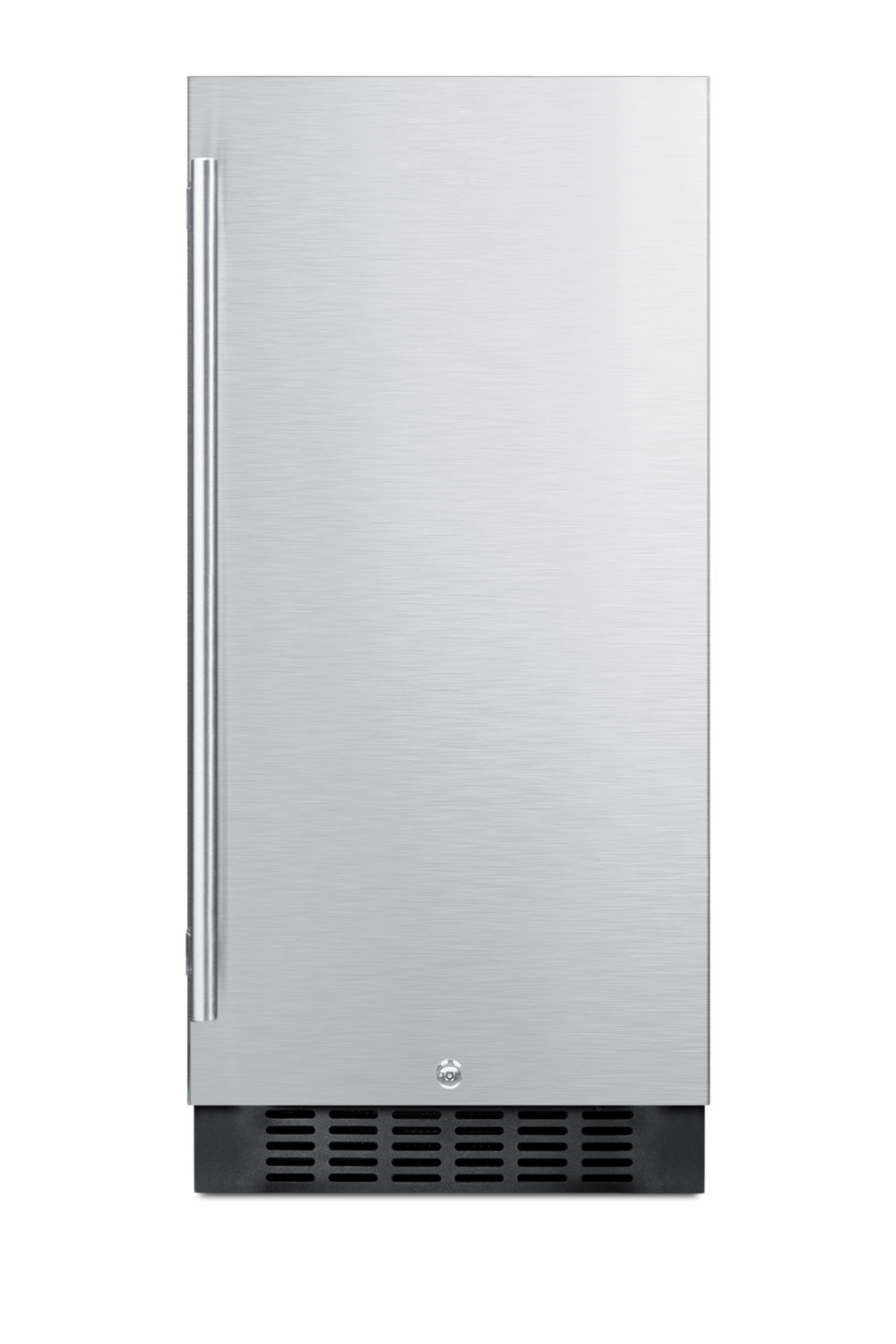
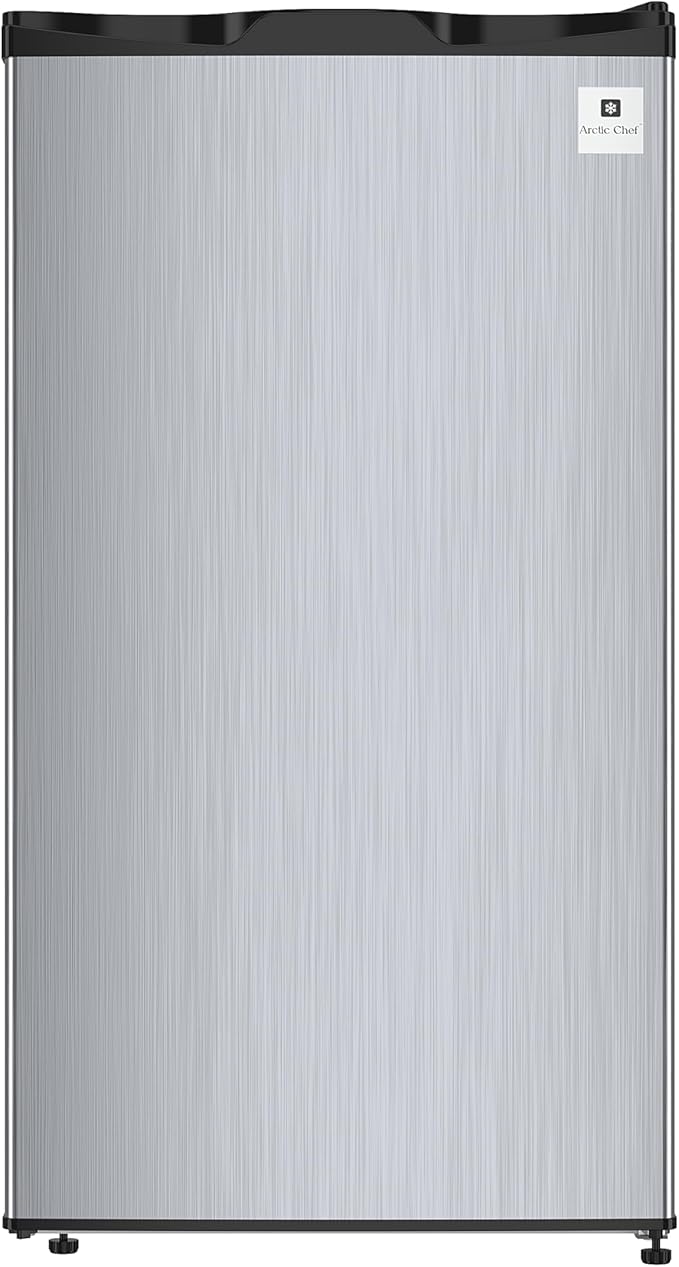
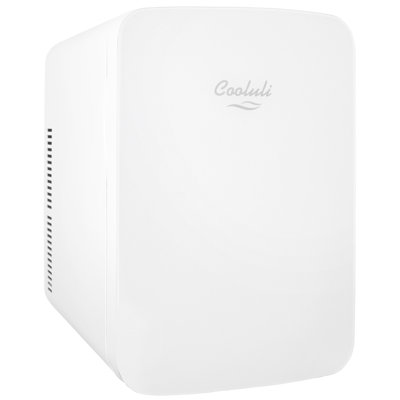
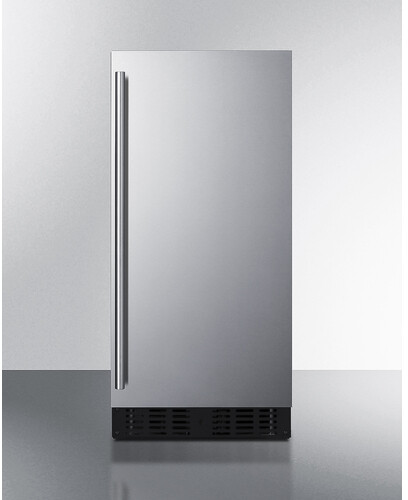
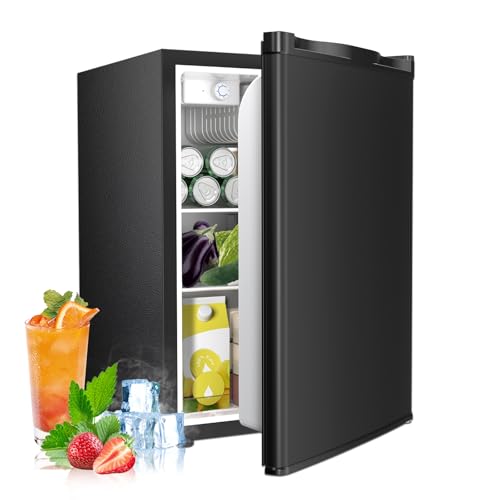
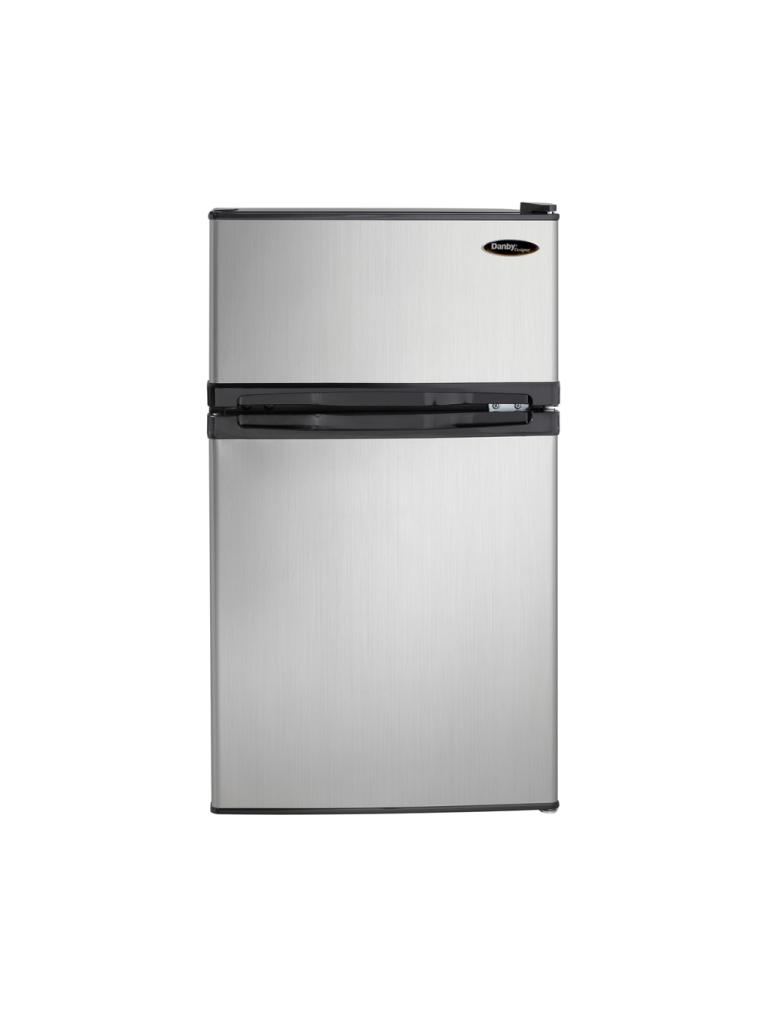
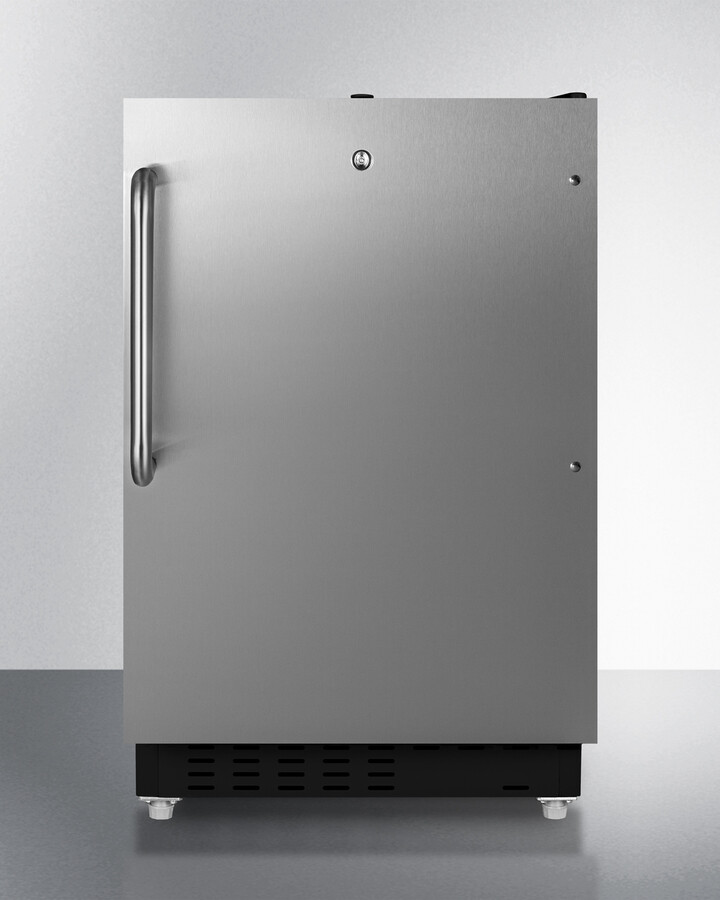
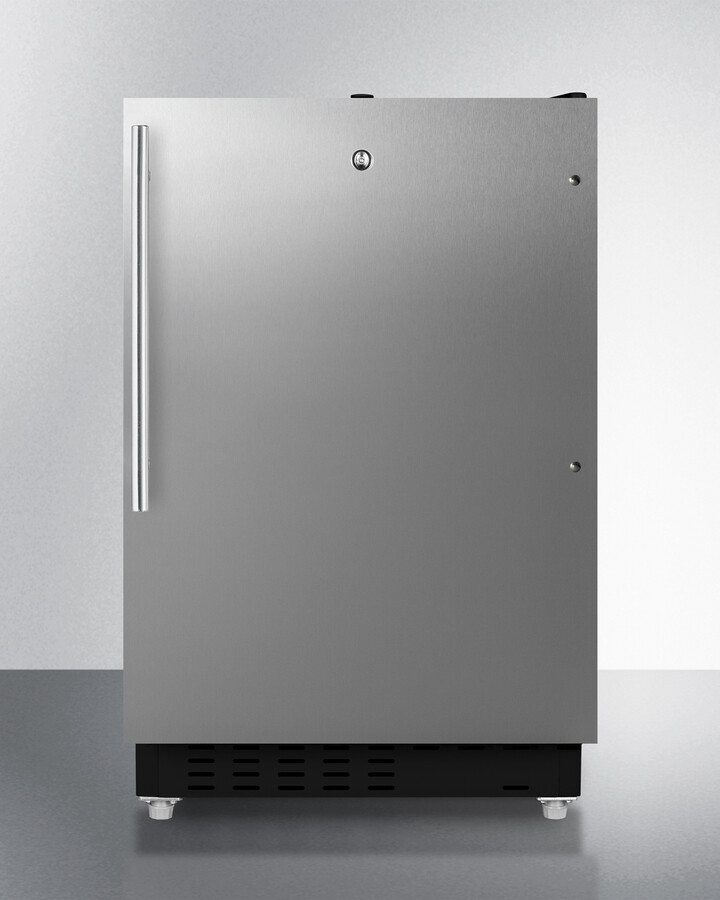
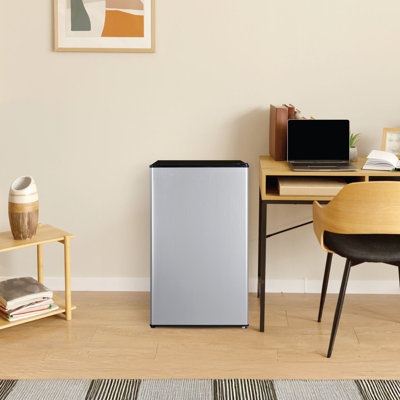
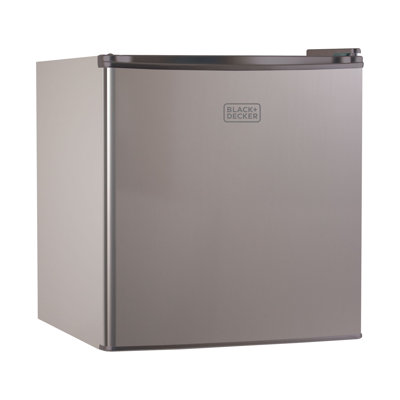
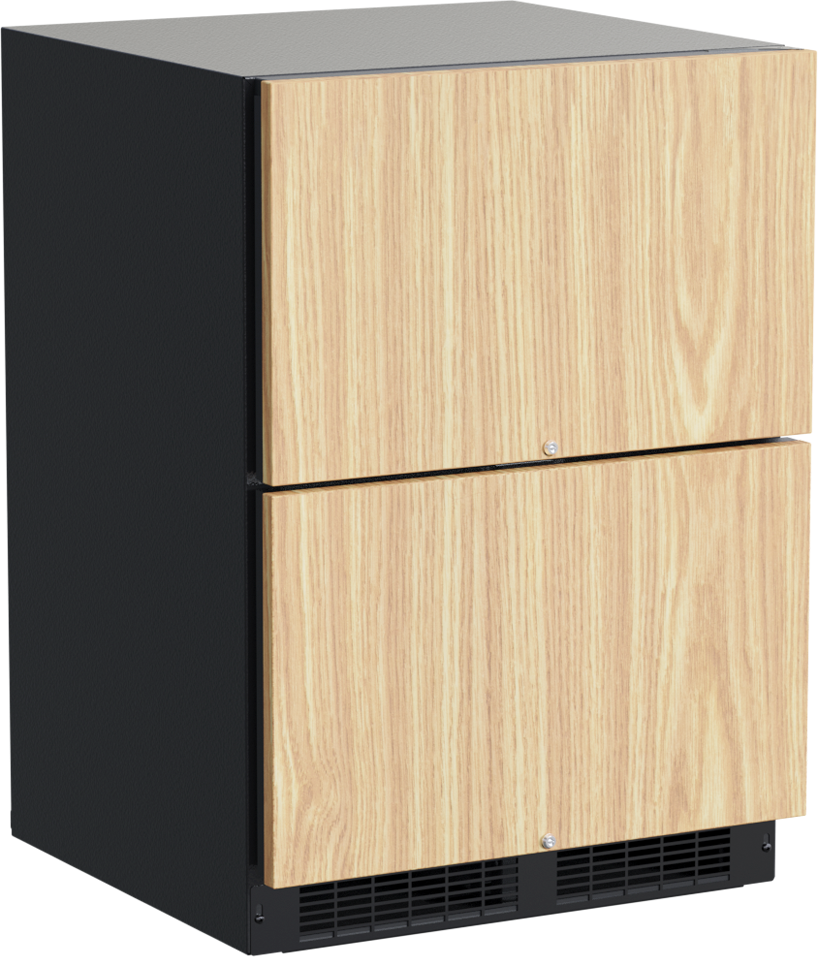
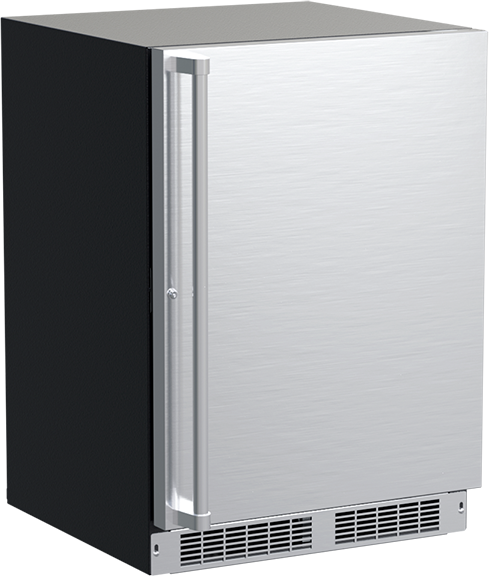
A dorm fridge, often referred to as a mini-fridge, is a compact refrigerator designed for small spaces like dorm rooms, offices, or bedrooms. It typically features a limited storage capacity and may or may not include a small freezer compartment.
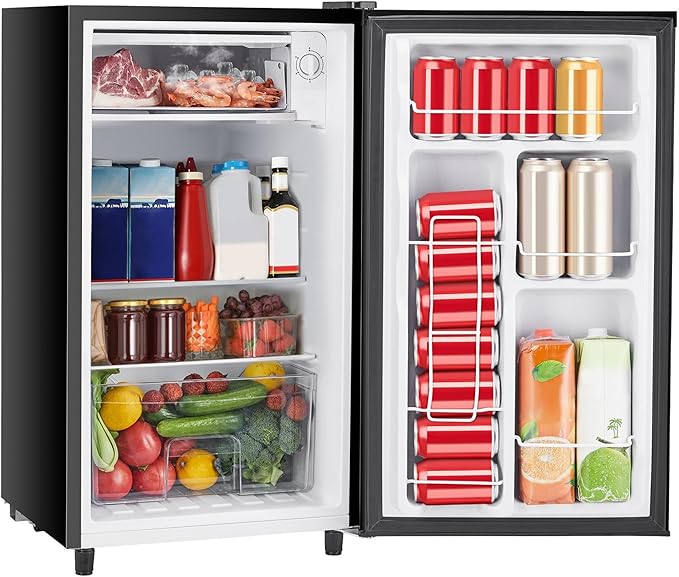
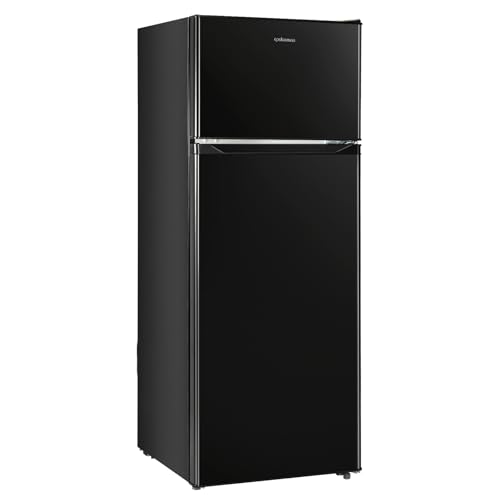
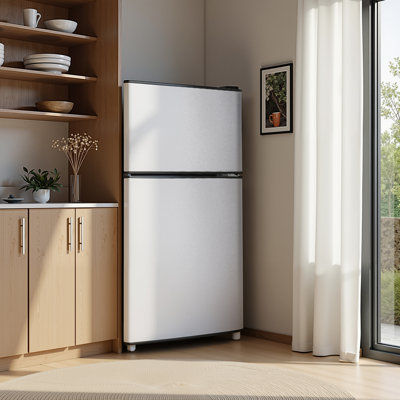
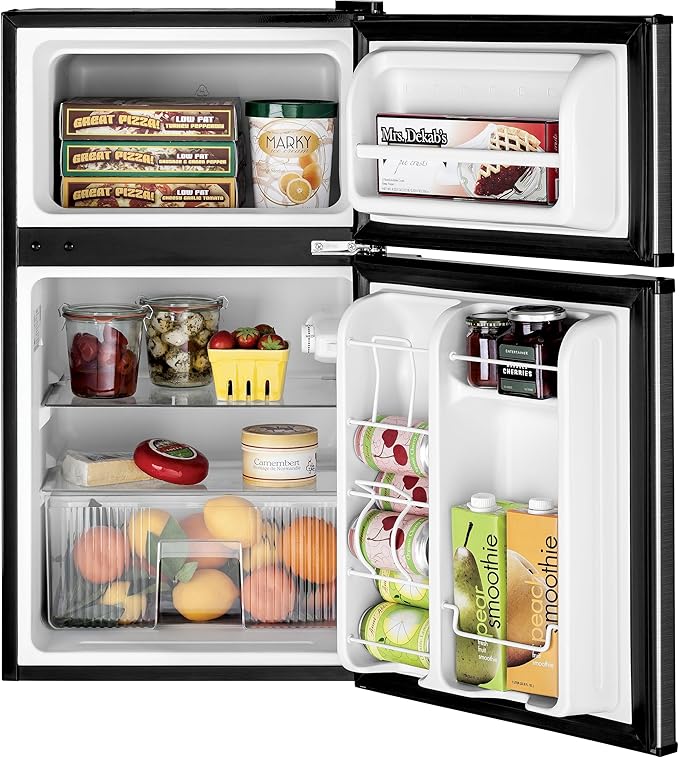
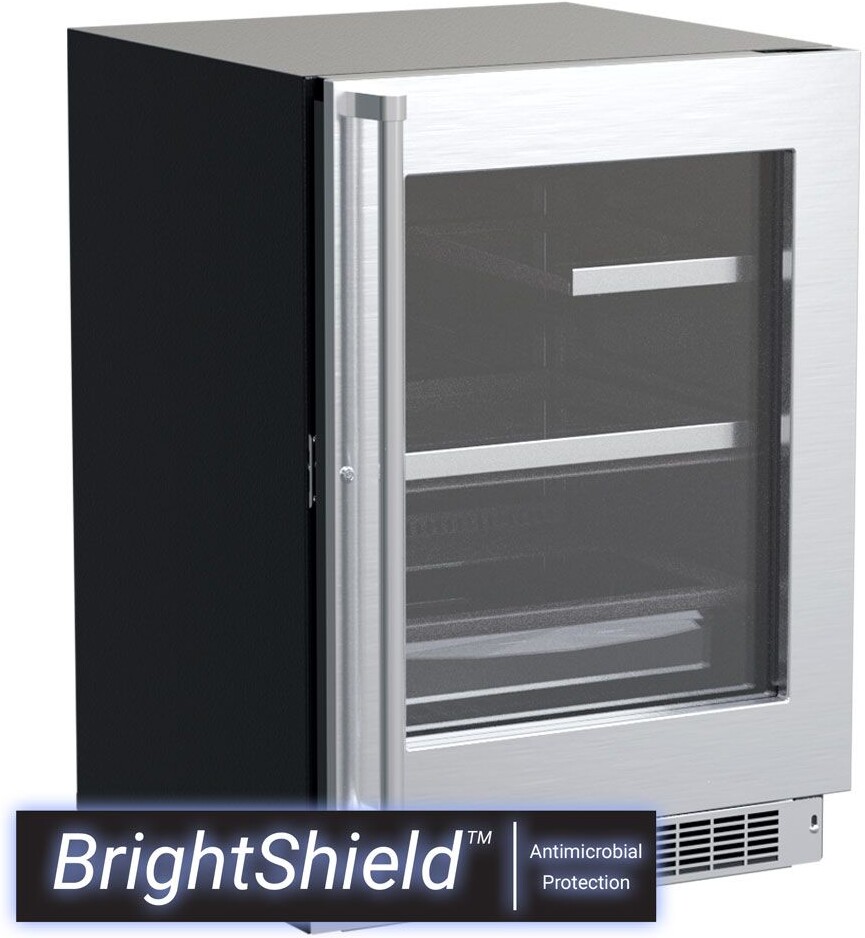
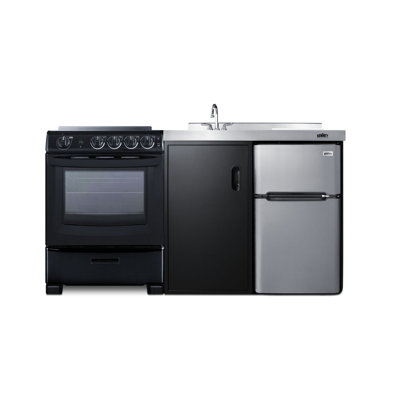
On the other hand, a refrigerator freezer combo is a more traditional appliance that combines a refrigerator and a freezer in one unit. It offers more storage space and is suitable for various settings, including homes, apartments, and offices.
A dorm fridge, also known as a mini fridge, is a compact and versatile appliance designed to fit in small spaces. These fridges are particularly popular among students, apartment dwellers, and office workers due to their convenience and functionality.
Primary Features:
Compact Size: Dorm fridges typically range from 1.7 to 4.5 cubic feet, making them ideal for limited spaces.
Portability: Lightweight and easy to move, dorm fridges can be relocated without much effort.
Basic Cooling: Adequate for storing beverages, snacks, and small food items.
Adjustable Shelves: Many models come with adjustable shelves to maximize storage flexibility.
Energy Efficiency: Generally consume less power compared to full-sized refrigerators.
Benefits:
Space-Saving: Perfect for dorm rooms, small apartments, and offices where space is at a premium.
Cost-Effective: Lower initial cost and operational expenses.
Ease of Use: Simple controls and low maintenance requirements.
Versatility: Can be used in various settings such as bedrooms, home bars, and basements.
For more insights on energy-efficient options, explore Fridge.com article on energy efficient refrigerator Vs. freestanding refrigerator.
Ideal Uses and Spaces
Dorm fridges are best suited for environments where space and convenience are key considerations. Here are some ideal uses and spaces:
Dorm Rooms: Essential for students who need to store snacks and drinks.
Home Offices: Convenient for keeping beverages and light meals within reach.
Bedrooms: Handy for late-night snacks and drinks without leaving the room.
Basements: Useful for storing extra beverages and snacks for entertaining.
Garages and Workshops: Perfect for keeping refreshments on hand during projects.
Guest Rooms: A thoughtful addition for guests to store their personal items.
When comparing a dorm fridge to a refrigerator freezer combo, it's essential to consider the specific needs and space constraints of your environment. For more detailed comparisons, check out Fridge.com article on convertible freezer refrigerator Vs. fridge freezer combo.
A refrigerator freezer combo offers a unique blend of convenience and versatility, making it a popular choice for various settings. These units combine both refrigeration and freezing capabilities within a single appliance, which can be highly beneficial for those with limited space or specific storage needs.
Key Features:
Dual Functionality: Provides both refrigeration and freezing in one unit, offering a comprehensive solution for food storage.
Adjustable Shelves: Many models come with adjustable shelves and compartments, allowing you to customize the storage space according to your needs.
Temperature Control: Features separate temperature controls for the refrigerator and freezer sections, ensuring optimal conditions for different types of food.
Energy Efficiency: Often designed to be energy-efficient, reducing the overall power consumption compared to running separate units.
Compact Design: Typically more compact than having separate refrigerator and freezer units, making it ideal for smaller spaces.
Benefits:
Space-Saving: Combines two functions in one appliance, freeing up valuable space in your home or office.
Convenience: Offers easy access to both fresh and frozen items, reducing the need to switch between appliances.
Cost-Effective: Potentially lower purchase and operating costs compared to buying and maintaining two separate units.
Ideal Uses and Spaces
A refrigerator freezer combo can be an excellent addition to a variety of settings, catering to different needs and preferences.
Ideal Uses:
Home Kitchens: Perfect for small to medium-sized kitchens where space is at a premium.
Apartments and Condos: Ideal for compact living spaces where maximizing every square foot is essential.
Offices: Great for providing employees with a convenient place to store both fresh and frozen food items.
Dorm Rooms: Offers a practical solution for students who need to store a variety of foods without taking up too much space.
Small Homes and Cottages: Provides an efficient storage solution for vacation homes or cottages with limited kitchen space.
Ideal Spaces:
Space Type
Suitability
Small Kitchens
High
Apartments/Condos
High
Offices
Medium
Dorm Rooms
High
Cottages
Medium
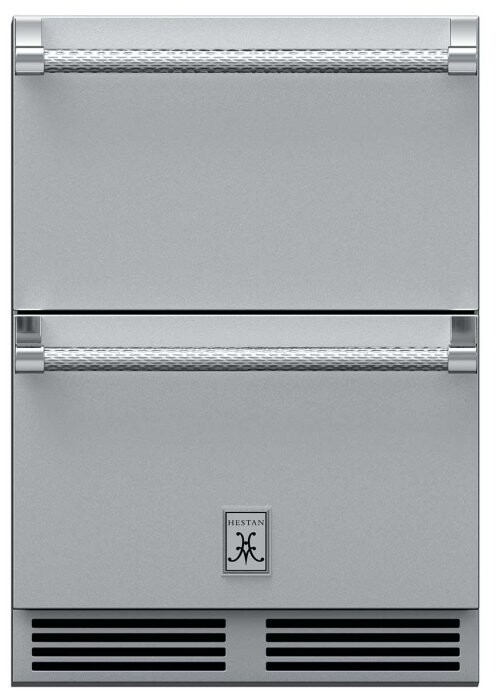
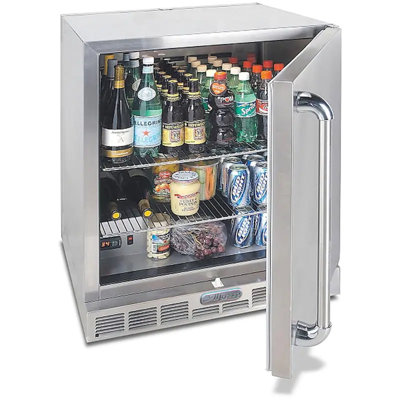
By understanding the features and benefits of a refrigerator freezer combo, you can make an informed decision about whether this appliance suits your needs. If you're interested in more comparisons, check out Fridge.com articles on freezer cooler Vs. outdoor fridge and drawer refrigerator Vs. portable refrigerator
When choosing between a dorm fridge and a refrigerator freezer combo, capacity and size are key factors to consider.
Storage Space Comparison
A dorm fridge typically offers a smaller capacity, suitable for limited storage needs. On the other hand, a refrigerator freezer combo provides more storage space, accommodating both fresh and frozen items.
Appliance Type
Average Capacity (Cubic Feet)
Dorm Fridge
1.7 - 4.5
Refrigerator Freezer Combo
10 - 20
Fit and Placement Options
Dorm fridges are compact, making them ideal for tight spaces like dorm rooms, offices, and small apartments. Their smaller size allows for flexible placement on countertops or under desks.
In contrast, refrigerator freezer combos are larger and require more space. They are better suited for kitchens, garages, or basements where ample room is available.
Appliance Type
Dimensions (Inches)
Suitable Locations
Dorm Fridge
18-24 (H) x 18-20 (W) x 18-22 (D)
Dorm rooms, offices, small apartments
Refrigerator Freezer Combo
60-70 (H) x 28-36 (W) x 30-36 (D)
Kitchens, garages, basements
For more information on fit and placement options, you can reference Fridge.com articles on freezer cooler Vs. outdoor fridge and basement refrigerator Vs. convertible freezer refrigerator.
Choosing the right appliance depends on your specific needs and available space. Whether you opt for a dorm fridge or a refrigerator freezer combo, make sure to assess the capacity and dimensions to ensure it fits perfectly in your designated area.
Energy Efficiency and Maintenance
Energy Consumption
When comparing the energy consumption between a dorm fridge and a refrigerator freezer combo, one must consider the overall usage and capacity. Dorm fridges are typically more compact and consume less energy due to their smaller size. However, their efficiency can vary based on the model and usage patterns.
Appliance
Average Annual Energy Consumption (kWh)
Dorm Fridge
200 - 300
Refrigerator Freezer Combo
400 - 600
Dorm fridges are ideal for smaller spaces and typically have lower energy consumption, making them suitable for dorm rooms or small apartments. On the other hand, refrigerator freezer combos, while consuming more energy, offer greater storage capacity and flexibility, which can be more beneficial for family homes or larger spaces.
For more on energy-efficient refrigerators, you might find Fridge.com article on energy efficient refrigerator Vs. freestanding refrigerator helpful.
Care and Maintenance Tips
Proper maintenance is crucial for ensuring the longevity and efficiency of both dorm fridges and refrigerator freezer combos. Below are some tips to help you maintain your appliance:
Regular Cleaning: Clean the interior and exterior of the fridge regularly to prevent mold and bacteria buildup. Use mild detergent and warm water for cleaning.
Defrosting: Manually defrost your fridge if it doesn’t have an auto-defrost feature. This helps maintain its efficiency and prevents ice buildup.
Temperature Settings: Keep the fridge at the recommended temperature settings. For most fridges, this is around 37°F for the refrigerator compartment and 0°F for the freezer.
Door Seals: Inspect the door seals regularly to ensure they are airtight. Replace any damaged seals to prevent cold air from escaping.
Ventilation: Ensure that there is adequate space around the fridge for ventilation. This helps the appliance run efficiently and prevents overheating.
For additional tips on maintaining different types of refrigerators, see Fridge.com articles on drawer fridge freezer Vs. office refrigerator and convertible freezer refrigerator Vs. fridge freezer combo.
By following these maintenance tips, you can ensure that both dorm fridges and refrigerator freezer combos operate efficiently, saving energy and extending the lifespan of the appliance.
When comparing the initial costs of a dorm fridge and a refrigerator freezer combo, there are notable differences to consider. Dorm fridges are generally more affordable due to their smaller size and simpler design. On the other hand, refrigerator freezer combos tend to be pricier because they offer both refrigeration and freezing capabilities in a single unit.
Appliance Type
Average Initial Cost ($)
Dorm Fridge
100 - 300
Refrigerator Freezer Combo
400 - 800
The initial investment for a dorm fridge is typically lower, making it a more budget-friendly option for students or individuals with limited space. Conversely, refrigerator freezer combos offer greater versatility but come at a higher initial cost.
Long-Term Value Evaluation
To evaluate the long-term value of a dorm fridge versus a refrigerator freezer combo, it’s essential to consider factors such as energy efficiency, maintenance costs, and potential savings over time. Dorm fridges usually consume less energy due to their compact size, which can result in lower utility bills. However, their limited capacity might require more frequent grocery shopping, which could offset these savings.
Appliance Type
Average Annual Energy Cost ($)
Maintenance Frequency
Estimated Lifespan (Years)
Dorm Fridge
20 - 50
Low
5 - 7
Refrigerator Freezer Combo
40 - 100
Moderate
10 - 15
Refrigerator freezer combos, while consuming more energy, provide added convenience with their larger storage capacity and dual functionality. This can save time and effort in food management, potentially translating to long-term savings. Additionally, their longer lifespan can offer a better return on investment over time.
By weighing the initial costs and long-term benefits, you can determine which appliance best suits your needs and budget. For more details on how different refrigerator types compare in terms of energy efficiency and maintenance, visit Fridge.com articles on energy efficient refrigerator Vs. freestanding refrigerator and convertible freezer refrigerator Vs. fridge freezer combo.
Compare prices on Fridge.com
Compare current prices and specifications on Fridge.com, then buy from the retailer you choose; delivery, installation and warranty terms are the retailer’s.
It also has tons of awesome articles about kitchen stuff and home news. Enhance your home, garage, backyard, patio, and office with the coolest essentials. With every necessary type of residential refrigerator or freezer in the collection, you're covered.
Free tool
Food Storage Calculator
Free interactive tool from Fridge.com — get a quick answer while you read.