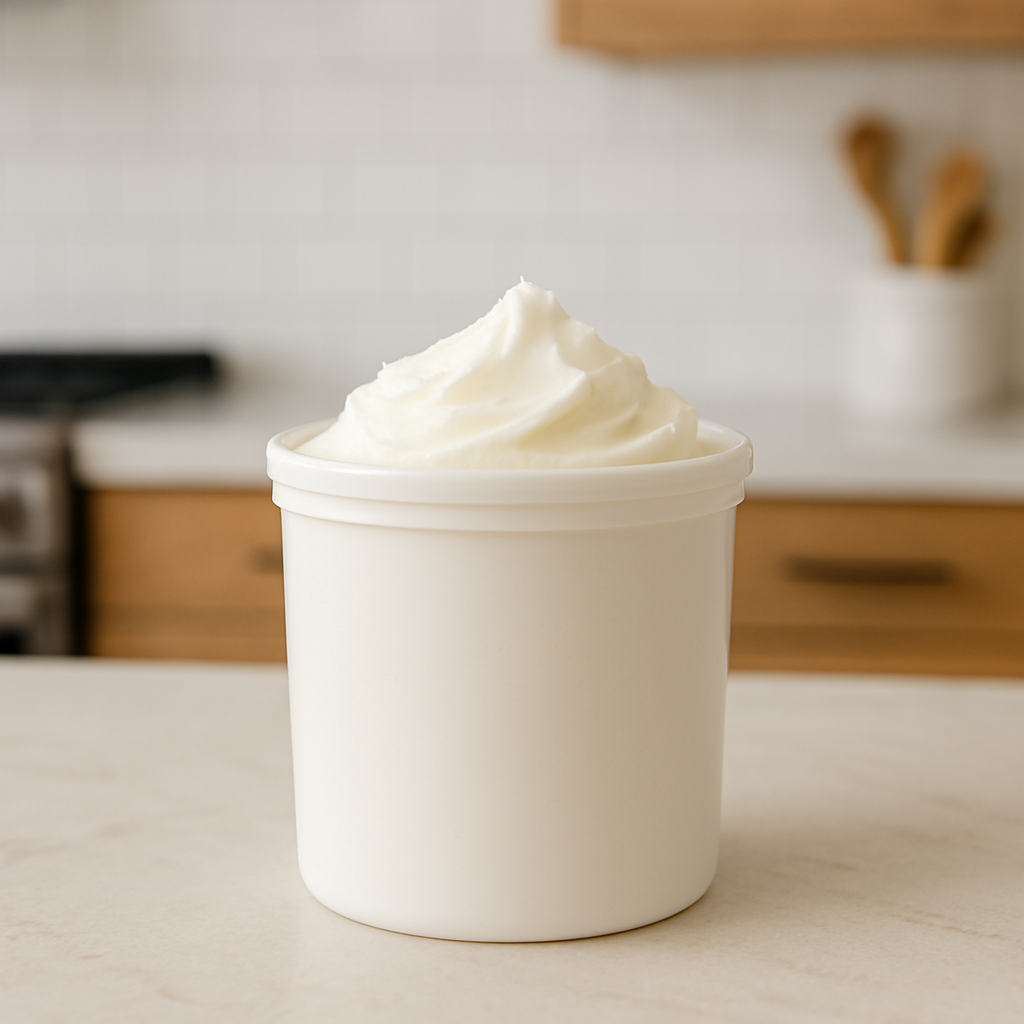
Understanding Shortening Storage
What is Shortening?
Shortening is a type of fat used in baking and cooking, primarily to create flaky and tender textures in pastries and baked goods. It is made from vegetable oils, such as soybean or cottonseed oil, that are hydrogenated to turn them into a solid form at room temperature. Unlike butter or margarine, shortening does not contain any water, which makes it ideal for certain types of baking where moisture can affect the texture of the final product.
Factors Influencing Shortening Storage
Several factors can influence how you should store shortening to maintain its quality and prolong its shelf life. These factors include temperature, exposure to light and air, and the type of container used for storage.
- Temperature: The storage temperature greatly affects the quality of shortening. Keeping it at a consistent temperature helps maintain its texture and extends its usability.
- Exposure to Light and Air: Shortening should be stored in an airtight container to prevent it from oxidizing, which can lead to rancidity. Light exposure can also degrade the quality of shortening over time.
- Container Type: Using the right container is crucial. An airtight, opaque container is ideal for storing shortening as it minimizes exposure to air and light.
Proper storage practices are essential to ensure your shortening remains fresh and effective for baking. For more tips on storing various foods, check out our article on how long can steak be in the fridge? and how long can pie stay in the fridge?.
| Factor | Ideal Condition |
|---|---|
| Temperature | Cool and consistent |
| Light Exposure | Minimal to none |
| Air Exposure | Airtight container |
| Container Type | Opaque and airtight |
Understanding these factors helps you decide whether to refrigerate, freeze, or store your shortening at room temperature. For more insights on refrigeration, visit our article on what should a fridge temperature be? and freezer Vs. refrigerator temperature.
Storing Shortening
When it comes to storing shortening, understanding the best methods is essential for maintaining its quality and extending its shelf life. Let's explore three primary storage methods: refrigerating, freezing, and keeping it at room temperature.
Refrigerating Shortening
Refrigerating shortening can help extend its shelf life and maintain its texture. When stored in the fridge, shortening remains solid, which can be beneficial for certain baking and cooking applications. However, refrigeration may cause the shortening to harden, making it more challenging to measure and use. To avoid this issue, you can allow the shortening to sit at room temperature for a few minutes before use. For further tips on proper refrigeration practices, you can check out what should a fridge temperature be?.
| Storage Method | Temperature (°F) | Shelf Life |
|---|---|---|
| Refrigeration | 35-40 | Up to 1 year |
Freezing Shortening
Freezing shortening is another effective method for long-term storage. By freezing, you can preserve the quality of the shortening for extended periods. It's important to store the shortening in an airtight container or a freezer bag to prevent freezer burn and absorption of odors. When you're ready to use the frozen shortening, allow it to thaw in the refrigerator or at room temperature.
| Storage Method | Temperature (°F) | Shelf Life |
|---|---|---|
| Freezing | 0 | Up to 2 years |
For more information on freezer storage, you may find our articles on how long can beer be in the freezer? and 21 cu ft upright frost free freezer helpful.
Room Temperature Storage
Storing shortening at room temperature is the most common method and is suitable for everyday use. When kept in a cool, dark place, shortening retains its quality and usability. Ensure the container is tightly sealed to prevent exposure to air, which can lead to oxidation and rancidity. Proper sealing techniques can be found in our article on how to eliminate refrigerator odors.
| Storage Method | Temperature (°F) | Shelf Life |
|---|---|---|
| Room Temperature | 68-77 | 8-12 months |
Each storage method has its own benefits and considerations. Depending on your needs and usage frequency, you can choose the most suitable option for storing your shortening. For more detailed guidance on storing various food items, explore our articles such as how long can cod last in the fridge? and how should your fridge be organized?.
Benefits of Refrigerating Shortening
Refrigerating shortening offers several advantages that can be particularly beneficial for those who use this ingredient frequently in their cooking and baking. Here, we will delve into two main benefits: prolonging shelf life and maintaining texture.
Prolonging Shelf Life
One of the primary benefits of refrigerating shortening is the extension of its shelf life. When stored at room temperature, shortening can remain fresh for a considerable amount of time, but refrigeration significantly prolongs its usability. By keeping it in a cooler environment, you reduce the risk of the shortening going rancid or developing off-flavors.
| Storage Method | Estimated Shelf Life |
|---|---|
| Room Temperature | 6-8 months |
| Refrigerated | 1-2 years |
| Frozen | 2 years or more |
Refrigerating shortening can be particularly advantageous if you do not use it frequently. By extending its shelf life, you ensure that your shortening remains in optimal condition for longer periods. For more information on how long other foods can last in the fridge, you can refer to our article on how long can cod last in the fridge?.
Maintaining Texture
Maintaining the texture of shortening is another significant benefit of refrigeration. When stored at room temperature, shortening can become soft and lose its ideal consistency, especially in warmer climates. Refrigerating shortening helps preserve its firm and solid texture, which is often desirable for specific culinary applications.
Refrigerated shortening retains its structure, making it easier to measure and incorporate into recipes. This is particularly important for baking, where precise measurements and consistency can significantly impact the final product. By keeping your shortening in the fridge, you ensure that it remains in the best possible condition for your cooking and baking needs.
If you are curious about the temperature settings for your refrigerator to ensure optimal storage conditions, check out our detailed guide on what should a fridge temperature be?.
Refrigerating shortening not only prolongs its shelf life but also helps maintain its texture, making it easier to use in various culinary applications. Proper storage techniques, such as refrigerating, can make a significant difference in the quality and usability of your shortening.
Drawbacks of Refrigerating Shortening
While refrigerating shortening has its benefits, it also comes with certain drawbacks. Understanding these issues is crucial for making informed decisions about storing your shortening.
Hardening Issues
One of the primary drawbacks of refrigerating shortening is the hardening effect. When stored in the fridge, shortening tends to become very firm, making it difficult to scoop and measure accurately. This can be particularly problematic when you need to use it immediately for baking or cooking.
| Storage Method | Texture |
|---|---|
| Room Temperature | Soft and pliable |
| Refrigerated | Hard and firm |
To overcome hardening issues, you may need to let the shortening sit at room temperature for a while before using it. This can be inconvenient if you're in a hurry.
Potential Flavor Changes
Another issue with refrigerating shortening is the potential for flavor changes. Storing shortening in the fridge can sometimes cause it to absorb odors from other foods, altering its taste. This can be particularly noticeable in baked goods where the flavor of shortening plays a significant role.
To minimize flavor changes, it's essential to store shortening in an airtight container. Proper sealing helps to keep unwanted odors out. For more information on proper storage techniques, visit our article on how should your fridge be organized?.
Understanding these drawbacks can help you decide the best way to store your shortening, whether it's in the fridge, freezer, or at room temperature. Always weigh the pros and cons to ensure your shortening remains in optimal condition. For more tips on storage, check out our articles on how to store zucchini in the fridge and how long can pie stay in the fridge.
Tips for Storing Shortening
Storing shortening properly ensures its longevity and maintains its quality. Here are some practical tips for keeping your shortening in the best condition.
Properly Sealing Containers
To prevent shortening from becoming rancid or absorbing odors from other foods, it's important to store it in airtight containers. Proper sealing helps maintain the freshness and quality of your shortening.
| Storage Method | Airtight Containers |
|---|---|
| Room Temperature | Essential |
| Refrigeration | Highly Recommended |
| Freezing | Mandatory |
Labeling and Date Tracking
Always label your containers with the date you first opened the shortening. This helps you keep track of its shelf life and ensures you use it while it's still fresh.
- Use a permanent marker to write the date on the container.
- Keep a log of your shortening usage, including storage location and date.
Reviving Chilled Shortening
If you store shortening in the refrigerator, it can become hard and difficult to use. To revive chilled shortening, follow these simple steps:
- Remove the shortening from the fridge and let it sit at room temperature for about 30 minutes.
- For faster softening, cut the shortening into smaller pieces and place them in a microwave-safe bowl. Heat for short intervals (10-15 seconds) until it reaches the desired consistency.
- Stir the softened shortening to ensure even texture before using it in your recipes.
By following these tips, you can keep your shortening in optimal condition, whether you store it at room temperature, in the refrigerator, or in the freezer. For more information on refrigeration and storage, check out our articles on how long is tuna good in the fridge? and how should your fridge be organized?.
Get Your Upgrade or New Addition at Fridge.com
Whether you're searching for your perfect fridge, freezer, wine fridge, beer fridge, ice maker, or kegerator, we have what you need.
Shop the world's best brands at Fridge.com.
We also have tons of awesome articles about kitchen stuff and home news. Enhance your home, garage, backyard, patio, and office with the coolest essentials. With every necessary type of residential refrigerator or freezer in our collection, we've got you covered.
Elevate your game and shop now at Fridge.com!