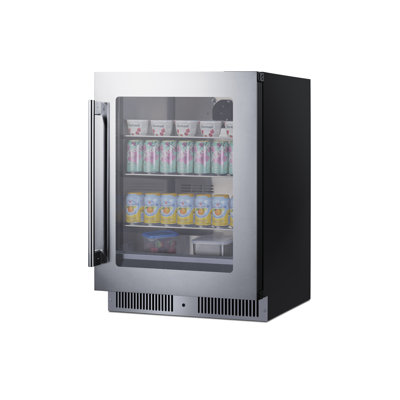
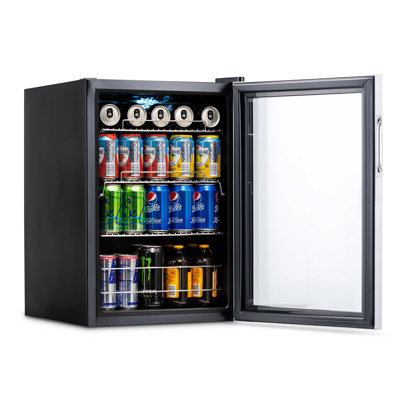
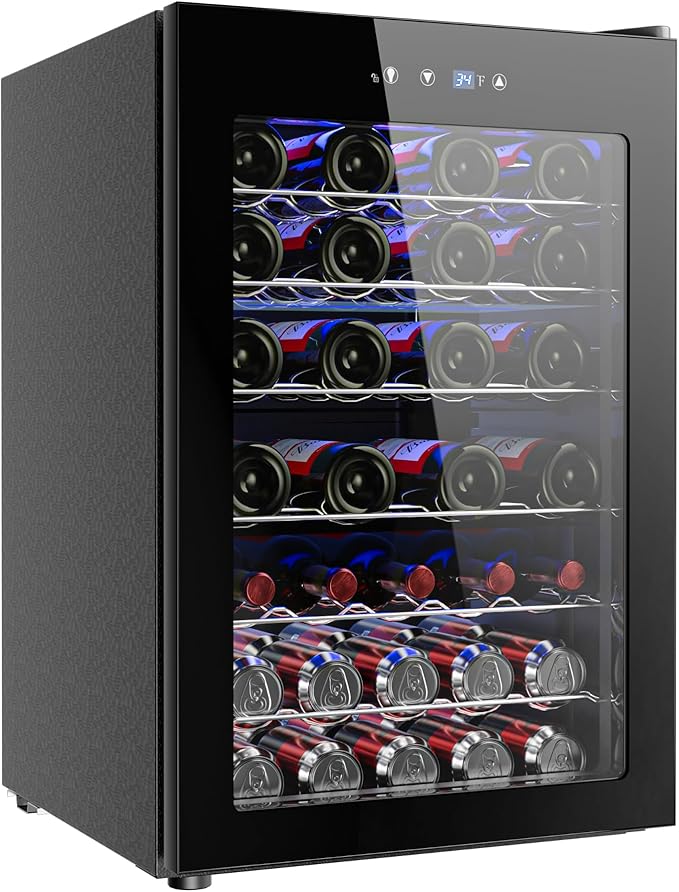
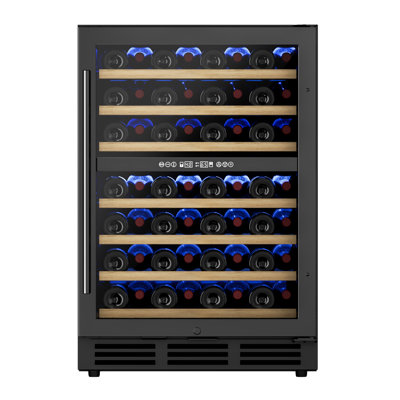
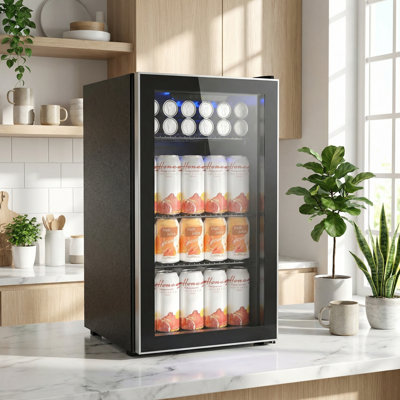
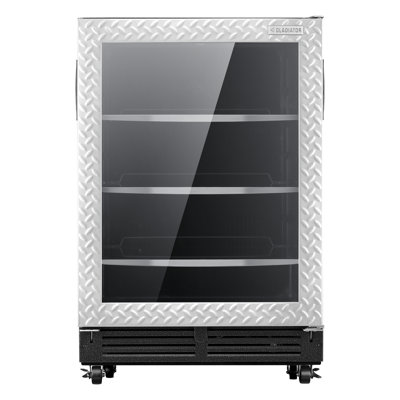
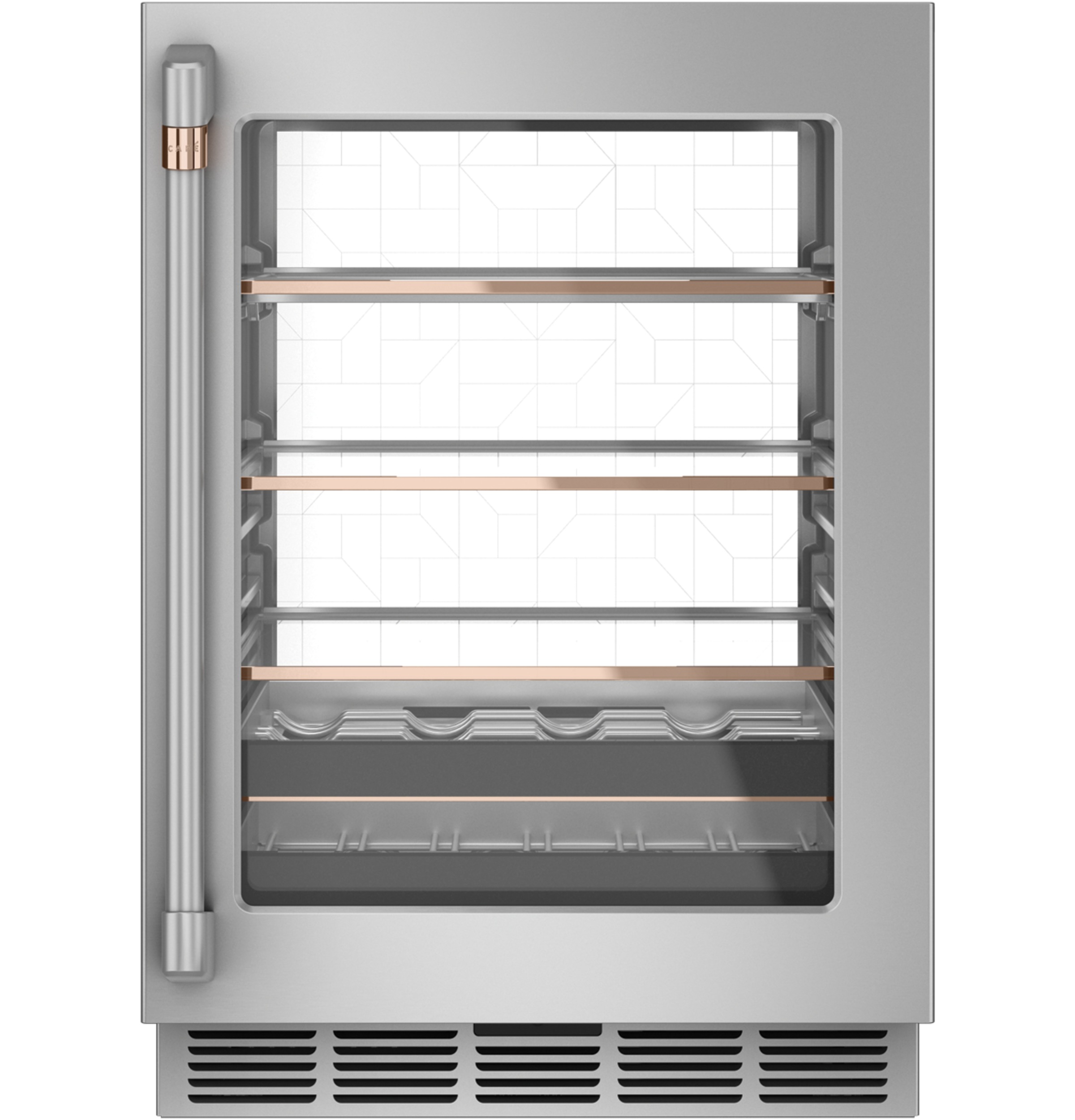
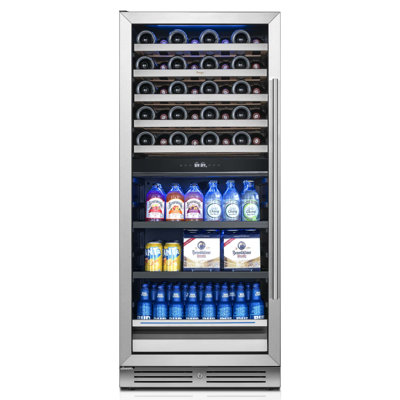
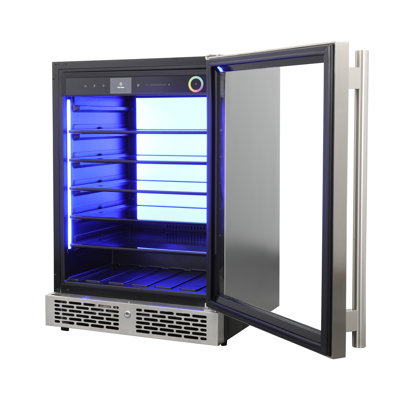
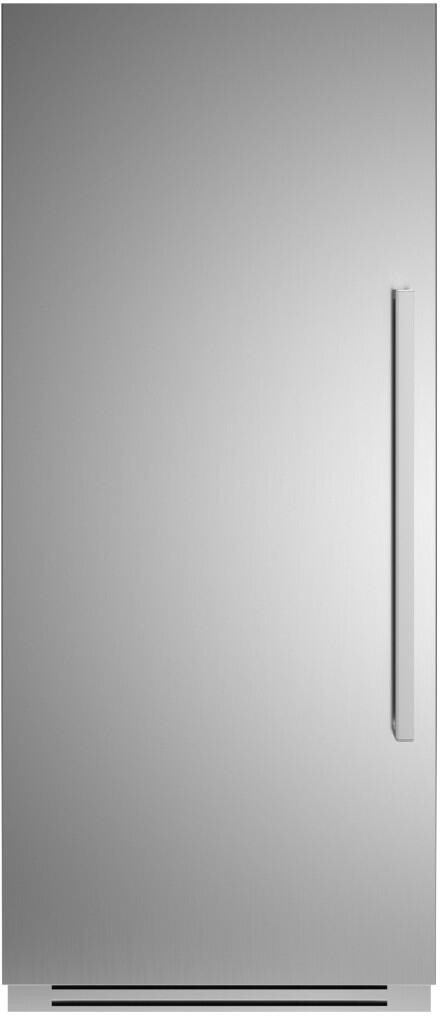
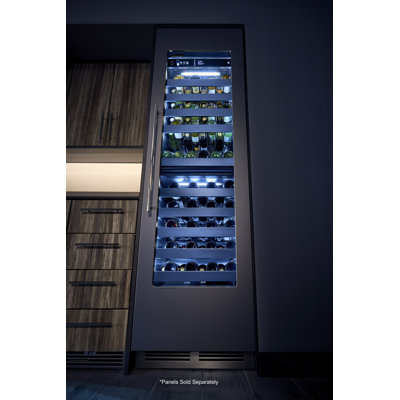
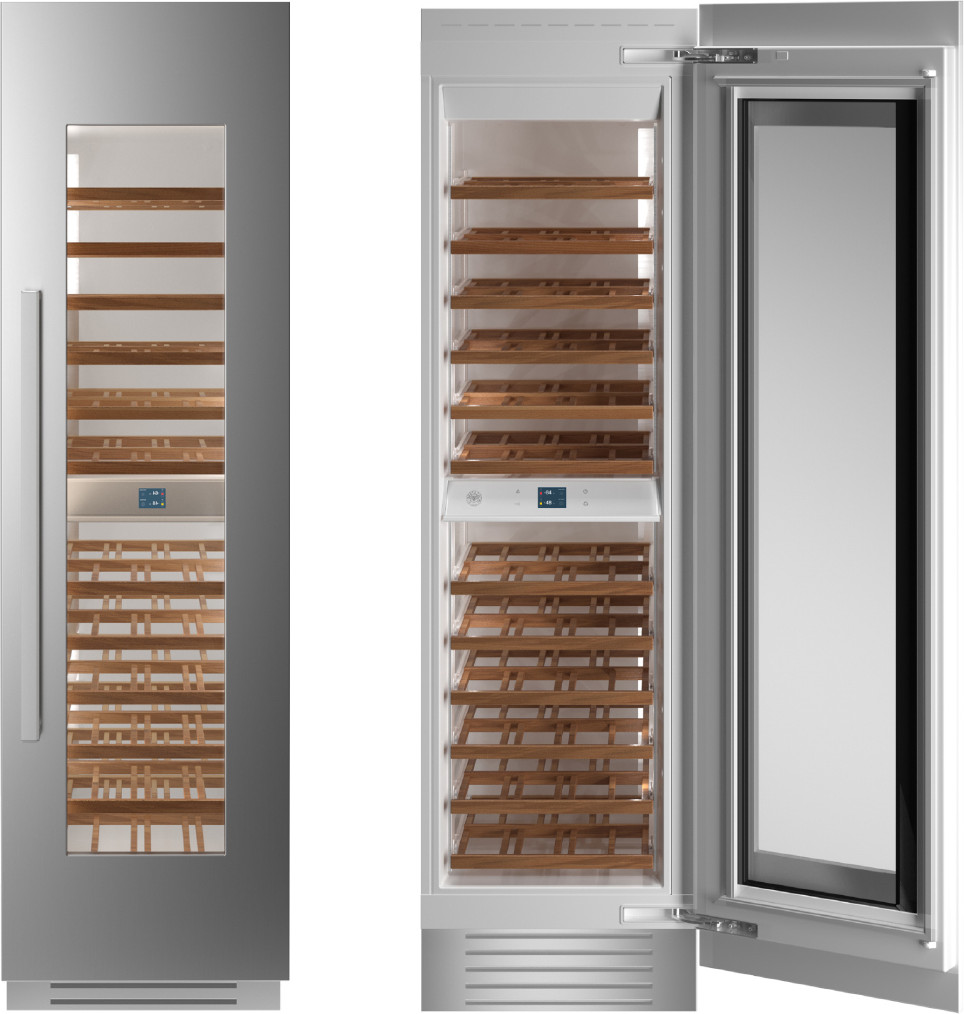
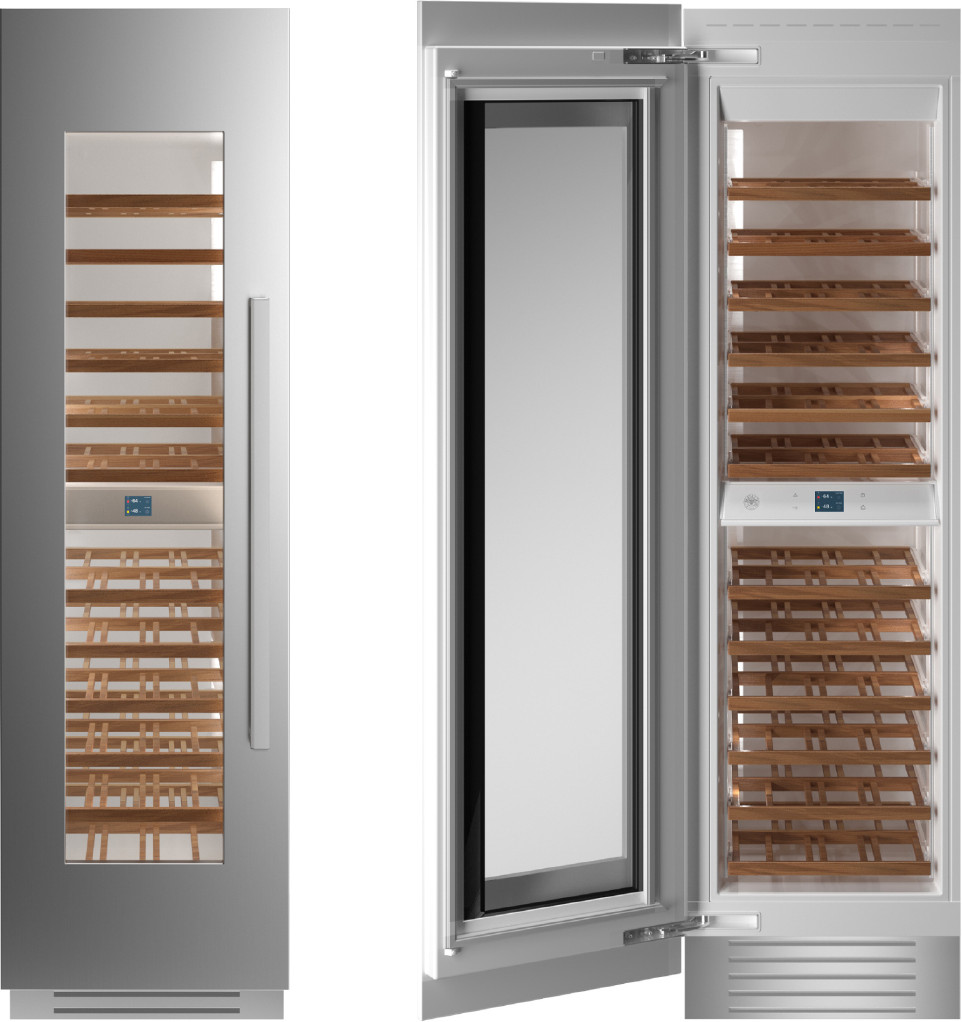
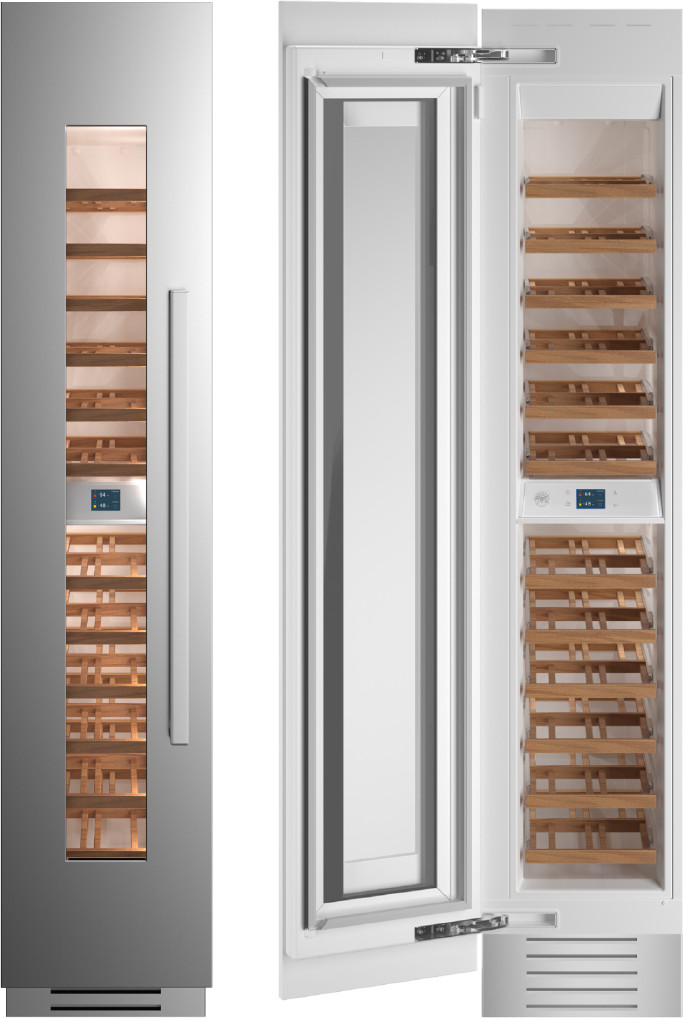
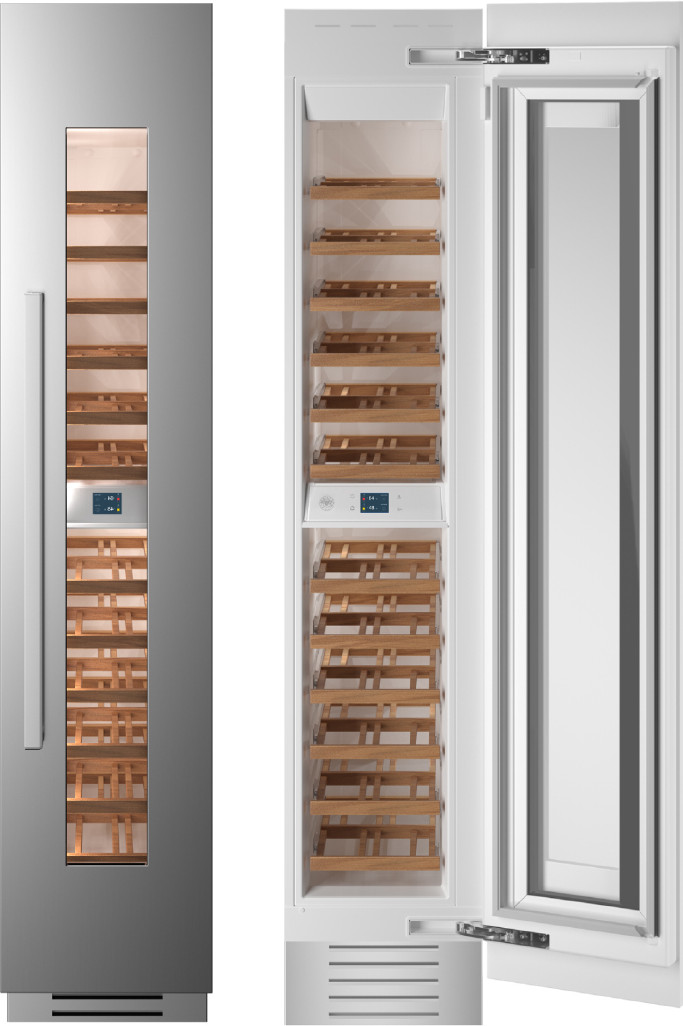
Want to stash your vino collection without bleeding your wallet dry? With some low-cost choices, you can snag a built-in wine cellar that ticks all your boxes without burning a hole in your pocket.
Why Go for a Built-in Wine Cellar?
Why are built-in wine cellars such a big deal? Well, apart from making you look like a wine connoisseur, they have some major perks:
Perk
What It Means for You
Saves Space
Blends right into your crib's design.
Stable Environment
Keeps the wine at a consistent temp and humidity.
Looks Fancy
Makes your lounge or kitchen look snazzy.
Easy Reach
Your wine is always within arm's reach.
With a controlled setting, your wine has the best chance to age like a fine… well, you get it.
Things to Mull Over Before You Buy
Before you rush off to order your wine haven, chew over these tidbits to nab the perfect fit for your stash.
Thing to Consider
Why It Matters
Space Check
Size up the nook where it'll sit.
Hold Capacity
Make sure it can cradle your current bottles and any future finds.
Chill Factor
Scope out features to set and forget your ideal wine temp.
How You'll Install
Debate if you want to go all Bob the Builder or call in the pros.
Keep these nuggets in mind, and you'll snag a cellar that's handy and sharp-looking. If you’re thirsty for more details on built-in options, peek into our built-in wine cooler guide. It’s a treasure map to home wine storage happiness.
Who says you gotta break the bank to enjoy a classy wine nook? Let’s chat about how to make your vino dreams come true without emptying your wallet. Here’s the scoop on what's out there and some tricks to keep the cash in your pocket while still lovin' your wine stash.
Exploring Cost-Effective Options
Finding a wine cellar that doesn’t cost an arm and a leg is totally doable! Check out these wallet-friendly choices:
Type of Wine Cellar
Estimated Cost Range
What’s Cool About It
Built-in Coolers
$300 - $600
Great for small spaces, racks you can shift around
Modular Wine Racks
$150 - $400
Mix 'n match styles, wood or metal — take your pick
Freestanding Units
$200 - $700
Easy to move, fits anywhere, all-purpose charm
DIY Wine Cellars
$100 - $500
You make it, you style it — endless possibilities
If you’re into flexibility or have a habit of moving things around, a freestanding unit might just be your new best friend. And hey, if you’re the crafty type, getting your DIY on with a wine cellar could be just the creative adventure you need!
Tips for Finding Deals and Discounts
Why pay full price when you can score a deal? Here’s how to keep your eyes peeled for some sweet savings on wine cellars:
Hit Up Sales and Clearance Deals Retailers love a good sale — think holidays and clearances. Timing it right can get you that wine cellar for a steal.
Scope Out Online Marketplaces Places like eBay or Facebook Marketplace are goldmines for second-hand finds. Just make sure to double-check the goods before you hit "buy."
Get on the Newsletter Train Subscribing to store newsletters can mean exclusive discounts right to your inbox. Hey, it’s like getting a secret handshake, but with savings!
Use Price Comparison Websites Why pay more when you can see who's got the best deal? Google Shopping and similar sites do the heavy lifting for you.
Don’t Fear the Off-Brand Big names come with big dollar signs. Explore the underdogs who offer good quality without the sky-high price.
Rolling with the punches and keeping an open mind can help you discover a bargain that fits your style just right. If you’re hungry for more inspiration on organizing those drinks, swing by and check out Fridge.com tips on patisserie fridge display.
Installation Considerations
So, you're thinking about plonking in a built-in wine cellar, huh? That's a sweet move! But, before you start drilling and hammering away, let's chat about the best ways to get this thing rollin' without turning your home into a construction site. You want it to look slick and work like a charm, right?
Planning Your Built-in Wine Cellar Space
Alright, start with what you got. How big is your crib? And where will this wine temple live? There’s some stuff you gotta think about:
Aspect
What to Ponder
Size
How many bottles you plan on stashing? Make sure the space doesn't cramp their style.
Location
Don't toss it where the sun shines or near any blazing heaters. Wine prefers cooler temps, away from drama.
Accessibility
Keep it close to where the party happens or near your dinner digs, so you're never far from a pour.
Design
Maybe it fits right into your kitchen cupboards, or you've got a snazzy spot in the living room—make it blend in like it belongs.
Grab your tape measure and jot down every inch of your chosen spot, like measuring twice before cutting once. Want more wisdom? Fridge.com article about built-in wine cooler might tickle your fancy.
DIY Installation Vs. Professional Installation
Now, to do it yourself or call in the pros—that's the next big question. Let's weigh it up, champ.
DIY Installation
Pros:
Your wallet will thank ya; labor? You got it covered.
No rush; take your sweet time whenever you’re free.
Cons:
You'll need some know-how and the right gear; screw up and it could cost ya more.
It can be a never-ending saga if you're learning the ropes.
Professional Installation
Pros:
Pros got skills; they whip it up nice and neat.
They've got your back with warranties, so you're not left hanging.
Cons:
You might fork out more cash up front 'cause of labor.
They work on their own time, so flexibility might get the boot.
Whether you decide to tackle this beast solo or call in the cavalry, it really boils down to what you're comfy with in terms of know-how, time, and cash. If stress-free sounds up your alley, let the experts handle the hassle and kick back with a glass of Chardonnay. Planning everything right and picking the right path will keep that built-in wine cellar lookin' fab and workin' like a well-oiled machine for when you’re ready to pop that cork.
When it comes to your built-in wine cellar, keeping things tidy and being climate-conscious are your best buddies. Not only do they make it easier to find your Pinot Noir for those laid-back evenings but they also keep that vino fresh and tasty.
Sorting Your Wine Stash
Having your wines well-organized can save you time and maybe a little sanity. Here's how you can set your mini-bar wonderland:
Divide by Type: Keep your reds, whites, and sparklers in their own gangs. Makes it a breeze to grab what you're in the mood for.
Tag Your Bottles: Mix too many bottles and you'll be lost. Slap a label on them for quick nab-and-pour action.
Rack 'Em Right: Get yourself a top-notch rack that stores the bottles sideways. Keeps that cork happy and the wine inside tastier.
Sorting Style
What's It About?
Type
Organize by red, white, or bubbly.
Region
Sort 'em to their homeland terrains.
Occasion
Arrange for that big soirée or weekend fun.
Remember, wines aren't sardines. Don't pile them like canned goods. Give 'em some space for airflow to keep them tasting just right.
Setting the Right Atmosphere
Your wine's love language is a nice steady temperature and a humid climate. Here's the lowdown on making your cellar the perfect hangout for your wine:
Nail the Temperature: Reds like it a bit warmer at 55-65°F, while whites chill out better at 45-55°F. Watch out for temp swings; they can upset your bottles.
Hugging Humidity: Keep things humid, say around 50-70%. It keeps those corks from cracking up, but not too damp to grow any unwanted fuzz.
Sweet Spot for Your Bottles
Temperature (°F)
Humidity (%)
Red Wine
55-65
50-70
White Wine
45-55
50-70
Check if you've got a smarty-pants thermostat and humidity control. A little gadget like a hygrometer is a good idea to keep tabs on the atmosphere now and then.
With a well-ordered stash and just the right ambiance, your wine cellar will be your happy place to explore flavors whenever you fancy. For more sips and tricks, glide over to Fridge.com piece on built in wine cooler.
Keeping your built-in wine cellar in tip-top shape is the secret to sipping on that perfect glass of wine anytime you want. Here's how you can keep everything humming along just fine.
Cleaning and Maintenance Routine
To keep your wine cellar as reliable as your favorite bartender, stick to a steady cleaning schedule. It's as easy as pie, promise!
Task
How Often
Dust the outside
Once a month
Clean the inside
Every 3 months
Check temperature
Every week
Inspect seals & gaskets
Once a month
Dust the outside: Grab a microfiber cloth and give the cellar's exterior a quick once-over. Keeps the controls from going grimy.
Clean the inside: Pop out those wine bottles and gently clean the shelves. Steer clear of harsh cleaners that could leave your vino tasting funny.
Check temperature: Peek at the dials to ensure your wine's chill factor stays around a comfy 55°F (or 13°C for those who fancy Celsius).
Inspect seals & gaskets: Make sure the door fits snug as a bug. This helps keep the inner climate perfect for your precious bottles.
Every now and then, your wine cellar might act out. No worries, though! Tackling these hiccups is easier than you think:
Problem
What’s Causing It
What to Do
Wonky temperatures
Loose door seals
Check and change seals if needed
Weird smells
Spills or funkiness
Give a thorough clean
Noisy or shaky
Bad placement
Make sure it sits nice and flat
Not cooling
Dust on coils
Dust off those condenser coils
Wonky temperatures: If it's not staying cool, peek at the door. Swap the seal if it looks wonky to stop warm air from sneaking in.
Weird smells: Got a stinky situation? That's usually spills or mold. Keep it clean inside to dodge this issue.
Noisy or shaky: Ensure your cellar’s not doing the cha-cha. It should be on an even, stable base to avoid shaking things up.
Not cooling: Dust bunnies might’ve found home on your condenser coils. A clean sweep will get it chilling right again.
If you're planning to expand your wine storage, look into our built-in wine cooler for added guidance.
Keep these tips handy and your wine collection will be your proud companion for many delightful evenings ahead!
Compare prices on Fridge.com
Compare current prices and specifications on Fridge.com, then buy from the retailer you choose; delivery, installation and warranty terms are the retailer’s.
It also has tons of awesome articles about kitchen stuff and home news. Enhance your home, garage, backyard, patio, and office with the coolest essentials. With every necessary type of residential refrigerator or freezer in the collection, you're covered.
Frequently Asked Questions
Why are built-in wine cellars such a big deal? Well, apart from making you look like a wine connoisseur, they have some major perks:. Perk.
What It Means for You.
.
Saves Space.
Blends right into your crib's design..
.
Stable Environment.
Keeps the wine at a consistent temp and humidity..
.
Looks Fancy.
Makes your lounge or kitchen look snazzy..
.
Easy Reach.
Your wine is always within arm's reach..
. With a controlled setting, your wine has the best chance to age like a fine… well, you get it.