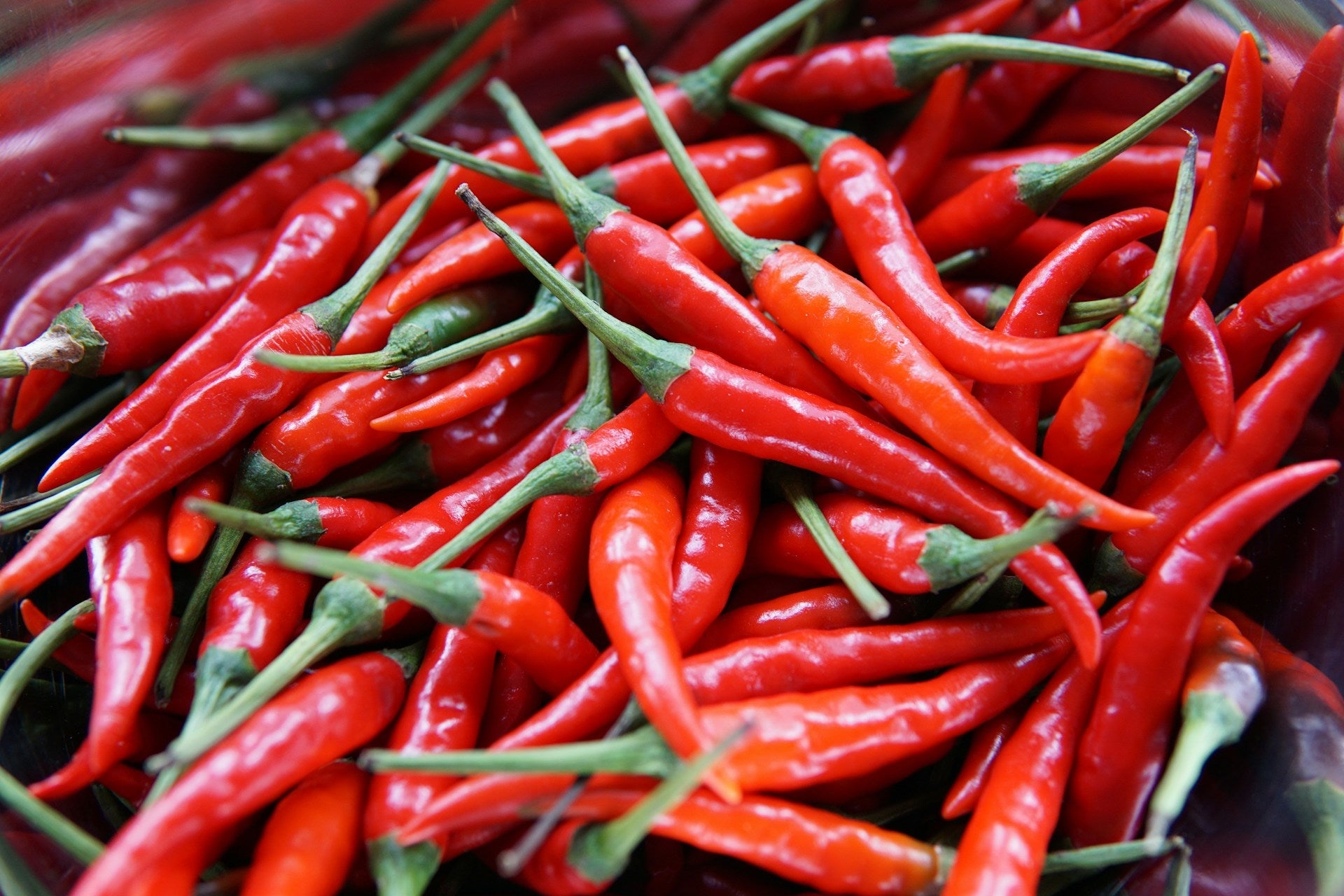
Understanding Cayenne Pepper and Red Pepper Flakes
When it comes to spicing things up in the kitchen, cayenne pepper and red pepper flakes are your go-to buddies. Each has its own charm and kick, making them essential for any spice rack.
Cayenne Pepper: The Fiery Powder
Cayenne pepper is a finely ground powder made from dried cayenne chili peppers. It's known for its intense heat and bright red color. This spice is a must-have in many cuisines, adding a fiery touch to soups, stews, and marinades.
Cayenne pepper is also a star in various spice mixes like chili powder and Cajun seasoning. Its fine texture makes it perfect for blending into liquids and sauces, ensuring a consistent heat throughout your dish.
Cayenne Pepper Quick Facts:
- Form: Fine powder
- Color: Bright red
- Heat Level: High
Common Uses:
- Spicing up soups and stews
- Mixing into spice blends
- Enhancing marinades and sauces
Red Pepper Flakes: The Crunchy Heat
Red pepper flakes, also known as crushed red pepper, are made from a mix of dried chili peppers, including cayenne. These flakes are coarsely crushed, with visible seeds and skin, giving them a unique texture. They're a favorite for sprinkling over pizzas, pasta, and salads for an extra burst of heat.
Unlike cayenne pepper, red pepper flakes offer a more complex flavor due to the variety of chilies used. They're also great in pickling recipes and spice rubs for meats and veggies.
Red Pepper Flakes Quick Facts:
- Form: Coarse flakes
- Color: Red with seeds
- Heat Level: Medium to high
Common Uses:
- Sprinkling on pizzas and pasta
- Adding to pickling recipes
- Using in spice rubs for meats and veggies
For more spice comparisons, check out our articles on paprika Vs. smoked paprika and black pepper Vs. white pepper.
Storing Cayenne Pepper and Red Pepper Flakes
Proper storage is key to keeping your spices fresh and flavorful. Here's how to store cayenne pepper and red pepper flakes to maintain their quality.
Storage Tips
Keep these spices in a cool, dark place to preserve their flavor and heat. Light, heat, and moisture can degrade their quality.
- Temperature: Room temperature, ideally between 60-70°F (15-21°C).
- Containers: Airtight containers to keep out moisture and air.
- Location: Pantry or cupboard away from direct sunlight and heat sources like stoves or ovens.
Shelf Life
Stored properly, these spices can last for years.
| Spice | Shelf Life (Optimal Conditions) |
|---|---|
| Cayenne Pepper | 3-4 years |
| Red Pepper Flakes | 2-3 years |
Check for signs of degradation like loss of color or weak aroma. If they seem off, it's time to replace them. For more storage tips, see our articles on black-eyed peas Vs. chickpeas and ginger Vs. galangal.
Flavor Profile and Heat Level
Flavor Differences
Cayenne pepper and red pepper flakes each bring unique flavors to your dishes.
Cayenne Pepper:
- Flavor: Bright and intense with a slightly fruity undertone. Sharp and pungent.
- Uses: Adds a spicy kick to dishes. Common in Mexican, Indian, and Cajun cooking.
Red Pepper Flakes:
- Flavor: Complex with a slightly smoky and earthy taste.
- Uses: Versatile for sprinkling on foods and adding heat to sauces, soups, and marinades.
Heat Intensity
The Scoville Heat Units (SHU) measure the spiciness of these spices.
| Spice | Scoville Heat Units (SHU) |
|---|---|
| Cayenne Pepper | 30,000 - 50,000 |
| Red Pepper Flakes | 15,000 - 45,000 |
Cayenne Pepper:
- Heat Level: Typically hotter, with a SHU range of 30,000 to 50,000. Use sparingly.
Red Pepper Flakes:
- Heat Level: Variable, ranging from 15,000 to 45,000 SHU. Generally milder, making them suitable for a wider range of palates.
For more spice comparisons, explore our articles on paprika Vs. smoked paprika and black pepper Vs. white pepper.
Culinary Uses
Using Cayenne Pepper
Cayenne pepper is versatile and can enhance many recipes.
- Marinades: Adds subtle heat to meats or tofu.
- Salad Dressings: Gives vinaigrettes or creamy dressings an extra zing.
- Soups and Stews: Elevates the heat profile. Start small and adjust to taste.
- Egg Dishes: Adds a spicy twist to scrambled eggs, omelets, or frittatas.
| Recipe Type | Suggested Amount of Cayenne Pepper |
|---|---|
| Marinades | 1/4 tsp |
| Salad Dressings | 1/8 tsp |
| Soups and Stews | 1/4 tsp |
| Egg Dishes | 1/8 tsp |
Using Red Pepper Flakes
Red pepper flakes add texture and varied heat.
- Pizza Toppings: Sprinkle for a spicy kick.
- Pasta Dishes: Add to sauces or directly onto pasta.
- Pickling: Use in pickling brine for spicy pickles.
- Sandwich Spreads: Mix into mayonnaise or other spreads for a spicy edge.
| Recipe Type | Suggested Amount of Red Pepper Flakes |
|---|---|
| Pizza Toppings | 1/2 tsp |
| Pasta Dishes | 1/4 tsp |
| Pickling | 1/2 tsp per jar |
| Sandwich Spreads | 1/4 tsp |
For more ideas, explore our articles on black pepper Vs. white pepper and paprika Vs. smoked paprika.
Health Benefits
Nutritional Value of Cayenne Pepper
Cayenne pepper is packed with essential nutrients.
| Nutrient | Amount per 1 tsp (5g) |
|---|---|
| Calories | 17 |
| Protein | 0.6g |
| Fat | 0.9g |
| Carbohydrates | 3g |
| Fiber | 1.4g |
| Vitamin A | 44% DV |
| Vitamin C | 7% DV |
| Vitamin E | 8% DV |
| Vitamin K | 5% DV |
Rich in vitamins A, C, and E, cayenne pepper supports immune function and skin health. It also contains capsaicin, known for its anti-inflammatory and pain-relieving properties.
Nutritional Value of Red Pepper Flakes
Red pepper flakes also offer a variety of nutrients.
| Nutrient | Amount per 1 tsp (3g) |
|---|---|
| Calories | 5 |
| Protein | 0.2g |
| Fat | 0.3g |
| Carbohydrates | 1g |
| Fiber | 0.5g |
| Vitamin A | 6% DV |
| Vitamin C | 2% DV |
| Vitamin E | 1% DV |
| Vitamin K | 1% DV |
They provide antioxidants that help combat oxidative stress. Capsaicin in red pepper flakes boosts metabolism and suppresses appetite.
For more insights, visit our articles on black pepper Vs. white pepper and paprika Vs. smoked paprika.
Cooking Tips and Tricks
Enhancing Flavor with Cayenne Pepper
Cayenne pepper can add a significant kick to your dishes. Here are some tips:
- Start Small: Begin with a small amount and gradually increase.
- Even Distribution: Mix thoroughly for even heat.
- Balancing Flavors: Pair with acidic ingredients like lemon juice or vinegar.
- Marinades and Rubs: Add to marinades or rubs for a spicy kick.
- Soups and Stews: Sprinkle a pinch to enhance depth and warmth.
Enhancing Flavor with Red Pepper Flakes
Red pepper flakes add heat and texture. Here are some tips:
- Topping: Sprinkle on finished dishes like pizza, pasta, or salads.
- Infusing Oils: Heat in oil to create a spicy drizzle.
- Stir-fries: Add to stir-fries for a quick, spicy element.
- Baking: Incorporate into bread dough or sprinkle on top before baking.
- Seasoning Blends: Mix with other spices for custom blends.
For more spice comparisons, check our articles on paprika Vs. smoked paprika and black pepper Vs. white pepper.
Substitution Options
Sometimes you need to substitute one spice for another. Here's how to do it effectively.
Substituting Cayenne Pepper with Red Pepper Flakes
If you're out of cayenne pepper, red pepper flakes can work as a substitute.
Substitution Ratio:
- Use 1 teaspoon of red pepper flakes for every 1/4 teaspoon of cayenne pepper.
Considerations:
- Red pepper flakes add texture.
- The heat level may be milder.
- Adjust quantity based on heat tolerance.
For more on using red pepper flakes, visit our guide on how to incorporate red pepper flakes.
Substituting Red Pepper Flakes with Cayenne Pepper
When substituting red pepper flakes with cayenne pepper, be cautious as cayenne is hotter.
Substitution Ratio:
- Use 1/4 teaspoon of cayenne pepper for every 1 teaspoon of red pepper flakes.
Considerations:
- Cayenne pepper provides a smoother texture.
- The flavor will be more intense.
- Gradually increase the amount if you prefer spicier dishes.
For more tips on using cayenne pepper, check out our article on how to incorporate cayenne pepper.
| Spice | Substitution Ratio | Notes |
|---|---|---|
| Cayenne Pepper | 1/4 tsp = 1 tsp Red Pepper Flakes | Use less due to higher heat |
| Red Pepper Flakes | 1 tsp = 1/4 tsp Cayenne Pepper | Adds texture and milder heat |
By understanding these substitution options, you can adjust your recipes without compromising on flavor or heat. For more comparisons and tips, explore our articles on english peas Vs. garden peas and black-eyed peas Vs. chickpeas.
Get Your Upgrade or New Addition at Fridge.com
Whether you're searching for your perfect fridge, freezer, wine fridge, beer fridge, ice maker, or kegerator, we have what you need.
Shop the world's best brands at Fridge.com.
We also have tons of awesome articles about kitchen stuff and home news. Enhance your home, garage, backyard, patio, and office with the coolest essentials. With every necessary type of residential refrigerator or freezer in our collection, we've got you covered.
Elevate your game and shop now at Fridge.com!