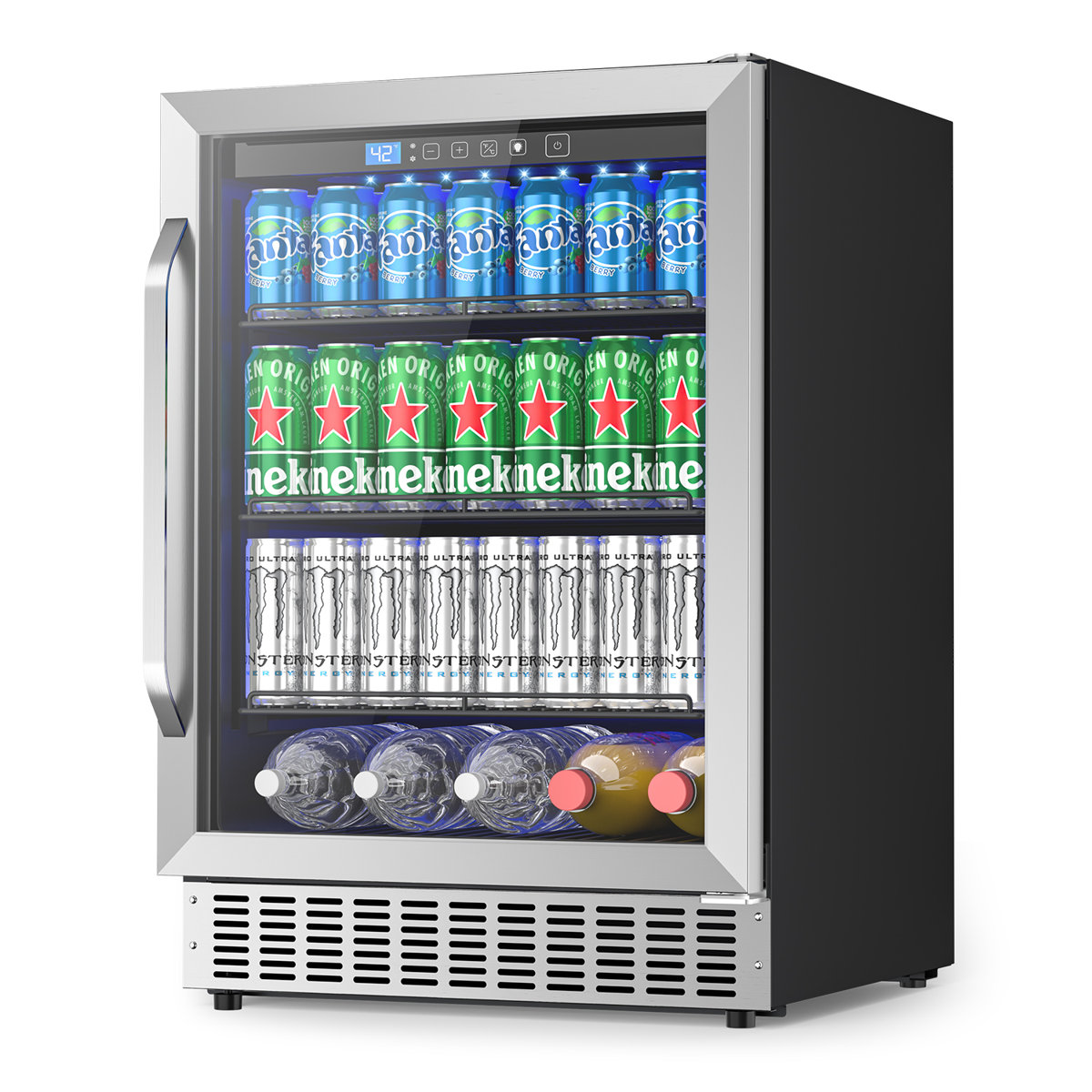
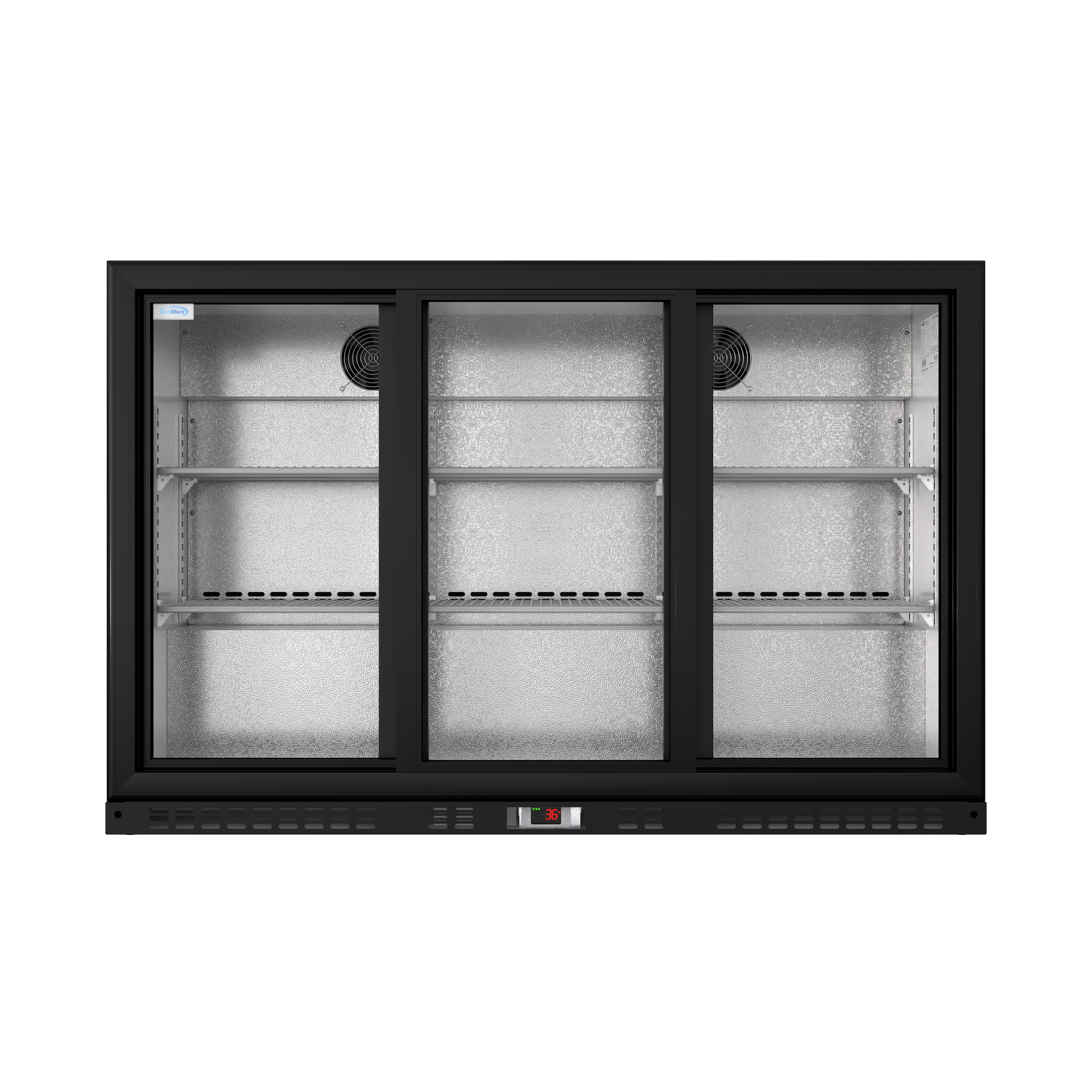
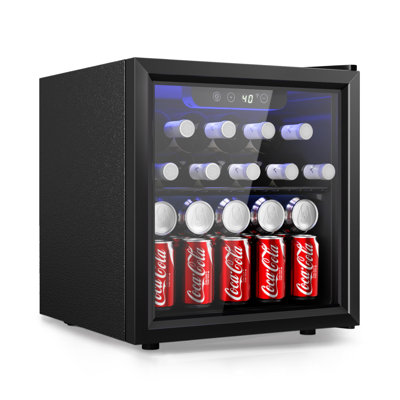
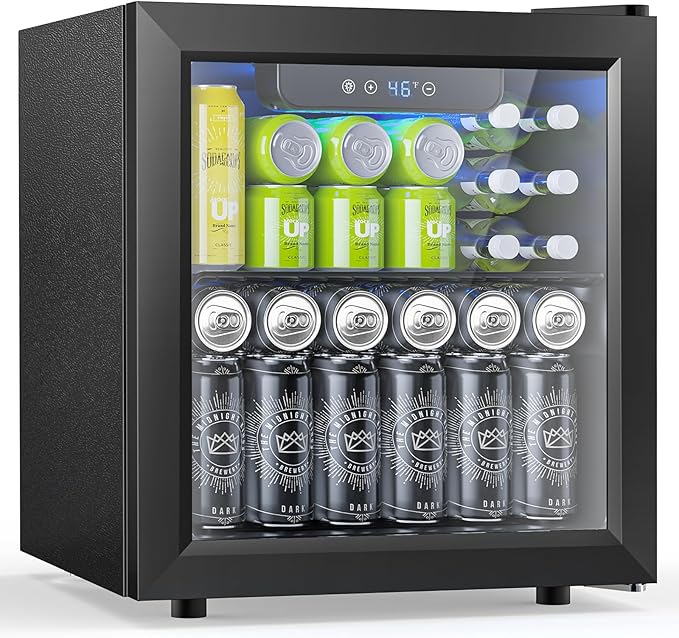
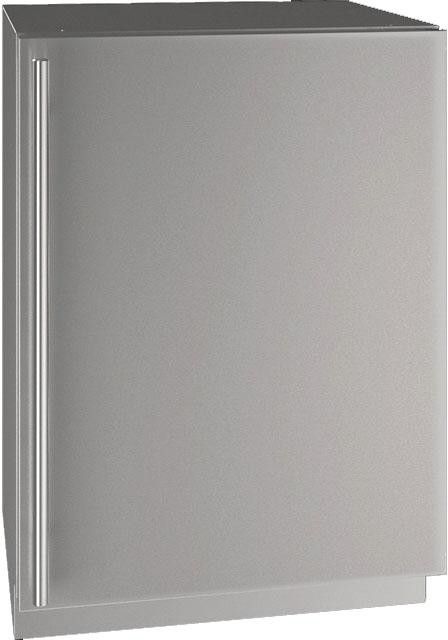
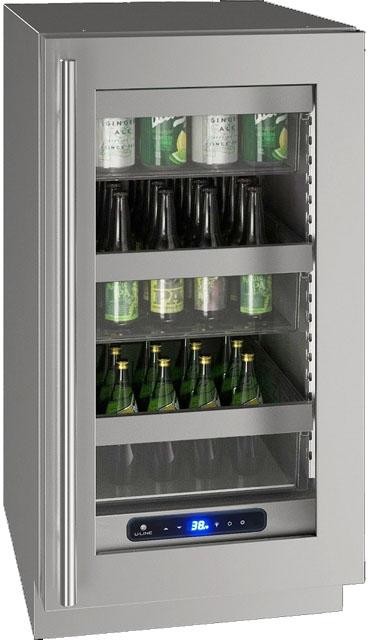
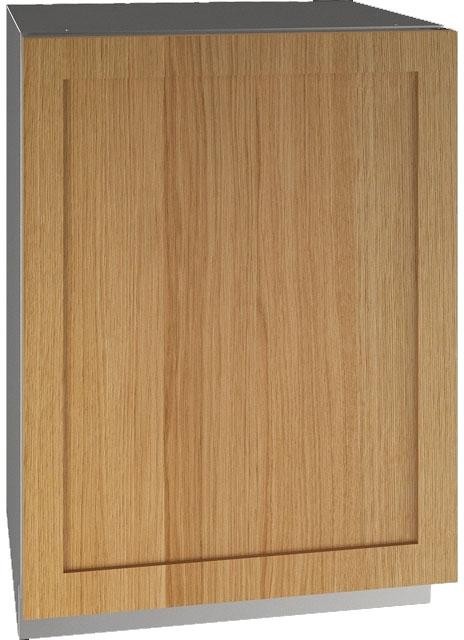
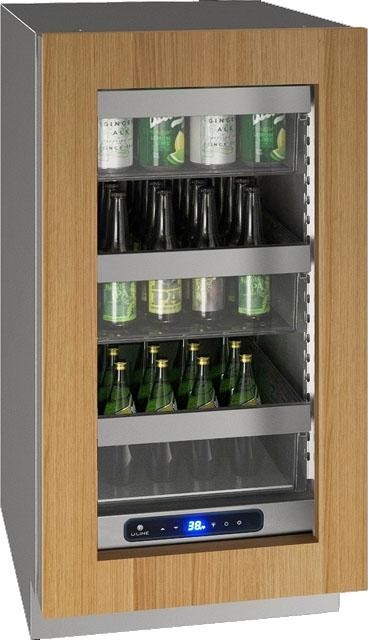
A beverage center and a smart fridge sit at opposite ends of the kitchen appliance spectrum. One is a compact, single-purpose drink cooler that does one thing well. The other is a full-size, internet-connected refrigerator packed with screens, cameras, apps, and AI-powered features that tries to manage your entire kitchen. This guide compares them honestly so you can decide which earns space in your home.
What They Are
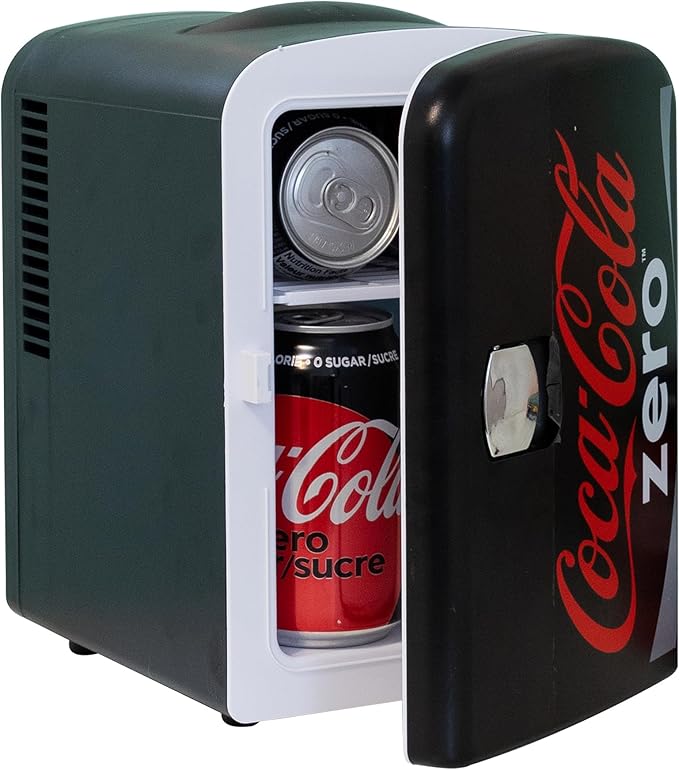
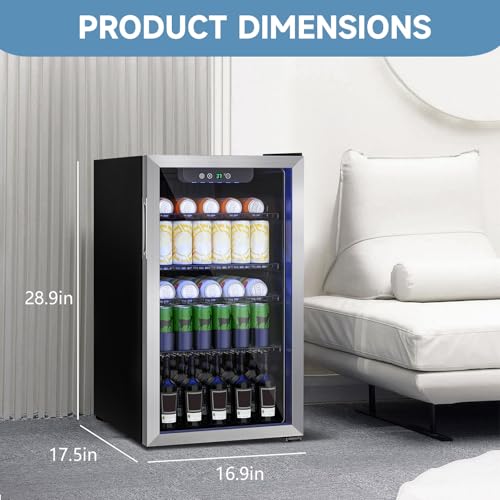
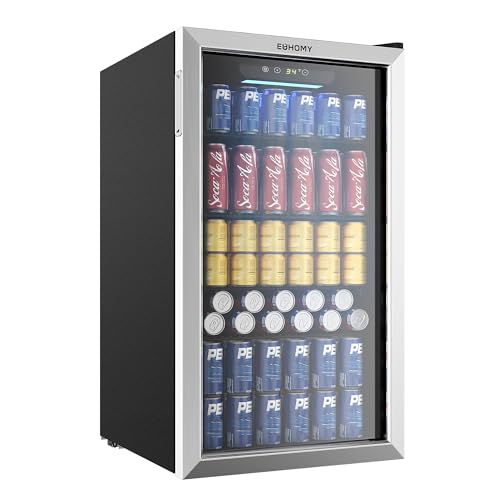
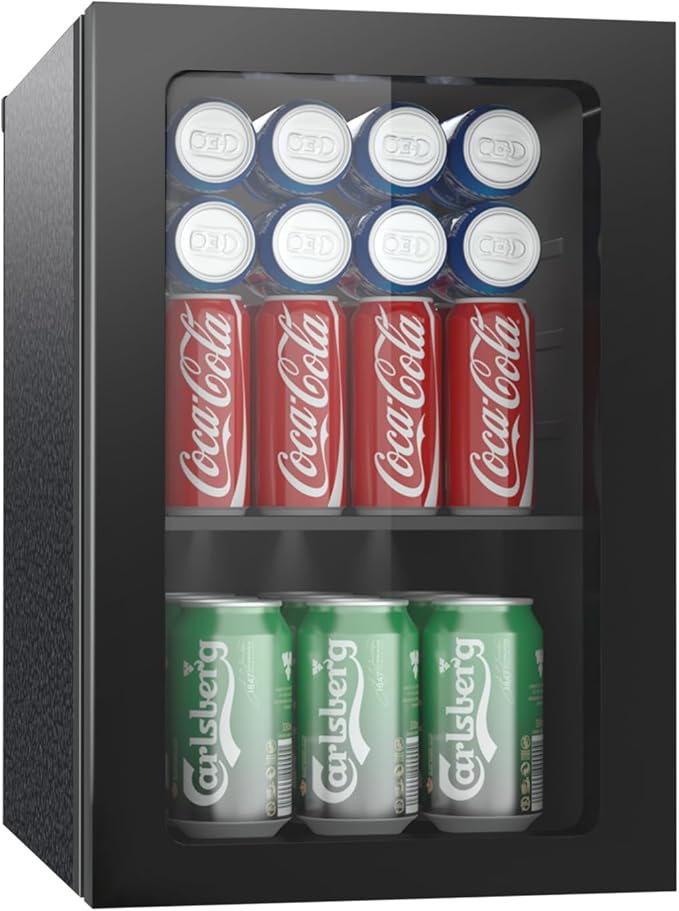
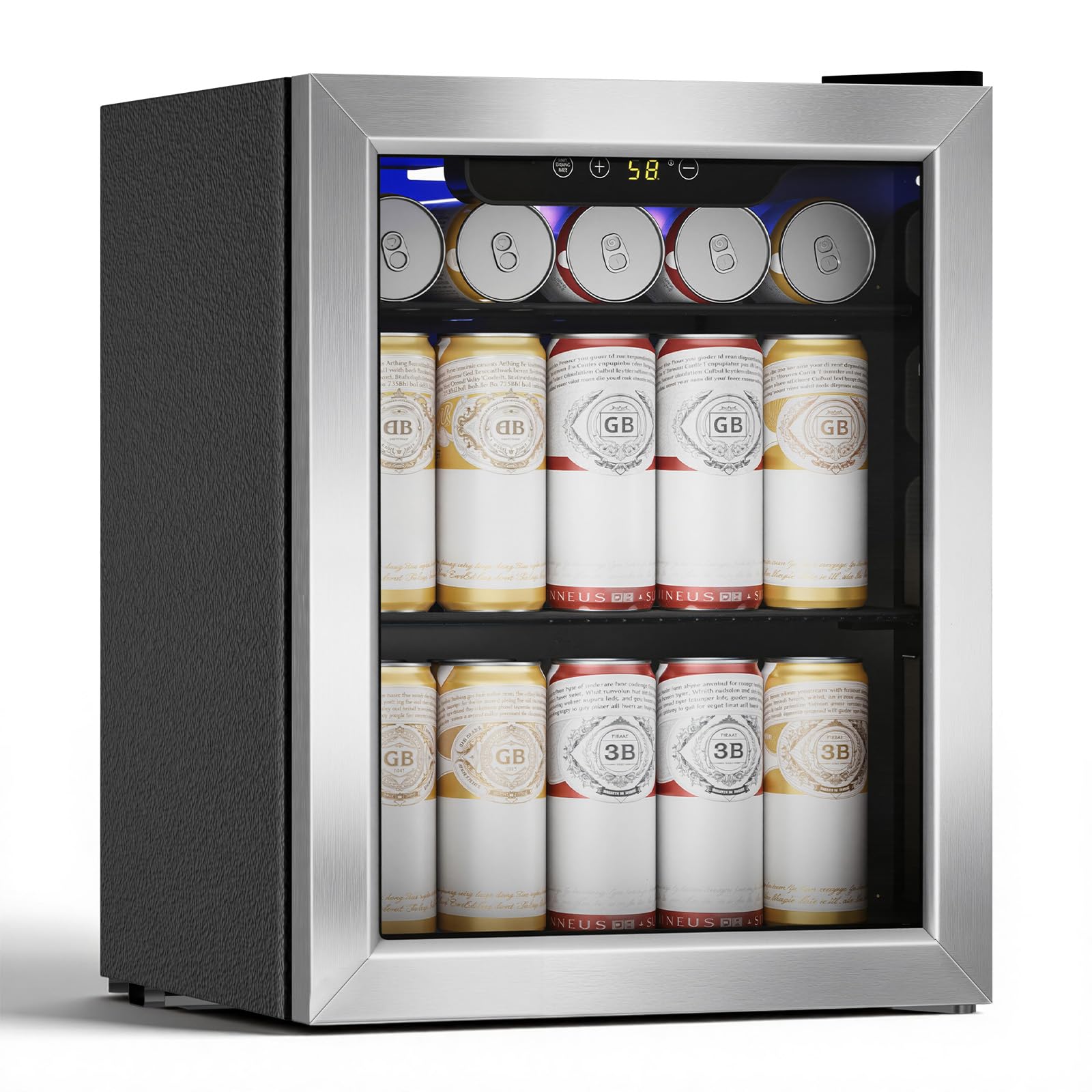
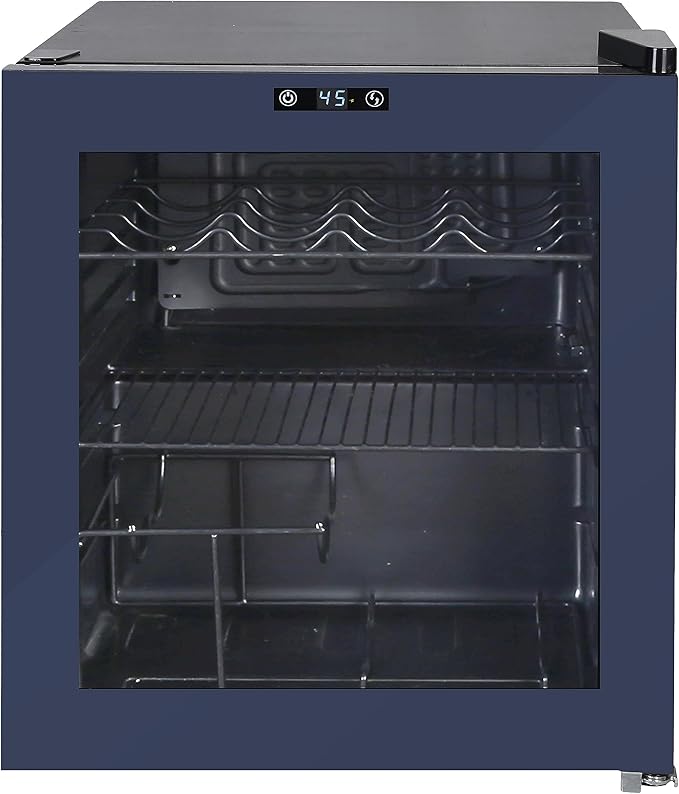
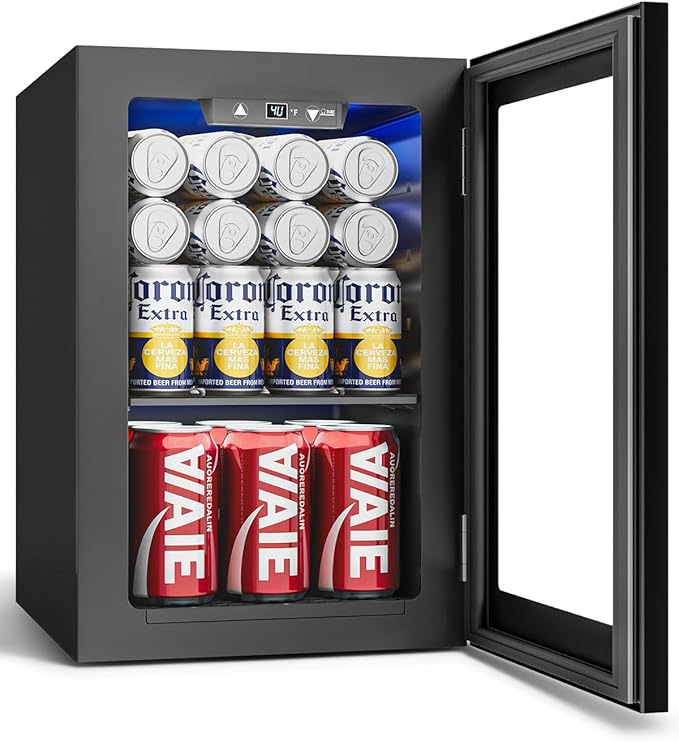
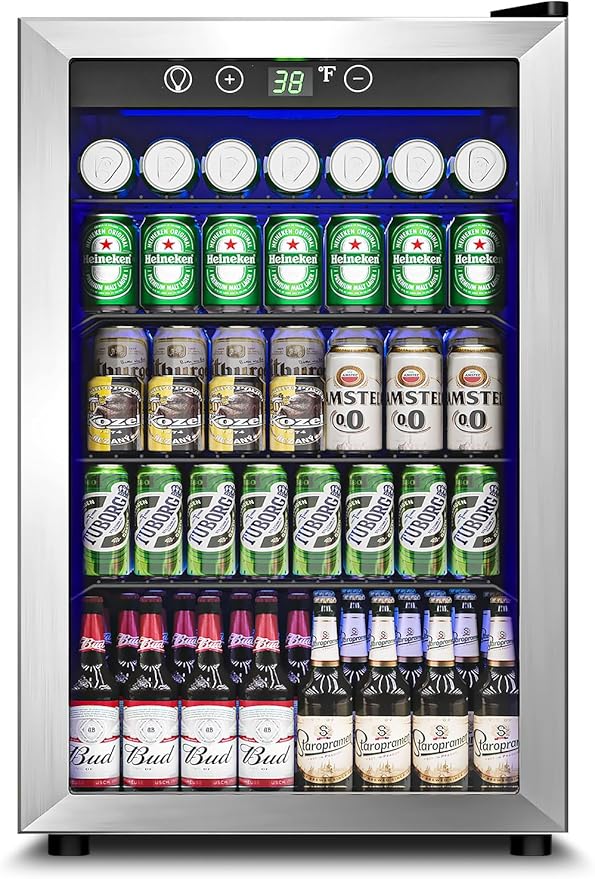
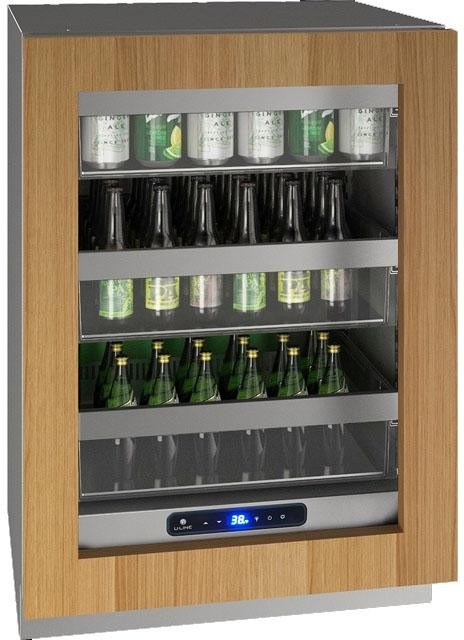
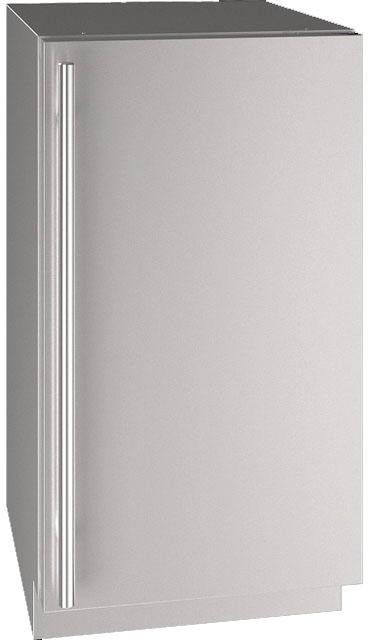
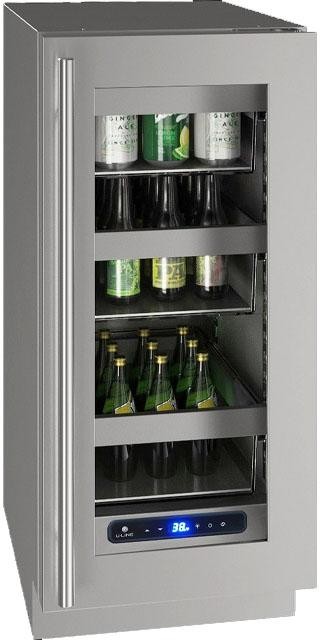
A beverage center is a compact refrigerator — 15 to 24 inches wide, 2.5 to 5.5 cubic feet — designed exclusively for drink storage. Glass door, LED lighting, can-friendly shelving, and a temperature range of 34 to 50 degrees. It plugs in, cools drinks, and does nothing else. No Wi-Fi, no cameras, no touchscreen.
A smart fridge is a full-size refrigerator — 30 to 36 inches wide, 20 to 28 cubic feet — with integrated technology. Interior cameras let you check contents from your phone. A touchscreen panel on the door runs apps, displays calendars, plays music, and shows recipes. Wi-Fi connectivity enables remote temperature monitoring, filter replacement alerts, and grocery list syncing. Voice assistants respond to commands. Some models include family messaging boards and integration with smart home ecosystems like Samsung SmartThings or LG ThinQ.
Core Purpose
The beverage center exists to keep drinks cold and accessible. Every design decision serves that goal — the glass door shows what is available, the shelving fits cans and bottles efficiently, the temperature range covers everything from ice-cold beer to wine at serving temperature. It is a tool optimized for a single task.
The smart fridge exists to be a connected kitchen command center. Food storage is the foundation, but the technology layer adds inventory tracking (cameras photograph contents every time the door closes), expiration date monitoring, meal planning integration, entertainment during meal prep, and remote access for checking what you need while shopping. The smart features add convenience for tech-oriented households but also add complexity, potential failure points, and a higher price tag.
These appliances do not compete for the same space. A beverage center fits under a counter, in an island, or beside a home bar. A smart fridge occupies a standard kitchen refrigerator slot. Most households that own both place them in different rooms or different zones of the kitchen.
The beverage center keeps technology minimal. Digital temperature display, LED interior lighting, and occasionally a door lock represent the extent of the electronics. There are no updates to install, no apps to configure, no screens to troubleshoot. It works the day you plug it in and keeps working without attention.
The smart fridge layers technology throughout. The Samsung Family Hub includes a 21.5-inch touchscreen, three interior cameras, Bixby voice control, SmartThings integration, music streaming, mirror screen from your phone, and meal planning tools. LG InstaView models feature a knock-twice transparent glass panel, ThinQ app connectivity, and craft ice makers. These features are impressive when they work but require Wi-Fi, software updates, and occasional troubleshooting. If the screen fails or the Wi-Fi goes down, the fridge still cools food — but the smart features become inaccessible until service resolves the issue.
Temperature Performance
Beverage centers maintain 34 to 50 degrees with precise digital controls. Dual-zone models run two independent temperature sections. The narrow focus means the cooling system is optimized for one job, and it does it well.
Smart fridges maintain standard food temperatures — 35 to 38 degrees in the fridge, 0 degrees in the freezer, and some include flex zones or custom temperature drawers. The cooling performance matches any premium full-size refrigerator. Smart features like remote temperature alerts notify you via phone if the fridge warms above safe levels — useful during power outages or if a door is left ajar.
Smart fridges use more energy due to their larger size, freezer section, and always-on screen and camera systems. The touchscreen alone draws 30 to 60 watts when active. Over a year, the smart features add $10 to $20 to the energy bill beyond what an equivalent non-smart fridge would use. The beverage center is modest in comparison — a small addition to household energy costs.
The price gap is enormous. A premium beverage center costs less than a budget smart fridge. The smart fridge premium pays for the touchscreen, cameras, Wi-Fi hardware, and software platform. Whether that technology justifies the cost depends entirely on whether you will actually use the smart features daily or if they become novelty items within six months.
A beverage center requires virtually no maintenance beyond annual coil cleaning and door gasket checks. There are no software updates, no app logins, no firmware bugs. Expected lifespan is 8 to 12 years.
A smart fridge requires the same physical maintenance as any full-size fridge — coil cleaning, filter replacement, gasket checks — plus software management. Firmware updates may change features or interfaces. Apps need account management. Cameras can malfunction. Touchscreens can fail. If Samsung or LG discontinues support for an older model's software platform, the smart features may stop working while the fridge itself continues to cool. Physical lifespan is 12 to 18 years, but smart feature support may not last the full lifespan of the unit.
Reliability
Fewer components mean fewer failure points. A beverage center has a compressor, a thermostat, a fan, and a light. A smart fridge has all of those plus a computer, touchscreen, cameras, Wi-Fi module, speakers, and microphone. Each additional component is a potential repair. Smart fridge repairs are more expensive because the electronic components require specialized service.
Buy a beverage center if you want a reliable, low-maintenance drink cooler that does one job perfectly. It supplements any primary fridge — smart or not — by handling drink duty in a dedicated space.
Buy a smart fridge if you are invested in a connected home ecosystem, want to use interior cameras for shopping, enjoy having a screen in the kitchen for recipes and music, and are willing to pay the premium for technology that layers onto standard refrigeration. It replaces your primary fridge with a tech-forward upgrade.
These two appliances are not either-or choices. They serve different roles. Many smart fridge owners also have a beverage center in their bar or media room.
Compare prices on Fridge.com
Compare beverage centers and smart refrigerators. Browse by features, brand, size, and price to find the right cooling solution for your kitchen and entertainment spaces.
Frequently Asked Questions
A smart fridge includes Wi-Fi connectivity, interior cameras, a touchscreen panel, app integration, and voice assistant support. Features vary by brand — Samsung Family Hub, LG InstaView, and similar platforms offer different capabilities. Compare smart fridge models at Fridge.com.
Free tool
Beverage Cooler Size Calculator
Free interactive tool from Fridge.com — get a quick answer while you read.