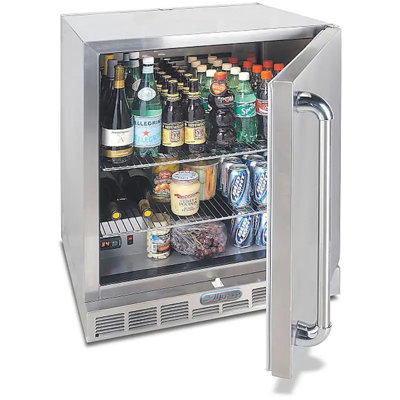
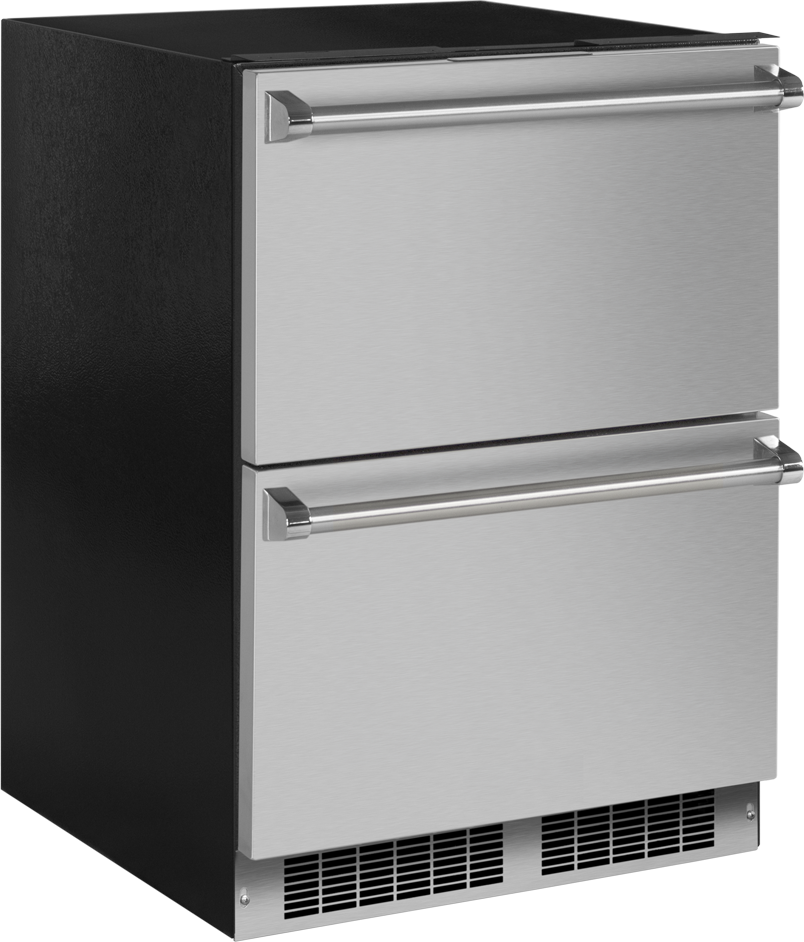
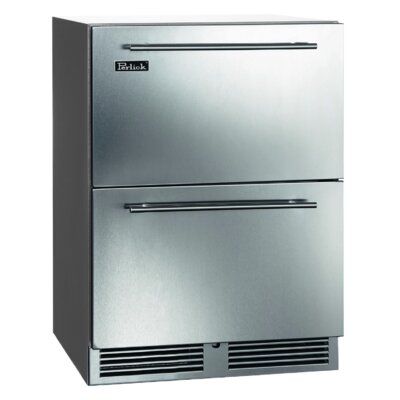
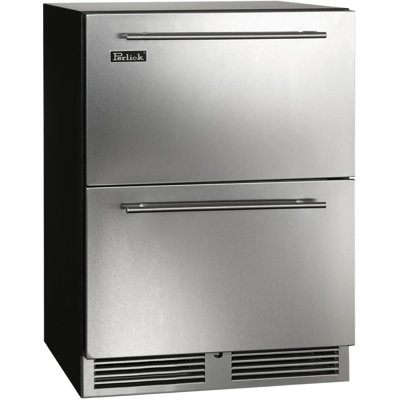
An adobe home often has thick walls, natural cooling, and a style that favors simple, functional appliances. A mini fridge for an adobe home should fit the space (which may be a kitchen nook, courtyard kitchen, or guest area), match the aesthetic if desired, and perform reliably. This guide covers what to look for when choosing a mini fridge for an adobe or Southwestern-style home.
Size and Placement
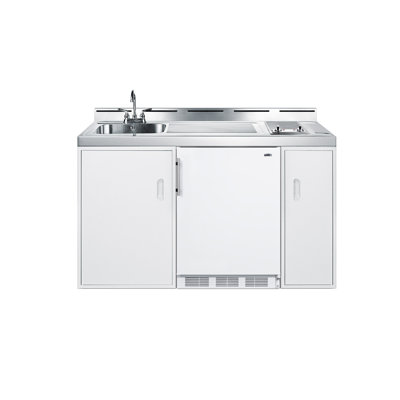
Adobe homes can have compact kitchens or outdoor cooking areas. Measure the spot where the fridge will go—width, depth, height—and check that the unit fits with clearance for ventilation. Mini fridges are typically 1.5 to 4.5 cubic feet; some larger "apartment size" units (10–14 cu ft) may fit in a full kitchen. Choose capacity based on whether this is the main fridge or a secondary cooler for drinks and snacks.
Adobe construction often creates thick walls and unique layouts. Kitchen nooks, courtyard kitchens, and guest casitas may have limited space. A compact refrigerator that fits the opening is essential. Leave 2 to 4 inches at the back and 1 to 2 inches on the sides for ventilation—blocking airflow causes overheating and can shorten the unit's life.
The U.S. Department of Energy (DOE) classifies refrigerators under 7.75 cubic feet as compact. Mini fridges in the 1.5- to 4.5-cubic-foot range fall in this category. They have separate efficiency standards. When comparing, check dimensions first, then capacity and features.
Finish and Style
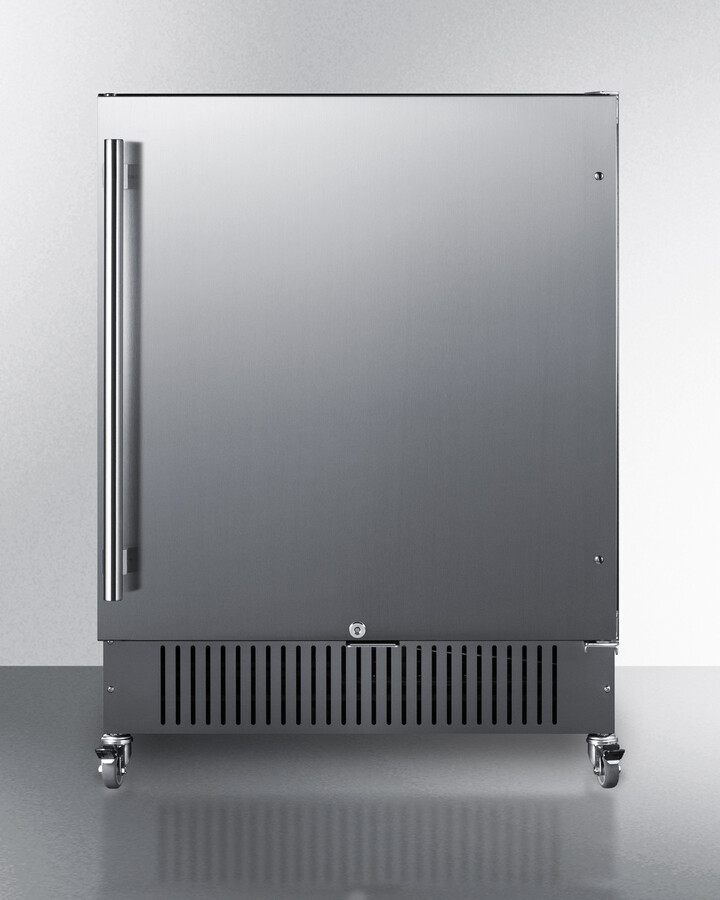
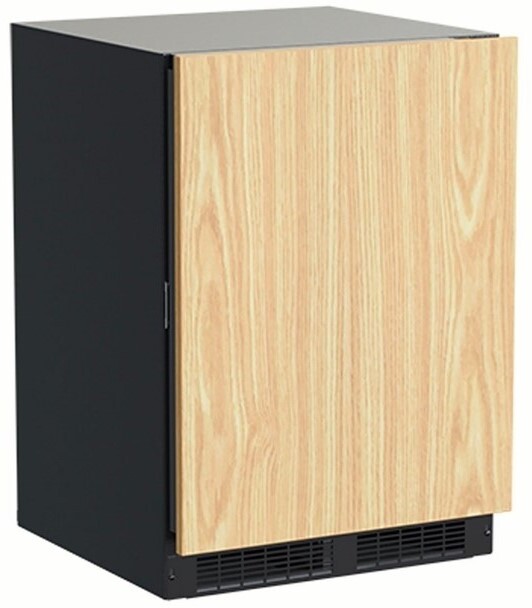
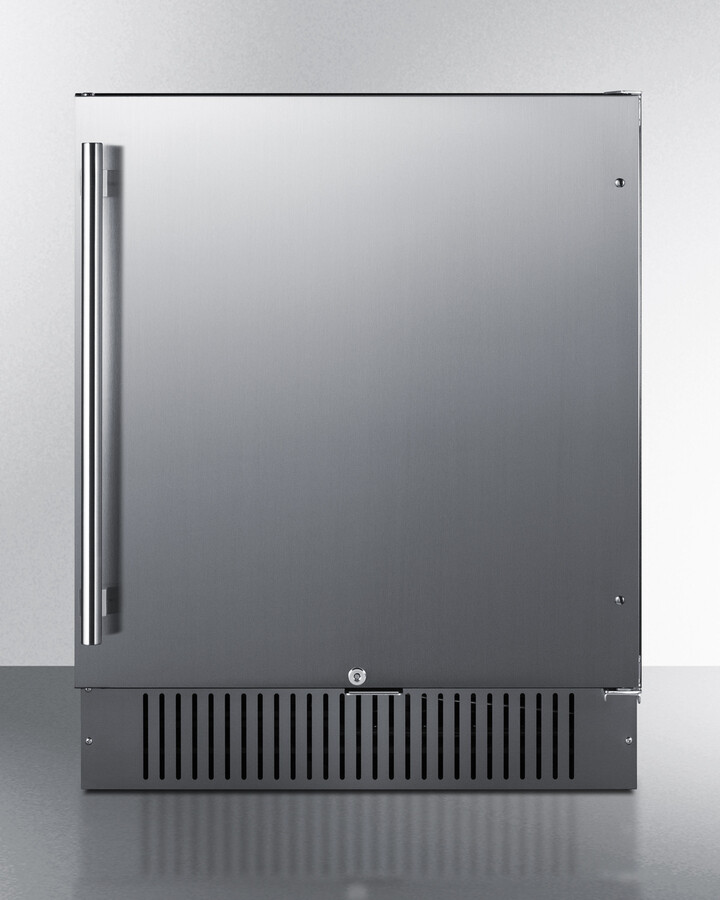
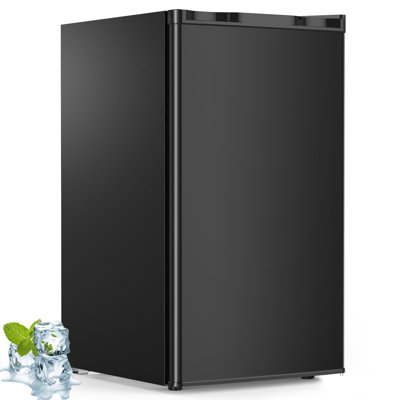
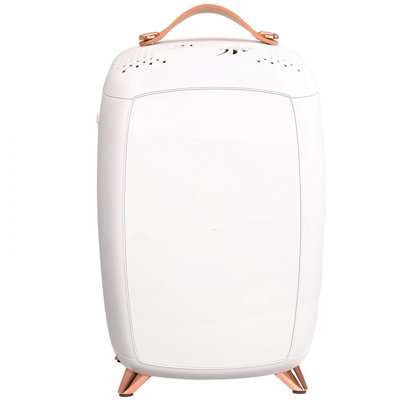
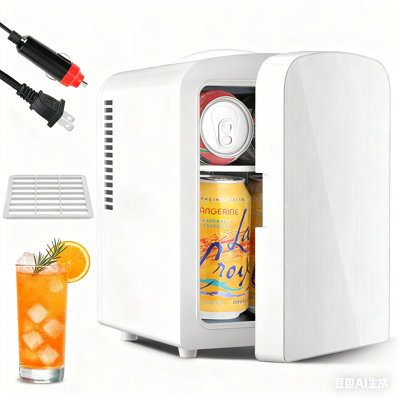
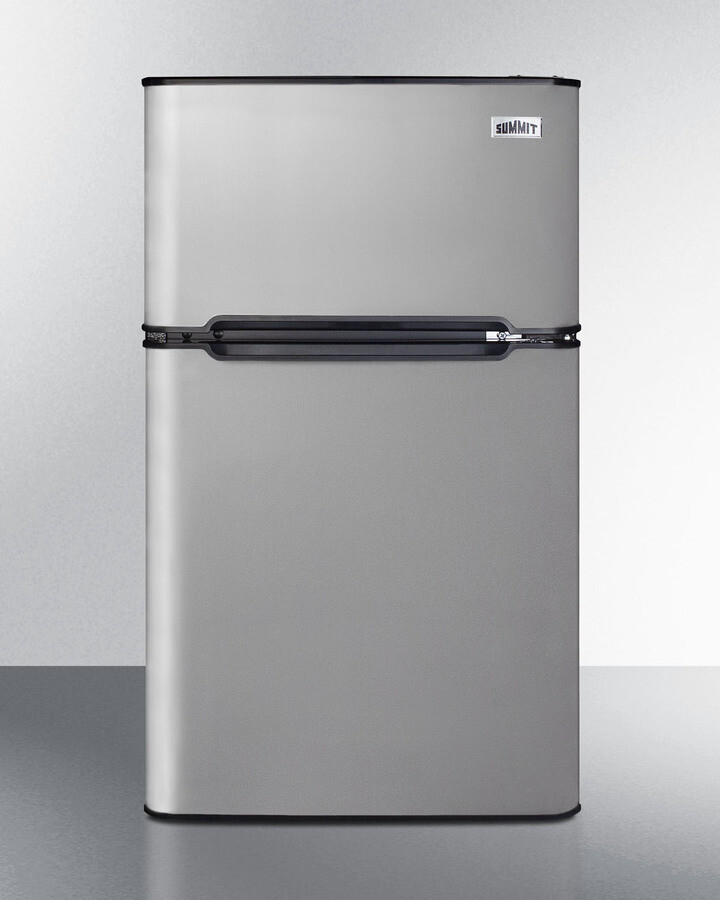
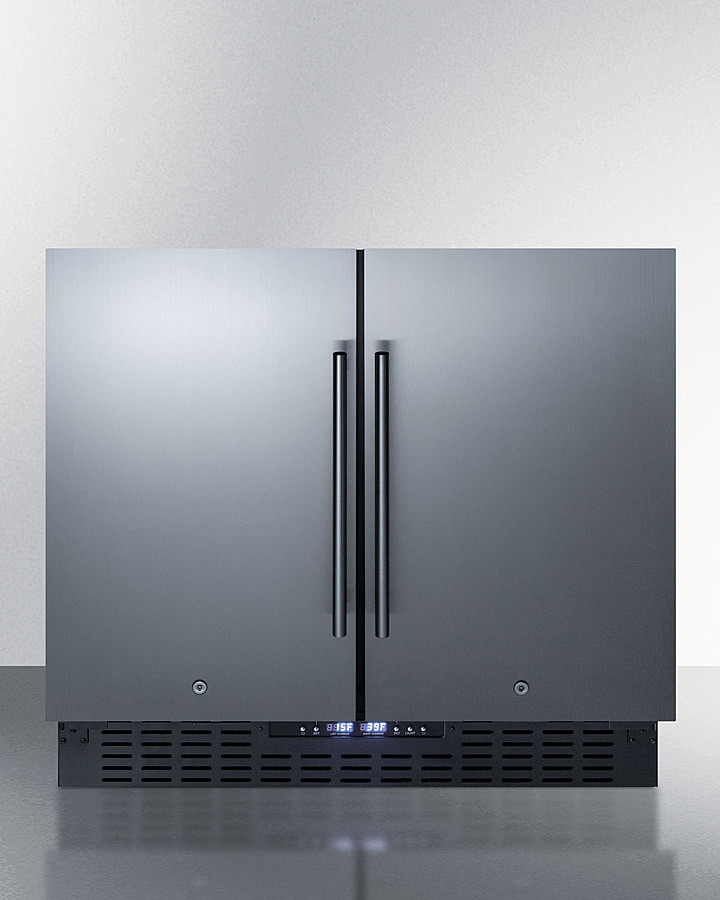
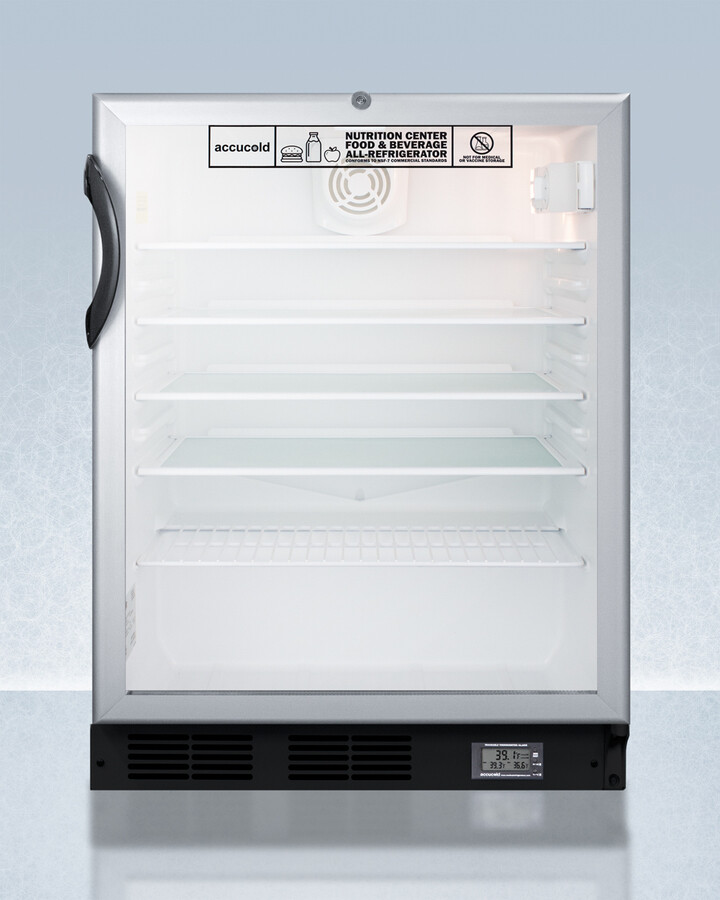
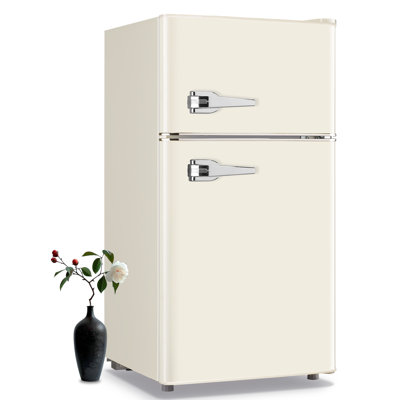
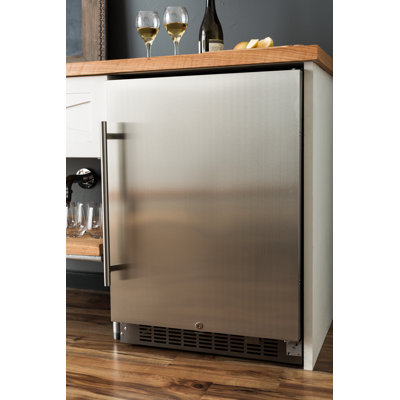
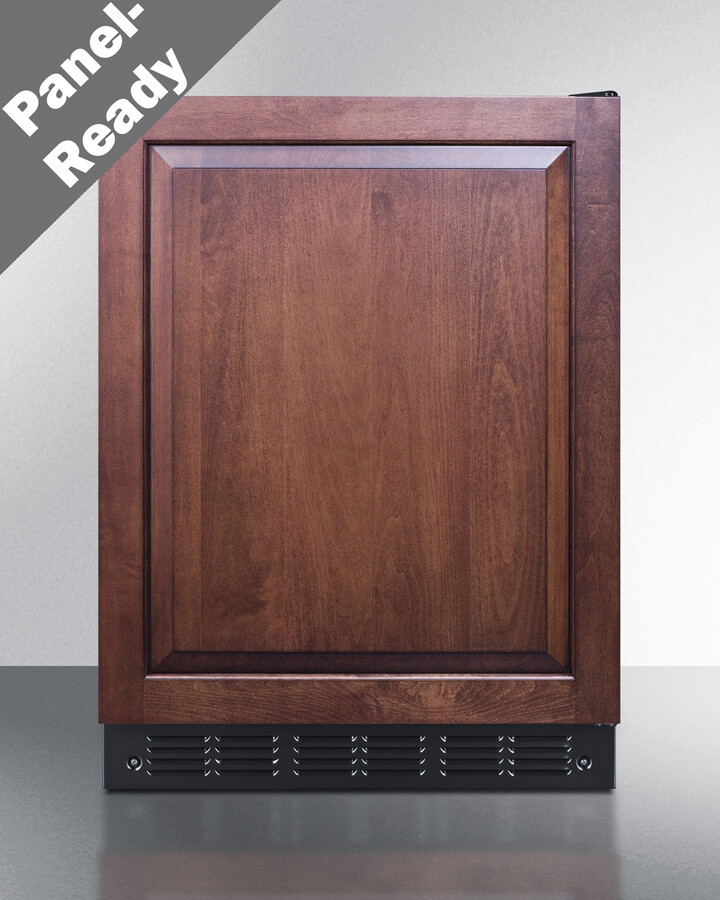
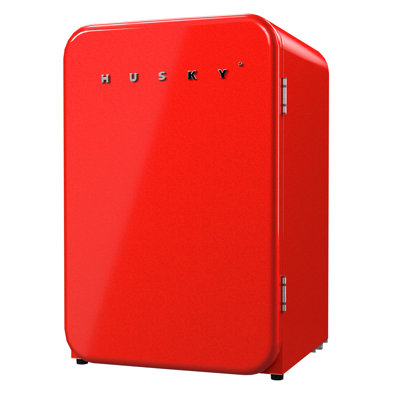
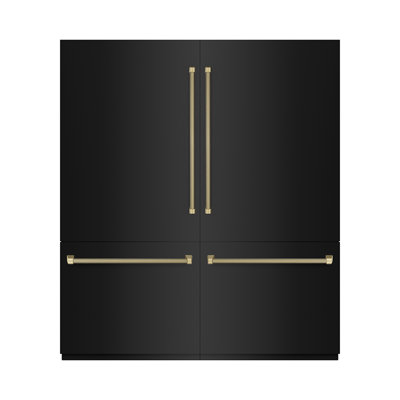
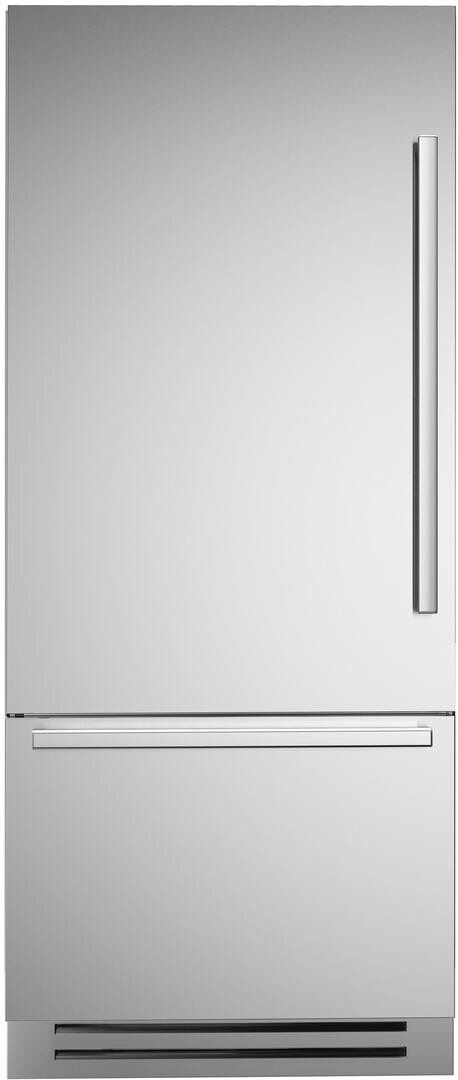
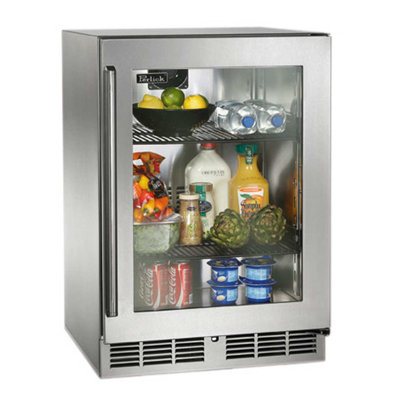
Mini fridges come in white, black, stainless, and sometimes wood-look or colored finishes. For an adobe home, white or stainless often blends with traditional or modern Southwestern design; black can work in a contemporary setup. If the fridge will sit in a visible area, consider a finish that matches cabinetry or trim. Function matters more than looks—pick a reliable unit first, then choose the finish that fits the room.
Adobe homes often feature warm earth tones, natural materials, and simple lines. A white refrigerator can provide contrast and feel clean; stainless can feel modern. Black works in contemporary Southwestern interiors. Avoid finishes that clash with the dominant palette—a bright color may feel out of place in a traditional adobe setting.
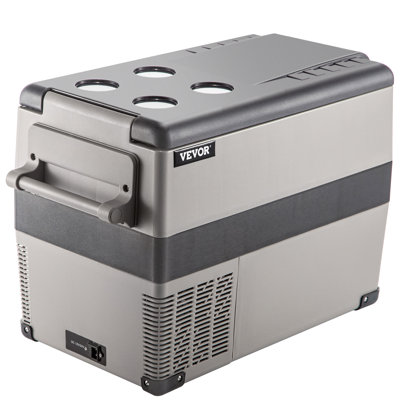
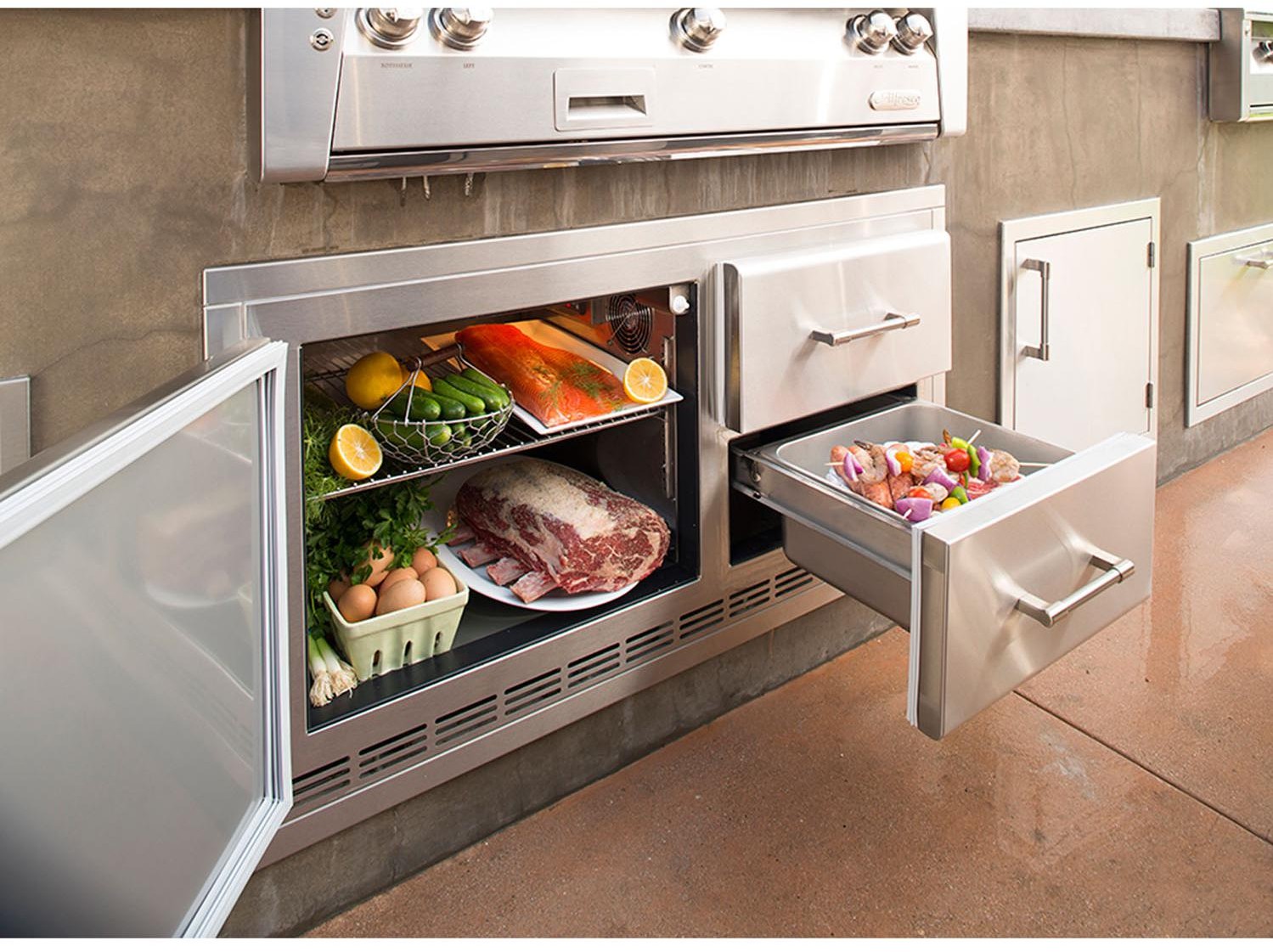
If the refrigerator will sit in a guest casita or outdoor kitchen, durability matters. Stainless resists rust better than some finishes in humid or outdoor-adjacent environments. Check whether the unit is rated for the conditions if it will be in an unheated or semi-outdoor space.
Heat and Ventilation
Adobe walls stay cool in summer but some spaces (e.g. a sun-facing nook or outdoor kitchen) can get hot. Refrigerators need adequate ventilation; do not enclose the unit in a tight cabinet without vents. Place the fridge away from direct sunlight and heat sources. In very hot climates, check the manual for the unit's maximum ambient temperature.
Southwestern climates can reach 100°F or more in summer. Refrigerators work harder in hot environments—the compressor runs more often to reject heat. Placing the unit in direct sunlight or next to a stove or grill increases the load. Choose a shaded spot with good airflow. Some manufacturers specify a maximum ambient temperature (e.g. 110°F); exceeding it can cause the unit to fail.
Outdoor kitchens and courtyard spaces may have limited shade. If the refrigerator will be in a hot location, ensure adequate ventilation and consider a unit rated for higher ambient temperatures. Enclosing the unit in a cabinet without vents is a common mistake—it traps heat and can cause premature failure.
Energy Use
Small fridges use less electricity than full-size units, but efficiency still varies. Look for ENERGY STAR on compact refrigerators. If the home is off-grid or you want to minimize load, an efficient mini fridge is a better fit than an oversized or inefficient one.
The U.S. Energy Information Administration (EIA) reports average U.S. electricity prices. At typical rates, a 3-cubic-foot mini fridge might use 100 to 150 kWh per year—roughly $15 to $25 annually. ENERGY STAR models use less. For off-grid or solar-powered homes, every watt matters; an efficient unit reduces battery or generator load.
If the mini fridge is a secondary unit, the absolute energy use is modest. If it is the primary fridge in a small adobe home or casita, efficiency becomes more important. Compare the EnergyGuide labels when shopping.
Capacity and Use
Match capacity to the role. A guest casita might need only 2 to 3 cubic feet for drinks and snacks. A courtyard kitchen that serves as the main cooking space might need 4 to 5 cubic feet or more. The U.S. Department of Energy (DOE) classifies refrigerators under 7.75 cubic feet as compact; mini fridges fall in this category. For a primary kitchen in an adobe home, consider whether a larger apartment-size unit (10 to 14 cubic feet) would fit—it offers more capacity and often better efficiency per cubic foot.
The USDA recommends 40°F or below for perishables. Compact refrigerators can maintain that temperature when properly placed and ventilated. In a hot outdoor kitchen, verify the unit can handle the ambient temperature. Some manufacturers specify maximum ambient of 90°F or 95°F; in Southwestern summer, shaded areas can still reach 100°F or more. Choose a unit rated for your conditions.
Placement Tips
Adobe homes often have thick walls that stay cool, but placement still matters. Avoid direct sunlight—a unit in a sun-facing nook will work harder. Place the fridge in the coolest part of the space. Ensure adequate ventilation; adobe construction can create alcoves that trap heat. Leave clearance per the manual. If the unit will sit in an outdoor kitchen, ensure it is rated for the environment or provide shelter from rain and extreme sun.
Summary
For an adobe home, choose a mini fridge that fits your space and placement (with ventilation), matches the look if desired, and is efficient. Consider heat and sun exposure. Compare compact refrigerators by size, finish, and ENERGY STAR at Fridge.com.