The USDA recommends keeping freezers at 0°F or below regardless of defrost type.
The difference of 50 to 100 kWh could mean $8 to $16 per year.
Department of Energy (DOE) and ENERGY STAR data show that chest freezers typically use 10 to 25 percent less energy than upright freezers of similar capacity.
The USDA recommends using frozen food within recommended time frames for best quality.
Chest freezers and upright freezers both work in a basement, but they differ in shape, energy use, and how you access food. This guide compares them so you can choose the right type.
Chest Freezers
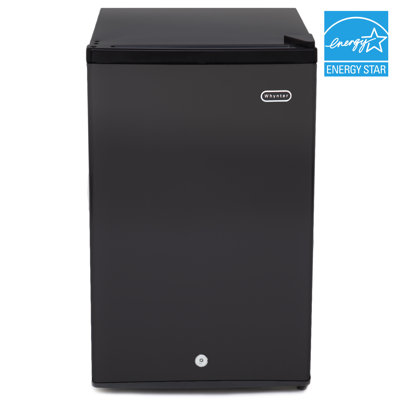
Chest freezers open from the top. They have a single lid and a deep bin. Cold air stays inside when you open the lid because it is heavier than warm air. Chest freezers typically use less energy per cubic foot than uprights and often cost less to buy. The downside is that you have to bend and dig to reach items at the bottom; organization is harder. They are available from about 5 to 25+ cubic feet.
The top-opening design is efficient. When you lift the lid, cold air does not spill out the way it does when you open a vertical door. Cold air sinks and stays in the bin. That means the compressor runs less often to restore temperature. The U.S. Department of Energy (DOE) and ENERGY STAR data show that chest freezers typically use 10 to 25 percent less energy than upright freezers of similar capacity.
Chest freezers often use manual defrost, which adds to efficiency. No defrost heater means less energy use. Frost builds up over time and requires periodic defrosting—once or twice a year for a basement unit used for bulk storage. For long-term storage where you open the freezer rarely, that tradeoff is acceptable for many users.
Organization requires discipline. Use bins, baskets, or labeled bags to group items. Keep a mental map or list of what is where. Items at the bottom can be forgotten; rotate stock so older items get used first. The USDA recommends using frozen food within recommended time frames for best quality.
Upright Freezers
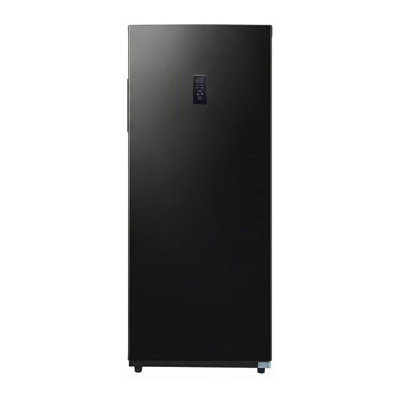
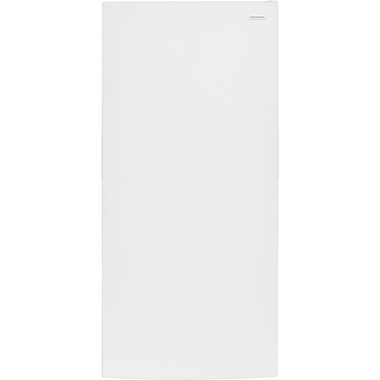
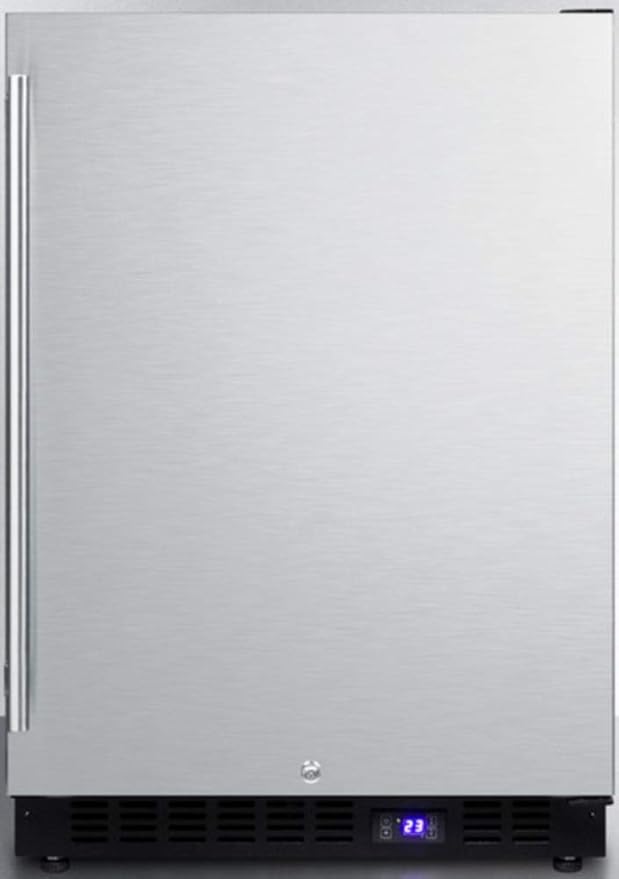
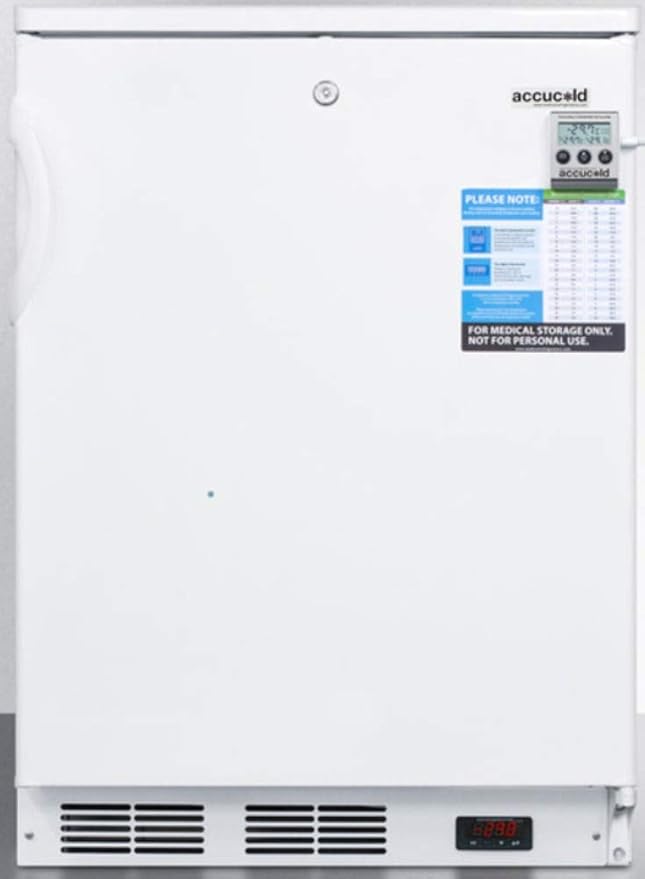
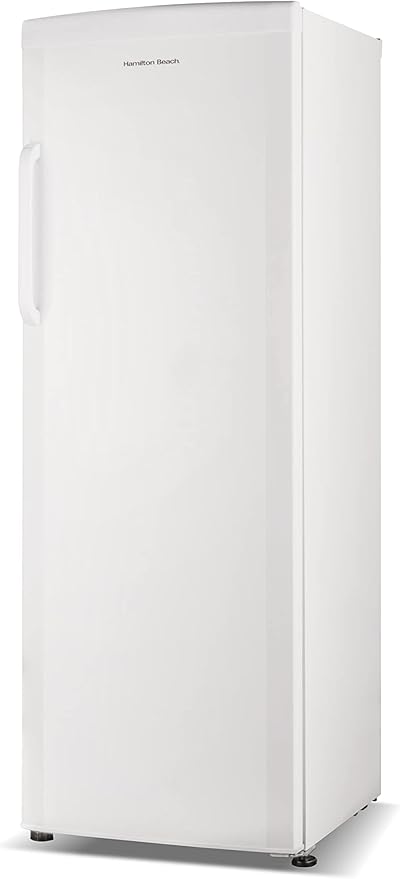
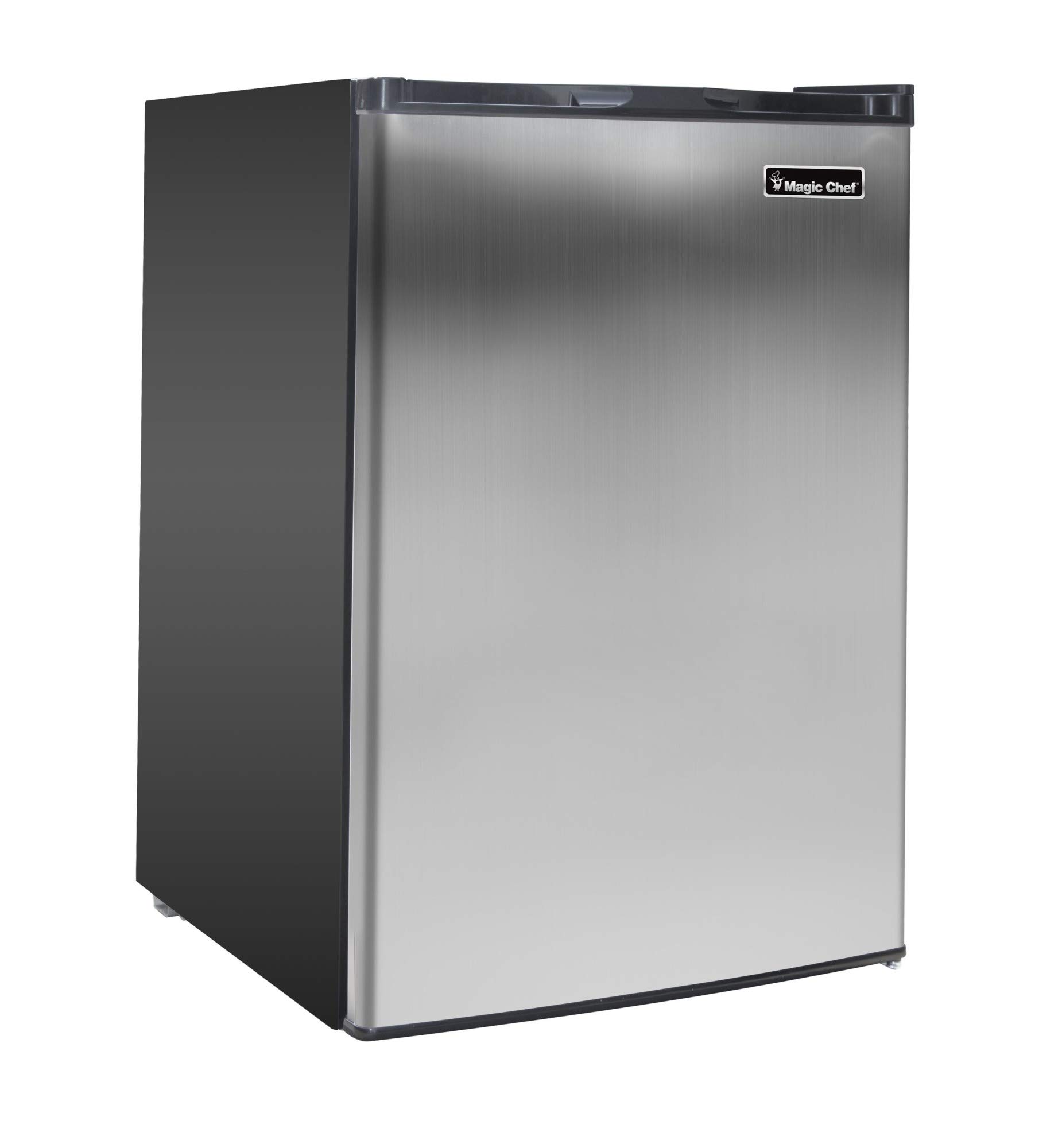
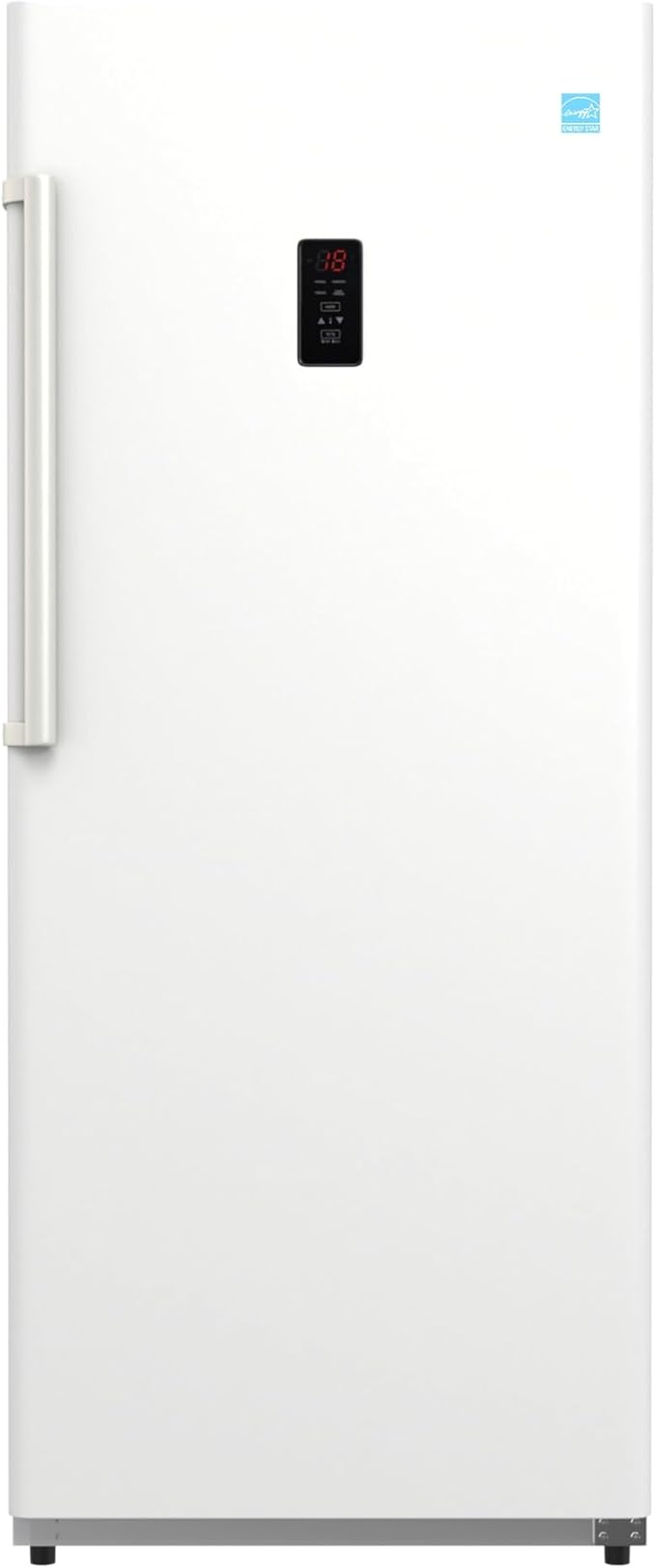
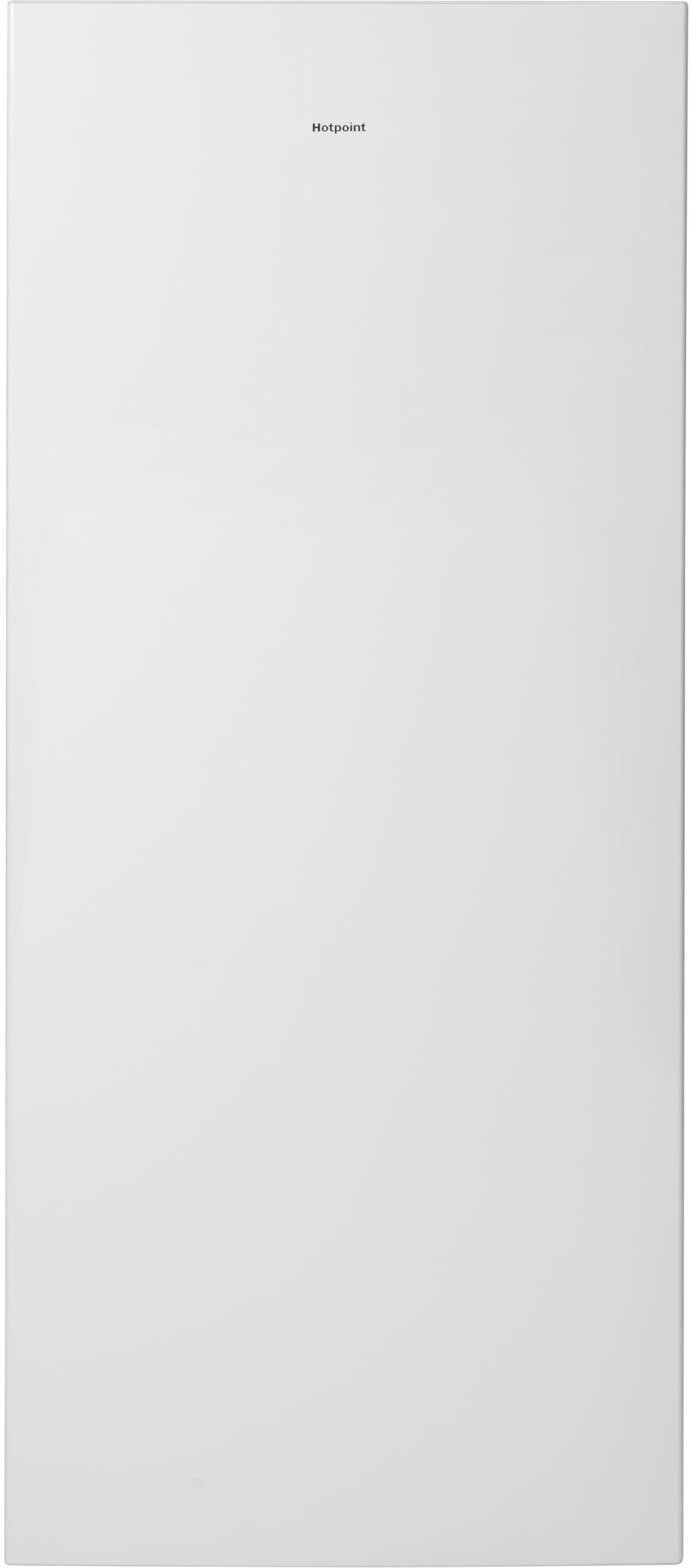
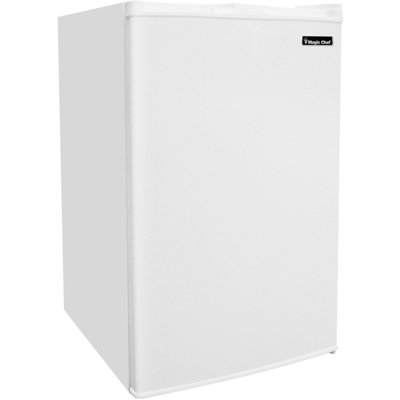
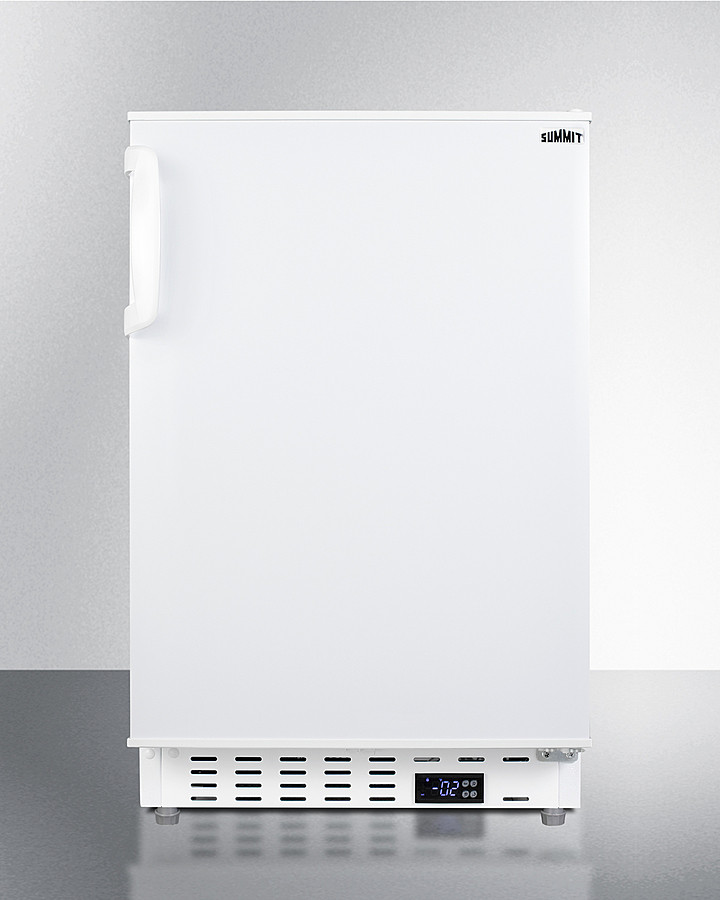
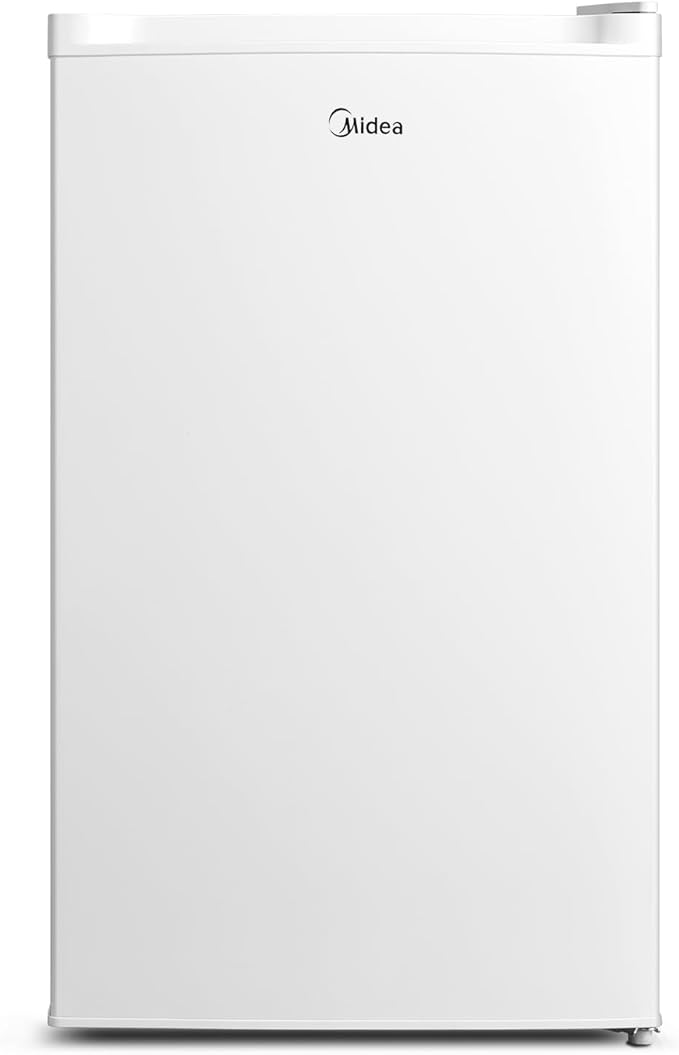
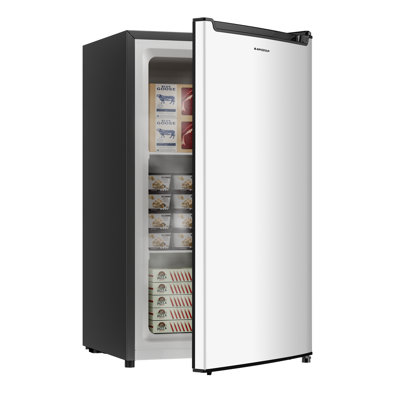
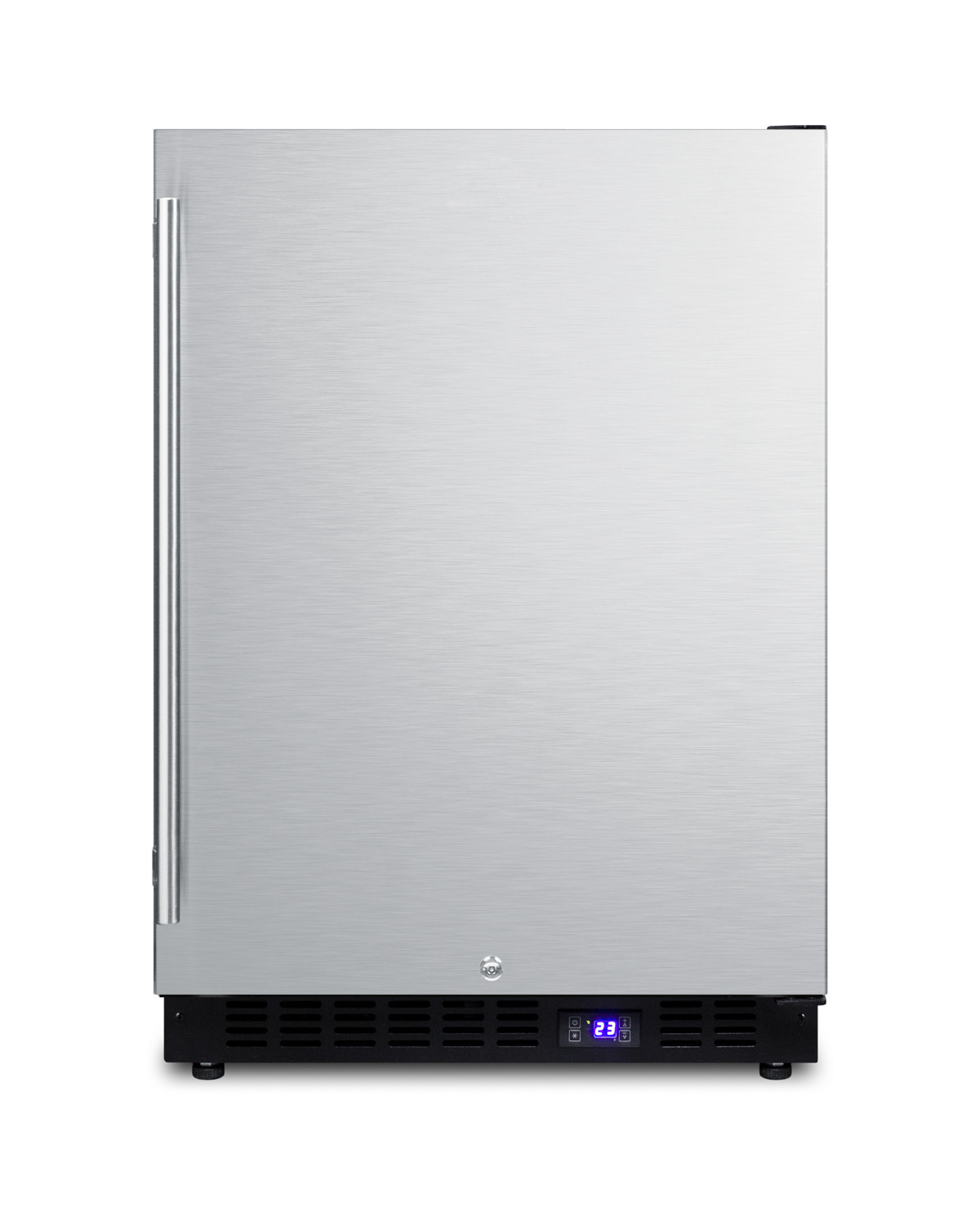
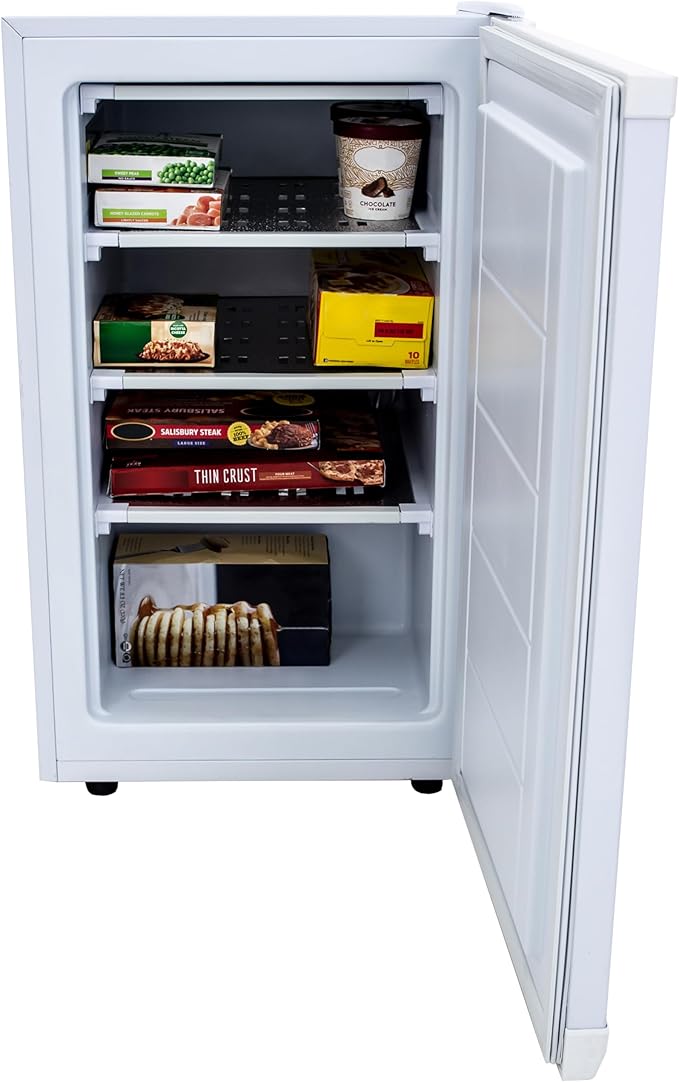
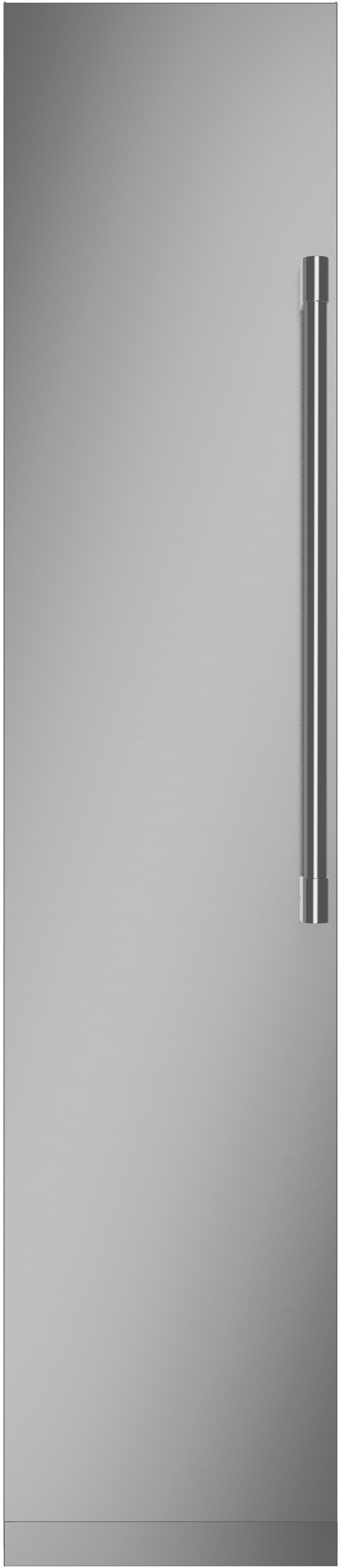
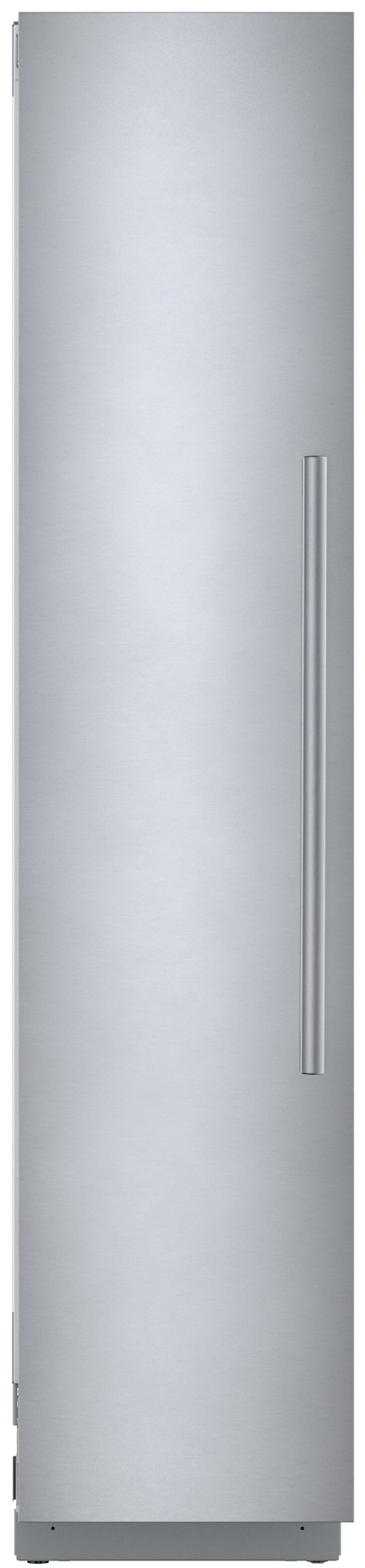
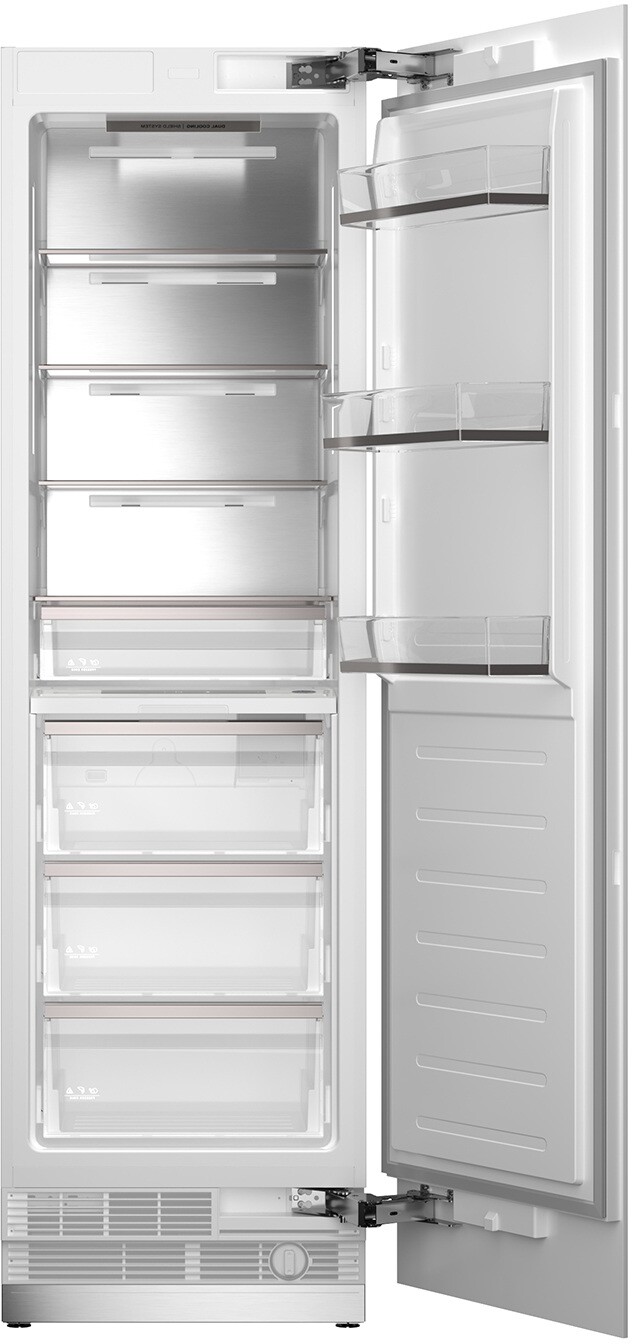
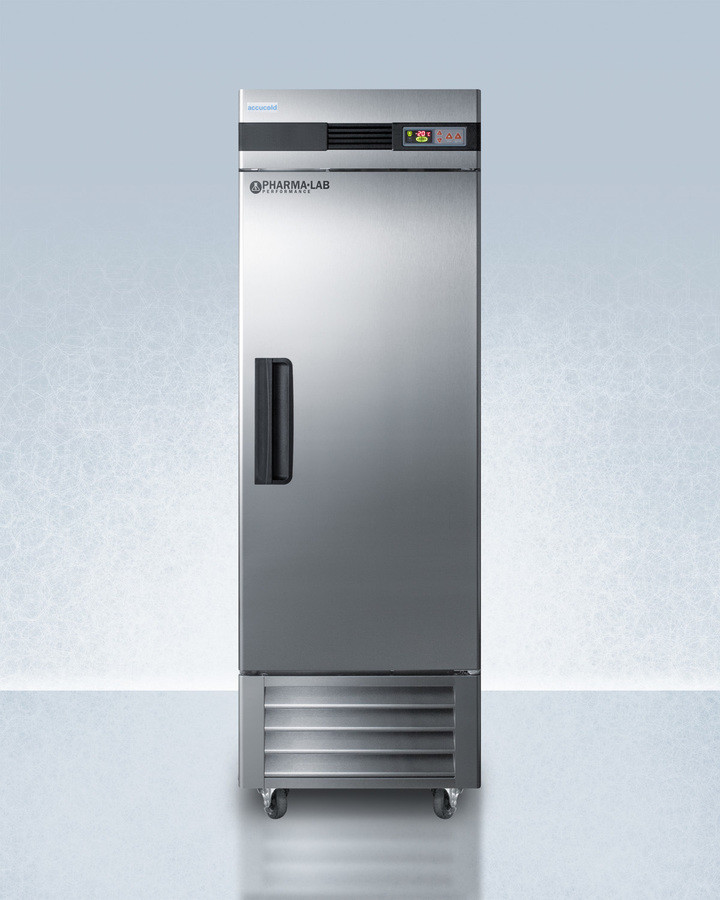
Upright freezers look like a refrigerator: front-opening doors and shelves or baskets inside. You can see and reach food without bending. They use more energy per cubic foot than chest freezers and usually cost more. They take more floor space for a given capacity because of the door swing. Most uprights are frost-free (auto-defrost). Sizes range from about 5 to 25 cubic feet.
Upright design suits frequent access. Shelves and baskets let you group items and see everything. You grab what you need without digging. For a basement freezer that is used weekly or daily—meal prep, ice, everyday frozen items—the convenience can outweigh the higher energy use.
Frost-free uprights never need defrosting. A heating cycle melts frost periodically; the water drains away. You never deal with ice buildup. The tradeoff is higher energy use from the defrost heater and fan. For users who want zero maintenance, frost-free upright is the choice.
Upright freezers need more floor space for door swing. A 18-cubic-foot upright might need 36 inches of width for the door to open fully. A chest freezer of the same capacity uses less floor space because the lid opens upward. In a basement with limited width, a chest may fit where an upright would not.
Chest freezers are generally more energy-efficient. The EnergyGuide label shows estimated yearly kWh—compare similar capacities. If minimizing electricity use is a priority, a chest freezer is usually the better choice. If you prefer convenience and are willing to pay more to run the unit, an upright can make sense.
The U.S. Energy Information Administration (EIA) reports average U.S. residential electricity prices. At typical rates, a 15-cubic-foot chest freezer might use 250 to 350 kWh per year; an upright of similar capacity might use 300 to 450 kWh. The difference of 50 to 100 kWh could mean $8 to $16 per year. Over 10 years, that is $80 to $160—enough to notice but not necessarily decisive if convenience matters more.
ENERGY STAR certifies both chest and upright freezers. When comparing, look at the actual kWh on the EnergyGuide label. A chest freezer may use less even when both are certified. Use the Energy Cost Calculator at Fridge.com to estimate yearly cost for your electricity rate.
Chest freezers need floor space and overhead clearance for the lid. Uprights need floor space plus room for the door to open. In a basement with low ceilings or limited width, an upright might fit where a chest would not, or vice versa. Measure the space and the unit's dimensions (including door or lid clearance) before you buy.
Chest freezers use floor space efficiently. A 18-cubic-foot chest might be 28 inches wide and 30 inches deep. An upright of the same capacity might be 30 inches wide and need another 30 inches for the door to swing. In a narrow basement, the chest may be the only option.
Overhead clearance matters for chest freezers. The lid needs to open 90 degrees or more. If the basement has low ceilings or ductwork, ensure there is room. Uprights do not need overhead clearance for the door—it opens to the side.
Weight varies. Large chest freezers can weigh 300 pounds or more. Uprights are often lighter for the same capacity because of the different design. Consider how the unit will be delivered and placed—stairs, turns, and floor strength all matter.
Uprights win on organization: shelves and baskets let you group food and see everything. Chest freezers require more discipline—use bins or baskets and keep a mental map of what is where, or items at the bottom get forgotten. If you use the freezer often and want easy access, upright is more convenient. If you use it for bulk storage and open it rarely, a chest is efficient and cost-effective.
Access patterns matter. If you grab frozen meals, ice, or ingredients several times a week, an upright saves time and effort. If you load the freezer with a quarter beef or garden harvest and open it every few weeks, a chest is efficient and the bending is less of an issue.
Mobility can influence the choice. If you have difficulty bending or lifting, an upright is the better option. Chest freezers require bending to reach the bottom and may require lifting heavy items out. An upright keeps everything at waist level or above.
Defrost Type
Most chest freezers are manual defrost; most uprights are frost-free. Manual defrost uses no heater, so it adds to the energy advantage of chest freezers. Frost-free uprights never need defrosting—a heating cycle melts frost periodically. For a basement chest used for bulk storage and opened rarely, manual defrost once or twice a year is acceptable. For an upright in frequent use, frost-free eliminates the most tedious maintenance task.
The USDA recommends keeping freezers at 0°F or below regardless of defrost type. Both manual-defrost chest and frost-free upright freezers maintain that temperature. The difference is how you maintain the unit, not how well it preserves food. Choose based on your willingness to defrost and your preference for convenience versus energy savings.
At typical U.S. electricity rates reported by the EIA, a 15-cubic-foot chest freezer might cost $35 to $50 per year to run; an upright of similar capacity $45 to $65. The $10 to $15 annual difference adds up over 10 years. Purchase price also differs: chest freezers often cost less per cubic foot. Weigh the upfront savings and ongoing energy savings of a chest against the convenience of an upright. For many basement users, the chest is the better value; for those who prioritize easy access, the upright may be worth the extra cost.
Summary
Chest freezers use less energy and cost less per cubic foot but require bending and are harder to organize. Upright freezers are easier to access and organize but use more energy. Choose a chest for efficiency and bulk storage; choose an upright for convenience. Compare both types by size and ENERGY STAR.
Frequently Asked Questions
Chest freezers open from the top and use less energy; uprights have front doors and shelves and are easier to access (Fridge.com).