Basement freezers range from compact units (5 to 9 cubic feet) to large chest or upright freezers (20 to 25+ cubic feet). Choosing the right size depends on how much you want to store, how much space you have, and whether you prefer a chest or upright. This guide covers common basement freezer sizes and how to decide.
Why Size Matters in the Basement
Basements often have more room than the kitchen, so a larger freezer is possible—but you still need to get the unit down the stairs and through the door. Measure the path (stairs, door width and height, turns) and compare to the freezer's dimensions. Large chest freezers are heavy and may need to be tilted or carried; uprights can be easier to move on a dolly. Choose a size that fits both your storage needs and your basement layout.
Delivery and placement are real constraints. A 25-cubic-foot chest freezer may not fit through a narrow basement stairwell or around a tight turn. Measure the path before you buy—width, height, and the diagonal for tilting. Some retailers offer white-glove delivery that includes placement; others deliver only to the door. Know what you are getting.
The U.S. Department of Energy (DOE) sets efficiency standards for freezers. Capacity is measured in cubic feet using standardized procedures. When comparing sizes, the number is comparable across brands. Consider both the capacity you need and the physical dimensions that fit your space.
Household size and habits determine capacity needs. A family that buys meat in bulk, freezes garden harvests, or meal preps will need more space than a couple who keeps a few frozen meals and ice. The USDA provides guidelines for how long different foods maintain quality in the freezer; plan capacity for your typical inventory and rotation.
Compact (5 to 9 Cubic Feet)
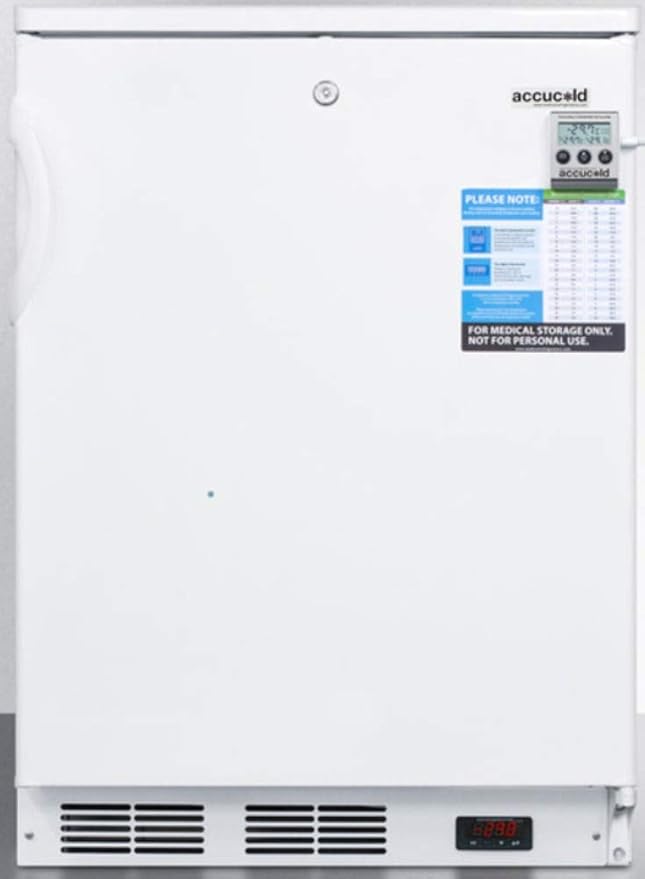
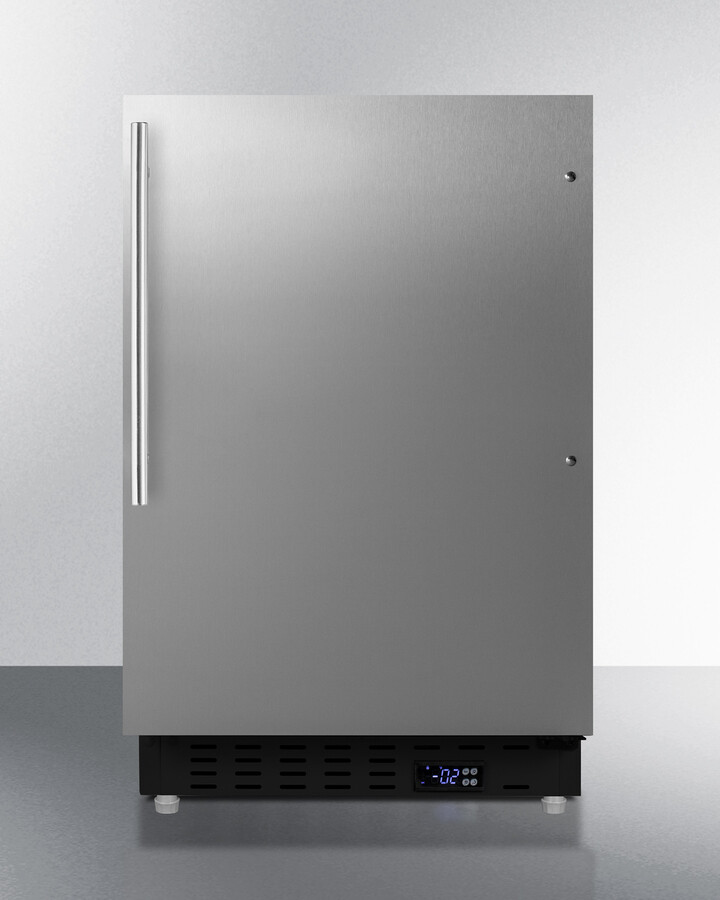
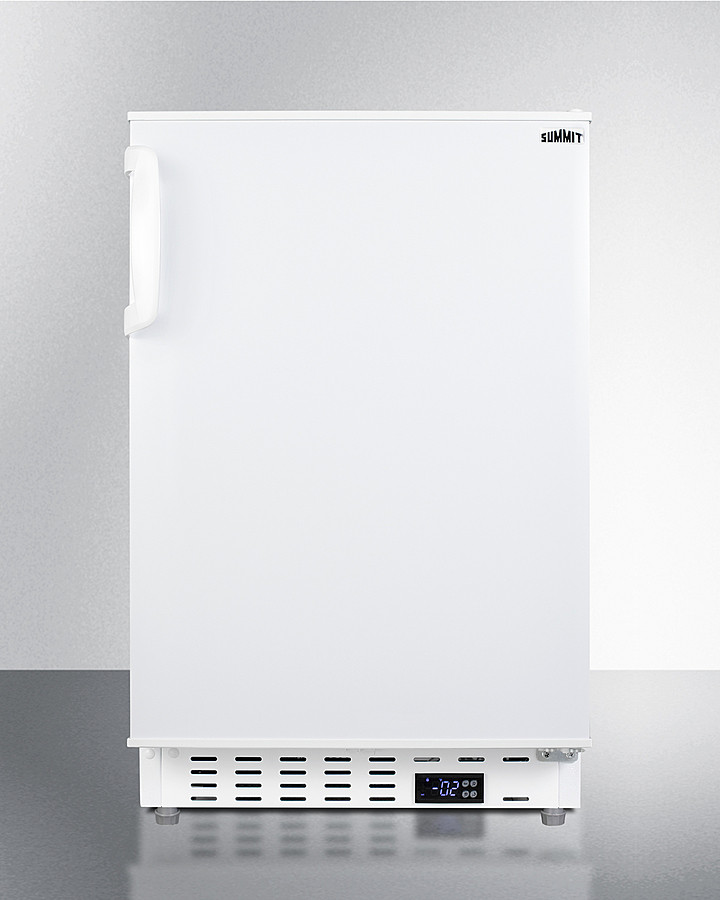
Small freezers (5 to 9 cu ft) fit in tight basements or under stairs. They hold a few weeks of extra frozen food, bulk meat, or meal prep. Upright models are common in this size; chest models are also available. Good for small households or as a supplement to the kitchen freezer.
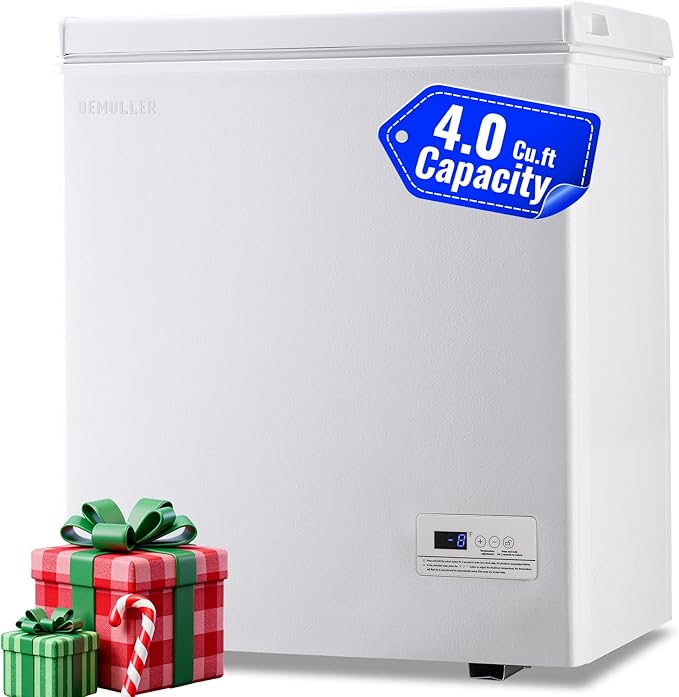
Compact freezers suit apartments, condos, or small homes where a larger unit would not fit. They add 5 to 9 cubic feet of storage—enough for several frozen meals, a few packages of meat, ice, and some vegetables. They use less electricity than larger units and are easier to move.
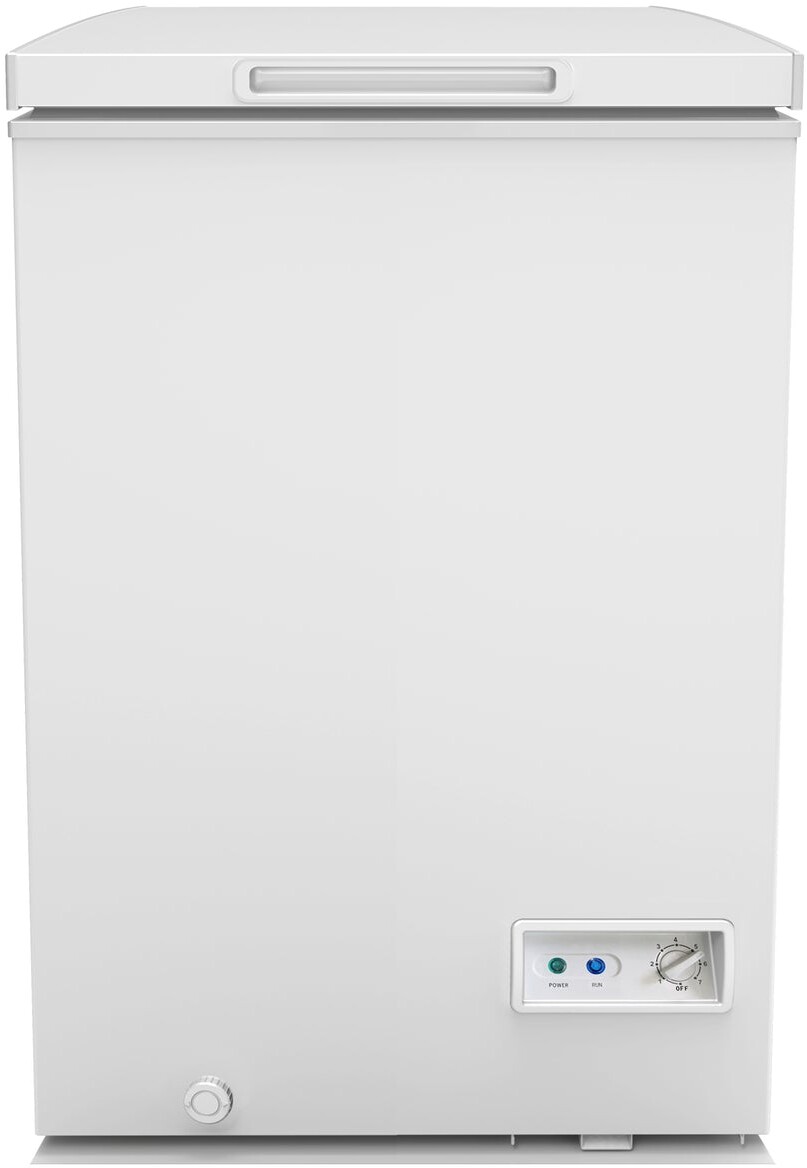
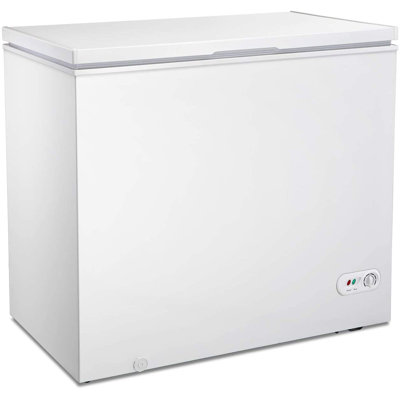
Upright compact freezers (5 to 7 cu ft) offer shelves and easy access. Chest compact freezers (5 to 9 cu ft) use less energy per cubic foot but require bending. For a basement with limited floor space, an upright may fit in an alcove or against a wall. For maximum efficiency in a small footprint, a chest may be better.
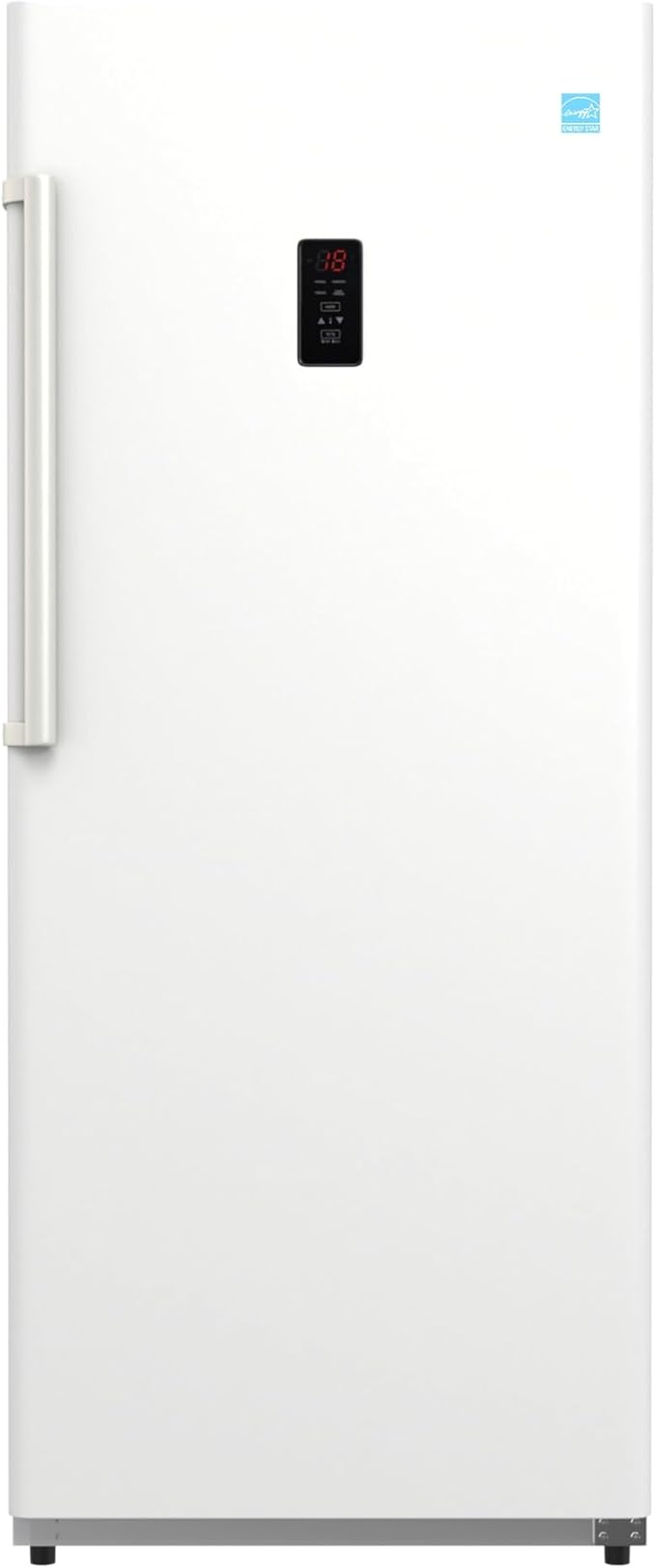
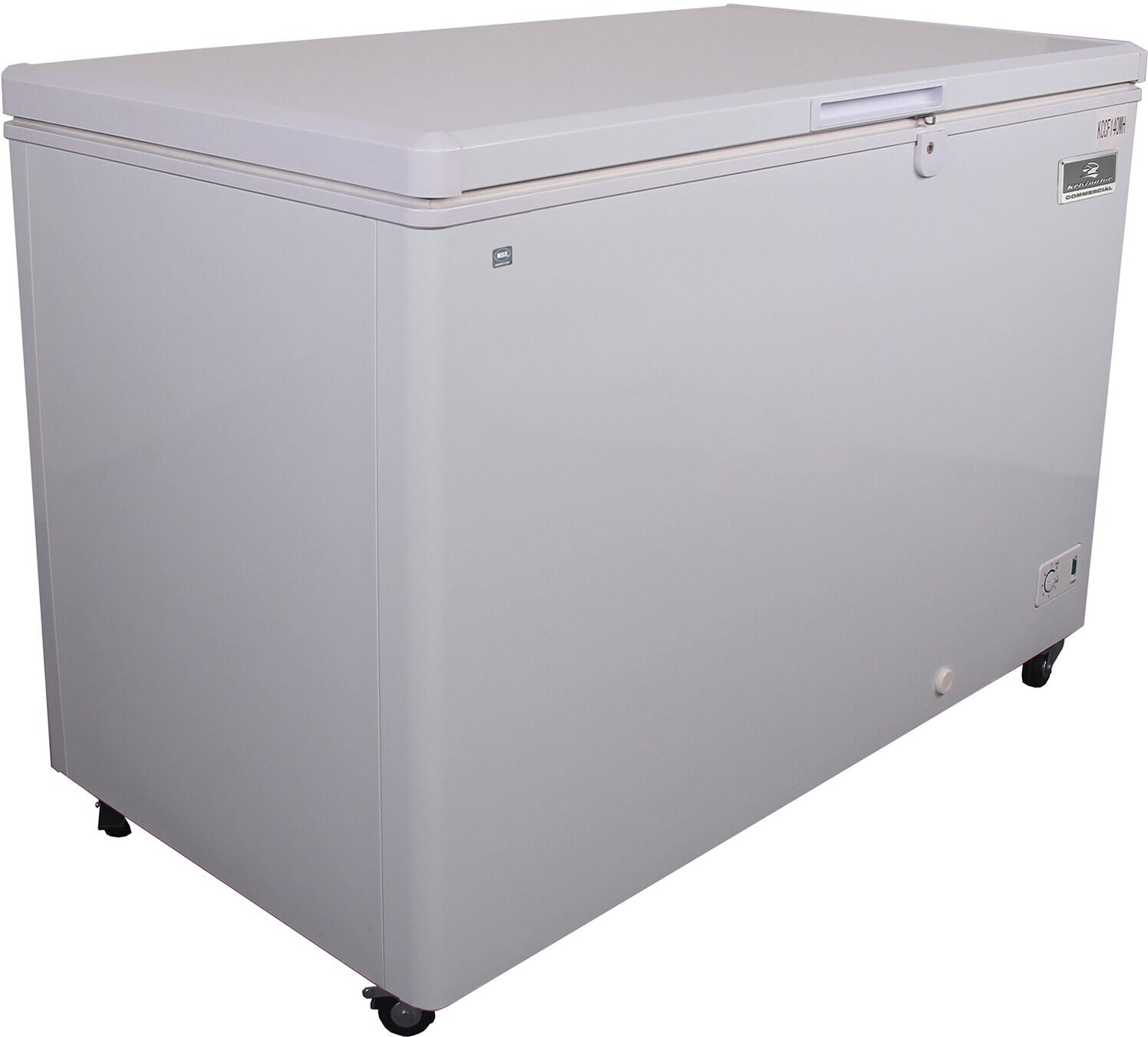
Medium freezers (10 to 18 cu ft) suit families who stock up on sales, garden harvests, or game. Chest freezers in this range are very common and energy-efficient; uprights offer easier access. Measure floor space and headroom—chest freezers need lid clearance, uprights need door swing.
Medium chest freezers are the workhorse of basement storage. They hold a quarter or half beef, a season's garden produce, or months of meal prep. The U.S. Energy Information Administration (EIA) reports that chest freezers typically use less energy per cubic foot than uprights. For a basement used for bulk storage, a medium chest is often the best value.
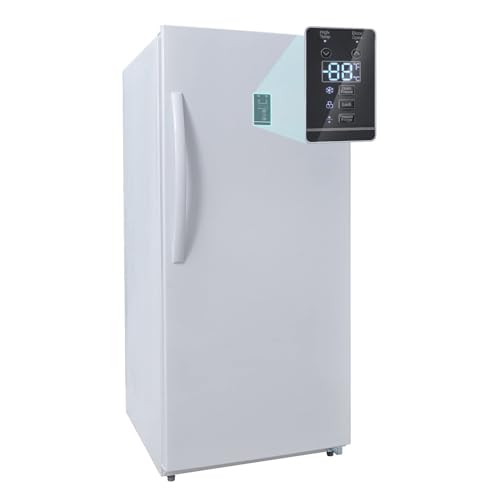
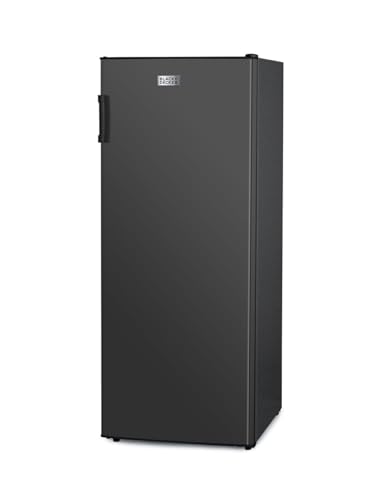
Medium upright freezers (10 to 15 cu ft) offer shelves and baskets. You can see and reach everything without bending. They use more energy than chest freezers of similar capacity but are easier to organize. If you use the freezer frequently and prefer convenience, an upright may be worth the tradeoff.
Large freezers (19 to 25+ cu ft) are for serious storage: whole sides of beef, large gardens, or long-term preparedness. Most are chest freezers because they use less energy per cubic foot and hold more for the footprint. Ensure the basement has the space and that the unit can be delivered and placed.
Large chest freezers can hold 500 pounds or more of food. They suit homesteaders, hunters, and anyone who buys in bulk. ENERGY STAR certification helps identify efficient models; even large units can meet strict criteria. Check the EnergyGuide label for estimated yearly kWh.
Placement is critical. A 25-cubic-foot chest freezer is heavy—300 pounds or more. It needs a solid floor and space for the lid to open. Ensure the basement can support the weight and that the path from delivery to placement is clear.
Chest freezers use less energy and often cost less per cubic foot; they require bending to access the bottom. Upright freezers use more energy but offer shelves and easier access. For a basement where energy and capacity matter, chest is often the default; for easier access, choose an upright if space allows.
Chest freezers lose less cold air when opened—cold air sinks and stays in the bin. Upright freezers lose more cold air when the door opens because it all spills out. That affects efficiency. For a basement freezer that is opened occasionally for bulk storage, a chest is efficient. For one that is opened often for daily items, an upright may be more convenient despite higher energy use.
Organization differs. Chest freezers require bins, baskets, or a system to keep items accessible. Items at the bottom can be forgotten. Uprights have shelves and baskets; everything is visible. Choose based on how you use the freezer and whether convenience or efficiency matters more.
Capacity Planning
Estimate your needs before buying. A 5-cubic-foot freezer holds roughly 175 pounds of food; a 15-cubic-foot unit holds about 525 pounds. The USDA provides guidelines for how long different foods maintain quality: ground meat 3 to 4 months, steaks 4 to 12 months, poultry 9 to 12 months, vegetables 8 to 12 months. Plan capacity for your typical inventory and how often you restock. Buying too large wastes electricity; buying too small means constant reorganization.
Consider growth. A couple might start with 7 cubic feet and later wish for more when they have children or start gardening. A 15-cubic-foot chest freezer gives room to grow. If space is limited, buy the largest unit that fits; you can always leave part of it empty until you need it. An empty freezer is less efficient than a full one, but the DOE notes that a well-stocked freezer helps maintain temperature when the door opens.
Basement delivery can be challenging. Measure the path: stair width and height, door dimensions, any turns or landings. Large chest freezers may need to be tilted to fit through doorways; the diagonal dimension matters. Some units ship with the door or lid removed for delivery—check with the retailer. White-glove delivery that includes placement in the basement costs more but avoids the hassle of moving a 300-pound unit yourself.
Ensure the basement floor can support the weight. A 25-cubic-foot chest freezer full of food can weigh 600 pounds or more. Concrete floors are fine; check for weak spots or water damage. Place the unit on a level surface; an uneven floor can affect door operation and cooling. Allow the unit to sit upright for several hours after delivery before plugging in, especially if it was tilted during transport.
Summary
Basement freezer sizes run from about 5 cu ft (compact) to 25+ cu ft (large). Match size to your storage needs and the space and path you have. Chest freezers are efficient and common for medium and large sizes; uprights are easier to organize. Compare basement freezers by size and type.
Frequently Asked Questions
From about 5 cu ft (compact) to 25+ cu ft (large). Medium 10–18 cu ft is common for families.