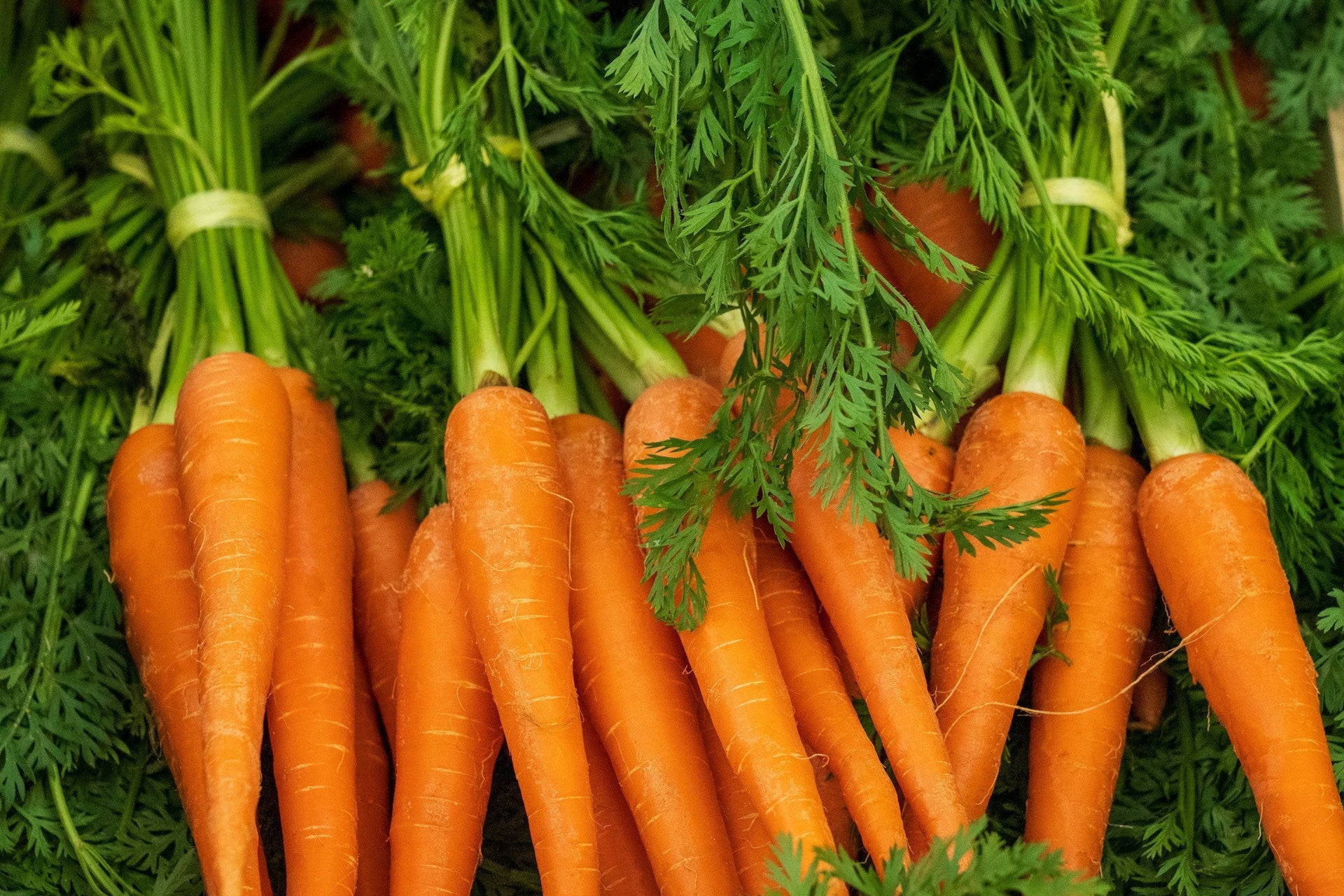
Baby Carrot Vs. Petite Carrot In The Fridge
Baby Carrot Vs. Petite Carrot
What's the Difference?
Alright, let's clear up the confusion between baby carrots and petite carrots. Baby carrots are those cute little snacks you see in bags at the store, but they didn't start that way. They're actually cut and shaped from larger carrots, then polished to look all uniform and neat. Petite carrots, on the other hand, are naturally small and harvested young. They keep their natural shape and are usually more tender.
| Feature | Baby Carrots | Petite Carrots |
|---|---|---|
| Origin | Cut from larger carrots | Naturally small and young |
| Shape | Uniform, cylindrical | Natural, varied shapes |
| Texture | Firm | Tender |
What They Have in Common?
Despite their differences, both baby and petite carrots are super convenient, nutritious, and versatile. They're low in calories and packed with essential nutrients, making them a great choice for any diet.
- Easy to snack on and cook with
- Low in calories
- Loaded with vitamins and minerals
Nutritional Value
Both types of carrots are nutritional powerhouses. They’re rich in vitamin A, vitamin K, fiber, and antioxidants. Here's a quick comparison:
| Nutrient | Baby Carrots (per 100g) | Petite Carrots (per 100g) |
|---|---|---|
| Calories | 35 | 35 |
| Vitamin A | 835 µg | 850 µg |
| Vitamin K | 13.2 µg | 13.5 µg |
| Fiber | 2.8 g | 2.8 g |
| Antioxidants | High | High |
These carrots are great for your eyes, immune system, and digestion. For more on storing veggies, check out our article on sweet potato Vs. yam in the fridge.
Keeping Them Fresh
Storing your carrots right is key to keeping them fresh and tasty. Let's break down how to store each type in your fridge.
Storing Baby Carrots
To keep baby carrots fresh and crisp, follow these steps:
- Packaging: Keep them in their original bag if it's resealable. If not, use an airtight container or a resealable plastic bag.
- Moisture Control: Add a damp paper towel to the container or bag to keep them from drying out.
- Temperature: Store them in the crisper drawer of your fridge.
| Storage Method | Shelf Life |
|---|---|
| Original Packaging | 2 - 3 weeks |
| Airtight Container/Bag with Damp Paper Towel | 2 - 3 weeks |
Storing Petite Carrots
Petite carrots need similar care:
- Packaging: If they come in a perforated plastic bag, keep them in it. Otherwise, use an airtight container or perforated plastic bag.
- Moisture Control: Add a damp paper towel to keep them moist.
- Temperature: Store them in the crisper drawer.
| Storage Method | Shelf Life |
|---|---|
| Perforated Plastic Bag | 2 - 3 weeks |
| Airtight Container with Damp Paper Towel | 2 - 3 weeks |
Follow these tips, and your carrots will stay fresh and tasty. For more storage tips, check out our articles on sweet potato Vs. yam in the fridge and scallion Vs. green onion in the fridge.
Shelf Life
Knowing how long your carrots will last helps you keep them fresh and safe to eat.
Baby Carrots in the Fridge
Baby carrots are great for snacks and salads. Here's how long they last:
| Storage Condition | Shelf Life |
|---|---|
| Unopened Package | 2-3 weeks |
| Opened Package | 1-2 weeks |
| Stored in Water | Up to 1 month |
Store them in the crisper drawer and transfer to an airtight container if you open the package. For more on storage, see our section on proper storage of baby carrots.
Petite Carrots in the Fridge
Petite carrots are often used in gourmet dishes. Their shelf life is similar to baby carrots:
| Storage Condition | Shelf Life |
|---|---|
| Unopened Package | 2-3 weeks |
| Opened Package | 1-2 weeks |
| Stored in Water | Up to 1 month |
Store them in the crisper drawer and use an airtight container if you open the package. For more details, see our section on proper storage of petite carrots.
By understanding the shelf life of your carrots, you can keep them fresh longer. For more veggie storage tips, check out our articles on sweet potato Vs. yam in the fridge and scallion Vs. green onion in the fridge.
How to Use Them
Knowing how to use baby and petite carrots can make your cooking more fun and tasty.
Using Baby Carrots
Baby carrots are super versatile. Here are some ideas:
- Snacking: Perfect for on-the-go snacks.
- Dips: Pair with hummus, ranch, or other dips.
- Salads: Add whole or sliced for extra crunch.
- Roasting: Season and roast for a delicious side dish.
- Steaming: Serve as a simple, healthy side.
- Stir-fries: Add for texture and sweetness.
Using Petite Carrots
Petite carrots have their own special uses:
- Garnishes: Great for garnishing dishes.
- Soups and Stews: Add for consistent texture and flavor.
- Glazing: Glaze with honey or brown sugar for a sweet side dish.
- Pickling: Perfect for pickling.
- Vegetable Platters: Add to veggie platters for a tasty option.
- Baking: Use in carrot cakes or muffins for moisture and sweetness.
For more veggie ideas, check out our articles on sweet potato Vs. yam in the fridge and scallion Vs. green onion in the fridge.
Cooking Methods
Both baby and petite carrots can be cooked in various ways, each bringing out different flavors and textures.
Cooking Baby Carrots
Here are some popular methods:
- Steaming: Preserves nutrients and enhances sweetness. Steam for 5-7 minutes.
- Roasting: Caramelizes sugars for a rich flavor. Roast at 400°F for 20-25 minutes.
- Boiling: Quick and easy. Boil for 5-10 minutes.
- Glazing: Cook with butter and sugar for a sweet side dish. Cook until tender and glazed.
Cooking Petite Carrots
Petite carrots are tender and can be cooked similarly:
- Sautéing: Cook in butter or olive oil with herbs and garlic for 8-10 minutes.
- Grilling: Brush with olive oil and grill for 5-7 minutes.
- Microwaving: Quick and easy. Microwave for 3-5 minutes.
- Stir-Frying: Cook with other veggies and proteins for 5-7 minutes.
| Cooking Method | Baby Carrots (min) | Petite Carrots (min) |
|---|---|---|
| Steaming | 5-7 | 5-7 |
| Roasting | 20-25 | 20-25 |
| Boiling | 5-10 | 5-10 |
| Glazing | 15-20 | 15-20 |
| Sautéing | 8-10 | 8-10 |
| Grilling | 5-7 | 5-7 |
| Microwaving | 3-5 | 3-5 |
| Stir-Frying | 5-7 | 5-7 |
For more on veggie comparisons and storage, check out our articles on sweet potato Vs. yam in the fridge and scallion Vs. green onion in the fridge.
Get Your Upgrade or New Addition at Fridge.com
Whether you're searching for your perfect fridge, freezer, wine fridge, beer fridge, ice maker, or kegerator, we have what you need.
Shop the world's best brands at Fridge.com.
We also have tons of awesome articles about kitchen stuff and home news. Enhance your home, garage, backyard, patio, and office with the coolest essentials. With every necessary type of residential refrigerator or freezer in our collection, we've got you covered.
Elevate your game and shop now at Fridge.com!