For tips on organizing and saving space, see Fridge.com article on 5 door refrigerator Vs.
Whether you go for an auto defrost freezer or a small chest freezer, focusing on what matters most to you will make sure you're happy with your purchase.
mini fridge with freezer and 5 door refrigerator Vs.
Choosing between an auto defrost freezer and a small chest freezer can be a bit like picking between a self-cleaning oven and a traditional one. Both have their perks, but which one fits your life better?
Feature
Auto Defrost Freezer
Small Chest Freezer
Defrosting Method
Automatic
Manual
Temperature Uniformity
More consistent
Can have cold spots
Storage Capacity
Varied, often more vertical space
Often more horizontal space
Initial Cost
Higher
Lower
Maintenance
Minimal
Requires manual defrosting
Auto Defrost Freezer: The Low-Maintenance Buddy
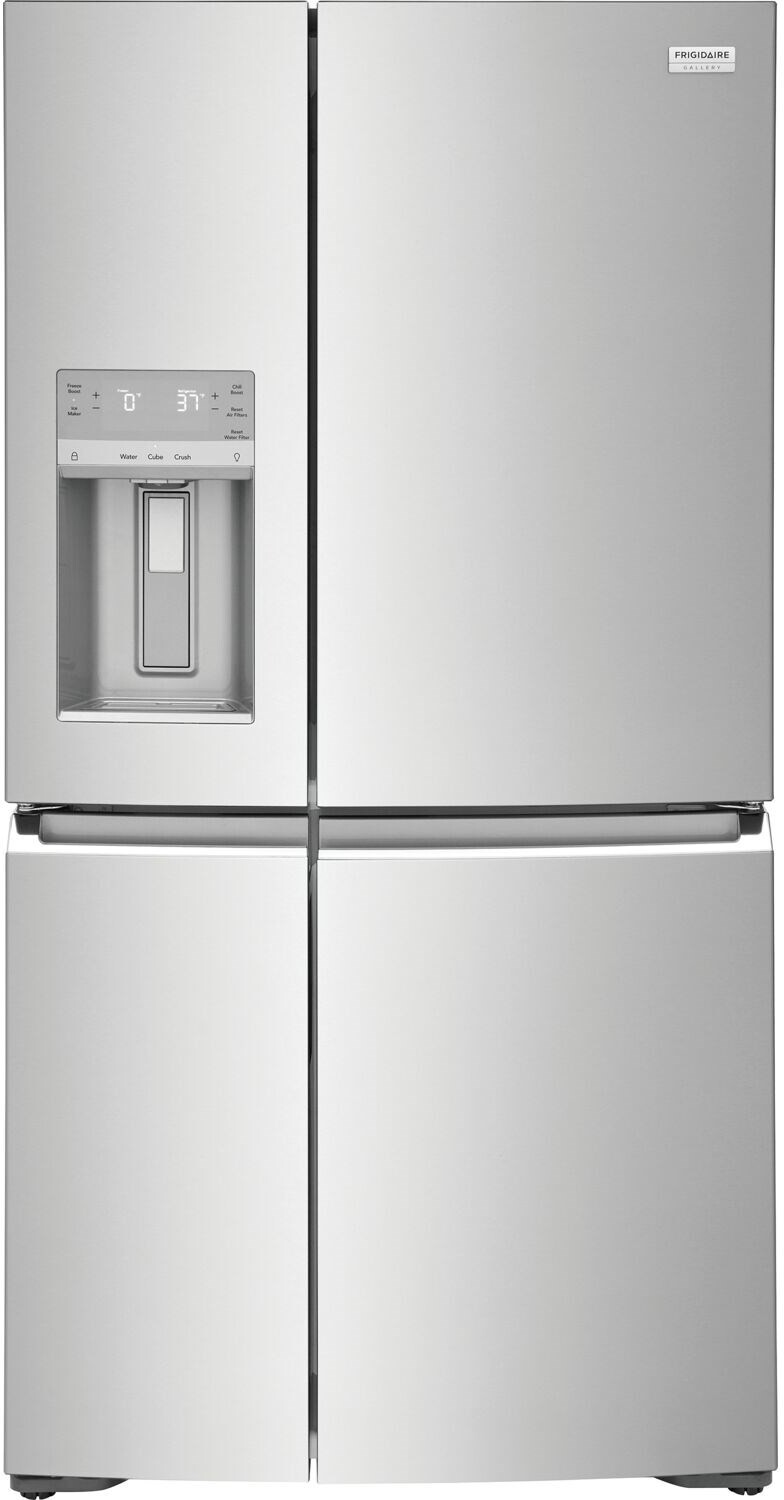
Auto defrost freezers are like the set-it-and-forget-it gadgets of the freezer world. They come with a built-in system that keeps frost at bay, so you don't have to. These freezers cycle on and off to melt ice, which then drains away. It's perfect for folks who want to avoid the hassle of manual defrosting. But, keep in mind, this convenience comes at a price—both in terms of energy consumption and initial cost.
Small Chest Freezer: The Energy Saver
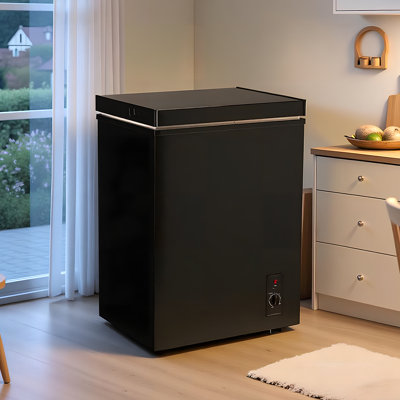
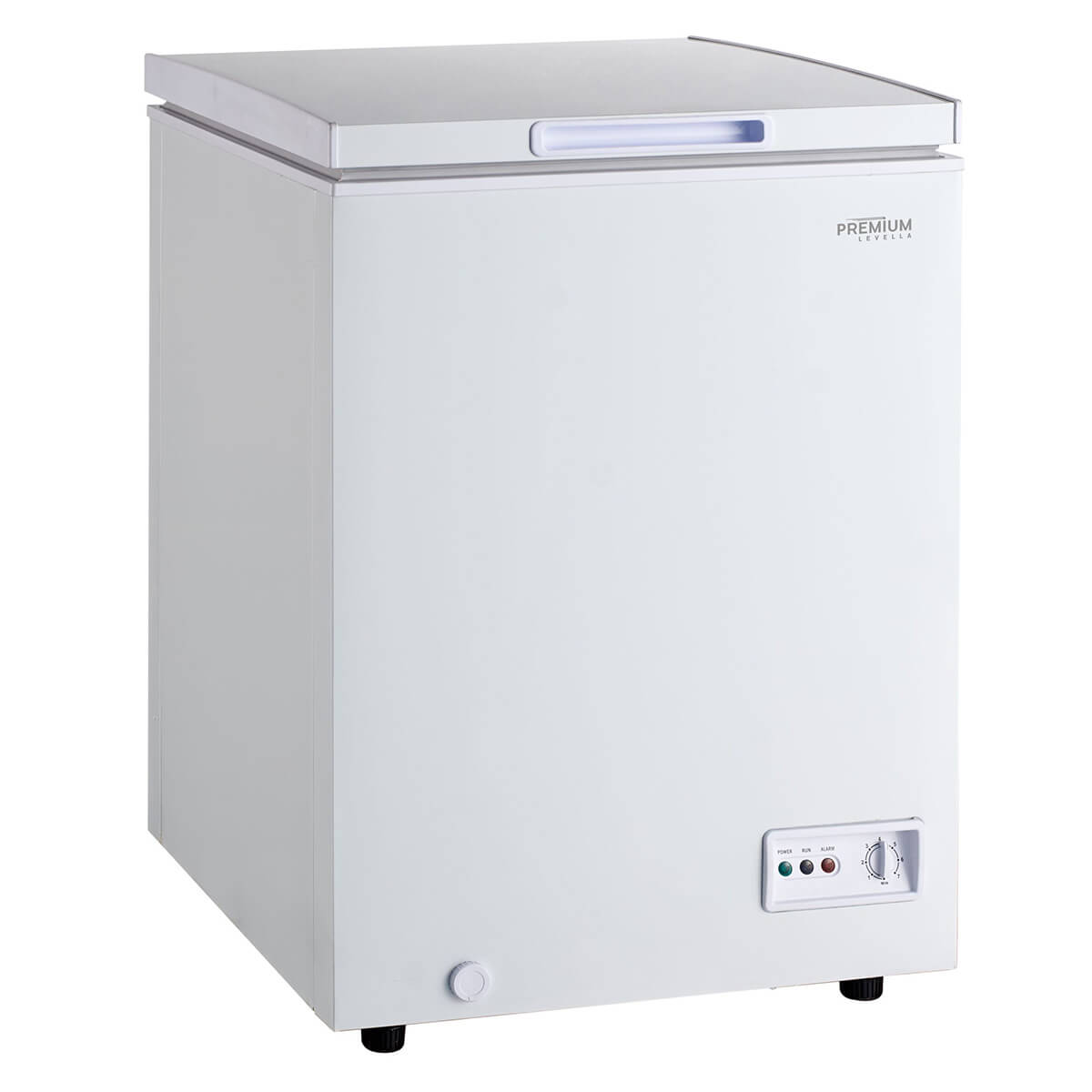
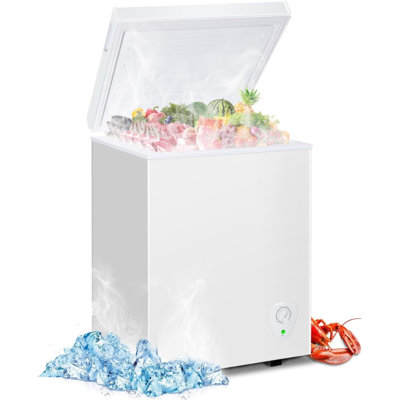
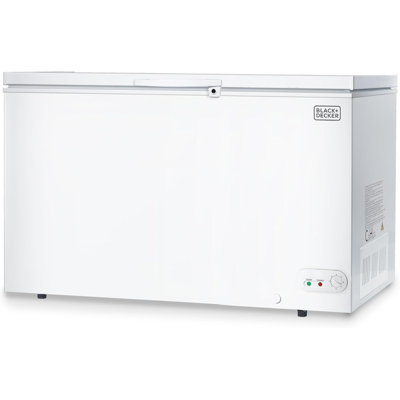
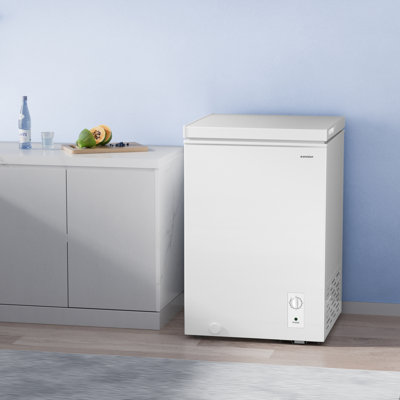
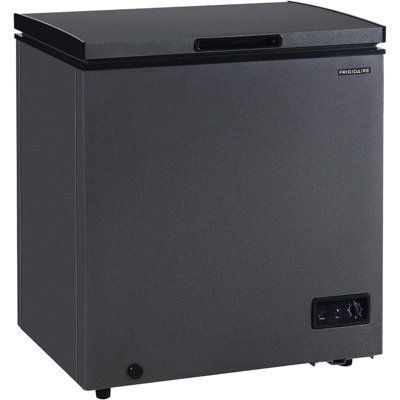
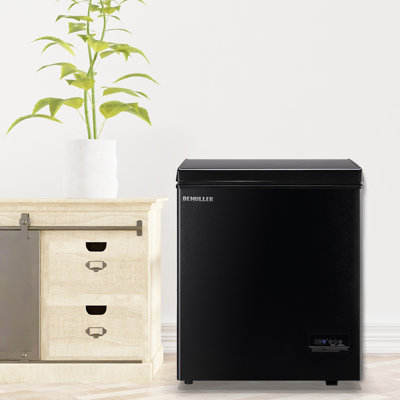
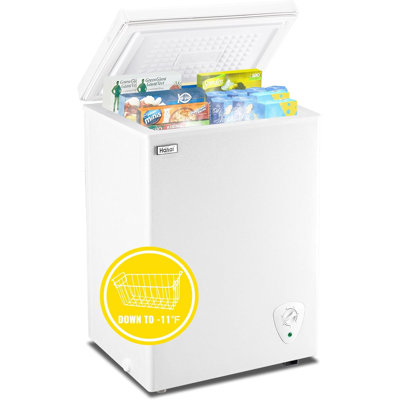
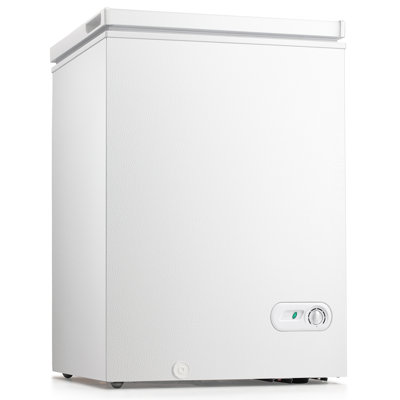
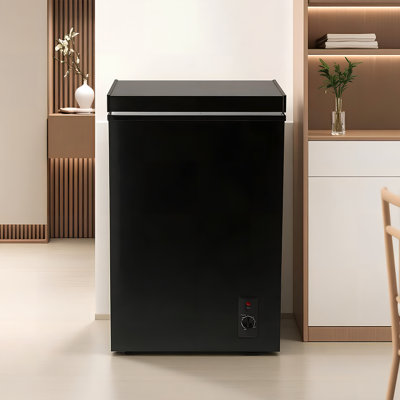
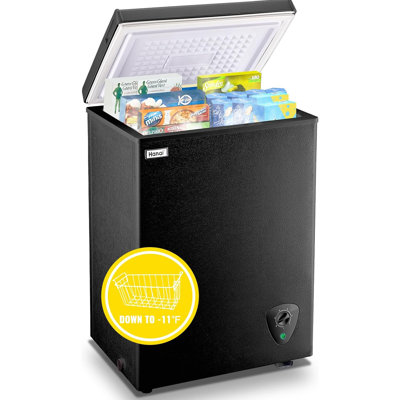
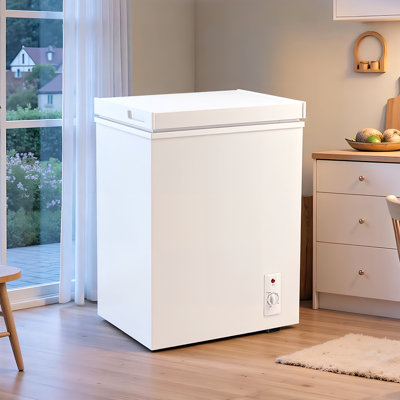
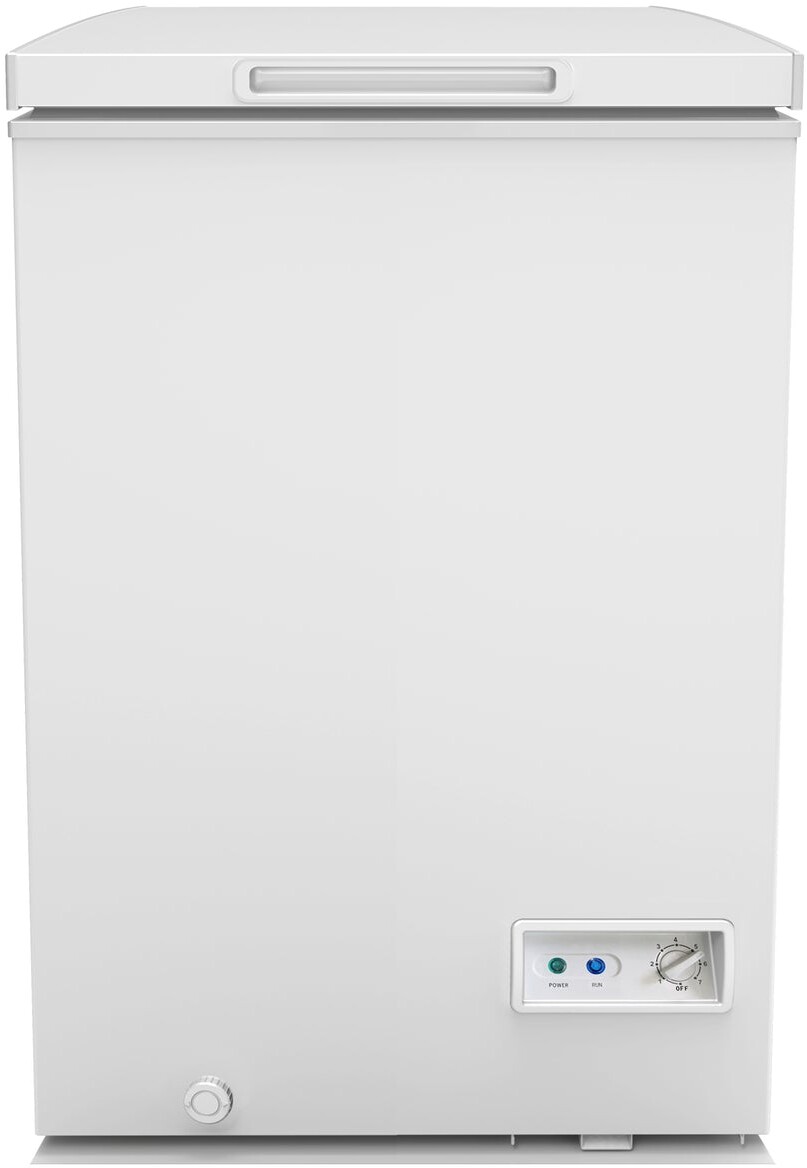
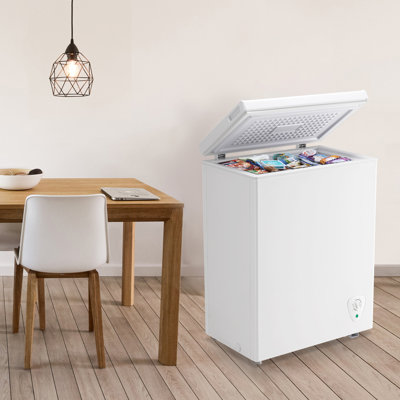
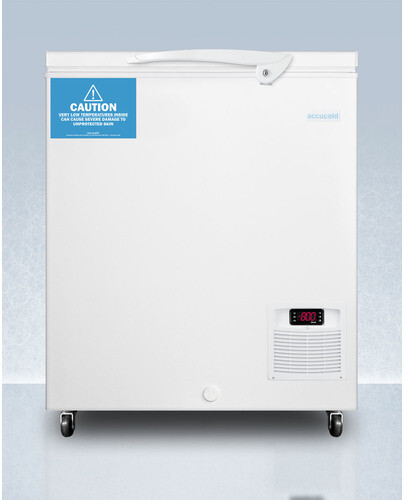
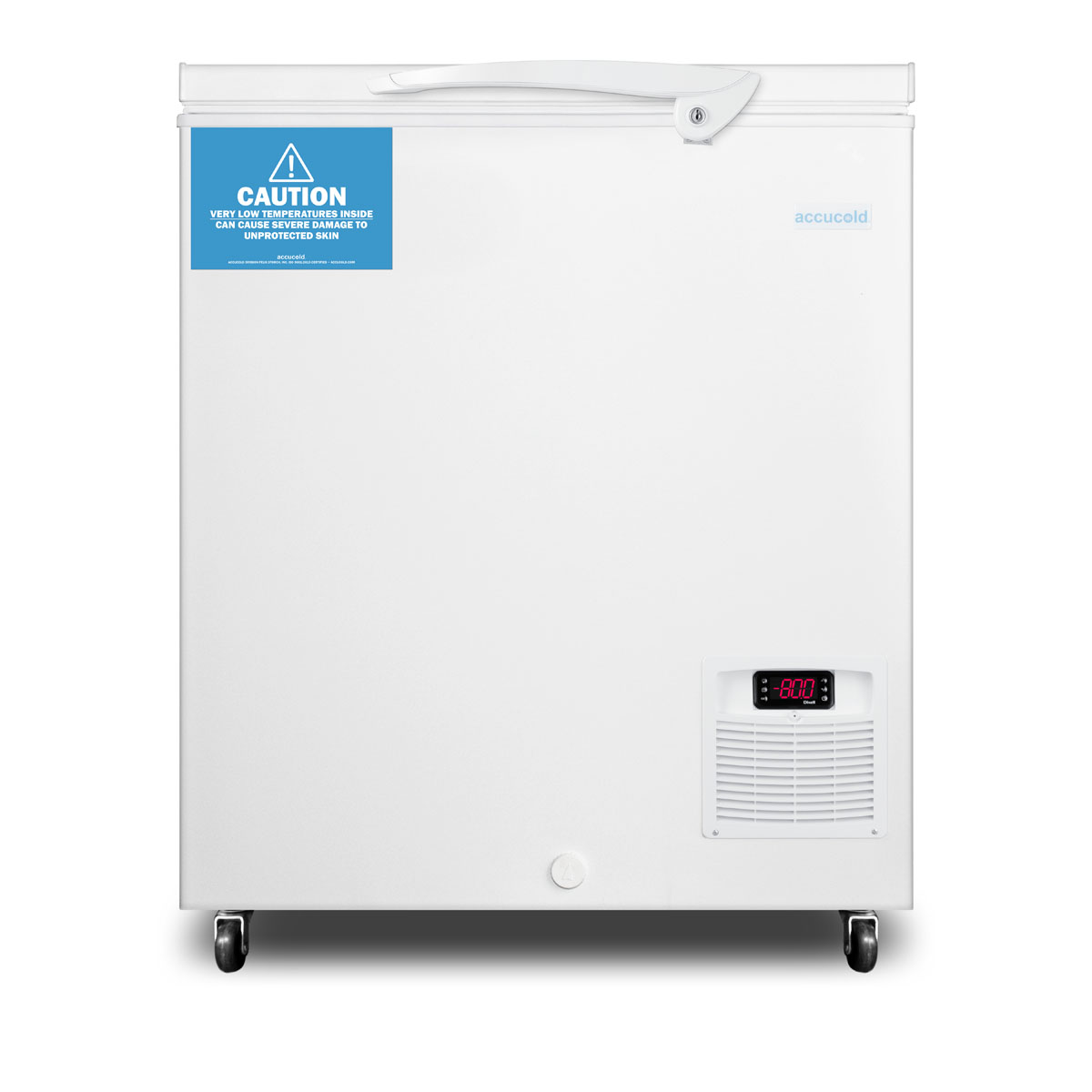
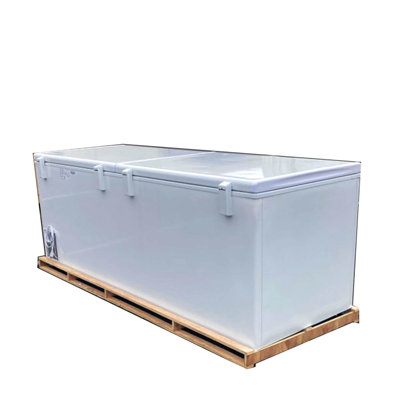
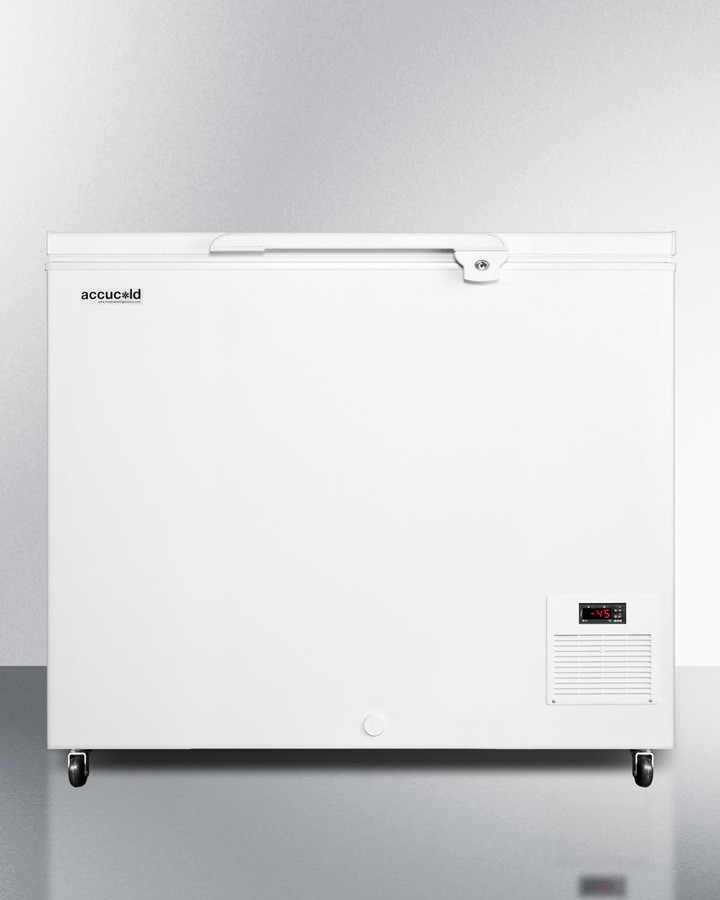
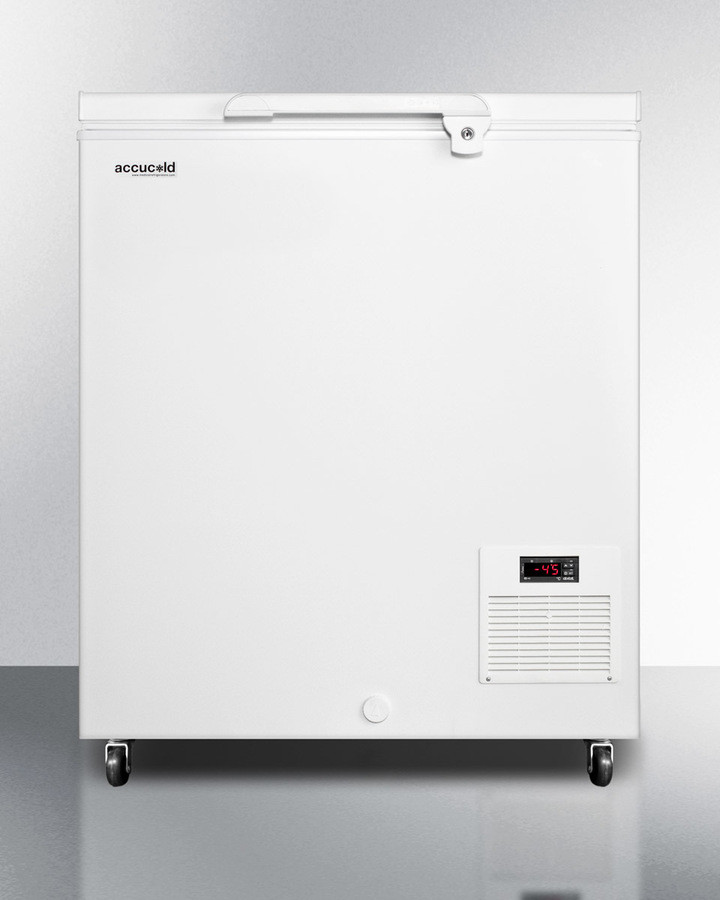
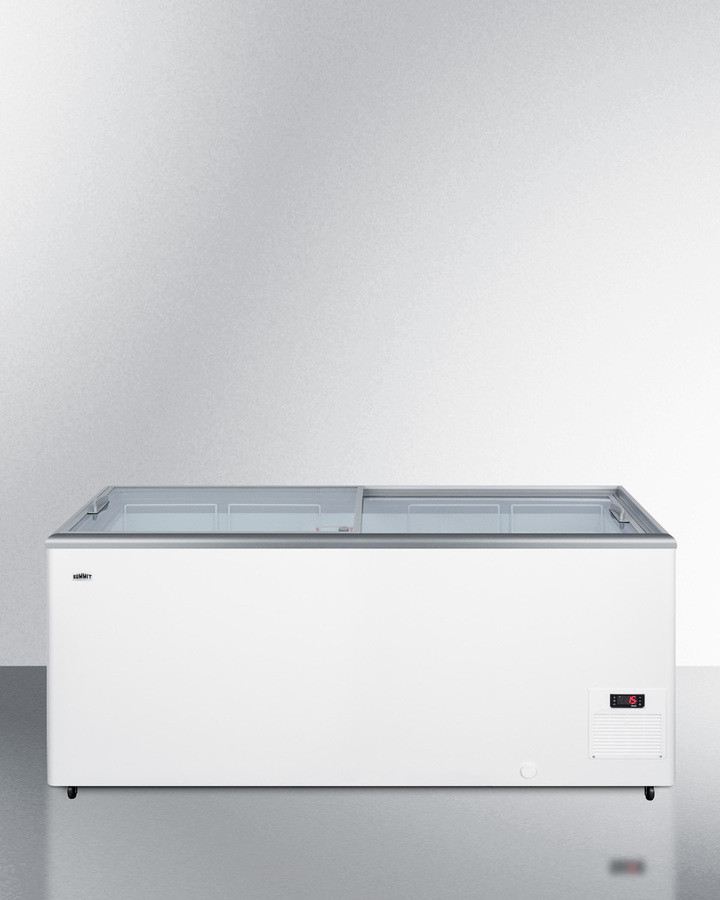
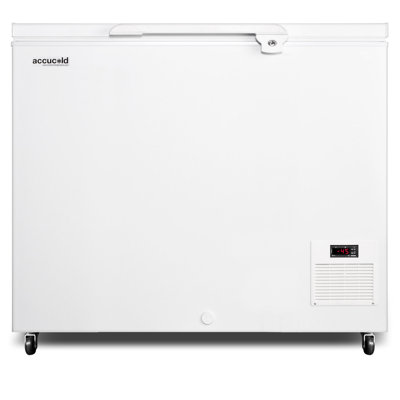
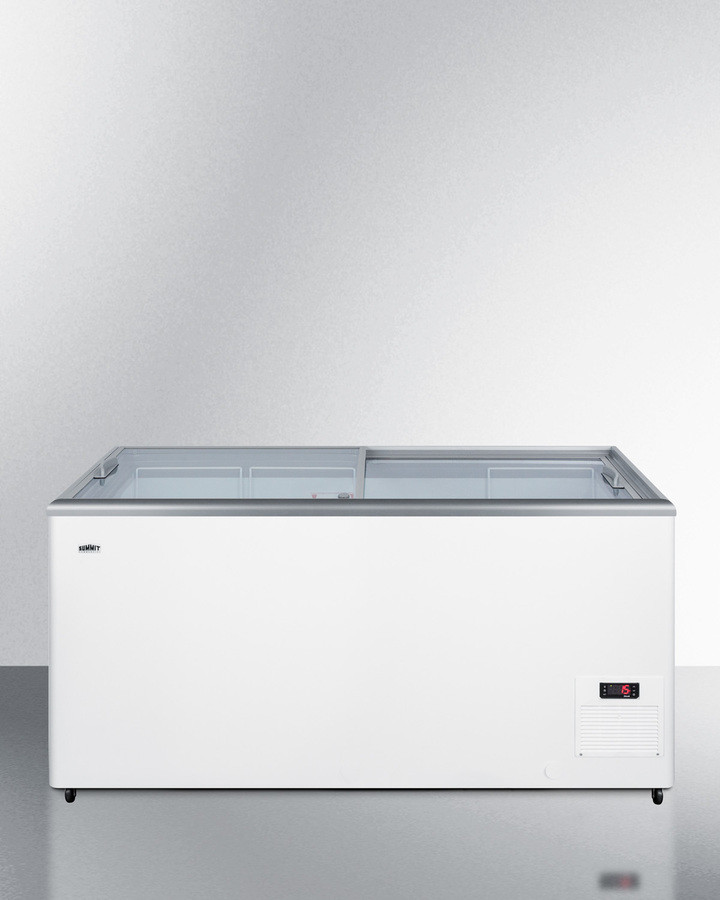
Small chest freezers are the workhorses of the freezer family. They need a bit more love and attention since you'll have to defrost them manually. But the payoff? They’re usually more energy-efficient and cheaper upfront. Their horizontal design makes them great for storing bulkier items. If you don’t mind a bit of extra work, these freezers offer a straightforward and reliable way to keep your food frozen.
Which One's Right for You?
So, what’s it gonna be? If you’re all about convenience and don’t mind a higher energy bill, go for the auto defrost freezer. If you’re looking to save some bucks and don’t mind rolling up your sleeves now and then, the small chest freezer is your best bet.
Choosing between an auto defrost freezer and a small chest freezer can be a game-changer. Let's break down how auto defrost freezers work and the ups and downs of owning one.
How Auto Defrost Freezers Work
Auto defrost freezers are like the self-cleaning ovens of the freezer world. They handle frost build-up so you don't have to. Here's the lowdown: these freezers switch between cooling and a quick heating phase. During the cooling phase, everything stays frozen as usual. Then, in the heating phase, a built-in heater kicks in to melt any frost. The melted water then drains out through a small tube, ending up in a drip pan or just evaporating.
Feature
Description
Cooling Phase
Keeps food items frozen
Heating Phase
Melts accumulated frost
Water Drainage
Drains melted water through a tube
Pros and Cons of Auto Defrost Freezers
Auto defrost freezers come with their own set of perks and quirks. Knowing these can help you figure out if this freezer is your perfect match.
Pros:
Convenience: No more chipping away at ice; it melts frost on its own.
Consistency: Keeps a steady temperature, which is great for food quality.
Energy Efficiency: Modern models are designed to save energy, cutting down your power bill.
Cons:
Higher Initial Cost: They can be pricier upfront compared to manual defrost models.
Noise Levels: The defrost cycle can be a bit noisy, which might bug you if you like peace and quiet.
Energy Use During Defrost Cycle: It uses extra energy during the defrost cycle, but overall, it's still pretty efficient.
For more on different types of refrigerators and freezers, check out Fridge.com comparison articles, like column refrigerator Vs. mini fridge with freezer and 5 door refrigerator Vs. refrigerator cooler.
By getting a grip on how auto defrost freezers work and weighing the pros and cons, you can decide if this type of freezer fits your lifestyle. If you love convenience and steady temps, an auto defrost freezer could be your new best friend.
Small chest freezers keep your food cold using a straightforward cooling system. They have a compressor that pumps refrigerant through coils, soaking up heat from inside and kicking it out. This keeps everything inside nice and frosty, perfect for storing your perishables for the long haul.
Thanks to their horizontal design, these freezers offer a deep storage space that can fit all sorts of items. The lid on top seals tight, keeping the cold air in and your energy bills low.
Pros and Cons of Small Chest Freezers
Knowing the good and the bad about small chest freezers can help you decide if one’s right for you. Here’s the lowdown:
Pros
Energy Efficiency: These freezers are champs at saving energy. Their design keeps cold air from escaping when you open the lid, so the compressor doesn’t have to work as hard.
Storage Space: With a deep storage area, you can stash bulkier items and lots of food. Many models come with baskets or dividers to keep things organized.
Temperature Consistency: They often keep a steadier temperature than upright models, which is great for long-term storage.
Cons
Space Requirements: Because of their horizontal design, these freezers take up more floor space. This might be a problem if you’re short on room in your home or garage.
Access: Getting stuff from the bottom can be a pain, especially if it’s heavy. Baskets can help, but it still takes some effort.
Manual Defrosting: Most small chest freezers need to be defrosted by hand, which can be a hassle. You’ll need to do this regularly to keep ice from building up.
Feature
Pros
Cons
Storage Space
Lots of room for bulky items, comes with organizing tools
Takes up more floor space
Temperature
Keeps a steady temperature for long-term storage
-
Access
-
Hard to reach items at the bottom, takes effort
Maintenance
-
Needs manual defrosting, which is time-consuming
When you’re comparing an auto defrost freezer Vs. small chest freezer, think about these pros and cons based on what you need and the space you have. For more info on different types of refrigerators and freezers, check out articles like column refrigerator Vs. mini fridge with freezer and basement refrigerator Vs. column refrigerator.
Capacity and Storage Options
When you're deciding between an auto defrost freezer and a small chest freezer, the size and storage features are key. Let's break it down so you can figure out which one fits your needs best.
Comparing Storage Capacity
Freezers come in all shapes and sizes, and their storage capacity can vary a lot. Here's a quick look at what you can expect:
Freezer Type
Typical Capacity Range (Cubic Feet)
Auto Defrost Freezer
10 - 25
Small Chest Freezer
5 - 15
Auto defrost freezers usually offer more space, making them great for families or anyone who needs to store a lot of frozen goodies. Small chest freezers, on the other hand, are perfect for tighter spaces like apartments or garages.
Organizational Features
Both types of freezers have their own perks when it comes to keeping things organized. Here's what you get with each:
Auto Defrost Freezer
Auto defrost freezers are like the Swiss Army knives of freezers. They come with adjustable shelves, door bins, and pull-out drawers, making it super easy to keep everything in its place.
Adjustable Shelves: Move them around to fit whatever you need to store.
Door Bins: Perfect for smaller items and stuff you grab often.
Pull-out Drawers: No more digging around; just pull out the drawer to get what you need.
Some models even have special compartments for different types of food, like meat, veggies, and ice cream.
Small Chest Freezer
Small chest freezers are all about simplicity and space. They might not have all the bells and whistles, but they get the job done.
Removable Baskets: Great for keeping different types of food separate.
Dividers: Create your own sections to keep things organized.
While auto defrost freezers offer more fancy features, small chest freezers give you a straightforward, spacious option for bulk storage.
Making Your Choice
So, which one should you pick? It really depends on what you need:
Auto Defrost Freezer: If you want easy access and lots of organizational options, this is your go-to.
Small Chest Freezer: If you need something compact and efficient, this one's for you.
Still on the fence? Check out other Fridge.com articles for more comparisons, like column refrigerator Vs. mini fridge with freezer and beverage refrigerator Vs. office freezer.
Choosing between an auto defrost freezer and a small chest freezer? Let's break down the nitty-gritty of energy efficiency and operating costs. Each type has its perks and quirks when it comes to power usage and cost.
Auto Defrost Freezers: The Frost Fighters
Auto defrost freezers, also known as frost-free freezers, have a built-in mechanism that keeps frost at bay. This means no more chipping away at icebergs in your freezer. But, there's a catch—the defrosting process uses a bit more energy because of the heating element that melts the frost.
Auto Defrost Freezer
Energy Consumption (kWh/year)
Average Operating Cost ($/year)
Small (5-9 cu. ft.)
300
$36
Medium (10-18 cu. ft.)
450
$54
Large (19+ cu. ft.)
600
$72
Auto defrost freezers might use more juice compared to their manual defrost cousins. The heater cycles on and off, which can bump up your energy bill. For more on different fridge options, check out Fridge.com article on column refrigerator Vs. mini fridge with freezer.
Small Chest Freezers: The Energy Savers
Small chest freezers are the champs of energy efficiency. They need manual defrosting, which means no extra energy spent on melting frost. Plus, their tight seals and thick insulation keep the cold in and the energy use down.
Small Chest Freezer
Energy Consumption (kWh/year)
Average Operating Cost ($/year)
Small (5-9 cu. ft.)
200
$24
Medium (10-18 cu. ft.)
350
$42
Large (19+ cu. ft.)
500
$60
Sure, manual defrosting can be a chore, but it helps keep these freezers super efficient. If you're looking to save on your energy bill, a chest freezer might be your best bet. For a look at other freezer options, see Fridge.com article on all freezer refrigerator Vs. apartment size refrigerator
.
Making the Choice
When picking between an auto defrost freezer and a small chest freezer, think about the long haul. Auto defrost models save you time but might cost a bit more in energy. Chest freezers save energy but need a bit more elbow grease. Your choice depends on what matters more to you—convenience or cost savings.
For more cool insights into different refrigeration options, explore Fridge.com articles on beverage refrigerator Vs. office freezer and garage freezer Vs. ice cream freezer chest.
Want your freezer to last longer and work like a charm? Here's how to keep it in great shape, whether you have an auto defrost freezer or a small chest freezer.
Auto Defrost Freezers: Low Maintenance, High Efficiency
Auto defrost freezers are pretty much self-sufficient, but they still need a bit of love. Here's what you gotta do:
Regular Cleaning: Every few months, give the inside and outside a good wipe-down with some mild detergent and warm water. Keeps things fresh and clean.
Defrost Check: These freezers usually handle defrosting on their own, but it's smart to peek inside now and then. If you see ice, give it a manual defrost.
Inspect Seals: Check those door seals every now and then. If they're cracked or not sealing right, replace them. Keeps the cold in and your energy bill down.
Ventilation: Make sure the vents are clear of dust and junk. Good airflow means better cooling.
Task
How Often
Clean Interior
Every 3-4 months
Defrost Check
Once a year
Inspect Seals
Twice a year
Clear Vents
Monthly
Small Chest Freezers: Hands-On but Worth It
Small chest freezers need a bit more elbow grease, but they're worth it. Here's your to-do list:
Manual Defrosting: When ice gets about 1/4 inch thick, it's time to defrost. Turn off the freezer, take out the food, and let the ice melt. Clean and dry it before turning it back on.
Regular Cleaning: Just like with auto defrost freezers, clean the inside and outside every few months with mild detergent and warm water.
Inspect Seals: Keep an eye on those door seals. If they're damaged, replace them to keep your freezer running efficiently.
Ventilation: Dust and debris can mess with airflow. Keep those vents and coils clean.
Task
How Often
Manual Defrosting
Every 6 months
Clean Interior
Every 3-4 months
Inspect Seals
Twice a year
Clear Vents
Monthly
So, whether you prefer the low-maintenance auto defrost or the hands-on small chest freezer, keeping up with these tasks will ensure your freezer stays in great shape. Want to know more about different types of freezers and fridges? Check out Fridge.com article on column refrigerator Vs. mini fridge with freezer.
Choosing between an auto defrost freezer and a small chest freezer? Let's break down the costs and what drives those prices.
Cost Comparison
Auto defrost freezers and small chest freezers come with different price tags, mainly due to their features, size, and brand. Typically, auto defrost freezers are pricier because of their advanced defrosting tech. Here's a quick look at the price ranges:
Freezer Type
Price Range ($)
Auto Defrost Freezer
300 - 1,200
Small Chest Freezer
150 - 600
What Affects the Price?
Several things can bump up the price of these freezers. Knowing these can help you pick the right one for your wallet and needs.
Size: Bigger freezers cost more. If you need lots of space, be ready to spend a bit extra.
Energy Efficiency: Freezers that save energy might cost more upfront but can lower your electricity bills over time. Check out Fridge.com section on Energy Efficiency and Operating Costs for more info.
Features and Tech: Fancy stuff like digital controls, alarms, and convertible zones can add to the price. Auto defrost itself is a premium feature that hikes up the cost.
Build Quality: Freezers made with top-notch materials and solid construction usually come with a higher price tag. Stainless steel finishes, for example, can be more expensive.
Brand and Warranty: Well-known brands with a good rep often cost more. Plus, freezers with longer warranties might be pricier but can give you peace of mind.
For more comparisons on other types of fridges and freezers, check out Fridge.com articles on column refrigerator Vs. mini fridge with freezer and 5 door refrigerator Vs. refrigerator cooler.
By keeping these factors in mind, you can see why auto defrost freezers and small chest freezers are priced differently. This way, you can pick the best one for your needs and budget.
Space Considerations
Picking between an auto defrost freezer and a small chest freezer? Let's talk space. Each has its own needs, and your choice will depend on where you plan to put it—home, garage, or office.
Auto Defrost Freezers: Space Needs
Auto defrost freezers usually stand upright, like your regular fridge. They fit into various spots without hogging too much room.
Feature
Auto Defrost Freezer
Average Height
60 - 70 inches
Average Width
24 - 36 inches
Average Depth
28 - 32 inches
Door Clearance
Needs extra space for door swing
These freezers are great for tight spaces and can go in kitchens, basements, or utility rooms. Their vertical design means you can store stuff at eye level, making it easy to grab what you need. Curious about how this type of freezer fits into different areas? Check out Fridge.com article on column refrigerator Vs. mini fridge with freezer.
Small Chest Freezers: Space Needs
Small chest freezers lie flat and need more floor space. They have deep compartments, perfect for bulk storage.
Feature
Small Chest Freezer
Average Height
28 - 34 inches
Average Width
30 - 50 inches
Average Depth
20 - 28 inches
Lid Clearance
Needs extra space for lid opening
These freezers are usually found in garages, basements, or roomy utility rooms. Their horizontal design is great for storing large or oddly shaped items, but digging stuff out from the bottom can be a pain. For tips on organizing and saving space, see Fridge.com article on 5 door refrigerator Vs. bottom freezer refrigerator.
Knowing the space needs for both types of freezers helps you choose the one that fits your life best. Think about your layout and how each freezer will fit into your daily routine. For more on different freezer and fridge types, explore freestanding drawer freezer Vs. skincare fridge and basement refrigerator Vs. column refrigerator.
Choosing the right freezer isn't rocket science, but it does take a bit of thought. Whether you're eyeing an auto defrost freezer or a small chest freezer, knowing what you need can make the decision a breeze.
What to Think About
When you're on the hunt for a freezer, consider how it'll fit into your daily grind. Here are some things to keep in mind:
Storage Needs: How much stuff are you freezing? Auto defrost freezers give you more vertical space, while small chest freezers offer loads of horizontal room.
How Often You Use It: If you're in and out of the freezer a lot, an auto defrost model might be your best bet with its upright design and easy-to-reach shelves. If you only need it occasionally, a small chest freezer could do the trick.
Space at Home: Measure your space. Auto defrost freezers are usually taller but take up less floor space. Small chest freezers need more room on the floor but aren't as tall.
Energy Bills: Think about your electricity bill. Auto defrost freezers use more energy because of the defrosting feature, while small chest freezers are generally more energy-efficient.
Upkeep: How much time do you have for maintenance? Auto defrost freezers need less manual defrosting. Small chest freezers, on the other hand, need you to defrost them every now and then to keep the ice at bay.
Money Matters: What's your budget? Auto defrost freezers might cost more upfront but offer convenience. Small chest freezers are usually cheaper.
Making the Right Call
Once you've thought about your lifestyle, it's time to look at the features side by side. Here's a quick comparison:
Feature
Auto Defrost Freezer
Small Chest Freezer
Storage Capacity
Vertical, easy access
Horizontal, deep space
Maintenance
Automatic defrosting
Manual defrosting needed
Initial Cost
Higher
Lower
Space Requirement
Smaller footprint, taller
Larger footprint, shorter
Convenience
Easy access, organized shelves
Requires bending, less organized
Knowing these differences can help you make a smart choice. If you need more details, check out articles like column refrigerator Vs. mini fridge with freezer and 5 door refrigerator Vs. bottom freezer refrigerator.
By thinking about your lifestyle and the features of each freezer type, you can pick the one that suits you best. Whether you go for an auto defrost freezer or a small chest freezer, focusing on what matters most to you will make sure you're happy with your purchase. For more tips, take a look at refrigerator freezer combo Vs. standard refrigerator size and garage freezer Vs. ice cream freezer chest.
Compare prices on Fridge.com
Compare current prices and specifications on Fridge.com, then buy from the retailer you choose; delivery, installation and warranty terms are the retailer’s.
It also has tons of awesome articles about kitchen stuff and home news. Enhance your home, garage, backyard, patio, and office with the coolest essentials. With every necessary type of residential refrigerator or freezer in the collection, you're covered.
Frequently Asked Questions
Choosing between an auto defrost freezer and a small chest freezer can be a bit like picking between a self-cleaning oven and a traditional one. Both have their perks, but which one fits your life better? Feature.
Auto Defrost Freezer.
Small Chest Freezer.
.
Defrosting Method.
Automatic.
Manual.
.
Temperature Uniformity.
More consistent.
Can have cold spots.
.
Energy Efficiency.
Generally lower.
Typically higher.
.
Storage Capacity.
Varied, often more vertical space.
Often more horizontal space.
.
Initial Cost.
Higher.
Lower.
.
Maintenance.
Minimal.
Requires manual defrosting.
.