For the refrigeration section, the ideal temperature range to keep your food safe and fresh is between 32°F (0°C) and 40°F (4°C).
The freezer compartment should be set at 0°F (-18°C) or lower to maintain the quality of your frozen goods and prevent the growth of bacteria.
Generally, white wines are best served between 45°F (7°C) and 50°F (10°C), while red wines typically require slightly warmer temperatures, ranging from 50°F (10°C) to 65°F (18°C).
Defrosting: If your mini fridge freezer is not frost-free, defrost it whenever the ice buildup is about a quarter-inch thick — typically every 3-6 months depending on usage.
A mini fridge freezer combines a refrigerated compartment at 32°F to 40°F with a separate freezer section at 0°F or below in one compact unit, while a wine chiller holds a warmer 45°F to 65°F range engineered exclusively for wine — with vibration dampening, UV-tinted glass, and horizontal bottle racks that keep corks moist. The two appliances maintain incompatible temperature ranges for incompatible contents: perishable food spoils in a wine chiller, and wine stored long-term in a mini fridge freezer develops dried corks and muted flavors. This guide compares size, temperature, storage, energy use, noise, pricing, and lifespan so you can choose the right compact cooling appliance.
Mini Fridge Freezer vs. Wine Chiller: Key Differences at a Glance
Feature
Mini Fridge Freezer
Wine Chiller
Fridge Temperature
32°F - 40°F (food safe)
45°F - 65°F (wine range)
Freezer
Yes — 0°F or below
None
Humidity Control
Not controlled
50 - 80% RH for cork health
Vibration Dampening
No — standard operation
Yes — isolated compressor
UV Protection
No
Yes — tinted glass door
What Is a Mini Fridge Freezer?
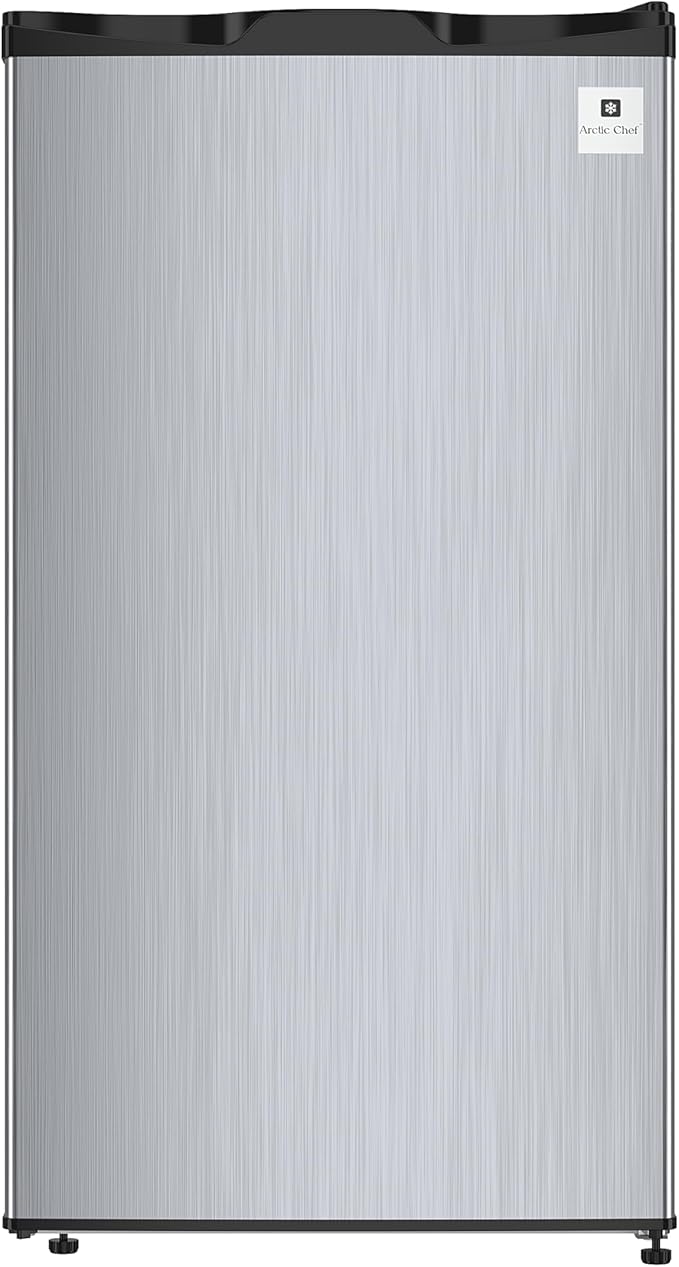
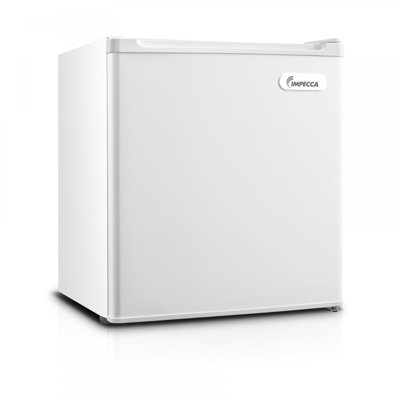
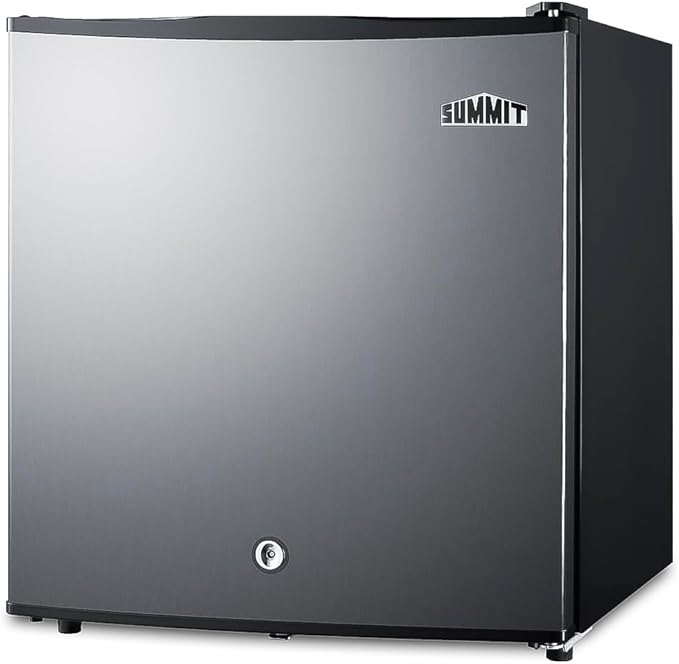
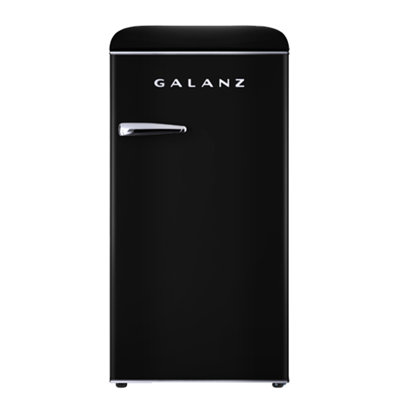
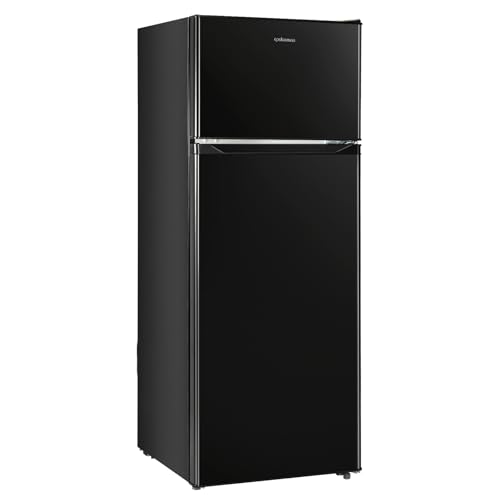
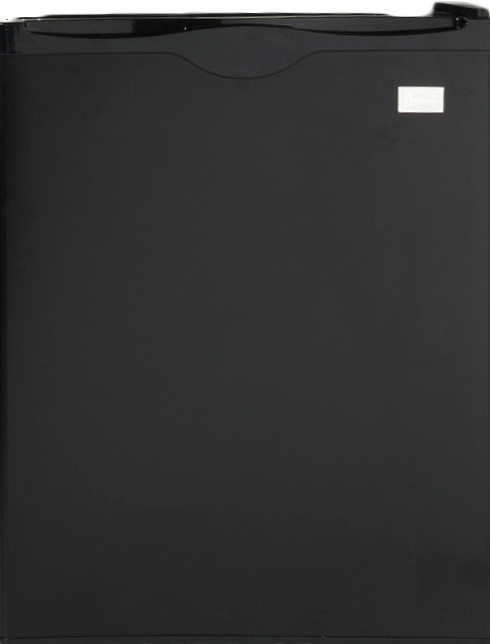
A mini fridge freezer is a compact, general-purpose appliance that combines a small refrigerator compartment with a separate freezer section in a single unit typically standing 32 to 48 inches tall. Total capacity ranges from about 3 to 5 cubic feet split between the two compartments — the refrigerator section usually receives 70-80% of the volume and the freezer section 20-30%. The refrigerator side holds beverages, dairy, produce, condiments, and leftovers on adjustable shelves and door bins; the freezer side — usually behind its own door at the top — handles frozen meals, ice cream, and ice trays.
Mini fridge freezers serve as primary refrigerators in dorm rooms and studio apartments, secondary refrigerators in home offices and guest rooms, and overflow cold storage where the main refrigerator is at capacity. Their defining advantage is versatility — one compact appliance provides both refrigerated and frozen storage for any combination of food and beverages. For more comparisons of space-saving refrigeration options, check out Fridge.com article on apartment size refrigerator vs. glass door mini fridge.
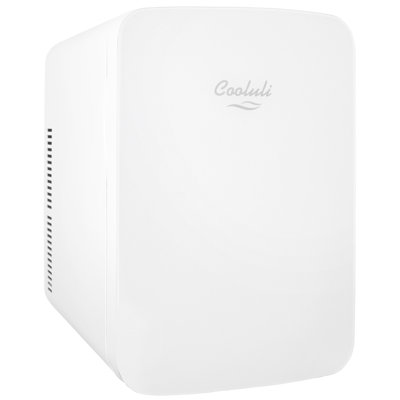
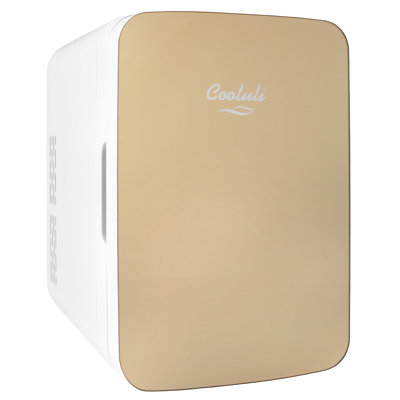
A wine chiller is a single-purpose cooling appliance dedicated to wine storage and preservation. The interior features horizontal pull-out racks with scalloped grooves that cradle bottles on their sides, keeping natural corks in constant contact with wine to prevent drying and oxidation. UV-tinted glass doors block ultraviolet light that degrades tannins and aromatic compounds, and vibration-dampened compressor mounts isolate the cabinet from disturbance that can unsettle sediment in aging wines.
Temperature controls span 45°F to 65°F — the full range for every wine style — and dual-zone models split the cabinet into two independently controlled compartments so whites and reds can be stored simultaneously at their respective ideal temperatures. Wine chillers come in countertop, undercounter, freestanding, and full-height formats holding from 6 bottles to over 200. The rigid bottle-rack interior stores wine and nothing else — no food containers, cans, or non-bottle items. Discover more about the benefits of dedicated wine storage in Fridge.com article on freestanding wine cooler vs. office refrigerator.
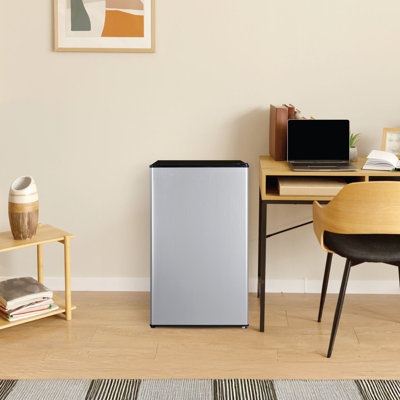
The mini fridge freezer is typically compact enough to fit in a variety of settings, from dorm rooms to office corners, while offering a surprising amount of space for both refrigerated and frozen items.
Mini Fridge Freezer Type
Height (inches)
Width (inches)
Depth (inches)
Capacity (cubic feet)
Basic Mini Fridge Freezer
19 - 24
17 - 22
18 - 24
1.5 - 4.5
Mid-Size Mini Fridge Freezer
24 - 33
19 - 24
20 - 26
3.5 - 7
Large Mini Fridge Freezer
33 - 36
23 - 28
24 - 28
7 - 10
Wine Chiller Size and Capacity
Wine chiller capacity is measured in bottles rather than cubic feet, and formats range from small countertop units to full-height cabinets.
Wine Chiller Type
Height (inches)
Width (inches)
Depth (inches)
Capacity (number of bottles)
Countertop Wine Chiller
15 - 20
10 - 15
19 - 24
4 - 12
Freestanding Wine Chiller
34 - 60
18 - 24
19 - 25
20 - 100+
Built-In Wine Chiller
34 - 60
15 - 24
22 - 25
20 - 100+
These two appliances serve non-overlapping storage roles. The wine chiller's bottle racks hold wine exclusively, with no freezer capability; the mini fridge freezer's adjustable shelves handle any mix of refrigerated and frozen items but cannot provide the temperature, humidity, vibration, or UV conditions wine requires.
Temperature Control
Mini Fridge Freezer Temperature Settings
A mini fridge freezer typically has separate compartments for refrigeration and freezing, each with its own temperature controls. For the refrigeration section, the ideal temperature range to keep your food safe and fresh is between 32°F (0°C) and 40°F (4°C). The freezer compartment should be set at 0°F (-18°C) or lower to maintain the quality of your frozen goods and prevent the growth of bacteria.
Compartment
Temperature Range
Refrigeration
32°F - 40°F (0°C - 4°C)
Freezer
0°F (-18°C) or below
Adjusting the temperature is usually straightforward, with many models featuring a dial or digital controls. Note that overloading your mini fridge freezer can result in inefficient cooling.
Wine Chiller Temperature Settings
Wine chillers store wine at optimal temperatures that vary by wine type. Generally, white wines are best served between 45°F (7°C) and 50°F (10°C), while red wines typically require slightly warmer temperatures, ranging from 50°F (10°C) to 65°F (18°C). Across the full 45-65°F span: sparkling wines sit at about 45°F, crisp whites at 48-52°F, rich whites and light reds at 52-58°F, and full-bodied reds at 58-65°F.
Wine Type
Temperature Range
White Wine
45°F - 50°F (7°C - 10°C)
Red Wine
50°F - 65°F (10°C - 18°C)
For those with a diverse wine collection, dual-zone wine chillers allow you to store different types of wine at their respective ideal temperatures simultaneously. A stable temperature is key to proper wine aging.
Why the Temperature Ranges Are Incompatible
The temperature difference is the most critical distinction between these appliances. Wine stored in a mini fridge freezer at around 37°F is overcooled by 8 to 28 degrees depending on the varietal — reds taste thin and muted, whites lose aromatic complexity, and the low humidity dries out natural corks within weeks, allowing air infiltration that oxidizes the wine. Standard compressor vibration can also disturb sediment in aging bottles. Meanwhile, perishable food stored in a wine chiller at 55°F sits above the 40°F food-safety threshold in the bacterial danger zone — meat, dairy, and produce spoil rapidly there.
Storage Options
Mini Fridge Freezer Storage Features
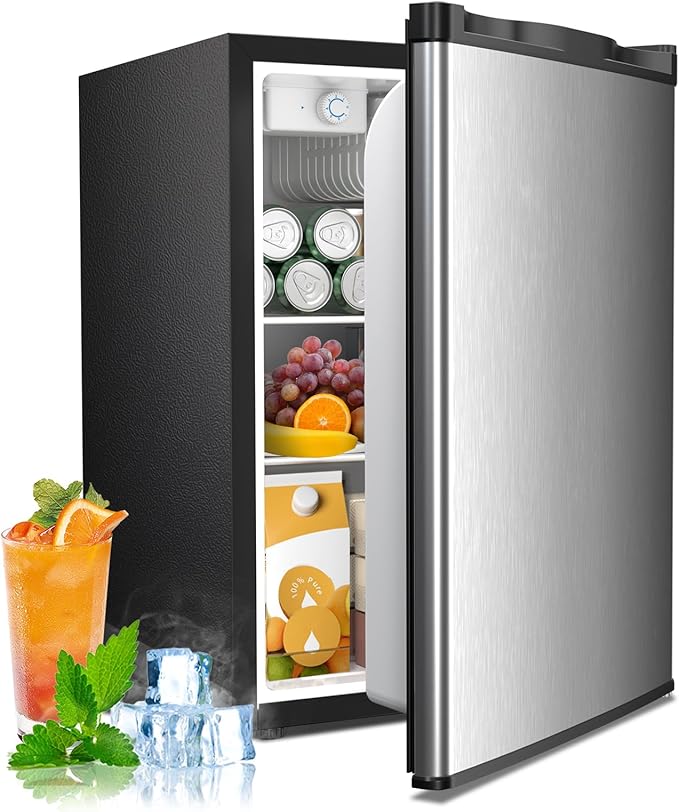
Mini fridge freezers typically have adjustable shelves, door bins, and a separate freezer compartment, so you can customize the internal layout to accommodate items of varying sizes, from tall bottles to small condiment jars.
Feature
Description
Adjustable Shelves
Allow for customization of space to fit larger items.
Door Bins
Convenient for storing beverages and frequently accessed items.
Freezer Compartment
Separate section with its own door for frozen goods.
Crisper Drawer
Keeps fruits and vegetables fresh.
Wine Chiller Storage Features
Wine chillers come with horizontal shelving to ensure that wine bottles are properly positioned to keep corks moist and prevent oxidation. Some models feature dual-zone temperature controls for storing different wine types at their ideal temperatures in the same unit.
Feature
Description
Horizontal Shelving
Maintains proper bottle orientation to keep corks moist.
Dual-Zone Temperature
Accommodates different wine varieties at their respective ideal temperatures.
UV-Protected Glass
Protects wine from light exposure which can affect flavor.
Vibration Control
Reduces disturbances that can disrupt the aging process.
Home Convenience: Perfect for storing extra groceries that don't fit in your main fridge or for keeping a variety of beverages cold.
Office Use: A mini fridge freezer can be a great addition to an office, providing space for employees to store their lunches or to keep refreshments on hand for meetings.
Dorm Rooms: Compact enough for dormitory rooms, giving students a way to keep snacks, beverages, and small meal portions frozen or refrigerated.
Entertainment Areas: Ideal for game rooms, home theaters, or basements where you might want quick access to cold drinks or snacks without running to the kitchen.
Guest Rooms: Provide visitors with the convenience of storing their own beverages and snacks during their stay.
Wine Enthusiasts: Preserves the quality and taste of wines by maintaining consistent humidity and temperature levels suitable for long-term storage.
Entertaining: Perfect for those who frequently host dinner parties or gatherings and wish to have a selection of wines at the ideal serving temperature.
Small Collections: For individuals with limited space who want to keep a small collection of wines stored properly without investing in a large cellar.
Restaurants and Bars: Essential for businesses that require a variety of wines to be readily available and served at the correct temperature.
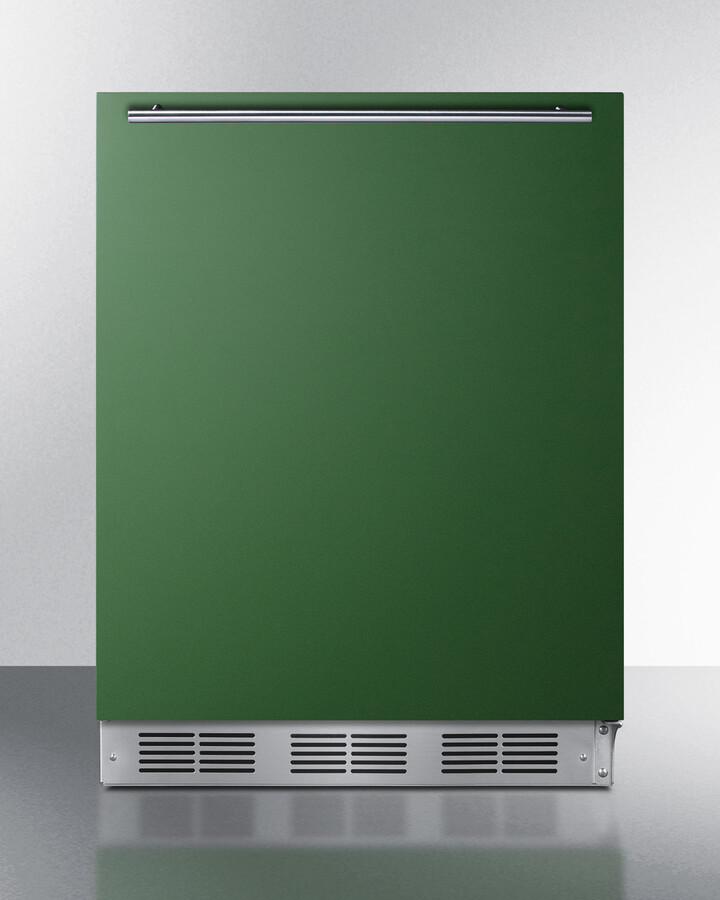
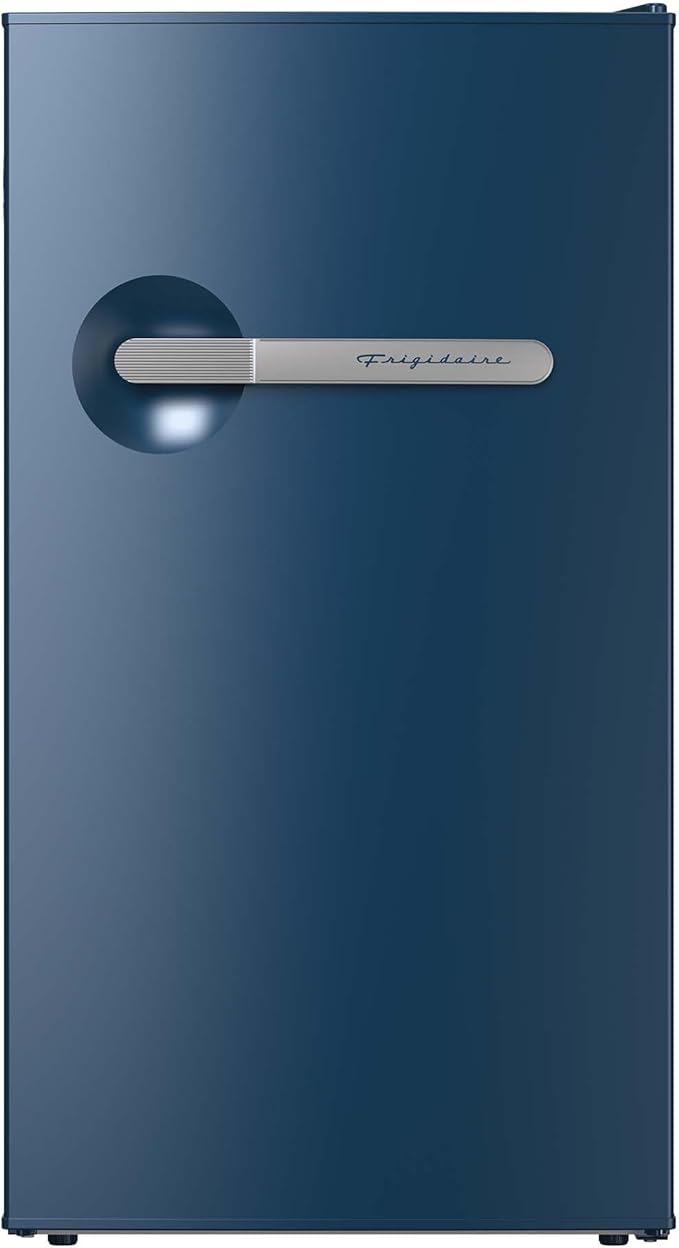
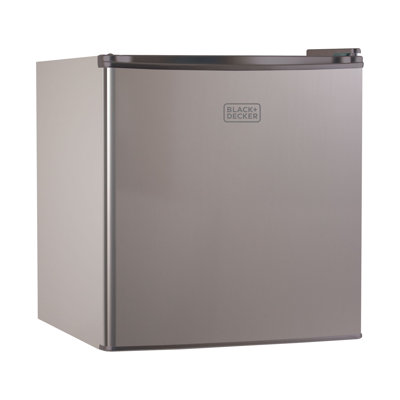
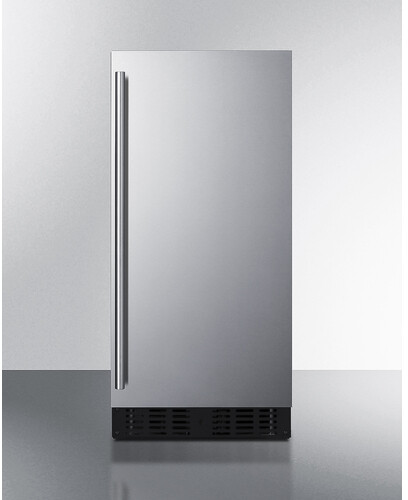
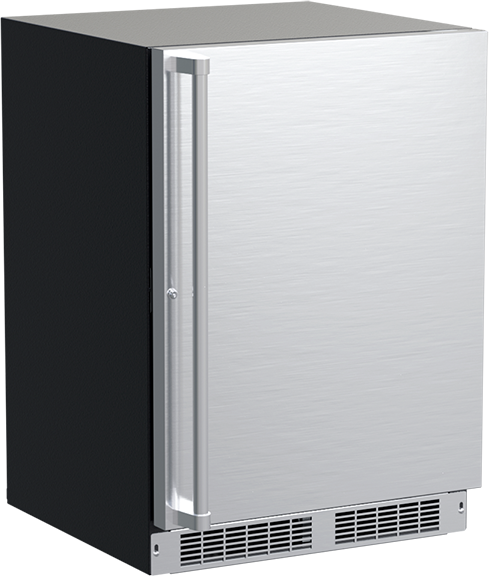
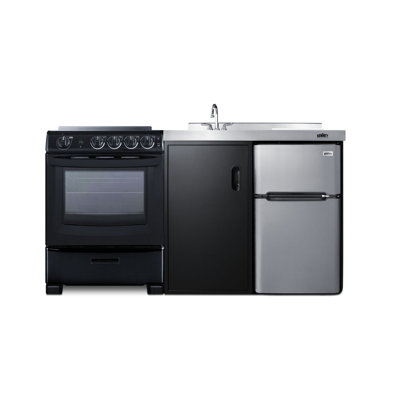
Mini fridge freezers come in a range of styles and finishes. Some have a utilitarian design focused on maximizing storage space within a small footprint; others feature a sleek, modern look with glass or stainless steel finishes. If you intend to integrate the appliance into your living area or workspace, choose a design that matches your furniture and other appliances.
Design Feature
Description
Finish
Stainless steel, black, white, or custom colors
Door Style
Reversible doors, glass fronts, solid doors
Size
Varies from cube-sized to under-counter models
Handle
Recessed, bar, or none
Wine Chiller Design Considerations
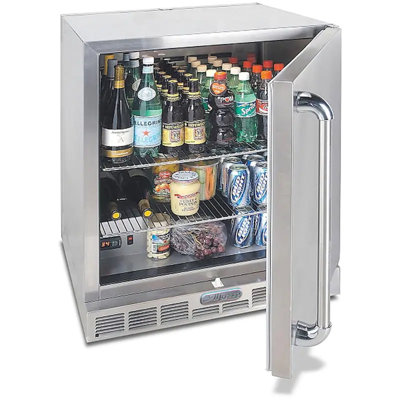
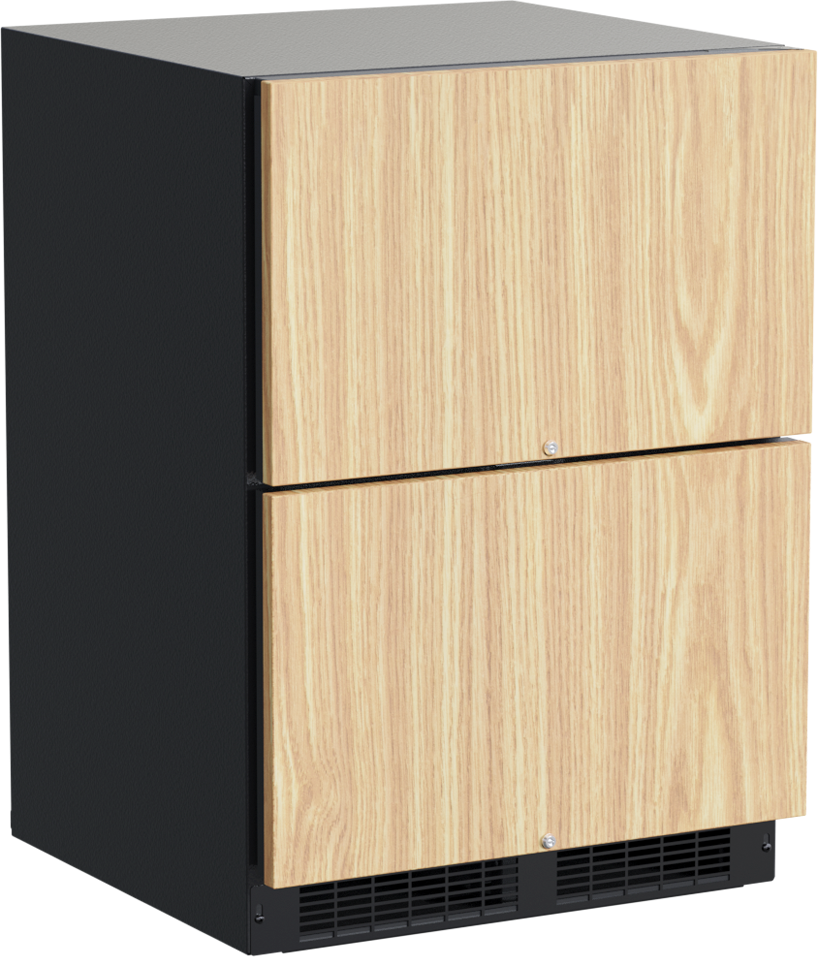
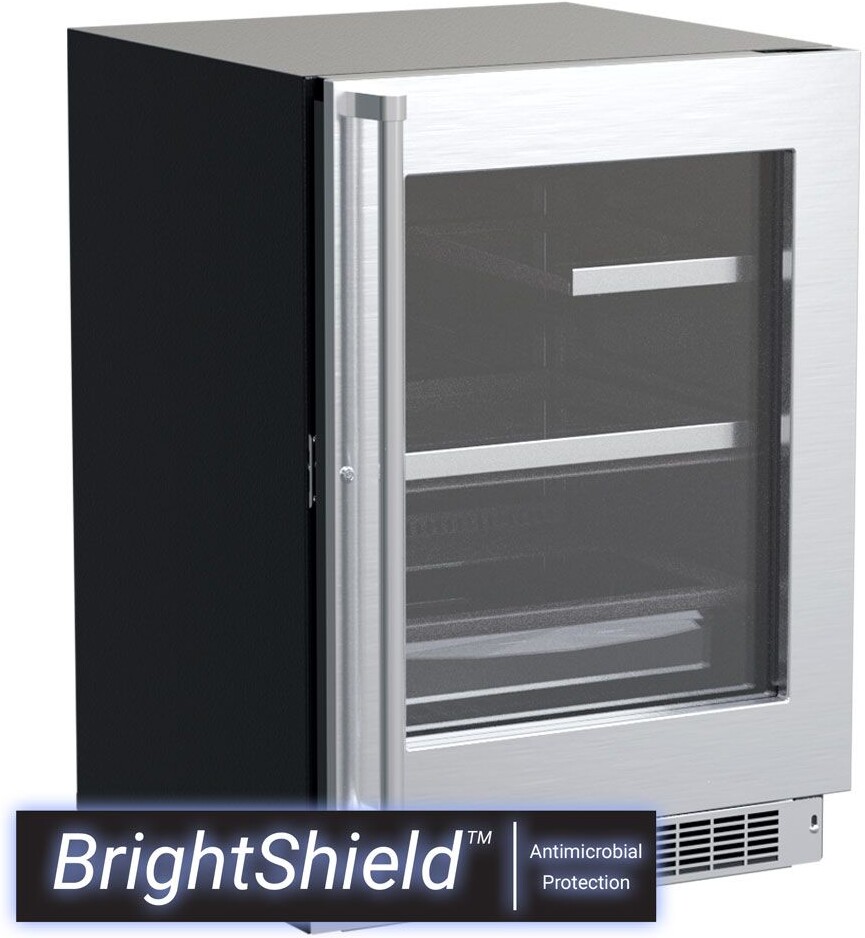
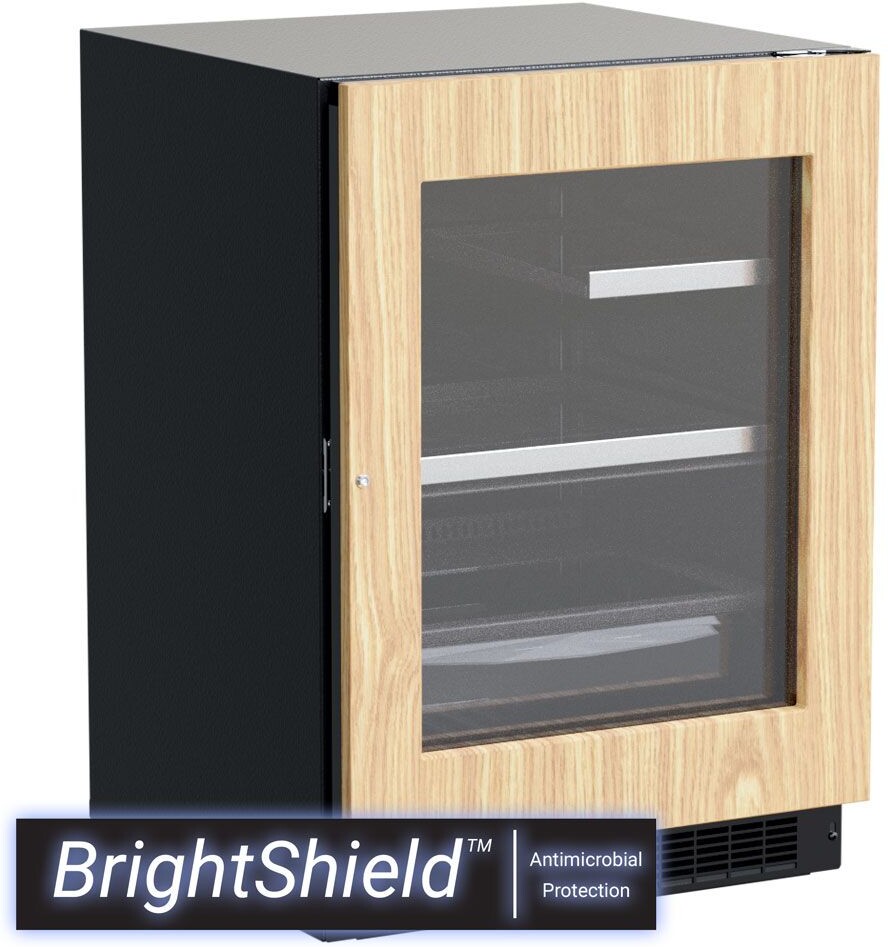
Wine chillers focus on both form and function, often featuring elegant glass doors to showcase your wine and interior lighting to enhance visual appeal. Some are built to be freestanding, while others integrate into cabinetry for a seamless look. Finishes range from stainless steel to wood.
Design Feature
Description
Finish
Stainless steel, black, wood paneling
Door Style
UV-resistant glass doors, tinted
Capacity
Typically measured by the number of bottles
Shelving
Wood, metal, or a combination
Noise Levels
Wine chillers prioritize quiet operation because they often install in living and entertaining spaces. Compressor models run at 35-42 decibels — comparable to a whispered conversation — while thermoelectric wine chillers achieve 25-35 decibels with zero vibration, making them virtually silent. Mini fridge freezers operate at 38-46 decibels, with the higher end typical in budget models where compressor insulation receives less engineering attention. Since mini fridge freezers often sit in bedrooms and dorm rooms, compressor cycling during quiet hours can be noticeable for light sleepers.
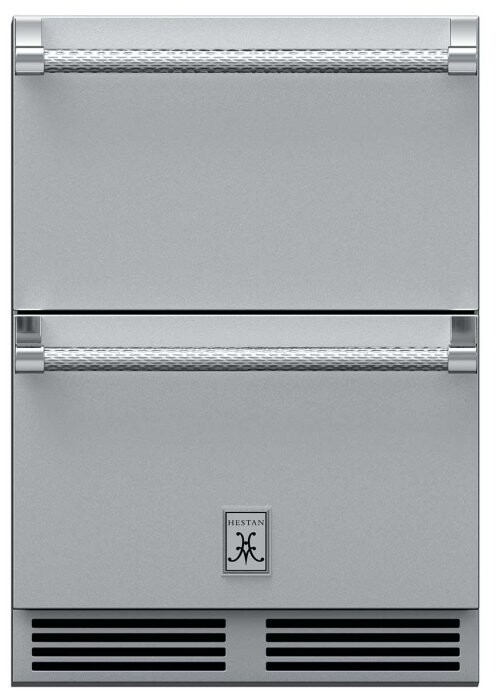
Wine chillers offer diverse installation options: countertop models sit on any stable surface, undercounter models fit standard 24-inch cabinet openings with front-venting exhaust for flush built-in installation, freestanding models can sit anywhere with adequate ventilation clearance, and panel-ready undercounter models disappear into custom cabinetry. The glass door is designed to display the collection in kitchens, dining rooms, and home bars.
Mini fridge freezers are freestanding appliances that sit on the floor or a stable elevated surface. Most require 2-3 inches of ventilation clearance on the sides and back, and they are not designed for built-in installation — blocking the rear ventilation with a tight cabinet enclosure causes the compressor to overheat and fail prematurely. They fit practical spaces: under desks, in closet alcoves, beside beds, and in small kitchens.
Energy Efficiency
Mini Fridge Freezer Energy Consumption
A mini fridge freezer will typically use less energy than a full-size refrigerator but more than a wine chiller, due to the dual functionality of having both refrigeration and freezing capabilities.
Mini Fridge Freezer Size (cu ft)
Estimated Yearly Energy Consumption (kWh)
1.7 - 2.7
200 - 300
3.0 - 4.5
310 - 400
4.6 - 5.5
420 - 500
Look for models with an Energy Star certification, as these are designed to be more energy-efficient. Keeping your mini fridge freezer well-maintained and at optimal temperature settings also helps reduce energy use. For a better understanding of energy consumption for different refrigerator types, see Fridge.com comparison of apartment size refrigerator vs. drawer freezer
.
Wine Chiller Energy Consumption
Wine chillers are generally more energy-efficient than mini fridge freezers because they maintain a consistent temperature that is less cold than what perishable food requires.
Wine Chiller Capacity (Bottles)
Estimated Yearly Energy Consumption (kWh)
6 - 20
90 - 150
21 - 50
151 - 250
51 - 100
251 - 350
The gap comes from two factors. First, the mini fridge maintains colder temperatures — roughly 37°F versus 55°F — requiring more compressor work per cycle. Second, the freezer compartment at 0°F demands additional cooling capacity the wine chiller does not provide at all; defrost cycles and the thermal challenge of maintaining two temperature zones in a small cabinet add further overhead. Positioning either appliance in a cool, shaded area reduces the work it must do to hold its internal temperature. Energy figures are estimates and vary by model and usage.
Mini fridge freezers cost less than wine chillers at comparable sizes because they use simpler construction — standard compressor and thermostat systems without vibration dampening, UV glass, or precision humidity controls. A quality mini fridge freezer at around $250 provides reliable dual-zone cold and frozen storage, while a quality wine chiller at around $500 provides dedicated wine preservation with specialized features that justify the premium for collectors.
Maintenance and Care
Mini Fridge Freezer Maintenance Tips
Regular Cleaning: Unplug the unit and clean the interior regularly with a mild soap solution and a soft cloth. Wipe down shelves, drawers, and door seals.
Defrosting: If your mini fridge freezer is not frost-free, defrost it whenever the ice buildup is about a quarter-inch thick — typically every 3-6 months depending on usage. This improves efficiency and prevents overworking the compressor, and frost buildup also steals usable freezer space.
Door Seals: Check the door seals (gaskets) for any wear or tear. Clean them with water and apply a thin layer of petroleum jelly to maintain their elasticity.
Coil Cleaning: Dust off the condenser coils located at the back or beneath the unit to ensure proper airflow. This should be done at least twice a year.
Leveling: Ensure that your mini fridge freezer is level to prevent undue stress on the compressor and to ensure proper door function.
Ventilation: Maintain adequate space around the appliance for airflow to prevent overheating.
Wine Chiller Maintenance Tips
Consistent Temperature: Avoid placing your wine chiller near heat sources and ensure it remains at a consistent temperature to protect your wine collection.
Humidity Control: Some wine chillers have humidity control features. If yours does, follow the manufacturer's guidelines to prevent cork drying.
Interior Cleaning: Clean the interior with a gentle cleaner and avoid harsh chemicals that may affect the taste and aroma of your wines. Check wooden racks periodically for mold in high-humidity environments.
Vibration Control: Position your wine chiller in a place with minimal vibration to avoid disturbing the sediment in the bottles.
Filter Replacement: If your wine chiller has a filter, replace it as recommended by the manufacturer to keep the airflow clean.
Door Seal Inspection: Just like with mini fridge freezers, inspect the door seals for any signs of wear and clean them regularly.
Expected Lifespan
Compressor-based wine chillers last 10-15 years with basic upkeep; thermoelectric models last 5-8 years, with the thermoelectric module being the most common failure point. Mini fridge freezers last around 5-8 years for budget models and 8-12 years for quality units — the small compressor is the most common failure point, and the dual-zone thermal load it manages contributes to slightly shorter average lifespans than single-zone wine chillers. For additional care comparisons across refrigerator and freezer types, explore compact freezer vs. fridge freezer and small deep freezer vs. wine chiller.
The most frequent mistake is buying a wine chiller expecting it to store food and beverages at safe refrigeration temperatures. Wine chillers maintain 45-65°F — well above the 40°F food safety threshold — and perishable food stored at 55°F enters the bacterial danger zone and can cause foodborne illness. If you need compact food storage, buy a mini fridge freezer.
The opposite mistake is storing wine in a mini fridge freezer long-term, assuming cold is cold. The colder temperature, low humidity, standard vibration, and lack of UV protection create hostile conditions for wine: bottles kept there for weeks develop dried corks, muted flavors, and accelerated aging. Short-term chilling for a few hours before serving is acceptable, but long-term storage in a mini fridge freezer damages wine quality noticeably.
A third common error is placing a mini fridge freezer inside a tight cabinet or closet without ventilation clearance. The compressor needs airflow around the unit to dissipate heat — blocking ventilation causes overheating, compressor strain, and premature failure. Always maintain the manufacturer's recommended clearance on all sides.
Single-Zone vs. Dual-Zone Wine Chillers
If you choose a wine chiller, the single-zone versus dual-zone decision affects both cost and functionality. Single-zone wine chillers maintain one temperature throughout the cabinet — ideal if you primarily drink one style of wine or prefer a compromise serving temperature of 52-55°F. Dual-zone wine chillers split the cabinet into two independently controlled compartments, allowing simultaneous storage of whites at 45-50°F and reds at 58-65°F. Dual-zone models cost 20-40% more than comparable single-zone units but provide significantly more serving flexibility. For collections of 20 or more bottles spanning multiple varietals, the dual-zone investment pays for itself in consistently better serving temperatures across every style.
Buy a wine chiller if wine preservation is your primary goal. It provides the specialized temperature, humidity, vibration, and UV controls that wine requires, and it is the only appliance category that stores wine correctly.
Buy a mini fridge freezer if you need versatile compact cold and frozen storage for food and beverages in a small space — dorm rooms, offices, bedrooms, and apartments where a full-size refrigerator is unavailable or impractical.
For wine enthusiasts living in small spaces, the answer may be both: a mini fridge freezer for daily food needs and a countertop or small freestanding wine chiller for the collection. These appliances complement rather than compete, each handling its specialized role without compromise.
Frequently Asked Questions
Can you store wine in a mini fridge freezer?
Only for short-term chilling before serving. A mini fridge freezer runs at 32-40°F — 8 to 28 degrees colder than wine's ideal 45-65°F range — and its low humidity dries out natural corks within weeks, letting air in and oxidizing the wine. Standard compressor vibration can also disturb sediment in aging bottles. For any storage beyond a few hours, use a wine chiller.
Can a wine chiller be used as a mini fridge for food?
No. Wine chillers hold 45-65°F, above the 40°F food-safety threshold, so meat, dairy, and produce stored inside sit in the bacterial danger zone and spoil rapidly. A wine chiller also has no freezer compartment, and its horizontal bottle racks cannot hold food containers or cans.
Which uses more electricity, a mini fridge freezer or a wine chiller?
The mini fridge freezer. It maintains colder temperatures and powers a 0°F freezer compartment, consuming roughly 200-500 kWh per year depending on size, while wine chillers typically use 90-350 kWh per year. The wine chiller's warmer single-zone target makes it inherently more efficient per cubic foot.
Which is quieter?
The wine chiller. Compressor wine chillers run at 35-42 decibels and thermoelectric models at 25-35 decibels, while mini fridge freezers operate at 38-46 decibels. If the unit will sit in a bedroom, noise level is worth checking before buying.
How long does each appliance last?
Compressor wine chillers last 10-15 years and thermoelectric models 5-8 years. Mini fridge freezers last 5-8 years for budget models and 8-12 years for quality units, with the small compressor the most common failure point.
Can a mini fridge freezer be built into a cabinet?
No. Mini fridge freezers vent from the rear and need 2-3 inches of clearance on the sides and back; enclosing one in a tight cabinet causes the compressor to overheat and fail prematurely. If you want a flush built-in look, choose a front-venting undercounter wine chiller or undercounter refrigerator designed for 24-inch cabinet openings.
What temperature should each appliance be set to?
Set a mini fridge freezer's refrigerator compartment between 32°F and 40°F and its freezer at 0°F or below. Set a wine chiller by wine style: about 45°F for sparkling wines, 45-50°F for whites, and 50-65°F for reds, or use a dual-zone model to hold both ranges at once.
Compare prices on Fridge.com
Compare current prices and specifications on Fridge.com, then buy from the retailer you choose; delivery, installation and warranty terms are the retailer’s.
It also has tons of awesome articles about kitchen stuff and home news. Enhance your home, garage, backyard, patio, and office with the coolest essentials. With every necessary type of residential refrigerator or freezer in the collection, you're covered.
Frequently Asked Questions
A mini fridge freezer is a compact, general-purpose appliance that combines a small refrigerator compartment with a separate freezer section in a single unit typically standing 32 to 48 inches tall. Total capacity ranges from about 3 to 5 cubic feet split between the two compartments — the refrigerator section usually receives 70-80% of the volume and the freezer section 20-30%. The refrigerator side holds beverages, dairy, produce, condiments, and leftovers on adjustable shelves and door bins; the freezer side — usually behind its own door at the top — handles frozen meals, ice cream, and ice trays. Mini fridge freezers serve as primary refrigerators in dorm rooms and studio apartments, secondary refrigerators in home offices and guest rooms, and overflow cold storage where the main refrigerator is at capacity. Their defining advantage is versatility — one compact appliance provides both refrigerated and frozen storage for any combination of food and beverages. For more comparisons of space-saving refrigeration options, check out Fridge.com article on apartment size refrigerator vs. glass door mini fridge.