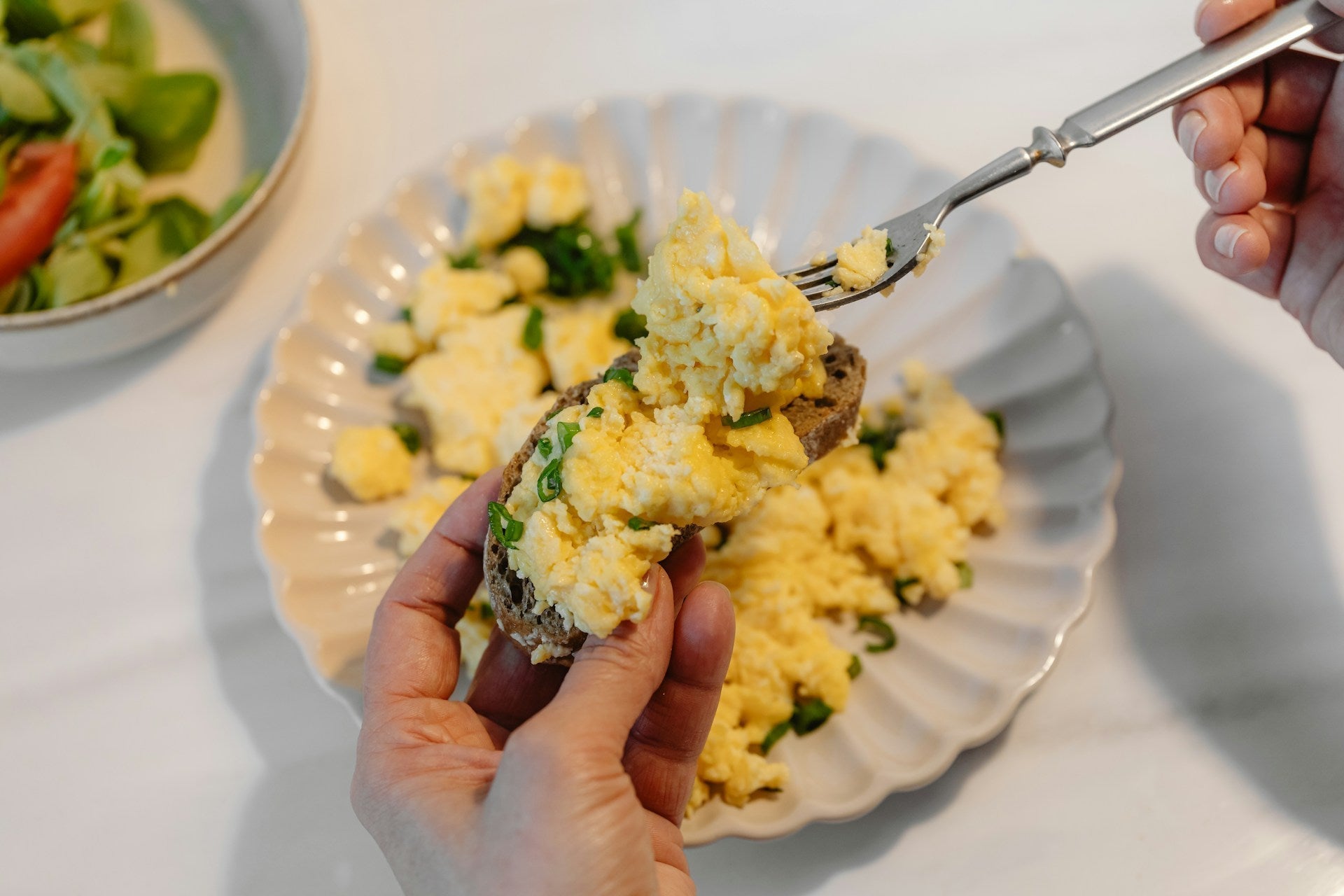
Keeping Scrambled Eggs Fresh in the Fridge
Storing scrambled eggs properly is key to keeping them safe and tasty. Let's break down the basics of food safety and the best ways to refrigerate your scrambled eggs.
Why Food Safety Matters
Food safety isn't just a fancy term—it's about keeping your meals free from nasty bacteria like Salmonella, which can make you sick. If you don't store cooked eggs the right way, you're asking for trouble. So, let's make sure your scrambled eggs stay safe to eat.
How to Refrigerate Scrambled Eggs
Wondering if scrambled eggs can chill in the fridge? Absolutely, but you gotta do it right. Here’s how:
Cool 'Em Down Fast: After cooking, let your scrambled eggs cool to room temperature. This stops condensation, which can make things damp and perfect for bacteria.
Seal 'Em Up: Put your eggs in an airtight container. This keeps out moisture and other stuff that could spoil your eggs.
Fridge 'Em Quick: Get those cooled eggs into the fridge within two hours of cooking. Keep the fridge below 40°F to stop bacteria from growing.
Label and Date: Write the date on the container. This way, you know how long they've been in the fridge. Eat them within 3-4 days for the best taste and safety.
| Storage Tips | Timeframe |
|---|---|
| Cool to Room Temp | Within 2 hours |
| Refrigerate Below 40°F | Right after cooling |
| Eat Within | 3-4 days |
Follow these steps, and your scrambled eggs will stay fresh and safe. Want more tips on food storage? Check out our articles on will bacon go bad in the fridge? and will eggs go bad in the refrigerator?.
How Long Can Scrambled Eggs Last in the Fridge?
Ever wondered how long you can keep those leftover scrambled eggs in the fridge before they turn into a science experiment? Let's break it down so you can enjoy your breakfast without any worries.
How Long Do Scrambled Eggs Last in the Fridge?
When you stash your scrambled eggs in an airtight container and pop them in the fridge, they’re good to go for about 3 to 4 days. After that, you're playing a risky game with bacteria that can make you sick.
| Storage Method | Duration |
|---|---|
| Refrigerated (Airtight Container) | 3 - 4 days |
Curious about other food storage tips? Check out our article on will eggs go bad in the refrigerator?.
How to Tell If Your Scrambled Eggs Have Gone Bad
Nobody wants to eat spoiled eggs. Here’s how to spot the signs that your scrambled eggs have turned:
- Funky Smell: Fresh scrambled eggs have a mild, eggy aroma. If they smell sour or just plain weird, toss them.
- Weird Texture: If your scrambled eggs are slimy or watery, it’s time to say goodbye.
- Mold: Any mold on your scrambled eggs means they’re done for. Don’t even think about eating them.
- Odd Color: Fresh scrambled eggs should be yellow or light golden. If they’ve got gray or green patches, they’re no good.
Keeping an eye out for these signs will help you avoid any nasty surprises. For more food storage tips, check out our articles on will bread last longer in the fridge? and will chicken go bad in the fridge?.
Knowing how long you can keep scrambled eggs in the fridge and recognizing when they’ve gone bad will keep you safe and your meals tasty. Enjoy your breakfast without the worry!
Keeping Your Scrambled Eggs Fresh
Storing scrambled eggs right is key to keeping them tasty and safe. Here's how to do it.
Tips for Storing Scrambled Eggs
To keep your scrambled eggs fresh and safe in the fridge, follow these steps:
- Cool Them Down: Let the scrambled eggs cool to room temperature after cooking. This helps stop bacteria from growing.
- Refrigerate Quickly: Get those eggs into the fridge within two hours of cooking to avoid spoilage.
- Use Airtight Containers: Put the eggs in airtight containers to keep them from soaking up other food smells and to keep them moist.
- Label and Date: Mark the container with the date you stored the eggs so you know how long they've been in the fridge.
Best Containers for Storing Scrambled Eggs
Picking the right container can make a big difference in how well your scrambled eggs keep. Here are some good options:
- Glass Containers: Glass containers with airtight lids are great. They don't react with food and won't absorb smells.
- Plastic Containers: BPA-free plastic containers with tight lids work well too. Just make sure they're food-safe and not damaged.
- Resealable Bags: If you're short on space, heavy-duty resealable bags can do the trick. Just squeeze out as much air as you can before sealing.
| Container Type | Pros | Cons |
|---|---|---|
| Glass Containers | Non-reactive, no odors | Heavy, can break |
| Plastic Containers | Light, versatile | Can absorb smells, may scratch |
| Resealable Bags | Space-saving, flexible | Less durable, might leak |
For more tips on food storage and safety, check out our articles on will eggs go bad in the refrigerator? and will food go bad if fridge left open?.
Follow these tips, and your scrambled eggs will stay fresh and ready to eat whenever you want.
Reheating Refrigerated Scrambled Eggs
Got leftover scrambled eggs? No worries! You can bring them back to life without turning them into rubbery blobs. Here’s how to reheat them so they taste just as good as fresh.
How to Reheat Scrambled Eggs
Here are some easy ways to reheat your scrambled eggs:
Microwave: Pop your scrambled eggs in a microwave-safe dish. Cover them with a microwave-safe lid or a damp paper towel to keep them from drying out. Heat on medium power in 30-second bursts, stirring in between, until they’re hot.
Stovetop: Grab a non-stick skillet and set it over medium-low heat. Add a bit of butter or oil to keep the eggs from sticking. Stir them often to make sure they heat evenly.
Oven: Preheat your oven to 350°F (175°C). Put the scrambled eggs in an oven-safe dish and cover with aluminum foil. Heat for about 15-20 minutes, stirring now and then, until they’re warmed through.
Tips to Keep Eggs Tasty
Want your reheated scrambled eggs to taste just right? Follow these tips:
Don’t Overheat: Overheating can make eggs rubbery. Heat them just until they’re warm.
Add Moisture: A splash of milk, cream, or a dab of butter before reheating can keep the eggs moist and tasty.
Stir Often: Stirring helps the eggs heat evenly, so you don’t end up with some parts overcooked.
Cover Up: Using a lid or damp paper towel traps steam and keeps the eggs from drying out.
Here’s a quick cheat sheet for reheating times:
| Method | Time (Minutes) | Notes |
|---|---|---|
| Microwave | 1-2 | Heat in 30-second bursts |
| Stovetop | 5-7 | Stir often |
| Oven | 15-20 | Stir occasionally |
For more tips on keeping your food safe and tasty, check out our article on will food go bad if fridge left open?.
By following these tips, you can enjoy your scrambled eggs just as much the second time around. For more on food storage and safety, visit our articles on will eggs go bad in the refrigerator? and will hot food spoil if put in the refrigerator?.
Fun and Tasty Ways to Use Leftover Scrambled Eggs
New Twists for Scrambled Eggs
Got leftover scrambled eggs? Don't toss 'em! Turn them into something delicious with these fun ideas:
- Breakfast Burritos: Roll up scrambled eggs in a tortilla with cheese, salsa, and your favorite veggies. Boom! Breakfast is served.
- Egg Salad: Chop up those scrambled eggs and mix with mayo, mustard, and your go-to seasonings. Slap it on some bread or lettuce leaves.
- Fried Rice: Toss scrambled eggs into fried rice with veggies, soy sauce, and any leftover meat. Instant meal!
- Stuffed Peppers: Fill bell peppers with scrambled eggs, cheese, and cooked sausage or bacon. Bake until the peppers are soft and yummy.
- Egg Muffins: Mix scrambled eggs with veggies and cheese, pour into a muffin tin, and bake. Perfect for a grab-and-go snack.
Recipes to Jazz Up Leftover Scrambled Eggs
Using leftover scrambled eggs in new recipes can make your meals more exciting and cut down on waste. Check out these recipes:
-
Scrambled Egg Tacos
-
Ingredients:
- Leftover scrambled eggs
- Corn or flour tortillas
- Shredded cheese
- Salsa or pico de gallo
- Chopped cilantro
-
Instructions:
- Warm tortillas in a skillet.
- Fill each tortilla with scrambled eggs.
- Top with cheese, salsa, and cilantro.
-
Ingredients:
-
Scrambled Egg Fried Rice
-
Ingredients:
- Leftover scrambled eggs
- Cooked rice
- Diced veggies (carrots, peas, bell peppers)
- Soy sauce
- Sesame oil
- Green onions
-
Instructions:
- Heat sesame oil in a large skillet and sauté veggies until tender.
- Add cooked rice and soy sauce, stirring to combine.
- Mix in scrambled eggs and cook until heated through.
- Garnish with chopped green onions.
-
Ingredients:
-
Scrambled Egg Stuffed Bell Peppers
-
Ingredients:
- Leftover scrambled eggs
- Bell peppers, halved and seeded
- Shredded cheese
- Cooked sausage or bacon (optional)
- Chopped herbs (parsley or chives)
-
Instructions:
- Preheat oven to 375°F (190°C).
- Fill each bell pepper half with scrambled eggs, cheese, and sausage or bacon.
- Place stuffed peppers in a baking dish and bake for 20-25 minutes, until peppers are tender.
- Sprinkle with chopped herbs before serving.
-
Ingredients:
For more tips on food storage and safety, check out will a smoothie keep in the fridge? or will bacon go bad in the fridge?.
Freezing Scrambled Eggs
Got leftover scrambled eggs or planning meals ahead? Freezing scrambled eggs is a game-changer. Do it right, and your eggs will taste just as good when you reheat them.
How to Freeze Scrambled Eggs
Here's the lowdown on freezing scrambled eggs:
- Cool Down: Let your scrambled eggs chill out at room temperature. This stops condensation, which can turn into ice crystals.
- Portion It Out: Split the eggs into single servings. This way, you only thaw what you need.
- Pick the Right Containers: Use airtight containers or heavy-duty freezer bags. Squeeze out as much air as you can to avoid freezer burn.
- Label and Date: Mark each container with the date you froze them. Scrambled eggs are good in the freezer for up to 3 months.
| Step | What to Do |
|---|---|
| Cool Down | Let eggs cool to room temp |
| Portion It Out | Divide into single servings |
| Pick Containers | Use airtight containers or freezer bags |
| Label and Date | Mark with freezing date |
| Storage Time | Up to 3 months |
Thawing and Reheating Frozen Scrambled Eggs
To keep your scrambled eggs tasty, follow these thawing and reheating tips:
- Thawing: Move the scrambled eggs to the fridge the night before. Slow thawing keeps the texture and flavor intact.
- Microwave Method: Put the thawed eggs in a microwave-safe dish. Cover with a lid or plastic wrap. Heat on medium, stirring now and then, until they're hot.
- Stovetop Method: Warm a non-stick skillet over medium heat. Toss in the thawed scrambled eggs and stir until they're heated through.
| Method | How to Do It |
|---|---|
| Fridge Thawing | Thaw overnight in the fridge |
| Microwave | Heat on medium, stir occasionally |
| Stovetop | Cook on medium, stir frequently |
For more handy tips on food storage and safety, check out our article on will a fridge leak if unplugged. With the right storage and reheating, your scrambled eggs will be just as delicious as when you first made them.
Safety Tips and Considerations
Handling and Serving Scrambled Eggs
When it comes to scrambled eggs, keeping things safe is a big deal. Make sure your eggs are cooked all the way through to avoid any nasty bacteria like Salmonella. Once they're done, let them cool a bit before popping them into a container for the fridge. You’ve got a two-hour window after cooking to get them chilled to keep bacteria at bay.
When you're ready to eat those leftover scrambled eggs, heat them up to at least 165°F (74°C). Use a food thermometer to be sure. Also, keep things clean—use fresh utensils and keep the eggs away from raw foods to avoid cross-contamination.
Risks of Storing Eggs Wrong
Storing scrambled eggs the wrong way can be a health hazard. Bacteria like Salmonella and E. coli can make a home in improperly stored eggs, leading to food poisoning. Symptoms can include nausea, vomiting, diarrhea, and stomach cramps.
To dodge these risks, follow storage rules: refrigerate eggs quickly, use airtight containers, and eat them within the recommended time. Always check for spoilage signs like bad smells, weird textures, or odd colors before eating.
| Health Risk | Cause | How to Prevent |
|---|---|---|
| Bacterial Contamination | Bad storage | Refrigerate quickly, use airtight containers |
| Foodborne Illnesses | Eating spoiled eggs | Check for spoilage, reheat to 165°F (74°C) |
For more tips, check out articles like Will Food Spoil at 50 Degrees in Refrigerator and Will Hot Food Spoil if Put in the Refrigerator.
Get Your Upgrade or New Addition at Fridge.com
Whether you're searching for your perfect fridge, freezer, wine fridge, beer fridge, ice maker, or kegerator, we have what you need.
Shop the world's best brands at Fridge.com.
We also have tons of awesome articles about kitchen stuff and home news. Enhance your home, garage, backyard, patio, and office with the coolest essentials. With every necessary type of residential refrigerator or freezer in our collection, we've got you covered.
Elevate your game and shop now at Fridge.com!